Top 15 Gorges in Transdanubia
Best canyons in Transdanubia are found within Hungary's western region, characterized by dramatic rock faces, flowing creeks, and lush environments. These natural formations, often referred to as gorges or ravines, offer diverse outdoor experiences. The region's landscape has been shaped by water erosion, revealing a rich geological history. Transdanubia provides a range of canyon-like settings for nature enthusiasts.
Best canyons in Transdanubia
- The most popular canyons is Rám Gorge, a gorge known for its adventurous trail, featuring numerous waterfalls…
Last updated: June 27, 2026
Rám Gorge
Highlight (Segment) • Gorge
Tip by

Small Waterfall
Highlight • Waterfall
Translated by Google •
Tip by

Sign up now to discover places like this
Get recommendations on the best single tracks, peaks, & plenty of other exciting outdoor places.
Sign up for free
Second Ladder at the Rám Gorge Waterfall
Highlight • Gorge
Tip by
Kőkapu
Highlight • Canyon
Tip by
Cuha Gorge
Highlight (Segment) • Gorge
Translated by Google •
Tip by

Ördög-árok Gorge
Highlight • Gorge
Translated by Google •
Tip by

Ördög-gát
Highlight • Gorge
Translated by Google •
Tip by
Döngölt Árok
Highlight • Gorge
Tip by

Római Fürdő Waterfall – Bakonynána
Highlight • Waterfall
Tip by

Pinka Gorge
Highlight • Gorge
Tip by

Sign up for free to discover even more gorges in Transdanubia.
Sign up for free
Already have an account?
Start today with a free account
Your next adventure awaits.
Login or Signup
Popular around Transdanubia
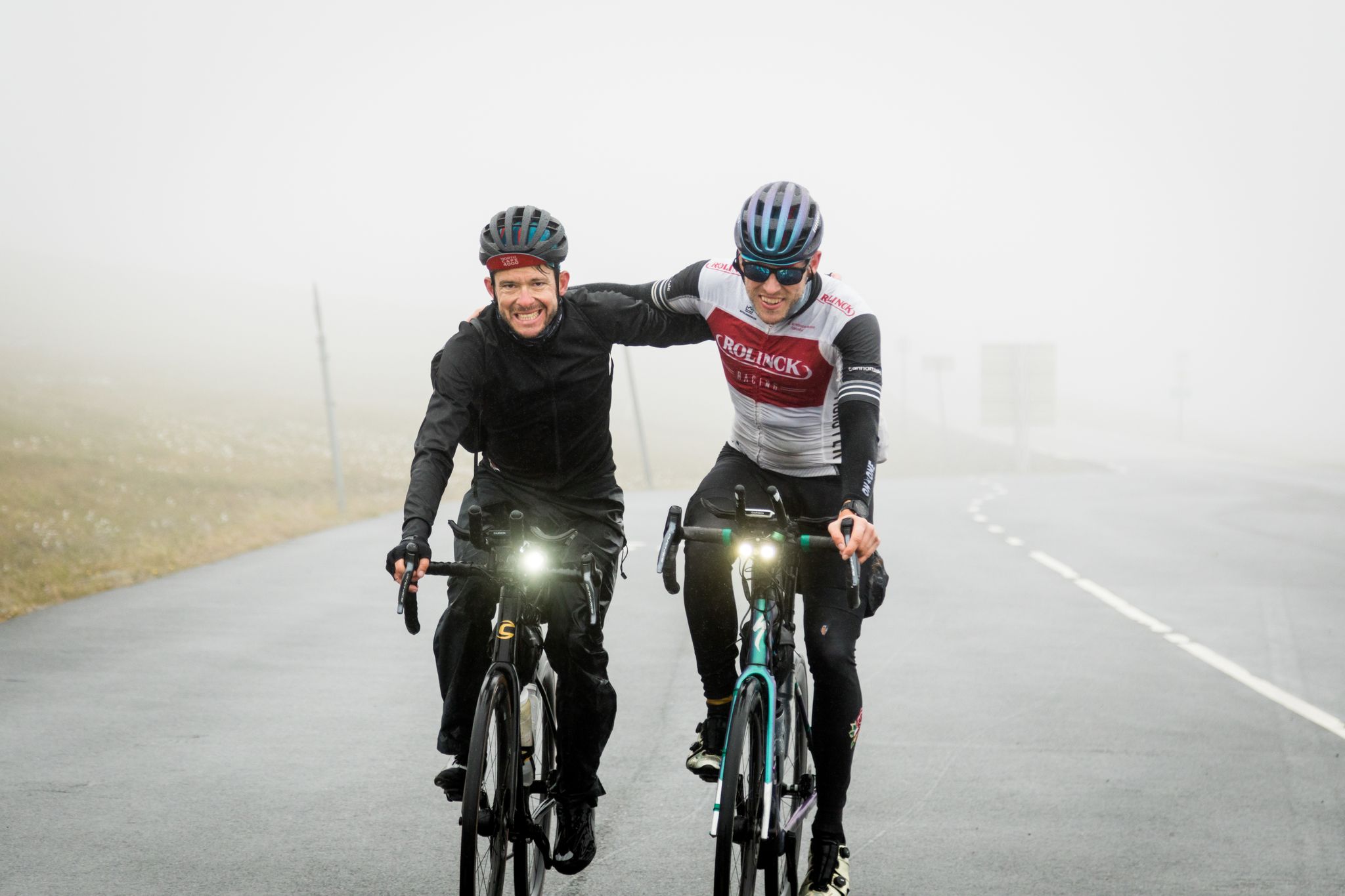
NorthCape4000 – 12 days from Lake Garda to the North Cape
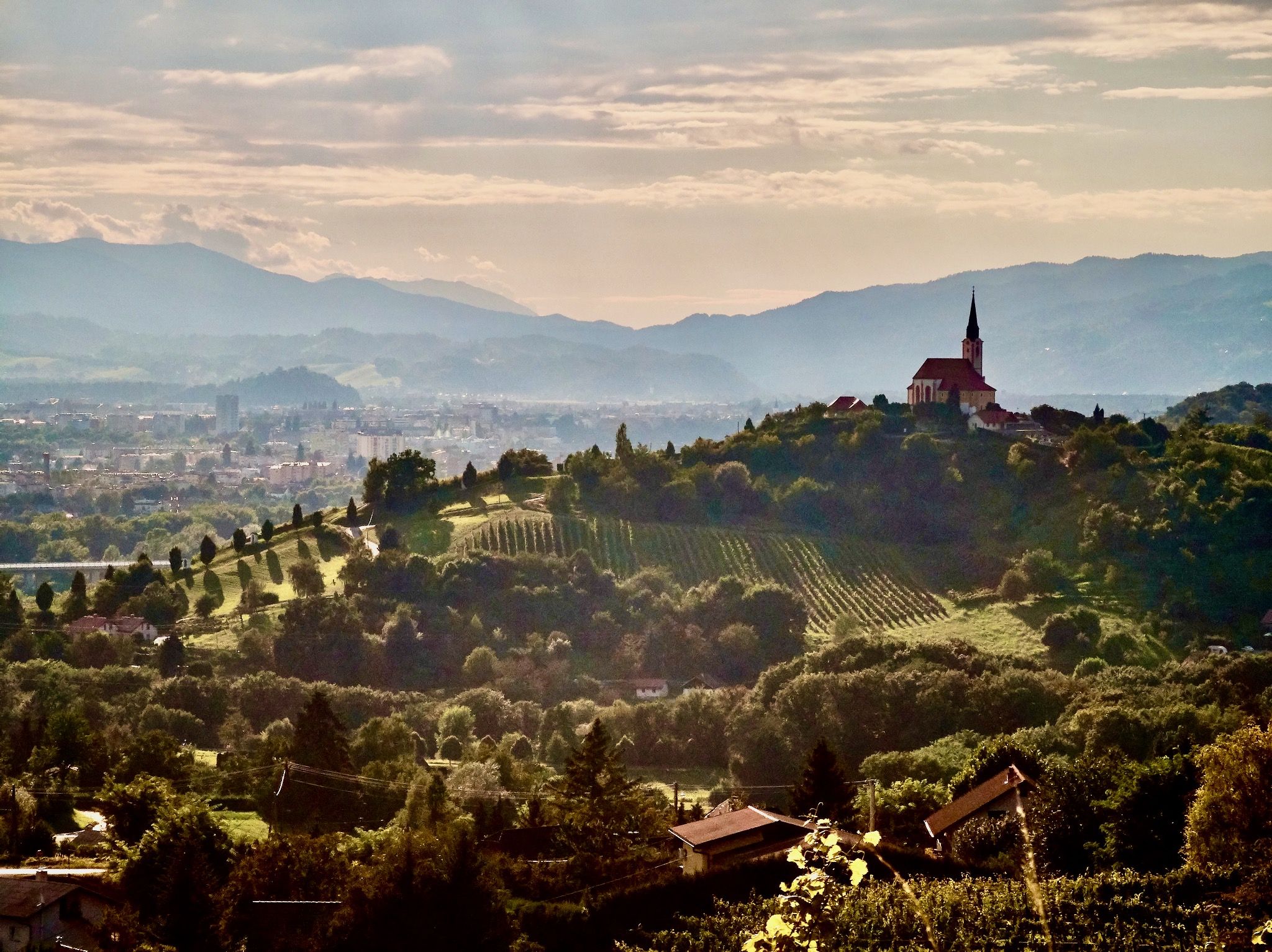
Budapest to Venice via the beautiful Soča Valley
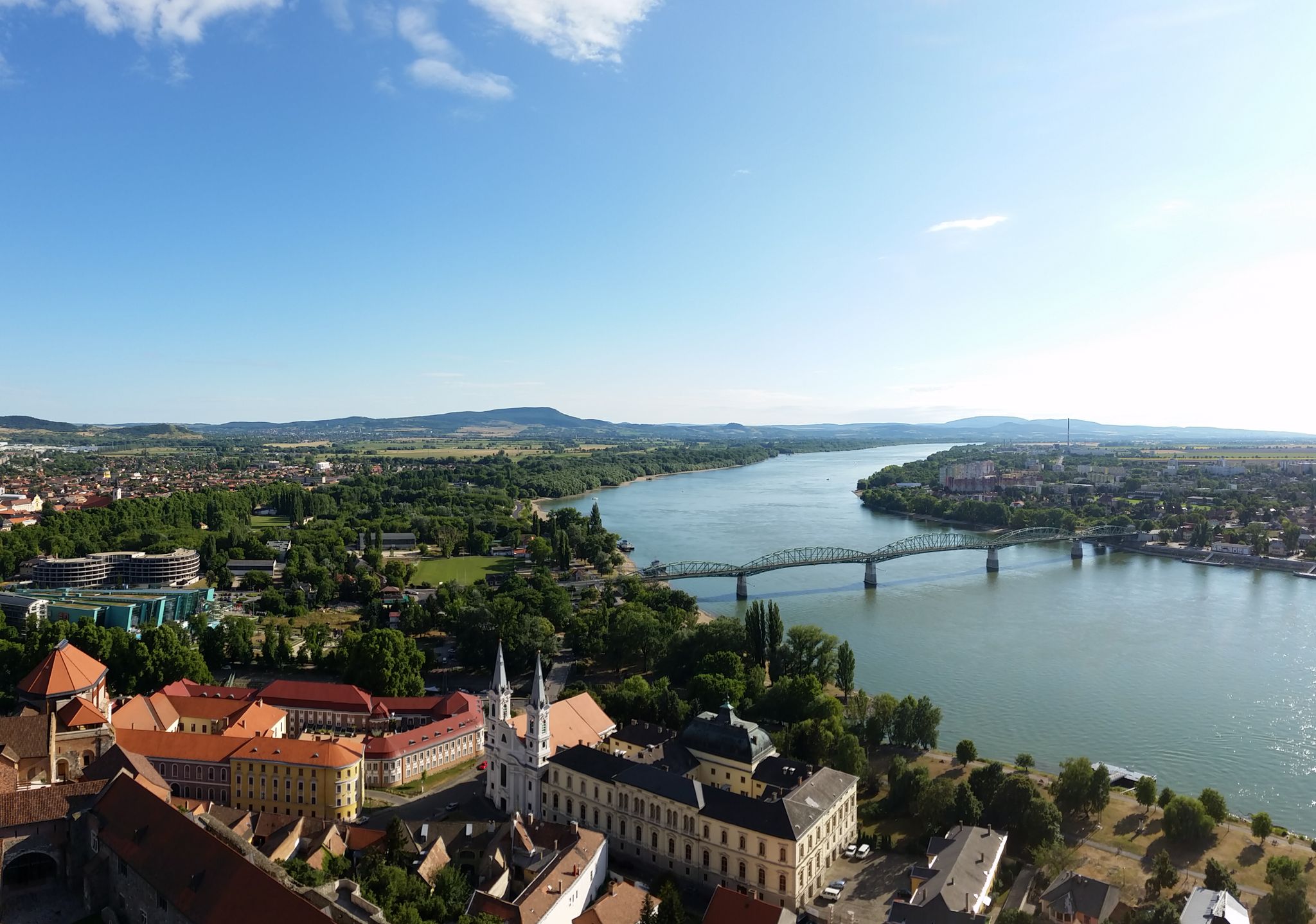
The Danube Cycle Path – From Donaueschingen to Budapest
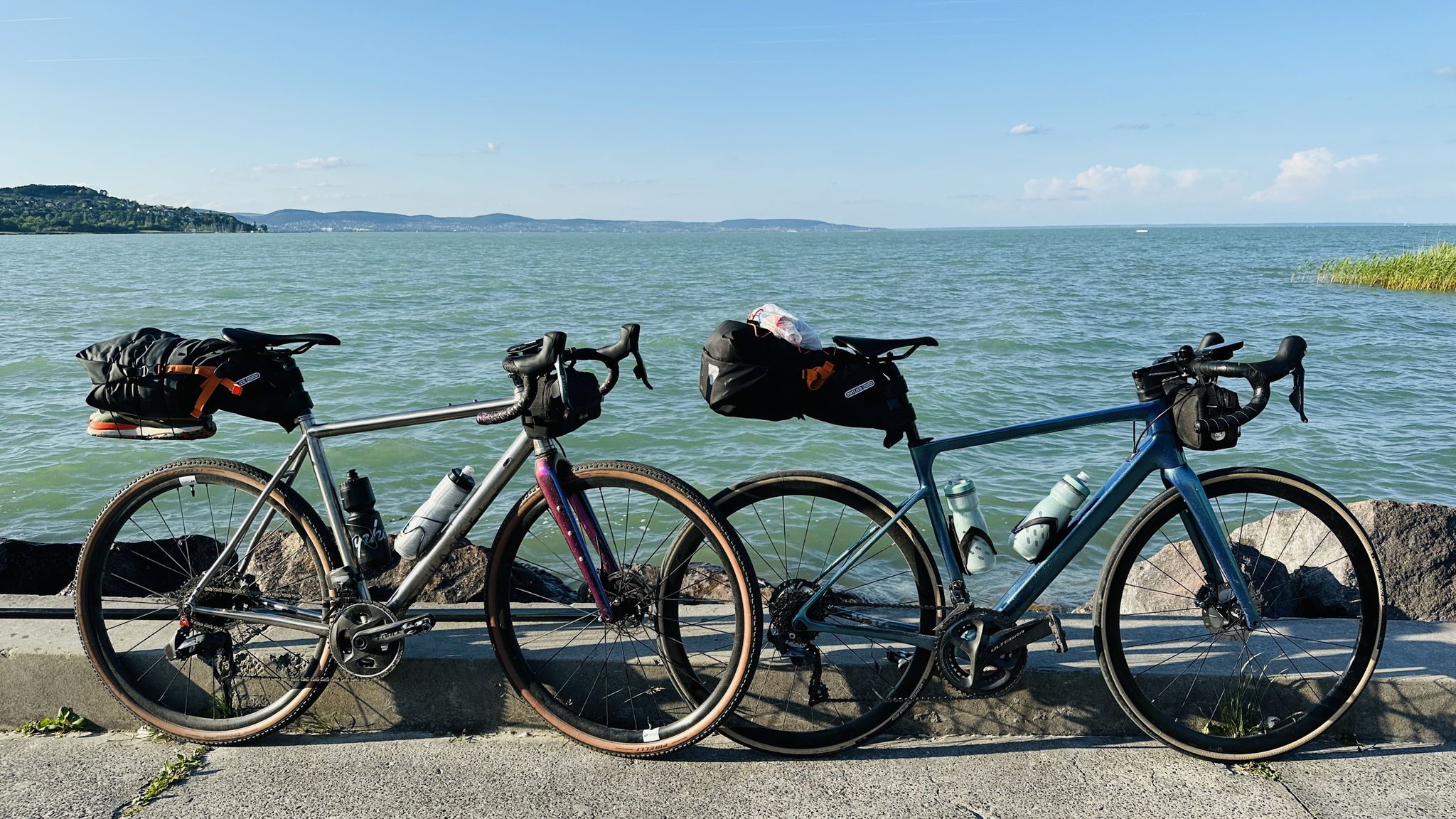
Riding two Koppels through five countries
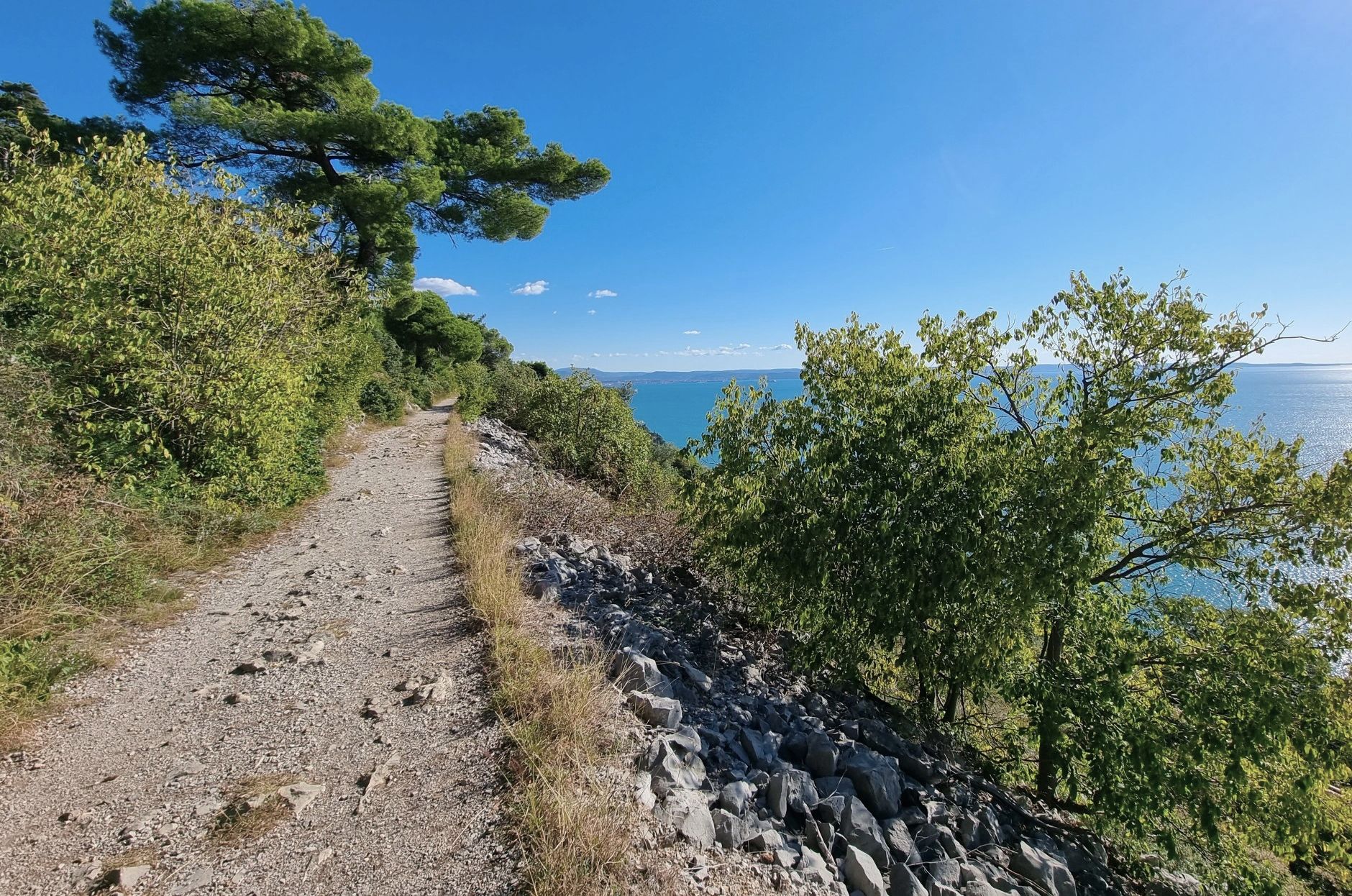
Ride to the sea – gravel bikepacking from Austria’s Vienna to Italy’s Grado
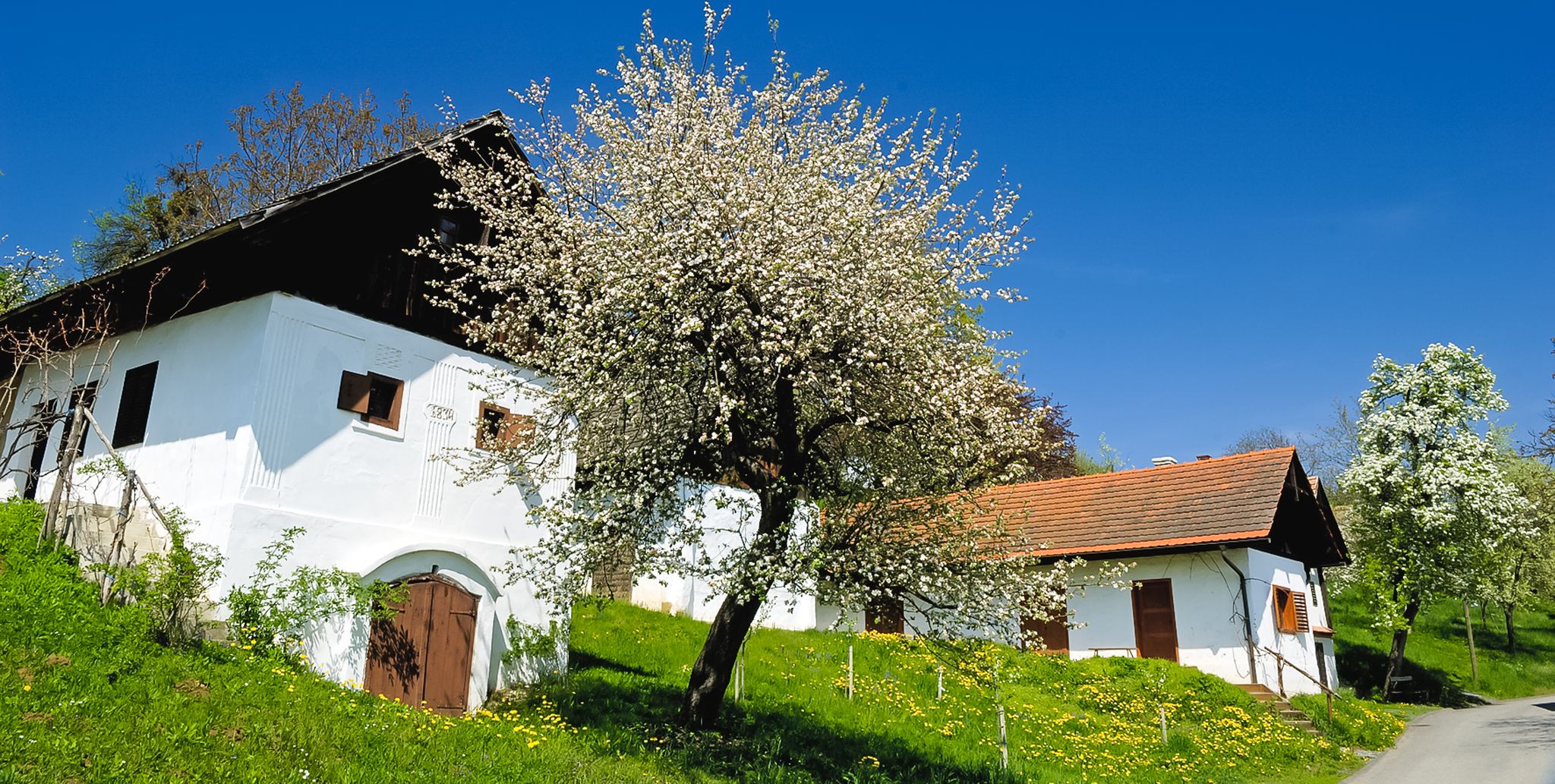
Roman paths in the Burgenland – Amber Trail East Route
As we wrote history – the Transcontinental Race #TCRN06
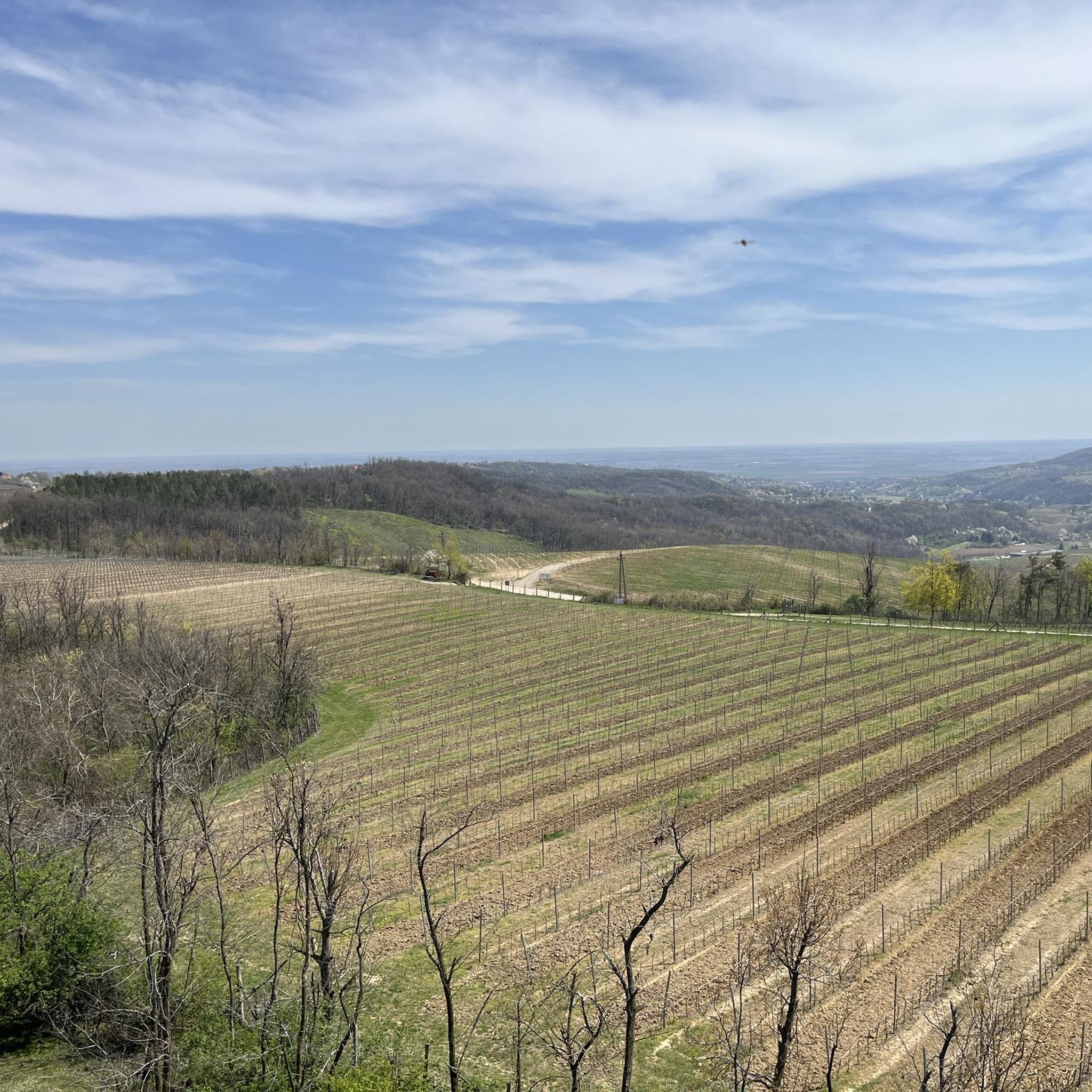
Cycling in Transdanubia
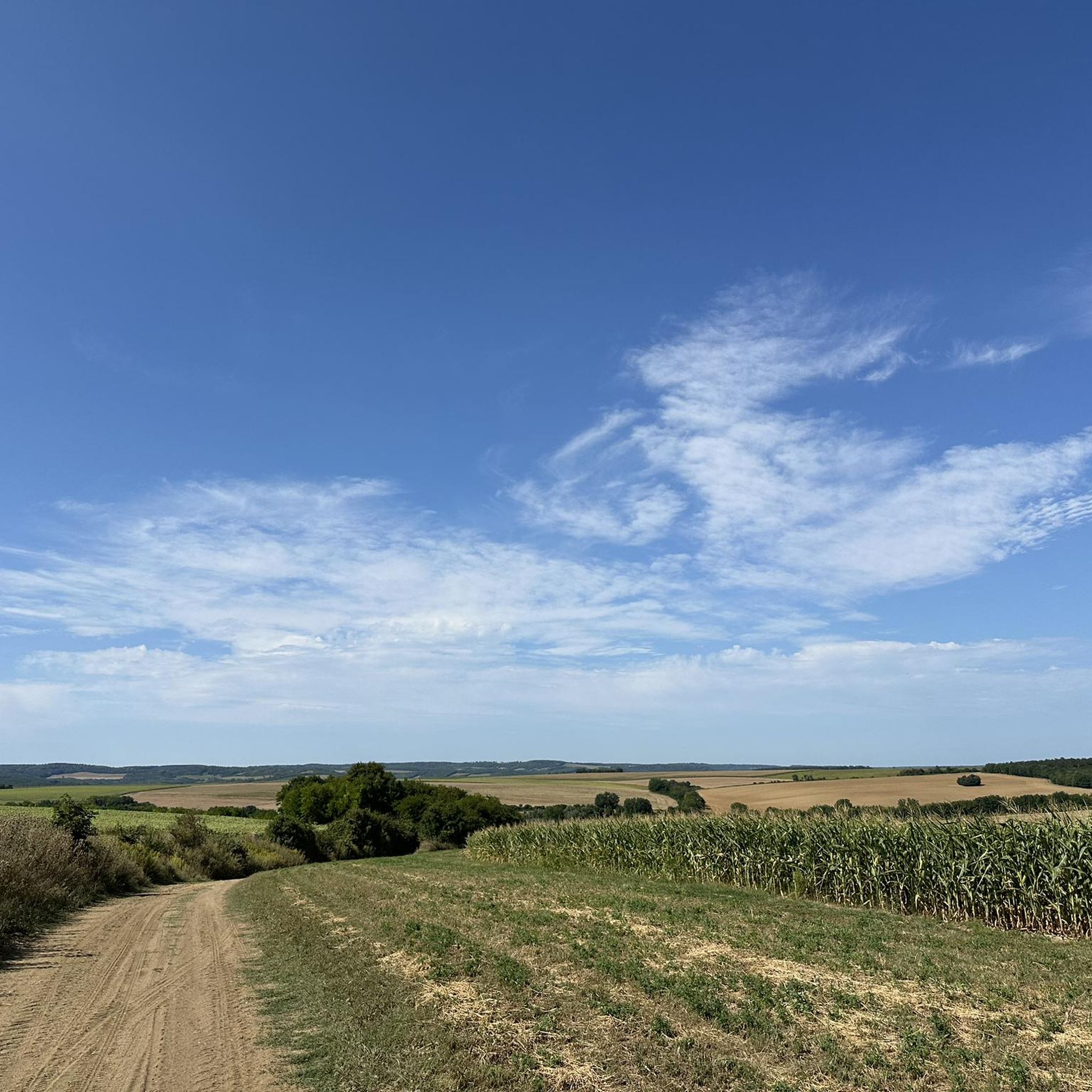
Road Cycling Routes in Transdanubia
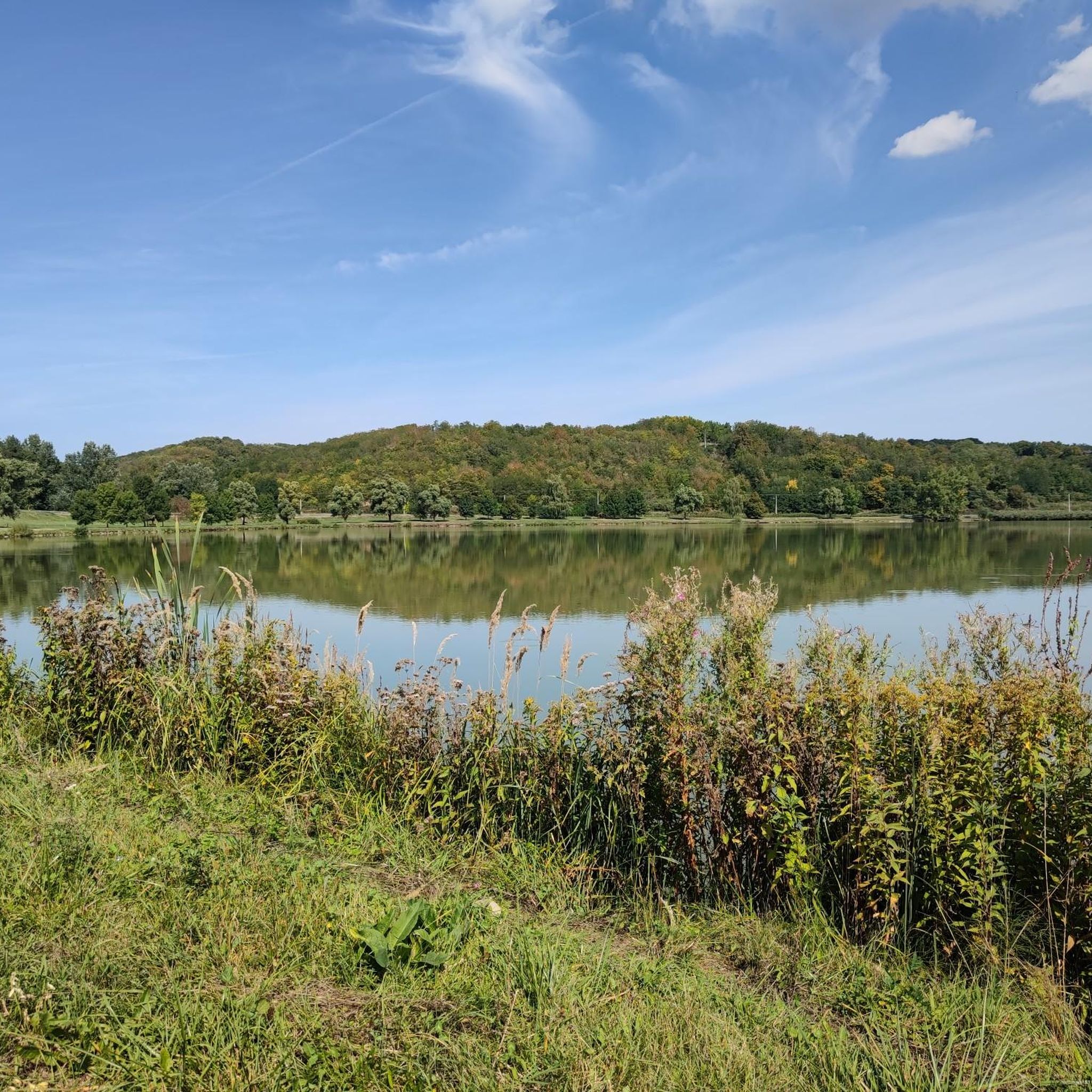
Hiking in Transdanubia
Other adventures in Transdanubia


Tips from the Community

The most beautiful sight of the Eastern Bakony. Less well known compared to that. Sometimes (during dry summer periods) the Gaja Stream "flows through" it and carved a deep gorge valley, which has created a natural beauty rarely seen in Hungary. The water cascades down over several meters, on smaller "steps", which in places seem to form "tub-like" shapes....Maybe that's where its name comes from: Roman Baths. If you haven't been here before, or are looking for the "legs" of the Bakony, put it in your hiking plan, because this is the TOP. It is easily accessible, even as part of a hiking tour. There is an S1-S2 section by bike to the rest area, but this is not a long section to the upper gravel-forestry road.
0
0
It is one of the most popular hiking trails in the Bakony, but anyone who wants to do a via ferrata will also reach their destination here. Stream, tourist rest areas, spring, nearby restaurant, in short, everything is here. Oh, and one of the most beautiful railway routes in the country.
0
0
Close to Bakonynána, the Gaja stream has carved a deep gorge surrounded by rock walls, which at first is a gentle stream, then continues in a waterfall. In the last part, there is a 40m long rock gorge with vertical rock walls. It is a wonderful natural environment and a great experience as we walk on the rocks and the water gushes down below us. If we are lucky, the water flow is adequate, and the plants on the rock walls also present an impressive picture. It is definitely worth coming here, because we can reach the place with an easy 2-hour round trip.
0
0

The terrain is easy to walk on in dry weather, but slippery in the rain and winter. It is recommended to wear boots that provide good ankle support.
1
0

This is the tamed Pinka brook trout. The traces of the spring flood are still visible, making it both beautiful and special. At the Pinka gorge, there are always interested people or hikers. When it's not...that's the real thing!
1
0


The stones can be slippery, it is recommended to wear high-soled hiking shoes
3
0
Frequently Asked Questions
What are some of the most popular canyon-like experiences in Transdanubia?
Transdanubia offers a variety of impressive gorges and ravines. Among the most popular are Rám Gorge, known for its adventurous trail with ladders and waterfalls, and the Small Waterfall in the Római-fürdő area, where the Gaja stream carves a deep gorge. The Cuha Gorge is also highly regarded for its scenic path alongside the creek and unique railway views.
What is the difficulty level of hiking in Transdanubian canyons?
Hiking difficulties vary significantly. Some areas like Rám Gorge are considered challenging, featuring steel ladders and requiring careful navigation. Other gorges, such as the Small Waterfall area, offer intermediate trails. The Dera-gorge, for instance, is known for its accessibility, making it suitable for easier walks. Always check specific trail conditions before you go.
What natural features can I expect to see in Transdanubia's canyons?
You'll encounter dramatic rock faces, flowing creeks, and lush forest environments. Many gorges feature impressive waterfalls, such as the Római Fürdő Waterfall and the various cascades within Rám Gorge. Moss-covered rock walls, monumental tree roots, and unique geological formations carved by water erosion are common sights, revealing the rich history of the land.
What is the best time of year to visit the canyons in Transdanubia?
Spring and autumn are generally ideal for visiting, offering pleasant temperatures and vibrant foliage. However, it's crucial to consider recent rainfall. Areas like Rám Gorge are not recommended after significant rainfall due to the risk of flash floods and challenging conditions on the ladders. The Római-fürdő waterfall is particularly spectacular after rain, but trails can be slippery.
Are there family-friendly canyon hikes in Transdanubia?
Yes, several canyon-like areas are suitable for families. The Dera-gorge near Pilisszentkereszt is an excellent choice due to its accessibility and small bridges that aid in crossing the creek. The Cuha Gorge also offers a family-friendly environment with a path alongside the creek, though it can be crowded during popular periods.
Can I bring my dog to the Transdanubian canyons?
While many trails in Transdanubia are dog-friendly, it's always best to check specific regulations for each gorge. For adventurous trails like Rám Gorge, which involves ladders and potentially slippery sections, it might be challenging or unsafe for dogs, especially larger breeds. Always keep your dog on a leash and ensure they are comfortable with varied terrain.
What outdoor activities can I do near these canyons?
Beyond exploring the canyons themselves, Transdanubia offers a wide range of outdoor activities. You can find numerous hiking trails, including easy, moderate, and difficult options, as well as running trails. For more detailed information on routes, you can explore guides like Hiking in Transdanubia and Running Trails in Transdanubia.
Are there any historical or cultural points of interest within or near the canyons?
Some canyons have interesting historical associations. For example, Moonshine-canyon near Pomáz is noted for theories suggesting it was an ancient cultic burial place, possibly even the tomb of Árpád, a prominent Hungarian leader. While Római-fürdő (Roman Bath) is named after Roman baths, its historical link to Romans is more legendary than definitive, though local lore persists.
What should I wear or bring when hiking in Transdanubian canyons?
Given the varied terrain, sturdy hiking boots with good grip are essential, especially for wet or rocky sections. Layers of clothing are recommended to adapt to changing weather. For challenging gorges like Rám Gorge, gloves can be helpful for gripping ladders. Always carry enough water, snacks, and a first-aid kit. A waterproof jacket is advisable, especially if rain is in the forecast.
Are there any hidden gem canyons in Transdanubia that are less crowded?
While popular spots can attract crowds, exploring areas like the Lower Cuha-valley offers a wilder and less crowded hiking experience compared to the main Cuha Gorge. The Ördög-árok Gorge and Pinka Gorge are also beautiful options that might offer a more tranquil experience away from the busiest trails.
What do visitors enjoy most about the canyons in Transdanubia?
Visitors frequently praise the dramatic natural beauty, the adventurous trails, and the serene forest environments. The unique experience of navigating steel ladders in Rám Gorge, the picturesque scenery of the Small Waterfall, and the tranquil paths along the Cuha-creek are often highlighted. The cooler microclimate near creeks and the impressive rock formations also contribute to their appeal.
How long does it typically take to hike through these canyons?
The duration varies greatly depending on the specific gorge and your pace. An easy round trip to the Small Waterfall can take about two hours. More adventurous routes like Rám Gorge can take several hours, especially if combined with other sections of the National Blue Trail. Always check route descriptions for estimated times.
Most popular routes in Transdanubia
Most popular attractions in Transdanubia

Get inspired with the komoot mobile app


Explore more
Already discovered everything in this region? See additional gorges in Transdanubia for your next adventure:
