Top 9 Castles in Vilnius County
Best castles in Vilnius County offer a glimpse into Lithuania's rich past and defensive heritage. This region is characterized by its historical fortifications, including island castles, medieval strongholds, and ancient hill forts. The landscape features lakes and scenic areas surrounding these historical sites. Vilnius County provides a diverse range of historical exploration opportunities.
Best castles in Vilnius County
- The most popular castles is Gediminas Tower, a castle that offers impressive 360-degree panoramic views of Vilnius. It is a major symbol of Vilnius and Lithuania.
- Another must-see spot is Trakai Island Castle, a Gothic-style castle situated on an island in Lake Galvė. It houses a museum with archaeological findings and medieval artifacts.
- Visitors also love Medininkai Castle, a 14th-century fortification with thick walls. It features exhibition halls showcasing the history of the Grand Duchy of Lithuania.
- Vilnius County is known for island castles, medieval strongholds, and ancient hill forts. Visitors can explore a variety of historical sites, from well-preserved castles to archaeological reserves.
- The castles in Vilnius County are appreciated by the komoot community, with more than 180 upvotes and over 200 photos shared across 11 highlights.
Last updated: October 14, 2026
Gediminas Tower
Highlight • Castle
Translated by Google •
Tip by

Trakai Island Castle
Highlight • Castle
Source: Wikipedia
Translated by Google •
Tip by

Sign up now to discover places like this
Get recommendations on the best single tracks, peaks, & plenty of other exciting outdoor places.
Eastern Tower of Trakai Peninsula Castle
Highlight • Castle
Translated by Google •
Tip by

Sapieha Palace
Highlight • Castle
The Sapiegom Palace served as a country residence, built by the master, like other European leaders of the time, in comparison to the Palace of Versailles, a residence cultivated by the French king Louis XIV near Paris.
The palace belonged to the real owners for about three decades, then it passed into the hands of the tsarist Russian army, and since then its beauty began to fade, which was not restored during the interwar, Soviet era and already independent Lithuania changes of owners and purpose.
In addition to the Sapiegi Palace, the state-protected complex also includes the Trinitarian monastery and a former hospital. in 2023 in autumn, the facade of the palace regained its original appearance - an ornate baroque decor was revealed, which was once not inferior to the palaces of European kings. The southern and western facades of the building, which is included in the register of state-protected immovable cultural values, are visible from the park and L. Sapiega streets.
In order to restore the unique splendor of the palace's facade, special architectural, chemical and other studies were carried out, and restorers were used to manage the preserved baroque decor and moldings.
Exhibition and event halls, terraces, and a cafe will be located in the renovated spaces of the Sapiegi Palace.
Translated by Google •
Tip by

Bastion of the Vilnius Defensive Wall
Highlight • Historical Site
Tip by

Medininkai Castle
Highlight • Castle
Translated by Google •
Tip by

Lakeside Road With Views of Trakai Castle and Park
Highlight (Segment) • Trail
Tip by

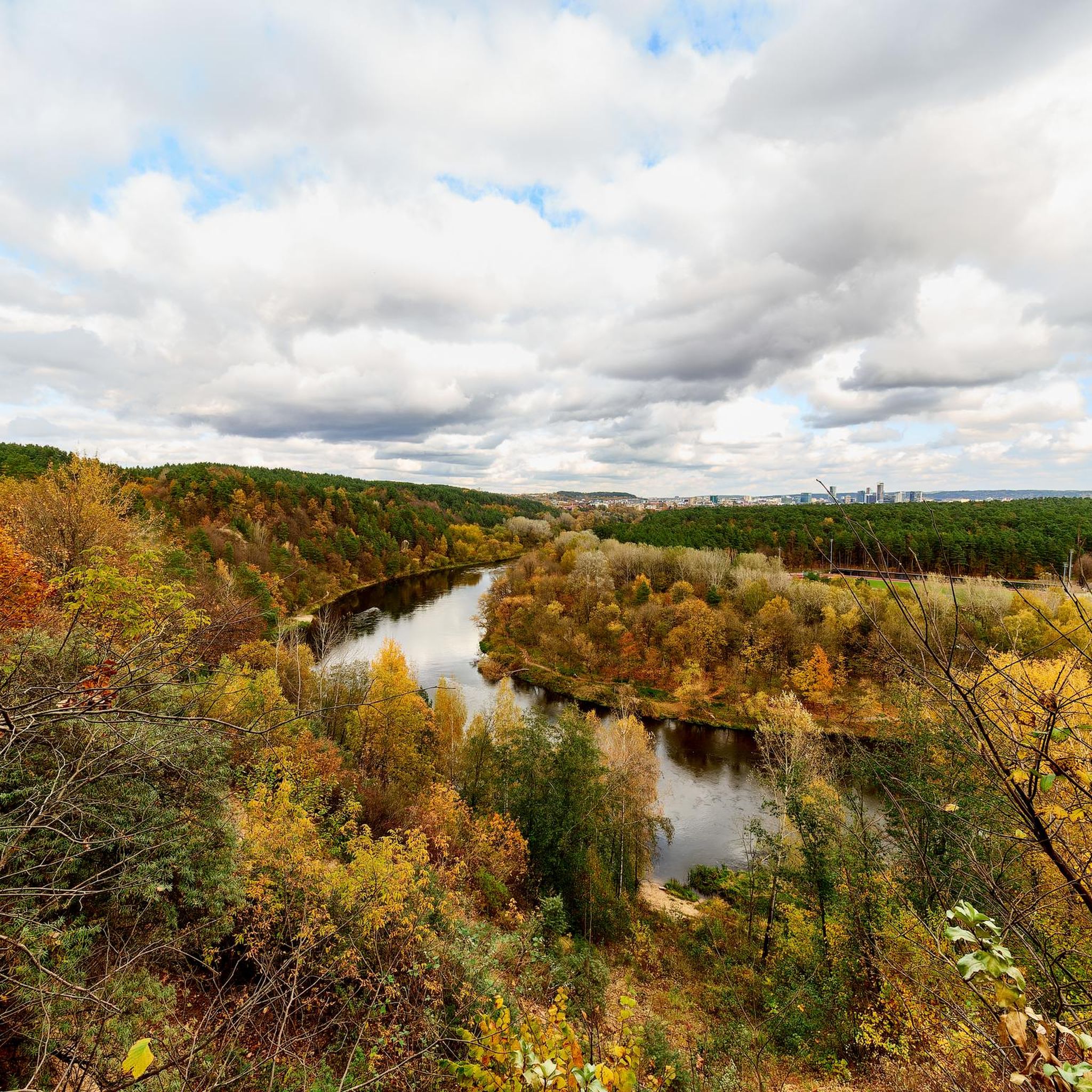
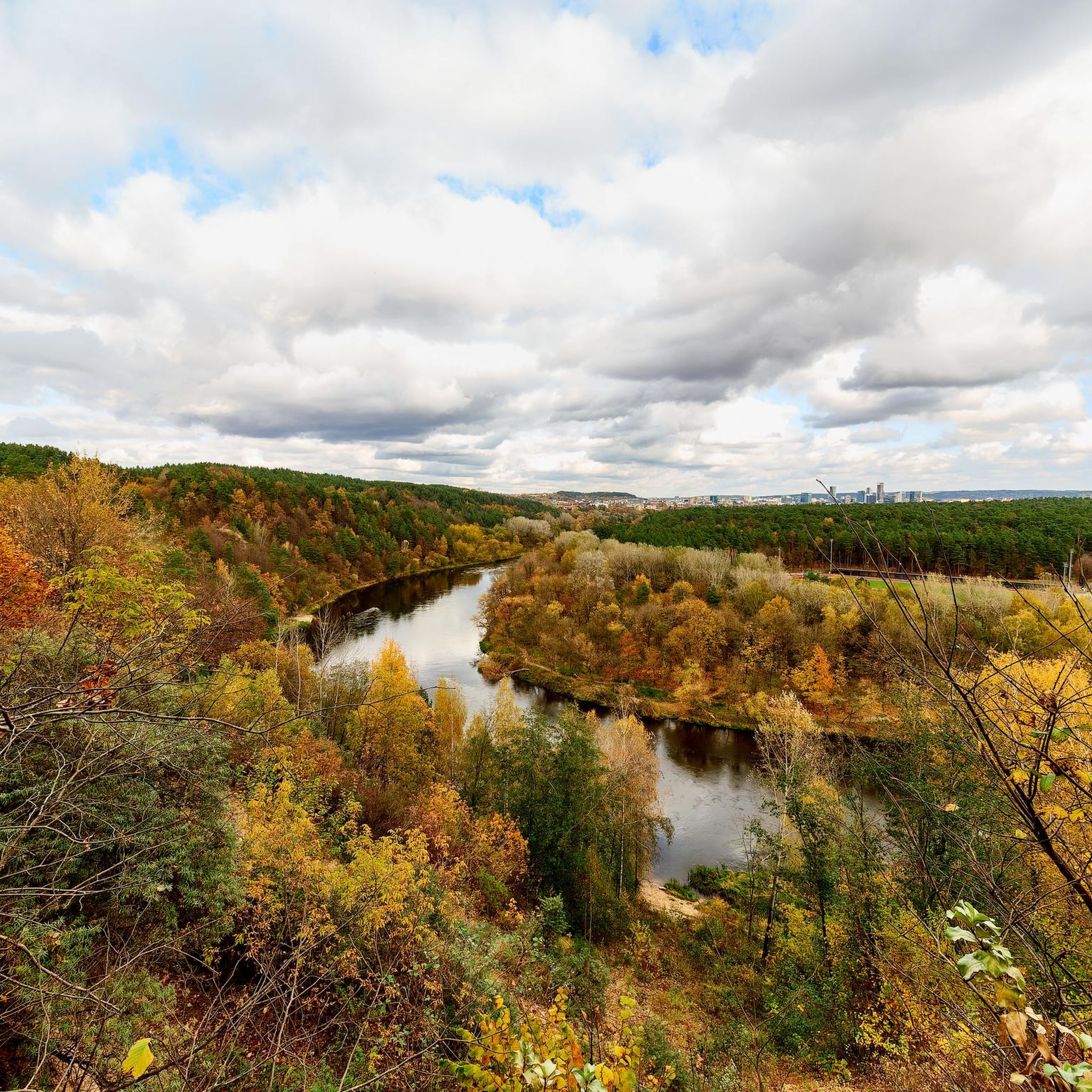
View of Gediminas Castle and Neris Riverside (EuroVelo 11, Vilnius)
Highlight (Segment) • Viewpoint
Tip by
Start today with a free account
Your next adventure awaits.

Tips from the Community

Great view of the modern and historical part of Vilnius. You can go up on foot or by funicular.
3
0

Walking across the footbridge to this reconstructed castle complex, we feel like we're at Seeschloß Ort in Gmunden. A very interesting museum.
0
0


Please keep the area clean👍🏻
0
0

Built around 1350–1377 by Kęstutis, Duke of Trakai, Trakai Peninsula Castle was an important defensive structure protecting Trakai and Vilnius, capital of the Grand Duchy of Lithuania, against attacks of the Teutonic Knights. The castle had seven towers connected by a 10 m (33 ft) high wall. The three largest towers, measuring 15 m × 15 m (49 ft × 49 ft), protected the most vulnerable southwestern flank. A 12–14 m (39–46 ft) wide moat separated the structure from the town. The castle was attacked in 1382 and 1383 (during the civil war of 1381–1384) and in 1390 (during the civil war of 1389–1392). After the 1422 Treaty of Melno, the castle lost its significance as a defensive structure. It is known that Grand Dukes used it as a residence. Sigismund Kęstutaitis was murdered in the castle on 20 March 1440. In the 16th century the castle was used as a prison. Much of it was destroyed during the Russo-Polish War (1654–1667) and never rebuilt.
1
0
The Southern tower is the largest and best-preserved of Trakai Peninsula Castle. Built around 1350–1377 by Kęstutis, Duke of Trakai, Trakai Peninsula Castle was an important defensive structure protecting Trakai and Vilnius, capital of the Grand Duchy of Lithuania, against attacks of the Teutonic Knights. The castle had seven towers connected by a 10 m (33 ft) high wall. The three largest towers, measuring 15 m × 15 m (49 ft × 49 ft), protected the most vulnerable southwestern flank. A 12–14 m (39–46 ft) wide moat separated the structure from the town. The castle was attacked in 1382 and 1383 (during the civil war of 1381–1384) and in 1390 (during the civil war of 1389–1392). After the 1422 Treaty of Melno, the castle lost its significance as a defensive structure. It is known that Grand Dukes used it as a residence. Sigismund Kęstutaitis was murdered in the castle on 20 March 1440. In the 16th century the castle was used as a prison. Much of it was destroyed during the Russo-Polish War (1654–1667) and never rebuilt.
1
0
Open 10am - 8pm. Closed during national holidays. Admission: April - September: Adults 8€ Pupils, students, pensioners 4€ October - Match: Adults 6€ Pupils, students, pensioners 3€ You can walk up to the tower for free and can still take brilliant photos without paying the admission fee. Plattform was empty in mid-July at 2pm, had it completely by myself. ;-) Gedimias Castle Tower is the remaining fortification tower of the Upper Castle. Legend has it that the Grand Duke Gedimias (1275 - 1341) dreamt of an Iron Wolf howling on top of this hill which he took as a prophecy of a great city that would be located here. Gedimias started to built the city's first brick castle, his successor Grand Duke Vytautas completed it in 1409. In reality, this hill has been settled by people since the early Iron Age
1
0

The palace was built at the end of the 17th century according to the design of Giovanni Battista Frediani by Kazimieras Jonas Sapiega, the great hetman of Lithuania. It was built according to the latest baroque trends, in order to compete with the king, because he himself could have plans to become the ruler of Lithuania-Poland, and the palace had to show his status. The Sapiegom Palace served as a country residence, built by the master, like other European leaders of the time, in comparison to the Palace of Versailles, a residence cultivated by the French king Louis XIV near Paris. The palace belonged to the real owners for about three decades, then it passed into the hands of the tsarist Russian army, and since then its beauty began to fade, which was not restored during the interwar, Soviet era and already independent Lithuania changes of owners and purpose. In addition to the Sapiegi Palace, the state-protected complex also includes the Trinitarian monastery and a former hospital. in 2023 in autumn, the facade of the palace regained its original appearance - an ornate baroque decor was revealed, which was once not inferior to the palaces of European kings. The southern and western facades of the building, which is included in the register of state-protected immovable cultural values, are visible from the park and L. Sapiega streets. In order to restore the unique splendor of the palace's facade, special architectural, chemical and other studies were carried out, and restorers were used to manage the preserved baroque decor and moldings. Exhibition and event halls, terraces, and a cafe will be located in the renovated spaces of the Sapiegi Palace.
3
0
Frequently Asked Questions
What are some unique features of castles in Vilnius County?
Vilnius County is home to diverse historical fortifications. You can find the unique Trakai Island Castle, which is the only island castle in Eastern Europe, medieval strongholds like Medininkai Castle, and ancient hill forts at the Kernavė Archaeological Site, a UNESCO World Heritage site.
Which castles are best for history enthusiasts?
For a deep dive into history, the Trakai Island Castle offers a museum with archaeological findings and medieval artifacts, showcasing its role as a major stronghold. Medininkai Castle features exhibitions on the Grand Duchy of Lithuania. The Vilnius Castle Complex, including Gediminas Tower and the Palace of the Grand Dukes, provides insights into the political and cultural heart of the Grand Duchy. The Kernavė Archaeological Site offers a unique perspective on ancient Baltic settlements and the early formation of the Lithuanian state.
Are there any castles with impressive panoramic views?
Yes, Gediminas Tower, part of the Vilnius Castle Complex, offers impressive 360-degree panoramic views of Vilnius. It's a major symbol of the city and Lithuania. You can also find great views of Trakai Island Castle from various points around Lake Galvė, such as the View of Trakai Castle highlight.
What makes Trakai Island Castle a must-visit?
Trakai Island Castle is a Gothic-style castle uniquely situated on an island in Lake Galvė, making it the only island castle in Eastern Europe. Its distinctive red-brick architecture and turrets create a fairytale appearance. It houses a museum with archaeological findings and medieval artifacts. Visitors can also enjoy boat rides on the lake and attend medieval festivals during summer. It's easily accessible from Vilnius.
What can I expect at Medininkai Castle?
Medininkai Castle is a well-preserved 14th-century fortification with thick walls and four towers. It features permanent exhibition halls showcasing the history of the Grand Duchy of Lithuania and unique archaeological findings. Annually, it hosts the 'Medininkai Castle Games' with knights and craftsmen, bringing its medieval character to life.
Is the Vilnius Castle Complex worth visiting?
Absolutely. The Vilnius Castle Complex, particularly Gediminas Tower, is a major symbol of Vilnius and Lithuania. The tower offers stunning panoramic views of the city, especially as evening lights come on. The reconstructed Palace of the Grand Dukes of Lithuania provides a journey back in time, with exhibits on art, archaeology, and the administrative history of the Grand Duchy. The complex is easily accessible within the heart of Vilnius.
What is the significance of the Kernavė Archaeological Site?
The Kernavė Archaeological Site is a UNESCO World Heritage site, featuring a unique complex of five impressive hill forts, ancient settlements, and burial sites. It provides exceptional testimony to 10,000 years of human settlement and the evolution of civilizations in the Baltic region. It was a significant medieval town and an important political and economic center of the Grand Duchy of Lithuania, often called the 'Troy of Lithuania'.
Are there family-friendly castles in Vilnius County?
Many castles in Vilnius County are family-friendly. Trakai Island Castle is a great option, offering a museum, boat rides, and often hosting medieval events. The Gediminas Tower and the Palace of the Grand Dukes in Vilnius are also suitable for families, with engaging exhibitions and scenic views. The Kernavė Archaeological Site offers outdoor exploration and a visitor center.
What is the best time of year to visit castles in Vilnius County?
The best time to visit is generally during the warmer months, from late spring to early autumn (May to September), when the weather is pleasant for exploring and outdoor activities like boat rides at Trakai are available. However, visiting in winter can offer a unique experience, especially at Trakai Island Castle, where the frozen lake can become an ice-skating rink, providing a picturesque backdrop with fewer crowds.
How can I reach the castles using public transport?
Trakai Island Castle is easily accessible from Vilnius, about 30 minutes by car, and also reachable by public buses or trains from Vilnius. The Vilnius Castle Complex, including Gediminas Tower, is located in the heart of Vilnius and can be reached by local public transport within the city. Medininkai Castle and Kernavė Archaeological Site are best reached by car or organized tours from Vilnius.
Are there options for parking near the main castles?
Yes, parking is available near the main castles. For Trakai Island Castle, there are designated parking areas in the town of Trakai, from which you can walk across a bridge to the island. For the Vilnius Castle Complex, parking can be found in nearby city parking lots or garages within Vilnius city center. Medininkai Castle also has visitor parking facilities.
Are there any outdoor activities or routes near the castles?
Yes, Vilnius County offers various outdoor activities near its historical sites. You can find numerous running, gravel biking, and mountain biking routes. For example, you can explore running trails in Vilnius County, enjoy gravel biking, or tackle MTB trails. Many of these routes offer scenic views, including those of castles and natural landscapes like lakes and rivers, such as the Lakeside Road With Views of Trakai Castle and Park.
What do visitors enjoy most about the castles in Vilnius County?
Visitors particularly enjoy the stunning views, especially from Gediminas Tower, and the unique setting of Trakai Island Castle. The historical significance and well-preserved architecture are also highly appreciated. Many find the experience of exploring these sites, combined with the surrounding natural beauty, to be very rewarding, even in winter when the landscapes transform.
Are there any lesser-known or 'hidden gem' castles to explore?
While the main castles are well-known, exploring the broader Vilnius Castle Complex beyond just Gediminas Tower, such as the Bastion of the Vilnius Defensive Wall, can offer a deeper historical perspective. The Kernavė Archaeological Site, though a UNESCO site, is less of a traditional 'castle' and offers a unique, ancient fortification experience that might be considered a hidden gem for those seeking something different from medieval castles.
Most popular routes in Vilnius County
Most popular attractions in Vilnius County

Get inspired with the komoot mobile app


Explore more
Looking for the best castles somewhere else? Discover other guides in Vilnius County:
