Top 4 Castles in Saint Petersburg
Best castles in Saint Petersburg are found in and around this city, located at the mouth of the Neva River at the eastern end of the Gulf of Finland. As the former capital of the Russian Empire for over 200 years, Saint Petersburg is a culturally significant center. Its downtown is recognized as a World Heritage site by UNESCO, featuring a collection of palaces and palace-park ensembles. These structures offer a glimpse into Imperial Russian history and architectural grandeur.
Best castles in Saint Petersburg
- The most popular castles is Winter Palace, a historical_site that was the primary residence of the Russian Tsars for two centuries. It is now the main building of the Hermitage Museum, featuring extravagant state rooms.
- Another must-see spot is Mikhailovsky Castle, a castle and former Tsarist residence. This 18th-century palace was built for Emperor Paul I, conceived as a "castle on the water" and now serves as a museum.
- Visitors also love Peter and Paul Fortress and Winter Palace, St. Petersburg, a historical_site and castle. This area highlights the historical significance of Saint Petersburg as the former capital and its impressive cultural landscape.
- Saint Petersburg is known for its imperial residences, fortress-like structures, and classical palaces. You can explore a variety of architectural styles, from opulent Baroque to elegant Classicism, reflecting different eras of Russian history.
- The castles in Saint Petersburg are appreciated by the komoot community, with more than 60 upvotes and 100 photos shared by visitors.
Last updated: October 14, 2026
Winter Palace
Highlight • Historical Site
The oldest and best-known building on the square is the Baroque, white-green Winter Palace of the Russian Tsars (built 1754-1762), which gave the square its name. Although the adjoining buildings were built in the classical style, they fit perfectly into the size and rhythm of the Winter Palace.
The opposite, southern side of the square has been designed arcuately by Georg Friedrich Veldten (Russian: Юрий Матвеевич Фельтен) in the late 18th century. However, the plans did not materialize until half a century later, when Alexander I planned a place as a huge monument in memory of the Russian victory in the Patriotic War against Napoleon and Carlo Rossi was commissioned to design the arch-shaped buildings of the General Staff in the style of the Empire ( 1819-1821), in which a double triumphal arch with Roman quadriga is integrated.
In the center of the square stands the Alexander Column (1830-1834), designed by Auguste de Montferrand. The column is made of red granite and is the highest of its kind in the world at 47.5 meters. Their weight is 500 tons. "
Source: Wikipedia
Translated by Google •
Tip by

Peter and Paul Fortress and Winter Palace, St. Petersburg
Highlight • Historical Site
Translated by Google •
Tip by

Sign up now to discover places like this
Get recommendations on the best single tracks, peaks, & plenty of other exciting outdoor places.
Catherine Palace
Highlight • Historical Site
Translated by Google •
Tip by

Peterhof Palace
Highlight • Castle
The complex was built on the occasion of the Russian victory in the Great Northern War, based on the architectural model of the Palace of Versailles and Peter the Great's own designs. The palace and park were built in several stages from 1715 to 1755 in the Baroque style according to plans by Johann Friedrich Braunstein, Jean-Baptiste Alexandre Le Blond, Nicola Michetti and Bartolomeo Francesco Rastrelli.
Peterhof was destroyed during World War II and then rebuilt by Soviet restorers. The ensemble, also known as the "Russian Versailles", has been a UNESCO World Heritage Site since 1990 and one of the Seven Wonders of Russia since 2008.
Source: Wikipedia
Translated by Google •
Tip by

Mikhailovsky Castle
Highlight • Castle
The building is also known as the Ingenieur-Schloss due to its previous use.
It serves as a museum today. Michaelsburg is named after the Archangel Michael.
Source: Wikipedia
Translated by Google •
Tip by
Pavlovsk Palace
Highlight • Historical Site
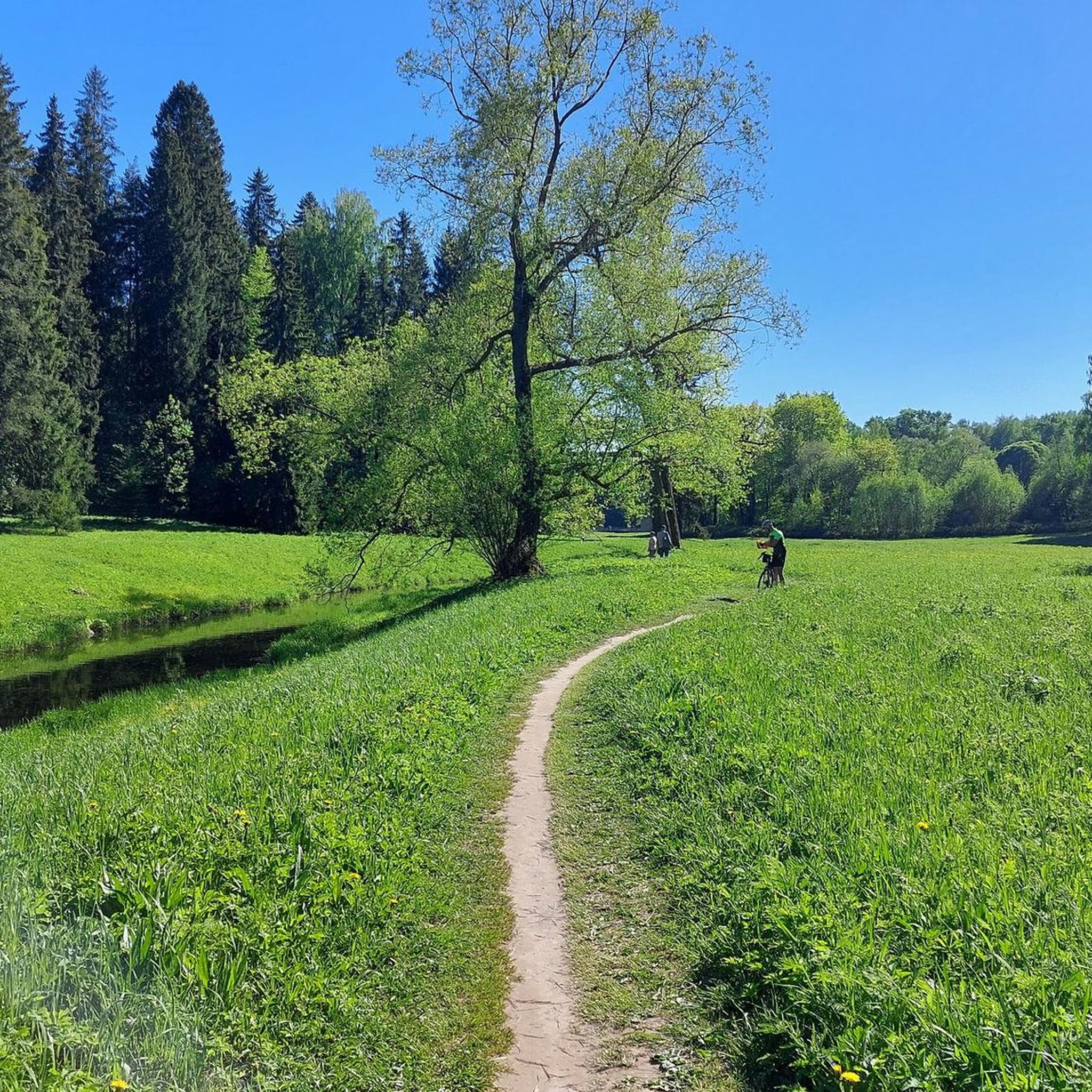
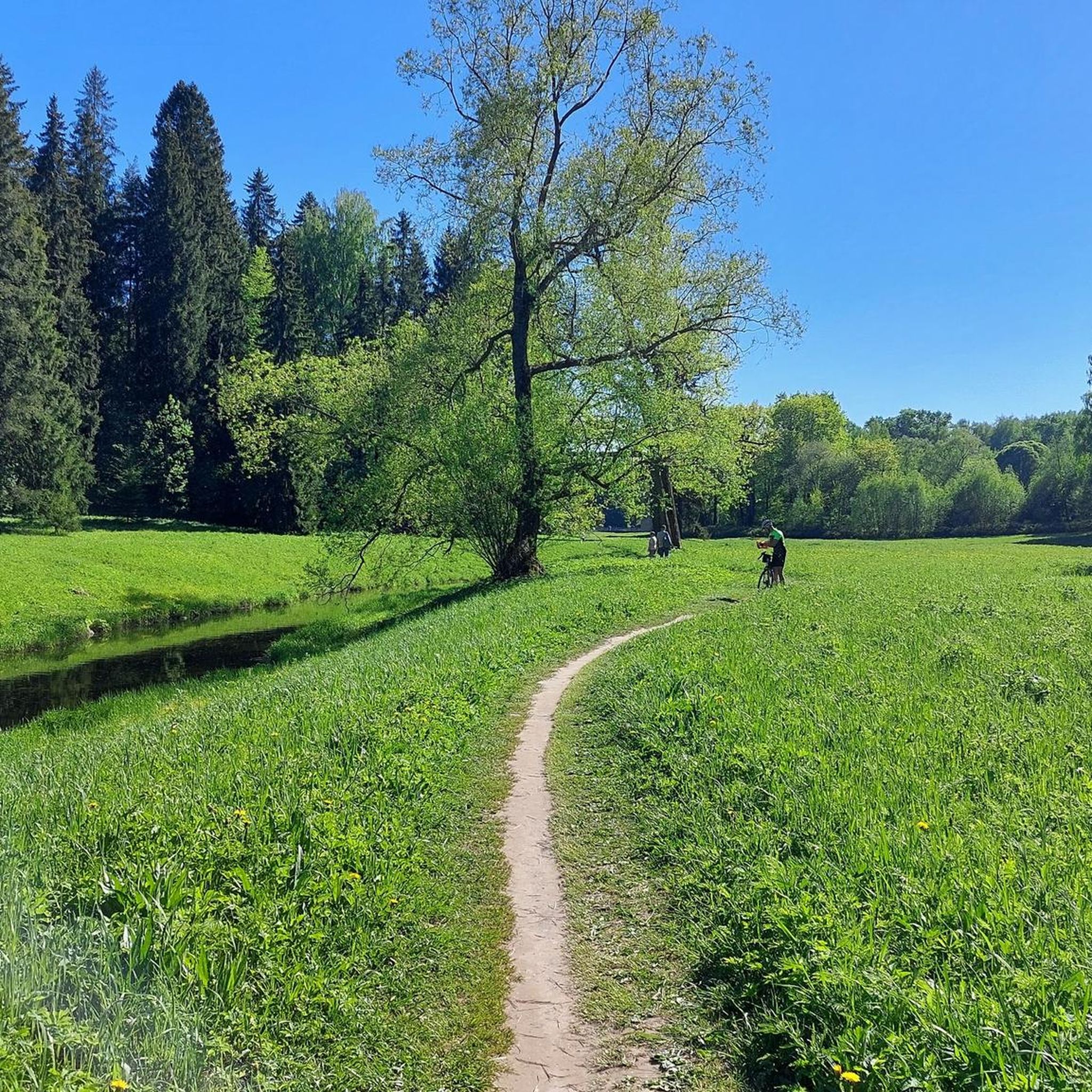
Adjacent to the palace is the Pavlovsk Park with an area of about 600 hectares, stretching along both banks of the Slavyanka River, which makes it one of the largest landscape parks in Europe. The palace and park ensemble was built over the course of about 50 years by three generations of architects and designers: Charles Cameron, Vincenzo Brenna, Giacomo Quarenghi, Andrei Voronikhin, Carlo Rossi.
Translated by Google •
Tip by

Start today with a free account
Your next adventure awaits.
Tips from the Community

The State Artistic and Architectural Palace and Park Museum-Reserve (GMZ) "Pavlovsk" is a palace and park ensemble of the late 18th - early 19th centuries, located in Pavlovsk, a modern suburb of St. Petersburg. — Pavlovsk Palace, summer residence of Emperor Paul I. Adjacent to the palace is the Pavlovsk Park with an area of about 600 hectares, stretching along both banks of the Slavyanka River, which makes it one of the largest landscape parks in Europe. The palace and park ensemble was built over the course of about 50 years by three generations of architects and designers: Charles Cameron, Vincenzo Brenna, Giacomo Quarenghi, Andrei Voronikhin, Carlo Rossi.
0
0

Beautiful palace and park where you can spend the whole day and still always discover something new
1
0

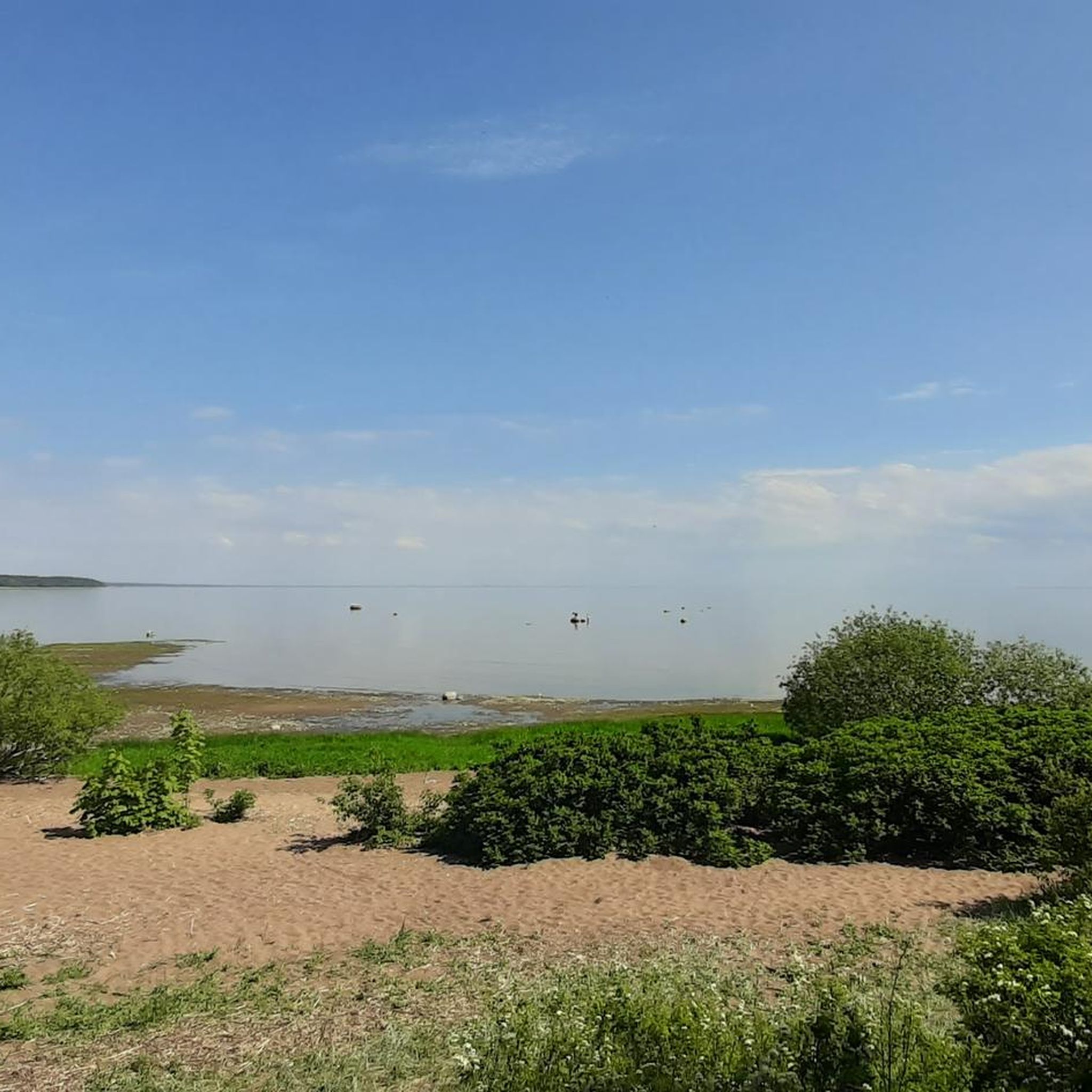
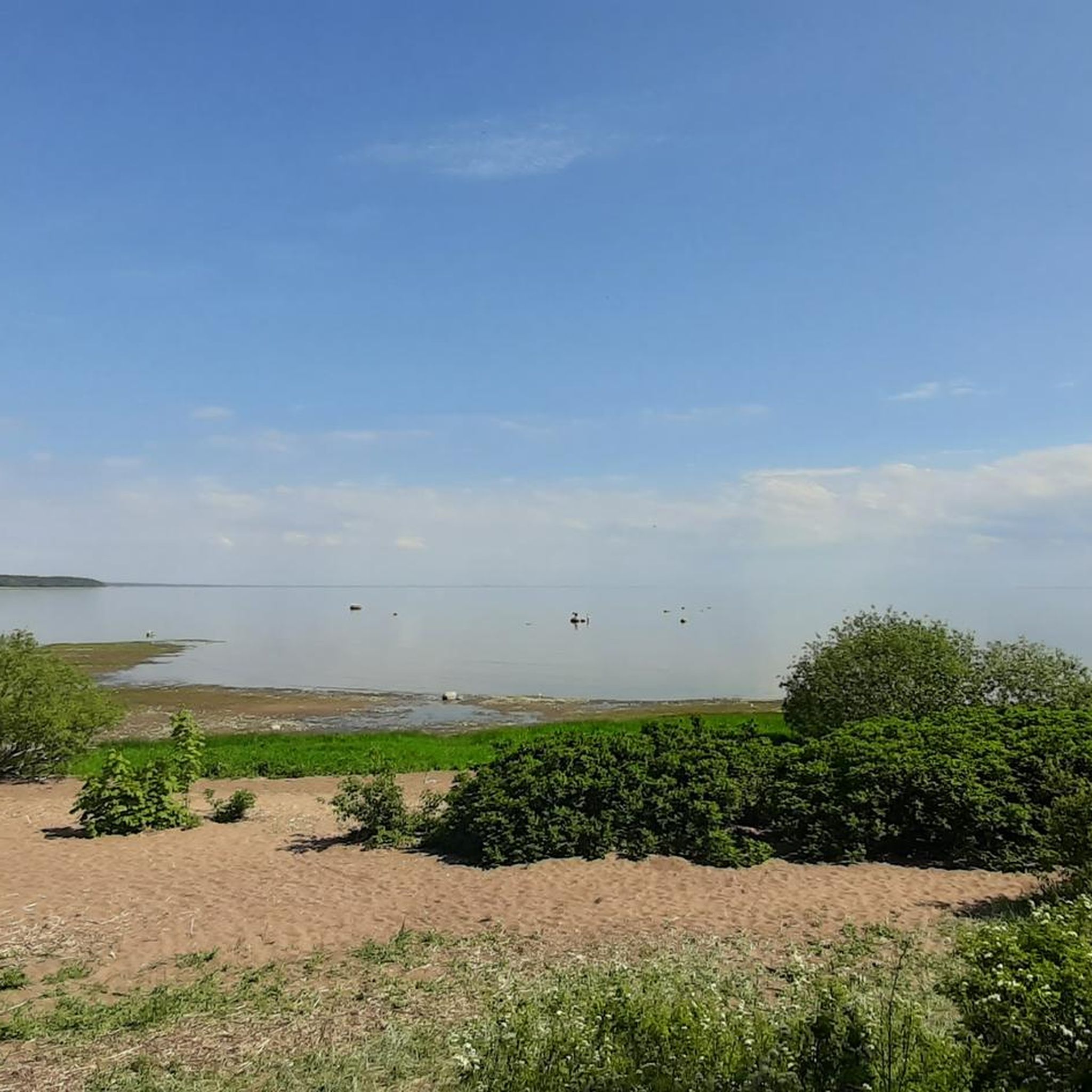
Peterhof Palace (Great Peterhof Palace) is a former summer residence of the Russian Tsars on the Gulf of Finland in Peterhof, about 25 km west of Saint Petersburg. The complex was built on the occasion of the Russian victory in the Great Northern War, based on the architectural model of the Palace of Versailles and Peter the Great's own designs. The palace and park were built in several stages from 1715 to 1755 in the Baroque style according to plans by Johann Friedrich Braunstein, Jean-Baptiste Alexandre Le Blond, Nicola Michetti and Bartolomeo Francesco Rastrelli. Peterhof was destroyed during World War II and then rebuilt by Soviet restorers. The ensemble, also known as the "Russian Versailles", has been a UNESCO World Heritage Site since 1990 and one of the Seven Wonders of Russia since 2008. Source: Wikipedia
3
0

The Winter Palace is the former main residence of the Russian Tsars in Saint Petersburg. It lies between the Palace Square and the Palace Embankment on the Neva.
2
0

The center of the legendary Palace Square of Saint Petersburg is the Alexander Column. The 650-tonne and 47-meter-high Victory Column (triumph of the Russian army over Napoleon in 1812) is the largest monument in the world, which is stable without any further anchoring, only by its own weight. https://de.wikipedia.org/wiki/Palastplatz?oldformat=true
0
1
For general orientation only: This is NOT the Erimitage but the Alexander Column - right in the center of the Palace Square! https://de.wikipedia.org/wiki/Palastplatz?oldformat=true
2
1
We are here at the mouth of the relatively short winter channel into the Neva.
1
0

The Palace Square, actually Palace Square with the Alexander Column is a central square in Saint Petersburg. Of course he is called Palace Square because he belongs to the Winter Palace of the Russian Tsars.
1
0
Frequently Asked Questions
Which castles near Saint Petersburg are known for their grand gardens and fountains?
For spectacular gardens and water features, Peterhof Palace is a must-see. Often called the 'Russian Versailles,' it features the Grand Cascade and numerous gravity-fed fountains, including the iconic Samson Fountain. The extensive Lower Park also contains various smaller palaces and pavilions.
Are there any castles near Saint Petersburg that are particularly family-friendly?
Yes, several palaces offer family-friendly experiences. The Winter Palace, now part of the Hermitage Museum, and Catherine Palace are both listed as family-friendly highlights. Their vast grounds and impressive interiors can captivate visitors of all ages. The Peterhof and Pavlovsk parks also provide ample space for children to explore.
What is the best time of year to visit the castles and palaces around Saint Petersburg?
The best time to visit is generally during the late spring and summer months (May to September). This period offers pleasant weather for exploring the extensive parks and gardens, and crucial attractions like the Peterhof fountains are fully operational. Winter visits can be beautiful, especially with snow, but some outdoor features might be less accessible or active.
Which palace is famous for its unique Amber Room?
The Catherine Palace in Tsarskoye Selo (Pushkin) is renowned for its magnificent Amber Room. This chamber is meticulously recreated with walls covered in amber panels, gold leaf, and mirrors, offering an unparalleled glimpse into imperial luxury.
What kind of outdoor activities can I do near these historical sites?
The region around Saint Petersburg's castles offers various outdoor activities. You can find numerous hiking routes, such as the 'Grand Cascade, Peterhof Palace – Chessboard Cascade loop' which is a moderate hike. For cycling enthusiasts, there are road cycling routes like the 'View of the Bay – Hand-Operated Water Pump loop from Новый Петергоф.' You can explore more options on the Hiking in Saint Petersburg and Road Cycling Routes in Saint Petersburg guide pages.
Is there a castle in Saint Petersburg with a fortress-like appearance?
Yes, Mikhailovsky Castle, also known as St. Michael's Castle, stands out with its unusual architecture. It was conceived as a 'castle on the water' for Emperor Paul I, surrounded by moats and channels, giving it the appearance of a medieval European castle despite its 18th-century origins.
Which palace is known for its classical elegance and vast landscape park?
Pavlovsk Palace is a superb example of Russian Classicism, celebrated for its harmonious architecture and the immense Pavlovsk Park. This park is one of the largest landscape parks in Europe, covering around 1,500 acres, and is renowned for its picturesque scenery, numerous decorative pavilions, and statuary, blending nature and art seamlessly.
Are any of the palaces wheelchair accessible?
The Winter Palace, as part of the Hermitage Museum, is listed as wheelchair accessible, making it possible for visitors with mobility challenges to experience its grandeur and historical significance.
What is unique about Gatchina Palace compared to other imperial residences?
Gatchina Palace offers a distinct architectural experience, combining classical elements with the themes of a medieval castle. It features spectacular 18th and 19th-century interiors, and its large, beautifully landscaped park includes the unusual Priory Palace, known for its Neo-Gothic and Russian architectural mix, and even an underground passage to the Silver Lake.
How long should I plan for a visit to a major palace like Peterhof or Catherine Palace?
For major sites like Peterhof Palace or Catherine Palace, it's recommended to allocate a significant portion of your day, ideally 4-6 hours. This allows ample time to explore the palace interiors, stroll through the extensive parks, and enjoy the various attractions without feeling rushed. Long lines can also add to the overall visit duration, especially during peak season.
What do visitors enjoy most about the castles in Saint Petersburg?
Visitors frequently praise the breathtaking architecture, the opulent interiors, and the historical significance of these imperial residences. The meticulously maintained gardens and parks, especially the spectacular fountains at Peterhof, are also highly appreciated. Many find the sheer scale and beauty of these sites to be an unforgettable experience, offering a deep dive into Russian imperial history.
Most popular routes in Saint Petersburg
Most popular attractions in Saint Petersburg

Get inspired with the komoot mobile app


Explore more
Looking for the best castles somewhere else? Discover other guides in Saint Petersburg:
