Top 5 Caves in Savinjska
Best caves in Savinjska are located within the Savinjska region of Slovenia, an area known for its diverse natural landscapes and karstic geology. This region features caves with unique geological formations, historical significance, and varying altitudes. The caves offer insights into subterranean environments and ancient human activity. Visitors can explore both water and dry cave systems, some featuring ice formations or archaeological findings.
Best caves in Savinjska
- The most popular caves is Potočka Zijalka Cave, a cave that is…
Last updated: August 21, 2026
Potočka Zijalka Cave
Highlight • Cave
Translated by Google •
Tip by

Spelunca Cave on the Balunjača Trail
Highlight • Cave
Translated by Google •
Tip by

Sign up now to discover places like this
Get recommendations on the best single tracks, peaks, & plenty of other exciting outdoor places.
Sign up for free
Mornova Zijalka Cave
Highlight • Cave
Translated by Google •
Tip by
Snežna Jama on Arto Plateau
Highlight • Cave
snezna-jama.com
Translated by Google •
Tip by

Start today with a free account
Your next adventure awaits.
Login or Signup
Popular around Savinjska
EuroVelo 9 – The Amber Route from the Baltic to Adriatic Sea
Budapest to Venice via the beautiful Soča Valley
A superb Slovenian hiking adventure: Pohorje–Kozjak Trail
Hiking adventures in Slovenia for families away from the hustle and bustle
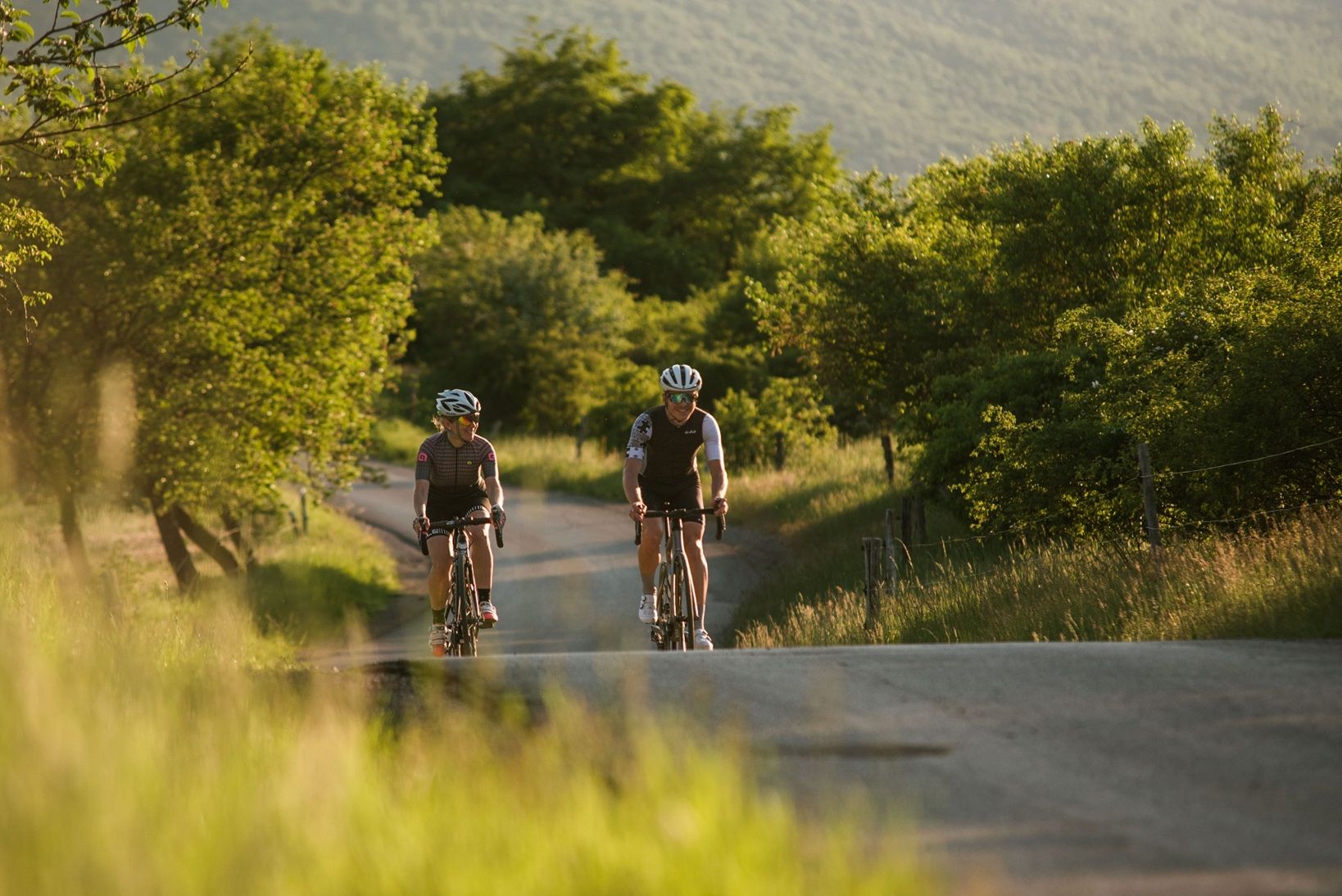
Alpine Air & Coastal Wind – Racing Bike Tours in Slovenia
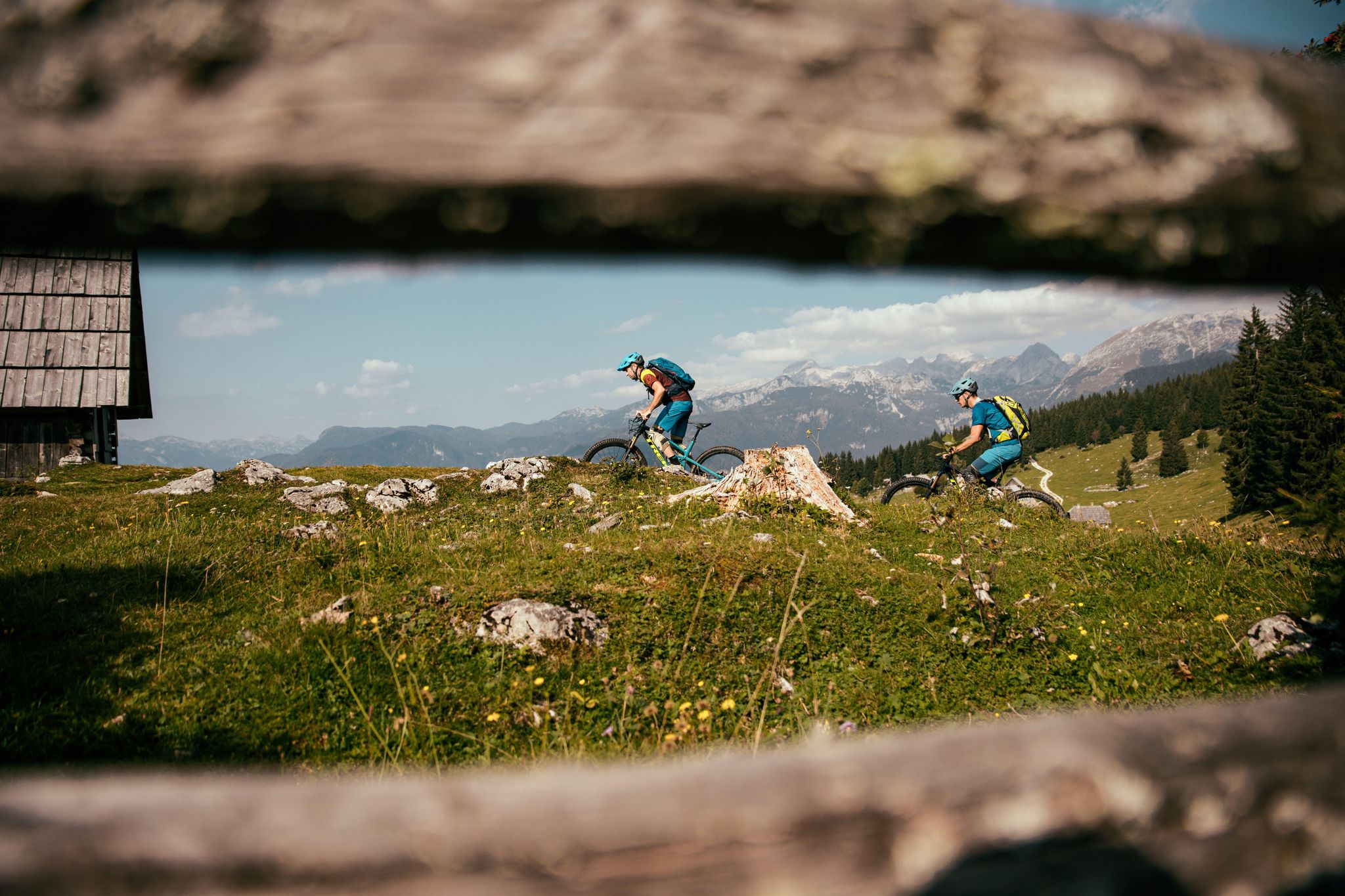
A 1,800 km MTB adventure – the Slovenian mountainbike route (STKP)
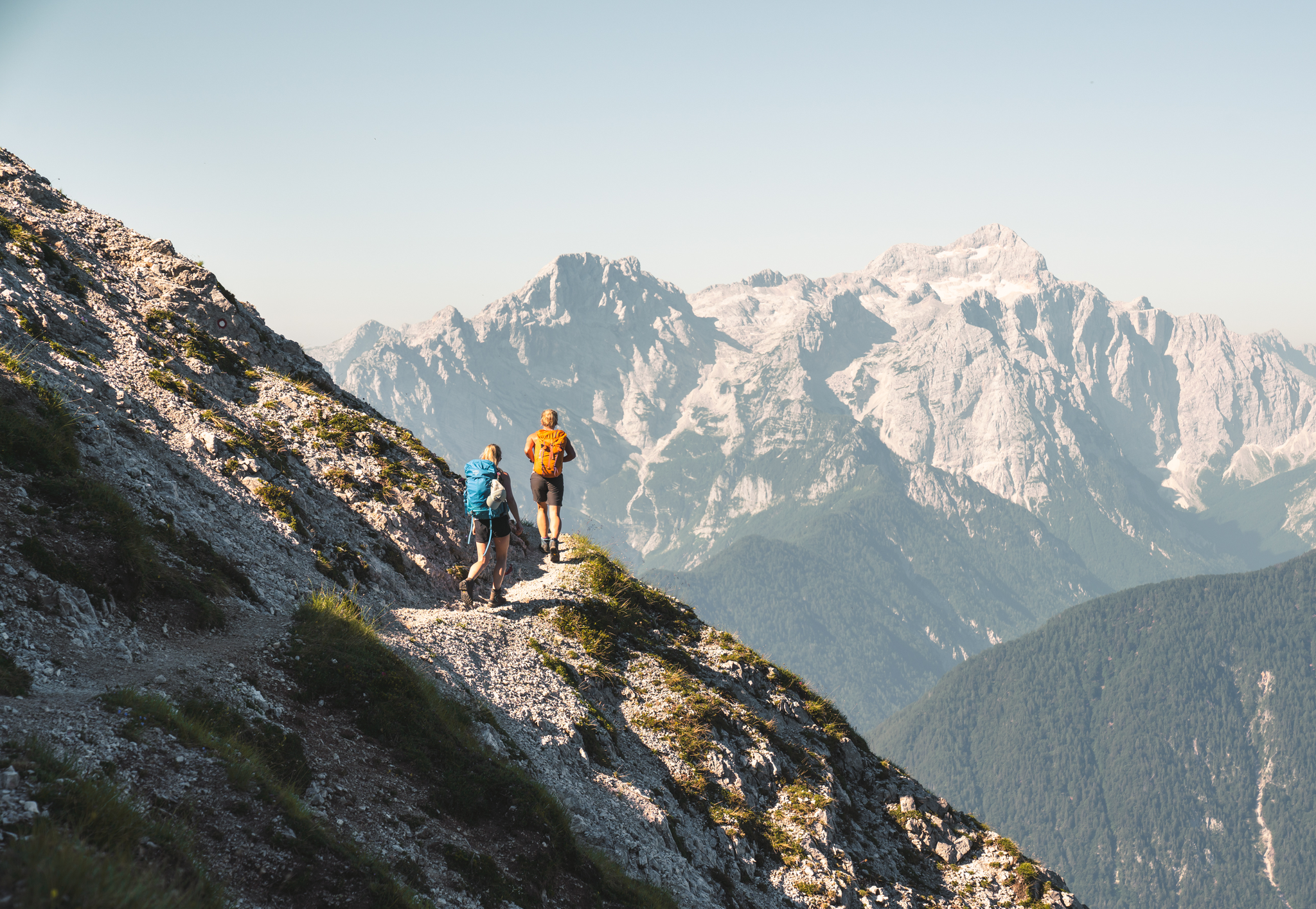
Sunny adventures on the Southern Alps Panorama Trail
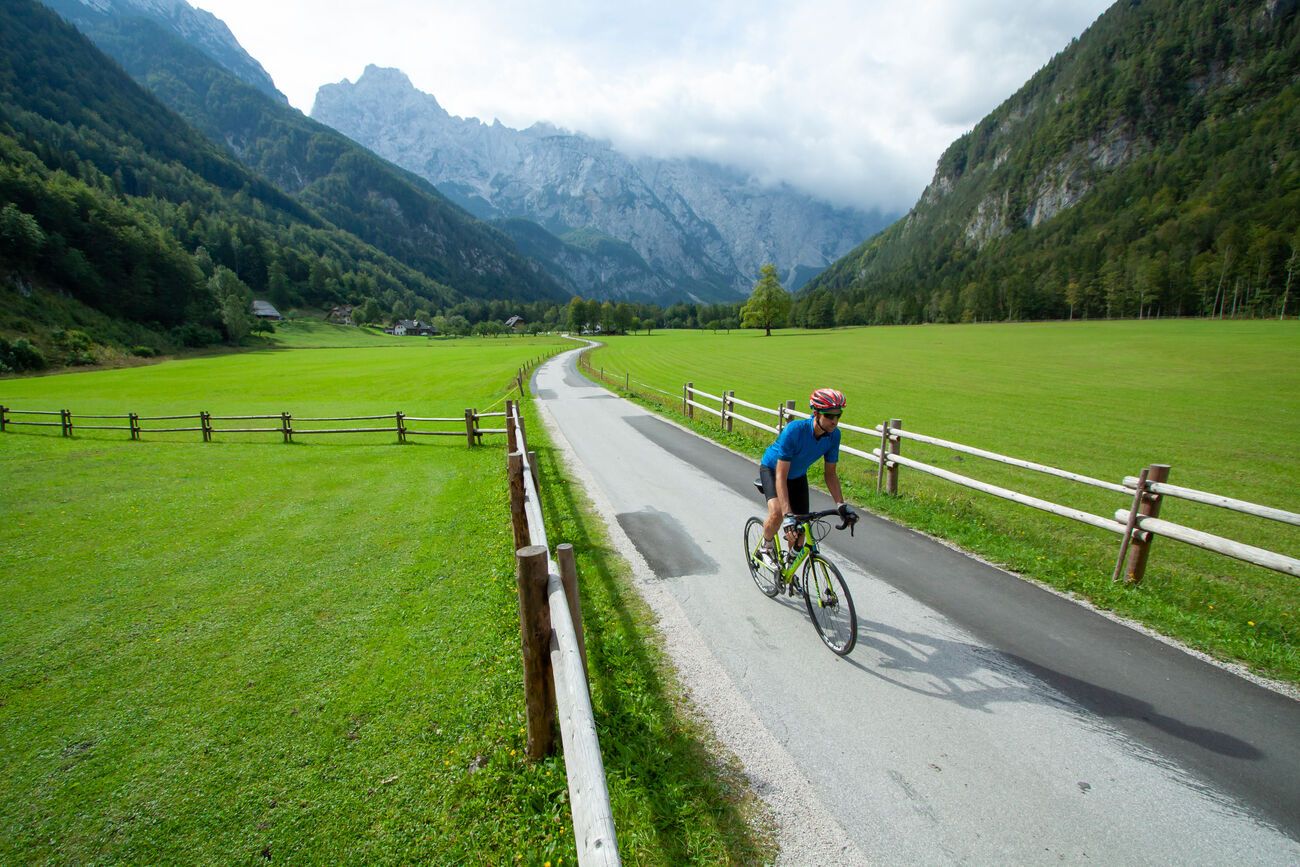
On the way in Lower Styria - with TOUR in Slovenia
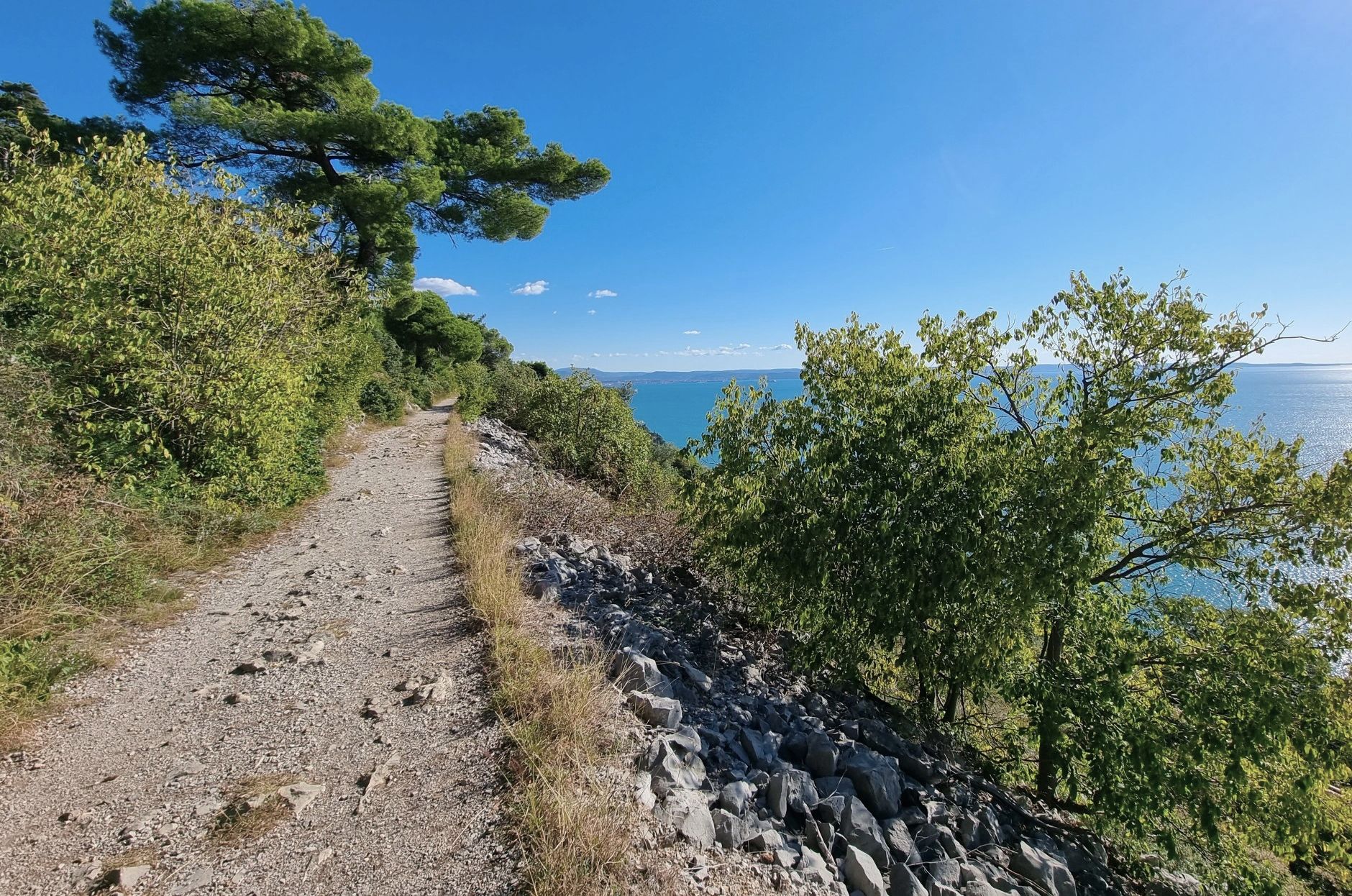
Ride to the sea – gravel bikepacking from Austria’s Vienna to Italy’s Grado
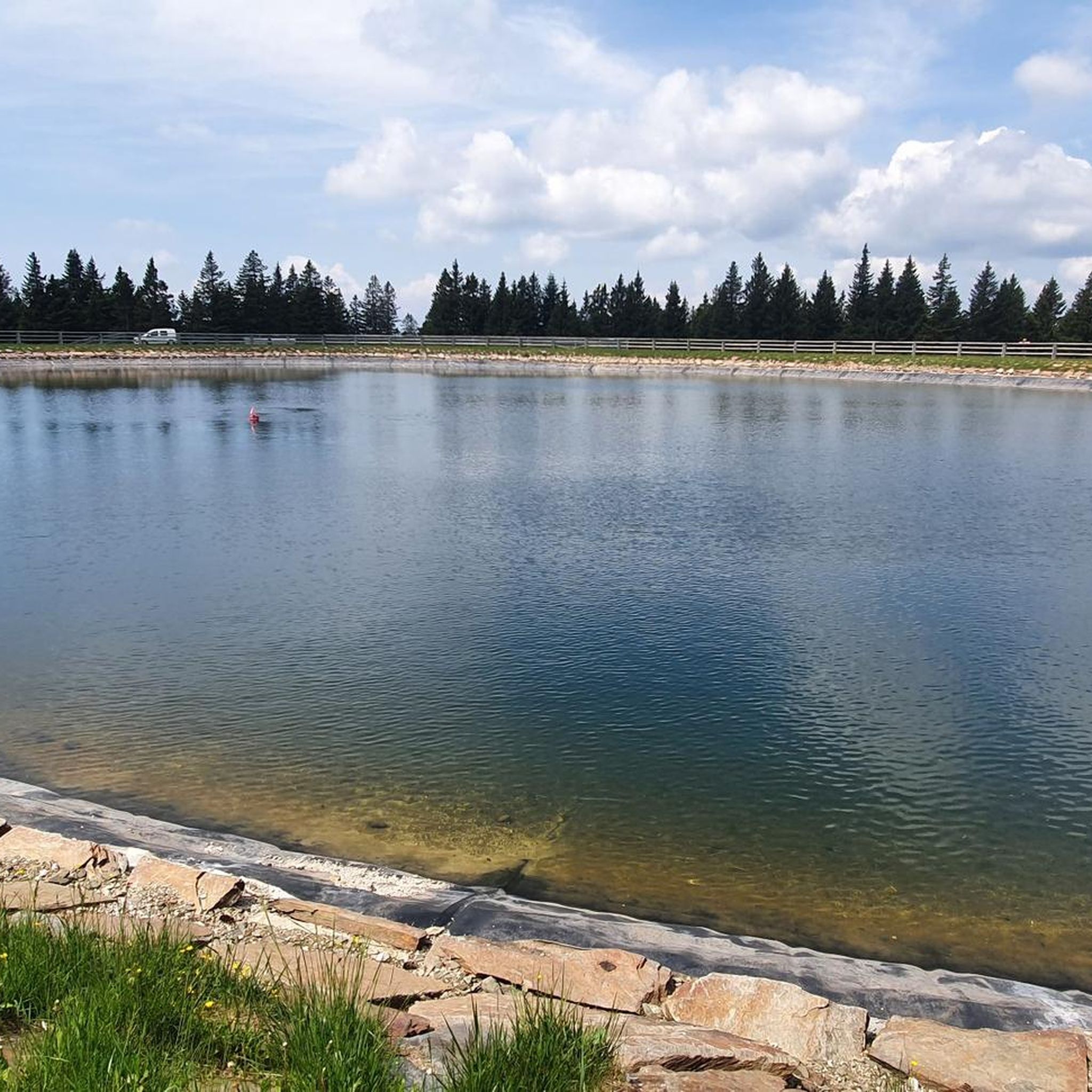
Hiking in Savinjska
Other adventures in Savinjska


Tips from the Community

wonderful natural spectacle to marvel at!
0
0

The cave remained closed during the 2025 season due to the risk of collapse.
0
0

Before you make the detour to the cave, check on Google whether it is open. We were there and unfortunately the cave was closed indefinitely because something was damaged there by a storm in 2023. (As of 08/2024)
1
0

If you haven't had enough of geological natural wonders after visiting the cave, you can hike around the mountain to the rock gates on the Austrian side. Walking time about 30 minutes to the Great Rock Gate. About the last 50 m are secured with a wire rope. Maybe take a via ferrata set with you if you have problems with exposed passages. Surefootedness is absolutely necessary. If you then want to get to the other two rock gates, you have to manage further secured passages. We were content with the large (upper) gate, which was an absolute highlight in itself.
0
1
Snezna Jama is the highest cave in Slovenia open to tourists. In addition to the stalactite formations, the ice rink at the entrance is particularly worth seeing. www.snezna-jama.com
2
0


The path across Balunjača in a moderate ascent crosses the slopes of Boč to the rocky cliffs that we see in front of us. The path crosses the foot of these cliffs with the help of guards. The passage under the cliffs is not difficult, but it is slightly exposed to falling rocks. At the foot of the cliffs we can see some smaller caves, which brighten up the day especially for younger mountaineers.
1
0

Hello Logartal end of the parking lot to the Rinka waterfall then to the Frischauf Dom then on the Brana summit 1170hm 4.9km there and back about 6 hours super scenery LG Hans
0
1
Frequently Asked Questions
What are some of the most unique caves to visit in Savinjska?
The Savinjska region offers a variety of unique caves. Potočka Zijalka Cave is an important archaeological site, known for evidence of Ice Age hunters. Another notable cave is Hell Cave (Pekel Jama), which features Slovenia's highest underground waterfall and impressive stalagmite formations. For a different experience, Mornova Zijalka Cave is an archaeological site near the Heavy stream, known for stone tools and bats.
Are there any caves in Savinjska that are significant for their history or archaeology?
Yes, several caves in Savinjska hold significant historical and archaeological value. Potočka Zijalka Cave is a prime example, where evidence of Ice Age hunters from 30,000 years ago has been found. Similarly, Mornova Zijalka Cave is an important archaeological site where stone tools have been discovered.
What kind of natural features can I expect to see in the caves of Savinjska?
The caves in Savinjska showcase diverse natural features. Hell Cave (Pekel Jama) is famous for its 4-meter high underground waterfall and various stalagmite formations. While currently closed, Snežna jama (Snow Cave) is known for its 'Ice Hall' with moonmilk and a rare combination of ice and calc-sinter formations, including stalactites up to 21 meters high.
Are there any family-friendly cave experiences in the Savinjska region?
Yes, some cave experiences in Savinjska can be suitable for families. For instance, exploring the smaller caves at the foot of the cliffs along the Spelunca Cave on the Balunjača Trail can be particularly enjoyable for younger mountaineers. Hell Cave (Pekel Jama) is also generally accessible and offers a guided tour experience that can be engaging for families.
What is the best time of year to visit the caves in Savinjska?
The best time to visit the caves in Savinjska generally depends on the specific cave. For caves like Hell Cave (Pekel Jama), which maintains a year-round temperature of around 10°C, visits are possible throughout the year, though a warm jacket is recommended even in summer. Always check the operating hours and accessibility for individual caves before planning your trip, especially for those at higher altitudes or with seasonal closures.
What should I wear when visiting the caves in Savinjska?
Due to the consistent cool temperatures inside most caves, typically around 10°C, it is advisable to wear warm clothing, even during summer months. Comfortable walking shoes with good grip are also recommended, as paths can be uneven or damp. For some caves, like Snežna jama, visitors might need to bring their own lights for exploration beyond the initial sections.
Are there any caves in Savinjska that are currently closed or have limited access?
Yes, it's important to be aware of current access limitations. Snežna Jama on Arto Plateau (Snow Cave) has been closed indefinitely since 2023 due to storm damage and a risk of collapse. Always check the latest information for any cave you plan to visit before making the journey.
What outdoor activities can I combine with a visit to the caves in Savinjska?
The Savinjska region offers numerous outdoor activities that can complement a cave visit. You can explore various running trails, embark on scenic waterfall hikes, or challenge yourself with mountain hikes. Many trails offer stunning views of the Alps and lead to other natural attractions in the area.
How long does it typically take to explore a cave in Savinjska?
The duration of a cave exploration varies. For example, reaching Potočka Zijalka Cave from the parking lot under the church of St. Duha in Podolševa involves about 1 hour and 15 minutes of walking along a marked mountain path. The actual time spent inside the cave will depend on its size and whether you are on a guided tour, which can range from 30 minutes to over an hour for larger systems like Hell Cave.
Are there any specific safety considerations for visiting caves in Savinjska?
Safety is important when visiting caves. Always wear appropriate footwear with good grip, as cave paths can be wet and slippery. Bring warm clothing, as temperatures inside are consistently cool. For some caves, like Snežna jama, a guide is required for exploration beyond the initial sections, and visitors may need to bring their own lighting. Be mindful of signs regarding falling rocks, especially on trails leading to cave entrances.
Can I find viewpoints or panoramic vistas near the caves in Savinjska?
Yes, several caves are located in areas offering beautiful views. After visiting Potočka Zijalka Cave, you can enjoy a wonderful panoramic view from the top of Olševa, overlooking the Steiner Alps. The trails leading to caves, such as the Balunjača Trail for Spelunca Cave, often provide scenic vistas of the surrounding landscapes.
What kind of wildlife can be found in the cave systems of Savinjska?
The cave systems in Savinjska are home to various forms of wildlife adapted to subterranean environments. Mornova Zijalka Cave is known to house bats. Snežna jama (Snow Cave), despite its closure, is also noted for providing a living environment for endemic cave beetles, highlighting the unique biodiversity found within these natural formations.
Most popular routes in Savinjska
Most popular attractions in Savinjska

Get inspired with the komoot mobile app


Explore more
Extend your search for the best caves by checking out these guides of the top ones in Savinjska:
