Top 14 Caves in Goriška
Caves in Goriška region, located in western Slovenia, offer a diverse range of underground experiences. While not home to the large karst systems found elsewhere in Slovenia, Goriška features a blend of natural caves and historically significant man-made caverns. The region's terrain, particularly around Nova Gorica, provides unique insights into both geological formations and military history. Visitors can explore these sites, which often combine natural features with historical narratives from events like World War I.
Best caves in Goriška
- The…
Last updated: August 7, 2026
Source of the Soča (Isonzo) River
Highlight • River
Translated by Google •
Tip by

Duga Baba and Zadlaška Cave
Highlight • Cave
Translated by Google •
Tip by

Sign up now to discover places like this
Get recommendations on the best single tracks, peaks, & plenty of other exciting outdoor places.
Sign up for free
Sabotin Peace Park Bunkers and Caves
Highlight • Historical Site
Translated by Google •
Tip by

Divje Jezero (Wild Lake)
Highlight • Lake
Translated by Google •
Tip by

Mine Tunnel Entrance on the Alpe-Adria Trail
Highlight • Cave
Here you can supplement your water supply, from it comes nice clear mountain water bubbled.
Translated by Google •
Tip by

Paradana Ice Cave
Highlight • Cave
The …
Translated by Google •
Tip by

Cave near Fort Kluže
Highlight • Cave
Translated by Google •
Tip by

Kozlov Rob Castle
Highlight • Castle
Translated by Google •
Tip by

Passage Trench (Trincea di Passaggio)
Highlight • Historical Site
Translated by Google •
Tip by

Cave entrance in the Soča Valley
Highlight • Cave
Translated by Google •
Tip by

Sign up for free to discover even more caves in Goriška.
Sign up for free
Already have an account?
Start today with a free account
Your next adventure awaits.
Login or Signup
Popular around Goriška
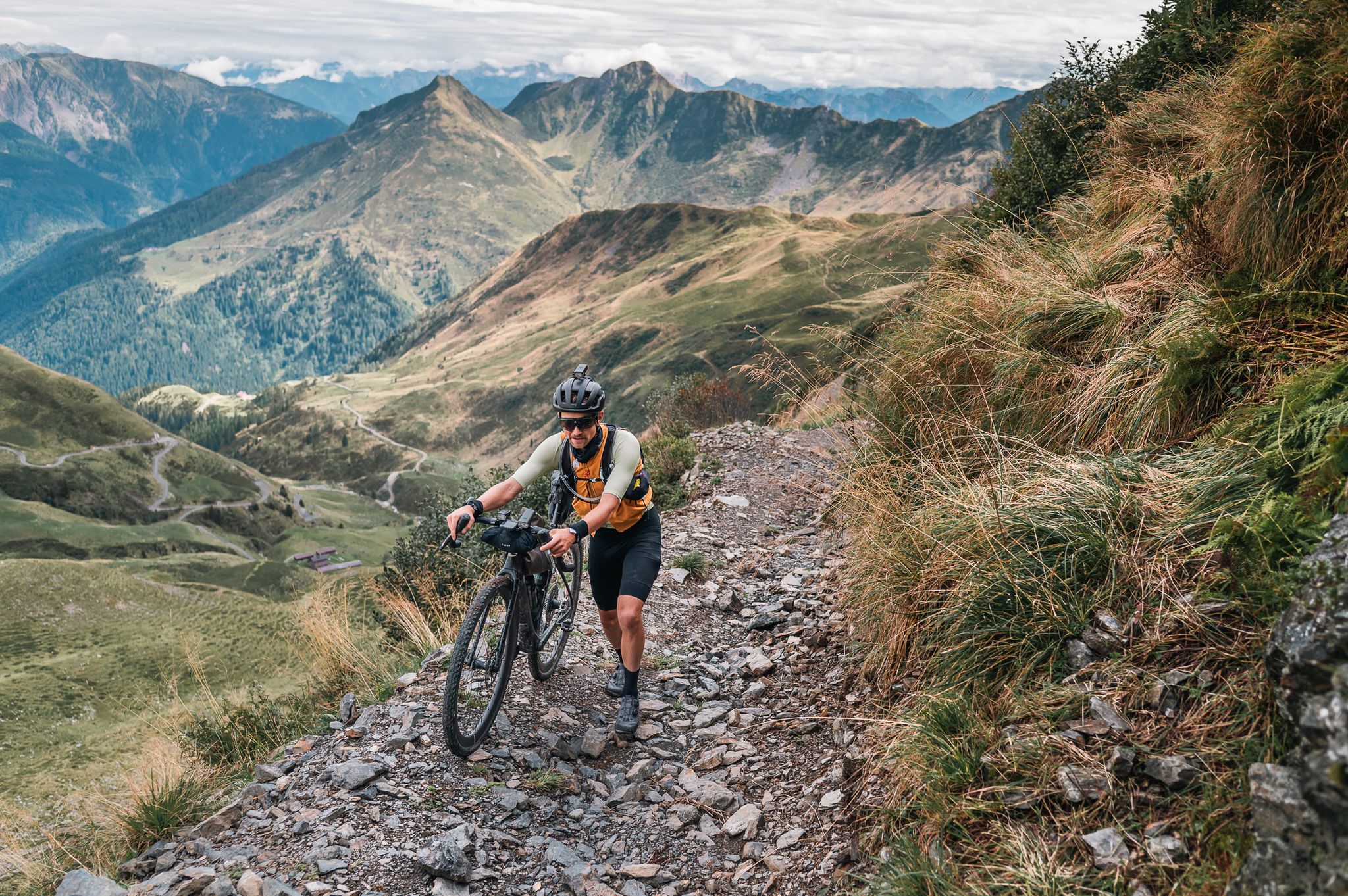
Sneak Peaks ADVENTURE 🥇
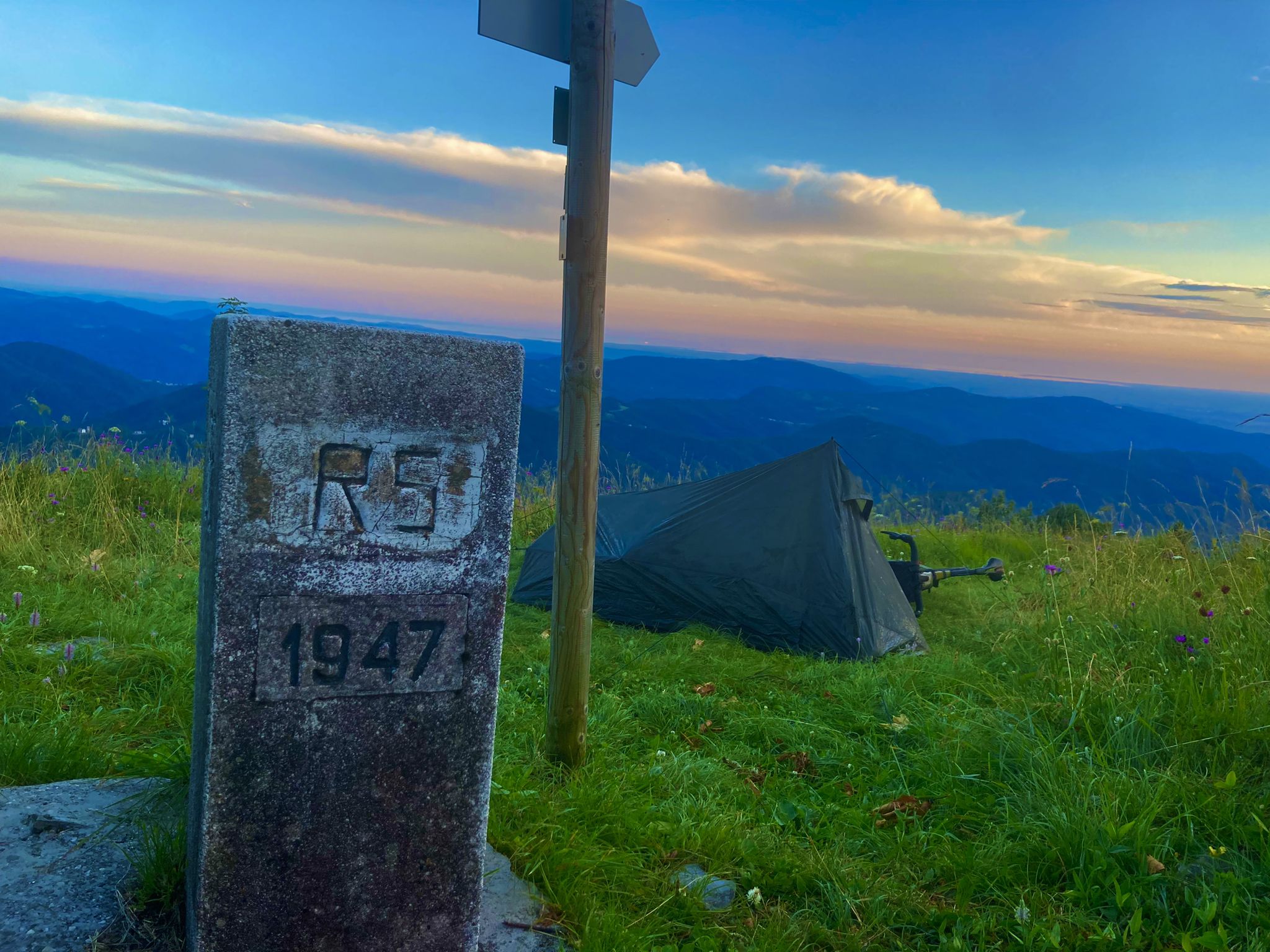
From Bavaria to the Adriatic - My Bikepacking Adventure to Croatia 2023
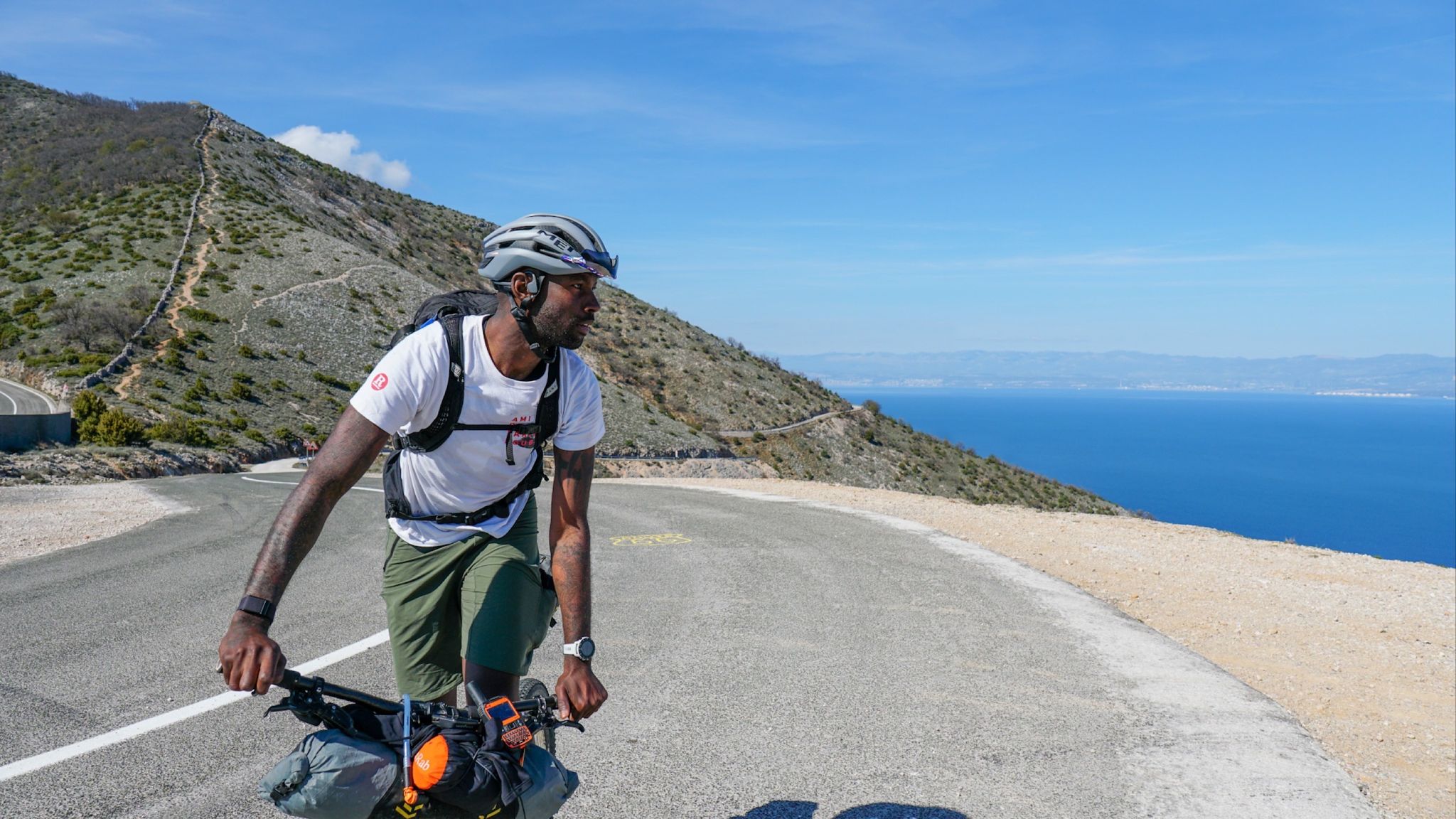
Slovenian mountains to island hopping around the Adriatic Crest
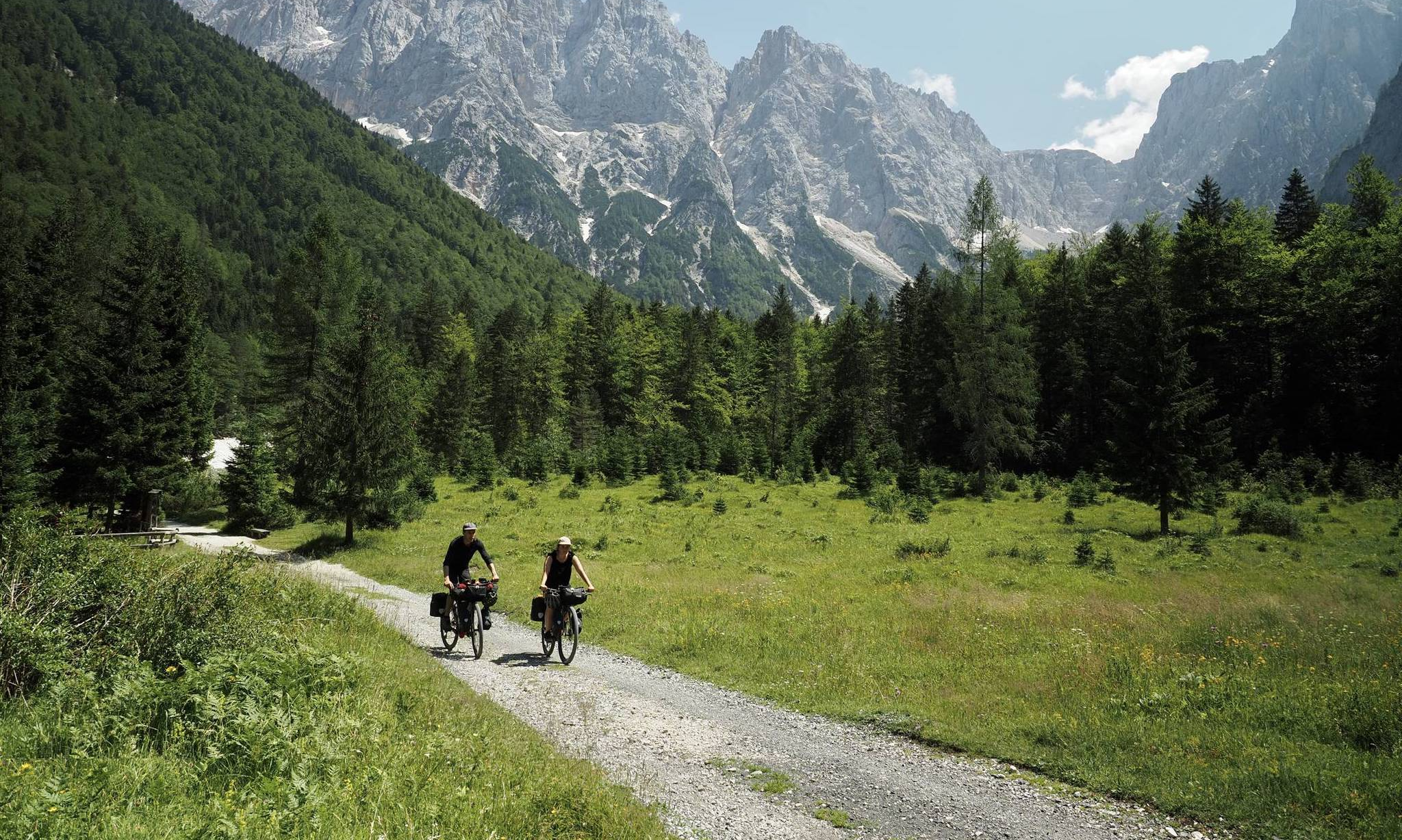
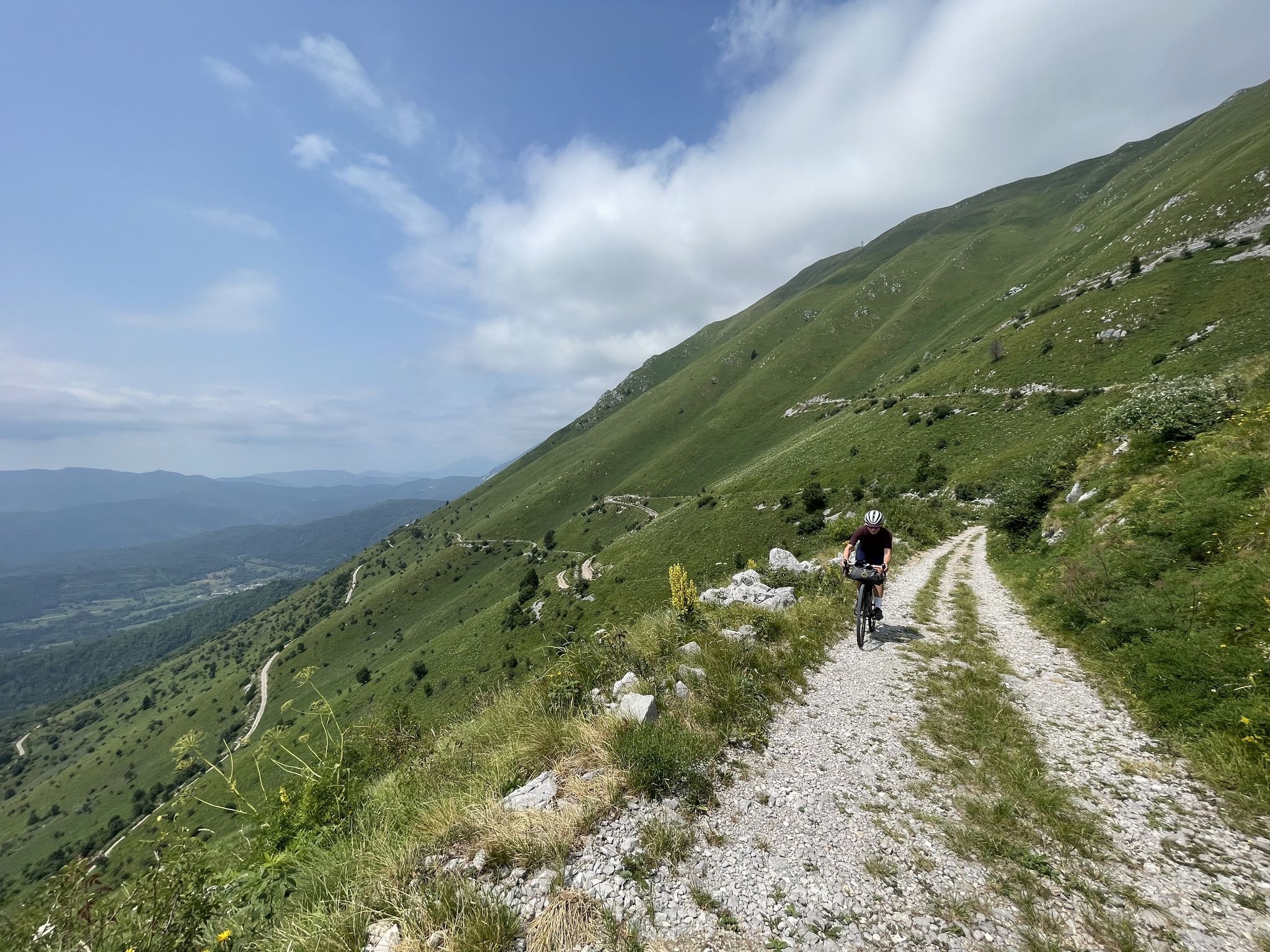
Slovenia West Loop (Soča Variation) – Bikepacking
The West Loop — Bikepacking Slovenia in five days
Budapest to Venice via the beautiful Soča Valley
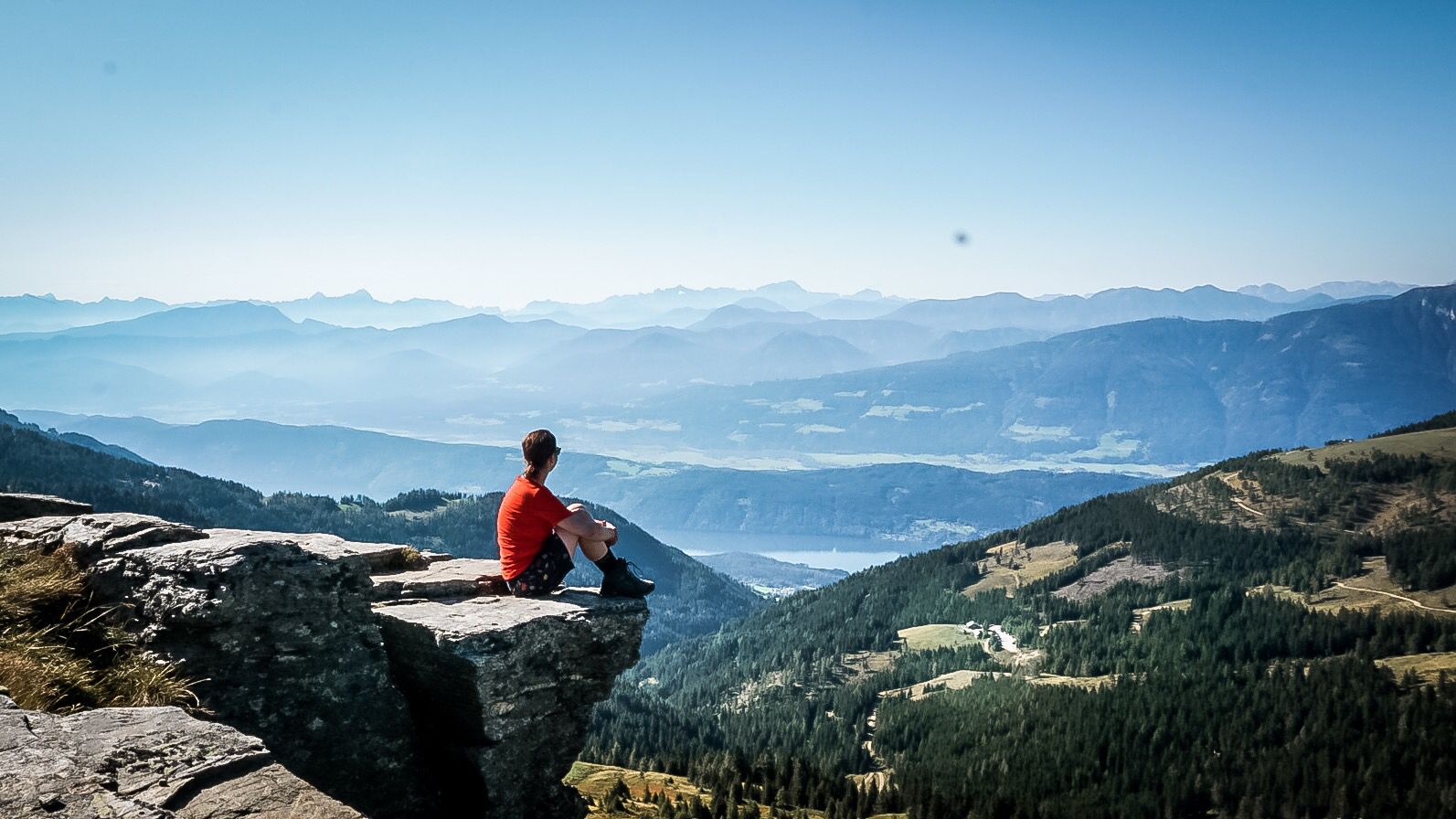
Alpe-Adria-Trail: My long-distance hike from the glacier to the sea
Alpe Adria – MTB Transalp through Slovenia to the Mediterranean Sea
Hiking adventures in Slovenia for families away from the hustle and bustle
Alpine Air & Coastal Wind – Racing Bike Tours in Slovenia
Other adventures in Goriška


Tips from the Community

During my visit in August '26, the water level was very low. Months with more water are recommended for a visit!
0
0

One of the three ice caves in the Tarnova forest, certainly the most evocative and best to visit. The last section of descent is a path that is sometimes steep and with numerous wooden steps. I recommend descending with appropriate shoes, you can reach the entrance of the cave which we can admire from the terrace equipped with railings (one section is broken).
0
0

The Sabotin connects two countries and impresses with wide views of the Adriatic Sea and the Alps. Once the scene of turbulent history, the mountain today delights with its extraordinary biodiversity.
1
0

Divje jezero is a karst siphon lake (Vaucluse spring), located approximately 2 km south of Idrija. The type of karst spring - Vaucluse spring is named after the Fontaine-de-Vaucluse spring in the Vaucluse region of Provence in southern France, east of Avignon. Springs of this type are characterized by the fact that water flows to the surface from great depths under pressure through steep channels. The lake lies in a stone cauldron under the hundred-meter cliffs that border this northern edge of the Črnovrška plateau. Divje jezero is also a karst spring, as water flows into the lake from a steeply descending trench, which has been explored to a depth of 160 m so far. Although the lake surface is usually calm, after heavy rains there can be strong eruptions of water, up to 60 m³/s. The Jezernica River flows from Divje Jezero, which is the shortest surface-flowing river in Slovenia and flows into the Idrijca River after 55 meters. The water temperature in the lake fluctuates only between 7 and 10 °C throughout the year. The lake was protected as a natural monument in 1967 and since 1972 has been arranged for visitors as the first Slovenian open-air museum.
0
0

A natural water station in the shady forest with a bench, an ideal place for a break.
1
0
A historic peak (World War I) accessible from two sides via paved and gravel roads and forest trails. Presumably a "must-see" for historians. On Monte Sabatino is a cross-border open-air museum of Italy and Slovenia. The starting point is a former barracks, which now serves as an information center and restaurant. Due to its strategic position, the mountain was one of the key battlegrounds during the Battles of the Isonzo in World War I. The museum offers a tour of the second Austro-Hungarian defensive line, which was breached by the Italian Second Army on August 6, 1916, during the Sixth Battle of the Isonzo. Visitors can also see bunkers, fortifications, trenches, a complex tunnel system, caves, and relics of wartime equipment. Source: https://www.turismofvg.it/de/grandeguerra-gorz-isontinischer-karst-und-collio/parco-della-pace-del-monte-sabotino-park-des-friedens?LangSetCMS=de
1
0

Short tour up the mountain to the castle (currently under construction 24.7.2025)
2
0

2 more highlights at the end of the gorge
0
0
Frequently Asked Questions
What types of caves can I explore in the Goriška region?
The Goriška region offers a unique blend of natural caves and historically significant man-made caverns. You'll find natural karst caves, such as the challenging Source of the Soča (Isonzo) River, alongside extensive military fortifications like the Sabotin Peace Park Bunkers and Caves, which provide a glimpse into World War I history.
Are there any historical caves or underground fortifications to visit in Goriška?
Yes, Goriška is particularly rich in historical underground sites, especially those related to World War I. The Sabotin Peace Park Bunkers and Caves feature preserved bunkers, ditches, and caverns from the Isonzo Front. Another notable site is the Passage Trench (Trincea di Passaggio), a dark but historically significant trench and cave system. The area below Sveta Gora (Holy Mountain) also contains extensive WWI caverns and trenches.
What are some of the most popular natural cave experiences in Goriška?
One of the most popular natural experiences is visiting the Source of the Soča (Isonzo) River, which involves a challenging, cable-insured path to reach the clear water source. Another intriguing natural site is Divje Jezero (Wild Lake), a karst siphon lake with an underwater cave system and the shortest river in Slovenia.
Are there family-friendly caves or underground attractions in the Goriška region?
While many caves in Goriška involve challenging paths or historical exploration, Divje Jezero (Wild Lake) is categorized as family-friendly, offering a beautiful natural setting that can be enjoyed by all. For historical sites, some parts of the Sabotin Peace Park Bunkers and Caves may be suitable for older children interested in history, especially with guided tours.
What should I wear or bring when exploring caves in Goriška?
For historical trenches and caverns, such as those at Sveta Gora or the Passage Trench, appropriate footwear, a lamp or flashlight, and suitable clothing are highly recommended, as paths can be slippery and dark. For natural sites like the Source of the Soča (Isonzo) River, correct footwear is essential due to challenging, cable-insured paths.
Are there any ice caves in Goriška?
Yes, the Goriška region is home to the Paradana Ice Cave. This natural monument offers a unique underground experience, showcasing ice formations.
What kind of geological features can be found in Goriška's caves?
Goriška features natural karst caves, such as the challenging Duga Baba and Zadlaška Cave. The region also has unique hydrological features like Divje Jezero (Wild Lake), a karst siphon lake where water flows from great depths under pressure, forming an underwater cave system.
Can I find hiking trails near the caves in Goriška?
Absolutely. The Goriška region is excellent for hiking. Many caves are integrated into or near hiking routes. You can find numerous options, including moderate to difficult trails, by exploring the Hiking in Goriška guide. For example, the Mine Tunnel Entrance on the Alpe-Adria Trail is directly on a well-known long-distance path.
Are there any caves near Nova Gorica?
Yes, the area around Nova Gorica is particularly notable for its historical underground sites. The Sabotin Peace Park Bunkers and Caves are located near Nova Gorica, offering extensive WWI fortifications. The caverns below Sveta Gora (Holy Mountain), north of Nova Gorica, are also significant man-made underground structures.
What other outdoor activities can I do near the caves in Goriška?
Beyond cave exploration, Goriška offers a variety of outdoor activities. You can find excellent running trails and waterfall hikes throughout the region. Many trails offer stunning views of the Soča River Valley and lead to other natural attractions.
What do visitors enjoy most about the caves in Goriška?
Visitors frequently appreciate the unique blend of natural beauty and profound historical significance. The challenging yet rewarding path to the Source of the Soča (Isonzo) River is highly praised for its clear water. The preserved WWI bunkers and caverns at Sabotin Peace Park offer a compelling historical experience, often enhanced by guided tours.
Is there a cave near Fort Kluže?
Yes, there is a small Cave near Fort Kluže. It is located right next to the Flitscher Klause fortress and is worth exploring, though a flashlight or headlamp is recommended due to its darkness.
Most popular routes in Goriška
Most popular attractions in Goriška

Get inspired with the komoot mobile app


Didn’t find what you were looking for?
Discover more caves in Goriška region by region:
Explore more
Extend your search for the best caves by checking out these guides of the top ones in Goriška:
