Top 7 Castles in Québec
Castles in Québec are characterized by their chateau-style architecture, reflecting the province's rich history and European heritage. These structures, often referred to as "châteaux," are found across the region, from the historic heart of Quebec City to the banks of the Richelieu River. The province's landscape, including the St. Lawrence River, provides a scenic backdrop for these historical sites. Visitors can explore a variety of architectural styles and historical periods within these impressive buildings.
Best castles in Québec
- The most popular castles is Château Frontenac, a man_made_monument that is a luxury hotel located in the center of Quebec City. It is considered one of the city's main attractions and is known for its distinctive turrets, gables, and copper roofs.
- Another must-see spot is Fort Chambly, a historical_site. This location offers architectural heritage in a setting on the banks of the Richelieu River, providing insights into indigenous settlements and military history.
- Visitors also love Château Dufresne, a castle that is the former residence of the Dufresne family and now functions as a museum. The interior features salons in Louis XVI and Louis XV styles, with murals by Guido Nincheri.
- Québec is known for its chateau-style buildings, historical forts, and grand mansions. These structures offer a diverse look into the province's past, from colonial military history to early 20th-century opulent living.
- The castles in Québec are appreciated by the komoot community, with more than 170 upvotes and over 130 photos shared across 6 highlights.
Last updated: October 14, 2026
Château Frontenac
Highlight • Monument
It was built in 1893 by the architect Bruce Price for the railway company Canadian Pacific Railway in the style of historicism (Neo-Gothic and Neo-Renaissance elements) and belonged to the chain of Canadian Pacific Hotels (now Fairmont Hotels and Resorts). In 1943, the Quadrant Conference took place here.
The hotel is named after Louis de Buade (1622-1698), Count of Frontenac and Palluau, the most important governor of the French colony of New France. It is located on the top of a hill overlooking the St. Lawrence River, above the Abraham Plain, where the British defeated the French in 1759 during the French and Indian wars, and then captured the city of Quebec.
Château Frontenac has been part of the Fairmont Hotels and Resorts hotel chain since October 2001 and is one of the most exclusive luxury hotels in Canada. It is also considered one of the most photographed hotels in the world.
In the Hitchcock film I confess (original title I Confess) the Château Frontenac can be seen several times and plays an important role in the search for a murderer, especially in the final scene.
Source: de.wikipedia.org/wiki/Ch%C3%A2teau_Frontenac
Translated by Google •
Tip by

Fort Chambly
Highlight • Historical Site
Tip by

Sign up now to discover places like this
Get recommendations on the best single tracks, peaks, & plenty of other exciting outdoor places.
Château Ramezay Museum
Highlight • Historical Site
Translated by Google •
Tip by

Fort Chambly
Highlight • Castle
Translated by Google •
Tip by

Château Dufresne
Highlight • Castle
Inside, the salons are in the Louis XVI and Louis XV styles, and various rooms are decorated with murals by Guido Nincheri. The museum offers various exhibitions on art and contemporary history.
Translated by Google •
Tip by

Fort No. 1
Highlight • Historical Site
Wander through the dark vaulted tunnels of Fort No. 1 and discover this last British fortification on Canadian soil, a testament to remarkable technological innovation. Dress up your children and then enjoy the magnificent panorama with your family during daylight hours for a picnic.
parks.canada.ca/lhn-nhs/qc/levis
Translated by Google •
Tip by

Start today with a free account
Your next adventure awaits.
Popular around Québec
Long-distance hiking in Canada – between mountains and coast
Cross Canada Ride — heading east for 6,800km

Around the World in 80 Days
Canada by train – hikes from Central Eastern stations
Hiking in Ottawa – discover Gatineau and its park
Cycling in the Laurentians – between lakes and mountains
Exploring Québec – Véloroute Gourmande & Le P'tit Train du Nord
Hiking in Saguenay-Lac-Saint-Jean – Québec's water paradise
The longest footpath in the world – Trans Canada Trail
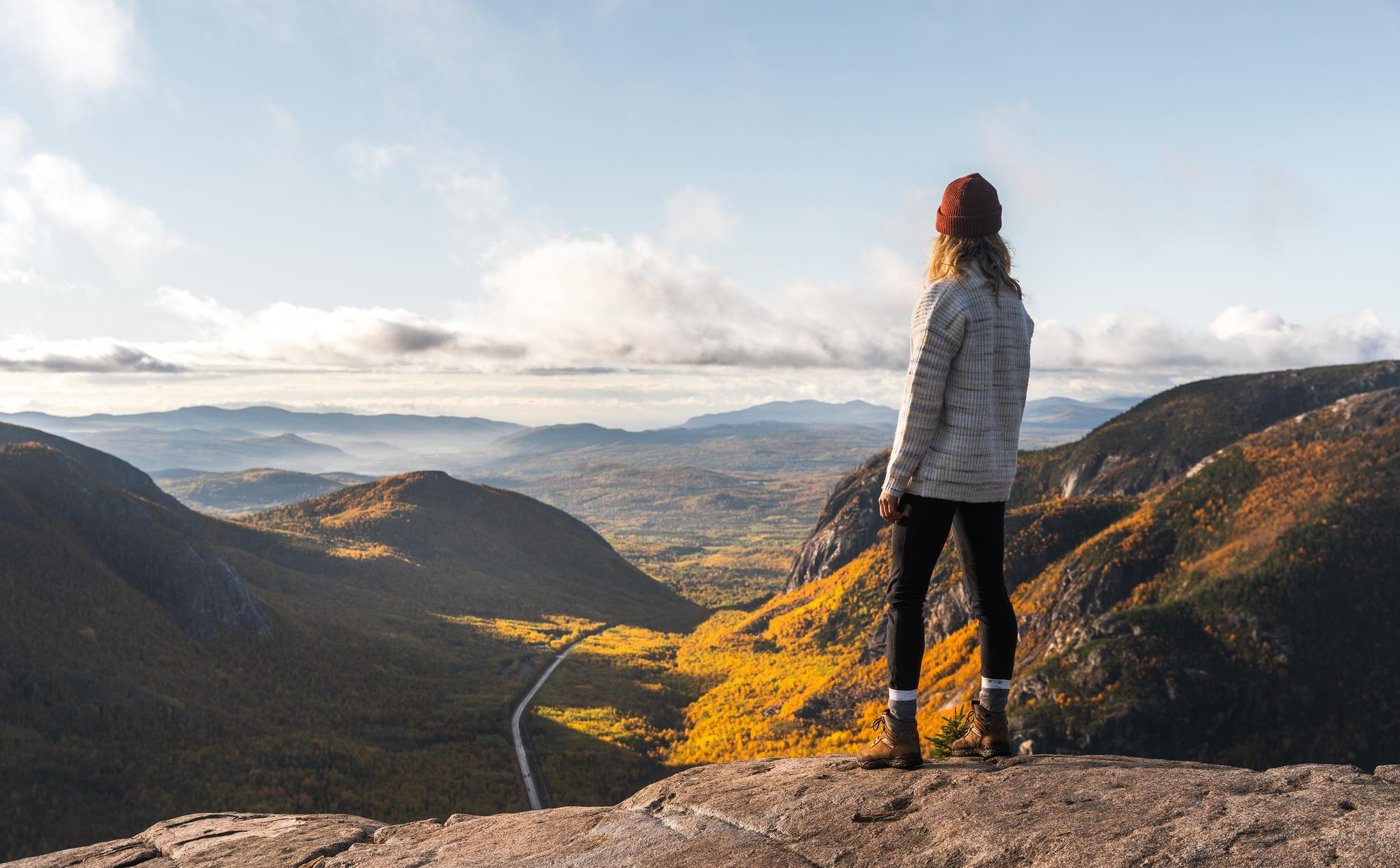
Fantastic autumn colours – exploring Québec's national parks
Other adventures in Québec


Tips from the Community

Unfortunately, only exterior viewing is possible at certain times: https://parks.canada.ca/lhn-nhs/qc/levis/visit/heures-hours
0
0
Lévis Forts National Historic Site Wander through the dark vaulted tunnels of Fort No. 1 and discover this last British fortification on Canadian soil, a testament to remarkable technological innovation. Dress up your children and then enjoy the magnificent panorama with your family during daylight hours for a picnic. https://parks.canada.ca/lhn-nhs/qc/levis
0
0

Château de Ramezay / India House was constructed as a stone building in 1705 and served as the residence of Claude Ramezay, Governor of Montreal. In 1949, the building was declared a National Historic Site of Canada. Today, it serves as a museum. (Visit June 14, 2025) https://www.pc.gc.ca/apps/dfhd/page_nhs_eng.aspx?id=643
2
0

This welcoming location offers unique architectural heritage in a magnificent setting on the banks of the Richelieu River. Home to the only fort in the greater Montreal area, the site is a witness to the indigenous settlements, the New France military occupation, and the British strategic positions during the 1812 war.
0
0


The building, built between 1915 and 1918 in the Beaux-Arts style, is the former residence of the Dufresne family of manufacturers and is now used as a museum. Inside, the salons are in the Louis XVI and Louis XV styles, and various rooms are decorated with murals by Guido Nincheri. The museum offers various exhibitions on art and contemporary history.
1
1


This is the symbol of the city
1
2
Frequently Asked Questions
What types of "castles" can I expect to find in Québec?
In Québec, you'll discover chateau-style buildings, historical forts, and grand mansions. These structures, often referred to as "châteaux," reflect the province's rich history and European heritage, offering a diverse look into the past from colonial military history to early 20th-century opulent living.
Which castles are considered must-visit historical sites in Québec?
Among the most prominent are Château Frontenac, an iconic luxury hotel and National Historic Site in Quebec City; Château Ramezay in Montreal, the province's oldest private history museum; and Fort Chambly, a significant historical site on the banks of the Richelieu River.
What makes Château Frontenac a significant landmark?
Château Frontenac is arguably the most iconic and photographed hotel in the world, dominating Quebec City's skyline with its fairytale turrets and copper roofs. It's a National Historic Site of Canada, known for its role as a strategic meeting place during World War II, hosting figures like Winston Churchill and Franklin D. Roosevelt. Visitors can take guided tours and enjoy breathtaking views of the St. Lawrence River from Dufferin Terrace.
What can I experience at Château Ramezay in Montreal?
Château Ramezay offers a journey through more than 500 years of history. As the province's oldest private history museum, it features numerous exhibits and multimedia portrayals of historical figures, providing insights into daily life in Montreal and First Nations peoples. Its French colonial-style garden also offers a glimpse into horticultural practices of New France settlers.
What is the historical significance of Fort Chambly?
Fort Chambly is a welcoming location with unique architectural heritage on the banks of the Richelieu River. It's home to the only fort in the greater Montreal area, witnessing indigenous settlements, New France military occupation, and British strategic positions during the War of 1812.
What can I see at Château Dufresne?
Château Dufresne is a grand 1918 mansion in Montreal's east end, built in the Beaux-Arts style. Now a museum, it allows visitors to explore the opulent lifestyle of a prominent francophone family from the early 20th century. The interior showcases impressive architectural details, including diverse floor, ceiling, and window designs, and features murals by Guido Nincheri.
Are there family-friendly castles to visit in Québec?
Yes, several castles and historical sites in Québec are family-friendly. Château Frontenac, Fort Chambly, Château Ramezay Museum, Château Dufresne, and Fort No. 1 are all categorized as suitable for families, often offering engaging exhibits or outdoor spaces for children.
What outdoor activities can I do near these castles?
Québec offers a variety of outdoor activities. Near many of these historical sites, you can find excellent opportunities for hiking, cycling, and mountain biking. For example, you can find hiking trails like Sentier de l'Acropole-des-Draveurs or cycling routes such as the René-Lévesque Park loop.
Are there hiking trails near castles in Québec?
Yes, Québec is rich in hiking opportunities. You can explore trails like Sentier de l'Acropole-des-Draveurs in Hautes-Gorges-de-la-Rivière-Malbaie National Park or Sentier Les Loups in Jacques Cartier National Park. For more options, check out the hiking guide for Québec.
What is the best time of year to visit castles in Québec?
The best time to visit castles in Québec largely depends on your preferences. Summer (June to August) offers warm weather and full accessibility to all sites and outdoor activities. Fall (September to October) provides stunning foliage, especially around sites like Château Frontenac. Some sites, like Château Ramezay and Château Dufresne, are open year-round, offering a unique experience during the quieter winter months.
Are there any castles in Québec that offer unique architectural styles?
Absolutely. Château Frontenac, inspired by France's Loire Valley châteaux, showcases a distinctive blend of Neo-Gothic and Neo-Renaissance elements. Château Dufresne is a prime example of Beaux-Arts architecture, modeled on the Petit Trianon at Versailles. These structures provide a fascinating look at different architectural periods.
What do visitors enjoy most about Québec's castles?
Visitors frequently appreciate the unique architectural heritage and the rich history embedded in these structures. Many enjoy strolling on promenades near sites like Château Frontenac, taking in the magnificent settings, and exploring the detailed interiors and exhibits that bring Québec's past to life.
Most popular routes in Québec
Most popular attractions in Québec

Get inspired with the komoot mobile app


Explore more
Looking for the best castles somewhere else? Discover other guides in Québec:
