Top 13 Huts and Cabins in Alaska
Huts in Alaska provide access to diverse wilderness experiences, from accessible public-use shelters to remote backcountry havens. The region features vast mountain ranges like the Alaska Range and Talkeetna Mountains, alongside numerous lakes and forests. These accommodations are managed by various agencies and organizations, offering shelter for outdoor activities. Visitors can explore a landscape characterized by glaciers, rugged peaks, and extensive natural areas.
Best huts in Alaska
- The most popular huts is Kincaid Chalet, a hut that serves as a place to warm up or dry off from recreational efforts. It is a suitable starting or finishing point for a bike ride due to plentiful parking.
- Another must-see spot is Caribou Creek Cabin, a rustic hut. This cabin is located at the end of the Caribou Creek Trail and requires reservations made in advance.
- Visitors also love Upper Russian Lake Cabin, a secluded hut at the lake. It offers public access to the shore and requires advance reservations for overnight stays.
- Alaska is known for public-use cabins, remote backcountry huts, and high-altitude basecamps. These accommodations offer shelter from the elements and wildlife, providing opportunities for hiking, boating, and fishing.
- The huts in Alaska are appreciated by the komoot community, with more than 10 upvotes and 3 photos shared by visitors.
Last updated: October 14, 2026
Kincaid Chalet
Highlight • Mountain Hut
Tip by

Caribou Creek Cabin
Highlight • Mountain Hut
Tip by

Sign up now to discover places like this
Get recommendations on the best single tracks, peaks, & plenty of other exciting outdoor places.
Denali, Advance Basecamp (4350m, 14,300ft)
Highlight • Mountain Hut
However Advance Base Camp, known also as "ABC" and "Basin Camp", is a haven of relative safety. Multiday storms can rage all-about, but a well-entrenched tent with snow walls is generally OK there. It is here that expeditions plan several days of acclimatization prior to tackling the upper route.
Advance Base Camp is at-times sufficiently peopled to be termed a "village" - and the highest in North America. There is no governing authority apart from the nearby stationed park rangers. It is essentially a disorganized conglomeration of snow walls buttressing brightly colored tents and with perhaps a 100 to 200 yard extent depending on orientation.
As a sewage system is nonexistent one generally "does business" in a pit dug specifically for that purpose and trows the solid waste, bagged within a green CMC (clean mountain can) provided by the National Park Service (NPS), into a deep crevasse.
There is also the medical tent where NPS staff provide advice to climbers. However beware: if treated, even for a minor cut, your climb is finished. They send you down, aligned with the philosophy that all groups be maximally self-sufficient.
cohp.org/personal/McKinley/2013/Advance_Base_Camp.html
Waiting for a good weather window (bring a ham-radio/walkie-talkie to listen to the 2-day weather update at 5pm from Kahiltna base camp) can take a few days/weeks, so bring enough food (or collect food given away by parties returning who don't want to carry back all that extra weight) and something to read. Daily exercise climbs and building an igloo while waiting is highly recommended to stay in shape and protected from the elements.
Tip by

Peterson Lake Cabin
Highlight • Mountain Hut
So for summer hikers, the Peterson Lake public use cabin is the logical end of the trail. The cabin itself is very popular and must be reserved in advance, for a fee: recreation.gov/camping/campgrounds/232939
If you have not reserved the cabin, please do not disturb its occupants — but you can still explore the surrounding area.
Tip by
Dan Moller Public Use Cabin
Highlight • Mountain Hut
Some hikers continue hiking off-trail to the ridge above the cirque, where you can enjoy views of Stephens Passage and Admiralty Island. Admiralty Island is home to the highest concentration of brown bears in the world, making it enormously popular for guided tours.
One note about the Dan Moller public use cabin: You must have prior reservations to use it. It can be reserved through recreation.gov. recreation.gov/camping/campgrounds/232941
Tip by
Windfall Lake public use cabin
Highlight • Mountain Hut
The cabin must be reserved in advance, for a fee, at recreation.gov/camping/campgrounds/232948. If you have not reserved the cabin, please do not disturb its occupants.
Tip by
Windfall Lake Trail
Highlight (Segment) • Trail
This trail ends at the Windfall Lake cabin, which is available for public use but must be reserved in advance (for a fee) at recreation.gov/camping/campgrounds/232948
If you continue hiking farther along the main trail, you'll be on the Montana Creek trail, which is often brushy, frequently overgrown, and sometimes flooded.
Tip by
Joe Thompson Public Use Cabin
Highlight • Mountain Hut
Tip by
Mint Hut
Highlight • Mountain Hut
Tip by

Upper Russian Lake Cabin
Highlight • Mountain Hut
Tip by
Sign up for free to discover even more huts and cabins in Alaska.
Already have an account?
Start today with a free account
Your next adventure awaits.
Popular around Alaska
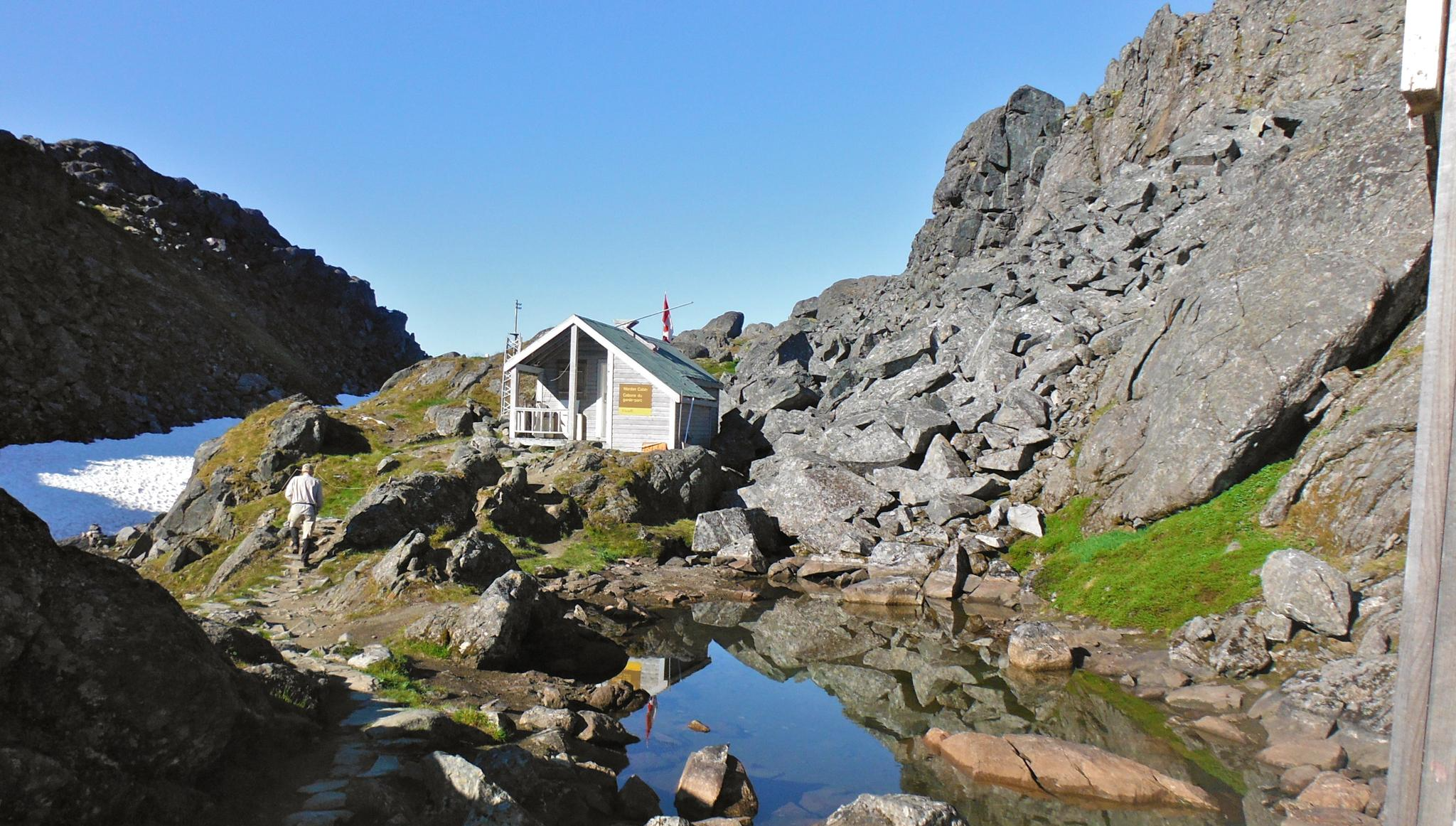
The Chilkoot Trail — Gold Rush history among soaring mountains
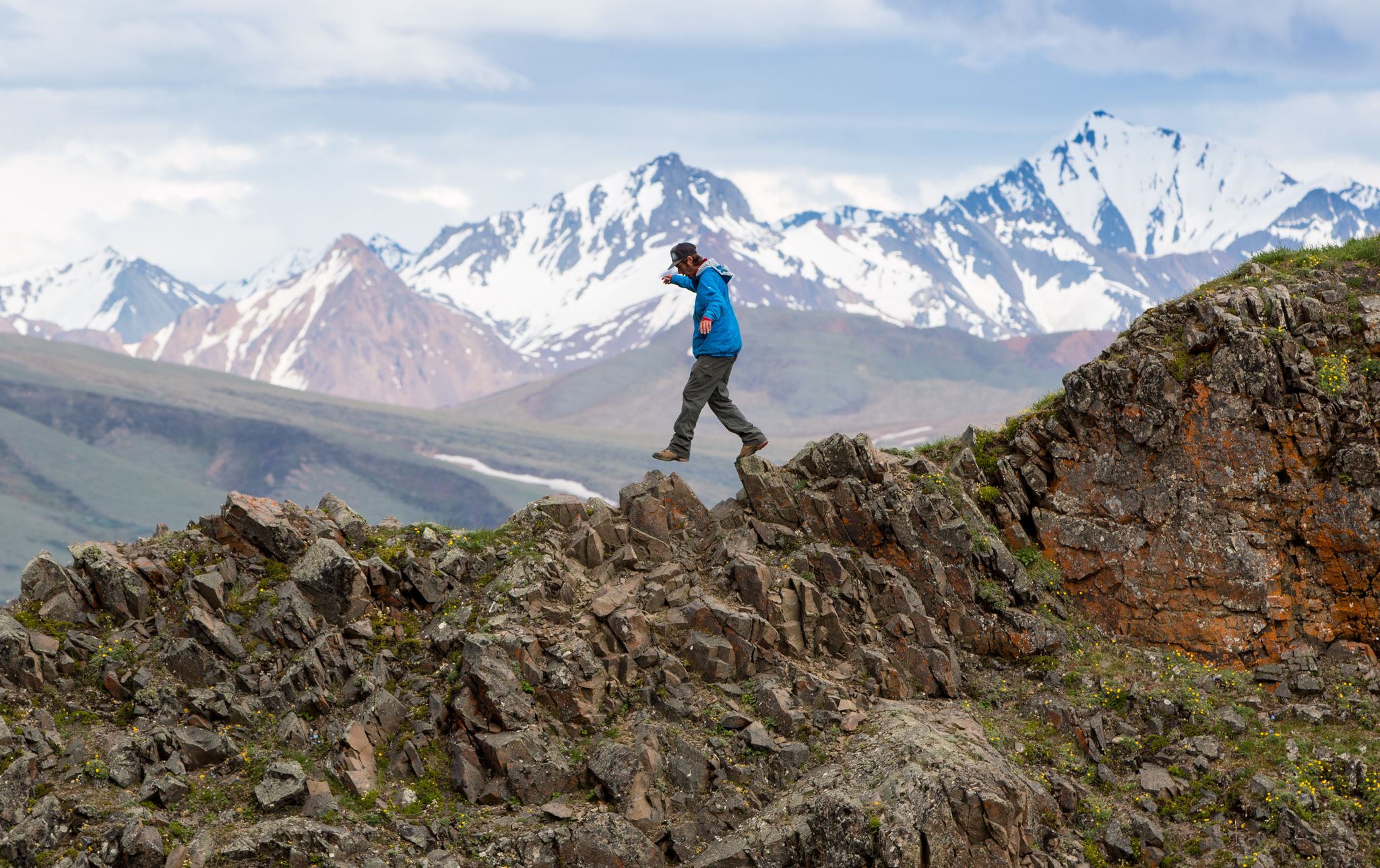
Around the World in 80 Days
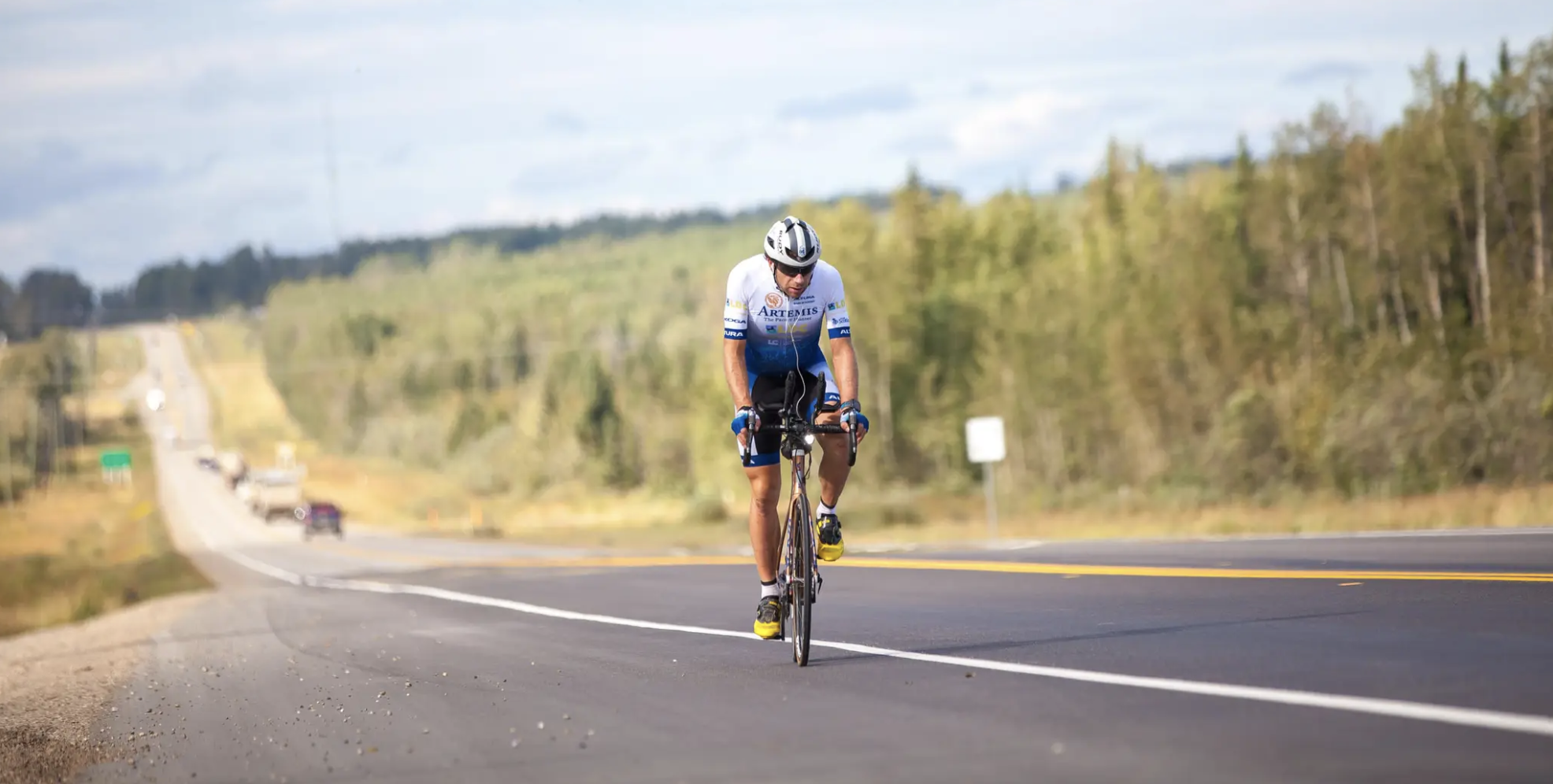
Lael Rides Alaska: main road system
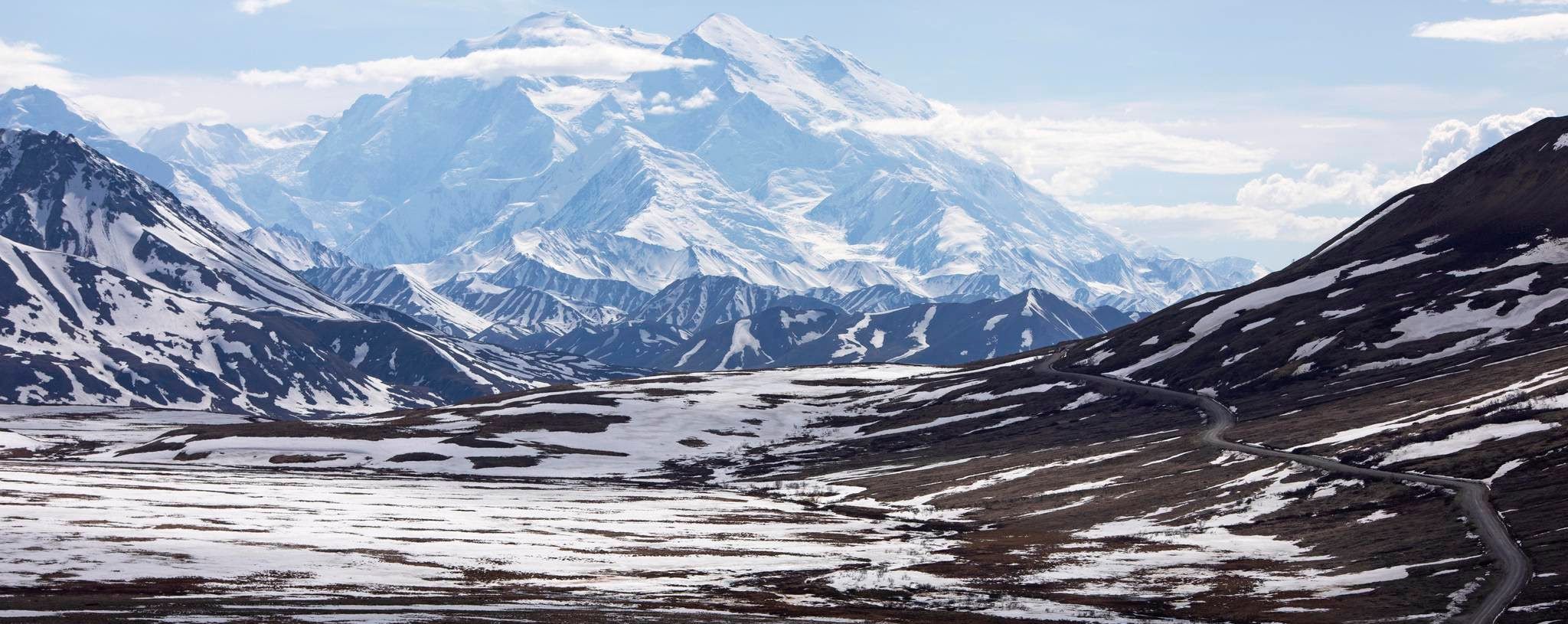
Alaska - mountains, glaciers and national parks
Hiking in Alaska
MTB Trails in Alaska
Cycling in Alaska
Running Trails in Alaska
Road Cycling Routes in Alaska

Gravel biking in Alaska
Other adventures in Alaska


Tips from the Community

The Windfall Lake trail ends at this public use cabin, which overlooks the lake and comes with the use of a canoe. The trail up until this point can be quite muddy in the summer, but the muddiest spots have been graveled over to make for easier passage. If you were planning to bikepack the cabin it must be reserved in advance, for a fee, at recreation.gov/camping/campgrounds/232948. If you have not reserved the cabin, please do not disturb its occupants.
2
0
The trail does continue farther along the shore of Peterson Lake; however, that section of trail is particularly prone to flooding and muddy conditions during the summer, so it's generally considered a winter trail that is best for skiing, snowshoeing, and fat-tire biking if snow conditions are conducive. So for summer bikers, the Peterson Lake public use cabin is the logical end of the trail. The cabin itself is very popular and if you wanted to bikepack here it must be reserved in advance, for a fee: recreation.gov/camping/campgrounds/232939
2
0
The Dan Moller public use cabin, situated in a pretty alpine cirque, makes a logical turnaround point for your run. Hikers sometimes continue off-trail to gain the ridge above you, but that's really not runnable terrain.
1
0

The Joe Thompson Public Use Cabin sits at the trailhead for the Portage Creek Trail. You have to pay a fee and make a reservation to actually stay at the Joe Thompson Public Use Cabin, but you can run the trail and head back to the main part of the island in just a few hours. Note that like many trailheads in Lake Clark National Park, you can only get here by boat or float plane.
0
0

A rustic cabin at the end of Caribou Creek Trail. Reservations are required and must be made at least six months in advance of intended stay. More information can be found here: nps.gov/wrst/planyourvisit/caribou-creek-cabin.htm
0
0
Although the Kincaid Chalet (sometimes called the Kincaid Outdoor Center) can be rented out for public events, it's usually open to the public as a place to warm up or dry off from your recreational efforts. With plentiful parking available, it's a great place to either start or finish a bike ride. More information on the chalet is available here: https://www.muni.org/Departments/parks/Pages/Kincaid.aspx
1
0

The Mint Hut was built in 1971 at this scenic spot in the upper Mint Valley, a gateway to the majestic Talkeetna Mountains. The hut can be used as a place to rest before starting your journey back, and staying there overnight is permitted on a first-come first-serve basis. The Mint Hut is managed by the Mountaineering Club of Alaska (MCA) and visitors are required to pay for an MCA membership before spending the night here.
1
0
There is public access to the shore of Upper Russian Lake, but if you want to stay in the Upper Russian Lake public use cabin, it must be reserved in advance for a fee: https://www.recreation.gov/camping/campgrounds/233006
1
0
Frequently Asked Questions
What types of huts and cabins can I find in Alaska?
Alaska offers a diverse range of huts and cabins, from easily accessible public-use shelters to remote backcountry havens. These include rustic cabins managed by federal and state agencies, private organizations, and even high-altitude basecamps for mountaineers. Many are designed for a true wilderness experience, while others offer more accessibility and amenities.
Which public-use cabins in Alaska are easily accessible?
Several public-use cabins are known for their accessibility. For example, Kincaid Chalet is a popular hut that serves as a place to warm up or dry off from recreational efforts, with plentiful parking available. Other accessible options include Byers Lake Cabin #1 in Denali State Park, known for its prime location and easy access from the Parks Highway, and Marten Cabin near Juneau, located a short distance off the main campground road at Eagle Beach State Recreation Area.
Are there huts for experienced mountaineers or backcountry enthusiasts?
Yes, Alaska has several options for experienced adventurers. The Mint Hut in the Talkeetna Mountains is a popular choice for backcountry enthusiasts, serving as a gateway to the Talkeetna Mountains or a base camp for ascending nearby granite peaks. For extreme challenges, Denali, Advance Basecamp (4350m, 14,300ft) is a critical high-altitude stopping point for climbers undertaking the challenging ascent of Denali's West Buttress route. The Alaska Alpine Club also maintains remote huts like Thayer Hut, Lower Canwell Hut, and Mackeith Hut in the Delta Range, available on a first-come, first-served basis.
Are there any unique or historically significant huts to visit?
Absolutely. The Richard Proenneke Cabin in Lake Clark National Park is a nationally recognized historical site. This cabin was hand-built by wilderness icon Richard Proenneke using only hand tools, where he lived for 30 years without modern conveniences. His story was immortalized in 'One Man's Wilderness,' and the cabin is accessible by backcountry trekking or float plane to Upper Twin Lake. You can learn more about its history at nps.gov.
Are there family-friendly huts in Alaska?
While many huts offer a rustic experience, some are more suitable for families. Kincaid Chalet is categorized as family-friendly due to its accessibility and amenities. When planning a family trip, it's always best to check individual cabin details and accessibility to ensure it meets your family's needs.
When is the best time to visit huts and cabins in Alaska?
The best time to visit depends on your desired activities. Summer (June-August) offers the mildest weather for hiking, fishing, and boating, but also means higher demand and required advance reservations. Winter offers unique opportunities for skiing and snowmobiling, but requires more preparation for cold weather. Many public-use cabins are popular year-round, so early reservations are highly recommended, especially for those accessible by trail.
How do I reserve a public-use cabin in Alaska?
Most public-use cabins in Alaska require advance reservations, often made months in advance due to their popularity. For example, Caribou Creek Cabin requires reservations at least six months ahead. The Upper Russian Lake Cabin and Windfall Lake public use cabin also require advance reservations and a fee. It's crucial to check the specific booking requirements for each cabin, as they are managed by various federal and state agencies or private organizations.
What amenities can I expect in Alaskan huts and cabins?
Most Alaskan huts and cabins are rustic. Typically, you can expect bunk beds, a wood or gas stove for heat, and an outhouse. Visitors generally need to bring their own supplies, including bedding, food, water, and fuel. Some, like the Mint Hut, might offer sleeping pads, a two-burner stove (bring your own white gas), cookware, and a composting toilet. A rare example with electricity is Olnes Pond Cabin near Fairbanks.
What kind of wildlife can I expect to see near Alaskan huts?
Alaska's wilderness is rich with wildlife. Depending on the location, you might spot moose, bears, various bird species, and other small mammals. Cabins like Crescent Lake Cabin are excellent for wildlife viewing. Always be prepared for wildlife encounters and follow Leave No Trace principles to protect both yourself and the animals.
What outdoor activities can I do near huts in Alaska?
Many huts serve as excellent bases for outdoor adventures. You can enjoy activities such as hiking, boating, fishing, and wildlife watching. For example, near huts in Alaska, you can find numerous cycling routes. There are easy to moderate gravel biking routes like the Campbell Airstrip Trail – Gasline Trail loop, road cycling routes such as the Tony Knowles Coastal Trail, and touring bicycle options like the Moose Loop via Chester Creek Trail. For more details on these routes, you can explore the Gravel biking in Alaska, Road Cycling Routes in Alaska, and Cycling in Alaska guides.
How can I access remote huts in Alaska?
Accessing remote huts often requires more adventurous travel. Many are accessible by hiking long trails, while others might require boat or float plane access. For instance, Aialik Bay Cabin in Kenai Fjords National Park is accessible by boat or plane. Joe Thompson Public Use Cabin is accessible by boat or float plane from Port Alsworth. Always research the specific access requirements and conditions for your chosen hut.
Are there any huts that offer unique features like a canoe?
Yes, some cabins provide additional amenities to enhance your wilderness experience. The Windfall Lake public use cabin, for example, overlooks Windfall Lake and includes the use of a canoe, allowing visitors to explore the lake directly from the cabin. This adds a unique element to your stay.
What should I bring for an overnight stay in an Alaskan hut?
Given the rustic nature of most Alaskan huts, you should plan to bring all essential supplies. This typically includes sleeping bags, food, water (or means to purify water), cooking fuel (if the stove requires it), a first-aid kit, appropriate clothing layers for varying weather, a headlamp or lantern, and trash bags to pack out everything you pack in. Always check the specific cabin's details for any unique requirements or provided items.
Most popular routes in Alaska
Most popular attractions in Alaska

Get inspired with the komoot mobile app


Didn’t find what you were looking for?
See even more amazing huts in Alaska with these guides per region:
Explore more
Find more beautiful huts and cabins in Alaska by checking out the top ones in these nearby places:
