Top 5 Caves in Massachusetts
Caves in Massachusetts present a variety of geological formations, from boulder caves and rock shelters to historical stone chambers. The state's hard bedrock has resulted in unique underground features, many with significant historical and cultural importance. These sites provide opportunities for exploration and a tangible link to early American history and natural processes.
Best caves in Massachusetts
- The most popular caves is Panther Cave, a cave that forms a small cave system. It is suitable for family exploration and bouldering.
- Another must-see spot is Dungeon Rock, a historical site with a cave. It is known for its pirate lore and historical mystery, with visitors able to explore its corridors.
- Visitors also love Nashoba Brook Stone Chamber (The Potato Cave), an underground stone structure. Historically used for food storage, it is part of the Trail Through Time, offering a scenic walk with historical elements.
- Massachusetts is known for boulder caves, rock shelters, and historical stone chambers. These offer a mix of geological interest and historical intrigue for exploration.
- The caves in Massachusetts are appreciated by the komoot community, with 18 upvotes and 7 photos shared by users.
Last updated: October 14, 2026
Panther Cave
Highlight • Cave
Tip by

Trail Through Time (Wheeler Farm to Potato Cave)
Highlight (Segment) • Trail
This section of trail parallels Nashoba Brook from Wheeler Farm (and Robbins Mill) to the Potato Cave. Keep an eye out for beavers and other animals along this pretty section of trail, especially as you near the boardwalks by the potato cave. It can be quite muddy (sometimes flooded!) in the spring so make sure you have proper footwear.
Tip by

Sign up now to discover places like this
Get recommendations on the best single tracks, peaks, & plenty of other exciting outdoor places.
Nashoba Brook Stone Chamber (The Potato Cave)
Highlight • Cave
Tip by
Dungeon Rock
Highlight • Cave
Today you can visit Dungeon Rock which was formerly known as Pirates' Rock by hiking along. Maybe you will find the treasure?
Tip by
The Horse Caves
Highlight • Cave
Tip by
Start today with a free account
Your next adventure awaits.
Popular around Massachusetts
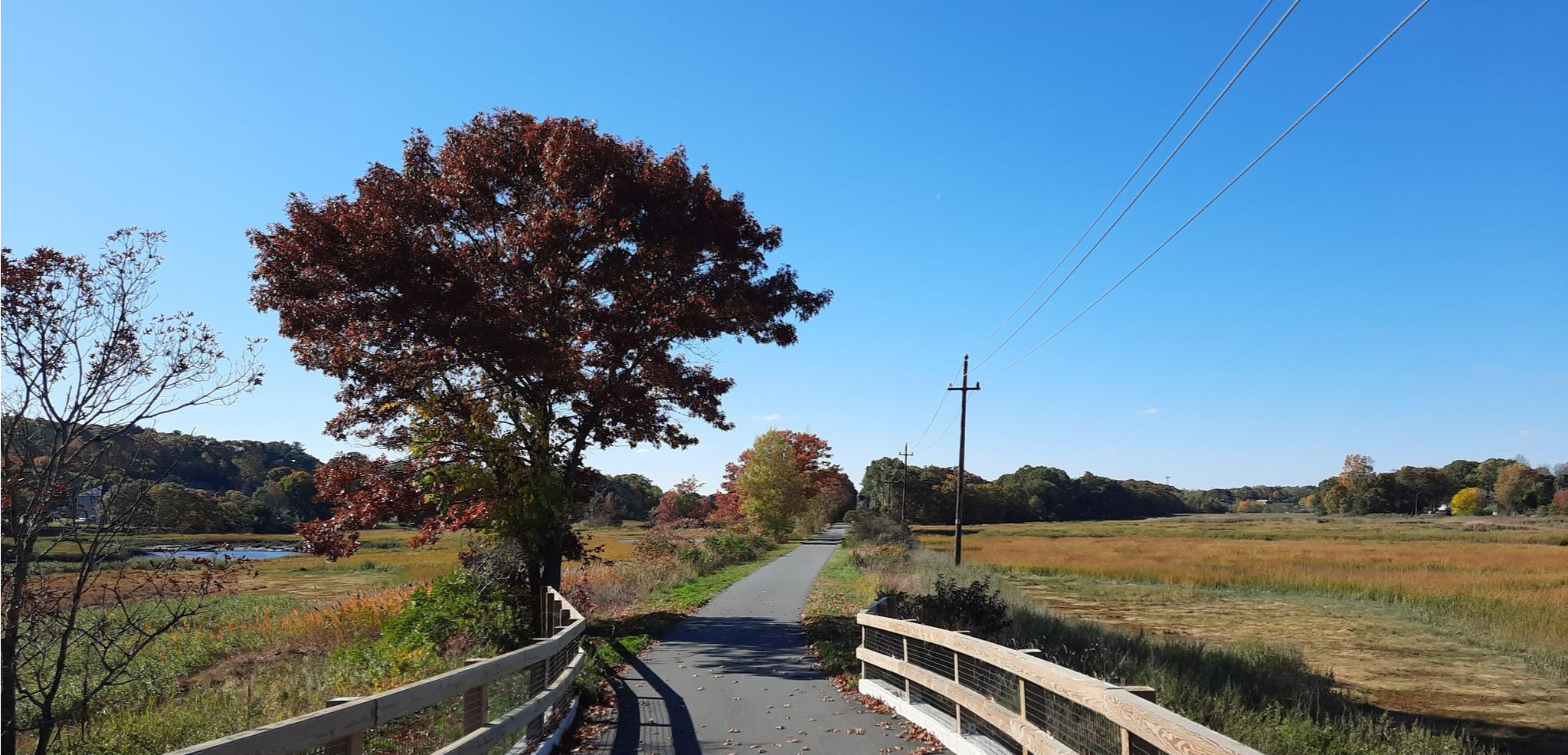
East Coast Greenway — An unforgettable ride along the Atlantic Seaboard
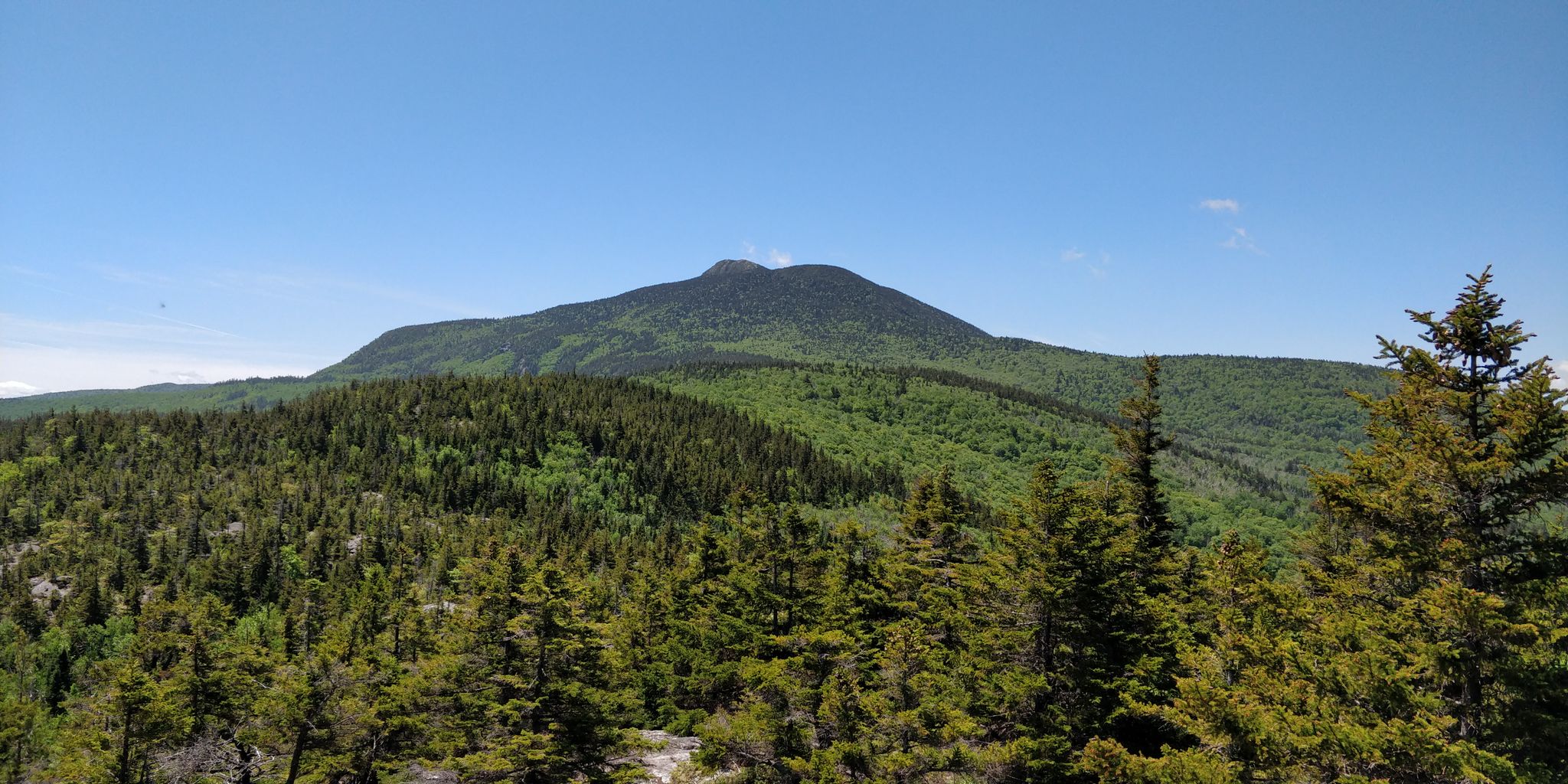
The Long Trail — America's oldest long-distance path
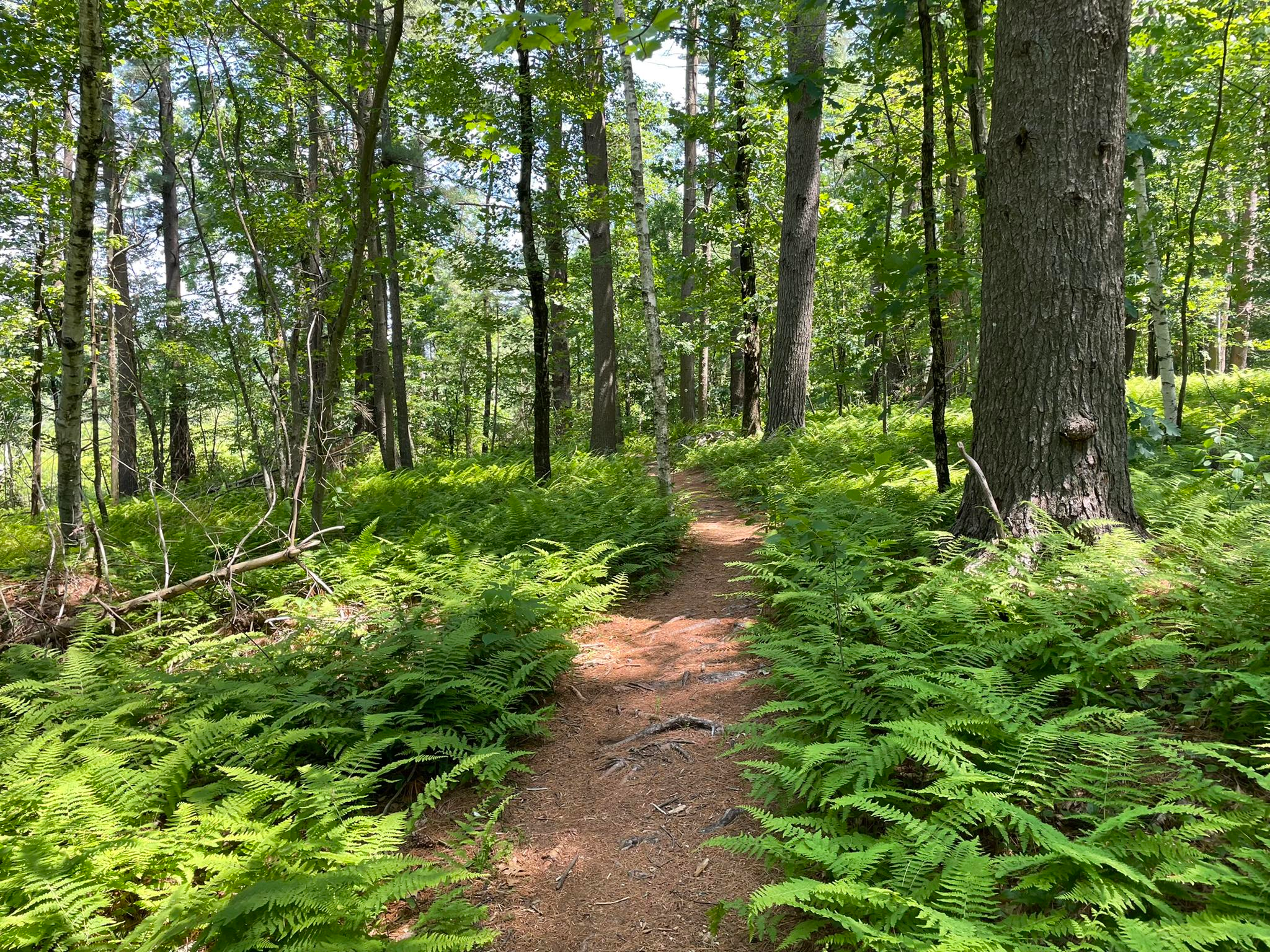
Bay Circuit Trail and Greenway — Walking the Emerald Necklace
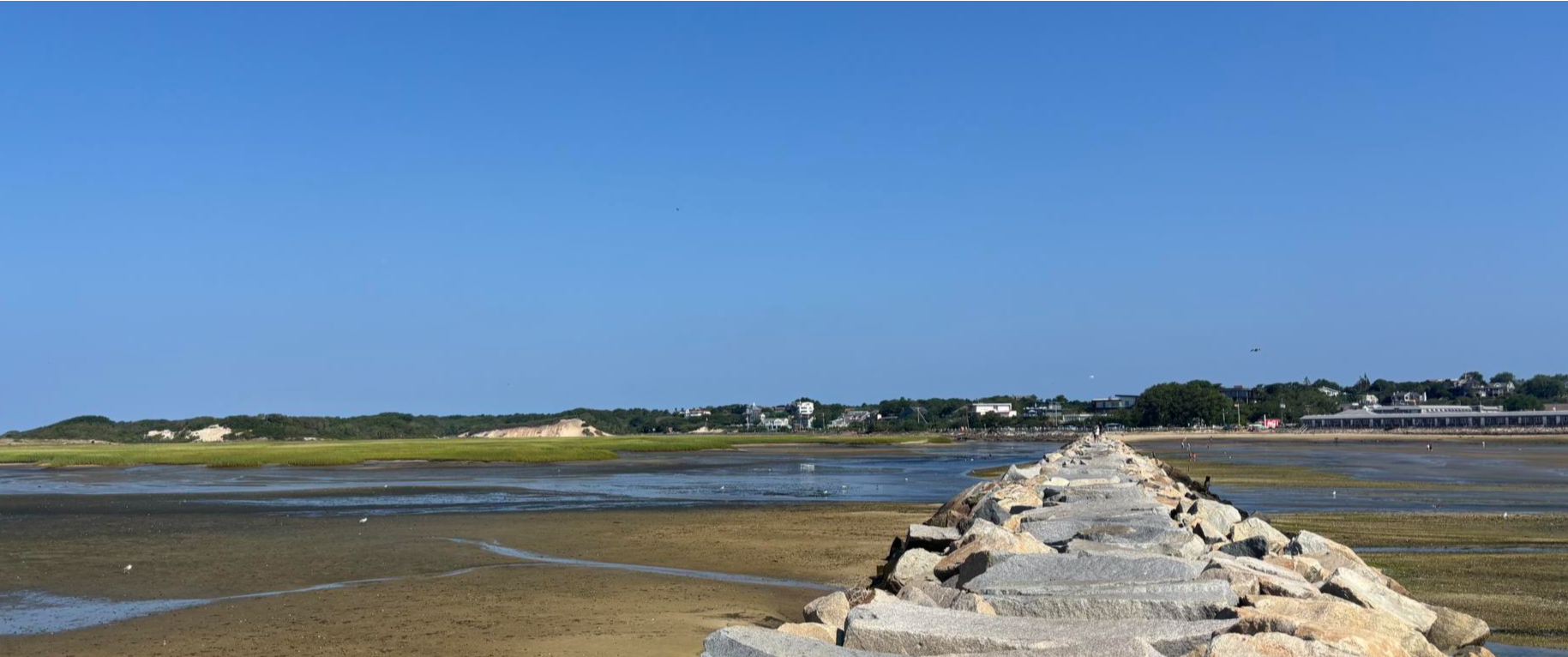
Cape Cod Weekend — Exploring the best of the outer and lower Cape
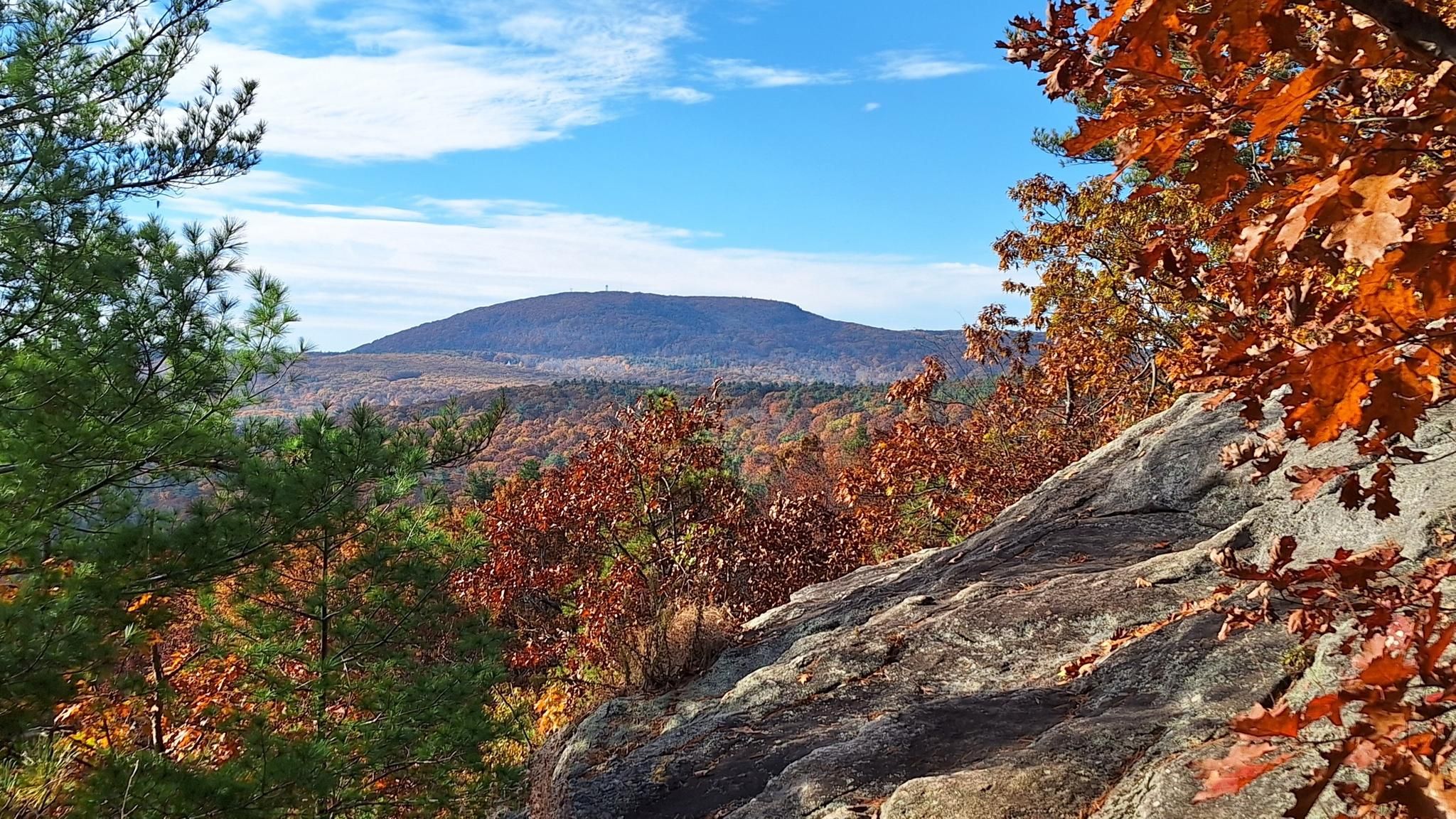
Midstate Trail — 92 miles through the heart of Massachusetts
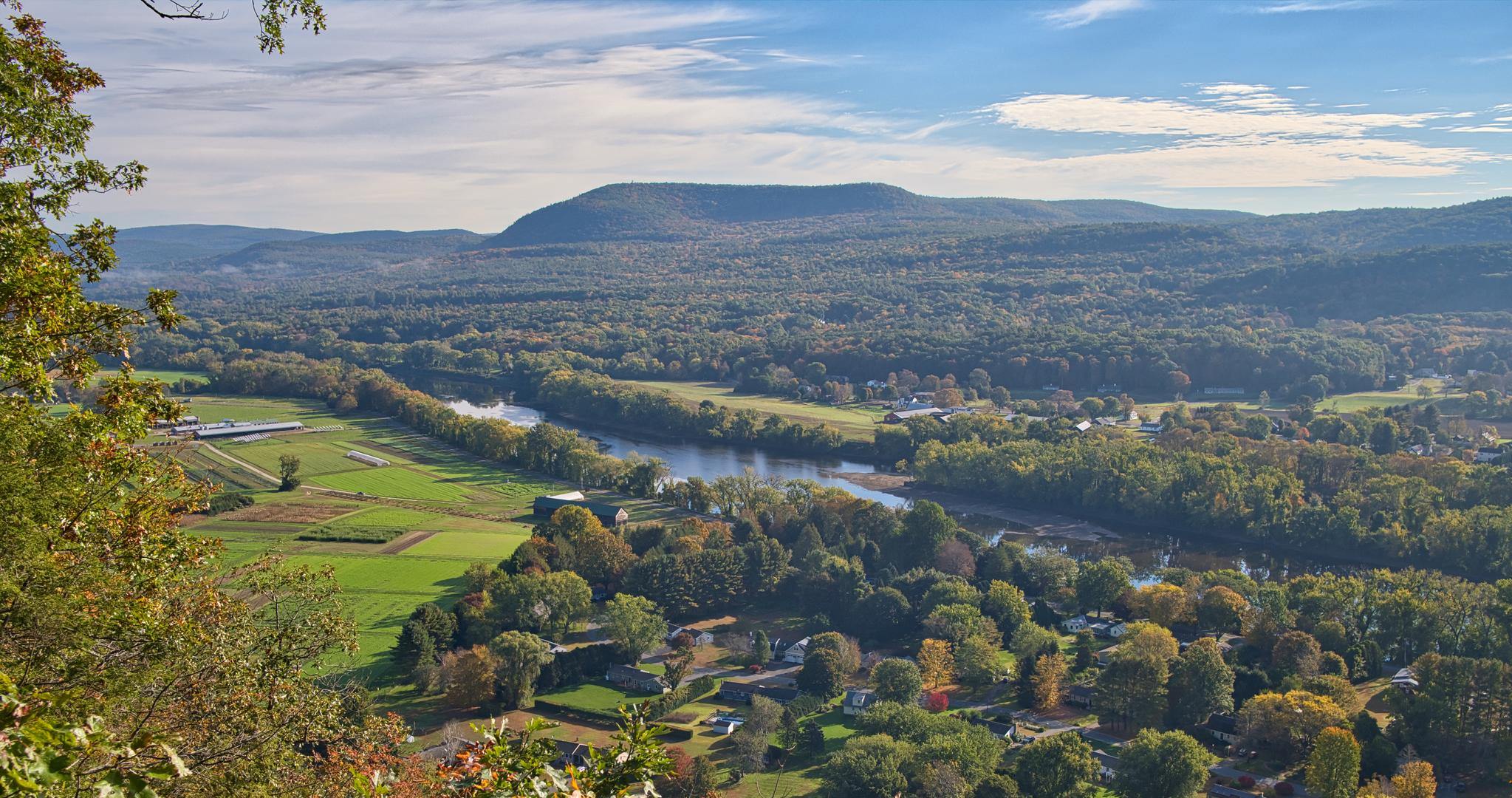
The Robert Frost Trail — A Trek Through Frost’s Western Massachusetts
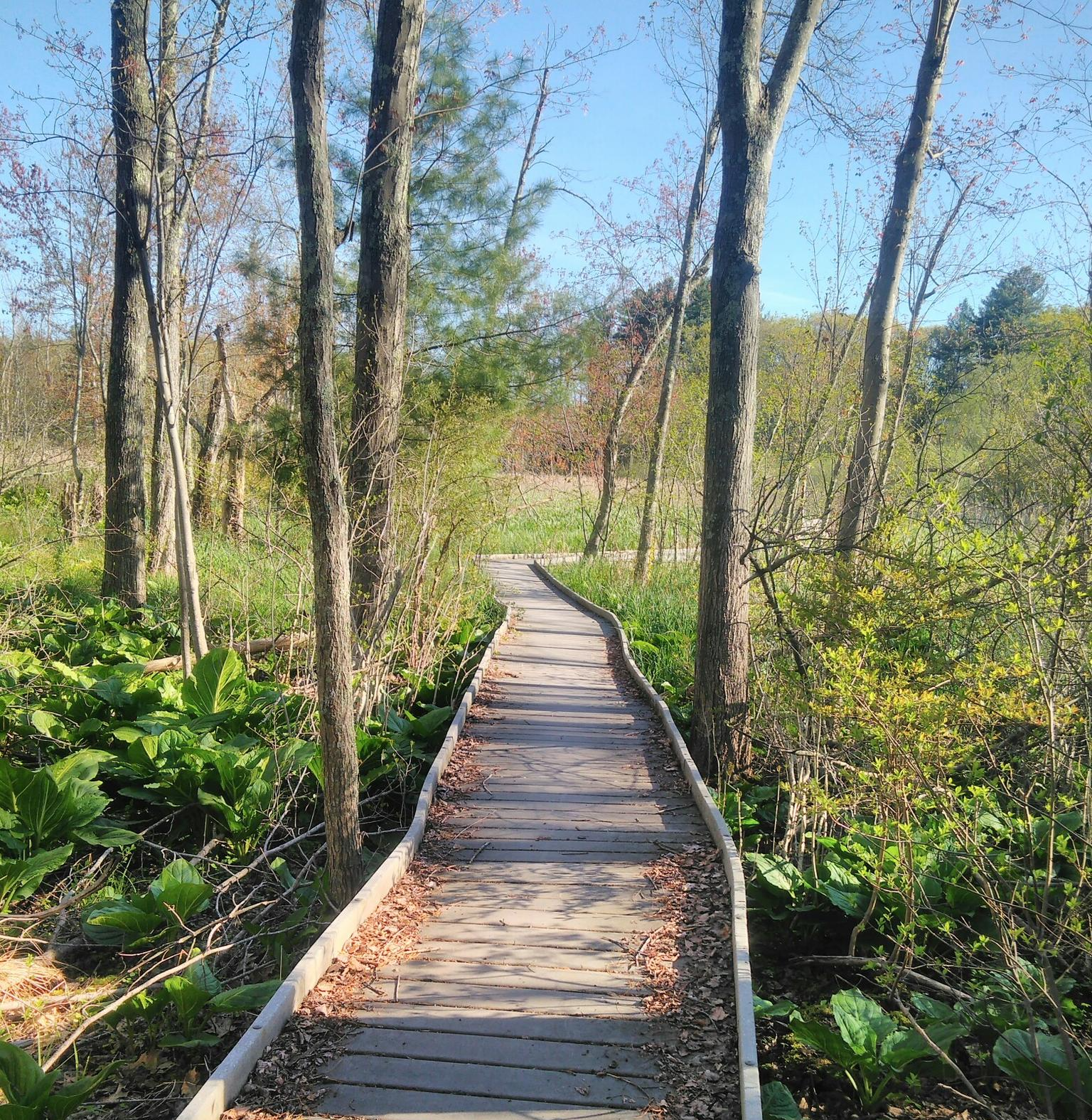
Bay Circuit Trail & Greenway — Pedal Boston’s Greenbelt
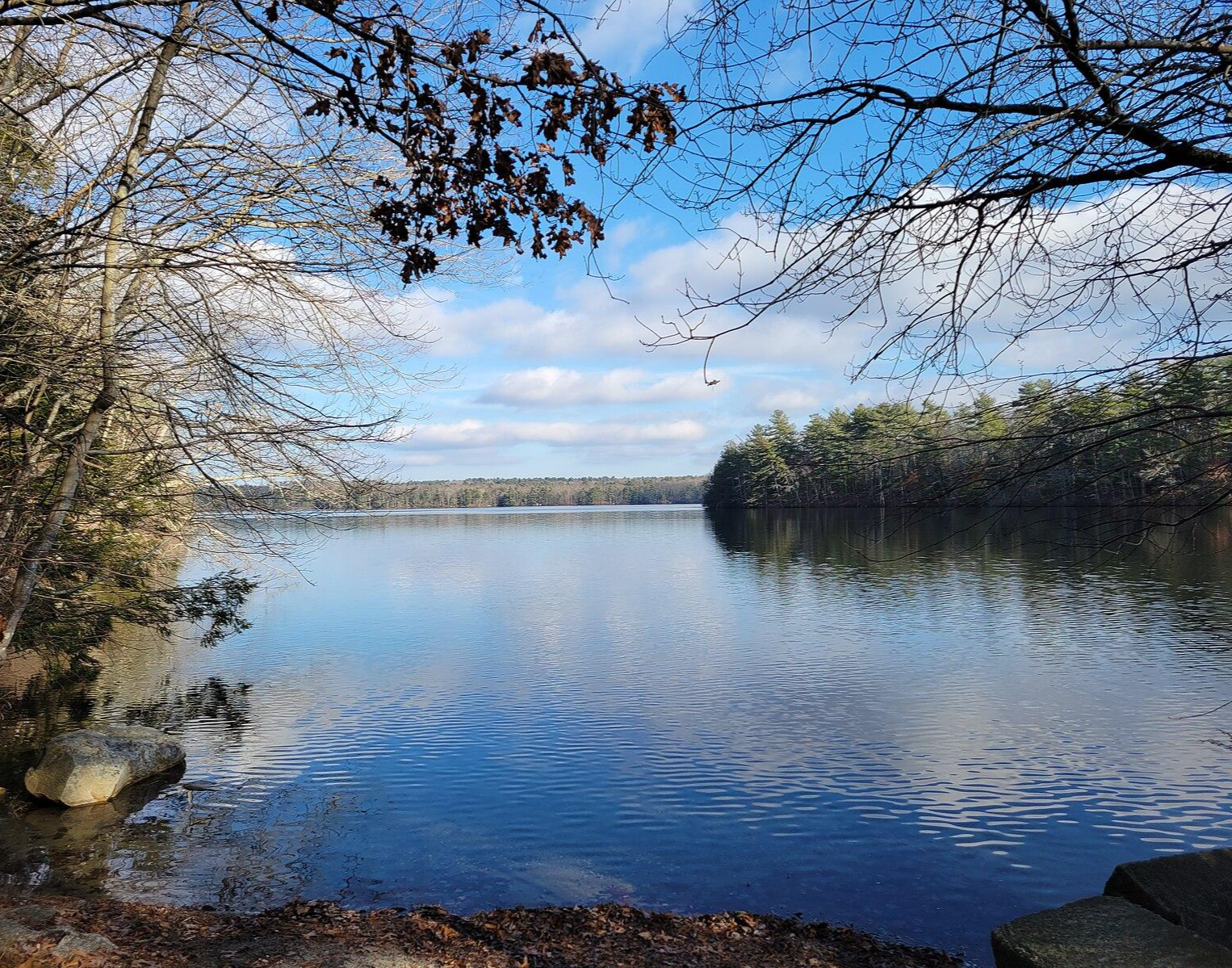
North-South Trail — The Smallest State's Longest Walk

On the trail of the Pilgrim Fathers – road trip along the Atlantic coast
Great North Music Tour – hiking in the footsteps of music legends
Other adventures in Massachusetts


Tips from the Community

Many hand built shelters on the way here! Showcasing many styles of shelter making and was very interesting to come across so many… the cave was small but a fun stop! Especially because the trail was adorned with hand built shelters!
0
0


Nice spot and open to visit during certain times. Check on https://visitlynnwoods.org for more and interesting info. bring a good flashlight. Just the phone won't do it as its proper deep and dark
0
0

The Trail Through Time is a two-mile bicultural heritage trail located within Acton's Nashoba Brook Conservation Land. This loop trail, which is also a part of the Yellow Trail, guides you through twelve different historic sites featuring stone structures from pre-historic, colonial, and industrial periods, including the Nashoba Brook Stone Chamber and remnants of early mills and farmsteads. The trail crosses Nashoba Brook twice on footbridges and traverses through wetlands, woodlands, and over historic stone walls. Visitors can access the trail from multiple entrances, with a main kiosk situated off Wheeler Lane within the historic Wheeler Farm area. This section of trail parallels Nashoba Brook from Wheeler Farm (and Robbins Mill) to the Potato Cave. Keep an eye out for beavers and other animals along this pretty section of trail, especially as you near the boardwalks by the potato cave. It can be quite muddy (sometimes flooded!) in the spring so make sure you have proper footwear.
1
0
The Nashoba Brook Stone Chamber is in the Nashoba Brook Conservation Area in Acton, Massachusetts, and is an underground stone structure commonly referred to as the "potato cave." This name originates from the belief that it once functioned as a root cellar. Excavations in 2006 support this view, indicating construction during the 18th or 19th century for food storage. However, some theories propose it was actually much older, positing it was originally a pre-colonial Native American ceremonial stone landscape structure. Local lore also suggests it provided shelter for 19th-century railroad workers. The restored chamber is part of Acton's "Trail Through Time," which highlights the historical use of the Nashoba Brook area
0
0

Dungeon Rock is full of history and mystery! In the middle of the 17th century, four pirates – one of them named Thomas Veale – sailed up the Saugus River and built a shelter in the area. Except for Veale, the pirates were caught by the authorities and sent back to England where they were sentenced to death. Veale hid himself and the treasure in a nearby cave where he died when the cave collapsed due to an earthquake in 1658. His treasure was never found. Today you can visit Dungeon Rock which was formerly known as Pirates' Rock by hiking along. Maybe you will find the treasure?
0
0
The Horse Caves are a series of rocky outcroppings that played a role in American history. During Shays’ Rebellion, Daniel Shays and some of his men supposedly took refuge in the Horse Caves after their defeat by the Massachusetts militia. They were also used by soldiers during the Civil War. Even if you're not a history buff, these caves are an interesting and unique geological feature to explore.
1
0
Dungeon Rock is full of history and mystery! In the middle of the 17th century, four pirates – one of them named Thomas Veale – sailed up the Saugus River and built a shelter in the area. Except for Veale, the pirates were caught by the authorities and sent back to England where they were sentenced to death. Veale hid himself and the treasure in a nearby cave where he died when the cave collapsed due to an earthquake in 1658. His treasure was never found. Today you can visit Dungeon Rock which was formerly known as Pirates' Rock by hiking along. Maybe you will find the treasure?
1
0
Frequently Asked Questions
What types of caves can I explore in Massachusetts?
Massachusetts offers a diverse range of underground features, including boulder caves, rock shelters, and historical stone chambers. Due to the region's hard bedrock, many are not deep limestone caverns but rather unique formations with significant historical and geological interest.
Are there any caves in Massachusetts with historical significance?
Yes, several caves are rich in history. Dungeon Rock in Lynn is famous for its pirate lore and the legend of Thomas Veal. The Horse Caves in Williamstown/Granby served as a refuge during Shays' Rebellion and the Civil War. King Philip's Cave in Norton is believed to have been a hiding place for the Wampanoag leader Metacom during King Philip's War. The Nashoba Brook Stone Chamber (The Potato Cave) in Acton also has historical significance, possibly as a root cellar or an older ceremonial structure.
Which caves are suitable for families with children?
Panther Cave is a great option for family exploration and bouldering, offering a small cave system that kids will enjoy. The Nashoba Brook Stone Chamber (The Potato Cave) is part of the Trail Through Time, providing a scenic walk with historical elements that can be engaging for families.
What is the deepest cave in Massachusetts?
The deepest cave in Massachusetts is a marble cave discovered less than 15 years ago in the Berkshire Hills. It features sculpted marble chambers, fast-moving water, and vertical drops, offering an 'alpine feel' due to its depth. Access to this cave typically requires specialized caving experience and equipment.
Can I explore a full cave system in Massachusetts?
Yes, Sunderland Cave, located in the Mt. Toby State Forest, is a full cave system running about 50 yards underground. It's described as a crack in the rock with an entry and exit point, involving some rock crawling. It's considered a good option for beginner caving but requires proper lighting.
Are there any caves in Massachusetts associated with local legends or folklore?
Absolutely. Dungeon Rock is steeped in pirate lore, with legends of hidden treasure and ghostly activities. Devil's Den in Ashland was reportedly feared by early settlers who believed it to be a hiding place for the devil.
What kind of natural features can I expect to see around Massachusetts caves?
Many caves, especially boulder caves like Rock House in Brookfield, were formed by glacial melt, depositing huge boulders and creating unique geological formations. You might also find caves near lakes, rivers, or within state forests, offering diverse natural surroundings.
What outdoor activities can I do near these caves?
Massachusetts offers numerous outdoor activities. You can find many hiking opportunities, with trails like the Freedom Trail or Fresh Pond Reservation Loop Trail. For cyclists, there are road cycling routes such as the Minuteman Bikeway. Runners can explore trails like the Dr. Paul Dudley White Path. For more details on routes, you can check out the Hiking in Massachusetts, Road Cycling Routes in Massachusetts, and Running Trails in Massachusetts guides.
Are there any artificial caves or unique stone structures to visit?
Yes, the Nashoba Brook Stone Chamber (The Potato Cave) in Acton is an underground stone structure with historical significance. Upton Heritage Park also features an 'underground' chamber, an artificial cave that has puzzled New Englanders with its mysterious origins.
What should I know about visiting caves in Massachusetts?
When visiting any cave, prioritize safety, be prepared, and use appropriate gear. Some caves, like Sunderland Cave, require proper lighting. For historical sites like Dungeon Rock, it's advisable to check their website (e.g., visitlynnwoods.org) for current visiting hours and any specific requirements, such as bringing a good flashlight.
Are there any caves that are important for wildlife?
The deepest marble cave in Western Massachusetts is a significant hibernaculum for bats. Visitors should be mindful of bat populations, especially during hibernation periods, as disturbing them can be harmful.
What is the Rock House cave in Brookfield known for?
Rock House is described as Massachusetts' largest boulder cave, formed by glacial melt 10,000 years ago. It features a natural amphitheater, 30 feet high, with evidence of Native American habitation dating back 8,000 years, offering opportunities for climbing and exploration within its large boulder pile.
Most popular routes in Massachusetts
Most popular attractions in Massachusetts

Get inspired with the komoot mobile app


Explore more
Extend your search for the best caves by checking out these guides of the top ones in Massachusetts:
