Top 14 Caves in Marburg-Biedenkopf
Best caves in Marburg-Biedenkopf offers 14 distinct cave experiences within a region characterized by its varied terrain and historical significance. The district, located in Hesse, Germany, features natural rock formations and man-made subterranean structures. These sites provide insights into local geology, historical uses, and ecological importance. The landscape includes forested areas and river valleys, contributing to the diverse settings of these underground features.
Best caves in Marburg-Biedenkopf
- The most popular cave is Rock cellar, a cave that was historically used for cooling drinks for a nearby guesthouse. Visitors can experience the cold inside, reflecting its past utilitarian function.
- Another must-see spot is Mork Cave, a challenging cave experience. Visitors can expect an adventurous exploration, with ropes sometimes necessary for descent into its gallery.
- Visitors also love D's Ness-Elsche Cave, a cave once used as a test tunnel during ore searches. It is notable for its historical use as a storage place for herbs.
- Marburg-Biedenkopf is known for natural caves, historical rock cellars, and former mine entrances. The region offers a variety of underground exploration opportunities, from natural formations to sites with historical significance.
- The caves in Marburg-Biedenkopf are appreciated by the komoot community, with more than 270 upvotes and over 280 photos shared by visitors.
Last updated: September 3, 2026
Ruins of Hohenfels Castle
Highlight • Castle
Translated by Google •
Tip by

Mork Cave
Highlight • Cave
Translated by Google •
Tip by

Sign up now to discover places like this
Get recommendations on the best single tracks, peaks, & plenty of other exciting outdoor places.
Sign up for free
Dragon Cave at Rimberg
Highlight • Cave
The cave is located on the steep eastern slope, 200 m below the Rimberg tower in Lahntal.
The cave leads about 15 meters into the mountain. After a narrow passage it ends in a small cauldron.
According to legend, Siegfried (also called Sigurd in Nordic legends) is said to have killed the dragon Fafnir here in the Gnitalheide.
Nothing can be seen of the former "Gnitaheide" heathland near Caldern. Only the hall name "Heide" still reminds of the legend of Siegfried, the dragon slayer.
The Marburg painter Otto Ubbelohde illustrated the saga of Siegfried and the killing of the dragon, which was adopted in the German heroic sagas, several times with drawings.
The fact is, this is an old iron ore mine from the Middle Ages.
This was determined years ago by radioactive age determination of the calcium deposits inside the cave. This investigation made it possible to scientifically date an ore tunnel in a wide area for the first time.
Translated by Google •
Tip by

Helfensteine Rock Formation
Highlight • Natural Monument
Translated by Google •
Tip by

Rittersaalkeller Bat Winter Quarters, Marburg Castle
Highlight • Cave
Translated by Google •
Tip by

Diabas Cave Spring
Highlight • Cave
Translated by Google •
Tip by

D's Ness-Elsche Cave
Highlight • Cave
A woman named Else, I assume, used this cave as a warehouse for herbs, which she then brought to the pharmacy via Himmelsborn to Biedenkopf every two to three weeks.
In autumn she harvested nuts that could be found on the hazel bushes along the Perf. This gave rise to the name of the cave, which is still known today and whose entrance is only slightly above the water level.
Translated by Google •
Tip by

Rock cellar
Highlight • Cave
Translated by Google •
Tip by

Feigentaler Cave
Highlight • Cave
Translated by Google •
Tip by

Kappshöhle Entrance
Highlight • Cave
Translated by Google •
Tip by

Sign up for free to discover even more caves in Marburg-Biedenkopf.
Sign up for free
Already have an account?
Start today with a free account
Your next adventure awaits.
Login or Signup
Popular around Marburg-Biedenkopf
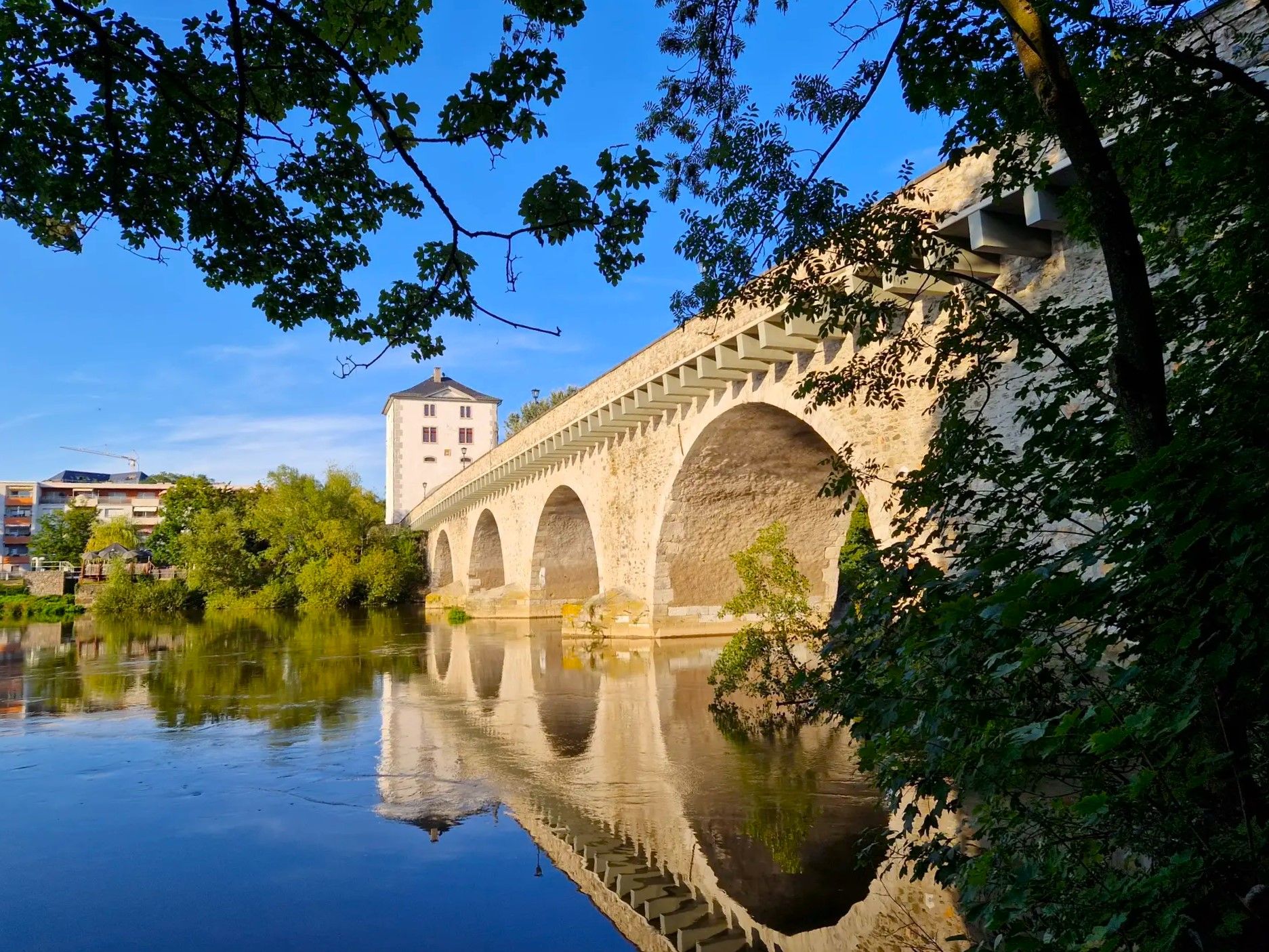
Lahnwanderweg Trail – The Lahn from its source to the estuary
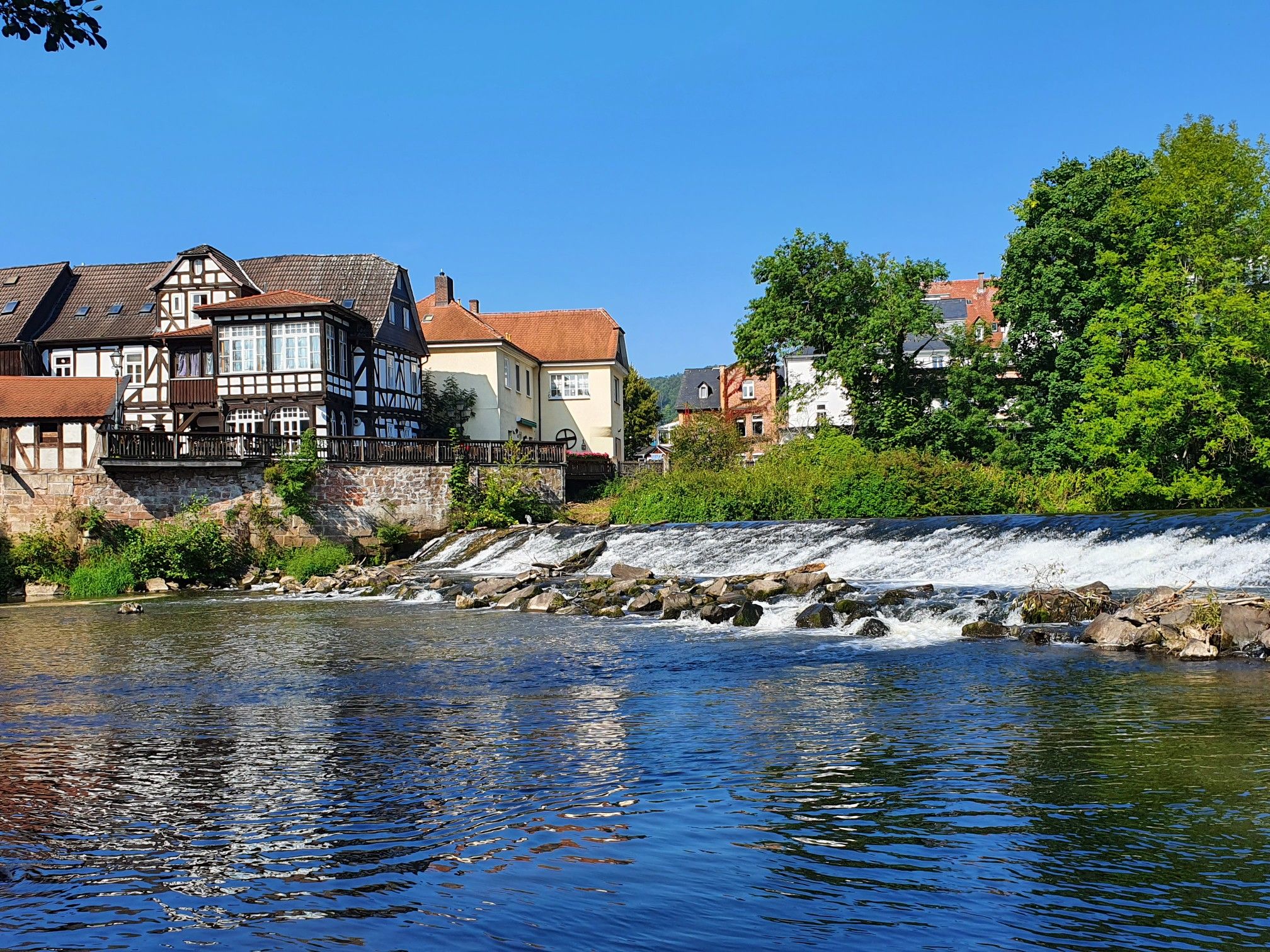
11 Hessen trails – criss-cross through the countryside
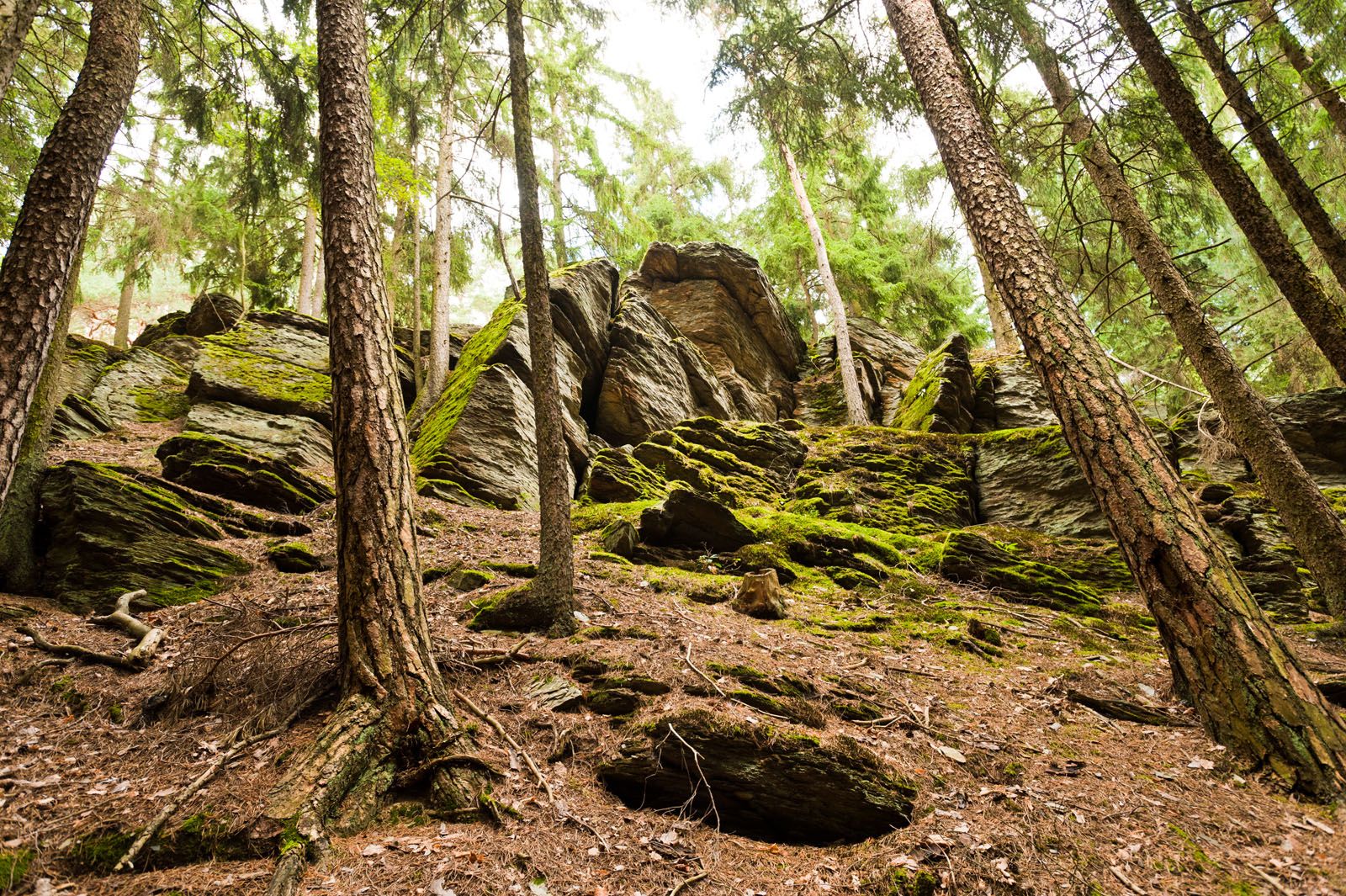
Lahn-Dill-Bergland-Pfad – Hiking trail
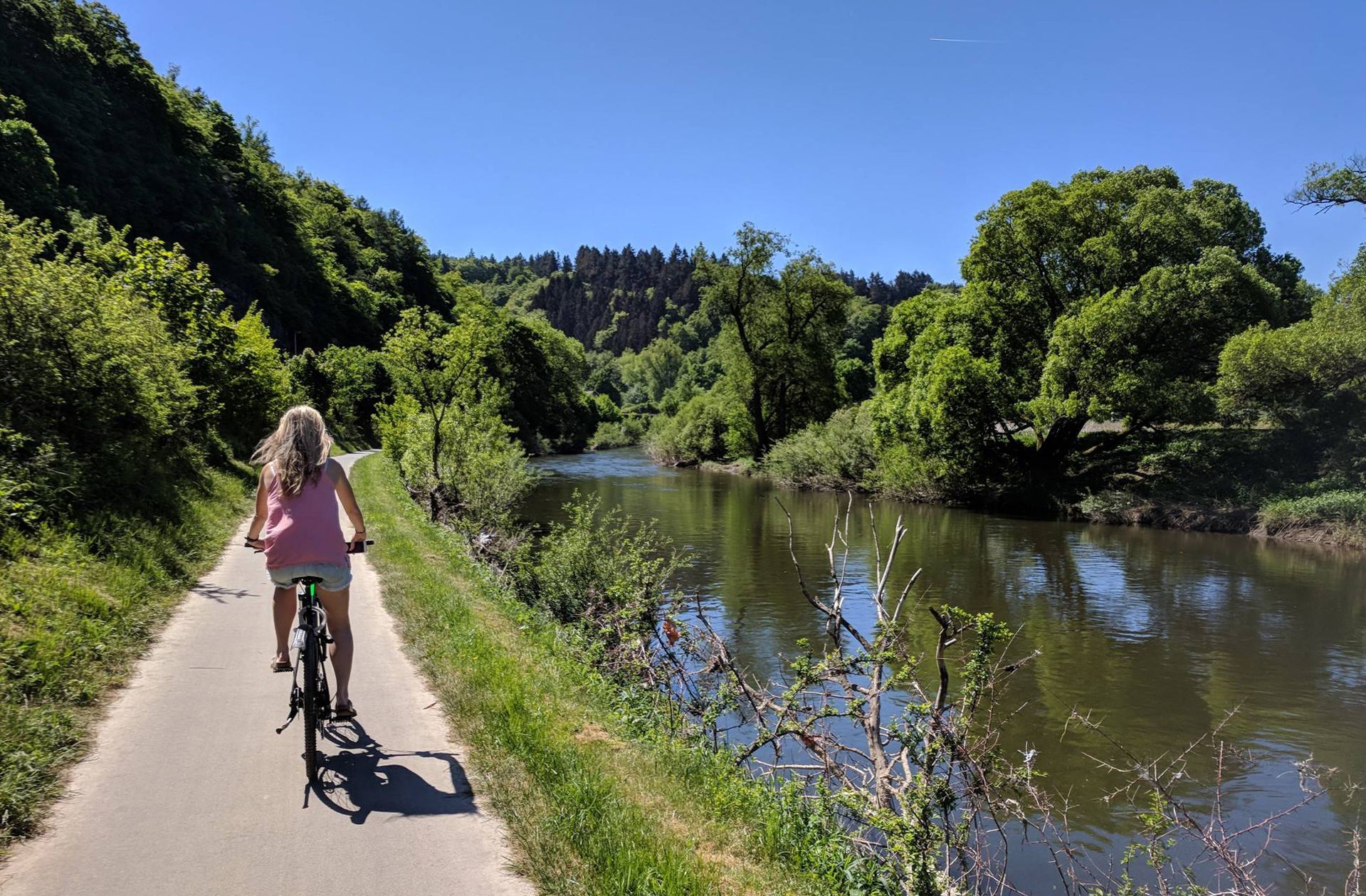
Lahn Cycle Path — from the Rothaar Mountains to the Rhine
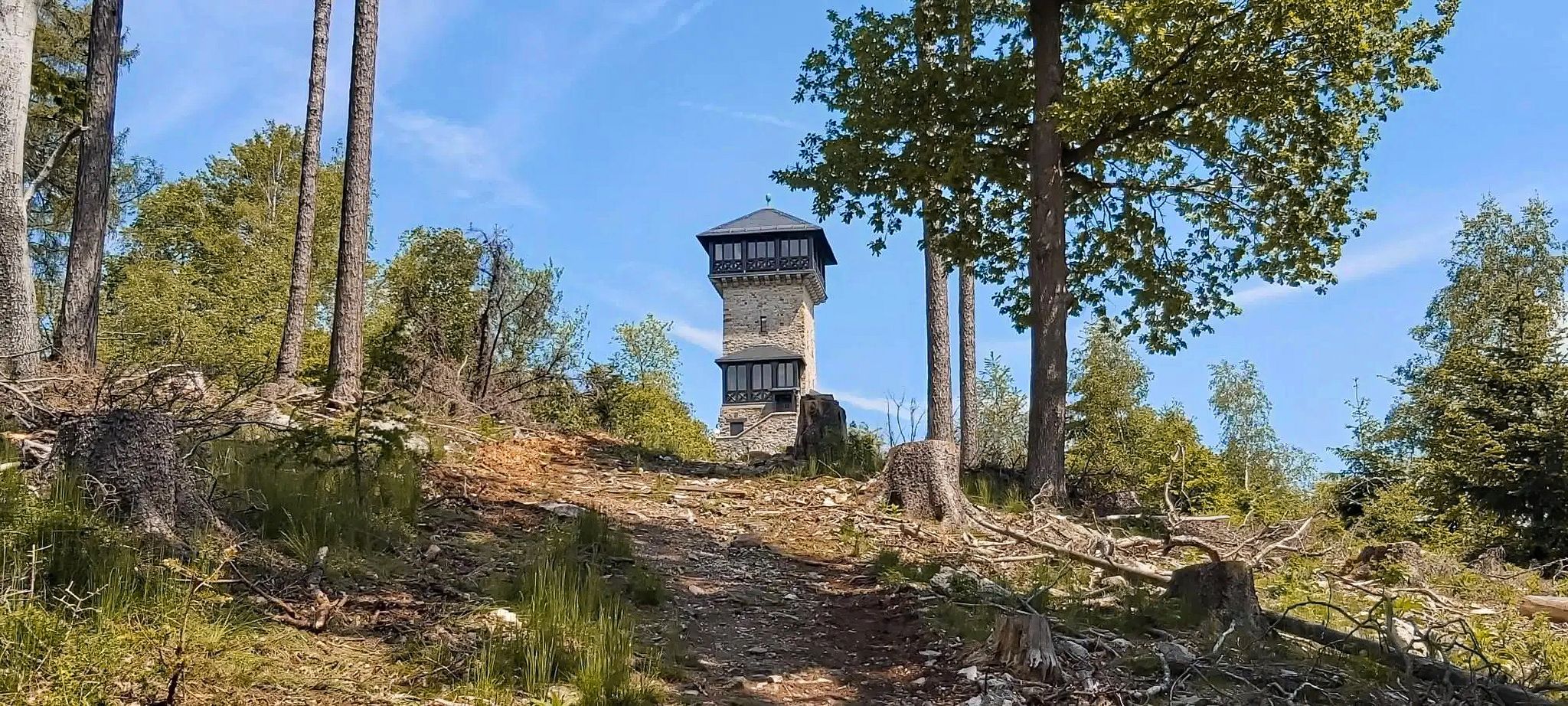
Autumn views: to the most beautiful vantage points in the RMV area
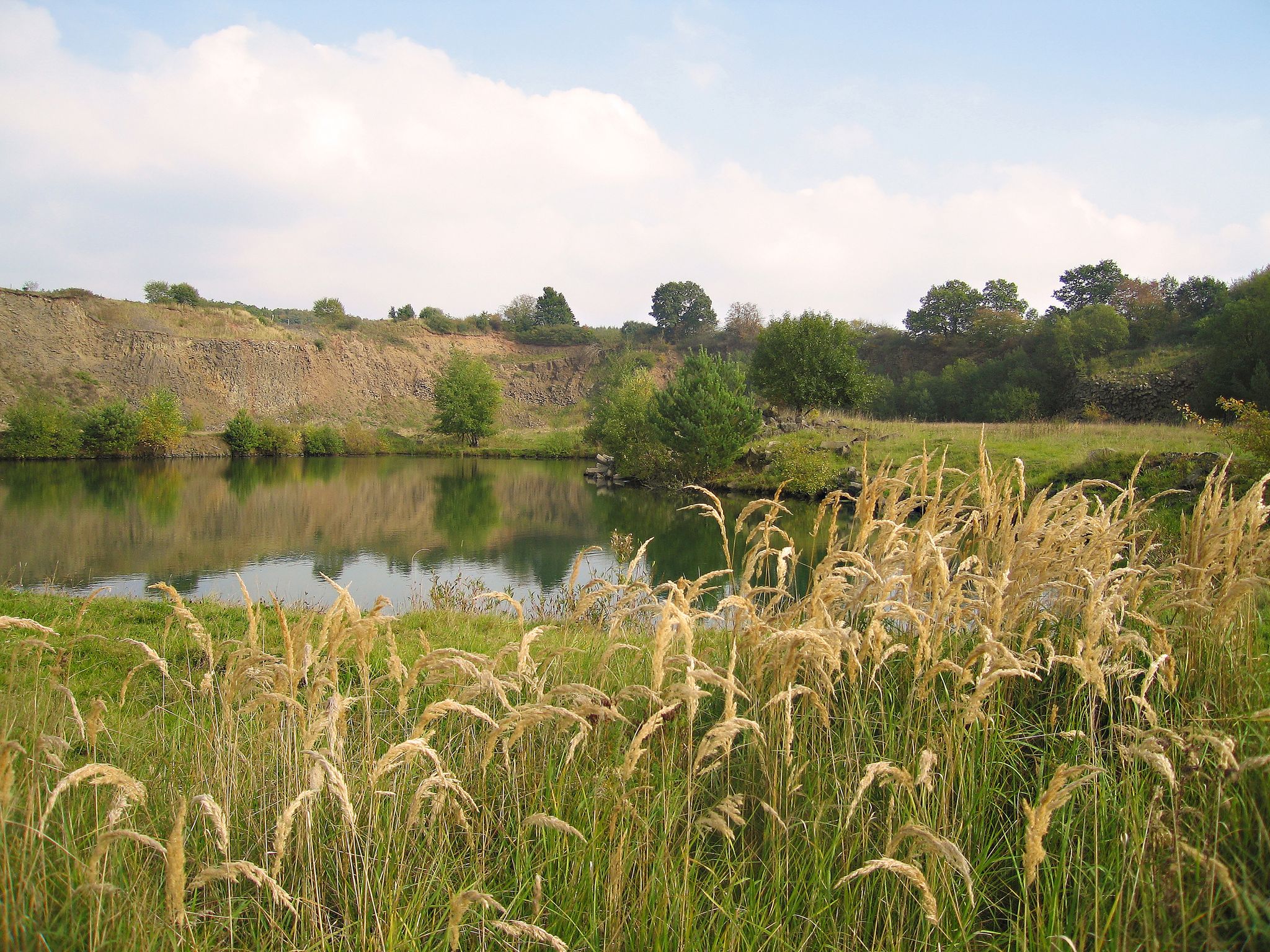
Geotours in the Vogelsberg Volcanic Region
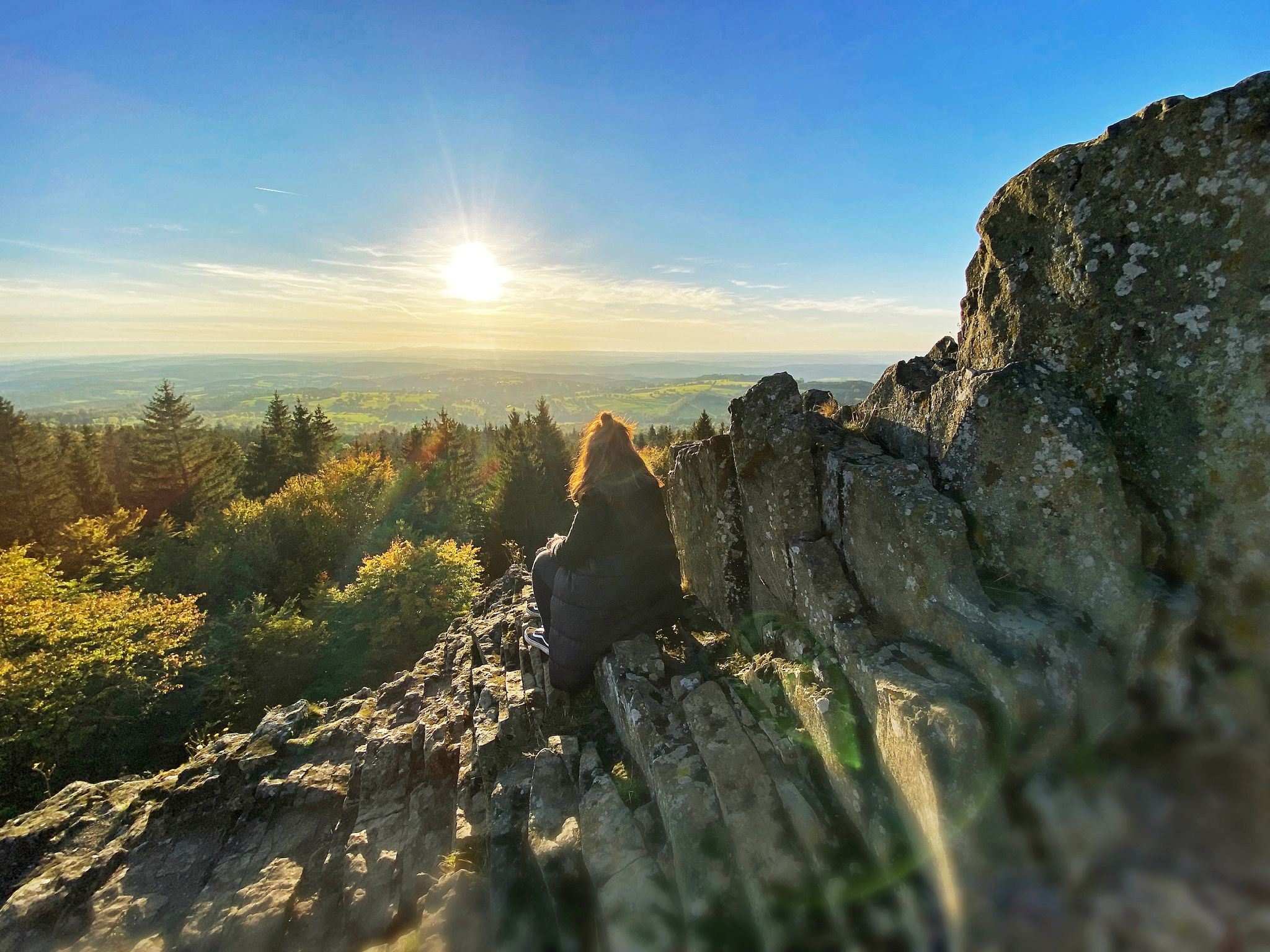
Where trails give you strength: Your hiking getaway in Vogelsberg
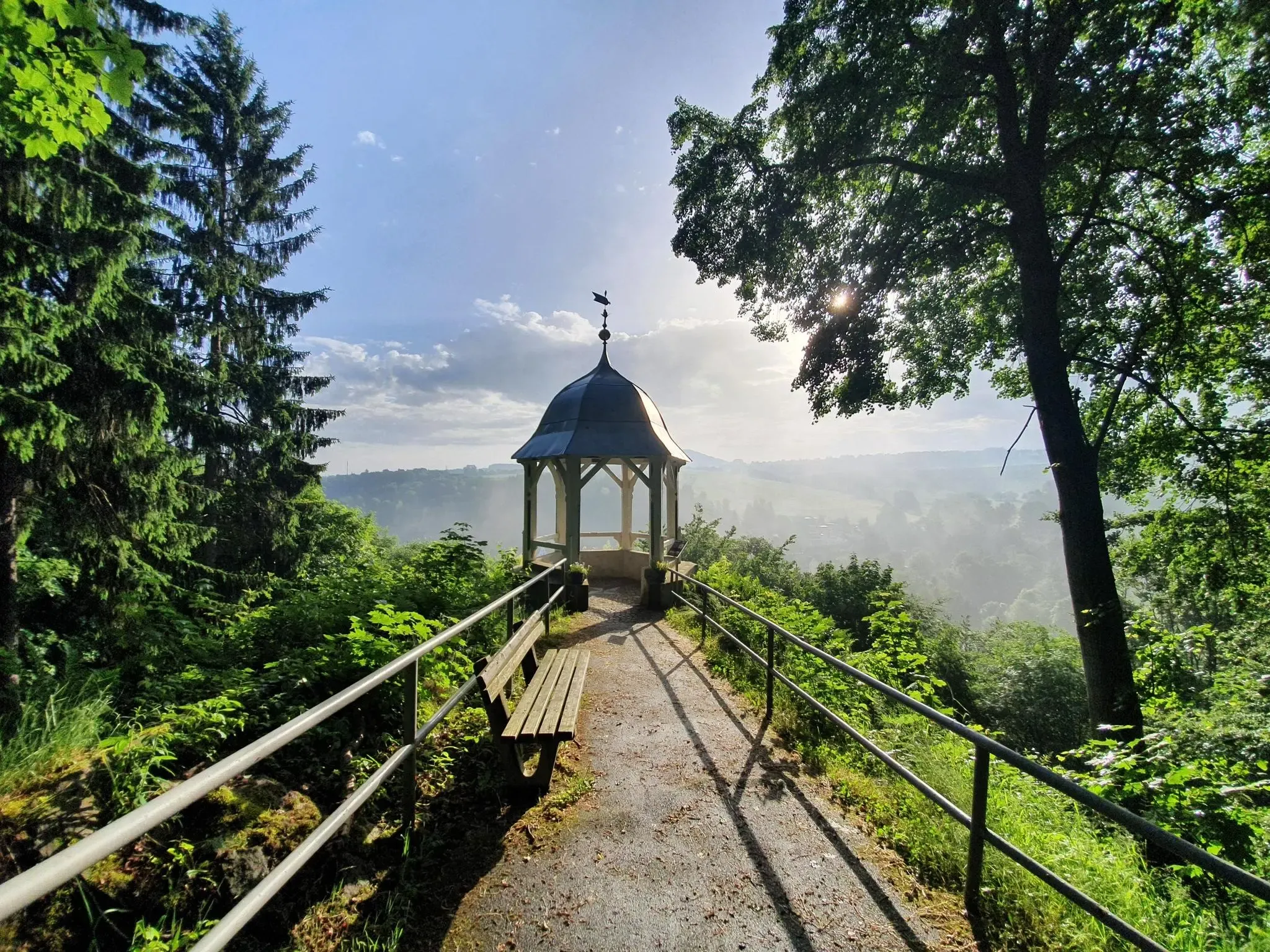
#GoFurther – discover the views of Germany!
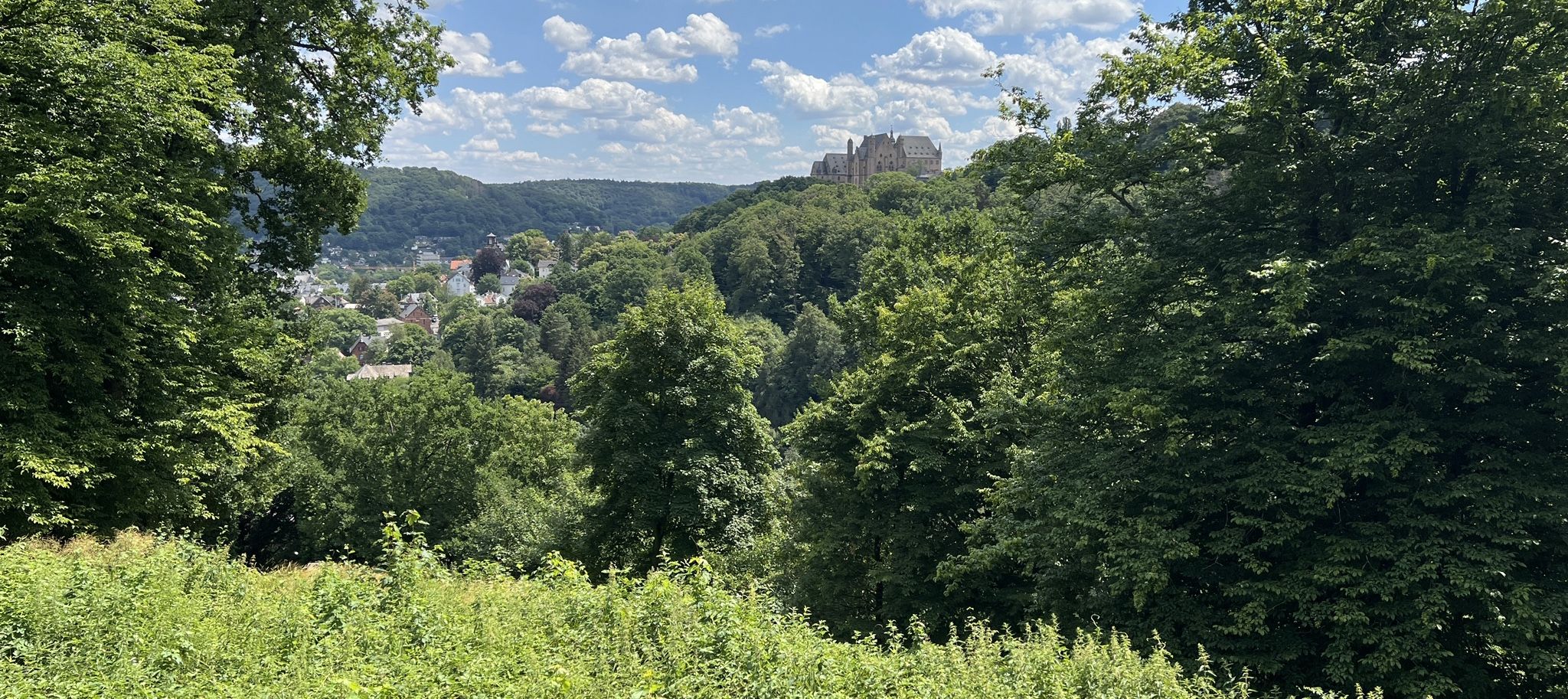
Through the green heart of Hesse on the Burgwaldpfad
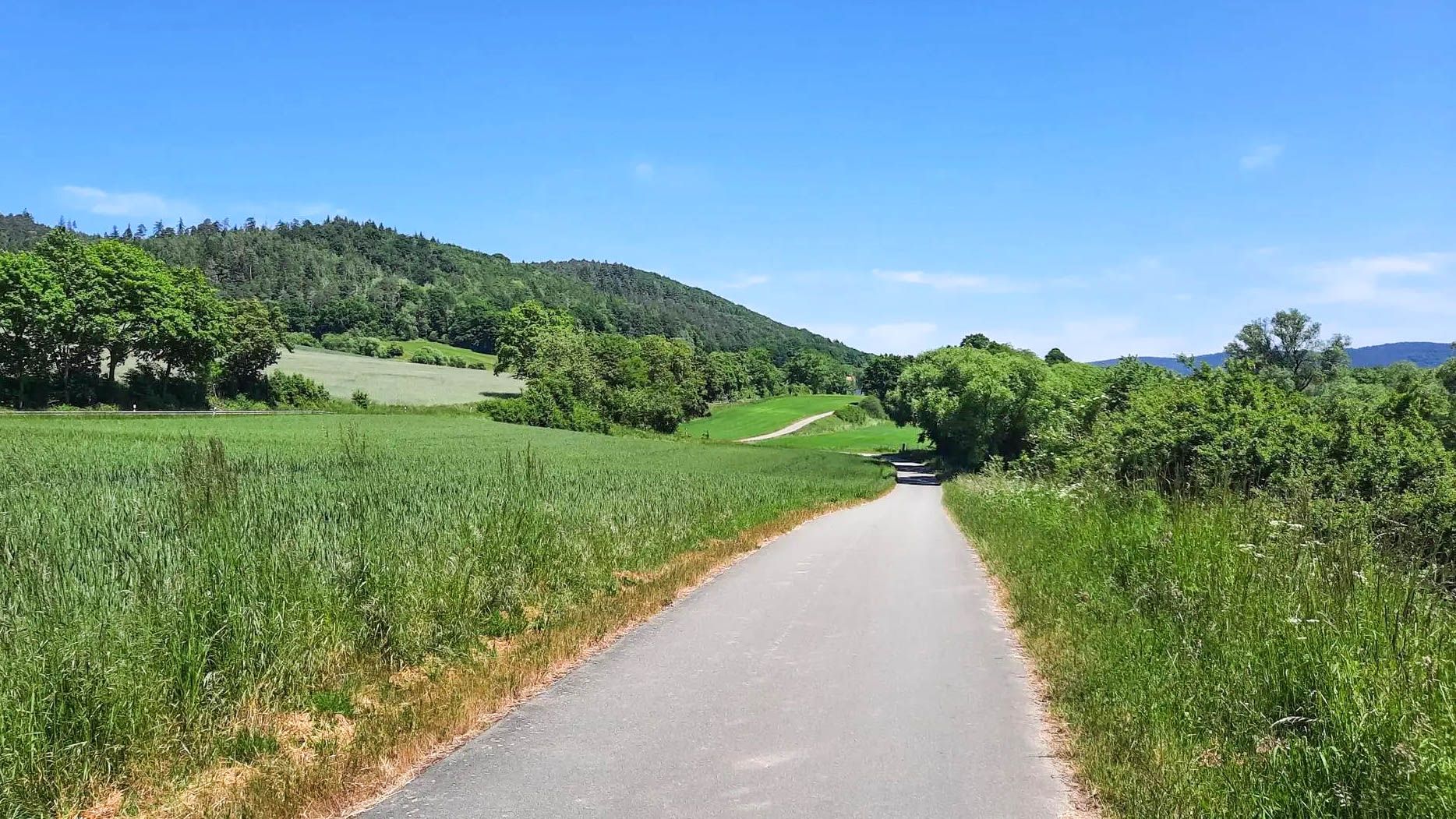
A fairytale ride – Little Red Riding Hood Country rail cycle route
Other adventures in Marburg-Biedenkopf


Tips from the Community

You can explore a bit with the phone's flashlight.
0
0

It's worth a look. However, viewing is difficult due to the low ceiling height!
0
0

Also very interesting.
1
0

The trail has about 12 - 15 "tops" (highlights). If you walk the trail, this is the "top 3" on this tour
0
0

Many years ago I was able to witness the ringing of the small pygmy bats in the castle.
9
0
It is impressive when the bats fly in and out on a summer evening. Then be sure to make the calls of the bats "audible" at the bat information stand in the parking lot.
3
0
If you go a little way into this rock cellar, you can feel the cold. This is how they used to always have cold drinks for their inn in front of it.
5
0

Up to 5000 pygmy bats hibernate in the Knight’s Hall cellar
3
0
Frequently Asked Questions
Are there any caves with historical or legendary significance in Marburg-Biedenkopf?
Yes, the region is rich in such sites. The Dragon Cave at Rimberg in Dautphetal is steeped in local legend, said to be where Siegfried slew the dragon Fafnir. Another historical site is D's Ness-Elsche Cave, which was once a test tunnel for ore searches and later used for storing herbs.
What are some unique cave experiences in Marburg-Biedenkopf?
For an adventurous exploration, the Mork Cave in Dautphetal offers a challenging experience, with visitors sometimes needing ropes for descent. If you're interested in historical utility, the Rock cellar near Cölbe was historically used for cooling drinks for a guesthouse, and you can still feel the cold inside.
Are there family-friendly caves in the Marburg-Biedenkopf region?
Yes, the Diabas Cave Spring is noted as family-friendly. While not a traditional cave, the Kneipp Basin Wallau also offers a family-friendly experience with cave-like features.
What is the best time to visit the caves in Marburg-Biedenkopf?
The best time to visit depends on the specific cave. For natural caves, spring and autumn often offer pleasant temperatures for exploration. However, some sites like the Rittersaalkeller Bat Winter Quarters at Marburg Castle are significant ecological sites where access might be restricted during winter to protect overwintering bats.
What kind of natural features can I expect to see near the caves?
Many caves are nestled within natural landscapes. For instance, the Helfensteine Rock Formation includes a cave near the stone group, offering scenic viewpoints and natural monuments. The region itself features forested areas and river valleys, providing diverse settings for these underground features.
Are there any caves that were once used for mining or other industrial purposes?
Yes, the region has a history of mining. The Old Mine Entrance in Naturpark Lahn-Dill-Bergland is an example of a former mine entrance. Additionally, D's Ness-Elsche Cave was originally a test tunnel for ore searches.
What outdoor activities can I do near the caves in Marburg-Biedenkopf?
The Marburg-Biedenkopf region offers various outdoor activities. You can find numerous road cycling routes, such as those detailed in the Road Cycling Routes in Marburg-Biedenkopf guide. There are also many cycling tours available, as highlighted in the Cycling in Marburg-Biedenkopf guide, and easy hikes, which you can explore through the Easy hikes in Marburg-Biedenkopf guide.
What do visitors enjoy most about the caves in Marburg-Biedenkopf?
Visitors appreciate the diverse experiences, from the adventurous exploration of caves like Mork Cave, often described as a 'great adventure for the kids,' to the historical insights offered by sites like the Rock cellar, where the cold interior provides a tangible link to its past use. The legendary associations of places like the Dragon Cave at Rimberg also captivate those interested in folklore.
Are there any caves or cave-like features that are important for wildlife?
Yes, the Rittersaalkeller Bat Winter Quarters within Marburg Castle serves as a significant ecological site, providing a winter roost for bats. While not a natural cave, its role in wildlife conservation is notable, and access may be restricted during winter to avoid disturbing the bats.
What should I know about accessing the Mork Cave?
The Mork Cave is known for being an adventurous destination, particularly for children. Visitors have noted that finding the entrance can be challenging due to poor signposting, and ropes might be necessary for descent. Be aware that it can be full of overwintering mosquitoes.
Are there any caves that are part of larger historical sites?
Yes, the Rittersaalkeller Bat Winter Quarters is located within Marburg Castle, integrating a natural feature with a prominent historical landmark. Additionally, the Ruins of Hohenfels Castle also feature cave elements within their historical context.
Most popular routes in Marburg-Biedenkopf
Most popular attractions in Marburg-Biedenkopf

Get inspired with the komoot mobile app


Didn’t find what you were looking for?
Discover more caves in Marburg-Biedenkopf region by region:
Explore more
Extend your search for the best caves by checking out these guides of the top ones in Marburg-Biedenkopf:
