Top 20 Caves in Landkreis Limburg-Weilburg
Caves in Landkreis Limburg-Weilburg offer insights into the region's geological history, characterized by 350-million-year-old limestone formations. This area, part of the National Geopark Westerwald-Lahn-Taunus, features various natural and historical underground sites. Visitors can explore a range of cave types, from natural crystal formations to historical mining tunnels. The landscape provides a backdrop for discovering these unique geological features.
Best caves in Landkreis Limburg-Weilburg
- The most popular caves is Eternal Ice at Dornburg, a natural monument known for its unique…
Last updated: October 14, 2026
Eternal Ice at Dornburg
Highlight • Natural Monument
Translated by Google •
Tip by

Marian Grotto, Schwickershausen
Highlight • Religious Site
Translated by Google •
Tip by

Sign up now to discover places like this
Get recommendations on the best single tracks, peaks, & plenty of other exciting outdoor places.
Kubach Crystal Cave
Highlight • Cave
Translated by Google •
Tip by

St. Mary's Grotto Niederselters
Highlight • Religious Site
"Maria helped".
Translated by Google •
Tip by

Eisensegen Mine Tunnel Entrance
Highlight • Historical Site
In the Kerkerbachtal north-east of Eschenau, mining in the Eisensegen mine was (again) started as the ore mining was intensified by the National …
Translated by Google •
Tip by

Schinderhannes Cave (Slate Mine Tunnel)
Highlight • Cave
Translated by Google •
Tip by

Bärenloch Prehistoric Karst Cave
Highlight • Cave
It's already pretty overgrown.
Translated by Google •
Tip by

Dickeloh Mine
Highlight • Historical Site
Translated by Google •
Tip by

Bear cave
Highlight • Cave
Translated by Google •
Tip by

Old Drainage Tunnel of the Mehlbach Mine
Highlight • Cave
The lowest entrance to the Mehlbach tunnel system …
Translated by Google •
Tip by

Sign up for free to discover even more caves in Landkreis Limburg-Weilburg.
Already have an account?
Start today with a free account
Your next adventure awaits.
Popular around Landkreis Limburg-Weilburg
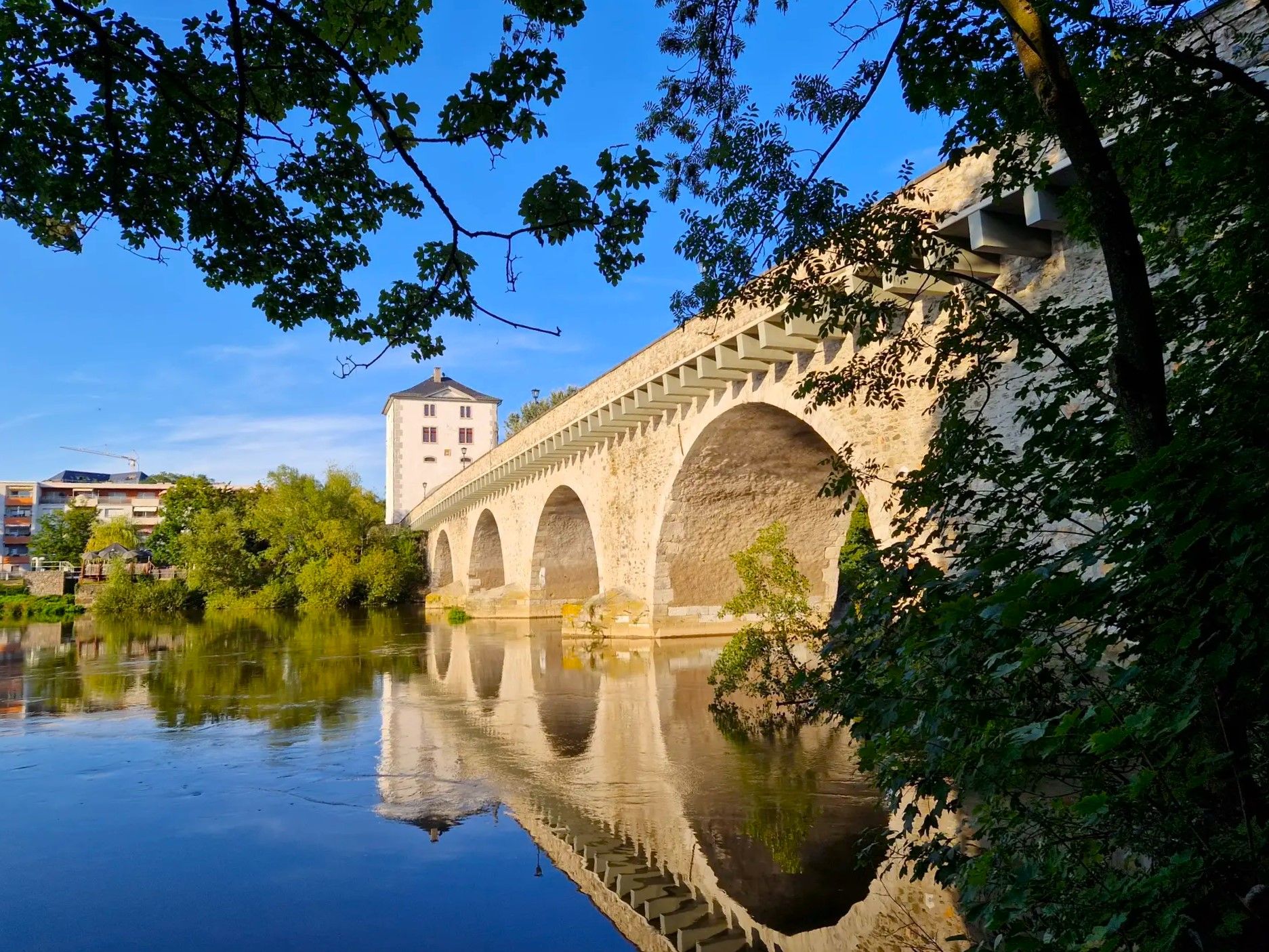
Lahnwanderweg Trail – The Lahn from its source to the estuary
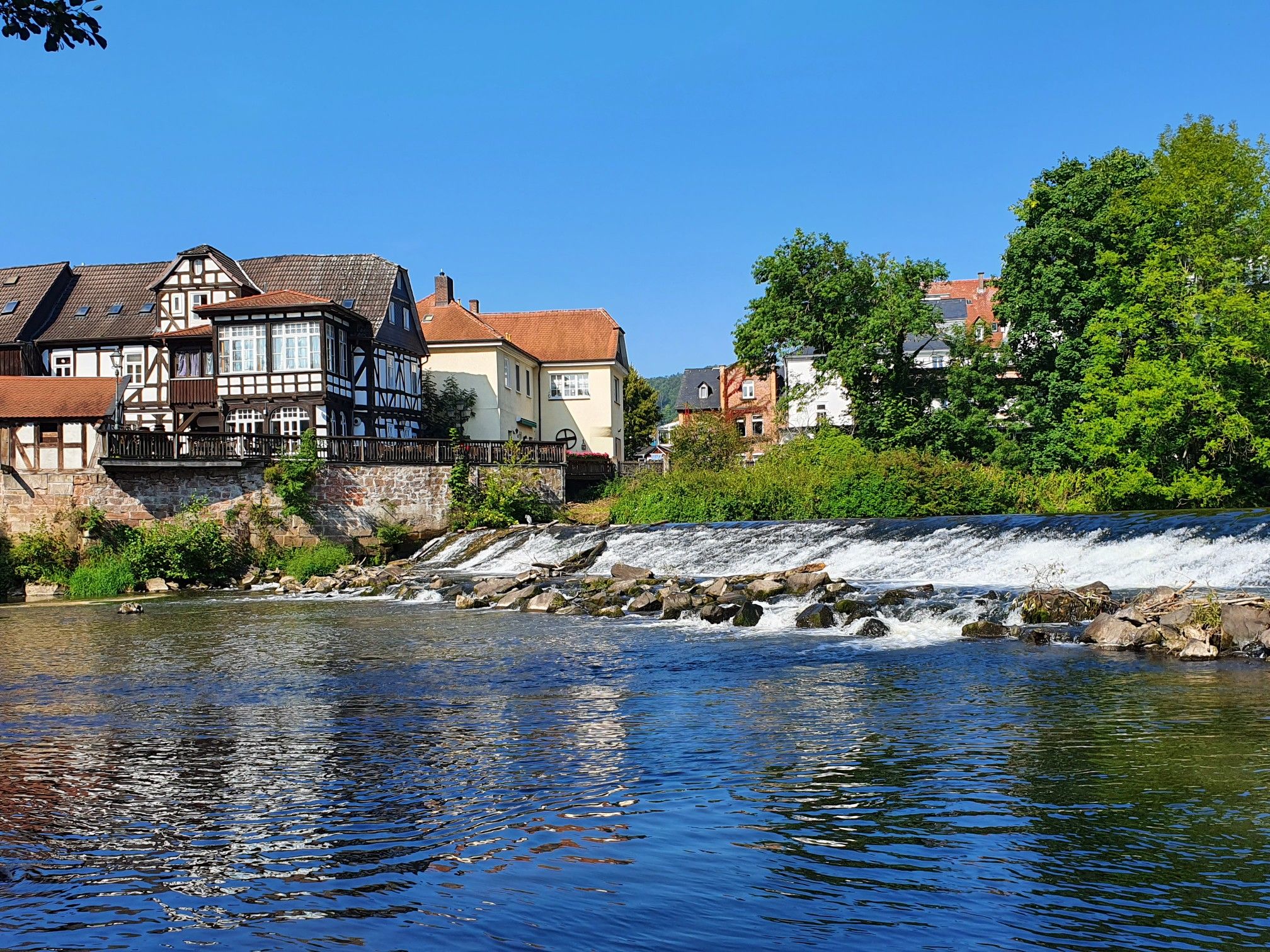
11 Hessen trails – criss-cross through the countryside
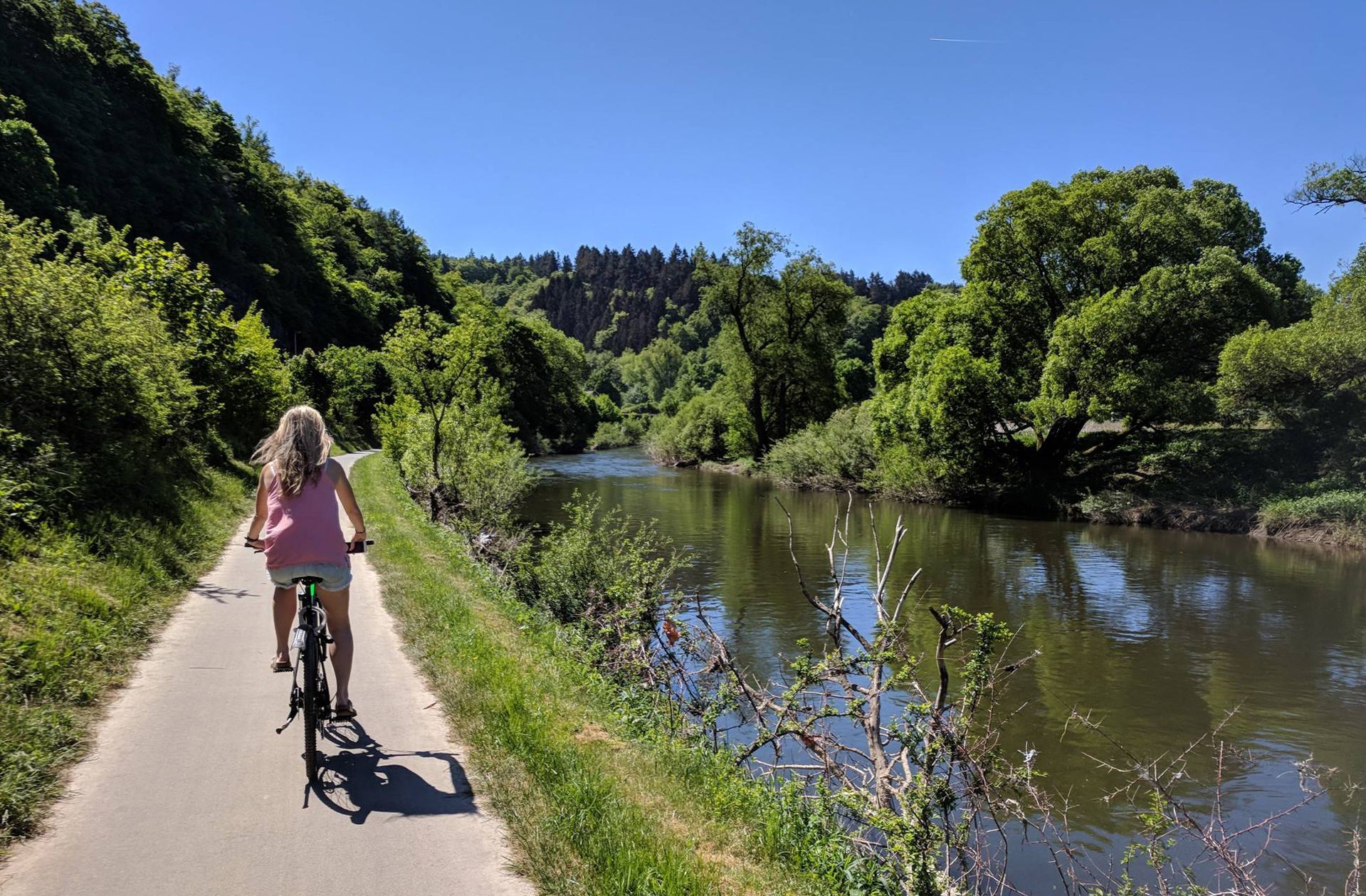
Lahn Cycle Path — from the Rothaar Mountains to the Rhine
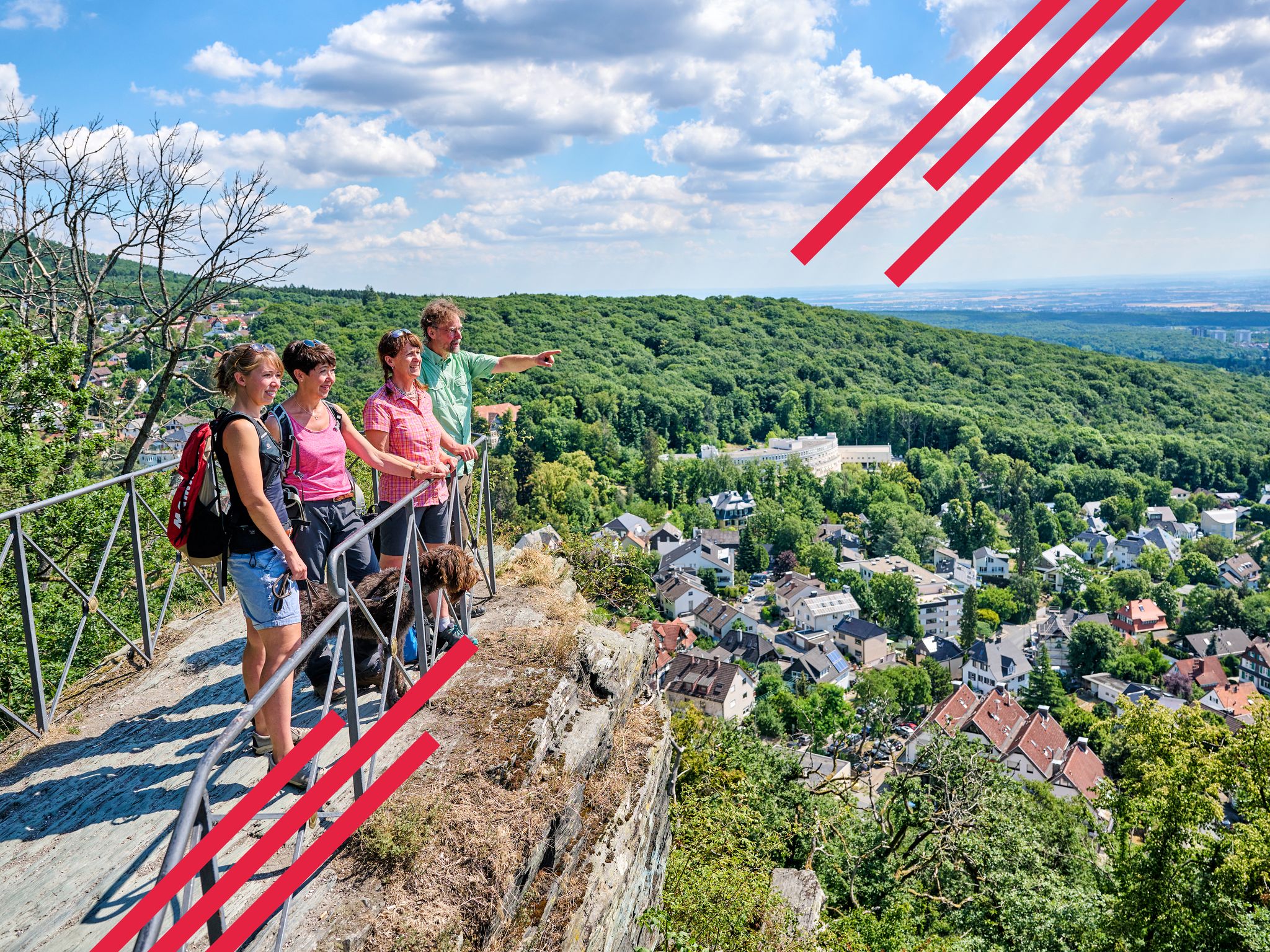
Delightfully scenic hiking in the Taunus range
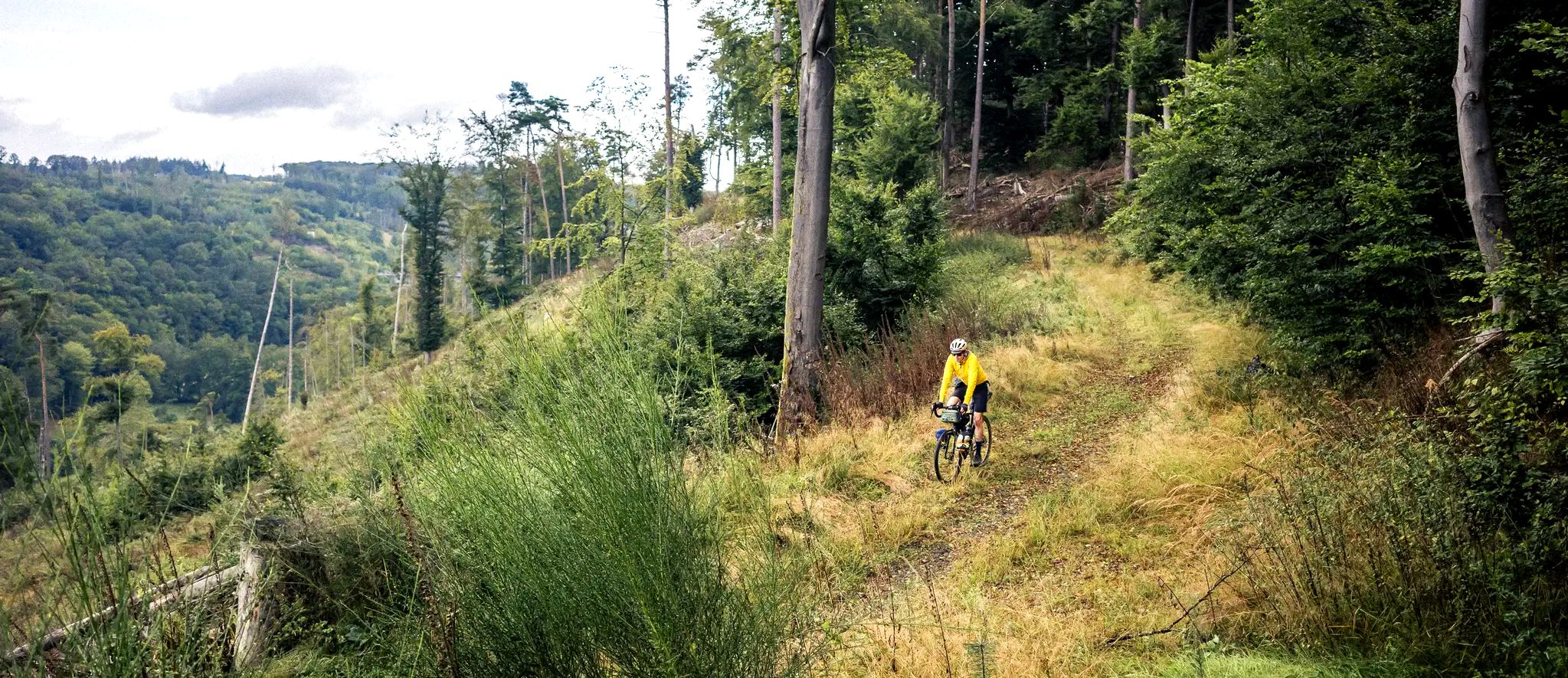
Forests, valleys and picturesque villages – the Westerwald by gravel bike
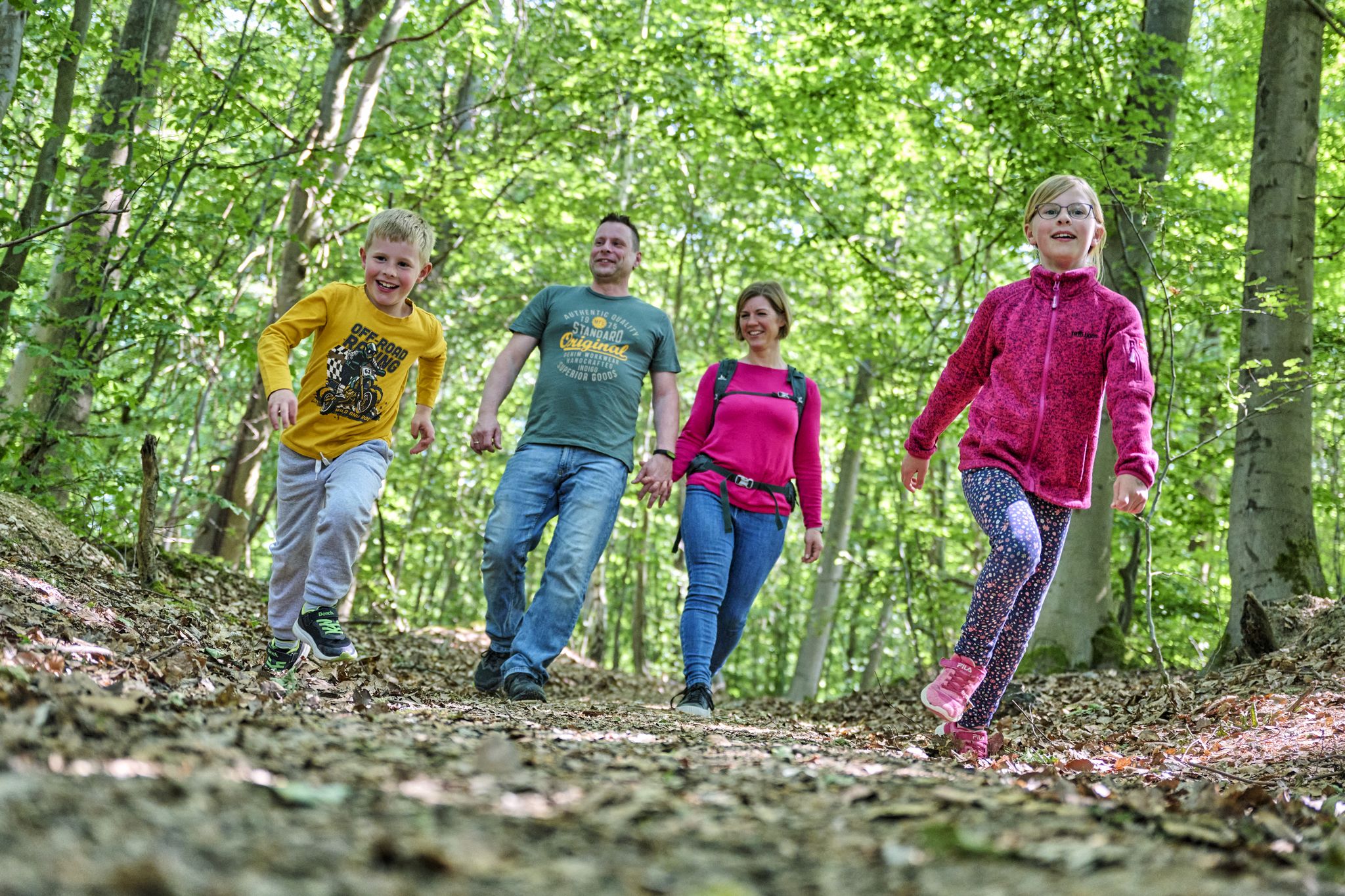
The journey is the adventure – hikes in Germany’s Taunus Mountains
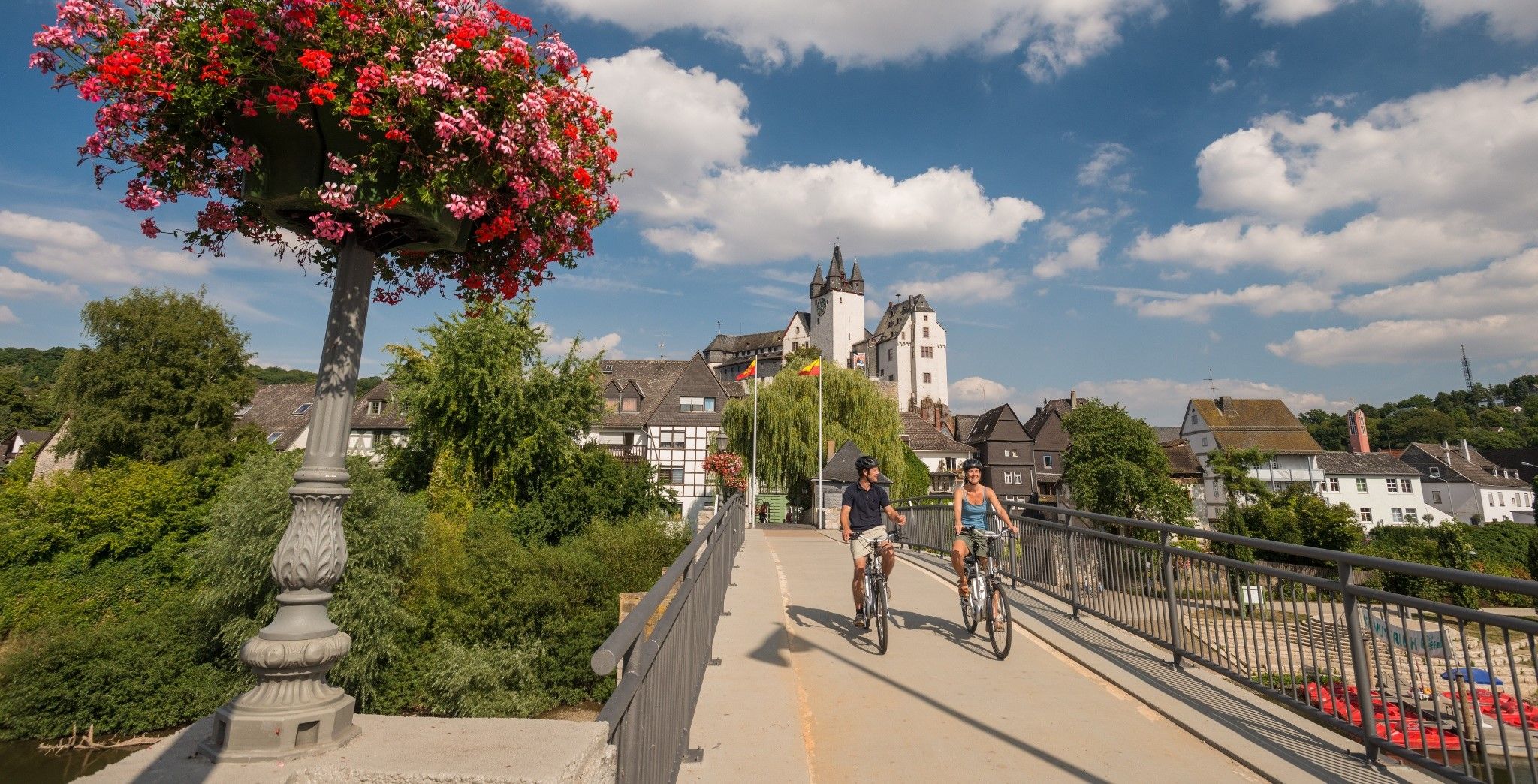
Varied cycle Tours in the Lower Lahn Valley
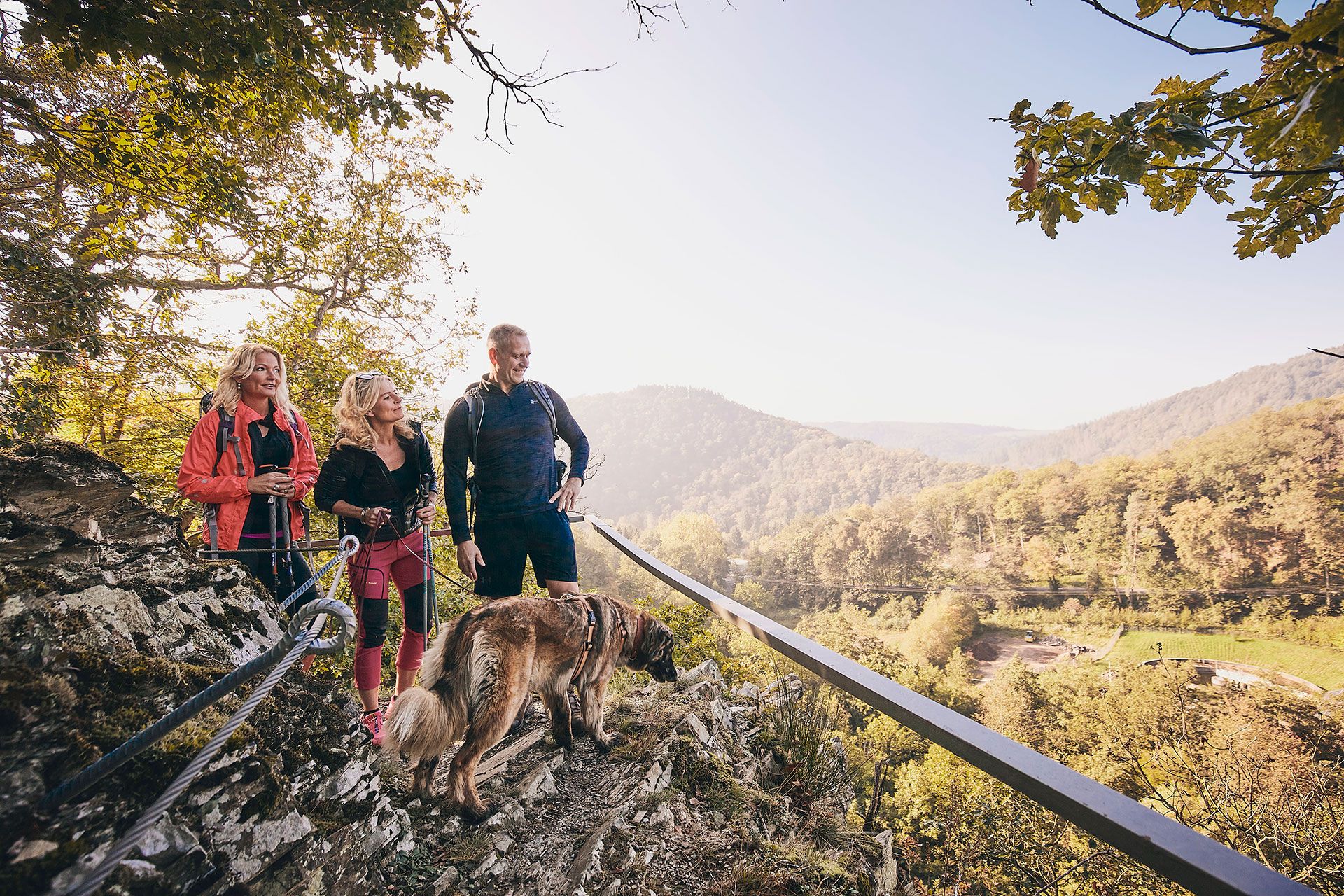
Rocks, river and distance – hiking highlights in the Lower Lahn Valley
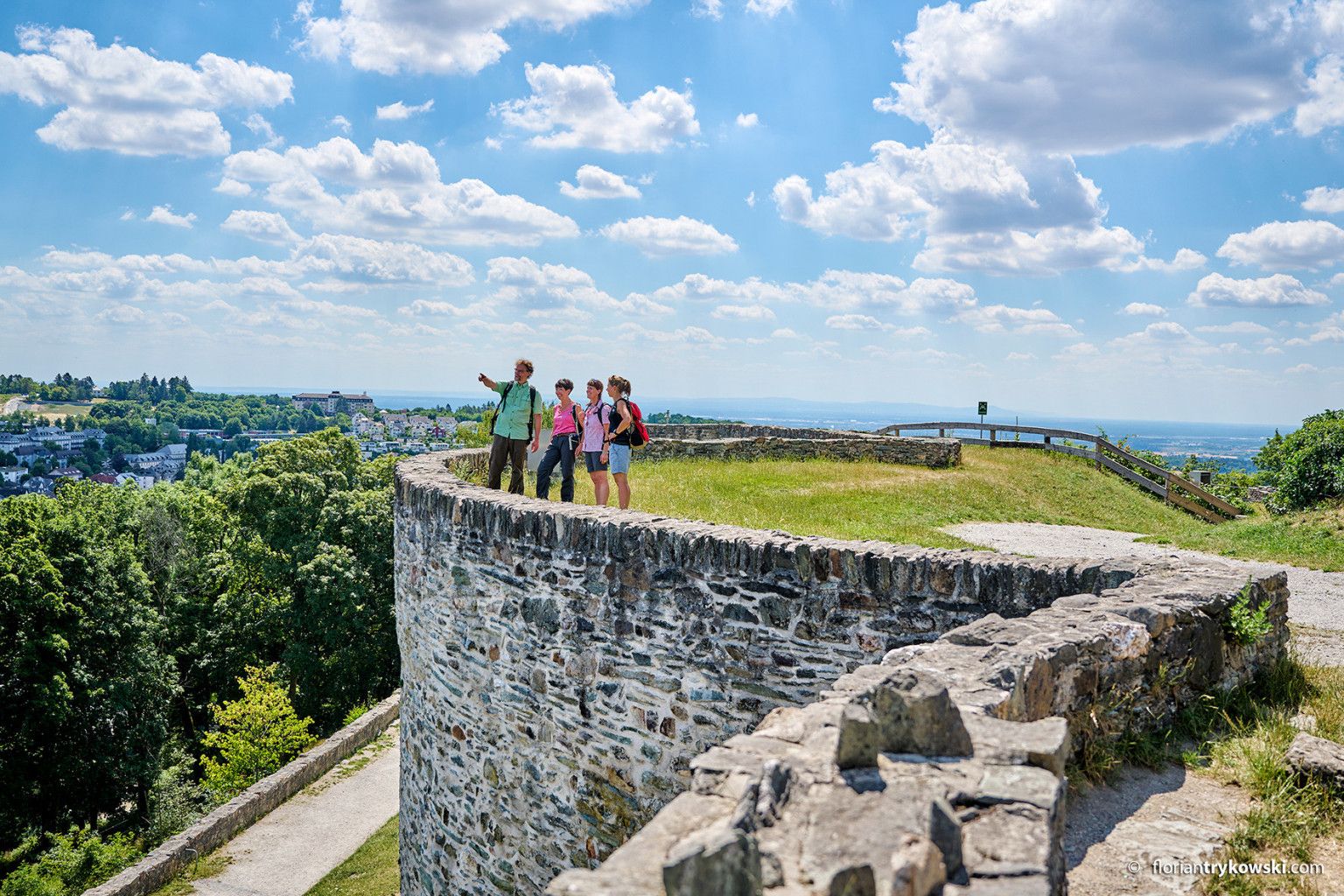
Experience nature and culture — hiking in Germany’s Taunus region
Culture, nature and good food in Hessen – gourmet Tours in the RMV region
Other adventures in Landkreis Limburg-Weilburg


Tips from the Community

Wonderful, quiet place and you drive past too quickly - which you shouldn't do. It invites you to linger (and those who wish, of course, also to pray). Built in 1903 based on the model in Lourdes, there is a procession there every year (except in the last or second-to-last year of World War II). The marble tablets with thanks, especially from the last two war years, are also impressive.
0
0
Wonderful, quiet place and you drive past too quickly - which you shouldn't do. It invites you to linger (and for those who wish, of course, to pray). I found the numerous marble plaques with thanks from the last two years of the Second World War very impressive. I hope such plaques are never needed again!
0
0

This grotto was modeled after the Grotto of Lourdes. Pilgrims came to Schwickershausen 200 years ago, and the grotto below the church has existed since 1934.
1
0

The Mariengrotte was built in 1903 based on the model of the Lourdes Grotto. In addition to its function as a pilgrimage site, it is a stop on the Kercheweg and thus a popular attraction for hikers and cyclists. A large number of birds and amphibians have also settled in its surroundings.
3
0

Very beautiful caves. Highly recommended. But you should really bear in mind that there are a lot of stairs that you have to climb back up. It is REALLY tiring for inexperienced stair climbers, so you should think carefully about it. Other than that, the entire area around it is very beautiful and informative. There is a good Italian restaurant nearby.
0
0

The small grotto of Mary is located below the church on the Dombach. Numerous plaques indicate that prayers to Mary have been answered. It is a quiet, dignified place.
2
0

456 steps to reach a depth of 70m. An absolute highlight for young and old. I would pay the small fee for the photo permit again at any time. This is the only way to at least capture the experience for later 😊 The guide explained the history of the cave to us in a very exciting way. Even our little one was enthusiastic
0
0

Very well-done tour, with friendly guides. The small adjacent museum is included in the entrance fee. Tour possible with children. Duration approx. 45 minutes.
0
0
Frequently Asked Questions
What makes the caves in Landkreis Limburg-Weilburg unique?
The region is known for its diverse geological formations, including 350-million-year-old limestone. You can find natural karst caves, historical mine tunnels, and the unique Kubach Crystal Cave, which is the only crystal cave of its kind open to visitors in Germany.
Are there any crystal caves in the region?
Yes, the Kubach Crystal Cave is a significant attraction. It features impressive calcite crystals and pearl stalactites, with halls reaching up to 30 meters high. It's the only crystal cave of its kind accessible to the public in Germany.
Can I experience "eternal ice" in a cave in Landkreis Limburg-Weilburg?
Yes, you can visit the Eternal Ice at Dornburg. This natural monument is known for its unique phenomenon of "Eternal Ice," where temperatures drop significantly, offering a cool experience even on warm days. It's a fascinating geological site.
What kind of historical caves or mining tunnels can I visit?
The region has a rich mining history. You can explore sites like the Eisensegen Mine Tunnel Entrance, a historical site from a former ore mine built in 1937. Other historical sites include the Schinderhannes Cave (Slate Mine Tunnel) and the Dickeloh Mine.
Are there guided tours available for the caves?
Yes, the Kubach Crystal Cave offers approximately 45-minute guided tours. These tours provide insights into the cave's geology, formation, discovery, and scientific aspects. It's recommended to check their official website for current tour schedules and availability.
What should I wear when visiting the caves?
For caves like the Kubach Crystal Cave, which maintains a consistent temperature of around 9 °C and 85% humidity, sturdy shoes and warm clothing are highly recommended, even in summer.
Are the caves in Landkreis Limburg-Weilburg suitable for families with children?
Many caves and grottoes in the region are considered family-friendly, such as the Eternal Ice at Dornburg, Marian Grotto, Schwickershausen, and Mariengrotte Niederselters. The Kubach Crystal Cave also welcomes families, though it involves a descent of 347 steps.
Are there any caves that are wheelchair accessible?
Due to the natural and historical nature of most caves in the region, including steps and uneven terrain, full wheelchair accessibility is generally limited. For specific accessibility information, it's best to contact the individual cave attractions directly.
What is the best time of year to visit the caves?
Caves like the Kubach Crystal Cave are typically open from spring (around April) through autumn. The Eternal Ice at Dornburg is particularly appealing on hot summer days for its cooling effect. Always check the specific opening hours for each location before planning your visit.
How long does a typical visit to a cave take?
A guided tour of the Kubach Crystal Cave lasts approximately 45 minutes. For other sites like the Eternal Ice at Dornburg or historical mine entrances, you might spend anywhere from 30 minutes to an hour exploring the immediate area and reading information boards.
What outdoor activities can I do near these caves?
The Landkreis Limburg-Weilburg region offers various outdoor activities. You can find excellent hiking trails, including routes near Runkel Castle or along the Lahn River. For cyclists, there are gravel biking routes like the Kerkerbach Valley Cycle Path, and even mountain hikes in the wider area.
Are there any caves that are not accessible to the public?
Yes, some caves are protected for their ecological significance. For instance, the Bear cave is home to bats and is closed to visitors, though you can often view the entrance and learn about its history and wildlife from information boards.
Where can I find refreshments or food near the caves?
The Kubach Crystal Cave site includes a cave house with a kiosk and a cafe-restaurant, providing options for refreshments and meals. For other cave locations, nearby towns and villages will offer various dining establishments.
Most popular routes in Landkreis Limburg-Weilburg
Most popular attractions in Landkreis Limburg-Weilburg

Get inspired with the komoot mobile app


Didn’t find what you were looking for?
Discover more caves in Landkreis Limburg-Weilburg region by region:
Explore more
Extend your search for the best caves by checking out these guides of the top ones in Landkreis Limburg-Weilburg:
