Top 20 Caves in Cochem-Zell
Best caves in Cochem-Zell are found within the Moselle Valley, Hunsrück, and Eifel mountains, offering insights into geology, history, and natural formations. The region features diverse underground attractions, from natural rock formations shaped by ancient volcanic activity to historical mining sites. These sites provide a glimpse into ancient human habitation and industrial heritage.
Best caves in Cochem-Zell
- The most popular caves is Falkenlay Stone Age Caves, a cave that features smaller caves in volcanic rock. Archaeological finds indicate habitation…
Last updated: October 14, 2026
Elf Grotto and Elbesbach Waterfall
Highlight • Cave
The …
Translated by Google •
Tip by

Falkenlay Stone Age Caves
Highlight • Cave
Showing Translation
Tip by

Sign up now to discover places like this
Get recommendations on the best single tracks, peaks, & plenty of other exciting outdoor places.
The old Lippi
Highlight • Structure
Translated by Google •
Tip by

Small cave on the Felsensteig
Highlight • Cave
Translated by Google •
Tip by

Slate Mining Tunnels on Strimmiger Berg
Highlight • Cave
Translated by Google •
Tip by

Altlay Slate Mine and Hitzelbach Stream
Highlight • Cave
Mining has a long tradition in Altlay. In addition to agriculture, it served as a second pillar for earning a living. In addition to the mining …
Translated by Google •
Tip by
Slate mining
Highlight • Historical Site
Mining has a long tradition in Altlay. In addition to agriculture, it served as a second pillar for earning a living. In addition to the mining …
Translated by Google •
Tip by
The Altlayer "Schießkeller"
Highlight • Historical Site
Shortly before the end of World War II, work began on driving a tunnel into the mountain at this point. It was supposed to serve the inhabitants …
Translated by Google •
Tip by
Climbing section near Collisturm
Highlight • Climb
Starting point: Zeller Black Cat Fountain.
Translated by Google •
Tip by

Kreuzweg Chapel Merl
Highlight • Religious Site
At the end of the Way of the Cross there is a neo-Gothic chapel, built in 1856, and several different memorials and supplications.
kuladig.de/Objektansicht/KLD-245669
Translated by Google •
Tip by

Sign up for free to discover even more caves in Cochem-Zell.
Already have an account?
Start today with a free account
Your next adventure awaits.
Popular around Cochem-Zell
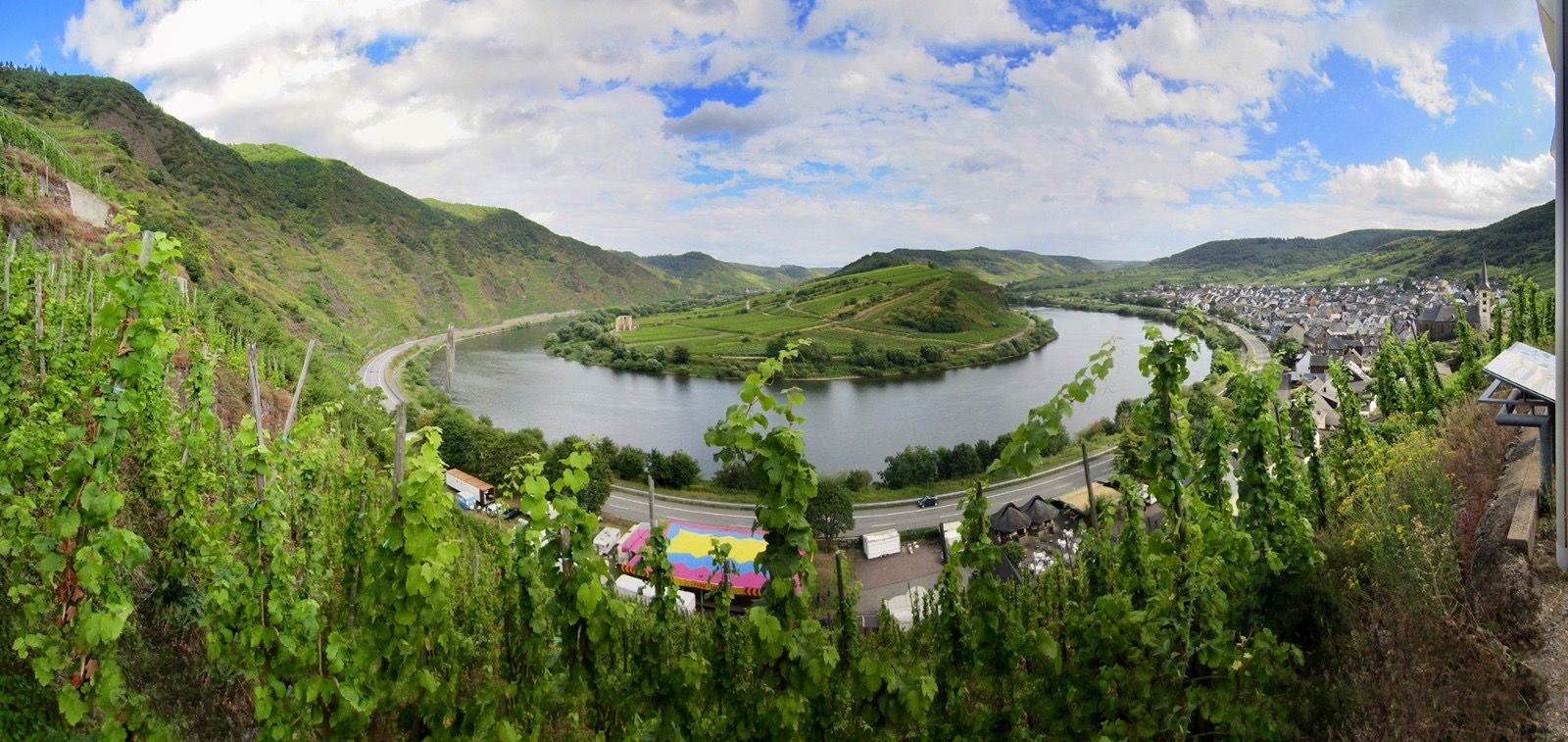
The Moselle cycle path — from the Vosges to the Rhine in 18 stages
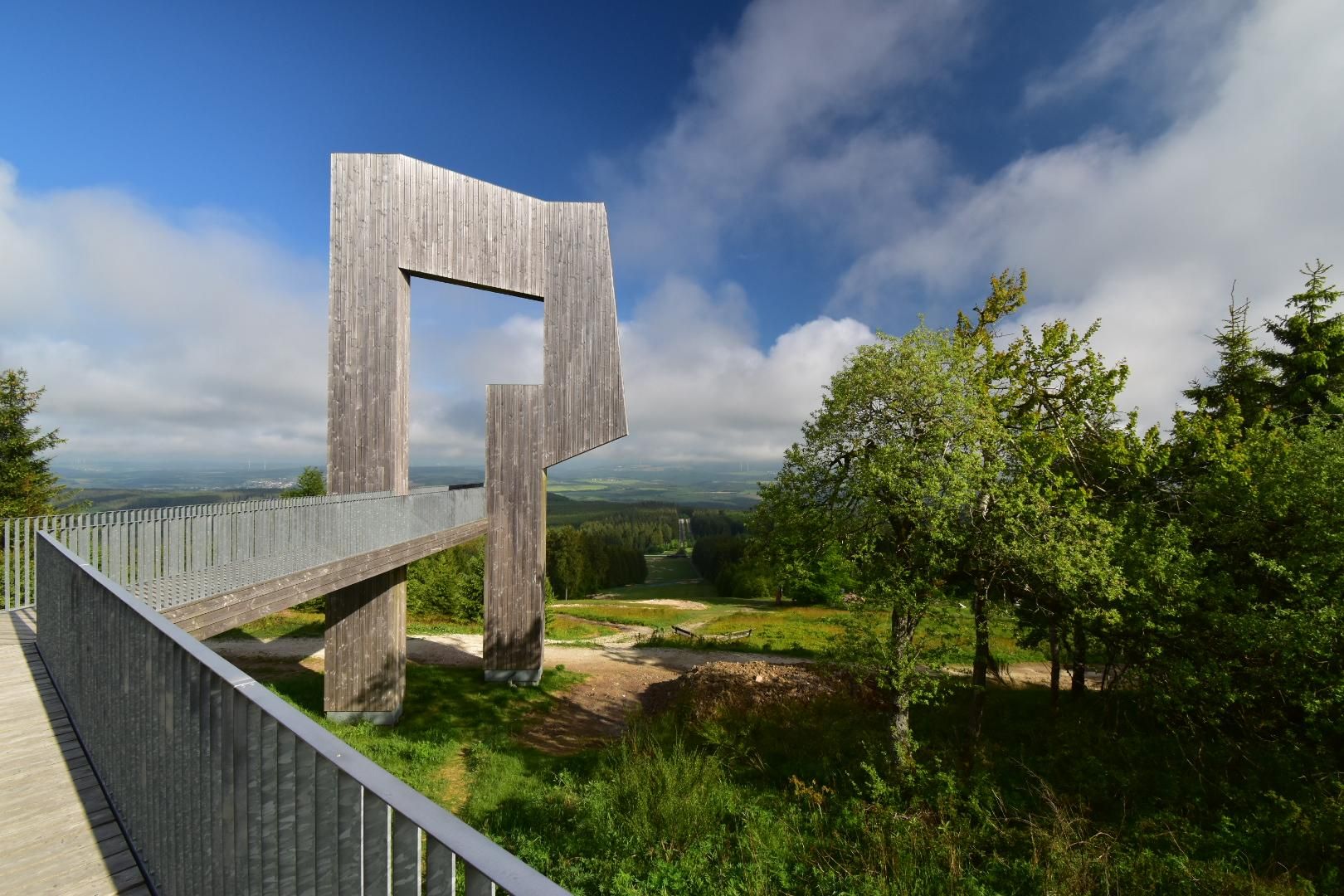
Saar-Hunsrück Climb – Hike in Germany where culture and nature meet
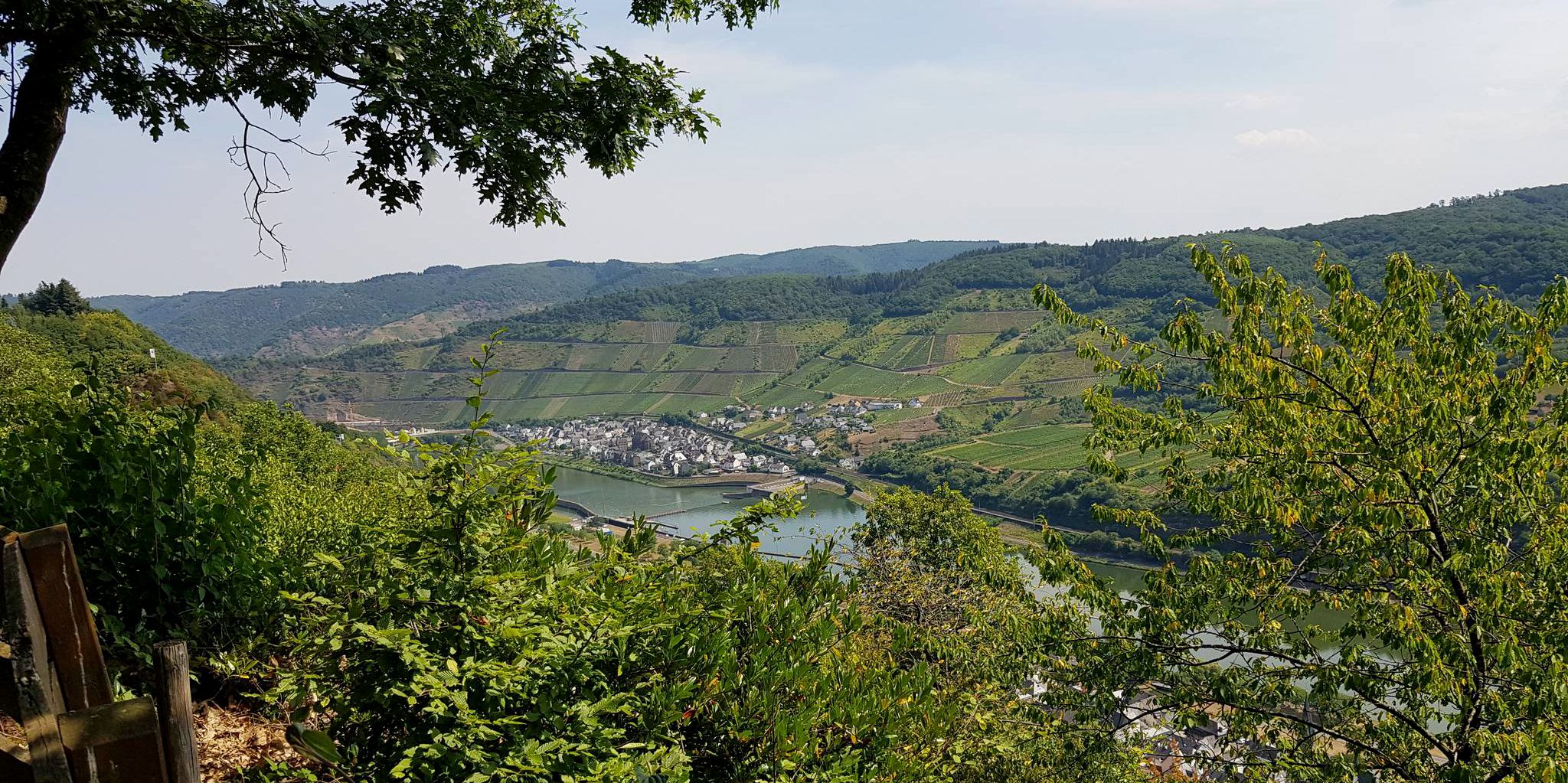
Moselcross — Riding from Trier to Koblenz
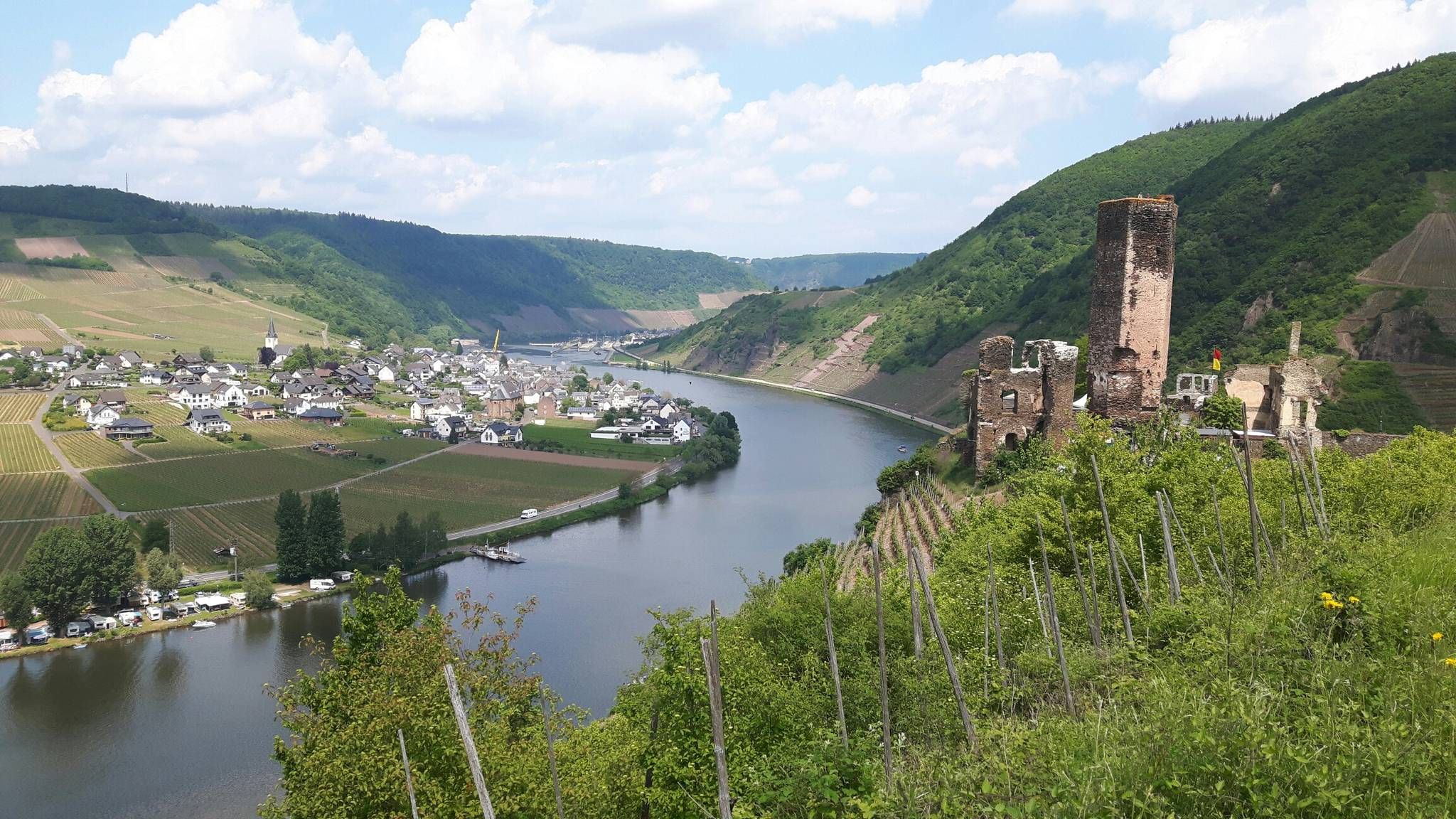
The Moselsteig trail – 24 stages along the sunny Moselle Valley
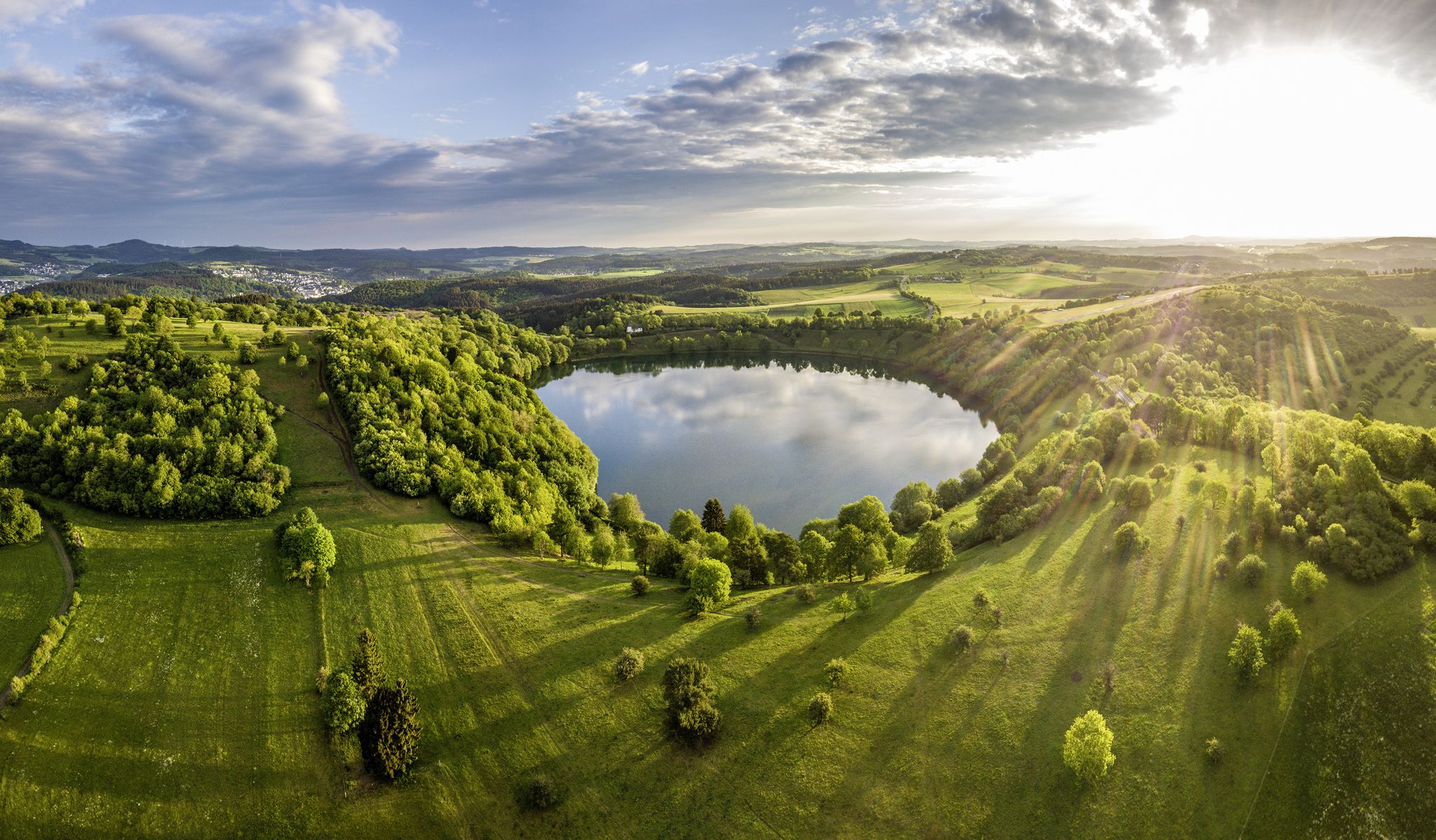
Germany’s Most Beautiful Hiking Trails in the Vulkaneifel
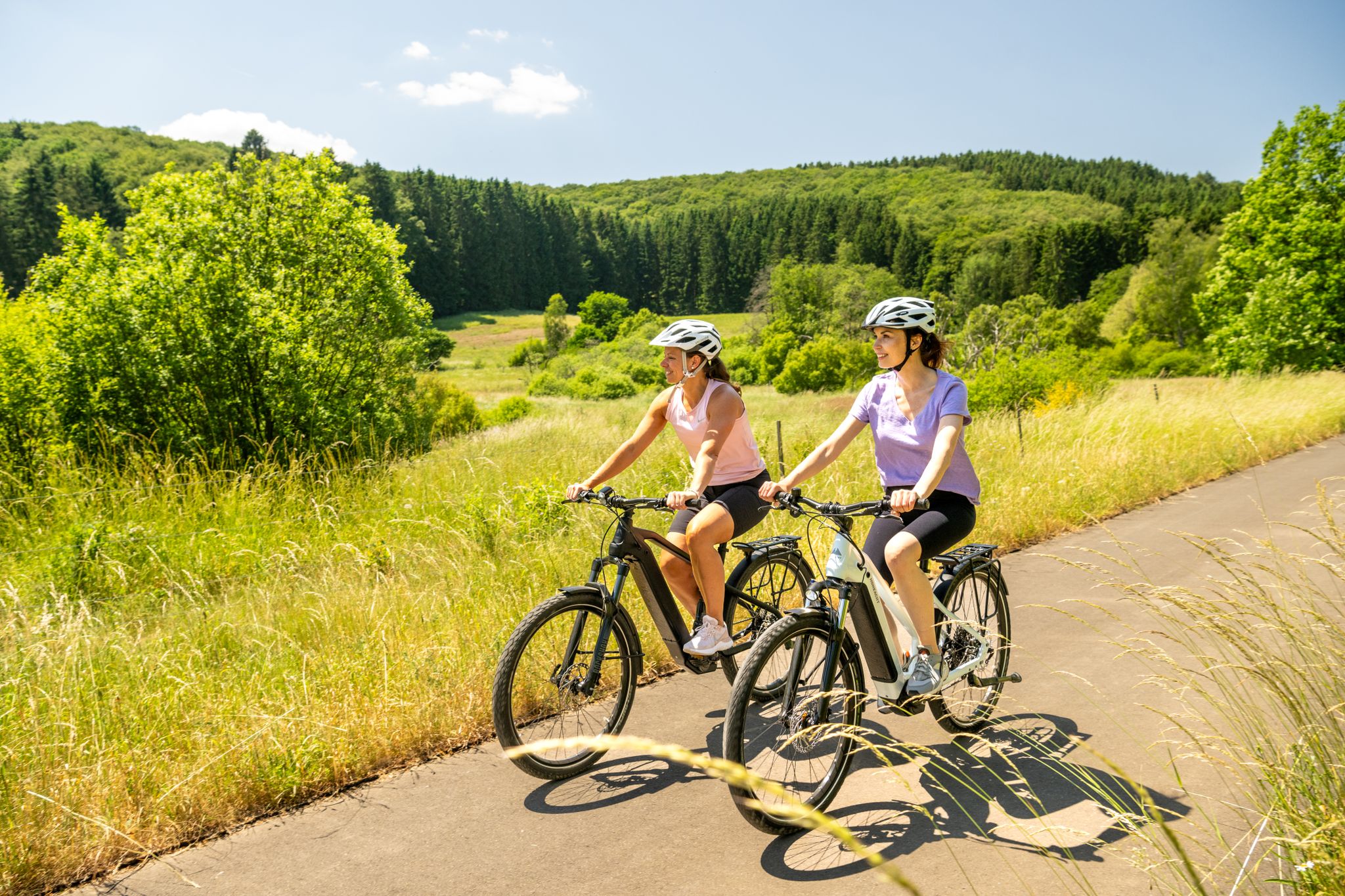
E-biking through the Volcanic Eifel
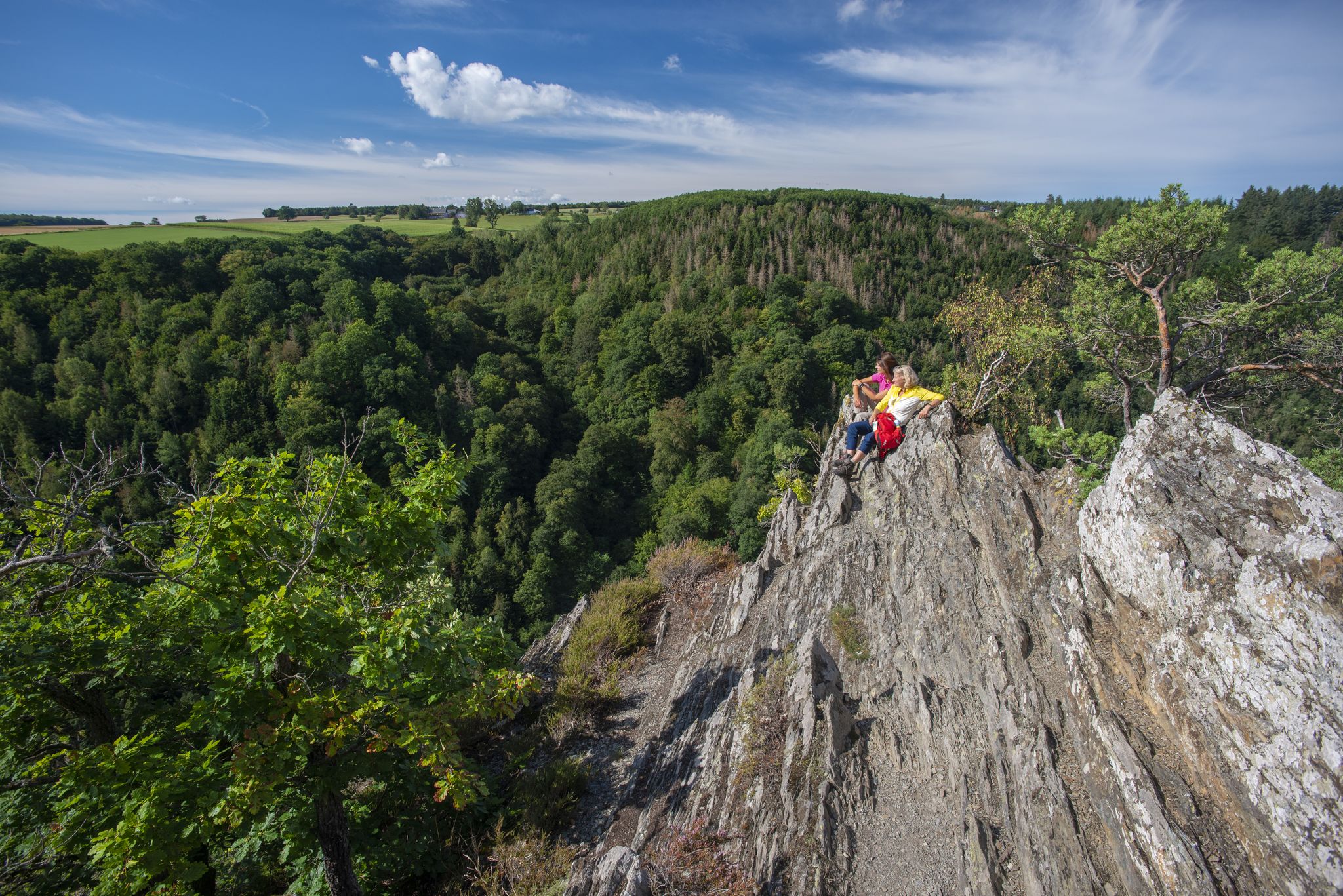
Dream Loops with great views in the Hunsrück
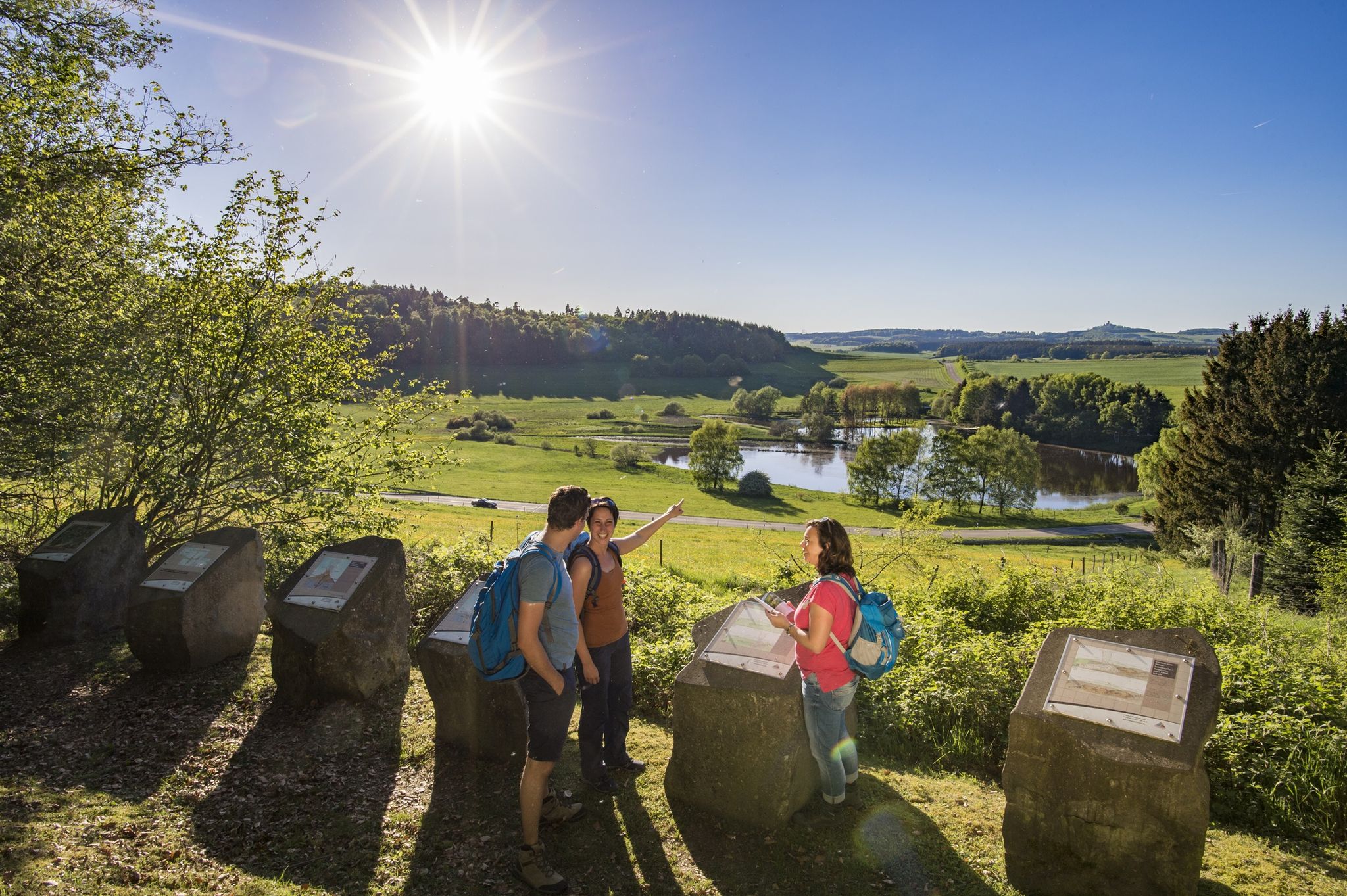
Traumpfade – dreamy, varied hiking trails in Rhein-Mosel-Eifel-Land
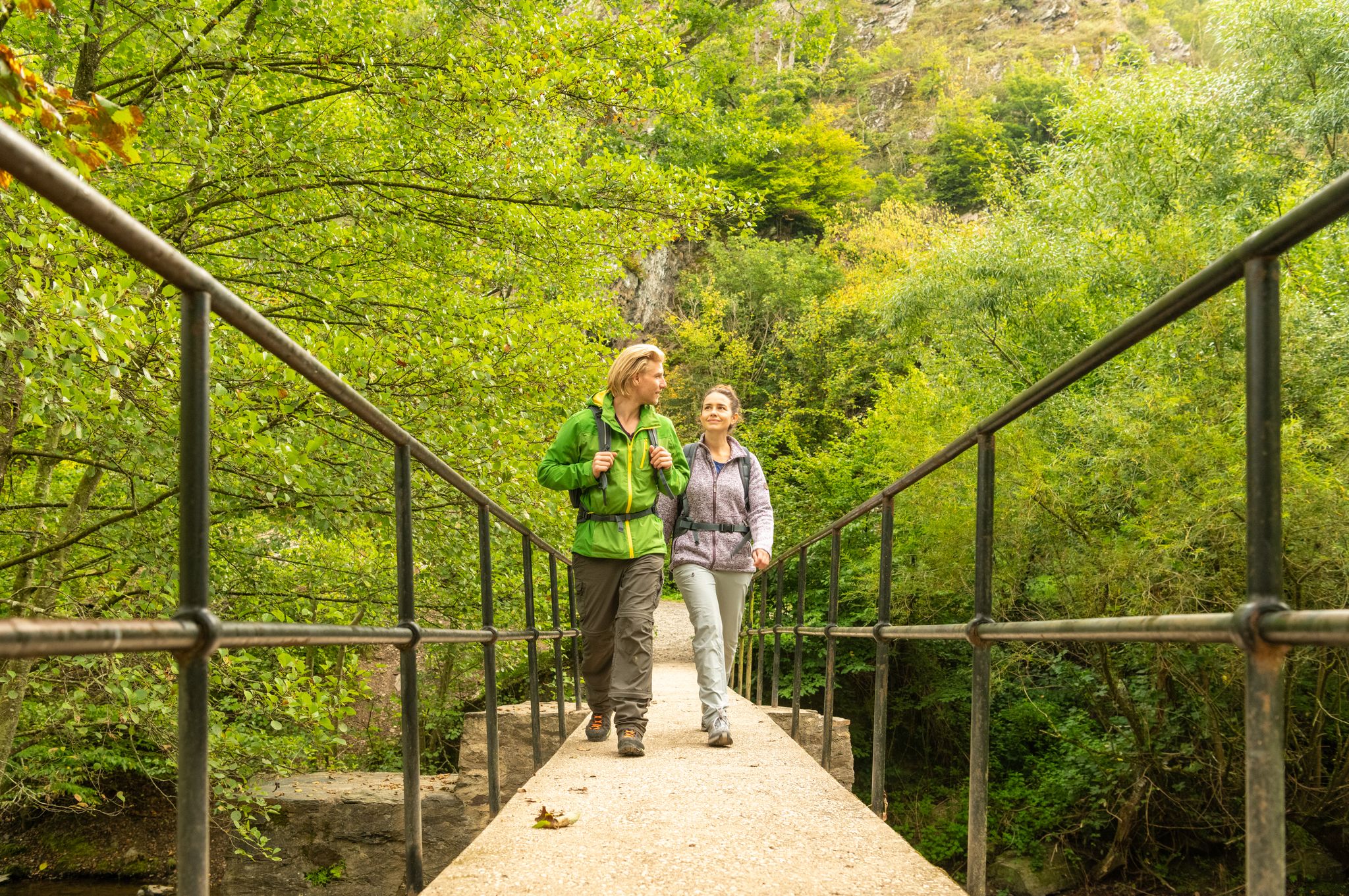
Moselsteig Partner Trails – nature, culture and views
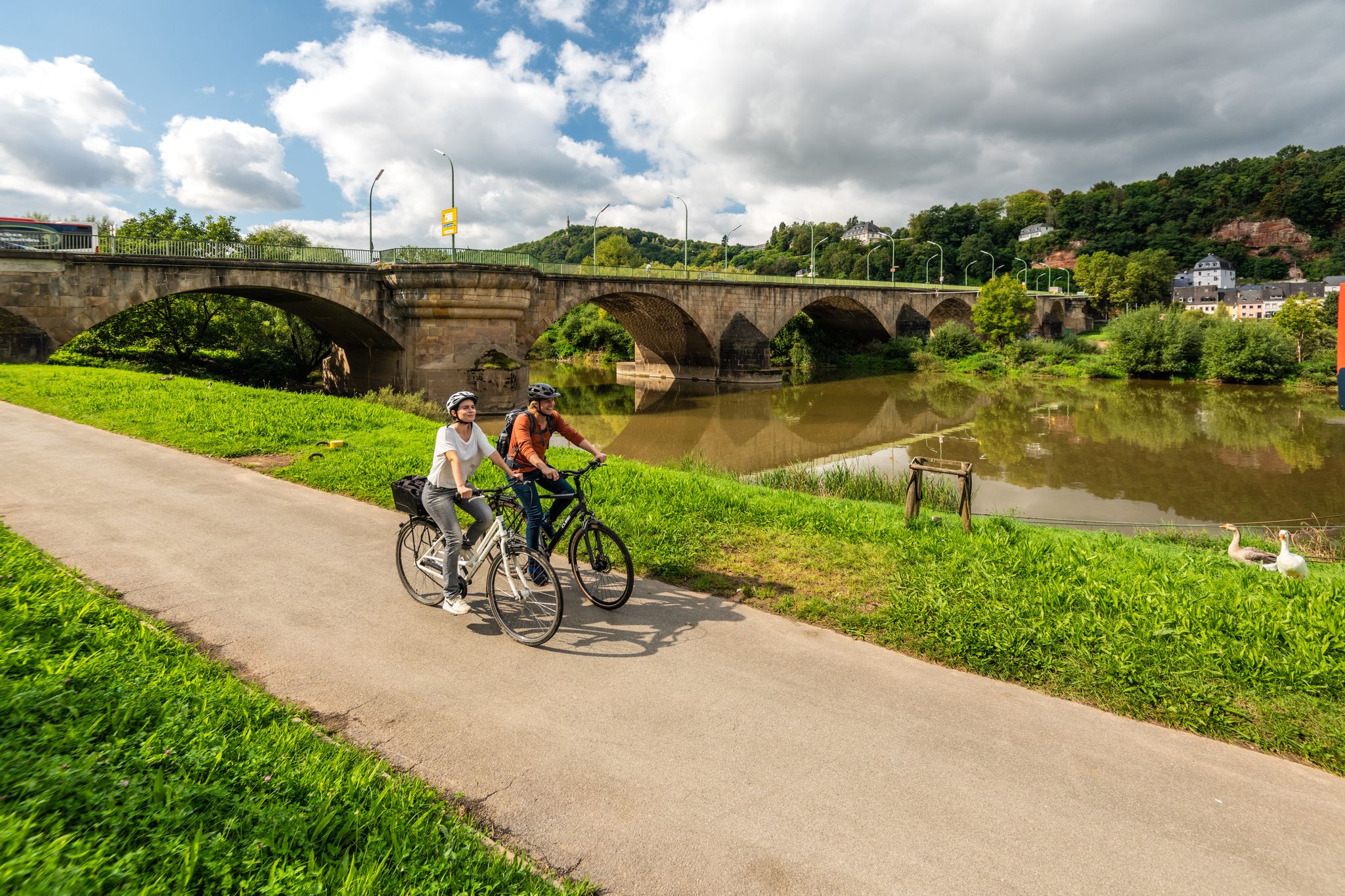
Mosel Cycle Path – in 10 stages from Perl to Koblenz
Other adventures in Cochem-Zell


Tips from the Community


On the Traumschleife Altlayer Schweiz trail, there are also a few information boards about the slate mining that took place here.
0
0

View of Zell from the Collis Tower
0
0

The success of the film "Tatort Falkenlay" inspired the idea of building a concrete replica of the main character, the old Lippi, for the film crew, the community, and guests. Apparently, it's located in the cave of events, and so the idea was born! What should it look like? He prefers to indulge in his favorite pastime: relaxing around the campfire! A friendly neighbor lent his face and hands to create lifelike casts. They constructed the upper body skeleton from strong wire. The legs were made from plumbing pipes and attached to the body. Now the hard work began. Everything had to be filled with scrap paper, wrapped several times, and then rewired. After dressing Lippi in old pants, they could begin the concrete work. Now the fine details of the body were modeled. The head, face, hands, and feet, which had been pre-cast, were placed in their designated places. The masterpiece was complete! With the kind support of the Kennfus volunteer fire department, Lippi then moved to his cave beneath the Falkenlay!
1
0

Historically interesting, sure, but it's just a "dark hole."
1
1


Construction began at the end of World War II and was intended to serve as an air raid shelter. After the war, explosives were stored here. May 30, 2019.
0
0

A nice little climbing spot, but it can easily be bypassed by a small path.
0
0
Frequently Asked Questions
Which caves in Cochem-Zell are particularly family-friendly?
Several caves in the Cochem-Zell region offer engaging experiences for families. The Elf Grotto and Elbesbach Waterfall is a popular choice, known for its unique 'cheese wheel' rock formations and the nearby waterfall. The Falkenlay Stone Age Caves also provide an interesting exploration for children. Additionally, the Zwergstollen Cave, though small, offers a fun adventure for kids along hiking routes.
What historical insights can I gain from visiting caves in Cochem-Zell?
The caves in Cochem-Zell offer a rich tapestry of history. The Falkenlay Stone Age Caves show evidence of habitation by Stone Age hunters. The Klausen Cave, with its distinctive arch and signs of human modification, served as a hermitage for centuries. The Genoveva Cave reveals thousands of years of human use, from Palaeolithic hunters to medieval times, and is steeped in local legend. For industrial history, the Altlay Slate Mine and Hitzelbach Stream and the Slate Mining Tunnels on Strimmiger Berg highlight the region's long tradition of slate mining.
What unique natural formations can be found in the caves of Cochem-Zell?
The region's caves showcase diverse geological processes. The Elf Grotto and Elbesbach Waterfall was formed by volcanic activity around 50,000 years ago, with basalt lava solidifying into columns that resemble stacked cheese wheels. The Falkenlay Stone Age Caves are situated within volcanic rock, part of the oldest cinder cone in its volcanic system. The Genoveva Cave is a natural formation shaped by the erosion of the Kyll river over millions of years, resulting in its distinctive shell-like shape.
Are there hiking trails that lead to or past these caves?
Yes, many caves in Cochem-Zell are accessible via popular hiking trails. The Elf Grotto can be reached via the 'HeimatSpur Trail Elf Grotto'. The Klausen Cave and Genoveva Cave are both freely accessible and can be visited as part of the 'Römerpfad' and 'Eifelsteig' premium hiking trails. The Zwergstollen Cave is a point of interest along routes like the 'Eltz Castle – Moselsteig Trail at the Elzbach loop from Moselkern'. For more hiking options in the region, explore the Waterfall hikes in Cochem-Zell guide.
What outdoor activities can I combine with a visit to the caves?
The Cochem-Zell region offers a variety of outdoor activities. Beyond exploring the caves, you can enjoy extensive hiking on trails like the 'HeimatSpur Waterfall Experience Route' or 'Traumpfad: Pyrmonter Felsensteig'. Cycling is also popular, with routes such as 'View of Reichsburg Castle – Moselle Cycle Path loop from Valwig'. For mountain biking enthusiasts, there are challenging trails like 'Trail Eldorado - the single trail tour'. You can find more options in the Running Trails in Cochem-Zell and MTB Trails in Cochem-Zell guides.
What should I wear or bring when exploring caves in Cochem-Zell?
When exploring caves in Cochem-Zell, it's generally advisable to wear sturdy shoes, especially if you plan to hike to the cave entrances or explore uneven terrain. For unlit natural caves, bringing a torch or headlamp is highly recommended to ensure visibility and safety. Layered clothing can also be beneficial as temperatures inside caves can be cooler than outside.
Are there any less crowded or 'hidden gem' caves to discover?
While many caves are popular, the Zwergstollen Cave is described as a small, low cave located off the main path, requiring some climbing to enter. It offers a small, exciting adventure and can be a rewarding discovery for observant hikers looking for a minor exploration away from the busiest spots. It's often found along existing hiking routes, making it a pleasant surprise.
What do visitors enjoy most about the caves in Cochem-Zell?
Visitors frequently appreciate the unique geological formations, the historical significance, and the accessibility of many caves via scenic hiking trails. The Elf Grotto and Elbesbach Waterfall is often highlighted for its magical atmosphere and resemblance to 'stacked cheese wheels'. The historical sites, like the slate mines, offer a tangible connection to the region's past. The combination of natural beauty and historical depth makes these caves a compelling destination.
Can I visit historical mining sites in the Cochem-Zell area?
Yes, the region has a significant history of mining. While the Katzenberg slate mine in Mayen is no longer active for production, the German Slate Mine (Deutsches Schieferbergwerk) in the Eifelmuseum Mayen offers an engaging journey through the history of slate mining, including virtual mine cart rides. Additionally, the Altlay Slate Mine and Hitzelbach Stream and the Slate Mining Tunnels on Strimmiger Berg provide insights into the local slate extraction heritage.
Are there any caves that are easily accessible for all visitors?
Many of the natural caves in Cochem-Zell are freely accessible, though some may require walking on hiking trails to reach them. The Klausen Cave and Genoveva Cave, for instance, are freely accessible and can be reached via popular hiking paths. While specific wheelchair accessibility is not widely noted for these natural formations, their general accessibility via established trails makes them approachable for most visitors capable of light hiking.
What is the best time of year to visit the caves in Cochem-Zell?
The Cochem-Zell region is beautiful year-round, but spring and autumn generally offer the most pleasant weather for exploring the caves and surrounding hiking trails. During these seasons, temperatures are moderate, and the natural scenery is particularly vibrant with blooming flowers or colorful foliage. Summer can also be a good time, especially for the cooler temperatures inside the caves, but trails might be busier.
Most popular routes in Cochem-Zell
Most popular attractions in Cochem-Zell

Get inspired with the komoot mobile app


Didn’t find what you were looking for?
Discover more caves in Cochem-Zell region by region:
Explore more
Extend your search for the best caves by checking out these guides of the top ones in Cochem-Zell:
