Top 5 Caves in Pfäffikon
Caves in Pfäffikon offer diverse natural and historical experiences within the broader Zurich and Schwyz regions. The area is characterized by its varied geological formations, including Nagelfluh, and features numerous waterfalls and ravines. These underground sites provide insights into the region's natural processes and historical past. Visitors can explore a range of cave types, from geological formations to historical cellar caves.
Best caves in Pfäffikon
- The most popular caves is Hagheerenloch Cave, a cave that features Nagelfluh formations with…
Last updated: June 27, 2026
Hagheerenloch Cave
Highlight • Cave
Translated by Google •
Tip by

Three Waterfalls at Gubelhöhle
Highlight • Waterfall
Translated by Google •
Tip by

Sign up now to discover places like this
Get recommendations on the best single tracks, peaks, & plenty of other exciting outdoor places.
Sign up for free
Cellar Cave of Mannenberger Mill
Highlight • Cave
Translated by Google •
Tip by
Gubelfall Waterfall in Niedertobel
Highlight • Waterfall
Translated by Google •
Tip by
Cholerbach Waterfall and Cave
Highlight • Waterfall
Translated by Google •
Tip by
Start today with a free account
Your next adventure awaits.
Login or Signup
Popular around Pfäffikon
Züri Escape Challenge
Magnificent views and nature trails – experience Zurich by e-bike
Rides in Zurich – panoramic views from your gravel bike
100% Women – beautiful rides by the water
Hiking in Pfäffikon
Cycling in Pfäffikon
Road Cycling Routes in Pfäffikon
MTB Trails in Pfäffikon
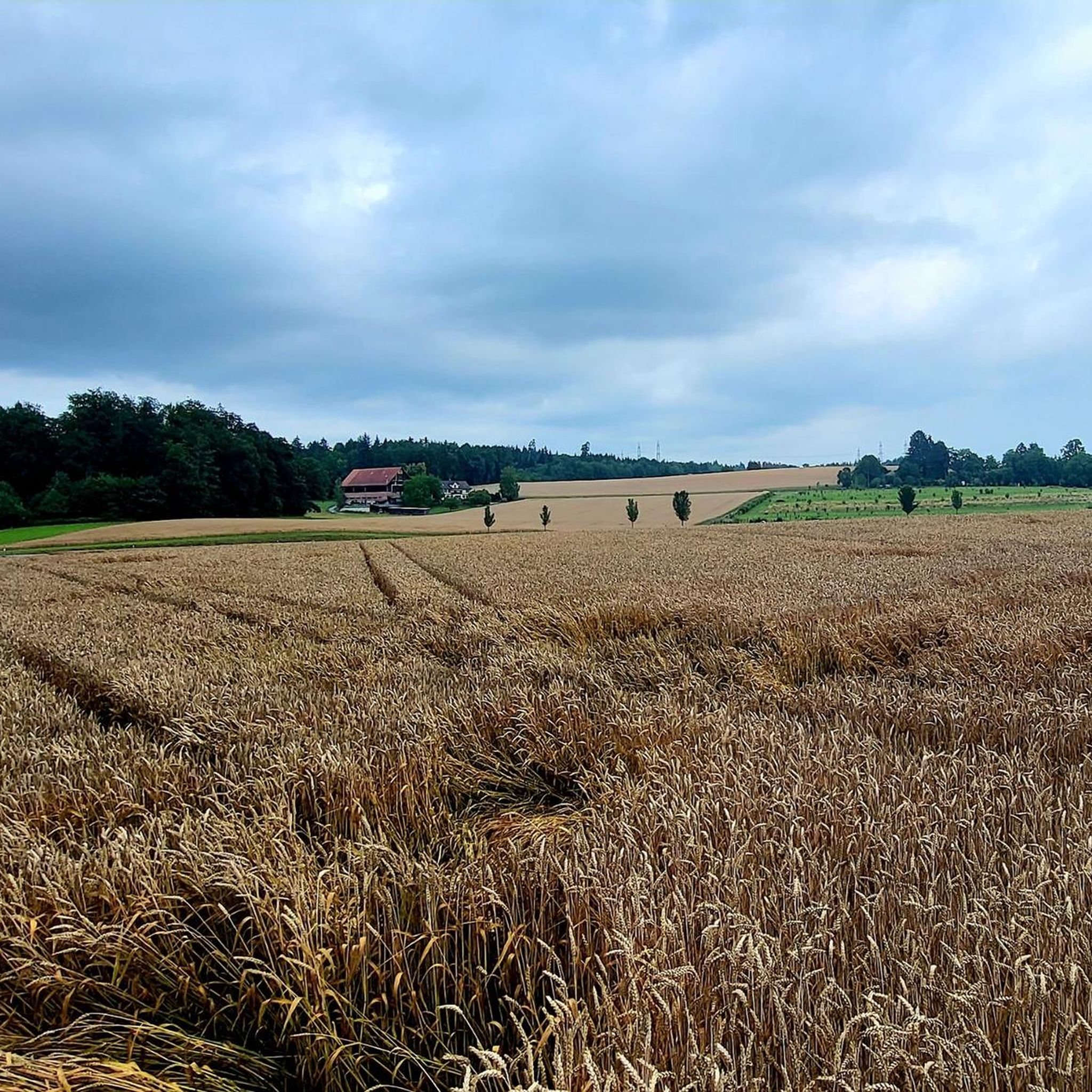
Running Trails in Pfäffikon
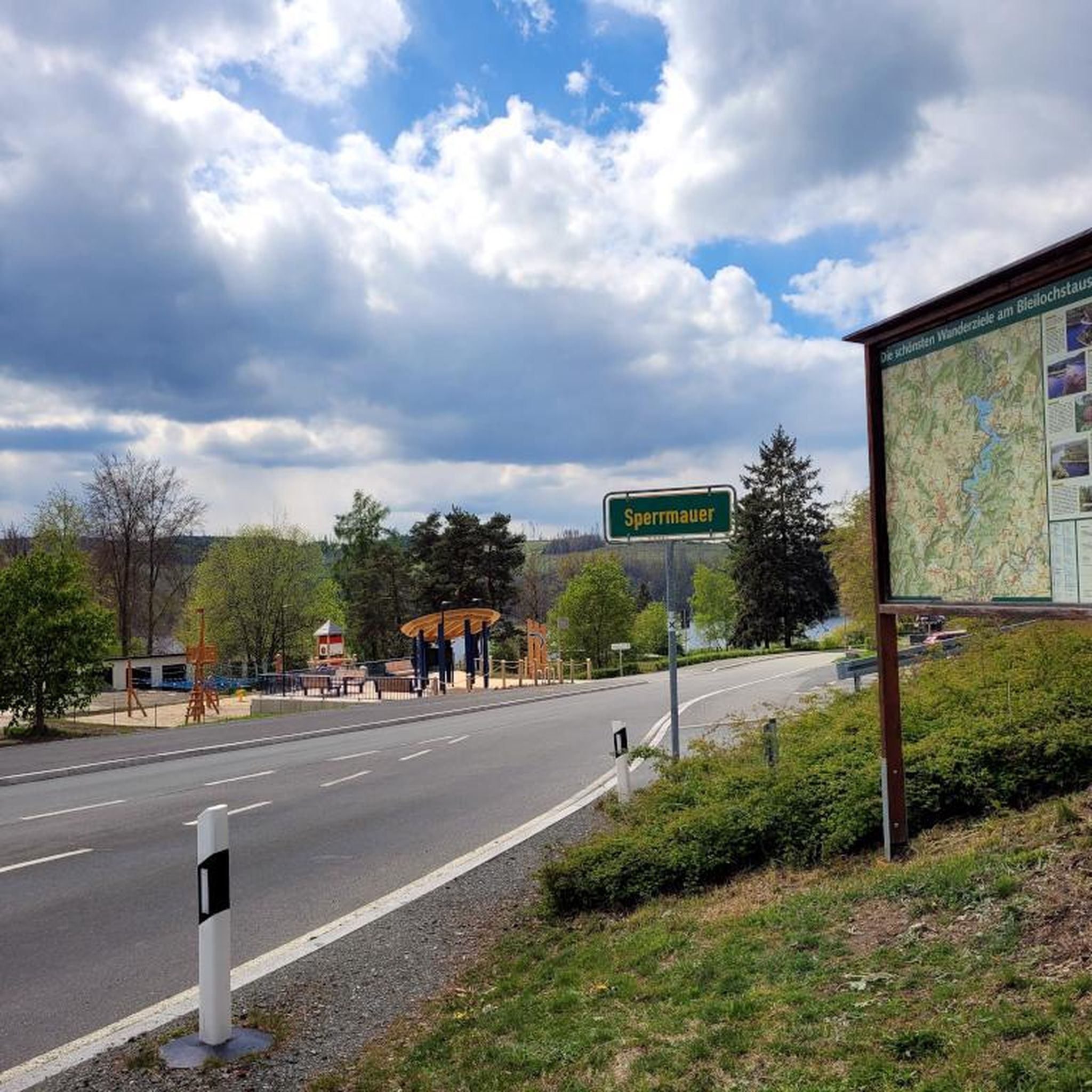
Gravel biking in Pfäffikon
Other adventures in Pfäffikon


Tips from the Community

The upper Cholerbach waterfall can only be reached by wading through the stream itself. Shortly before reaching it, there is a wider cave, about 4 meters deep, where you can stand comfortably.
0
0

Beautiful waterfall and barbecue area
0
0

You can enter the cave and walk around the small lake. However, the soil is very loamy and the Nagelfluh cover is partly low, so caution is advised.
1
0
This is where the cave is primarily located, not the much-depicted waterfalls.
1
0
A really beautiful waterfall in the ravine, away from the road with a wide gravel area and long Nagelfluh Gubel cave.
2
0
There are a total of 3 waterfalls along this road. One roughly where the road is getting higher than the creek, one just below the curve, and one above the curve. The first two can only be reached through the course of the river, the third with the Gubel cave is right on the road.
1
0
The impressive building of the Mannenberger Mühle used to stand on the meadow between Kempt and the edge of the forest. Of all the mills in the Illnau community, the Mannenberger mill had the best energy ratios because it used both the water from the Kempt and the Grendelbach. It is mentioned for the first time in the documents in 1482, when the knight Konrad Schwend sold the Würgeln and Mannenberg mills to his fief miller Konrad Himmel as inheritance. Towards the end of the 16th century, representatives of the old Tagelswang family of Wegmann married at the two mills. This family soon belonged to the most influential families in the Illnau community. In 1675, Jakob Wegmann had the Mannenberg mill rebuilt in a splendid half-timbered style by Zimmermann Urlich Bruzer. As one of the first and most beautiful half-timbered buildings in the region, it was an excellent testimony to rural architecture. In 1854 the Wegmann family sold the entire property of the Swiss Nordostbahn company. the railway embankment built in 1855 cut off the water supply to the Mannenberger Mühle and resulted in the cessation of centuries-old operations. The historic building was demolished in 1871. Apart from the sandstone cave, which the mill family had used as a natural cellar, nothing today reminds of the proud past of the Mannenberger mill.
1
0

Nagelfluh formations with overhanging waterfalls and cave.
2
0
Frequently Asked Questions
What unique geological features can I expect to see in the caves near Pfäffikon?
The region around Pfäffikon is known for its distinctive Nagelfluh formations. You can observe these geological features, often accompanied by impressive overhanging waterfalls, at sites like the Hagheerenloch Cave and the Gubelfall Waterfall in Niedertobel, which features a long Nagelfluh Gubel cave.
Are there any caves near Pfäffikon with historical significance?
Yes, the Cellar Cave of Mannenberger Mill offers a glimpse into the area's past. This sandstone cave was once used as a natural cellar by the Mannenberger Mill, which dates back to 1482 and was an important part of the region's industrial history.
Which caves near Pfäffikon are suitable for families?
While not directly in Pfäffikon, the Höllgrotten Caves in Baar (near Zug) are a popular family-friendly option accessible from the Pfäffikon area. These limestone caverns offer a magical and somewhat spooky atmosphere with illuminated stone formations and small underground lakes, making for an engaging experience for all ages.
Are there any caves that offer a more adventurous or interactive experience?
For those seeking a more interactive experience, the Cholerbach Waterfall and Cave is an excellent choice. Reaching the upper waterfall and its associated cave requires wading through the stream, adding an element of adventure. The cave itself is about 4 meters deep, allowing visitors to stand comfortably inside.
What is the best time of year to visit the caves near Pfäffikon?
The best time to visit can depend on the specific cave. For instance, the Höllgrotten Caves are typically open from April to October. Many natural caves and waterfalls, like those associated with the Gubelhöhle, are enjoyable during warmer months when water flow is significant and outdoor exploration is comfortable. Some caves may offer a cool respite from summer heat.
What kind of outdoor activities can I combine with a visit to the caves in Pfäffikon?
The Pfäffikon region offers a variety of outdoor activities. You can find numerous hiking trails, including easy hikes like the 'View of Billikon – View of Kyburg Castle loop' or the 'Hörnli Summit – View of the Zurich Highlands loop'. There are also running trails and mountain biking routes available. For more details, explore the easy hikes in Pfäffikon, running trails in Pfäffikon, or MTB trails in Pfäffikon.
Are there any world-class caving opportunities near Pfäffikon for experienced explorers?
Yes, for serious cavers, the Hölloch Cave in Muotathal (Canton Schwyz) is a significant destination. It is one of the longest and deepest cave systems in the world, spanning nearly 200 km, offering unparalleled opportunities for extensive underground exploration.
What do visitors enjoy most about the caves in the Pfäffikon area?
Visitors appreciate the diverse natural and historical experiences. The unique Nagelfluh formations and overhanging waterfalls, like those at Hagheerenloch Cave, are highly regarded. The combination of beautiful waterfalls and interesting cave formations, such as at the Three Waterfalls at Gubelhöhle, also receives positive feedback.
Are there any caves near Pfäffikon that are easily accessible directly from a road?
Yes, one of the three waterfalls associated with the Three Waterfalls at Gubelhöhle is located directly on the road, making it quite accessible. Similarly, the Gubelfall Waterfall in Niedertobel, which includes a long Nagelfluh Gubel cave, is situated in a ravine with a wide gravel area, offering relatively easy access.
What kind of geological formations are common in the caves of the Pfäffikon region?
The caves in the Pfäffikon region are primarily characterized by Nagelfluh formations. This type of rock, a conglomerate of rounded pebbles and gravel cemented together, creates unique and visually interesting structures, often seen alongside waterfalls and in ravines.
Can I find information about other caves and grottoes in Switzerland?
For broader information on caves and grottoes across Switzerland, you can visit the official tourism website: myswitzerland.com.
Most popular routes in Pfäffikon
Most popular attractions in Pfäffikon

Get inspired with the komoot mobile app


Didn’t find what you were looking for?
Discover more caves in Pfäffikon region by region:
Explore more
Extend your search for the best caves by checking out these guides of the top ones in Pfäffikon:
