Top 4 Caves around Isseroda
Best caves around Isseroda are found in the surrounding regions, as Isseroda itself is a village located in the Weimarer Land district of Thuringia, Germany. This area is characterized by its natural landscapes and historical significance. While no prominent caves are directly within the village, several notable cave systems are accessible nearby. These geological formations offer insights into the region's natural history and provide unique exploration opportunities.
Best caves around Isseroda
- The most popular caves is Rock Castle, a…
Last updated: October 14, 2026
Bridge over the Ilm
Highlight • Cave
Showing Translation
Tip by

Hermitage of Hans Weichberger
Highlight • Historical Site
Translated by Google •
Tip by

Sign up now to discover places like this
Get recommendations on the best single tracks, peaks, & plenty of other exciting outdoor places.
Grotto in the Park on the Ilm
Highlight • Cave
Translated by Google •
Tip by

Start today with a free account
Your next adventure awaits.
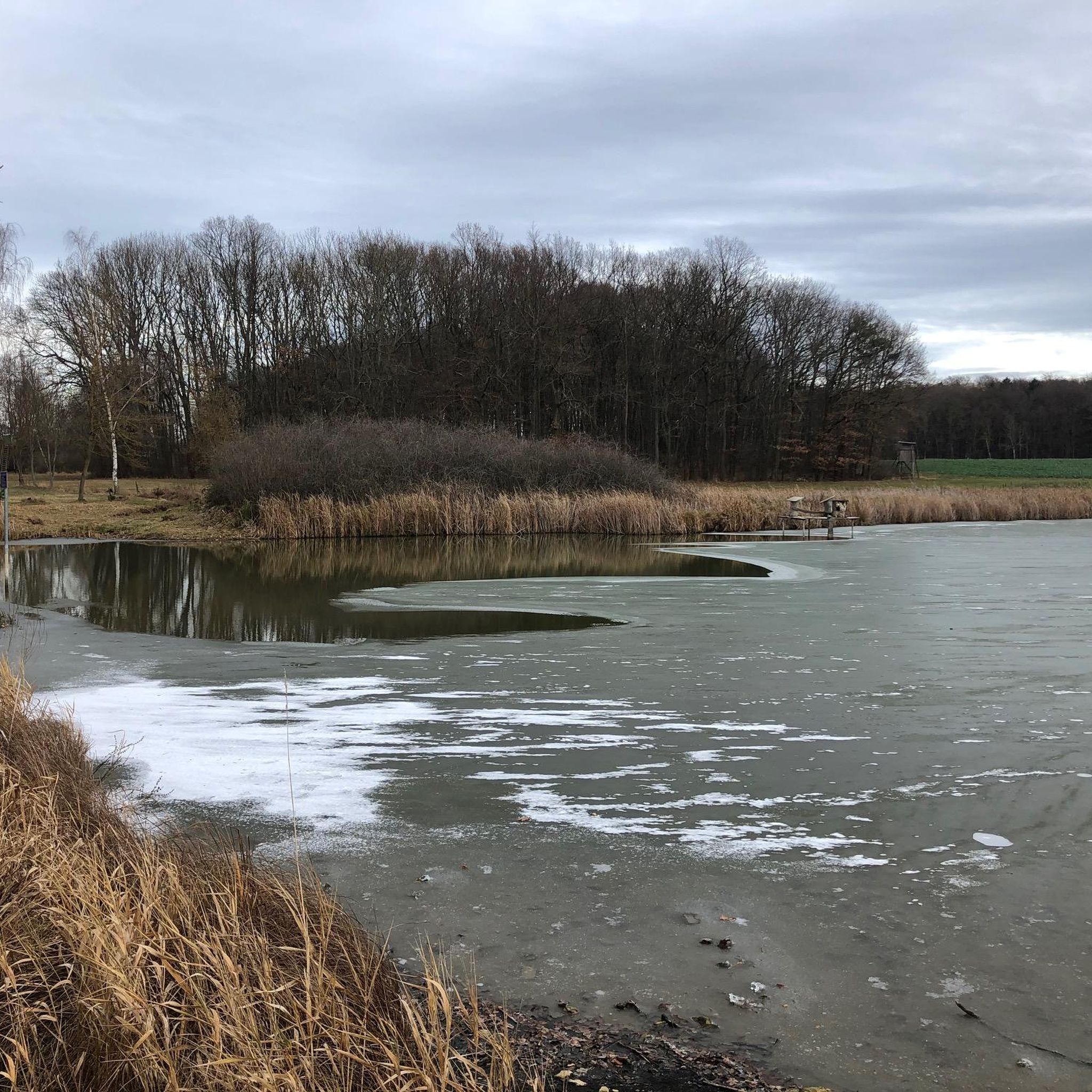
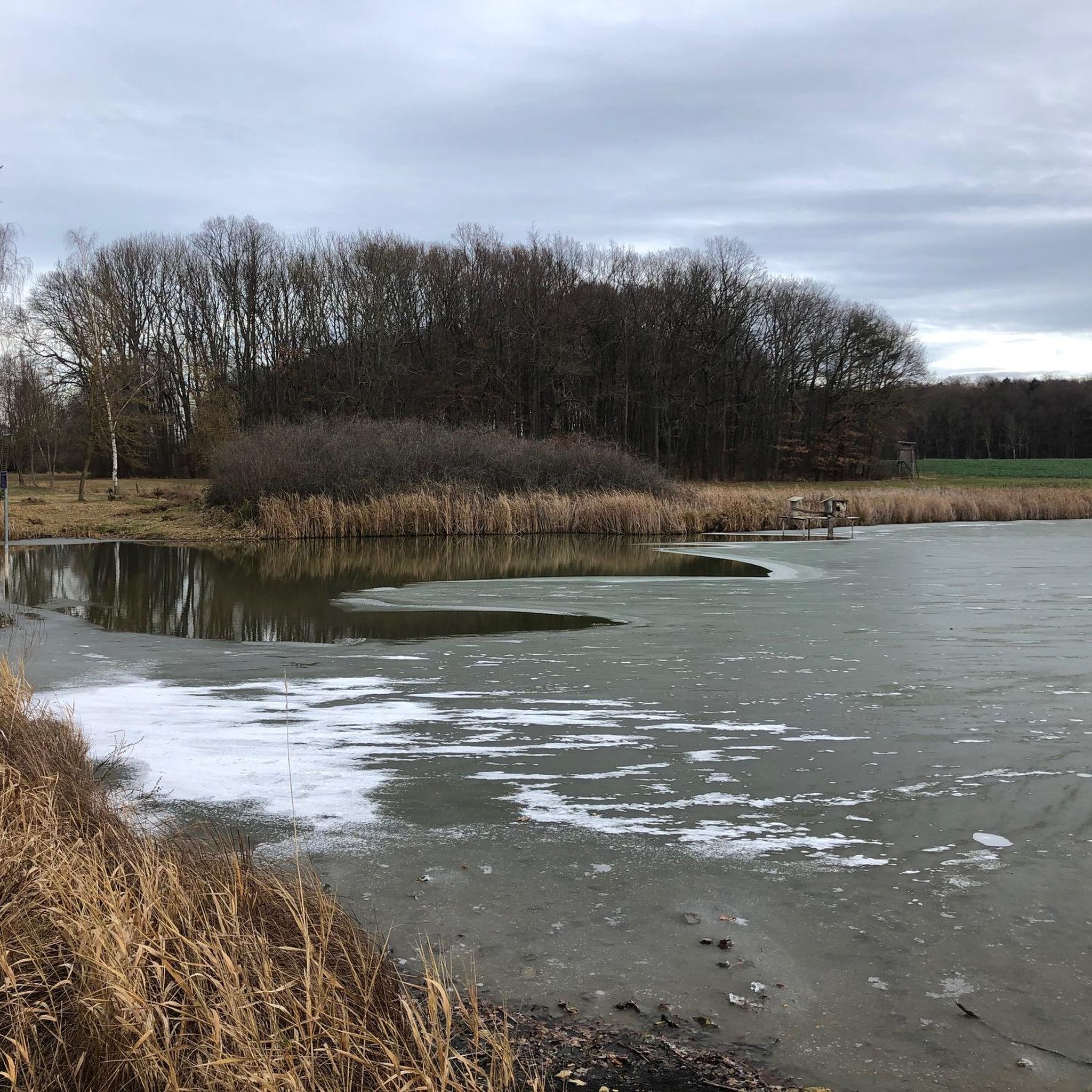
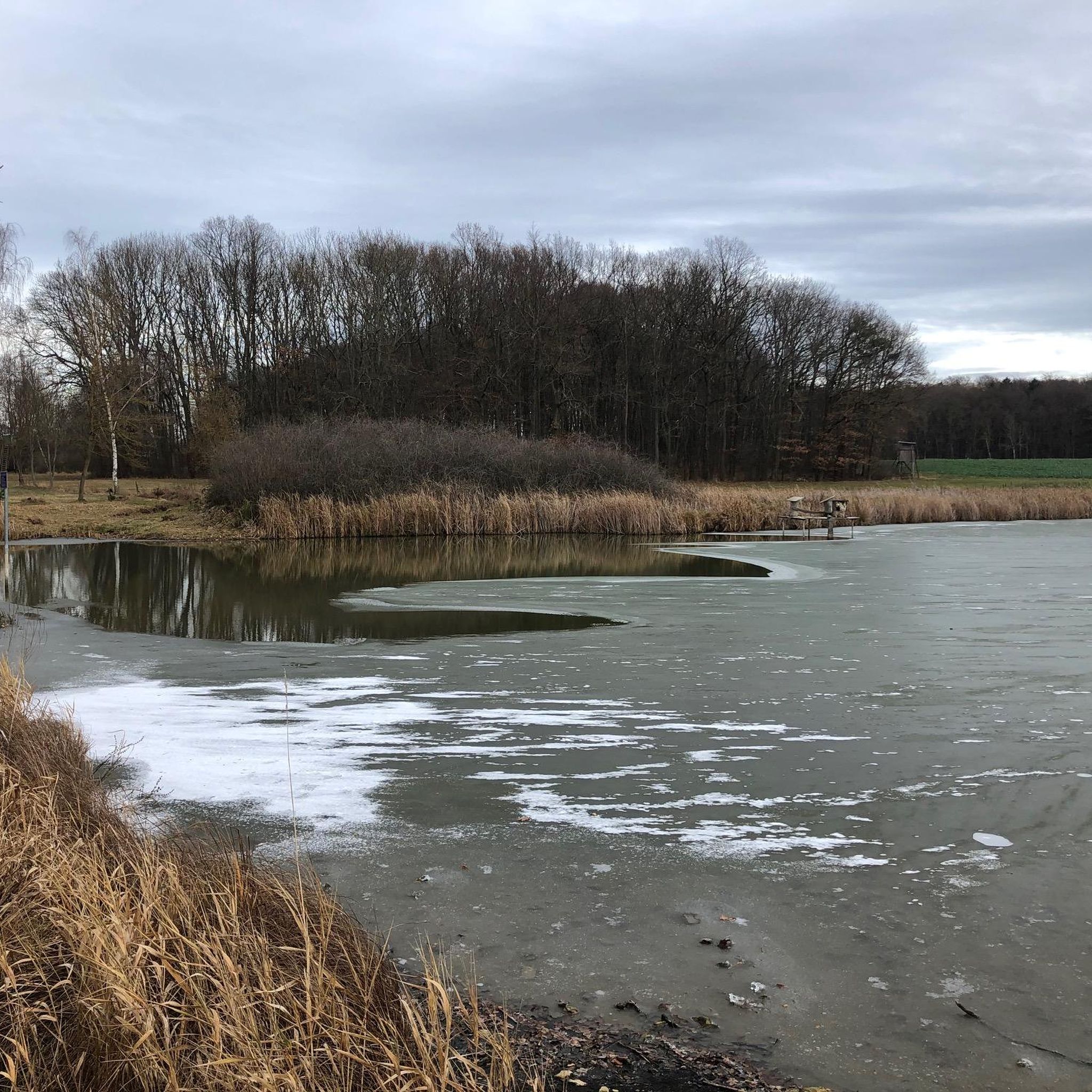
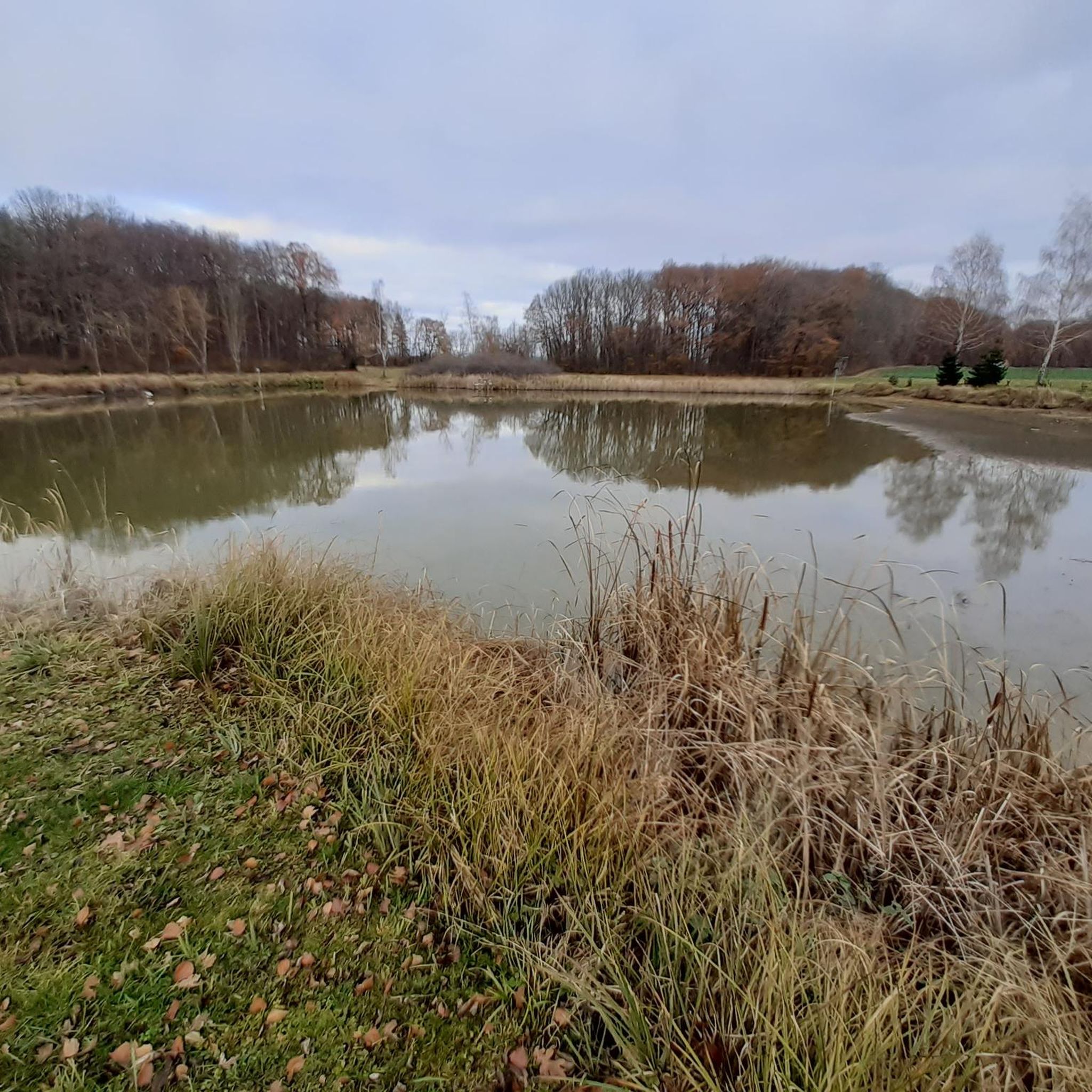

Tips from the Community

The Einsielicher Weichberger lived here from 1937 to 1956. Two social systems allowed him to live here.
0
0

We were in Weimar for a long weekend and walked every day through the park from the hotel in the city. We really liked the park. There are a few beech trees that are over 200 years old and various old, thick sycamore maples. Many more tree species and even more shrubs. Birds and small mammals feel at home here. Plus the rushing of the Ilm. Really nice.
0
0

Haven't seen it. I wandered past.
1
0

A varied walk past the Roman House takes you here
1
0


The parks on both sides of the Ilm are beautiful and worth a visit
1
1

Beautiful bridge in the park over the Ilm. Style goes well with the park
5
0
Frequently Asked Questions
What types of caves can I explore near Isseroda?
Near Isseroda, you can explore a variety of cave types, including natural grottoes, historical hermitages, and unique cave castles. These range from natural formations like the Park Cave and the Nadelöhr in the Park on the Ilm to man-made monuments such as the Sphinx Grotto at the Leutra Spring, and even a Rock Castle.
Are there any historical or cultural cave sites around Isseroda?
Yes, the region offers several sites with historical and cultural significance. The Rock Castle is a unique cave castle that historically provided protection. You can also visit the Hermitage of Hans Weichberger, where a hermit lived for decades. Further afield, Baumann's Cave in the Harz Mountains is Germany's oldest show cave, visited by Goethe, and Hermann's Cave features the unique cave olms.
Which caves near Isseroda are suitable for families?
Several cave-related attractions near Isseroda are family-friendly. The Park Cave and the Nadelöhr in the Park on the Ilm and the Sphinx Grotto at the Leutra Spring are both categorized as family-friendly. These sites often combine natural beauty with easy access and interesting features for all ages.
What unique natural features can be found in the caves near Isseroda and the surrounding regions?
The region boasts diverse natural features. The Park Cave and the Nadelöhr in the Park on the Ilm features a natural bridge. In the Werra-Meißner-Kreis, the Kitzkammer Basalt Cave showcases impressive pentagonal and polygonal basalt columns. In the Harz Mountains, Baumann's Cave is known for its colorful stalactites and stalagmites, while Hermann's Cave features the Olmensee lake, home to Germany's only cave olms, and a Crystal Chamber with impressive calcite formations.
What are the difficulty levels for exploring caves around Isseroda?
The difficulty levels vary. For instance, the Park Cave and the Nadelöhr in the Park on the Ilm is considered intermediate, while the Rock Castle is categorized as challenging due to erosion affecting its condition. Always check specific highlight details for current conditions and recommended difficulty.
What outdoor activities can I do near these caves?
The area around Isseroda offers various outdoor activities. You can find numerous hiking trails, including easy options like the 'Former Helicopter Hangar Nohra – Nohra Landscape Park loop'. There are also mountain biking opportunities, such as the 'Carolinenturm on the Kötsch – Plateau Rest Area near Jena loop'. For more details, explore the Hiking around Isseroda or MTB Trails around Isseroda guides.
Are there specific hiking trails that lead to or near the caves?
Yes, many of the caves are accessible via hiking routes. For example, the Hermitage of Hans Weichberger is located directly on the '3 towers way'. You can find various hiking routes in the area, including easy and moderate options, by checking the Hiking around Isseroda guide.
What do visitors enjoy most about the caves and related sites near Isseroda?
Visitors appreciate the unique blend of natural beauty and historical significance. The Rock Castle is noted for its rarity and historical context, despite erosion. The Park Cave offers beautiful views, including Goethe's garden house. The Sphinx Grotto is enjoyed for its pleasant location. The komoot community has shared over 180 photos and given more than 590 upvotes for these sites.
Can I see any wildlife in or near the caves?
While specific wildlife within the immediate Isseroda caves isn't detailed, the broader region offers unique opportunities. Hermann's Cave in the Harz Mountains is particularly notable as it houses Germany's only cave olms, a rare aquatic salamander adapted to life in complete darkness. Both Hermann's and Baumann's Caves also have significant finds and displays of cave bear bones.
Are there any caves with geological significance in the wider region?
Absolutely. The Kitzkammer Basalt Cave near Meißner in the Werra-Meißner-Kreis is a natural monument showcasing impressive pentagonal and polygonal basalt columns formed approximately five million years ago. These unique geological formations are a result of ancient lava flows and are a significant natural attraction. You can find more information about it on Wikipedia.
Are there any caves known for their folklore or legends?
Yes, the region has caves with rich folklore. The Kitzkammer Basalt Cave is connected to local tales of Frau Holle. The Wichtellöcher Caves (Gnome Holes) in Abterode are named after local legends of helpful, friendly, and sometimes mischievous gnomes believed to reside in their crevices and cavities.
Most popular attractions around Isseroda

Get inspired with the komoot mobile app


Explore more
Extend your search for the best caves by checking out these guides of the top ones around Isseroda:
