Top 7 Caves around Apolda
Best caves around Apolda are primarily found in the broader Thuringia region, as Apolda itself is known more for its cultural attractions and parks. The area offers a diverse natural landscape, including river valleys and forested areas, which contribute to the formation of various underground features. While direct cave systems within Apolda are limited, the surrounding region provides access to notable geological formations. These sites offer insights into natural history and unique underground environments.
Best caves around Apolda
- The most…
Last updated: June 27, 2026
Park Cave and the Nadelöhr in the Park on the Ilm
Highlight • Cave
There are a few other highlights above on the side facing away from the Ilm:
the "eye of the needle", the bark house, the temple lord's house etc..
Translated by Google •
Tip by

Klausloch Cave on the Saale
Highlight (Segment) • Cave
Translated by Google •
Tip by

Sign up now to discover places like this
Get recommendations on the best single tracks, peaks, & plenty of other exciting outdoor places.
Sign up for free
Klausloch Cave
Highlight • Cave
Translated by Google •
Tip by

Hermitage of Hans Weichberger
Highlight • Historical Site
Translated by Google •
Tip by

Weimar Park Cave
Highlight • Cave
The Park Cave is an underground tunnel system in the park on the Ilm. It is located twelve meters below the ground between the steep slope to …
Translated by Google •
Tip by

Sign up for free to discover even more caves around Apolda.
Sign up for free
Already have an account?
Start today with a free account
Your next adventure awaits.
Login or Signup

Tips from the Community

At the end of the 12th century, an artificial sewage tunnel system was created at a depth of 12 meters. It was used as an air raid shelter during World War II. Today, the cave is accessible and features an exhibition on its history, geology, and the Ice Age in the Weimar region.
11
0

Sewage Tunnel – Walkway – Air-Raid Shelter – Underground Museum The origins of the Park Cave date back to the desire of Duke Carl August of Saxe-Weimar and Eisenach to have his own brewery. Between 1794 and 1796, a roughly 500-meter-long tunnel was built in the park on the Ilm River for beer storage and the drainage of process water for the planned brewery. After the original project was abandoned, the tunnel was used for sand and gravel mining. A complex network of tunnels was created, which court members and park visitors occasionally used as an underground walkway between 1810 and 1830. Towards the end of World War II, part of the complex was converted into an air-raid shelter. The current museum rooms are located in this area. From 1992 to 1999, the partially filled and dilapidated tunnel system was reopened in an extensive renovation project. https://www.klassik-stiftung.de/parkhoehle/
0
0

The Einsielicher Weichberger lived here from 1937 to 1956. Two social systems allowed him to live here.
0
0

About the Klausloch: on the way from Camburg to Tümpling a hermit lived in a cave. In the front part of the cave he created a small chapel with an altar niche that is still recognizable, and in the back part he created the "hermit's" living space. In the hermitage the hermit prayed, ate the fruits of the forest and lived in harmony with nature.
1
0

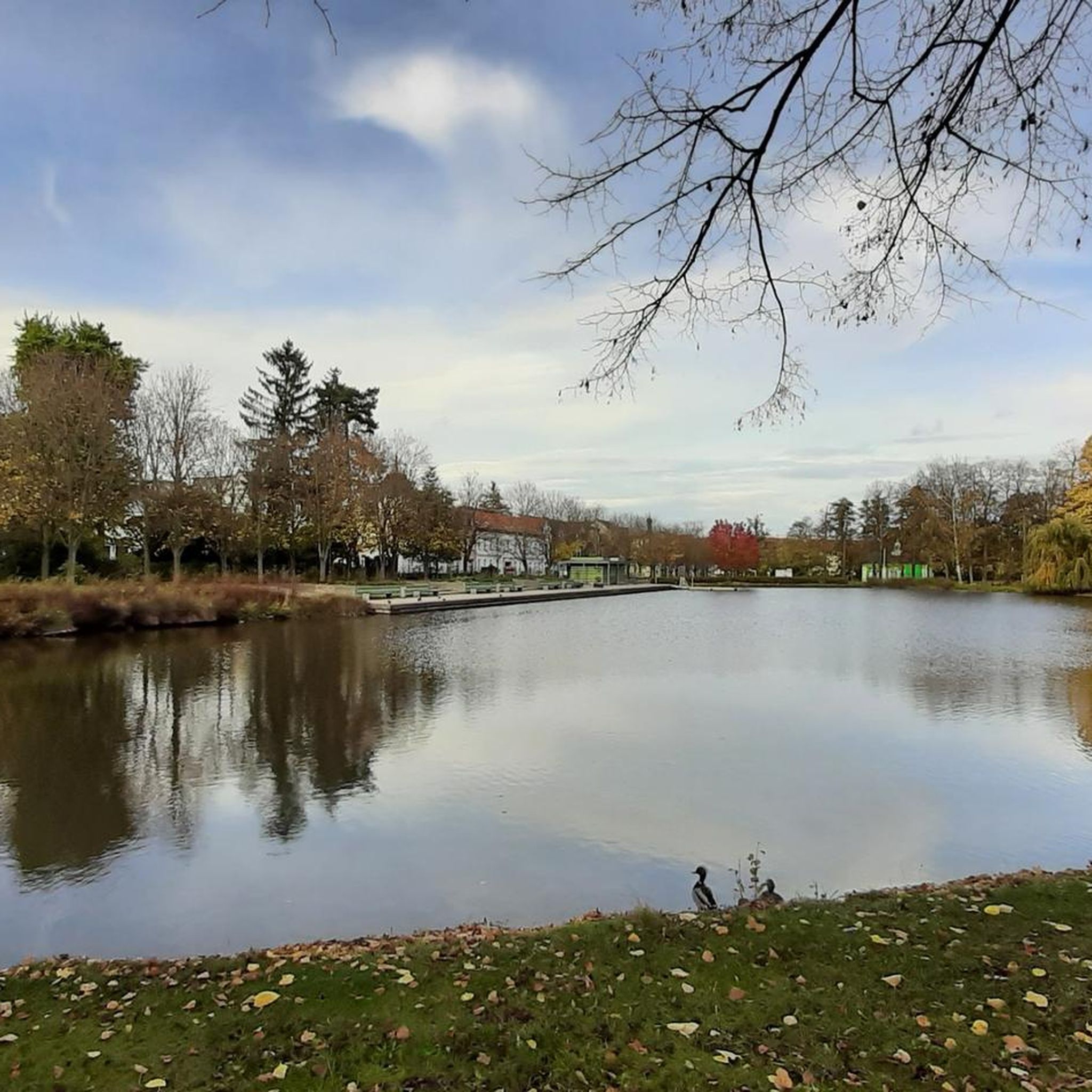
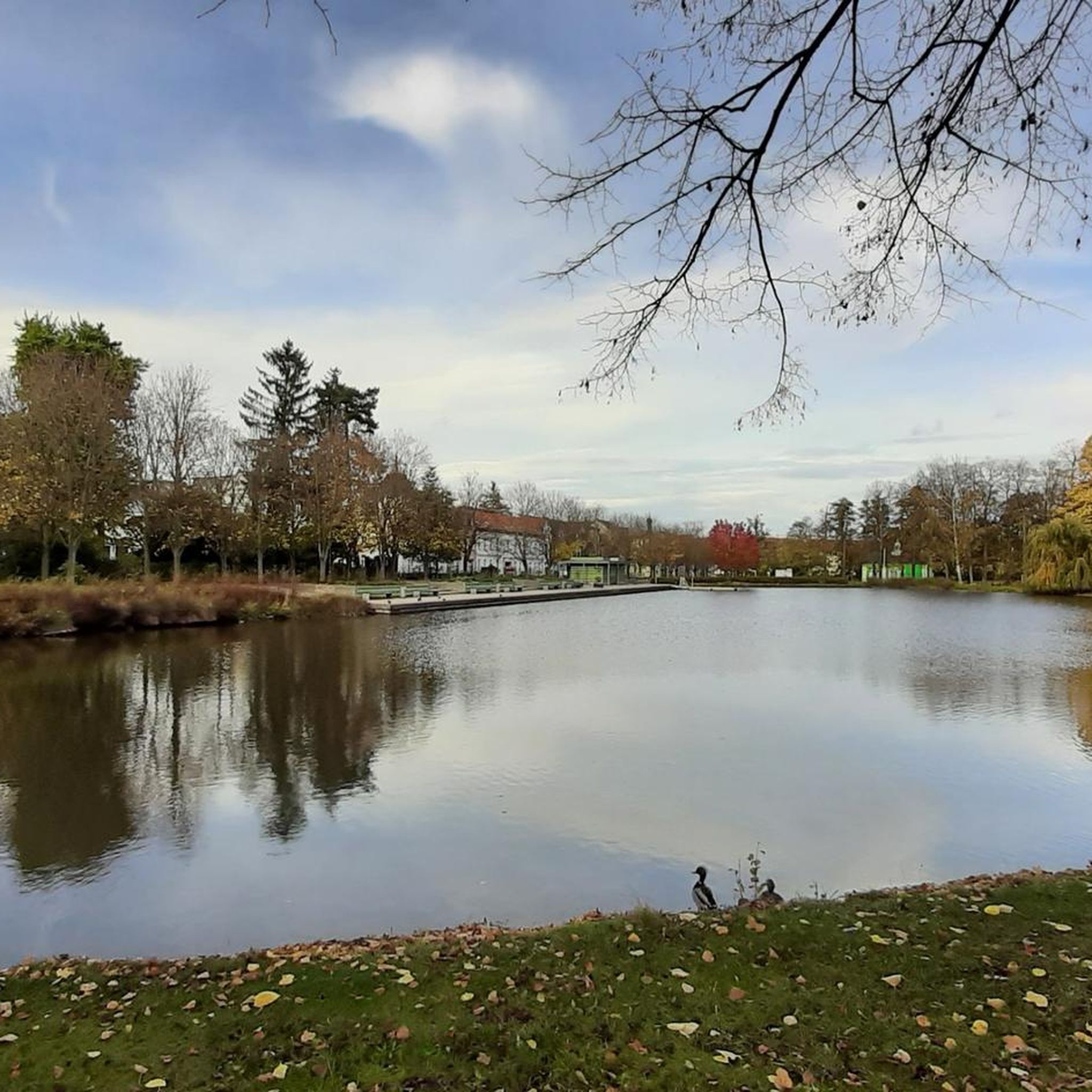
Park Cave, Weimar The Park Cave is an underground tunnel system in the park on the Ilm. It is located twelve meters below the ground between the steep slope to the Ilm and Belvederer Allee. A staircase near the Liszt House leads down to the tunnel, which ends at the so-called "needle's eye", an artificially created rock gate on the Ilm. History The Park Cave owes its existence to Duke Carl August's desire for his own brewery. Between 1794 and 1796, a tunnel around 500 meters long was built in the park on the Ilm to drain the process water of the planned brewery. After the plan to build a brewery was abandoned, the tunnel was used for sand and gravel mining between 1797 and 1815. A complex system of passageways and tunnels was created. Towards the end of the Second World War, part of the complex was converted into a bunker. This area now houses the Park Cave Museum. Permanent exhibition: Park Cave Experience Through time and climate The permanent exhibition tells the story of the park cave: created in Goethe's time, unused for decades, converted into a shelter towards the end of World War II, it has been accessible again since 1997, interrupted by a pandemic and a comprehensive renovation. Text / Source: Weimar GmbH, Tourist Information Weimar, Markt 4, Weimar https://www.weimar.de/kultur/sehenswuerdigkeiten/museen-in-weimar/erlebnis-parkhoehle/
13
0


A little off the beaten track, but refreshing and interesting, especially in summer.
1
1

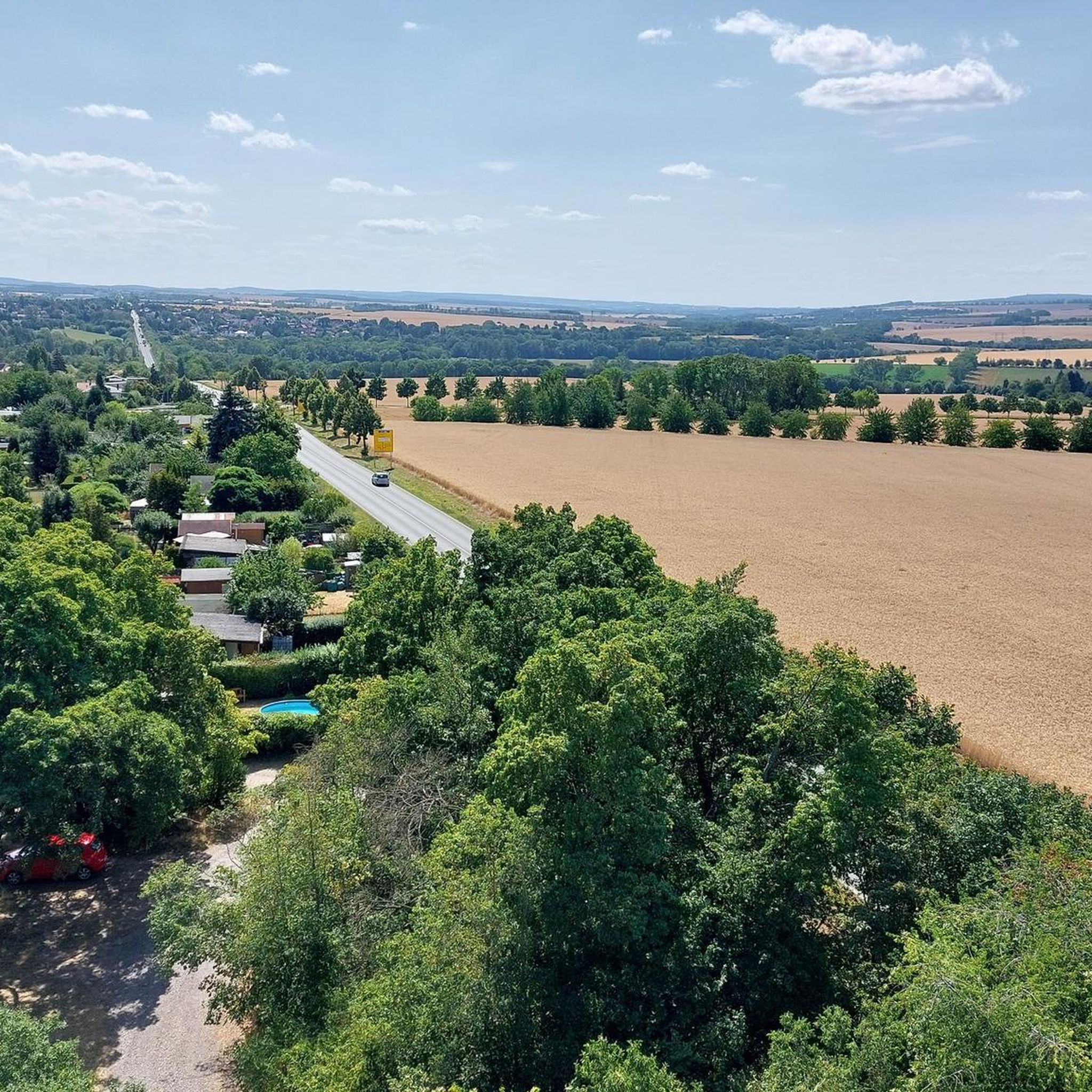
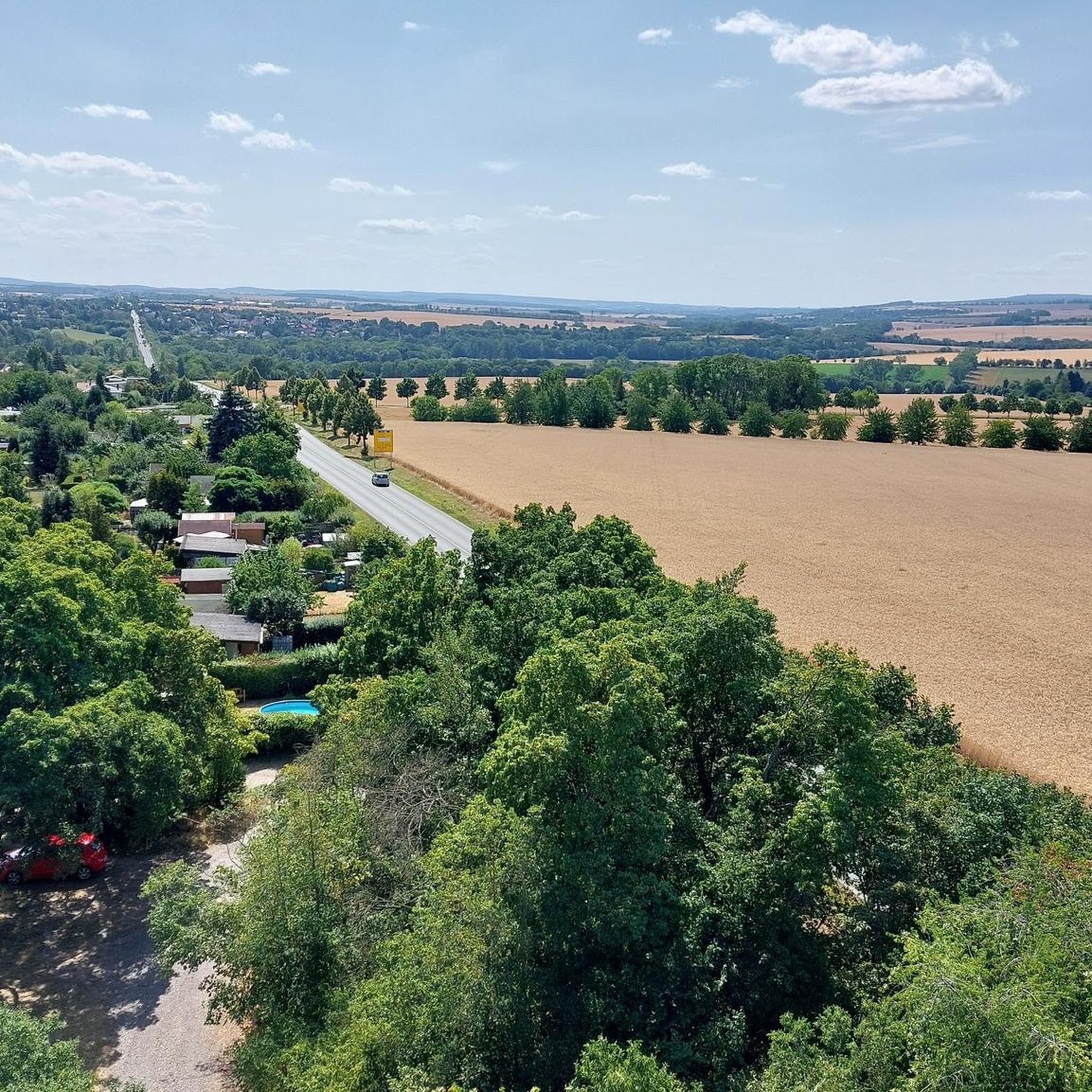
The path from Camburg to Tümpling becomes very narrow at one point; On the left, the slope covered with dense bushes falls almost vertically down to the Saale and on the right, limestone cliffs rise steeply. At this place you pass a cave carved into the rock, the Klause, also called Klausloch, from Romanesque times. The visitor has to climb some steps cut into the rock to reach the cave, which is divided into two rooms. The front room with a still recognizable altar niche was apparently used as a chapel by the hermit who lived here in the early Middle Ages. The rear room probably served as a living room. Source:https://dornburg-camburg.de/ortschaften/camburg/die-klause/
0
0
Frequently Asked Questions
What are the most notable caves directly around Apolda?
While Apolda itself is known more for cultural attractions, there are several interesting underground features nearby. These include the Park Cave and the Nadelöhr in the Park on the Ilm, featuring a natural bridge and views of Goethe's garden house. You can also explore the Klausloch Cave, a mini cave to climb into, and the Klausloch Cave on the Saale, known for its shell limestone rocks and historical hermit's dwelling.
Are there any significant show caves in the broader Thuringia region?
Yes, the broader Thuringia region offers several impressive show caves. The Saalfeld Fairy Grottoes (Feengrotten) are renowned as the 'most colorful cave in the world,' transformed from former slate mines into a spectacle of mineral formations. Another significant site is the Marienglashöhle Friedrichroda, a show cave known for one of Europe's largest gypsum crystal druses and its historical mining activities.
What kind of natural features can I expect to see in the caves around Apolda?
The caves around Apolda and in the wider Thuringia region offer diverse natural features. For instance, the Park Cave and the Nadelöhr in the Park on the Ilm features a natural bridge. The Klausloch Caves are set amidst imposing shell limestone rocks along the Saale. Further afield, the Karsthöhle Dienstedt showcases impressive erosional forms from ancient river activity, while the Saalfeld Fairy Grottoes are famous for their vibrant mineral deposits.
Are there historical sites or hermitages associated with caves in the area?
Yes, the region has a rich history connected to its caves. The Klausloch Cave on the Saale was historically home to a hermit who created a small chapel and living quarters within it. Similarly, the Hermitage of Hans Weichberger is a historical site where a hermit lived for decades. The Marienglashöhle Friedrichroda also has a history of gypsum and copper mining, with its gypsum historically used in churches and monasteries.
Are there family-friendly caves to visit near Apolda?
Many of the caves and grottoes in the region are suitable for families. The Park Cave and the Nadelöhr in the Park on the Ilm is considered family-friendly, as is the Klausloch Cave on the Saale. The Sphinx Grotto at the Leutra Spring is also a family-friendly spot. For a larger experience, the Saalfeld Fairy Grottoes offer guided tours that are generally engaging for all ages.
What outdoor activities can I do near these caves?
The area around Apolda offers various outdoor activities. You can find numerous hiking trails, such as those listed in the Hiking around Apolda guide, including easy routes like the 'Wasserburg Niederroßla – Ilm Bridge in Niederroßla loop'. Cycling is also popular, with routes like the 'Kurpark Bad Sulza – Louise Graduation Tower loop' available in the Cycling around Apolda guide. For gravel biking, explore options like the 'Leutra Valley – Forest Descent Towards Jena loop' from the Gravel biking around Apolda guide.
What is the best time to visit the caves in Thuringia?
The best time to visit depends on the specific cave. For example, the Karsthöhle Dienstedt is typically open from May to September. Many show caves, like the Saalfeld Fairy Grottoes and Marienglashöhle Friedrichroda, are open year-round or have extended seasons, but it's always advisable to check their official websites for current operating hours, especially outside peak summer months.
Are there guided tours available for any of the caves?
Yes, guided tours are available for several caves in the region. The Karsthöhle Dienstedt offers guided tours lasting approximately 40 minutes. Both the Saalfeld Fairy Grottoes and the Marienglashöhle Friedrichroda are show caves that provide guided tours, offering insights into their unique formations and history.
What should I wear when visiting caves in the Apolda region?
Cave temperatures are generally cool and constant, regardless of the outside weather. It's recommended to wear comfortable walking shoes with good grip, as surfaces can be uneven or damp. A light jacket or sweater is advisable, even in summer, to stay comfortable inside the caves. For some smaller, climbable caves like Klausloch Cave, a flashlight might be useful.
What do visitors enjoy most about the caves and grottoes around Apolda?
Visitors appreciate the unique blend of natural beauty and historical significance. The community has shared over 180 photos and given more than 590 upvotes for these sites. Highlights like the Park Cave and the Nadelöhr in the Park on the Ilm are loved for their scenic views and natural formations, while the Klausloch Caves are enjoyed for their adventurous, climbable nature and historical context.
Is the Marienglashöhle Friedrichroda accessible, and what makes it unique?
The Marienglashöhle Friedrichroda is a well-known show cave in the Thuringian Forest. It's unique for combining natural caverns with historical gypsum and copper mining cavities. It's particularly famous for housing one of Europe's largest gypsum crystal druses, discovered in 1784. For specific accessibility information, it's best to check their official website.
Are there any caves near Apolda that are dog-friendly?
The Klausloch Cave on the Saale is listed as dog-friendly, making it a good option if you're exploring with your canine companion. For other caves, especially show caves, it's always best to check their specific pet policies in advance.
Most popular routes around Apolda
Most popular attractions around Apolda

Get inspired with the komoot mobile app


Explore more
Extend your search for the best caves by checking out these guides of the top ones around Apolda:
