Top 5 Caves around Großbettlingen
Best caves around Großbettlingen are found within the wider Swabian Alb region, a municipality nestled in the foothills of this geologically significant area. This karst landscape is renowned for its numerous caves, formed by the erosion of limestone. While Großbettlingen does not have notable caves directly within its town limits, the surrounding Swabian Alb offers diverse underground experiences. The region is known for its geological formations and historical significance.
Best caves around Großbettlingen
- The most popular caves is Barnberg Cave…
Last updated: June 27, 2026
Barnberg Cave
Highlight • Cave
Translated by Google •
Tip by

Bauerloch Cave
Highlight • Cave
Showing Translation
Tip by

Sign up now to discover places like this
Get recommendations on the best single tracks, peaks, & plenty of other exciting outdoor places.
Sign up for free
Gönninger's Cave
Highlight • Cave
Translated by Google •
Tip by

Descent to the Höllenlöcher
Highlight • Cave
Translated by Google •
Tip by

Bärnberghöhle Cave and Switchbacks
Highlight (Segment) • Cave
Showing Translation
Tip by
Start today with a free account
Your next adventure awaits.
Login or Signup
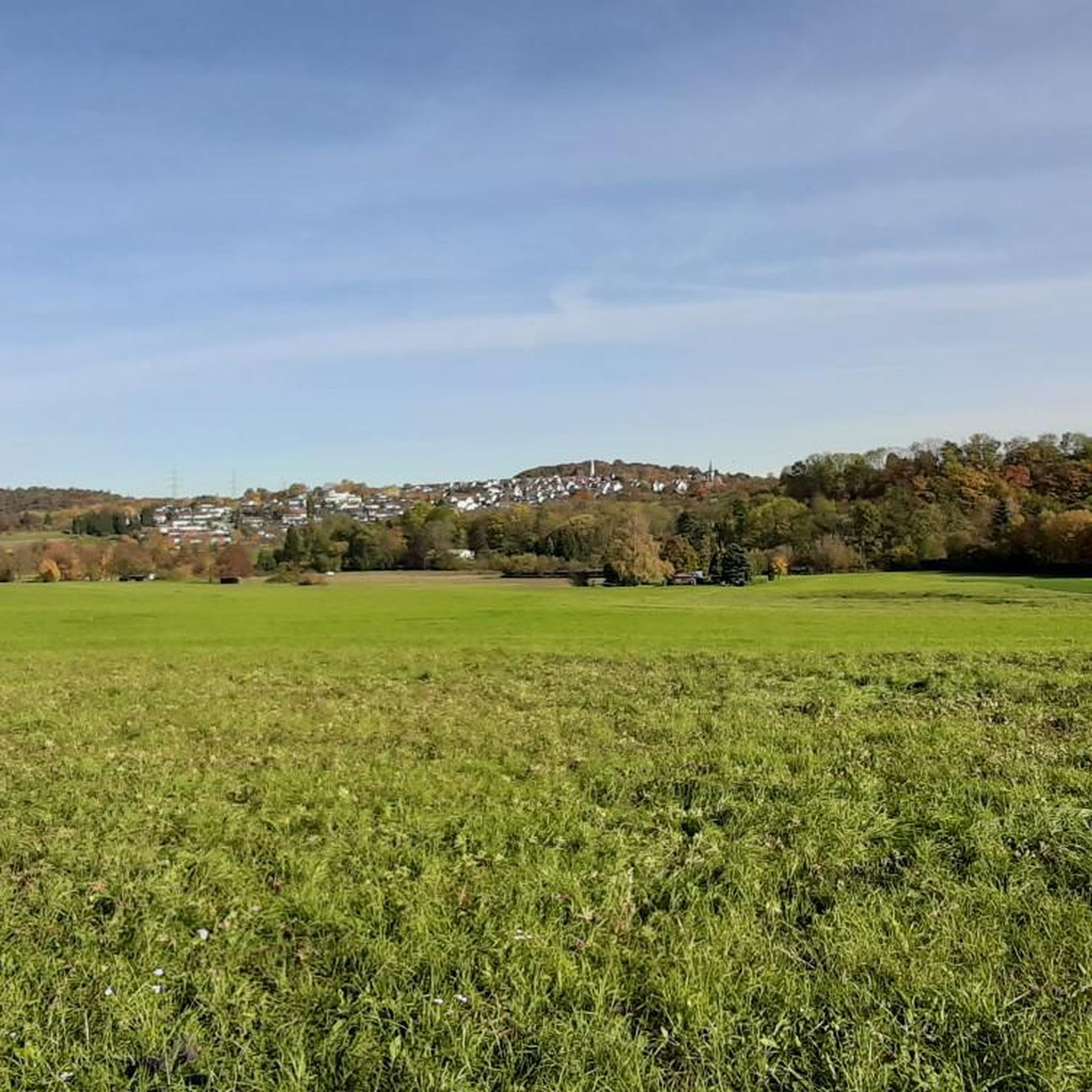
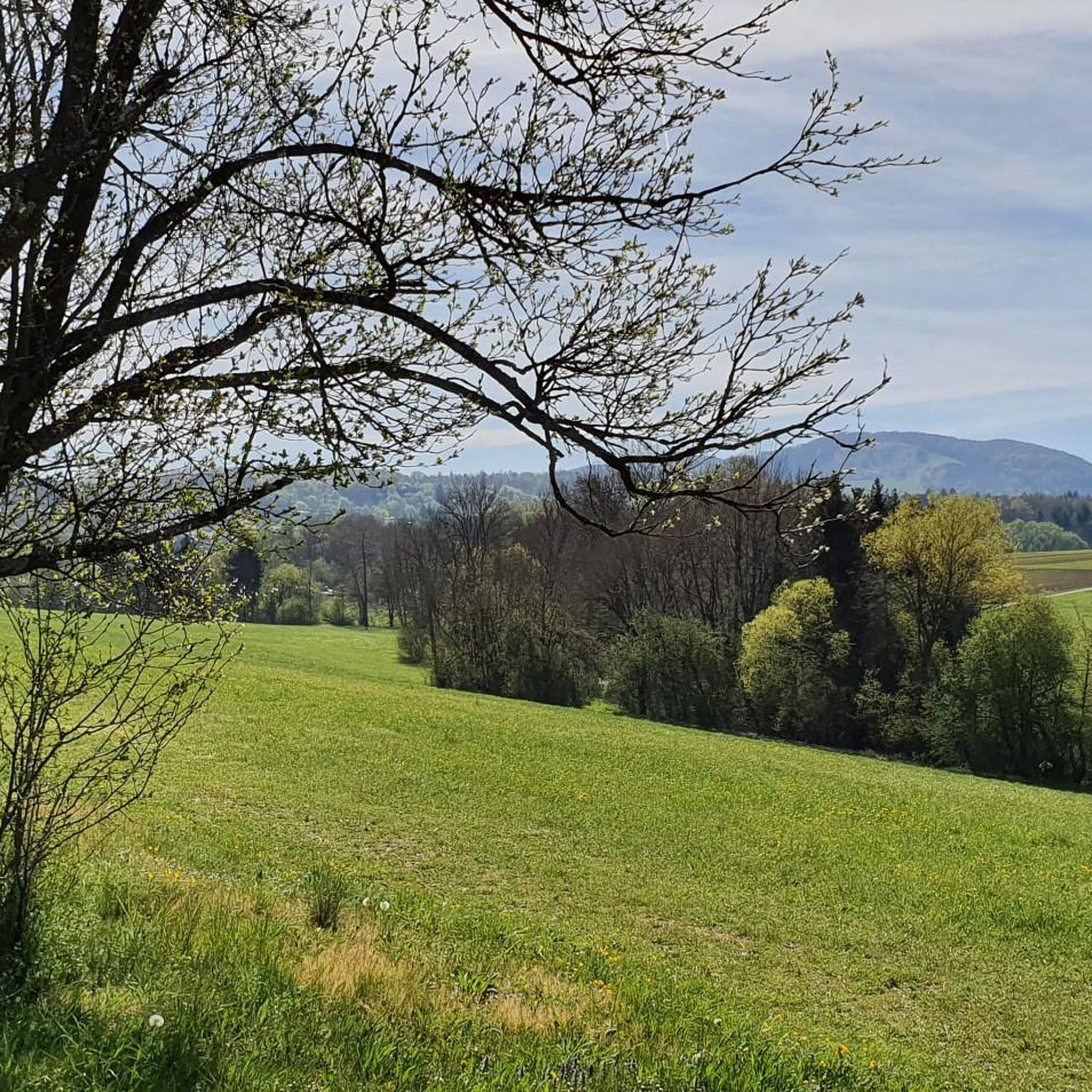

Tips from the Community

The Steinach normally flows out of this cave. But at the moment there is hardly any water in it. Further back, however, you need rubber boots to penetrate deeper into the cave. The entrance is closed with an iron gate during the cold season to avoid disturbing the bats.
11
0
With a good flashlight, the dry cave can be explored well. It is approx. 46m long and only at the end do you have to crouch.
10
0

Hell holes in the upper eaves area near Dettingen an der Erms - Tear-off gorges up to 100 m long - Rock pillars - LKR. Reutlingen
0
0

Very exciting section, really impressive and especially exciting for children to hike through.
0
0

Ladders take you down and back up again.
0
0

To reach the cave, you have to walk a sloping, sometimes somewhat steep path, which is only relatively safe in good weather. The entrance to the cave is secured, but entering it would have been possible without any problems during the summer months.
5
0

Beautiful hairpin bend descent directly at the cave.
0
0
Gönninger's Cave (Gönningershöhle) - shaft cave - 68 m long and 21 m deep Gönninger's Cave - Dettingen an der Erms - LKR. Reutlingen
0
0
Frequently Asked Questions
Are there caves directly within Großbettlingen?
Großbettlingen itself does not have notable caves directly within its town limits. However, the wider Swabian Alb region, where Großbettlingen is located, is renowned for its numerous and geologically significant caves.
What kind of geological features can I expect in the caves around Großbettlingen?
The Swabian Alb is a karst landscape, meaning its caves are formed by the erosion of limestone. You can expect to see impressive dripstone formations like stalactites and stalagmites, deep rock fissures, and in some cases, active underground rivers. Many caves also feature unique cave clay and evidence of ancient geological processes.
Which caves are good for families with children?
The Barnberg Cave is a spacious, dry karst cave that can be explored. For a more developed experience, the Bärenhöhle (Bear Cave) near Sonnenbühl is very family-friendly, offering accessible, illuminated paths and displays of prehistoric cave bear remains. It's often combined with the adjacent "Traumland" amusement park.
Are there any caves with historical or archaeological significance?
Yes, several caves in the wider Swabian Alb region are UNESCO World Heritage Sites due to their archaeological importance. The Vogelherdhöhle is famous for some of the oldest figurative artworks, including mammoth ivory figurines. The Hohlenstein Cave (containing Hohlenstein-Stadel) is where the "Lion Man" figurine was found, and Bockstein Cave is an ancient Neanderthal settlement. The Barnberg Cave also served as a habitation for Stone Age people.
What are the accessibility considerations for caves in the region?
Some show caves like Bärenhöhle and Nebelhöhle are well-developed with illuminated paths, making them generally accessible, though they may involve steps. Wild caves like Bauerloch Cave or Gönninger's Cave often require flashlights, sturdy footwear, and navigating uneven or sloping terrain. The Falkensteiner Höhle is an active water cave, requiring special equipment and guides for most of its length.
What should I wear when visiting the caves?
Caves maintain a consistent cool temperature, typically around 8-10°C (46-50°F), even in summer. It's advisable to wear warm layers and sturdy, closed-toe shoes with good grip, as paths can be damp or uneven. For undeveloped caves, a headlamp or powerful flashlight is essential.
Can I visit the caves in winter?
Some caves, particularly those that serve as bat habitats, may have restricted access during winter (typically October 1 to March 31) to protect the animals. For example, entering the Barnberg Cave is prohibited during this period. However, some show caves might remain open, so it's best to check specific opening hours before your visit. Visiting caves like Bauerloch Cave in winter when trees are bare can offer clearer views of the rock formations, provided there's no snow making the climb dangerous.
Are there any dog-friendly caves or trails near them?
While many developed show caves do not permit dogs inside for safety and preservation reasons, the surrounding natural areas and hiking trails are often dog-friendly. For instance, the Falkensteiner Höhle has a scenic valley for hiking. Always check specific cave regulations regarding pets. For dog-friendly hiking trails around Großbettlingen, you can explore options in the Hiking around Großbettlingen guide.
What outdoor activities can I combine with a cave visit?
The Swabian Alb region offers excellent opportunities for hiking and cycling. You can find numerous trails that pass by or lead to caves. For example, the Bärnberghöhle Cave and Switchbacks highlight is part of a challenging trail. Explore various routes in the Hiking around Großbettlingen, Road Cycling Routes around Großbettlingen, or Running Trails around Großbettlingen guides.
How long does it typically take to explore a cave?
The duration varies greatly depending on the cave. Developed show caves like Bärenhöhle or Nebelhöhle might take 30 minutes to an hour for a guided tour or self-exploration of the accessible sections. Undeveloped caves like Barnberg Cave can be explored more quickly, but the overall experience might include a hike to reach them. For active water caves like Falkensteiner Höhle, guided caving tours can last several hours.
Are there any 'hidden gem' caves that are less known but worth visiting?
While the major show caves are popular, the Swabian Alb is rich with smaller, less-developed caves. Bauerloch Cave and Gönninger's Cave are natural monuments that offer a more rugged exploration experience. These often require a flashlight and a sense of adventure, providing a glimpse into the region's raw geological beauty away from the crowds.
What makes the Swabian Alb region so rich in caves?
The Swabian Alb is a prime example of a karst landscape, characterized by soluble limestone bedrock. Over millions of years, rainwater, slightly acidic from absorbing carbon dioxide, has dissolved the limestone, creating an extensive network of underground channels, fissures, and large cave systems. This ongoing geological process makes it one of the most cave-rich areas globally.
Most popular routes around Großbettlingen
Most popular attractions around Großbettlingen

Get inspired with the komoot mobile app


Explore more
Extend your search for the best caves by checking out these guides of the top ones around Großbettlingen:
