Top 15 Caves around Eschenbach
Best caves around Eschenbach are found in a region characterized by diverse natural landscapes, including significant karst formations. This area offers various geological features, from accessible cave entrances to more challenging underground systems. The presence of numerous caves contributes to the region's natural appeal, providing opportunities for exploration and discovery.
Best caves around Eschenbach
- The most popular caves is Autal Waterfall, a waterfall and cave system where the Autalbach river originates. The associated Brunnensteigh cave has a total length…
Last updated: September 30, 2026
Autal Waterfall
Highlight • Waterfall
Translated by Google •
Tip by

Brunnensteighöhle
Highlight • Cave
Translated by Google •
Tip by

Sign up now to discover places like this
Get recommendations on the best single tracks, peaks, & plenty of other exciting outdoor places.
Todsburger Schacht Cave Entrance
Highlight • Cave
The entry into the deep darkness can still be …
Translated by Google •
Tip by

Oberes Rabenloch Cave
Highlight • Cave
Translated by Google •
Tip by

Klepperfels
Highlight • Natural Monument
Translated by Google •
Tip by
Sign up for free to discover even more caves around Eschenbach.
Already have an account?
Start today with a free account
Your next adventure awaits.

Tips from the Community

Information about the shaft, including interior shots, can be found here: https://www.68erclimbers.de/Hoehlenbefahrung/TodsburgerSchacht/TodsburgerSchacht.html
1
0

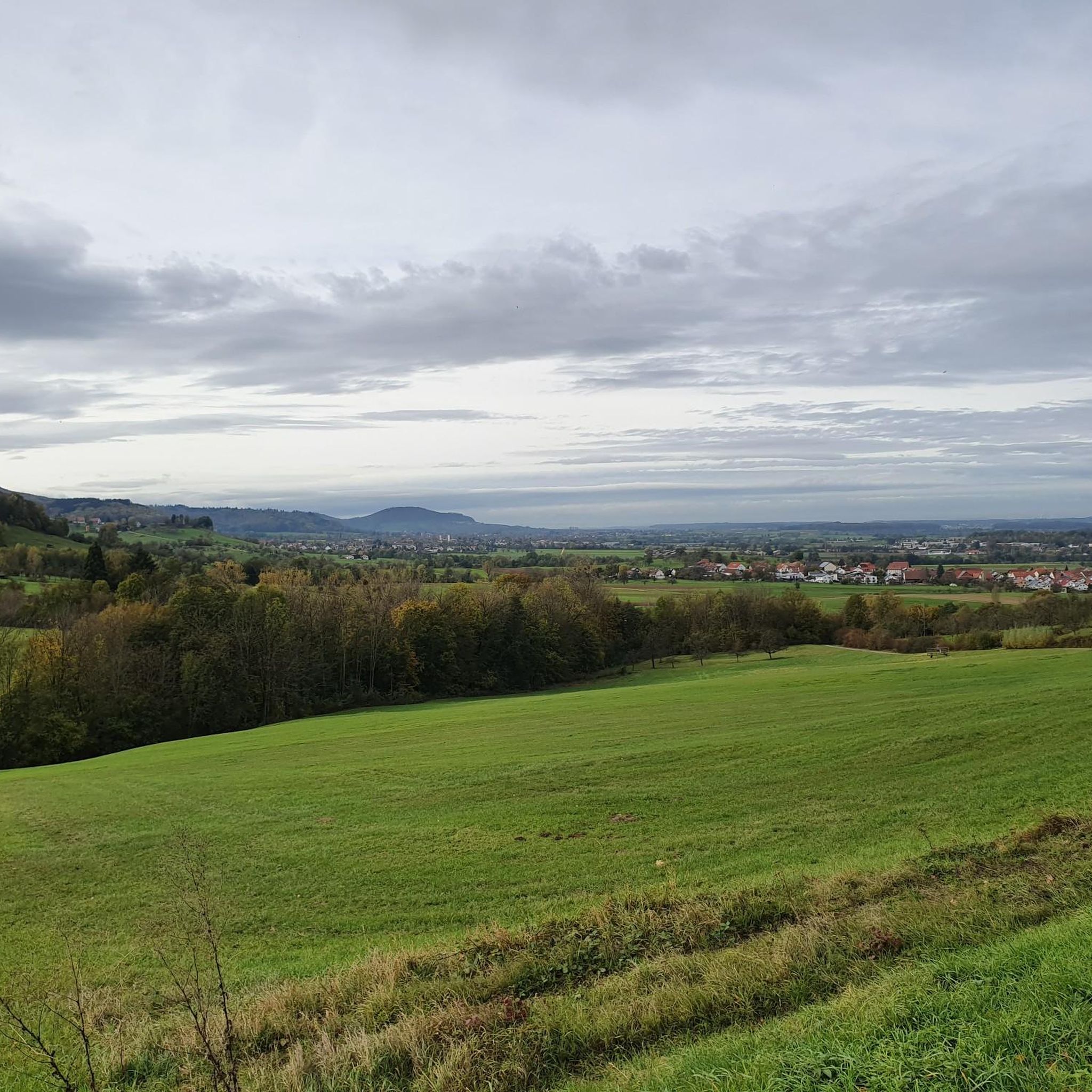
Beautifully situated on the Albtrauf
0
0
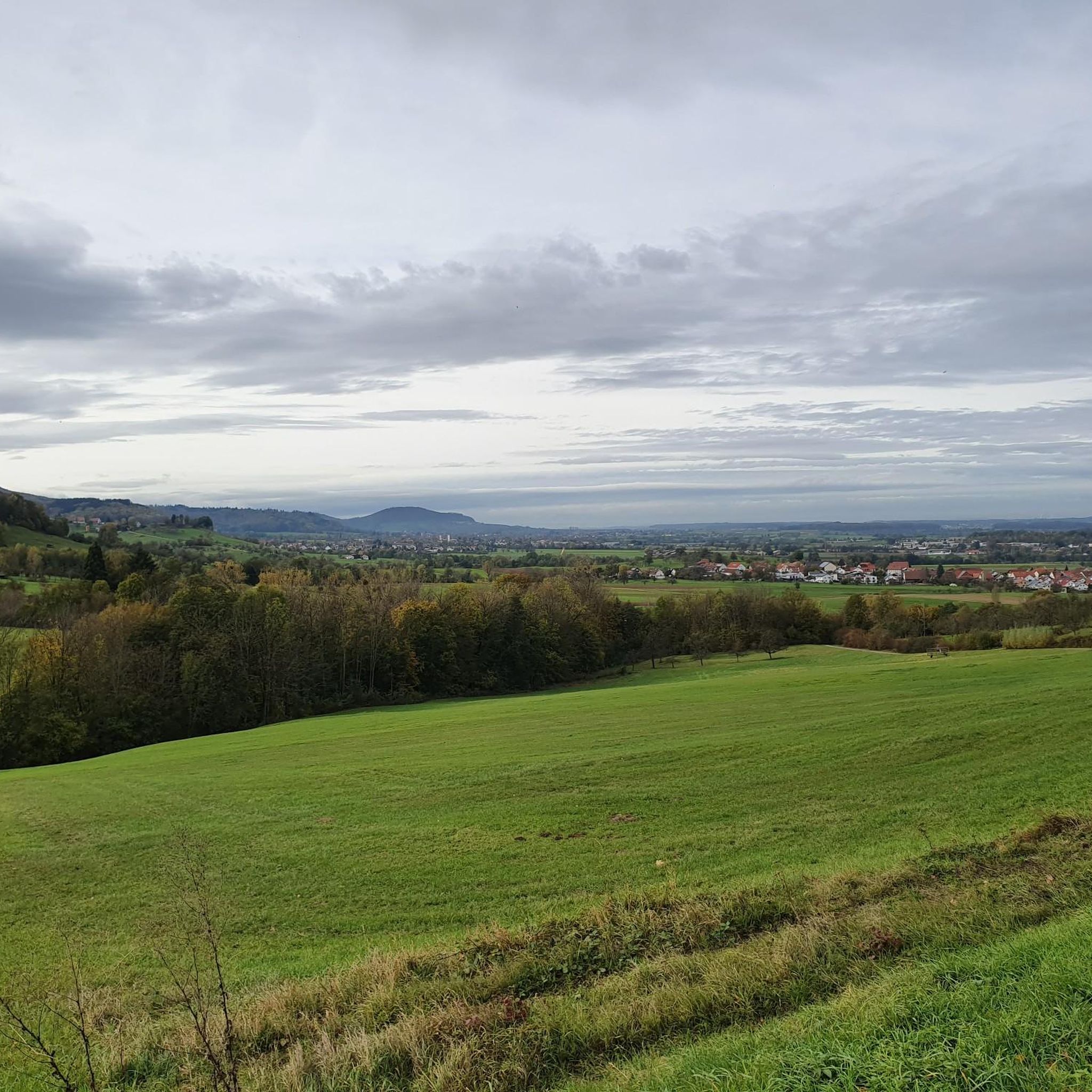
A striking rock on the Albtrauf without a view
1
0

From the path along the eaves, an inconspicuous, rather adventurous path leads down to the cave. After entering through the cave's very shallow portal, the path descends several meters to the floor of a dome-like hall. The play of colors on the walls is wonderful. Don't forget your flashlight, and of course, don't leave anything behind in the cave.
0
0

You just have to get off the path and get back on again 😉
1
0

From the path on the eaves, an inconspicuous path branches steeply and laboriously down to the cave. The flat entrance to the Oberer Rabenloch falls diagonally downwards, then you have to climb down 2m and reach the cauldron-like hall. Dangerous access!
1
0

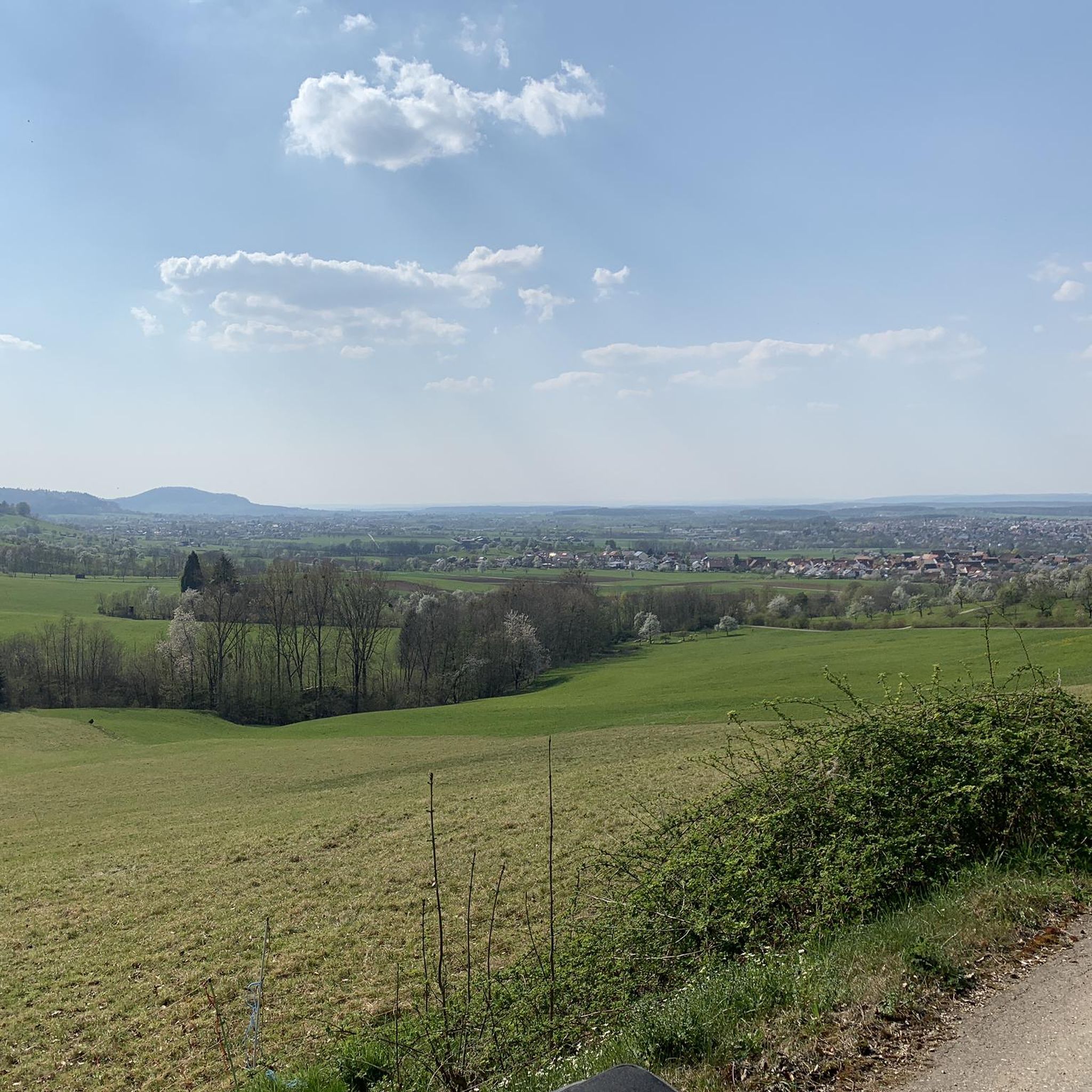
Interesting spot in the forest without a good view
1
0
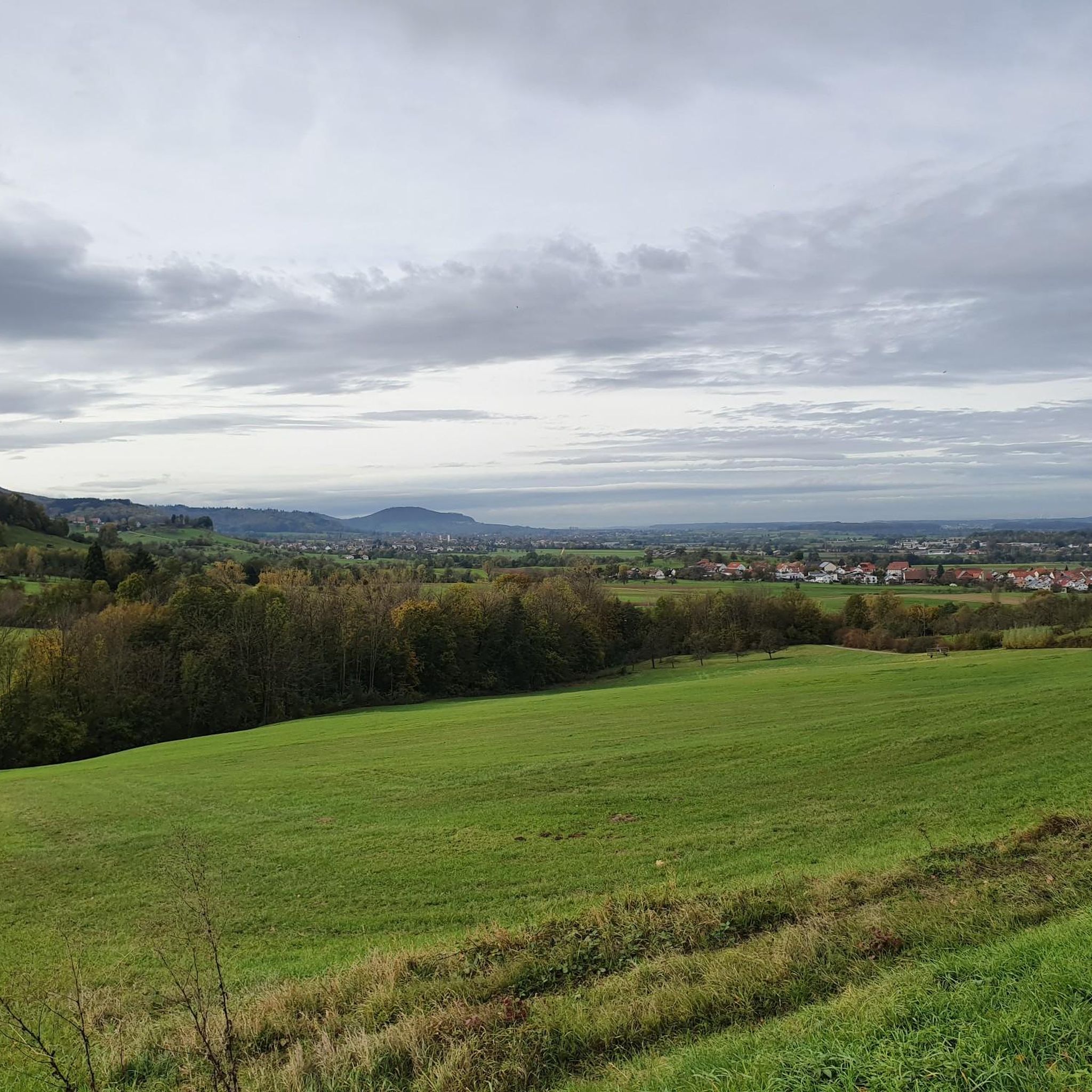
Rock right on the edge of the forest with no special view.
1
0
Frequently Asked Questions
What are the most popular caves to explore around Eschenbach?
The most popular caves in the area include Autal Waterfall, which features a cave system where the Autalbach river originates, and Brunnensteighöhle, known for its accessible initial section. Visitors also frequently explore Oberes Rabenloch Cave, located close to a hiking trail.
Are there any family-friendly caves near Eschenbach?
Yes, for a family-friendly experience, consider the Autal Waterfall area. While the Brunnensteigh cave section requires some caution due to narrow and low parts, the entrance area is generally accessible. For a more developed experience, the Bärenhöhle (Bears' Cave) and Karlshöhle (Charles' Cave) in the Swabian Alb offer illuminated guided tours suitable for families, though they are closed from November to March for bat hibernation.
What kind of natural features can I expect to see in the caves around Eschenbach?
The caves around Eschenbach, particularly those in the Swabian Alb, are known for impressive karst formations. You can expect to see stalactites and stalagmites, underground rivers, and unique geological structures. For instance, the König-Otto-Tropfsteinhöhle in Bavaria is celebrated for its beautiful dripstone formations, and the Teufelshöhle near Pottenstein features ancient stalactites like 'The Tree' and 'Giant Goliath'.
What is the best time of year to visit the caves?
Many show caves, like the Bärenhöhle and Karlshöhle, are closed during the colder months (November to March) for bat hibernation. For natural cave entrances like Autal Waterfall and Brunnensteighöhle, spring and summer offer more pleasant weather for exploration. Be aware that trails leading to caves, such as the Brunnensteig Trail, can be very slippery in autumn and winter due to damp conditions.
Are there any caves for experienced cavers or those seeking a challenge?
Absolutely. The Todsburger Schacht Cave Entrance is a challenging option, typically locked and requiring a key (available April-September) and single-rope technique for its vertical entrance. Beyond the initial 130 meters, Brunnensteighöhle is also only suitable for experienced cave divers with appropriate equipment. The Falkensteiner Höhle in the Swabian Alb, with over 4 kilometers of corridors, is another option strictly for experienced cavers.
What should I wear when exploring caves around Eschenbach?
Even in summer, cave interiors maintain a cool, constant temperature, so it's advisable to wear layers. Sturdy, waterproof footwear with good grip is essential, especially for natural caves where paths can be steep, slippery, and earthy, as noted for Oberes Rabenloch Cave and the Brunnensteig Trail. A headlamp or flashlight is also highly recommended for unlit sections.
What outdoor activities can I do near the caves around Eschenbach?
The region around Eschenbach offers a variety of outdoor activities. You can find numerous easy hikes, road cycling routes, and running trails. Many of these routes pass by or lead to cave entrances and natural attractions, allowing you to combine cave exploration with other activities like hiking along the Brunnensteig Trail.
Are there any historical or archaeological caves in the broader region?
While the immediate Eschenbach area focuses on natural karst caves, the broader region of Germany and Switzerland has caves with significant historical and archaeological value. For example, the Wildkirchli Caves in the Appenzell Alps and the Grotte de Cotencher in Neuchâtel, Switzerland, show evidence of Neanderthal presence dating back tens of thousands of years.
Do I need special equipment to visit the caves?
For accessible show caves, no special equipment is typically needed beyond comfortable clothing and sturdy shoes. However, for natural caves like Brunnensteighöhle, a flashlight is essential. For highly challenging caves such as Todsburger Schacht Cave Entrance or the deeper sections of Brunnensteighöhle, specialized caving gear, including single-rope technique knowledge and appropriate safety equipment, is required.
What do visitors enjoy most about the caves around Eschenbach?
Visitors particularly enjoy the natural beauty and the sense of discovery. Many appreciate the opportunity to relax by the sound of rushing water at places like Autal Waterfall, or the unique experience of exploring the initial, passable sections of caves like Brunnensteighöhle. The challenge and adventure of reaching more secluded spots, even if they involve steep or slippery climbs, are also highly valued.
Are there guided tours available for any of the caves?
Yes, for some of the more developed show caves in the broader region, such as the Bärenhöhle and Karlshöhle in the Swabian Alb, illuminated guided tours are available. These tours provide insights into the caves' geology and history. For natural caves like those directly around Eschenbach, self-guided exploration of the accessible sections is more common, though some require specific permits or keys for deeper access.
Can I bring my dog to the caves?
Policies on dogs vary significantly between caves. Developed show caves often have restrictions or do not allow dogs inside. For natural cave entrances and surrounding trails, such as the Brunnensteig Trail leading to Autal Waterfall, dogs are generally permitted on leash. Always check specific regulations for each location before visiting.
Most popular routes around Eschenbach
Most popular attractions around Eschenbach

Get inspired with the komoot mobile app


Explore more
Extend your search for the best caves by checking out these guides of the top ones around Eschenbach:
