Top 11 Caves around Ammerbuch
Best caves around Ammerbuch are found in a region characterized by its natural landscapes, including the Schönbuch Nature Park. The area features various hiking and cycling routes, alongside archaeological sites that hint at its geological history. While Ammerbuch itself does not host widely recognized prominent caves, the surrounding vicinity offers several notable subterranean formations. These natural features contribute to the region's appeal for outdoor activities and exploration.
Best caves around Ammerbuch
- The most popular caves is Seven Valleys Cave in…
Last updated: June 27, 2026
Seven Valleys Cave in the Katzenbach Valley
Highlight (Segment) • Cave
Translated by Google •
Tip by

Knaussen Cave
Highlight • Cave
Translated by Google •
Tip by

Sign up now to discover places like this
Get recommendations on the best single tracks, peaks, & plenty of other exciting outdoor places.
Sign up for free
Knauss Cave in Rommel Valley
Highlight • Cave
Translated by Google •
Tip by

Pommerlesloch Shaft Cave
Highlight • Cave
Translated by Google •
Tip by

Rommeltal Cave
Highlight (Segment) • Cave
Translated by Google •
Tip by

Sign up for free to discover even more caves around Ammerbuch.
Sign up for free
Already have an account?
Start today with a free account
Your next adventure awaits.
Login or Signup
Popular around Ammerbuch
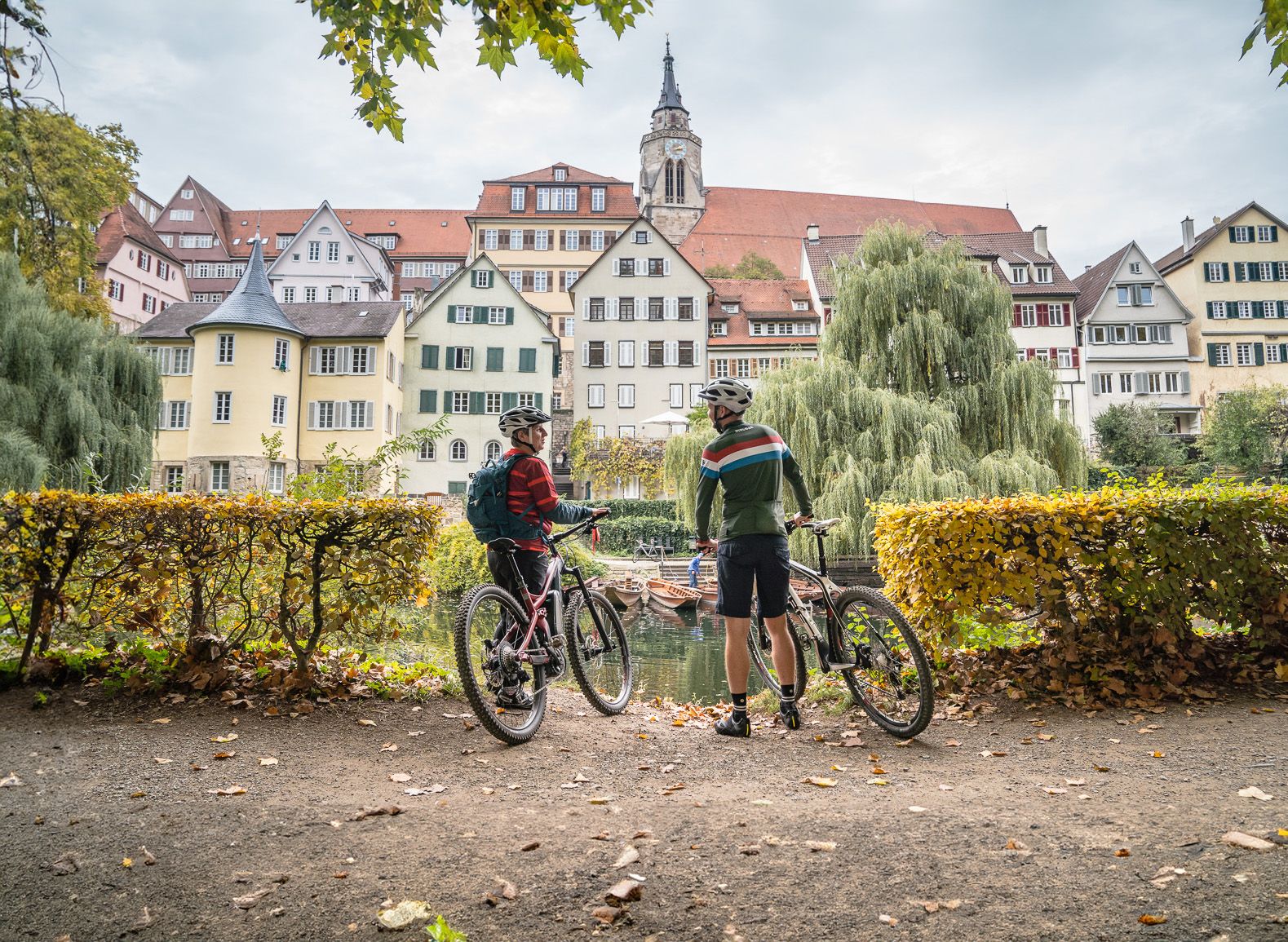
Discover the Früchtetrauf — cycle tours for the whole family
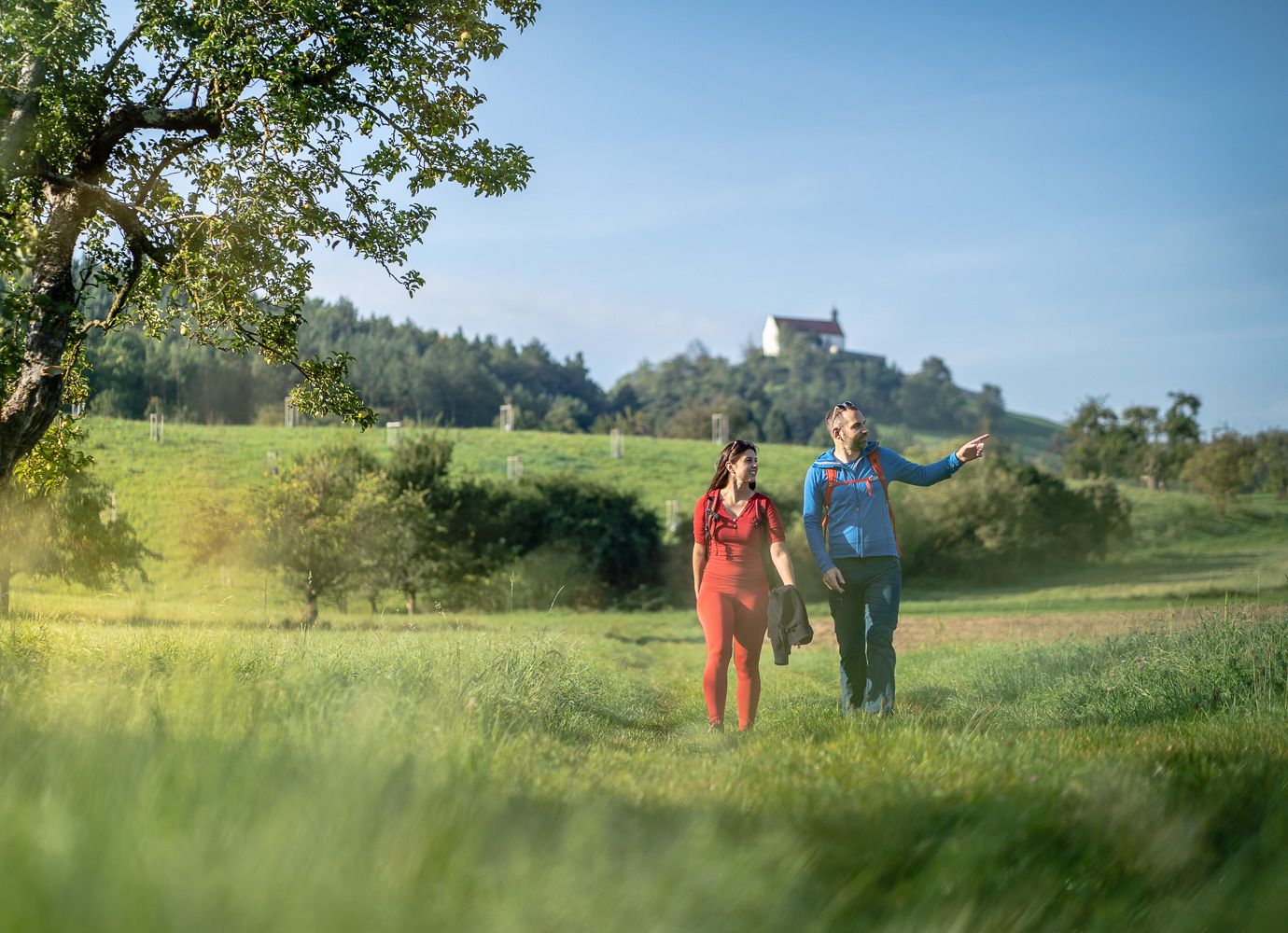
Absolutely premium – ten hikes on the Fruit Trail
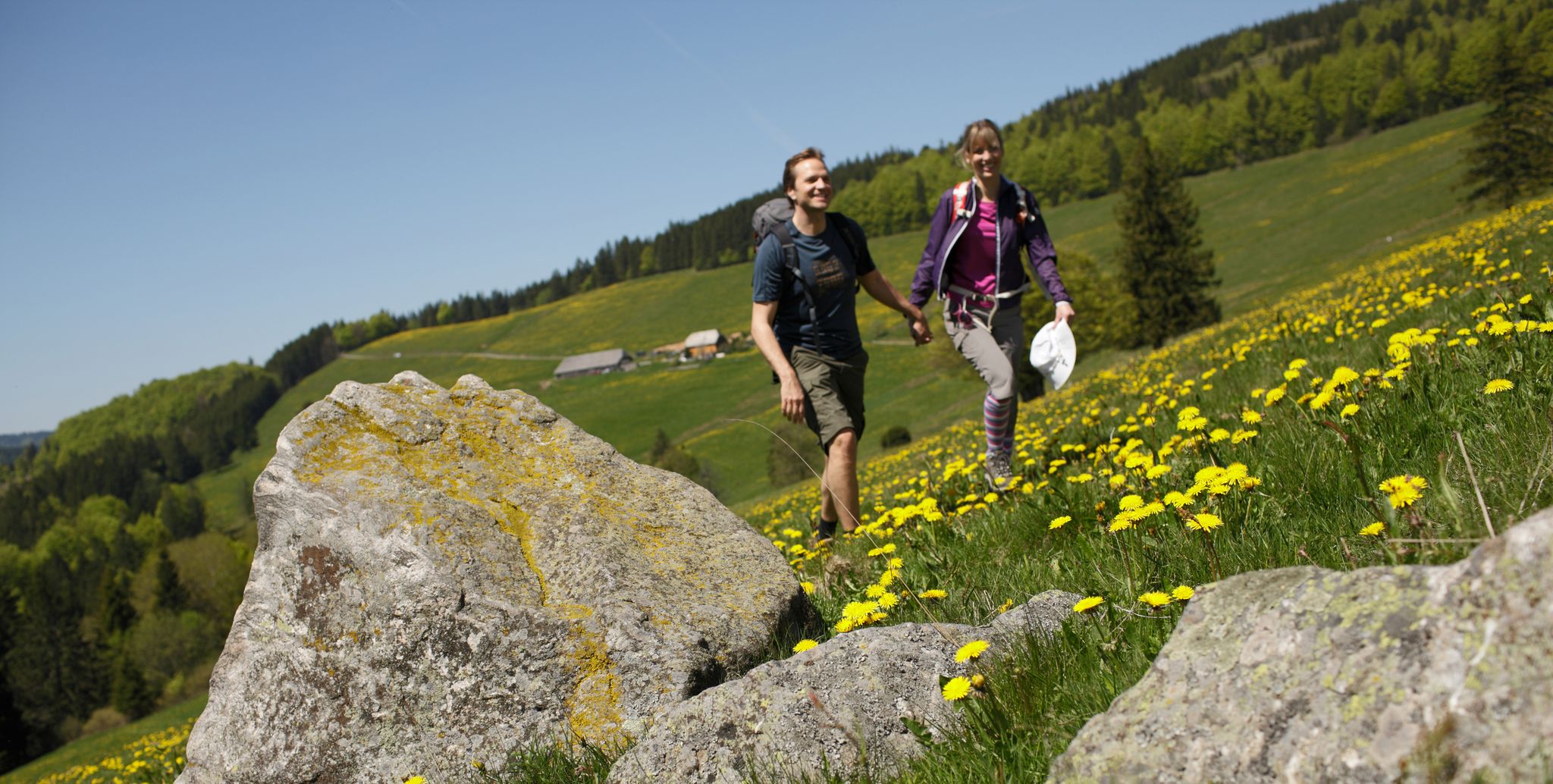
Spring in Germany’s Southwest – where hiking is best!
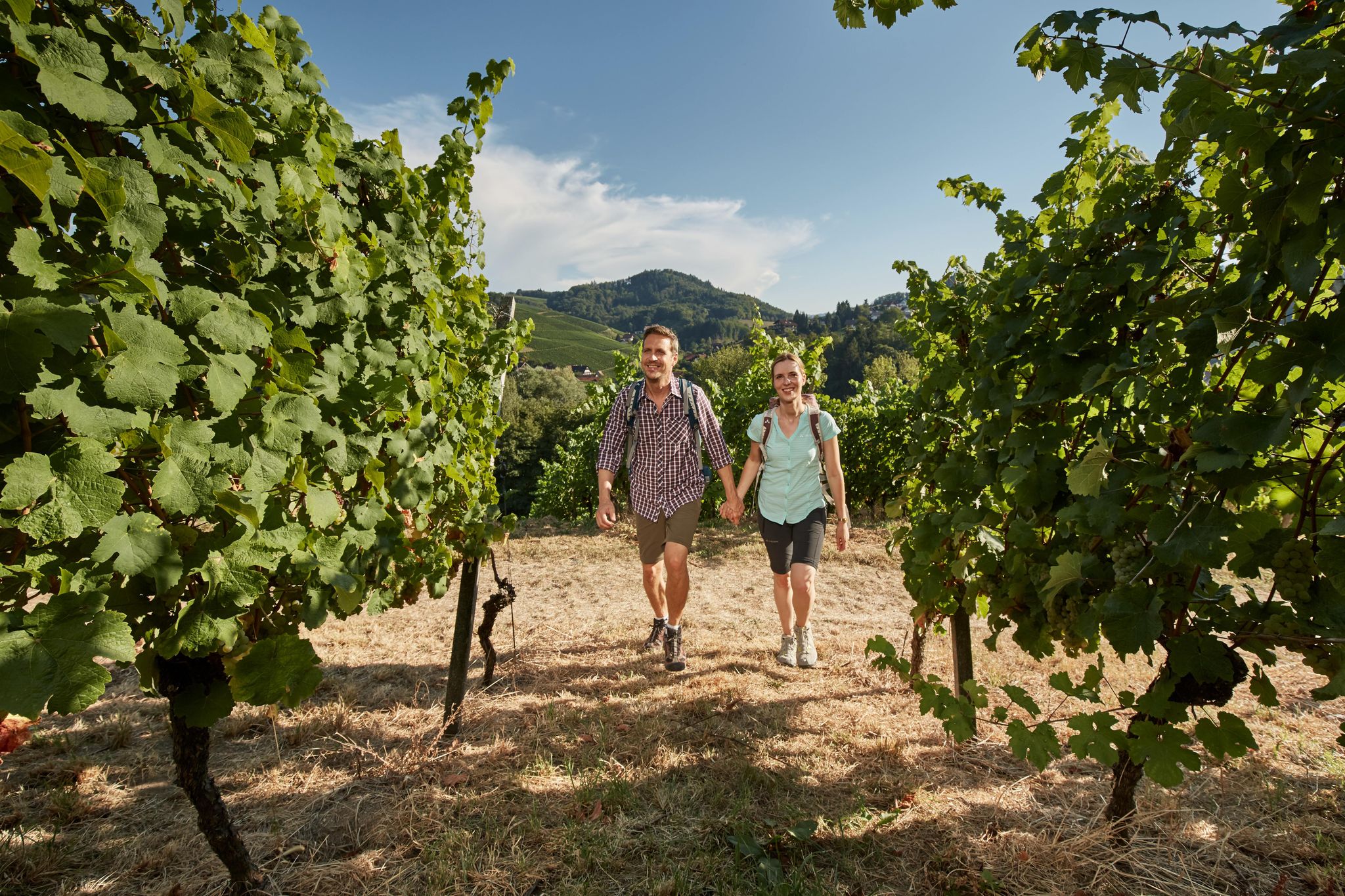
Foodie walks in southern Germany — hiking in Baden-Württemberg
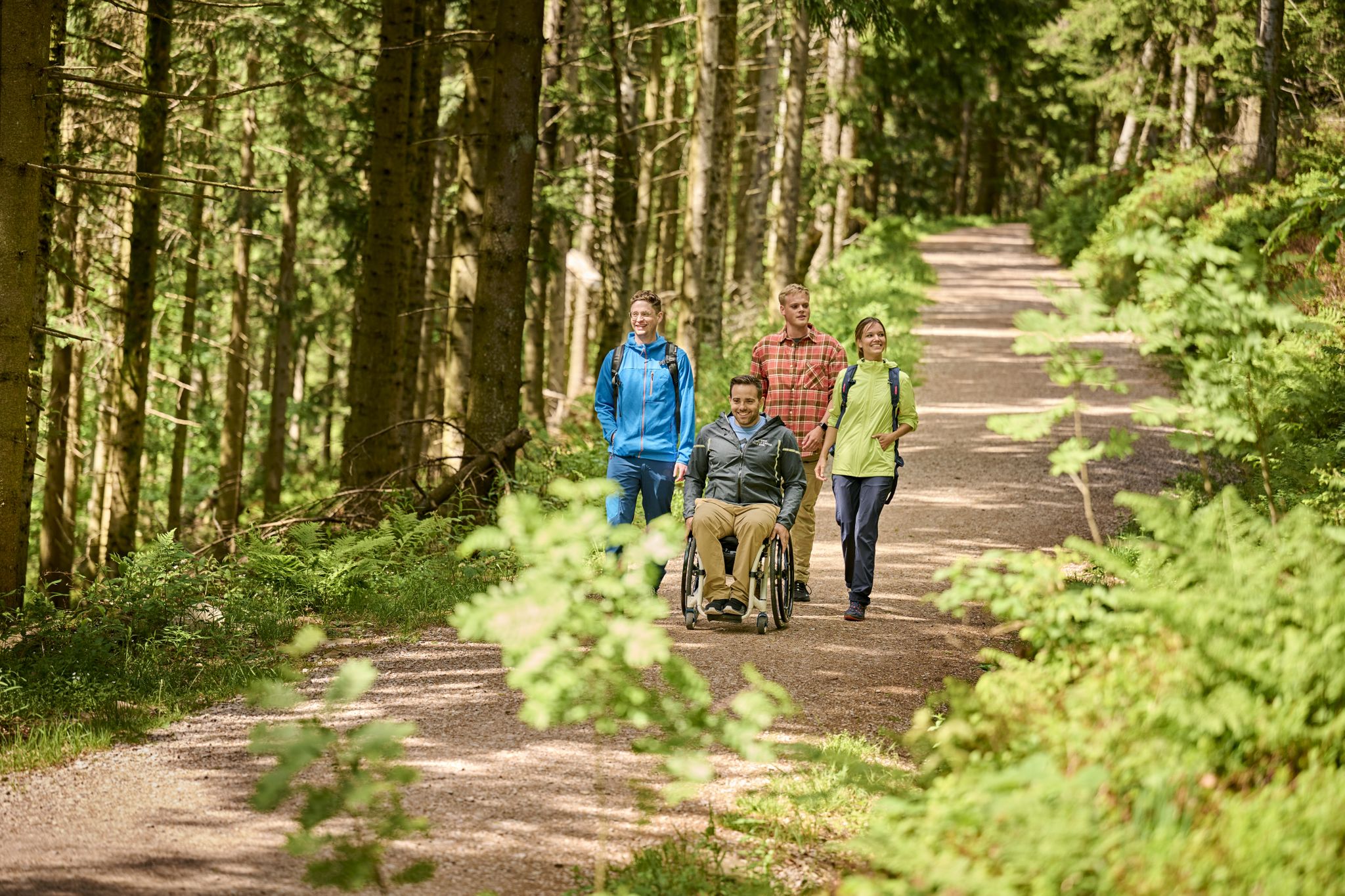
Accessible hiking routes in Baden-Württemberg

13 exciting themed bike Tours around Tübingen in Germany
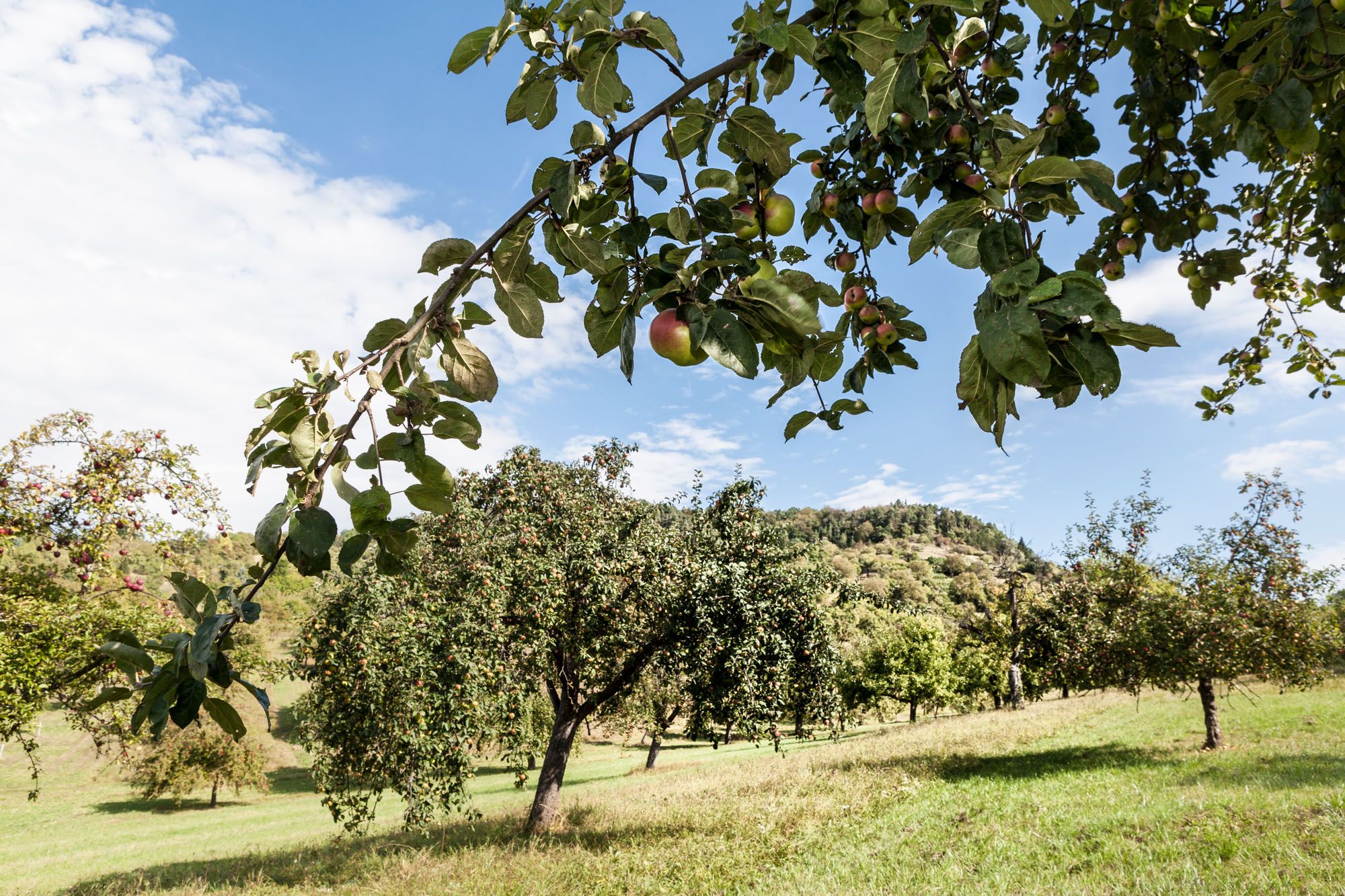
Premium hiking trail along the Früchtetrauf – Swabian Alb
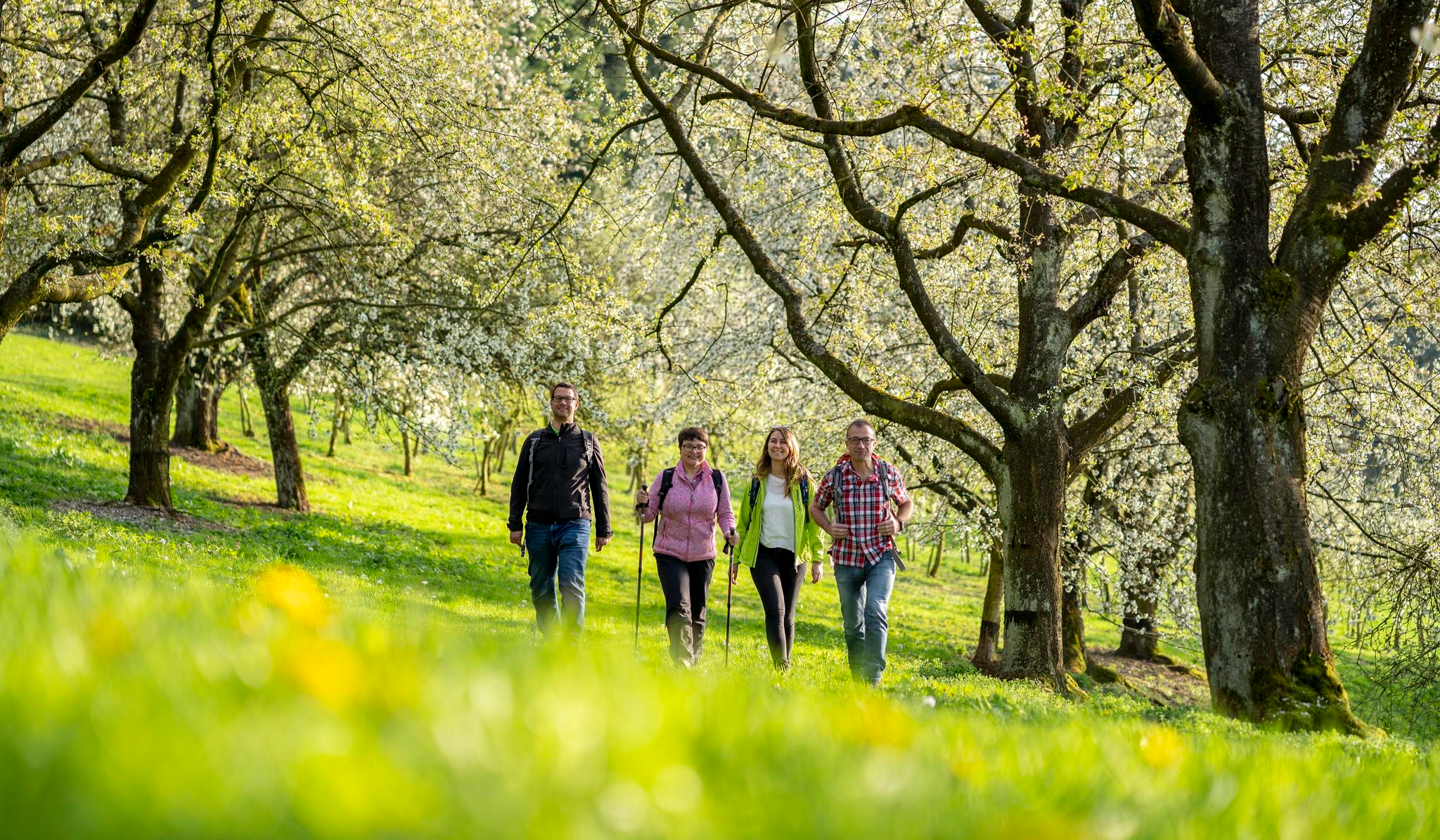
Frühlingserwachen im Südwesten – Farbenfroh wandern in Baden-Württemberg
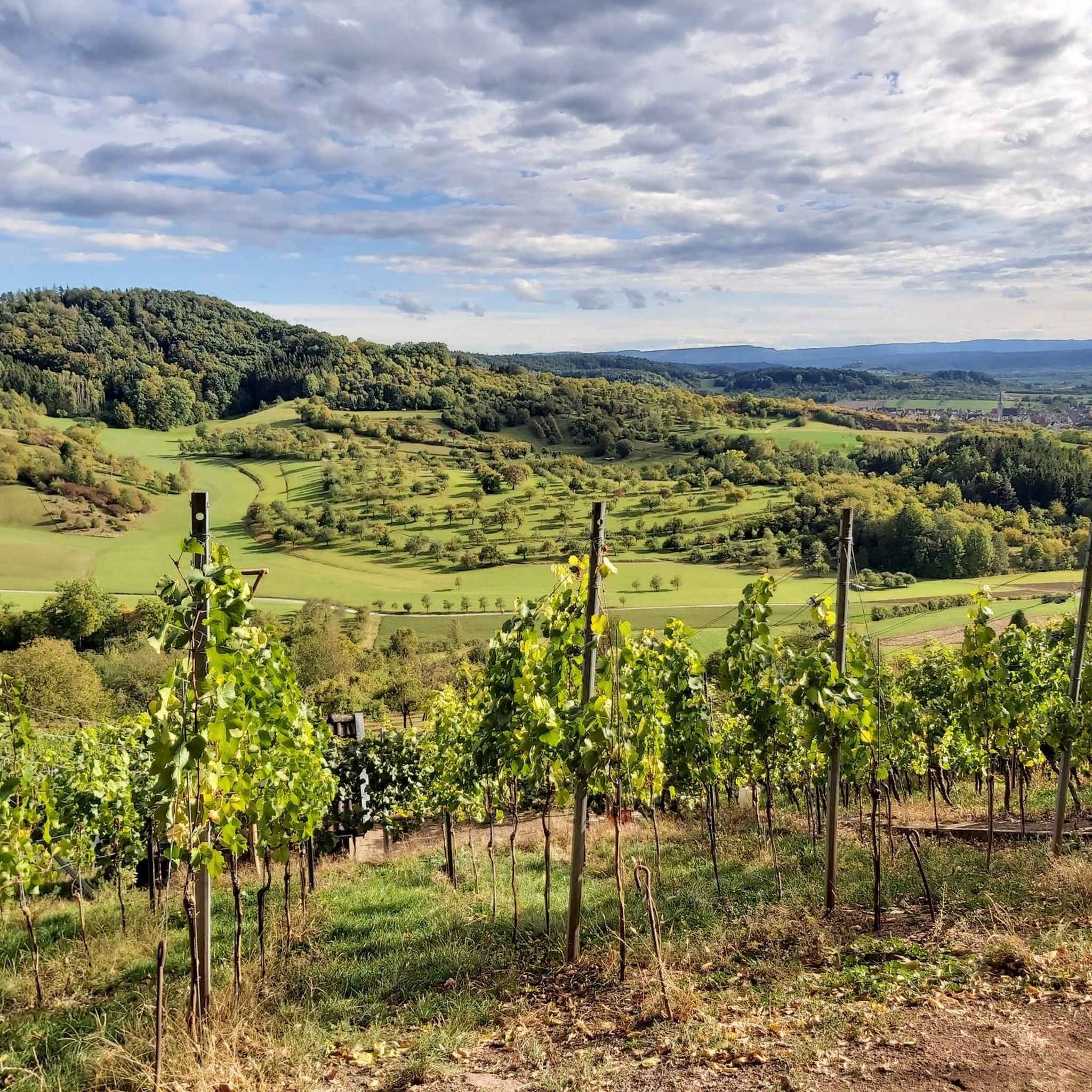
Hiking around Ammerbuch
Road Cycling Routes around Ammerbuch
Other adventures around Ammerbuch


Tips from the Community

The cave in the Rommel Valley was probably excavated between 1870 and 1880 by tree nursery teacher Wilhelm Knauss for geological research. He owned a considerable collection of rocks, which he regularly showed to Tübingen students.
8
0

Nice little cave right next to the Seltenbach stream. When there is a lot of water in the stream, the stones that you have to climb over are washed away.
1
0

In the past, the "Pommerlesloch" was relatively difficult to find because the area around it was quite overgrown. (As of 2020)
0
0

After the clearing, the path is easier to navigate. A fallen tree damaged the fence. However, the entrance is still securely locked.
8
0
After a storm in the autumn, a tree fell on the fence surrounding the shaft cave. The fallen trees were removed. Now a wide path leads from the hiking trail to the Pommerlesloch, the entrance to which is still firmly locked.
0
0
Currently in a pitiful state. The steel guardrails have been extremely damaged either by a felled tree or by a piece of work equipment.
10
0
The Pommerlesloch is a shaft cave and one of the most important caves in the Muschelkalk zone in the Upper Gäu. It is about 51m deep and is said to have taken its unusual name from a dachshund named Pommerle who once fell into it.
10
0
Great valley with the 207m long Seven Valleys Cave. Not easy to walk through. Very low and slippery in places. Helmet is a good idea. You can't do it without a lamp. Really exciting for children. It's impossible to get lost.
8
0
Frequently Asked Questions
What types of caves can I explore around Ammerbuch?
The Ammerbuch area features a variety of caves, including tunnel-like caves, challenging shaft caves, and caves with historical significance. These offer diverse exploration experiences, from geological research sites to natural monuments.
Are there any family-friendly caves in the Ammerbuch region?
Yes, the Seven Valleys Cave in the Katzenbach Valley is considered exciting for children, though it can be challenging with low and slippery sections. A helmet and lamp are recommended for exploration.
What are some historically significant caves near Ammerbuch?
The Knaussen Cave and the Knauss Cave in Rommel Valley are notable historical sites. The Knaussen Cave was likely excavated for geological research between 1870 and 1880, and the Knauss Cave is also believed to have been dug for similar reasons, with a hermit reportedly having lived there at one point. Flashlights are beneficial for exploring these.
What should I know before visiting the Seven Valleys Cave?
The Seven Valleys Cave is the largest cave in the Tübingen district and a natural monument. It is not illuminated, so you will need a helmet and a flashlight. Be aware that it can be very low and slippery in places, and it's not suitable for those with claustrophobia. In winter, the cave is closed with a grid to protect bats.
Are there any challenging caving experiences around Ammerbuch?
For a more challenging experience, the Pommerlesloch Shaft Cave is approximately 51 meters deep and is one of the significant caves in the Muschelkalk zone in the Upper Gäu. Its entrance is securely locked, indicating its challenging nature.
What outdoor activities can I combine with a visit to the caves?
The area around Ammerbuch is excellent for various outdoor activities. You can find numerous routes for cycling, gravel biking, and running. The Katzenbach Valley, home to the Seven Valleys Cave, is particularly recommended for short hikes or bike rides.
What geological features are present in the caves around Ammerbuch?
The caves in the region, such as the Seven Valleys Cave, were formed by rainwater washing out limestone. The Pommerlesloch Shaft Cave is a significant example within the Muschelkalk zone, highlighting the area's geological diversity.
What do visitors enjoy most about the caves around Ammerbuch?
Visitors appreciate the variety of exploration experiences offered by the caves, from the excitement of navigating the Seven Valleys Cave to discovering the historical significance of the Knauss Caves. The natural beauty of the valleys surrounding these caves, like the Katzenbach and Rommel Valleys, is also highly valued for hiking and biking.
Are there any specific tips for exploring the Knauss Caves?
When visiting the Knaussen Cave or the Knauss Cave in Rommel Valley, it's highly recommended to bring a flashlight to fully explore their interiors. The Rommel Valley also features display boards providing historical information about the area.
Is there a best time to visit the caves around Ammerbuch?
The Katzenbach Valley, where the Seven Valleys Cave is located, is recommended for visits both in winter and summer due to its quiet location. However, be aware that the Seven Valleys Cave itself is closed with a grid in winter to protect bats.
What should I wear or bring when exploring caves in this region?
For caves like the Seven Valleys Cave, which can be low and slippery, a helmet and a lamp are essential. Comfortable clothing suitable for potentially muddy or damp conditions is also advisable.
Most popular routes around Ammerbuch
Most popular attractions around Ammerbuch

Get inspired with the komoot mobile app


Explore more
Extend your search for the best caves by checking out these guides of the top ones around Ammerbuch:
