Top 9 Caves around Ofterdingen
Caves around Ofterdingen are situated in the Tübingen district, part of the Swabian Alb region, known for its numerous karst caves. The area is characterized by picturesque hills, meadows, fields, and forests, offering opportunities for outdoor activities. These natural formations are protected as biotopes and serve as vital scientific archives and habitats. The region's geology provides a diverse range of cave experiences for visitors.
Best caves around Ofterdingen
- The most popular caves is Seven Valleys Cave in the Katzenbach Valley…
Last updated: June 27, 2026
Seven Valleys Cave in the Katzenbach Valley
Highlight (Segment) • Cave
Translated by Google •
Tip by

Tufa cave at Upper Gönninger Lake
Highlight • Cave
Translated by Google •
Tip by

Sign up now to discover places like this
Get recommendations on the best single tracks, peaks, & plenty of other exciting outdoor places.
Sign up for free
Seebach Spring Cave
Highlight • Cave
Showing Translation
Tip by

Cauliflower Tufa Cave
Highlight • Cave
Translated by Google •
Tip by
Suppenteller Loch
Highlight • Cave
Translated by Google •
Tip by
Sign up for free to discover even more caves around Ofterdingen.
Sign up for free
Already have an account?
Start today with a free account
Your next adventure awaits.
Login or Signup
Tips from the Community

The entrance to the cave is about one meter wide and high, and it extends about 32 meters into the mountain. Access is barred by a grate.
6
0

The paths there are the goal! Wonderful, typical light limestone paths - always accompanied by a small "streamlet"
0
0
The opening into the soup plate hole is quite narrow and secured with a small grid.
5
0

The cover is actually a joke, I don't want to know how many smaller animals have never gotten out of it
1
0

A small natural spectacle 😊 Bröller 🌊
0
0
small tuff cave that is worth seeing
0
0
Former tufa quarry, where "cauliflower" tufa remains can still be seen. A small steep path leads to a viewpoint over the Upper Gönniger Lake and explanations of the formation of tufa.
5
0

Even though there is often little water flowing at the Bröller, you can still see impressively how water that has seeped into the Alb plateau emerges again from the karst limestone down here.
0
0
Frequently Asked Questions
What types of caves can I explore around Ofterdingen?
The region around Ofterdingen, part of the Swabian Alb, is known for its diverse karst caves, tufa caves, and spring caves. You can find everything from accessible formations to those requiring specific equipment. Notable examples include the Seven Valleys Cave, a large karst cave, and the Tufa cave at Upper Gönninger Lake, which features unique tufa formations.
Are there any family-friendly caves near Ofterdingen?
Yes, several caves are suitable for families. The Seven Valleys Cave in the Katzenbach Valley is often described as exciting for children, though it requires a lamp and helmet and can be low and slippery in places. For a different experience, the Wimsener Höhle (Wimsen Cave), while a bit further, offers a unique boat ride suitable for all ages and has a water playground nearby.
What equipment do I need to explore caves around Ofterdingen?
For caves like the Seven Valleys Cave, a lamp and helmet are highly recommended due to its unlit and sometimes low and slippery passages. For more challenging caves like the Falkensteiner Höhle, specialized caving equipment and expertise are required, as access is generally limited to experienced cavers.
Which caves are open during winter months?
Many natural caves in the Swabian Alb, including the Seven Valleys Cave, are closed during winter (typically November to March) to protect hibernating bats, which are an endangered species. Commercial show caves like the Nebelhöhle or Karls- und Bärenhöhle might have specific winter opening hours or closures, so it's best to check their official websites before planning a visit.
Can I bring my dog to the caves?
While the guide data doesn't explicitly state dog-friendliness for all caves, natural caves often have restrictions or are not suitable for dogs due to narrow passages, slippery surfaces, or the presence of wildlife like bats. For specific show caves, it's advisable to check their individual policies regarding pets.
What are the most popular caves in the broader Swabian Alb region near Ofterdingen?
Beyond the immediate vicinity of Ofterdingen, the Swabian Alb offers several impressive caves. The Nebelhöhle (Fog Cave) is known for its large, illuminated flowstone formations. The Karls- und Bärenhöhle (Charles and Bear Cave) offers illuminated guided tours and displays a bear skeleton. The Wimsener Höhle (Wimsen Cave) is unique for its boat tours through an active water cave.
What is the geological significance of the caves in this region?
The caves around Ofterdingen are primarily karst caves, formed by the dissolution of water-soluble rocks like limestone. These natural formations are protected as biotopes and serve as vital scientific archives. They are also crucial habitats, particularly for bats during their hibernation period. You can also find tufa caves, like the Tufa cave at Upper Gönninger Lake, which are formed by calcium carbonate deposits.
Are there any caves that are not accessible to the public?
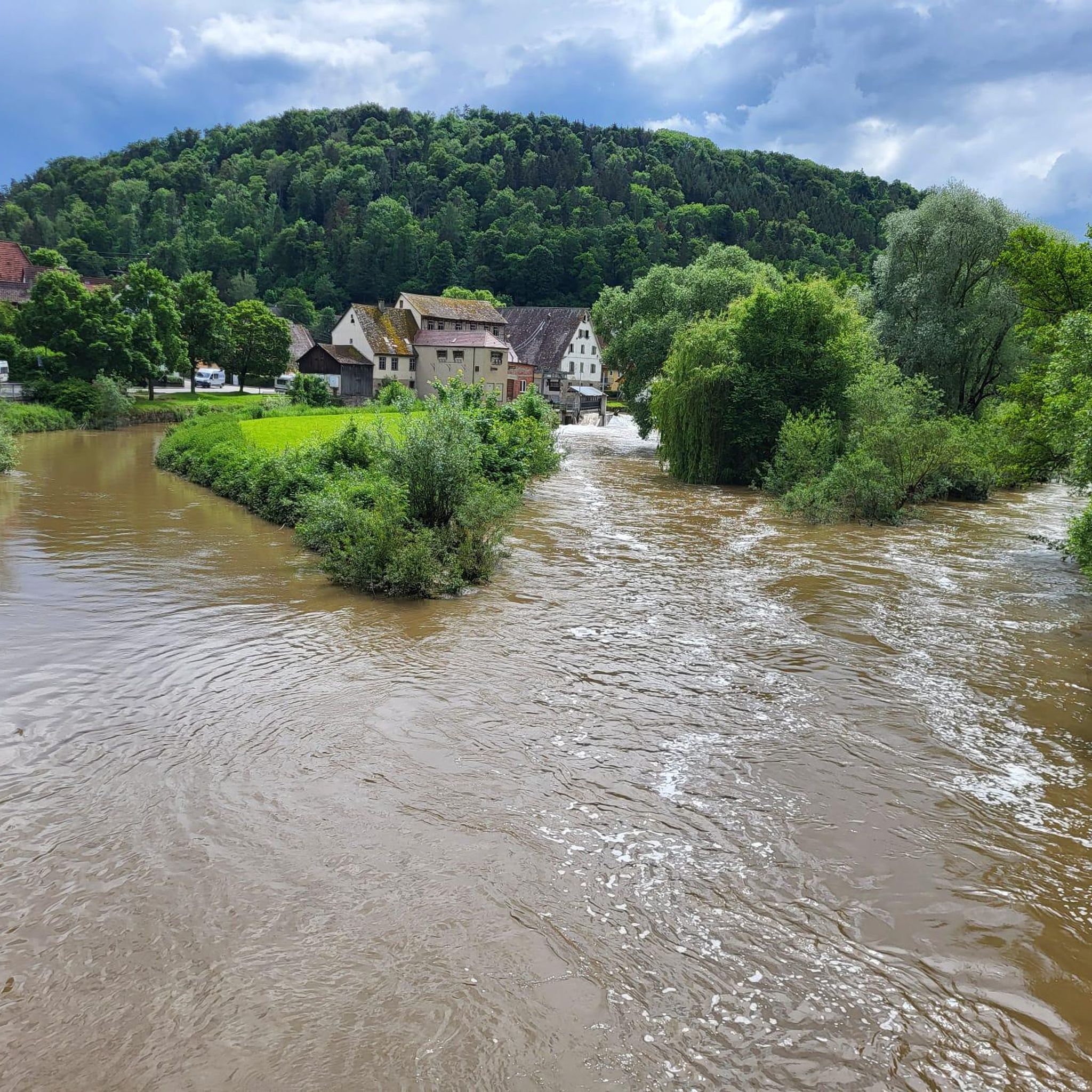
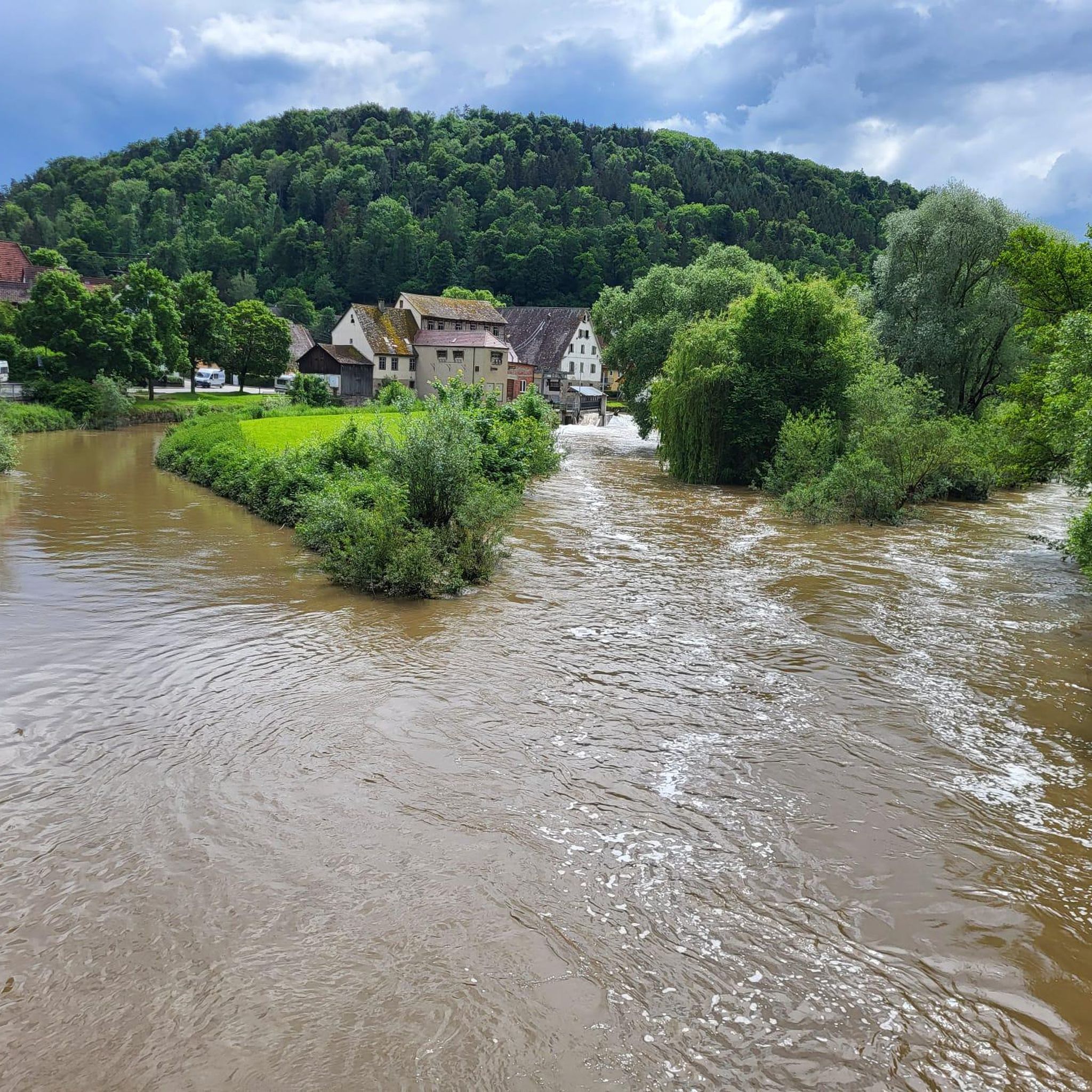
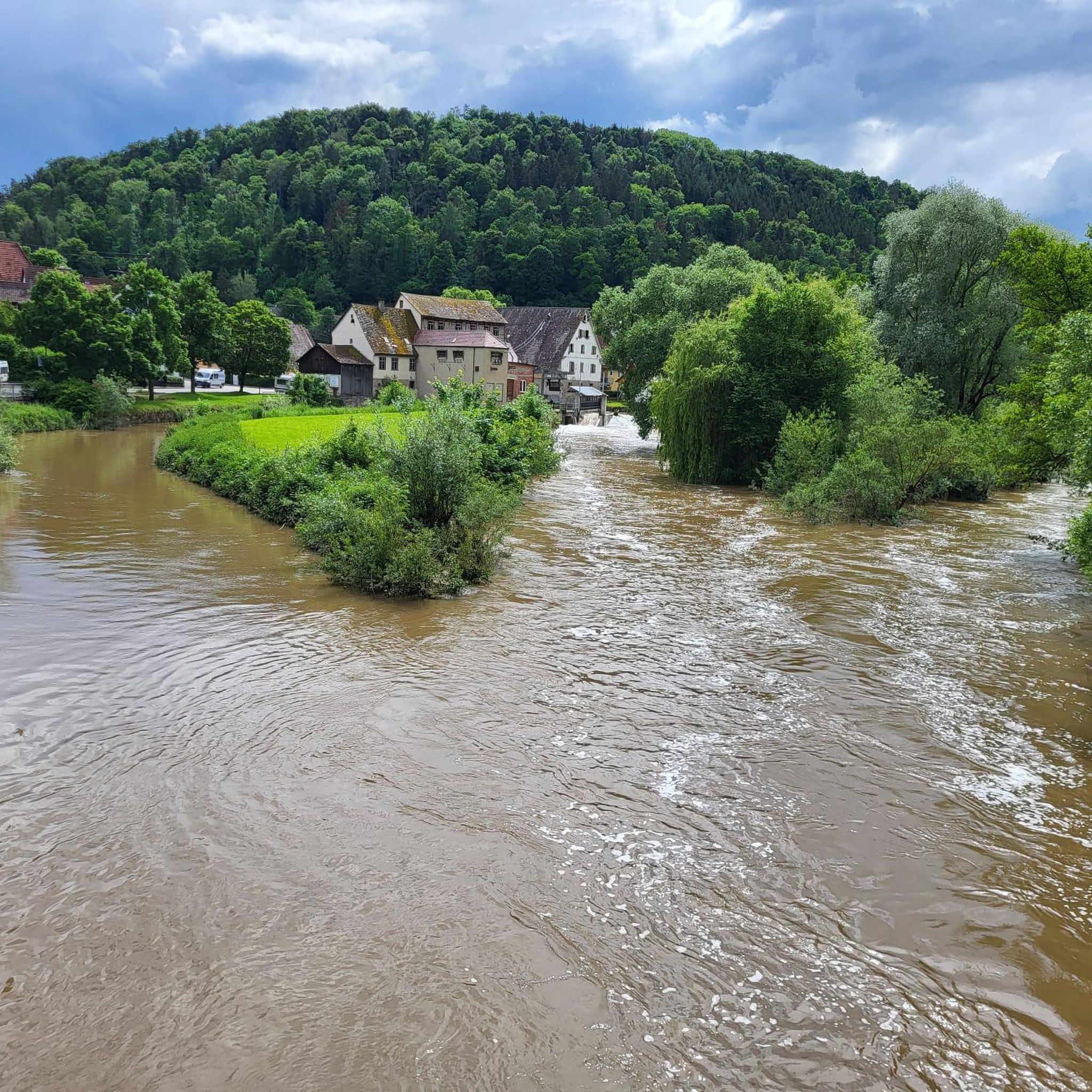
Yes, some caves are either naturally inaccessible or protected. For example, the Seebach Spring Cave is not accessible, with its entrance barred by an iron gate. This cave is a periodically active karst spring, known as a 'Bröller,' which is a water cave active only after heavy rainfall or melting snow.
What other outdoor activities can I do near the caves around Ofterdingen?
The picturesque hills, meadows, fields, and forests around Ofterdingen offer excellent opportunities for hiking and cycling. You can find easy hikes, cycling routes, and gravel biking trails in the area, allowing you to combine cave exploration with other outdoor adventures.
What do visitors enjoy most about the caves around Ofterdingen?
Visitors appreciate the natural beauty and unique formations of the caves. For instance, the Seven Valleys Cave is praised for being an exciting adventure, especially for children. The Tufa cave at Upper Gönninger Lake is noted for its interesting rock landscape and 'cauliflower' tufa remains. The region's quiet valleys and opportunities for combining cave visits with hikes are also highly valued.
Is there parking available near the caves?
While specific parking details for every cave are not provided, popular natural attractions and show caves in the Swabian Alb region typically have designated parking areas. For less developed caves like the Seven Valleys Cave, parking might be available at nearby trailheads or access points in the Katzenbach Valley.
What is the 'Cauliflower Tufa Cave'?
The Cauliflower Tufa Cave is a small cave known for its distinctive tufa rock formations that resemble cauliflower. It also features rushing water, making it an interesting natural sight on the Alb.
Most popular routes around Ofterdingen
Most popular attractions around Ofterdingen

Get inspired with the komoot mobile app


Explore more
Extend your search for the best caves by checking out these guides of the top ones around Ofterdingen:
