Top 9 Caves around Schöps
Best caves around Schöps are found in the Thuringia region of Germany, offering diverse geological formations and historical significance. While Schöps itself is a municipality, the broader area provides access to various cave systems. These underground sites range from natural karst caves to former mining operations, showcasing unique geological features and historical insights. Visitors can explore a variety of cave types, from show caves to natural monuments.
Best caves around Schöps
- The most popular caves is Teufelslöcher rock formation,…
Last updated: June 27, 2026
Teufelslöcher Caves (Jena)
Highlight • Cave
Translated by Google •
Tip by

Rothenstein Rock Caves
Highlight • Cave
Above them is the Bastei viewing point with the Trompeterfelsen.
Translated by Google •
Tip by

Sign up now to discover places like this
Get recommendations on the best single tracks, peaks, & plenty of other exciting outdoor places.
Sign up for free
Cistern at Kirchberg Königshof
Highlight • Structure
A total of four castles stood one after the other on the local hill. Two of them, to confuse us later generations, had the same name.
Translated by Google •
Tip by

Teufelslöcher rock formation
Highlight • Natural Monument
There is …
Translated by Google •
Tip by
Small Tunnel in Walpergsberg
Highlight • Cave
Translated by Google •
Tip by

Sign up for free to discover even more caves around Schöps.
Sign up for free
Already have an account?
Start today with a free account
Your next adventure awaits.
Login or Signup
Tips from the Community

The opening hours of the Fuchsturm depend on the opening hours of the Fuchsturmrestaurant
1
0

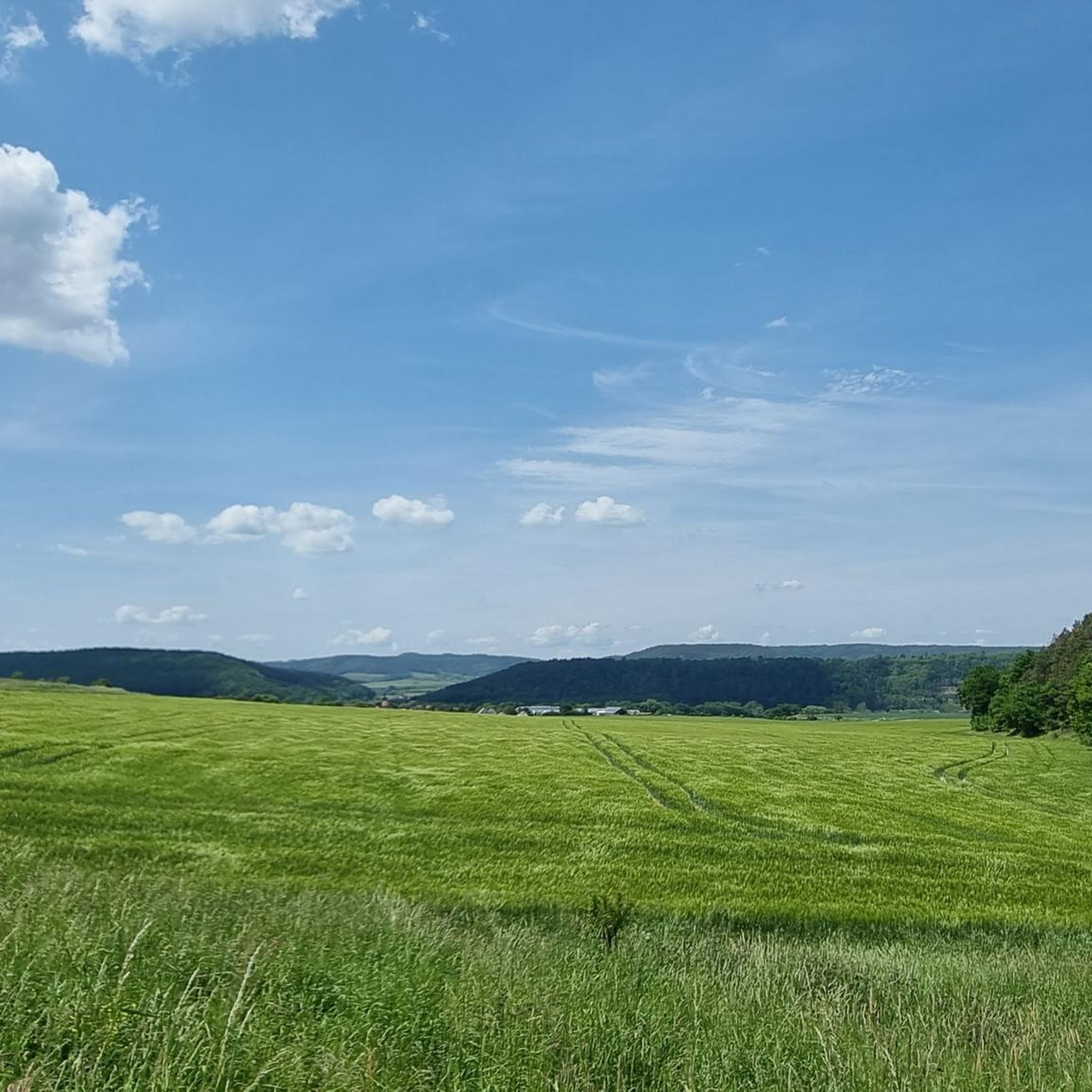
First mentioned in the early 14th century, the Teufelslöcher (Devil's Holes) are among the oldest documented caves in Germany. These are karst caves that have since been sealed. Several benches are located at the Teufelslöcher, and Jena's local history trail begins here, leading from here across the central Kernberg horizontal. You can find more information here: https://www.entdecke-jena.de/jena/teufelsloecher.htm.
3
0
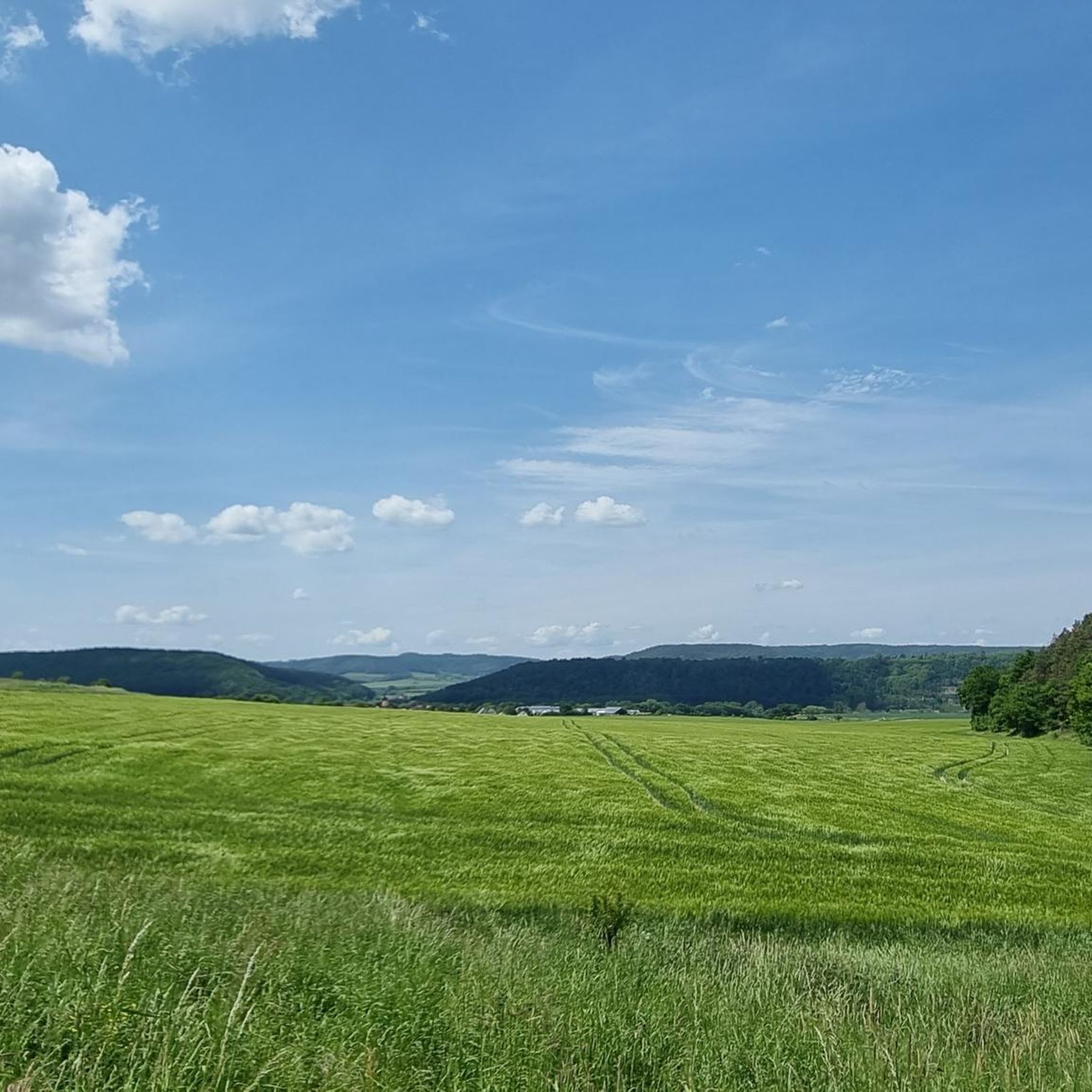
There are two beautiful caves to admire here. Above them is the Bastei viewing point with the Trompeterfelsen.
22
0

The white sand extracted from the caves was used as grit in the living rooms of the Middle Ages and was later used industrially.
8
0

Is outside the range of the club. But members of them are also on the road.
3
0
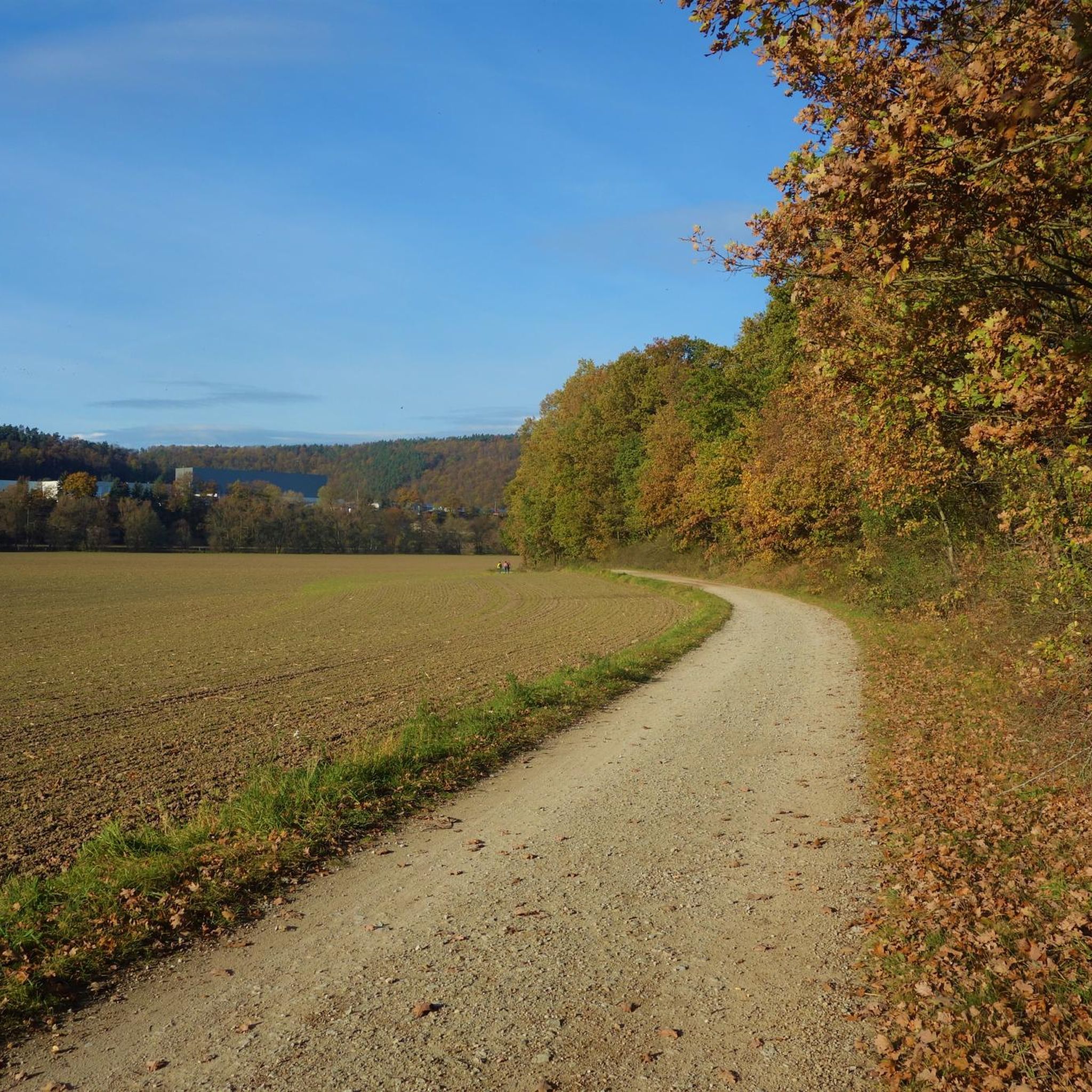
A small tunnel with a crossing in the Walpergsberg. It is not possible to stray, neither up nor down, but also not on this level.
5
0
the tram stop on Schillstraße is about 1.5 km away..... The exposure there has nothing to do with the devil's holes.
4
0

The Teufelslöcher are no longer accessible caves at the foot of the Kernberge - a natural monument that is used today to protect species, e.g. served by bats. There is also a spring here and for runners a decent ascent to the Kernberge begins from here (or a violent descent ends)
1
0
Frequently Asked Questions
Where are the most notable caves located in the broader Schöps region?
While Schöps itself is a municipality, the surrounding Thuringia region offers several remarkable cave systems. These include the Altenstein Cave near Bad Liebenstein, Marienglashöhle Friedrichroda in the Thuringian Forest, Saalfeld Fairy Grottoes, Barbarossa Cave, Goetz Cave near Meiningen, and Park Cave in Weimar.
What kind of geological features can I expect to see in the caves around Schöps?
The region's caves showcase diverse geological formations. You can find natural karst caves, such as the Teufelslöcher Caves (Jena) with their wave lime formations. Other caves, like the Marienglashöhle, feature impressive gypsum crystal druses, while the Barbarossa Cave is unique for its anhydrite formations. The Saalfeld Fairy Grottoes are known for vibrant, colorful stalactites and minerals formed in former alum shale mines.
Are there any historical caves or mining sites to visit near Schöps?
Yes, several caves in the region have significant historical connections. The Teufelslöcher Caves (Jena) were first mentioned in the early 14th century and were known to figures like Alexander von Humboldt and J.W. von Goethe. The Marienglashöhle and Saalfeld Fairy Grottoes originated from historical gypsum, copper, and alum shale mining operations. The Rothenstein Rock Caves were historically used for extracting fine sand for various purposes.
Are there family-friendly caves around Schöps?
Many caves in the region are suitable for families. The Marienglashöhle Friedrichroda and Saalfeld Fairy Grottoes offer guided tours that are engaging for all ages. The Rothenstein Rock Caves are also listed as family-friendly. These sites often provide accessible paths and educational experiences.
What is unique about the Marienglashöhle Friedrichroda?
The Marienglashöhle Friedrichroda is notable for being a former gypsum and copper mine that now features both natural caverns and one of Europe's largest gypsum crystal druses, discovered in 1784. These transparent gypsum crystals, known as Marienglas, were historically used for altar decorations. The cave also hosts concerts due to its excellent acoustics. You can find more information about it on Wikipedia.
What makes the Saalfeld Fairy Grottoes special?
The Saalfeld Fairy Grottoes are renowned for their incredibly vibrant and colorful stalactites and minerals, which formed in former alum shale mines. The 'fairy-tale dome' is a particular highlight. Beyond their aesthetic appeal, they are also recognized as a 'state-recognized place with a healing gallery' due to the pure, allergen-free air, offering health benefits.
Are there any caves near Schöps that are natural monuments?
Yes, the Teufelslöcher rock formation consists of no longer accessible caves at the foot of the Kernberge and serves as a natural monument for species protection, particularly for bats. The Teufelslöcher Caves (Jena) are also protected as a natural reserve.
What outdoor activities can I do near the caves around Schöps?
The region around Schöps offers various outdoor activities. You can find numerous hiking trails, including easy hikes like the Rothenstein Nature Reserve loop or moderate ones like the Rabenschüssel Viewpoint loop. There are also road cycling routes available, such as the 'View of the Dornburg Castles' loop. For more details on routes, explore the Hiking around Schöps or Road Cycling Routes around Schöps guides.
What is the Barbarossa Cave known for?
The Barbarossa Cave is a geological rarity, being one of only two accessible anhydrite caves in the world and the sole anhydrite show cave in Europe. It spans 13,000 square meters and is famous for the unique, multi-layered play of colors, from white to gray, in its rock formations.
What is the Goetz Cave near Meiningen?
The Goetz Cave is a rare fracture cave, the only one of its type in Europe converted into a show cave. It is also recognized as the largest crevice cave in Germany and Europe (excluding Scandinavia), with its largest crevice reaching 50 meters in length and height.
Can I visit the Park Cave in Weimar?
Yes, the Park Cave in Weimar is open to visitors. This cave system originated from tunnels excavated in the late 18th century for a beer brewery. Located twelve meters underground, it offers insights into 200,000 years of geological and human history, including fossilized plants and animals on the tunnel ceilings.
What do visitors enjoy most about the caves around Schöps?
Visitors appreciate the diverse experiences offered by the caves, from stunning geological formations and historical insights to unique cultural events. The natural beauty and historical significance of sites like the Teufelslöcher Caves (Jena) and the unique rock formations of the Rothenstein Rock Caves are frequently highlighted.
Most popular attractions around Schöps

Get inspired with the komoot mobile app


Explore more
Extend your search for the best caves by checking out these guides of the top ones around Schöps:
