Top 5 Caves around Neustadt an der Orla
Caves around Neustadt an der Orla offer opportunities to explore the region's geological formations and historical sites. The area, situated in Thuringia, features various natural grottoes and rock shelters. These underground locations provide insights into local geology and past human activity. The landscape near Neustadt an der Orla is characterized by these accessible subterranean environments.
Best caves around Neustadt an der Orla
- The most popular caves is Large cave in the Zechstein reef at Altenburg, a cave and natural…
Last updated: June 27, 2026
Bildermollen Cave
Highlight • Cave
Translated by Google •
Tip by

Kniegrotte Cave
Highlight • Cave
Translated by Google •
Tip by

Sign up now to discover places like this
Get recommendations on the best single tracks, peaks, & plenty of other exciting outdoor places.
Sign up for free
Döbritz Caves
Highlight • Cave
Great view of Pößneck and beyond
Translated by Google •
Tip by

Robber's Cave (Großbockedra)
Highlight • Cave
Translated by Google •
Tip by

Cave at the Clearing with Spring
Highlight • Cave
Translated by Google •
Tip by

Sign up for free to discover even more caves around Neustadt an der Orla.
Sign up for free
Already have an account?
Start today with a free account
Your next adventure awaits.
Login or Signup
Tips from the Community

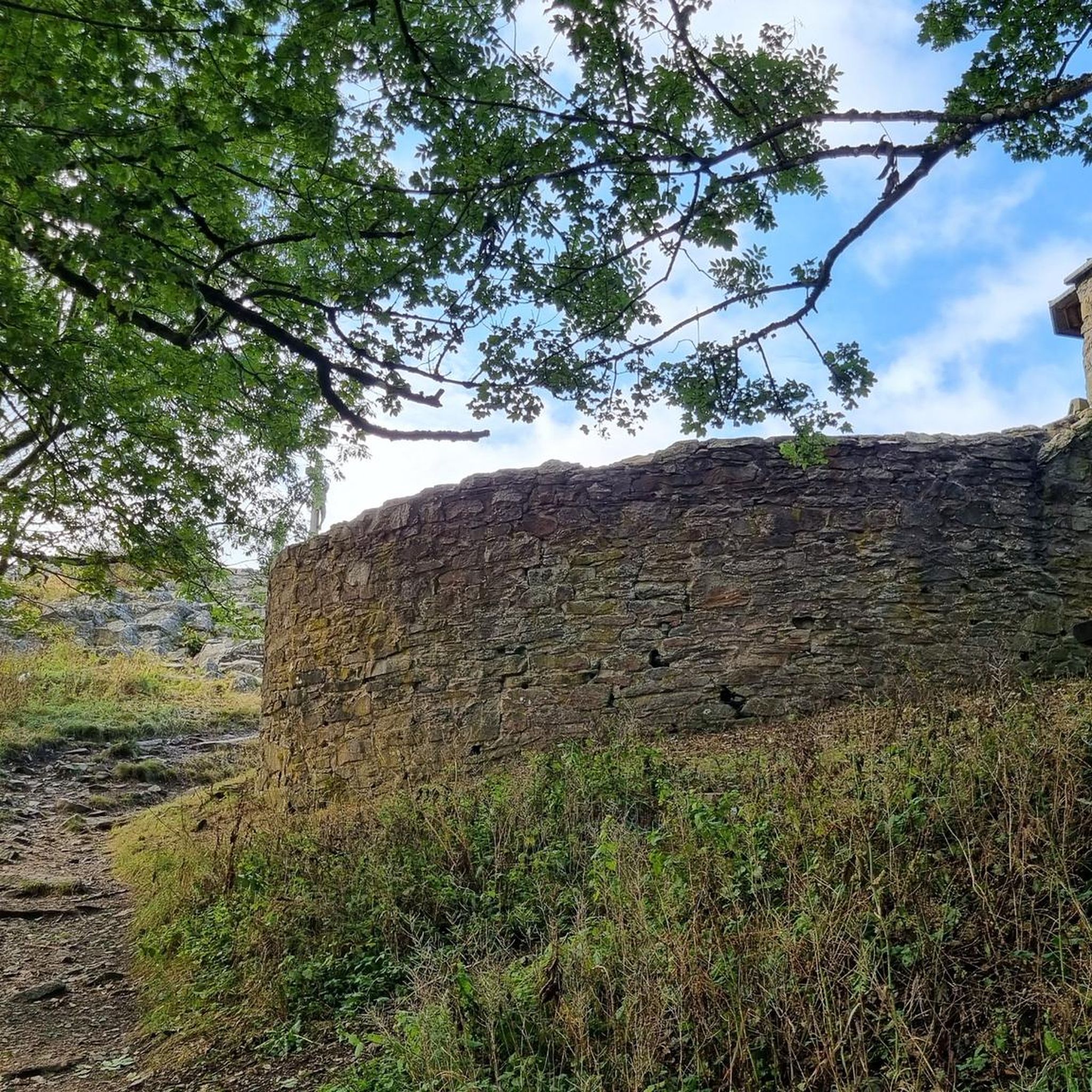
Located on the way to Ölknitzer Grund.
0
0

It doesn't go far into the stone, but the whole rock is a highlight🫶
14
0

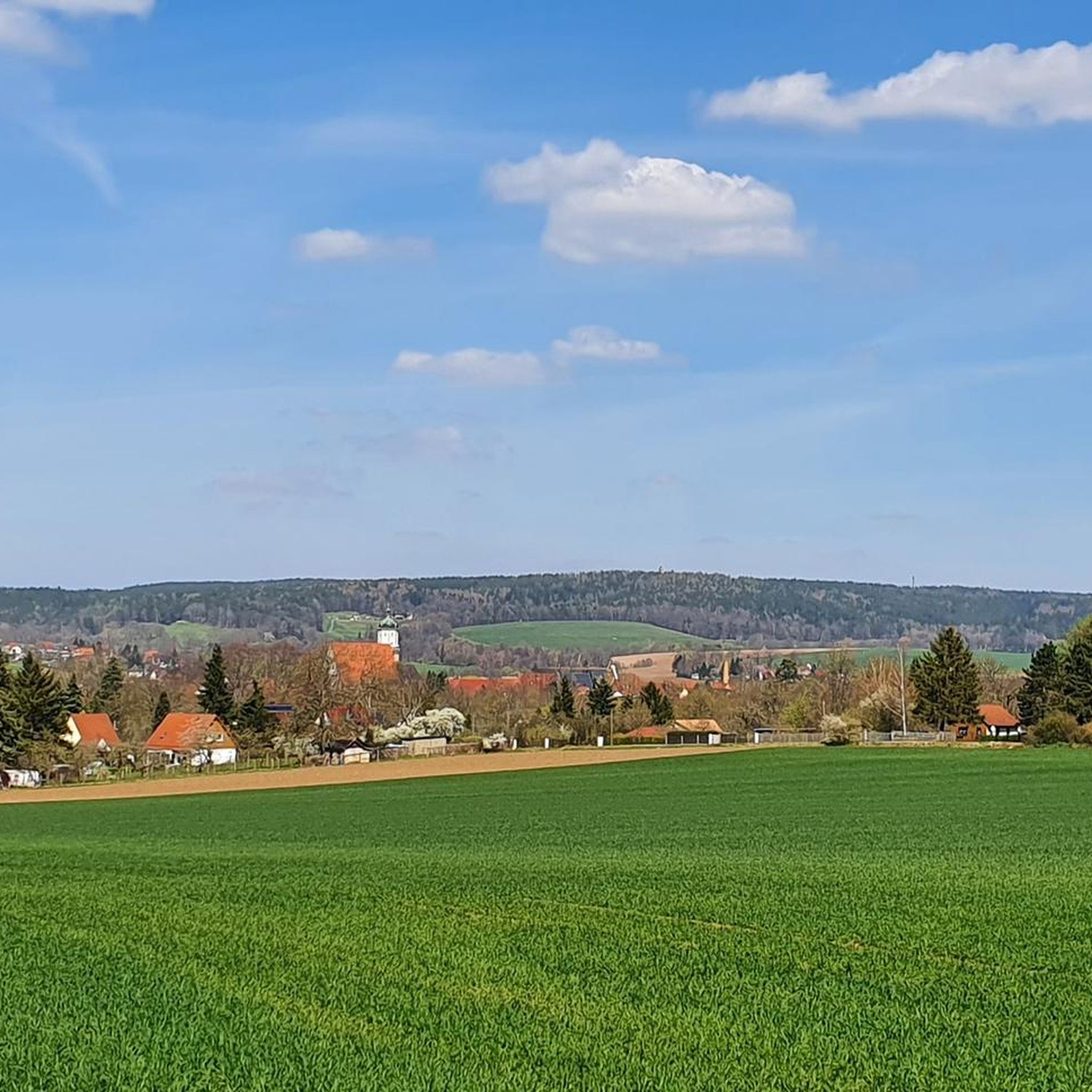
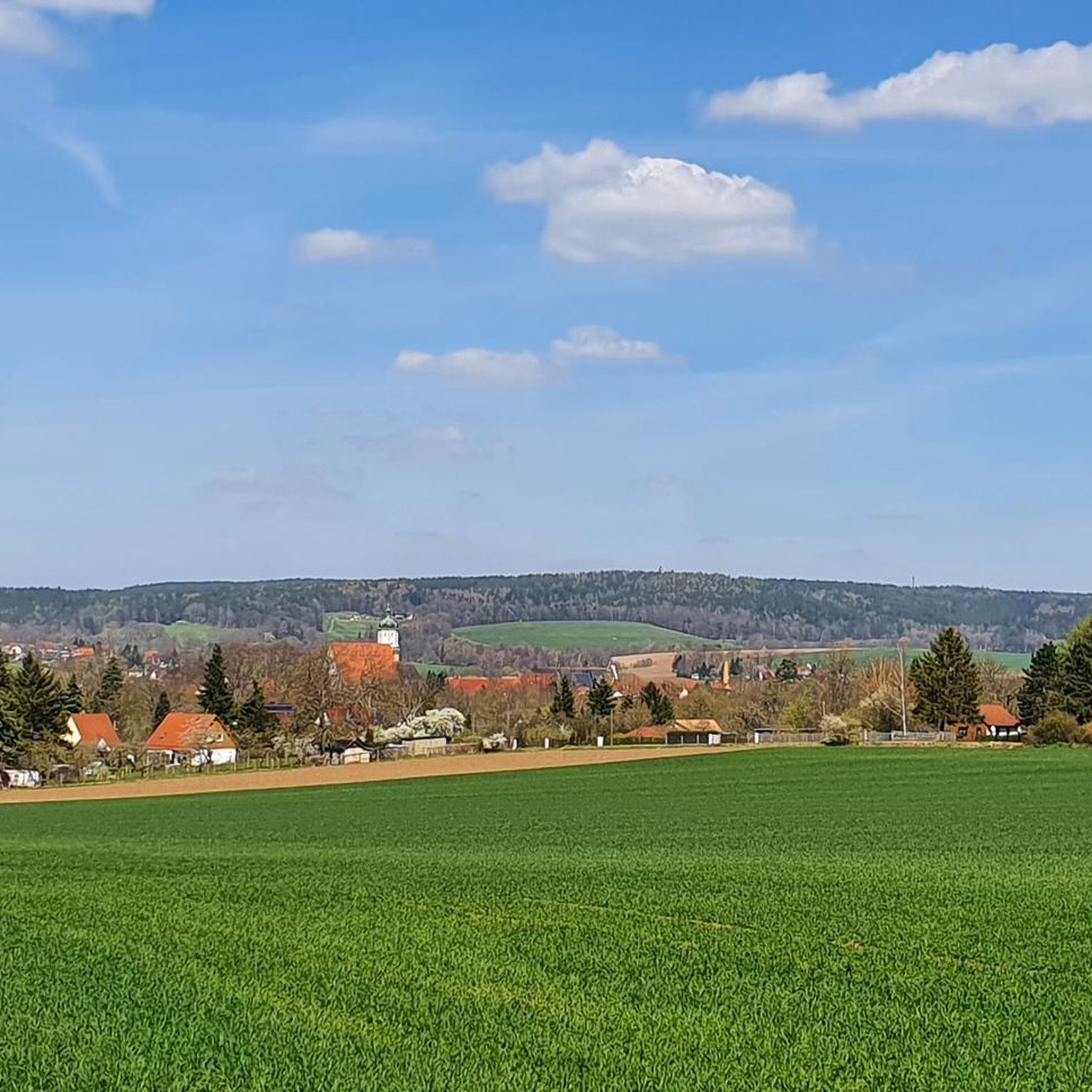
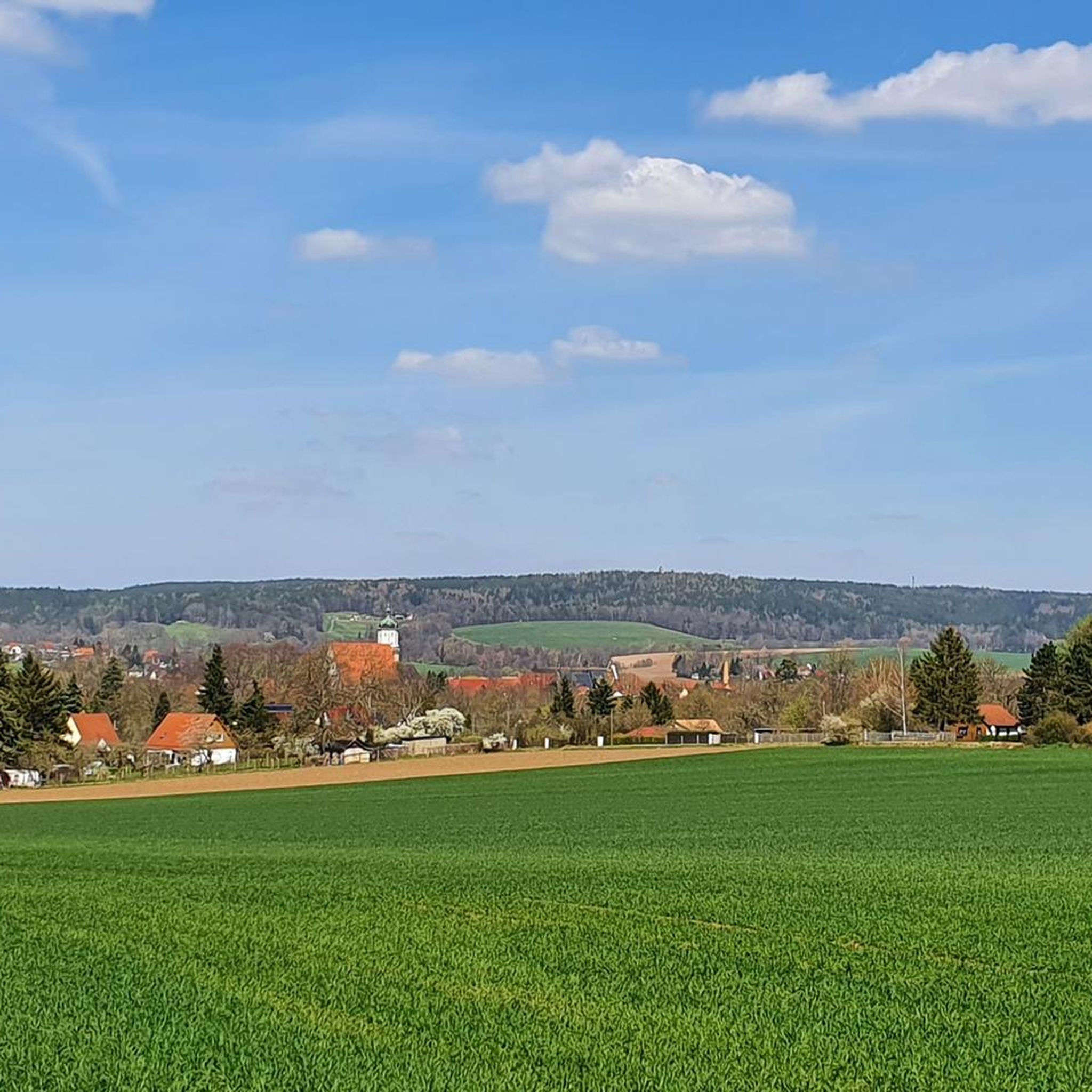
The first point on our tour was not easy to find. We only visited some of the caves, we still had a few kilometers to go. Great view of Pößneck and beyond The Döbritzer caves are located in the Gamsental, south of the town of Döbritz, in the Saale-Orla district in Thuringia. The Zechstein massif, known as Döbritzer Switzerland, has a series of rock crevices and three caves. (📜 Wikipedia)
1
0

The Döbritz caves are located on the eastern edge of the Orlasenke and are located directly at the place Döbritz. They belong to the Döbritzer Schweiz nature reserve. It is probably the most famous protected landscape area in the Orlasenke. This 600 meter long Zechstein massif has several rock crevices and 3 caves, these are bryozoal reefs. These caves include the Urdhöhle, the Kniegrotte and the desert Scheuer. In 1884 the local researcher Robert Eisel from Gera discovered the “Desert Scheuer” cave in the rock massif and recognized it as a place of prehistoric, prehistoric and prehistoric times. In 1925 and 1926 further archaeological investigations were carried out under the direction of Alfred Götz and Hess von Wichendorf. Numerous Paleolithic finds were recovered from under the rock roof. Döbritz Switzerland also offers a beautifully landscaped hiking and climbing area of manageable size. From here you can also enjoy the wonderful view over Döbritz into the Orlasenke. Source: https://erasmus-reinhold-gymnasium.de/geocaching/Orlasenke_pdf_website.pdf
0
0

Small cavity in the rock. Very quick to reach Großbockedra on foot from the outskirts, signposted from there. Lies on the way to the Ölknitzer Grund.
1
0

For all friends of the free night (Boofen) - if you love each other a bit, people fit into this cave for two.
0
0

The knee grotto was discovered by M. Richter in 1930 and is one of the three caves in Döbritzer Schweiz (Zechstein massif). Among the finds in and in front of the grotto there is remarkable cabaret (ivory, decorated harpoon tip).
2
0

Already in my school days, we made a trip here, in the cave of the Neanderthals. At that time, the grotto was walkable and the environment was not wild. Nevertheless, the Döbritzer Switzerland is a very nice spot, but unfortunately not maintained and the paths are provided with electric fences.
3
0
Frequently Asked Questions
What are some of the most notable caves to visit around Neustadt an der Orla?
Beyond the local highlights, the region is home to internationally recognized caves. The Saalfeld Fairy Grottoes are known as the "most colorful cave grottoes in the world" for their vibrant mineral formations. Another unique site is the Barbarossa Cave, one of only two accessible anhydrite caves globally, famous for its gypsum formations and connection to the Barbarossa Legend.
Are there family-friendly caves in the Neustadt an der Orla area?
Yes, some caves are suitable for families. For instance, the Robber's Cave (Großbockedra) is categorized as family-friendly and is easily accessible from Großbockedra. The Saalfeld Fairy Grottoes also offer a "Fairy World" play area for children, enhancing the family experience.
What kind of natural features can I expect to see in the caves around Neustadt an der Orla?
You can observe diverse geological formations. The Saalfeld Fairy Grottoes are famous for their colorful stalagmites and stalactites. The Barbarossa Cave features large caverns, underground lakes with an iridescent green color, and unique gypsum formations like "Gipslappen" (gypsum flaps) and "alabaster eyes." Locally, the Large cave in the Zechstein reef at Altenburg offers a prehistoric atmosphere within a natural monument.
Are there historical or archaeological sites among the caves in this region?
Yes, several caves have historical and archaeological significance. The Kniegrotte Cave in Döbritzer Schweiz has yielded archaeological finds, including ivory and a decorated harpoon tip. The Bildermollen Cave is believed to have been inhabited in the Stone Age and is associated with Friedrich Ludwig Molle. The Barbarossa Cave is steeped in the legend of Emperor Frederick Barbarossa.
What outdoor activities can I combine with a visit to the caves?
The region around Neustadt an der Orla offers various outdoor activities. You can find numerous hiking trails, such as the easy 'Mückerquelle – Wooden Train Play Structure loop' or the moderate 'Neustadt Pond Area – Mückerquelle loop'. For cycling enthusiasts, there are gravel biking routes like the 'Waldhaus 14 Oaks – Orla Cycle Path loop' and road cycling routes including the 'Wolfersdorf Castle – Orlatal Valley loop'. You can explore more options on the Hiking around Neustadt an der Orla, Gravel biking around Neustadt an der Orla, and Road Cycling Routes around Neustadt an der Orla guide pages.
Are there any caves near Neustadt an der Orla that are also climbing areas?
Yes, the Large cave in the Zechstein reef at Altenburg is noted as a climbing area, in addition to being a natural monument with a prehistoric atmosphere.
What do visitors enjoy most about the caves around Neustadt an der Orla?
Visitors appreciate the unique geological formations and the historical significance of the caves. Many enjoy the prehistoric atmosphere of sites like the Large cave in the Zechstein reef at Altenburg and the archaeological insights offered by the Kniegrotte Cave. The natural beauty and the opportunity to explore these subterranean environments are frequently highlighted.
Are there any caves in the region that offer unique experiences beyond typical sightseeing?
Yes, the Saalfeld Fairy Grottoes offer speleotherapy, utilizing the pure cave air to aid respiratory conditions and allergies. They also feature an adventure museum, the "Grottoneum," providing an educational experience about the mine's history.
What is the best time to visit the caves in the Neustadt an der Orla region?
Caves generally maintain a consistent cool temperature year-round, making them a good destination in any season. However, specific opening hours and accessibility might vary, especially for show caves like the Saalfeld Fairy Grottoes and Barbarossa Cave. It's always advisable to check their official websites for current visitor information before planning your trip.
Are there any smaller, less-known caves or rock shelters worth exploring near Neustadt an der Orla?
While the major show caves are well-known, the region also has smaller, more intimate spots. The Cave at the Clearing with Spring is a less prominent natural monument that offers a quiet spot for those seeking a more secluded experience.
What should I wear when visiting caves in the Neustadt an der Orla area?
Caves typically have a cool, constant temperature, often around 8-10°C (46-50°F), regardless of the outside weather. It's recommended to wear warm layers, even in summer, and sturdy, closed-toe shoes with good grip, as surfaces can be uneven and damp. A light jacket or sweater is usually sufficient.
Most popular routes around Neustadt an der Orla
Most popular attractions around Neustadt an der Orla

Get inspired with the komoot mobile app


Explore more
Extend your search for the best caves by checking out these guides of the top ones around Neustadt an der Orla:
