Top 6 Castles around Gadebusch
Best castles around Gadebusch offer a glimpse into centuries of regional history and architectural evolution. The area features historical sites ranging from ancient Slavic fortifications to Renaissance palaces and neo-Gothic mansions. Gadebusch itself is home to Schloss Gadebusch, a significant example of North German Brick Renaissance architecture. These structures are often set amidst natural landscapes, providing historical and cultural insights into the Mecklenburg region.
Best castles around Gadebusch
- The most popular castles is Lützow Castle, a castle that is…
Last updated: June 27, 2026
Lützow Castle
Highlight • Castle
Under the von Behrs, who took over the estate in 1846 and were joined …
Translated by Google •
Tip by

Gadebusch Castle
Highlight • Castle
Translated by Google •
Tip by

Sign up now to discover places like this
Get recommendations on the best single tracks, peaks, & plenty of other exciting outdoor places.
Sign up for free
Schloss Wedendorf
Highlight • Castle
Translated by Google •
Tip by
Grambow Castle
Highlight • Castle
Translated by Google •
Tip by
Herrenhaus Bernstorf
Highlight • Castle
Translated by Google •
Tip by

Start today with a free account
Your next adventure awaits.
Login or Signup
Popular around Gadebusch
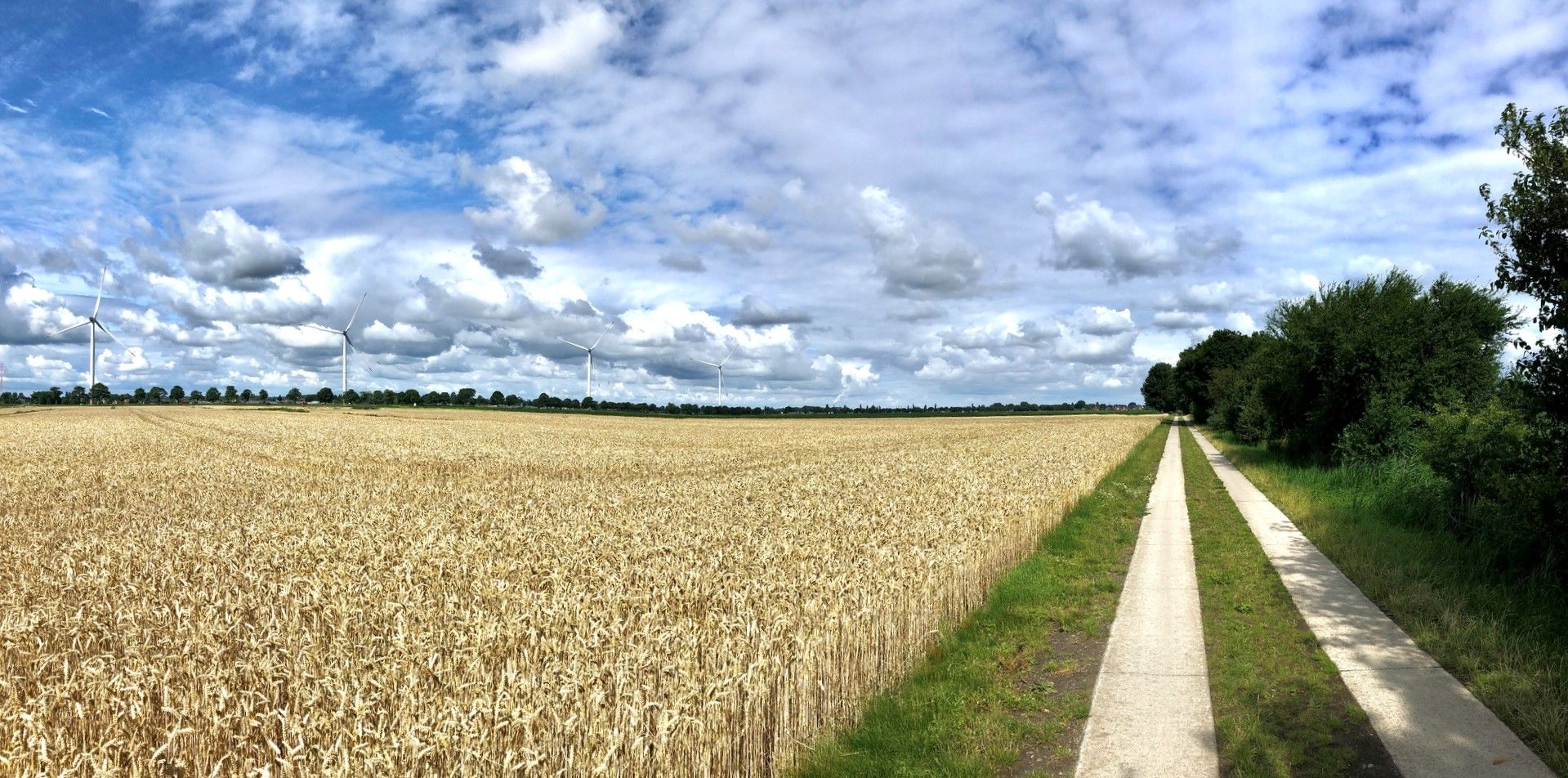
Island riding along the coast – Hamburg-Rügen Cycle Route
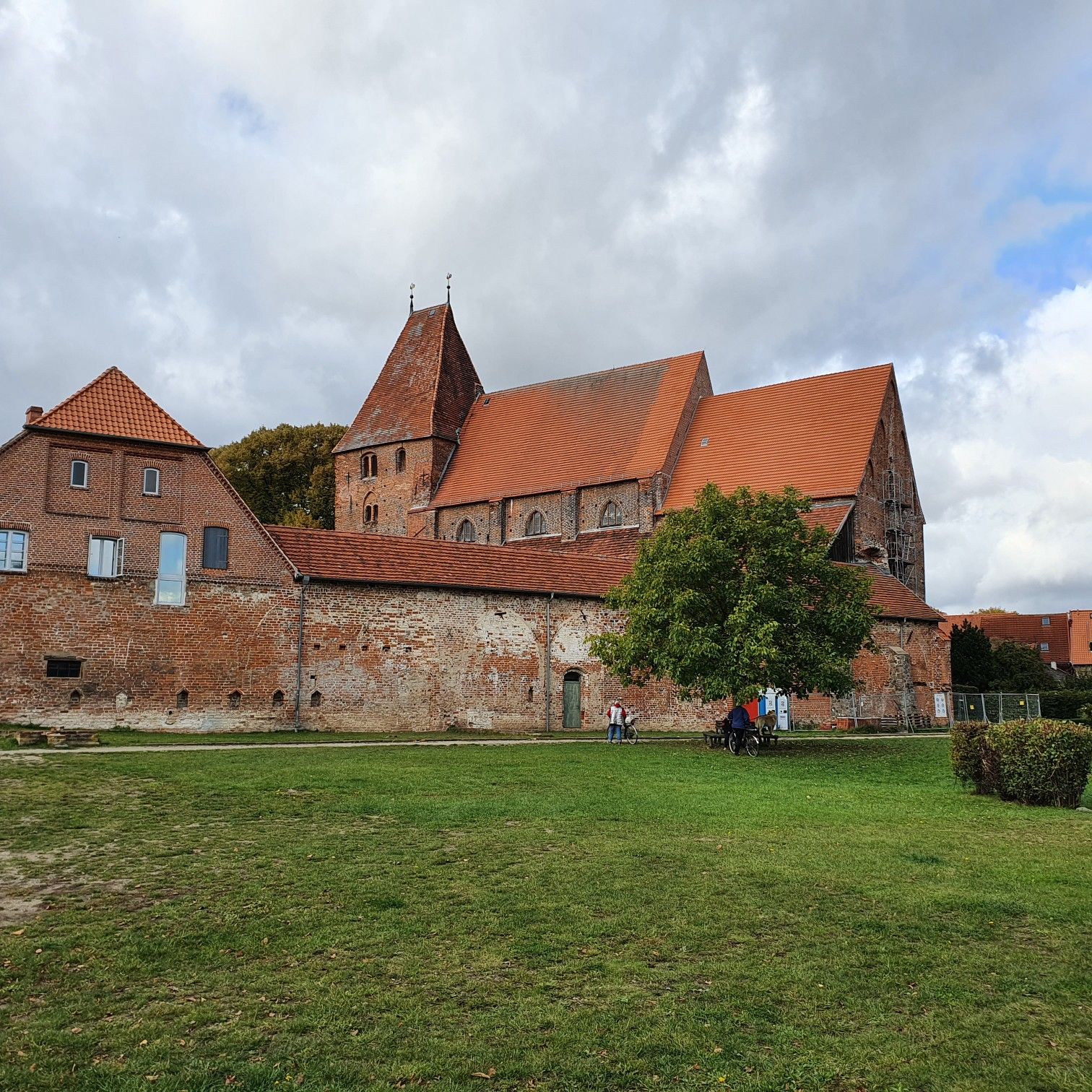
Klöster- und Kirchen-Tour – Mit dem Rad durch das Biosphärenreservat Schaalsee
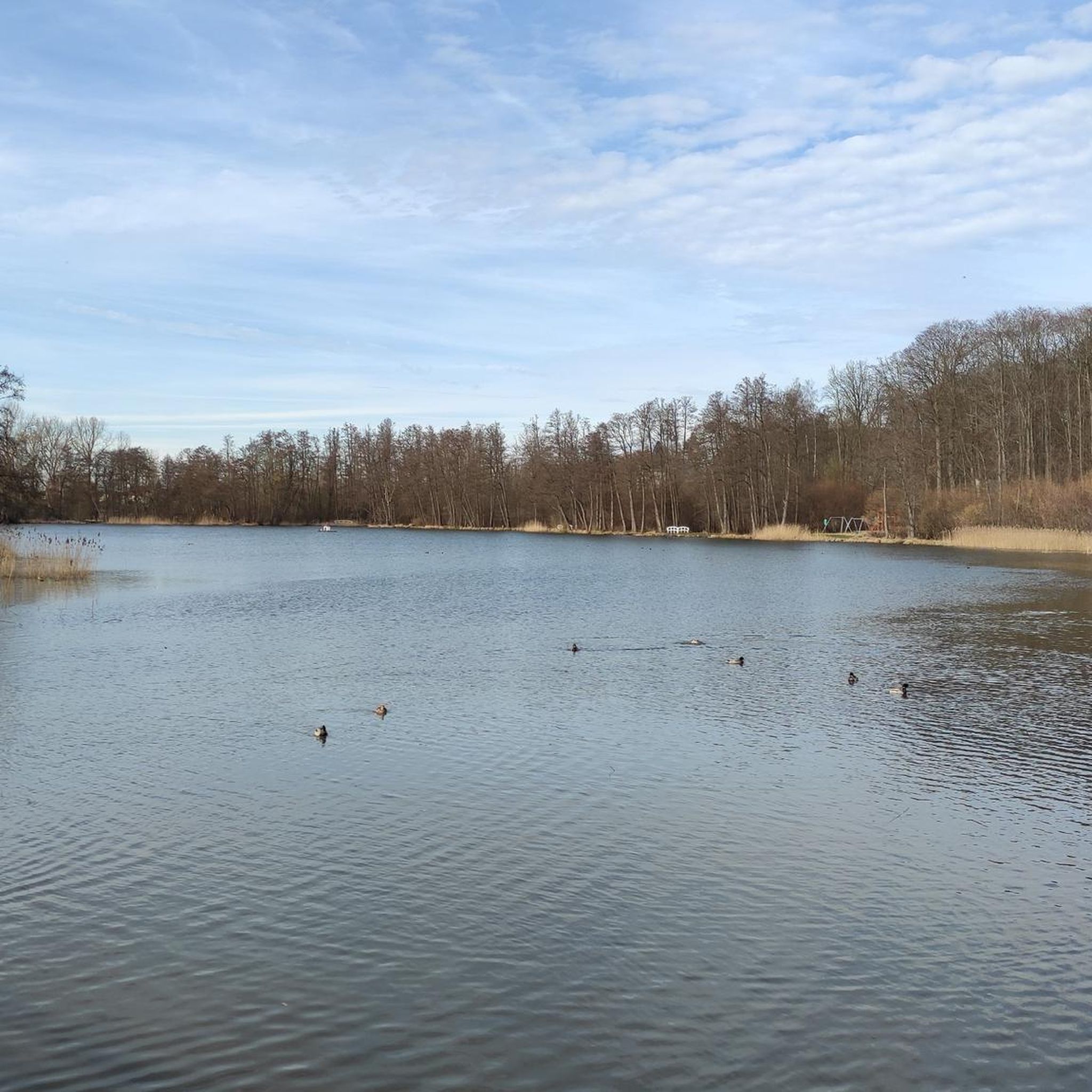
Cycling around Gadebusch
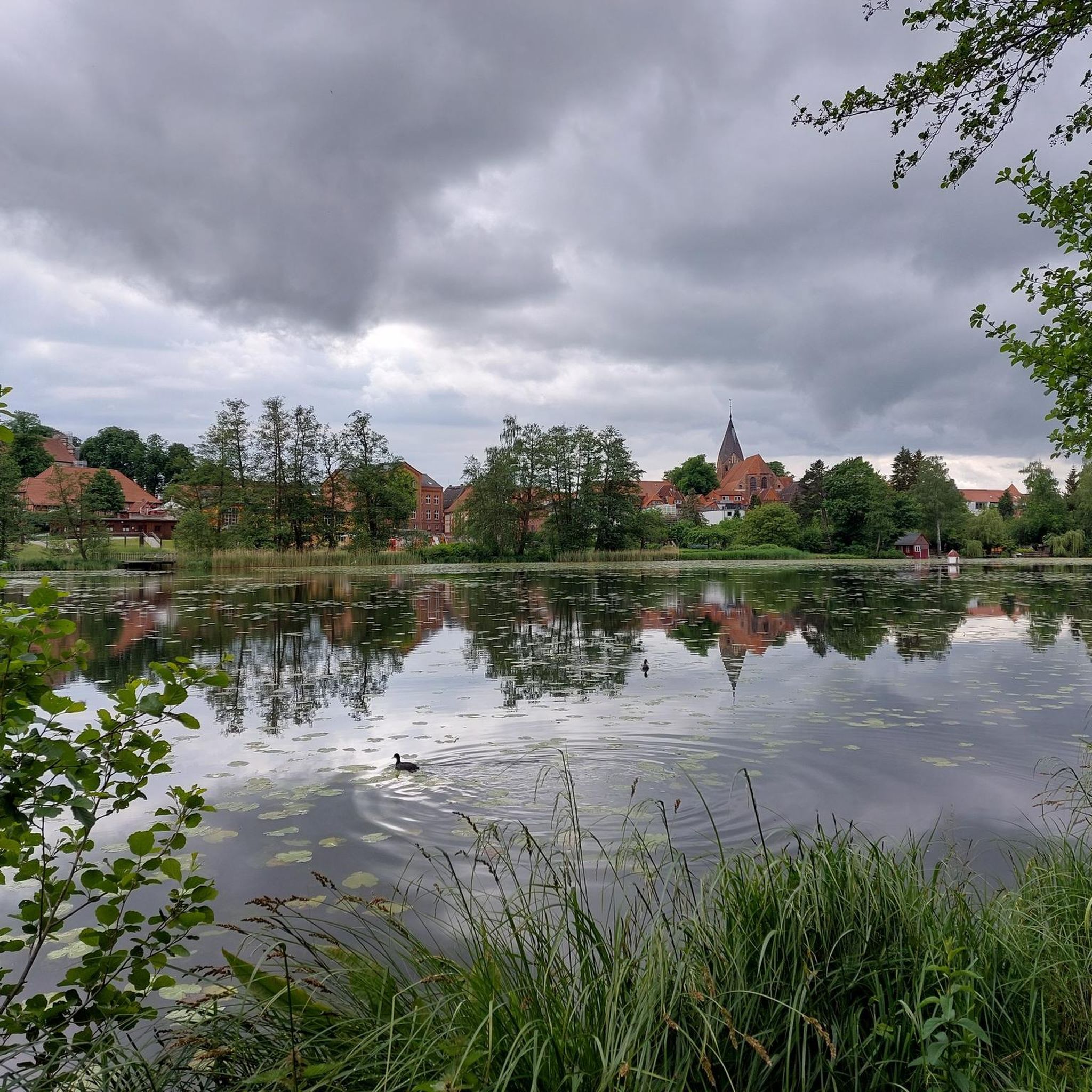
Hiking around Gadebusch
Road Cycling Routes around Gadebusch
Running Trails around Gadebusch
MTB Trails around Gadebusch

Gravel biking around Gadebusch


Tips from the Community

Around 1840/45, a large, 15-window-wide, two-and-a-half-storey residential building above a park was built for the Jacobson family based on the designs of the master builder Carl Adolph Hermes. The manor house received its current appearance through a renovation that took place in 1906/08. The park was now accessed through a round-arched door at ground level. The central risalit facing the courtyard received an arbor. The flat roof was converted into a high, hipped mansard roof. In the last years of the Second World War, the castle housed a branch of the Reich Security Main Office, the Reich Criminal Police Office. After the end of the Second World War, the estate became state property. The party school of the NDPD (National Democratic Party of Germany) first moved into the castle, and from 1956 the GDR youth association FDJ (Free German Youth), which trained its ED-affiliated cadres here. After the political change and the new economic opportunities that came with it, the Lösch family acquired 380 hectares of agricultural land and 180 dairy cows from the estate from the Treuhandanstalt in 1993. In 1998 they founded the Gut Grambow hunting school here. The historic estate houses the hunting school, the natural history museum of the Grambower Moor e.V. support association, the shooting center with the Gut Grambow field sports shop and the master gunsmith workshop. https://gutshaeuser.de/de/schloesser/schloss_grambow
2
0
The Renaissance castle from 1573 is particularly known for the detailed terracotta decorations on the facade. The 16th century building is currently being extensively renovated. The castle can be visited on guided tours at events such as the Open Monument Day. The original building of the Gadebusch Renaissance castle was a Slavic ring wall castle, which was documented on this site in the 8th century. Godebuz Castle was under Obodrite rule. From 1200 to 1204 the castle was occupied by the Danish and was then converted into a solid brick castle with a free-standing stone keep in the 13th century. From 1283 to 1299 the castle was the main residence of Mecklenburg princes. The nearby castle lake also takes its name from this period. The Barber-Ljaschtschenko Agreement (exchange of land between the British and the Soviet Union) was signed here in 1945. After 1945, the buildings were used as a museum, boarding school and later for administration. Although the castle is currently being renovated, you can visit it as part of special events and guided tours. The Gadebusch museum complex at the foot of the castle hill provides information about the history of the castle and the town. The museum courtyard with a view of the castle lake is also particularly inviting. https://www.mecklenburg-schwerin.de/unsere-region/staedte-und-orte/gadebusch/renaissance-schloss-gadebusch/index.html
3
0

Unfortunately private, so the view through the fence would have to suffice...
0
0

Bernstorf Manor or Bernstorf Castle is an imposing building and is directly visible from the street. Bernstorf Manor has been home to a hospice since 2014.
1
0

The castle is currently hidden behind scaffolding. There are also signs indicating that when you enter the castle grounds you are on private land.
0
0
The historic, listed Wedendorf Castle, located in the Nordwest - Mecklenburg district between the cities of Lübeck, Wismar and Schwerin, is a stately five-story building that can accommodate 71 people. Located directly on Lake Wedendorf with a view of the 800-year-old church of Kirch Grambow, the area around the four-star hotel offers opportunities for a variety of sports such as horse riding, hiking, cycling, fishing and hunting, but culture and nature lovers also come into their own Cost. In 2005, Wedendorf Castle was classified as a museum and extremely interesting to the public by the monument protection authority of the Northwest Mecklenburg district. Honorable mention went to the extensive renovation of the castle and the history of the von Bülow and von Bernstorff families, based on photos and drawings, which provide an insight into the social development of the region over the course of over 400 years. https://www.rehna.de/portal/seiten/hotel-und-museum-schloss-wedendorf-900000112-28460.html
2
0

Former neo-Gothic mansion from 1876. Privately owned, "No entry allowed"!
0
0

A manor house with an interesting history. Today there is a hunting farm, a restaurant and a small museum. The main house is in a desolate condition.
1
0
Frequently Asked Questions
What are the main architectural styles of castles found around Gadebusch?
The castles around Gadebusch showcase a range of historical architectural styles. You can find significant examples of North German Brick Renaissance, such as Gadebusch Castle, as well as neo-Gothic manor houses like Lützow Castle. The region's history also includes sites that evolved from ancient Slavic fortifications.
Are there family-friendly castles to visit near Gadebusch?
Yes, several castles in the area are considered family-friendly. Gadebusch Castle is listed as family-friendly, offering a rich history that can be engaging for all ages. While specific activities vary, the historical context and surrounding areas often provide opportunities for family exploration.
What makes Gadebusch Castle historically significant?
Gadebusch Castle stands on the site of an 8th-century Slavic rampart and was a main residence for Mecklenburg princes in the 13th century. The current Renaissance palace, built between 1571 and 1573, is a rare and significant example of North German Brick Renaissance architecture, known for its elaborate terracotta facade ornamentation. It has served various roles throughout history, including a ducal residence, a court, and a boarding school.
Can I find walking or hiking trails near the castles?
Yes, the area around Gadebusch offers various hiking opportunities. For instance, there are routes like the 'Burgsee Gadebusch – Gadebusch Town Hall loop' which is an easy 2.5 km hike, or the 'Burgsee Bridge Gadebusch – Burgsee Gadebusch loop' which is a moderate 9.6 km hike. You can explore more options for hiking around Gadebusch on komoot's hiking guide.
What is unique about Lützow Castle?
Lützow Castle is a magnificent neo-Gothic manor house built in 1876, featuring two towers, battlements, decorative gables, and bay windows. It is set within a beautiful landscaped park that includes a neo-Gothic mausoleum. While privately owned, its impressive architecture and historical background make it a notable landmark in the region.
Is Schloss Wedendorf open to the public?
Schloss Wedendorf is a historic, listed five-story building located directly on Lake Wedendorf. It has been classified as a museum and also functions as a hotel. Visitors can explore its history, which includes connections to the von Bülow and von Bernstorff families, and enjoy its scenic location.
What is the best time of year to visit the castles around Gadebusch?
The castles around Gadebusch can be visited throughout the year, but spring and summer offer pleasant weather for exploring the castle grounds and nearby natural landscapes. During these seasons, the parks and lakes are particularly inviting. Some castles, like Gadebusch Castle, may also host special events or guided tours, especially on 'Open Monument Day'.
Are there any castles that are currently undergoing renovation or have limited access?
Gadebusch Castle is currently undergoing renovation. While it has served various administrative purposes in the past, there are plans to transform it into living accommodation and offer community activities. It can sometimes be visited during special events like 'Open Monument Day' and through guided tours, so it's advisable to check local listings for current access.
What kind of natural features can be found near the castles?
The castles are often set amidst beautiful natural landscapes. For example, Gadebusch Castle is located near the Burgsee (castle lake), which derives its name from the castle's early history. Schloss Wedendorf is situated directly on Lake Wedendorf, offering scenic views and opportunities for outdoor activities like cycling and fishing.
Are there options for cycling near the castles?
Yes, the Gadebusch region is suitable for cycling. You can find various routes, including gravel biking trails. For example, the 'Dümmer Lake East Shore swimming spot – Boathouses on Lake Dümmer loop' is an easy 10 km route. More options are available in komoot's guide for Gravel biking around Gadebusch.
What is Herrenhaus Bernstorf and its current use?
Herrenhaus Bernstorf is an imposing manor house. Since 2014, it has been home to a hospice, serving a different but important community function. It is directly visible from the street.
How long should I plan for a visit to a castle in the Gadebusch area?
The duration of your visit will depend on the specific castle and your interest. For a significant site like Gadebusch Castle, especially if you join a guided tour or explore the surrounding town and museum, you might spend 2-3 hours. For castles that are privately owned or have limited public access, a shorter visit to admire the exterior and grounds might suffice.
Most popular routes around Gadebusch
Most popular attractions around Gadebusch

Get inspired with the komoot mobile app


Explore more
Looking for the best castles somewhere else? Discover other guides around Gadebusch:
