Top 6 Castles around Schildetal
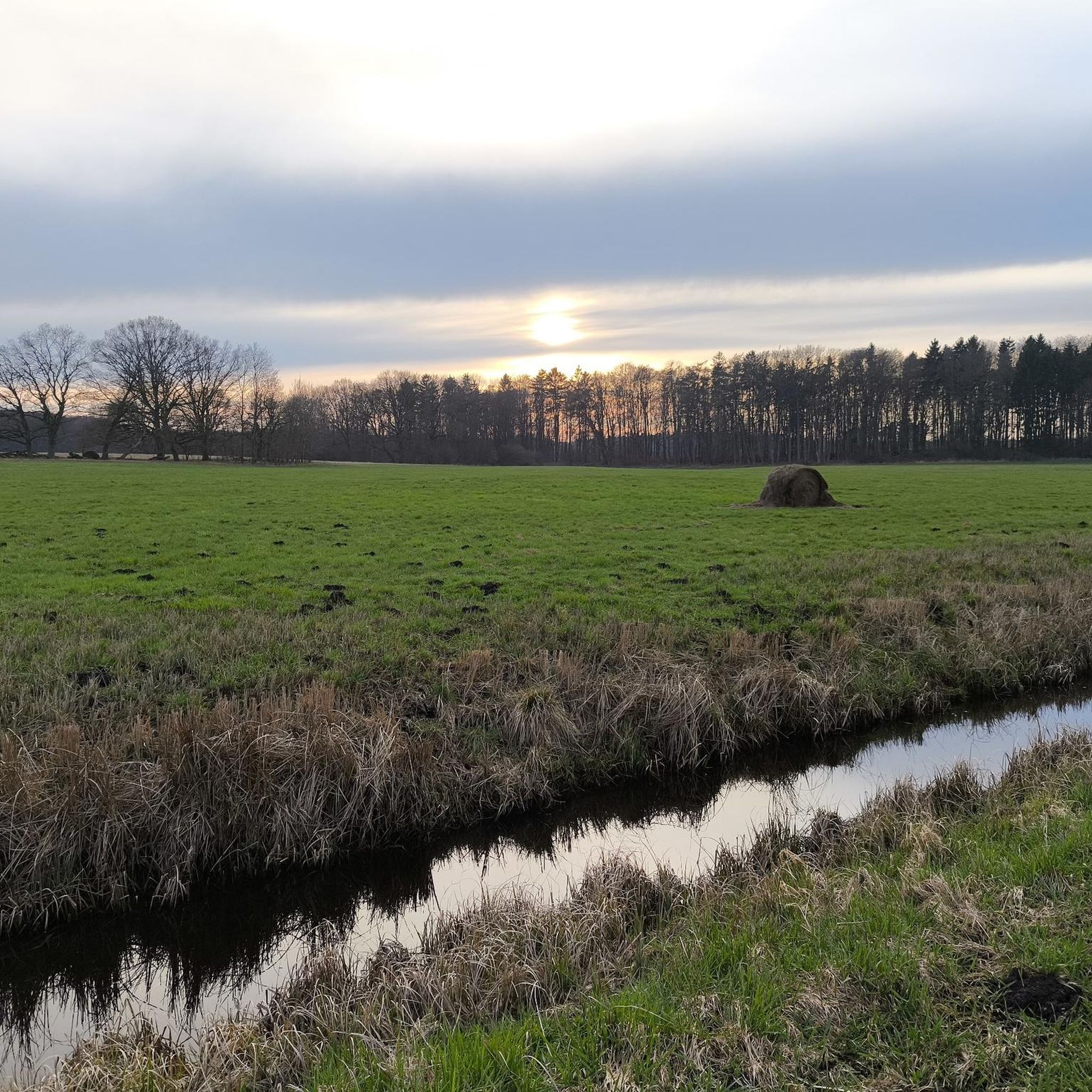
Castles around Schildetal are found within a tranquil landscape of fields, meadows, and small forests in the Nordwestmecklenburg district. While the region is known for its peaceful environment, the municipality itself features notable historical structures. Gutshaus Badow, a neo-baroque manor house, stands as a significant example within Schildetal. The area offers a serene setting for exploring historical architecture.
Best castles around Schildetal
- The most popular castles is Lützow Castle, a castle that features a magnificent neo-Gothic manor house. Built…
Last updated: April 29, 2026
Lützow Castle
Highlight • Castle
Under the von Behrs, who took over the estate in 1846 and were joined …
Translated by Google •
Tip by

Gadebusch Castle
Highlight • Castle
Translated by Google •
Tip by

Sign up now to discover places like this
Get recommendations on the best single tracks, peaks, & plenty of other exciting outdoor places.
Sign up for free
Schloss Dreilützow and English Landscape Park
Highlight • Castle
Translated by Google •
Tip by
Neuhof Castle
Highlight • Castle
The estate was owned by the Husanus family until 1643. In 1653 it belonged to Bruno Nieding, and in the course of the 17th century …
Translated by Google •
Tip by
Start today with a free account
Your next adventure awaits.
Login or Signup

Tips from the Community

The Renaissance castle from 1573 is particularly known for the detailed terracotta decorations on the facade. The 16th century building is currently being extensively renovated. The castle can be visited on guided tours at events such as the Open Monument Day. The original building of the Gadebusch Renaissance castle was a Slavic ring wall castle, which was documented on this site in the 8th century. Godebuz Castle was under Obodrite rule. From 1200 to 1204 the castle was occupied by the Danish and was then converted into a solid brick castle with a free-standing stone keep in the 13th century. From 1283 to 1299 the castle was the main residence of Mecklenburg princes. The nearby castle lake also takes its name from this period. The Barber-Ljaschtschenko Agreement (exchange of land between the British and the Soviet Union) was signed here in 1945. After 1945, the buildings were used as a museum, boarding school and later for administration. Although the castle is currently being renovated, you can visit it as part of special events and guided tours. The Gadebusch museum complex at the foot of the castle hill provides information about the history of the castle and the town. The museum courtyard with a view of the castle lake is also particularly inviting. https://www.mecklenburg-schwerin.de/unsere-region/staedte-und-orte/gadebusch/renaissance-schloss-gadebusch/index.html
3
0

Unfortunately private, so the view through the fence would have to suffice...
0
0

Former neo-Gothic mansion from 1876. Privately owned, "No entry allowed"!
0
0
From the 14th to the 17th century, the estate belonged to the eponymous von Lützow family. Under the von Behrs, who took over the estate in 1846 and were joined by the von Bassewitz family through marriage in 1866, the magnificent manor house with towers, battlements, decorative gables and bay windows was built in 1876. A mausoleum of the Behr family was built in the extensive park before 1850. The park extends to the railway line, which explains its post-war use: After 1945, the castle was initially used as refugee accommodation, then until 1991 as a Reichsbahn school. From 1992, the house stood empty for almost ten years until a new owner began renovation in 2003 and now uses the property privately. https://www.mecksikon.de/?p=article&aid=237
4
1
Anyone interested in the North German brick Renaissance will find a true prime example in Gadebusch Castle. Built in 1573 by order of Duke Christoph von Mecklenburg, the picturesque castle is situated on a small hill in the middle of the small town of Gadebusch between Schwerin and Ratzeburg. Gadebusch Castle particularly impresses its visitors with its richly decorated facade. The limestone and terracotta reliefs are based on the artistically designed palazzi in Italy and show, among other things, Hanseatic and religious depictions. They were created in the workshop of Statius von Düren (ca. 1520-1570) in Lübeck. The history of the brick castle goes back to the 8th century. At that time there was a ring wall castle on the site of today's Gadebusch Castle. Surrounded by a rough landscape, it was called Godebuz. The name of the town of Gadebusch is derived from this historic building. In fact, the castle was only converted into a solid brick castle in the 13th century and since then has shone in the Mecklenburg Neo-Renaissance architectural style - the style that characterizes the current appearance of Gadebusch Castle. At that time, the castle also gained great importance as the main residence of the Mecklenburg princes. After centuries of stately existence, Gadebusch Castle was used in various ways in the 20th century, for example as a museum, boarding school, kindergarten, administration building and district court. After the current renovation of the building, it is planned as part of the “Gadebusch Castle of the Future” project to move the State Music Academy into Gadebusch Castle. The entire castle area should become a lively place full of culture and encounters. https://www.mecklenburg-schwerin.de/travel destinations/staedte-und-orte/gadebusch/schloss-gadebusch/
2
2
Surrounded by wide moats, a romantic fairytale castle stands in Lützow, amidst a magnificent landscaped park. The magnificent neo-Gothic manor house, with two towers, battlements, decorative gables, and bay windows, was built by the von Bassewitz-Behr family in 1876. Since 1796, the estate was owned by the von Behr family, and by marriage in 1866 by the von Bassewitz-Behr family. The previous owners were the von Lützow family from the 14th to the 17th century. A wide staircase leads from the manor house into the extensive, well-kept park with its rich biodiversity and to the pond. In the park stands a neo-Gothic mausoleum, built before 1850, with a coat of arms above the entrance featuring a bear, the heraldic animal of the von Behr family. After 1945, the manor house was used as a vocational school for the German Reichsbahn (German State Railway) until 1991, after which it stood empty for several years. In 2005, Deutsche Bahn AG sold the building. The new owner renovated the manor house inside and out, and the park was also restored. Horse breeding is carried out on the former estate, and there is also a riding academy. https://gutshaeuser.de/de/guts_herrenhaeuser/gutshaeuser_l/herrenhaus_schloss_luetzow
6
2

Gadebusch Castle is a magnificent Renaissance building and a typical example of the North German brick Renaissance. After an eventful history, the castle has belonged to the city of Gadebusch since 2017. Now, after many years of vacancy, it is finally to be renovated and used by the State Music Academy.
0
0

Had a seminar lasting several days in Dreilützow, venerable building ...
1
1
Frequently Asked Questions
What types of historical architecture can I expect to see around Schildetal?
The castles and manor houses around Schildetal showcase a variety of architectural styles. You can find magnificent neo-Gothic designs, such as at Lützow Castle, Renaissance buildings like Gadebusch Castle, and 18th-century castles with associated English landscape parks, exemplified by Schloss Dreilützow. Within Schildetal itself, Gutshaus Badow is a notable neo-baroque manor house.
Are there any family-friendly castles or estates to visit near Schildetal?
Yes, several estates around Schildetal are suitable for families. Schloss Dreilützow and English Landscape Park is particularly family-friendly, offering extensive parkland with open spaces, a river, and ponds for activities. It's often used for school trips and holiday camps. Gadebusch Castle and Neuhof Castle also offer family-friendly environments, with Neuhof even providing holiday apartments.
What is Gutshaus Badow and what makes it unique?
Gutshaus Badow is a significant neo-baroque manor house located within the Schildetal municipality. Rebuilt in 1906 after the original burned down, it has a unique history, including a period as a 'Ponyschloss' (pony castle) and now serves as a holiday home. Its tranquil setting within Schildetal's peaceful landscape makes it ideal for relaxation and appreciating historical architecture.
Can I explore the grounds or parks of these castles?
Many castles around Schildetal feature extensive parks and grounds that are accessible. Schloss Dreilützow boasts a 4-hectare English landscape park with open spaces, a river, and ponds. Lützow Castle is set within a magnificent landscaped park, though the manor house itself is privately owned and not open for entry. Neuhof Castle also features a very well-maintained park.
Are there hiking opportunities near the castles around Schildetal?
Yes, the tranquil landscape around Schildetal offers various hiking opportunities. You can find easy hikes that allow you to explore the natural beauty near these historical sites. For specific routes and more details, you can refer to the Easy hikes around Schildetal guide.
What other outdoor activities are available near the castles?
Beyond hiking, the Schildetal region provides options for cycling enthusiasts. You can find both mountain biking trails and road cycling routes. For detailed information on routes, distances, and difficulty levels, explore the MTB Trails around Schildetal and Road Cycling Routes around Schildetal guides.
What is the history behind Gadebusch Castle?
Gadebusch Castle is a significant Renaissance building constructed between 1571 and 1573. It stands on the site of an older Slavic rampart dating back to the 8th century. The castle has an eventful history, serving as a main residence for Mecklenburg princes and later as a district court. It is now owned by the city of Gadebusch and is slated for renovation to be used by the State Music Academy.
Can I stay overnight at any of the castles or manor houses?
Yes, Neuhof Castle operates as a hotel and restaurant, also offering holiday apartments. Gutshaus Badow, located within Schildetal, is also available as a holiday home. Schloss Dreilützow provides accommodation for groups, such as school trips and family get-togethers.
What makes Lützow Castle notable?
Lützow Castle is a magnificent neo-Gothic manor house built in 1876, featuring towers, battlements, and decorative gables. It is surrounded by wide moats and set within an extensive landscaped park. While privately owned and not open for public entry into the house, its impressive architecture and historical significance make it a notable sight.
What is the best time of year to visit the castles and the Schildetal region?
The Schildetal region, known for its tranquil landscape, is pleasant to visit during the warmer months, from spring to early autumn (April to October), when the parks and natural surroundings are in full bloom and outdoor activities are most enjoyable. However, the historical architecture of the castles can be appreciated year-round, with winter offering a different, often serene, atmosphere.
Are there any facilities or amenities available at the castles?
Some castles offer facilities for visitors. Neuhof Castle functions as a hotel and restaurant. Schloss Dreilützow, run by Caritas Mecklenburg e.V., provides extensive facilities for groups, including accommodation and activity spaces within its large park. Gadebusch Castle, while undergoing renovation, is planned to house the State Music Academy, suggesting future public access and facilities.
Most popular attractions around Schildetal

Get inspired with the komoot mobile app


Explore more
Looking for the best castles somewhere else? Discover other guides around Schildetal:
