Top 15 Caves around Hahausen
Best caves around Hahausen are found in the wider Harz region, as Hahausen itself, a village in Lower Saxony, Germany, does not feature prominent caves. The Harz mountains are known for diverse and fascinating cave systems, offering unique geological formations and historical insights. Visitors to the area can access several notable caves that provide engaging experiences. These caves are accessible from the Hahausen area and showcase various underground environments.
Best caves around Hahausen
- The most popular caves is Jägerhaus, St. Hubert’s Chapel and St. Hubert’s Grotto, a historical site that features a grotto with decorations and figures carved into the stone. This grotto monument is currently undergoing restoration.
- Another must-see spot is Zechenhaus — spring, shelter and sealed mine entrance, an other man-made site with a sealed mine entrance. This site serves as a reminder of former iron ore mining operations and offers a rest area with a spring.
- Visitors also love Geological Nature Trail 'Spar die Müh' and Dwarf Cave (Zwergloch), Lautenthal, a trail with great rock formations. This trail includes the Dwarf Hole, a small, closed cave that provides protection for bats.
- Hahausen is known for historical caves, natural grottoes, and former mine entrances. The region offers a variety of caves to see and explore, from those with geological significance to sites linked to mining history.
- The caves around Hahausen are appreciated by the komoot community, with over 350 upvotes and more than 480 photos shared by users.
Last updated: May 15, 2026
Jägerhaus, St. Hubert’s Chapel and St. Hubert’s Grotto
Highlight • Historical Site
jaegerhaus-sehlde.de
Translated by Google •
Tip by

Translated by Google •
Tip by

Sign up now to discover places like this
Get recommendations on the best single tracks, peaks, & plenty of other exciting outdoor places.
Sign up for free
Zechenhaus — spring, shelter and sealed mine entrance
Highlight • Structure
A lovely rest area with a spring.
Translated by Google •
Tip by

Stecken Aaron Mine Tunnel
Highlight • Cave
You can take a look at that.
Translated by Google •
Tip by
Zwergenloch (Dwarves' Cave)
Highlight • Cave
When I grew up here, the cave was still open and we played in it as children. After a long, narrow passage, the cave comes at the end. Like a room and there used to be benches there.
Today the cave is blocked by a grid to protect the bats 🦇.
Translated by Google •
Tip by
Sign up for free to discover even more caves around Hahausen.
Sign up for free
Already have an account?
Start today with a free account
Your next adventure awaits.
Login or Signup

Tips from the Community

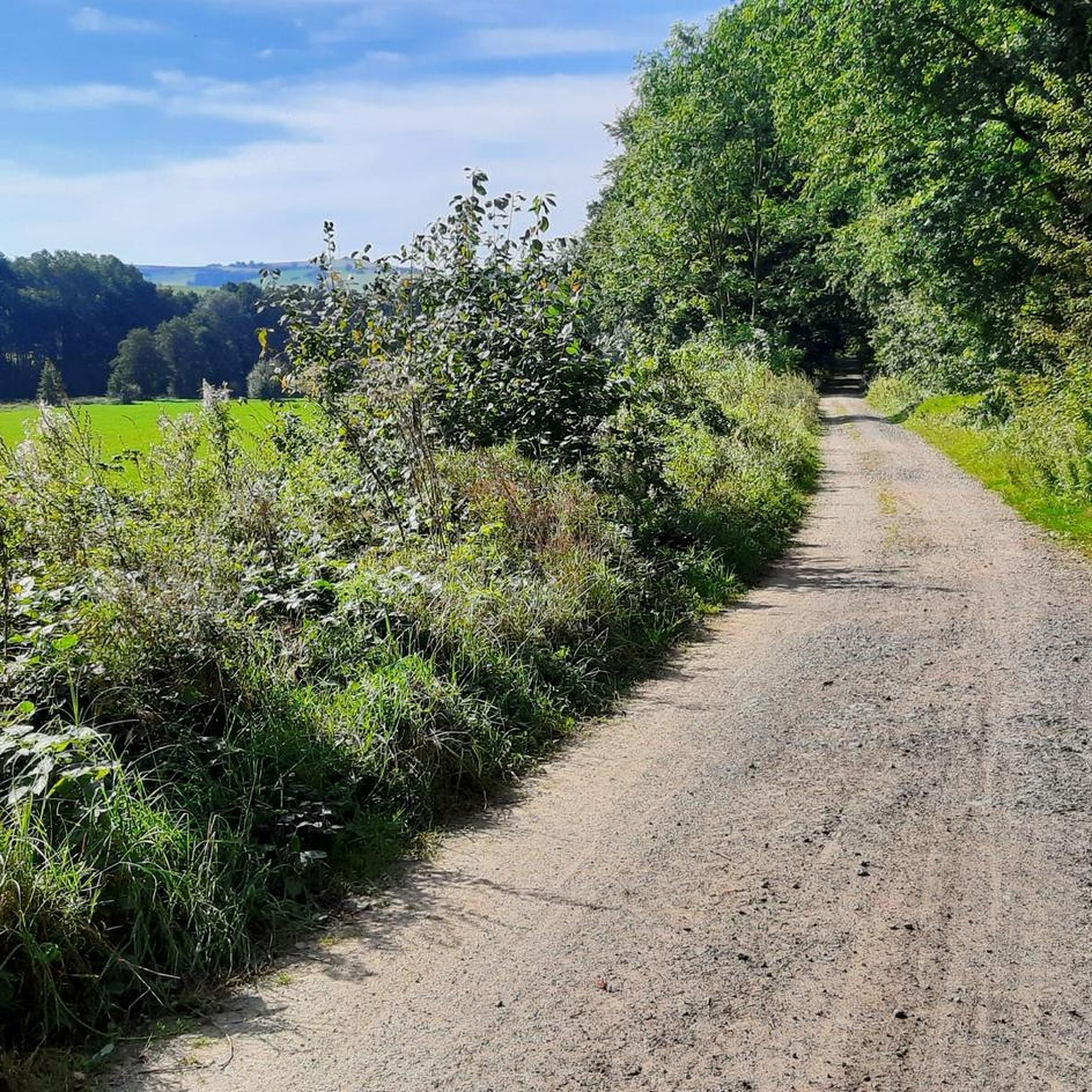
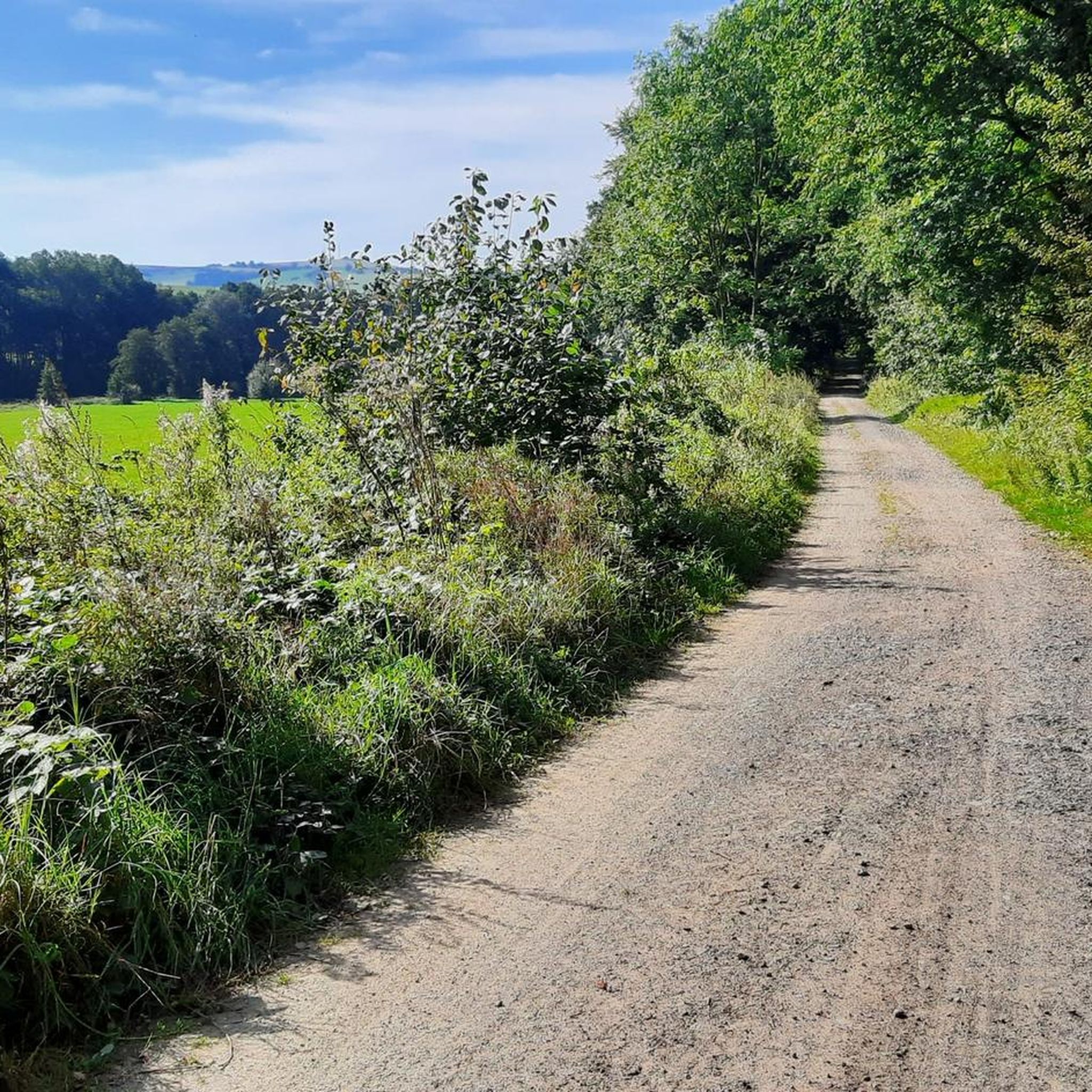
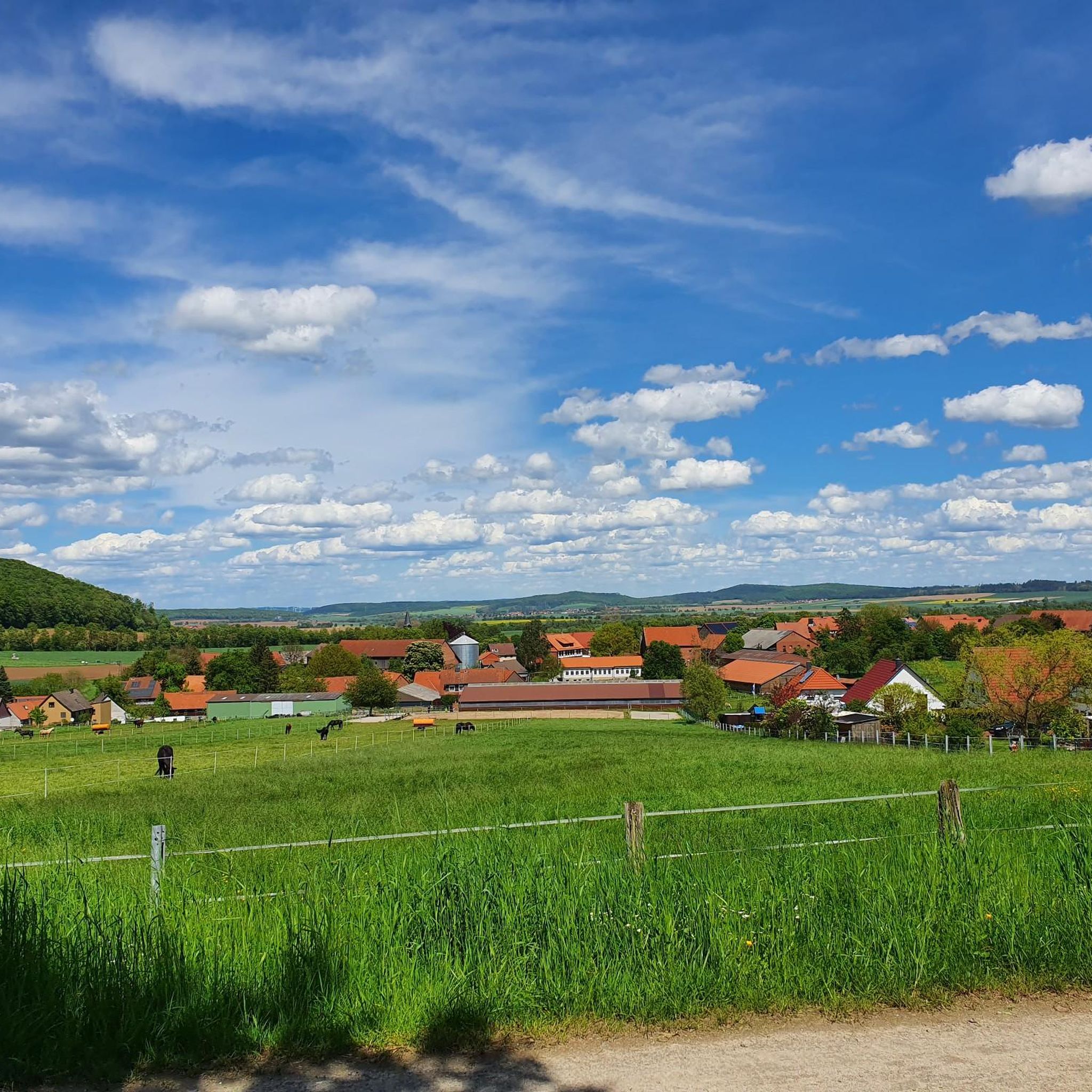
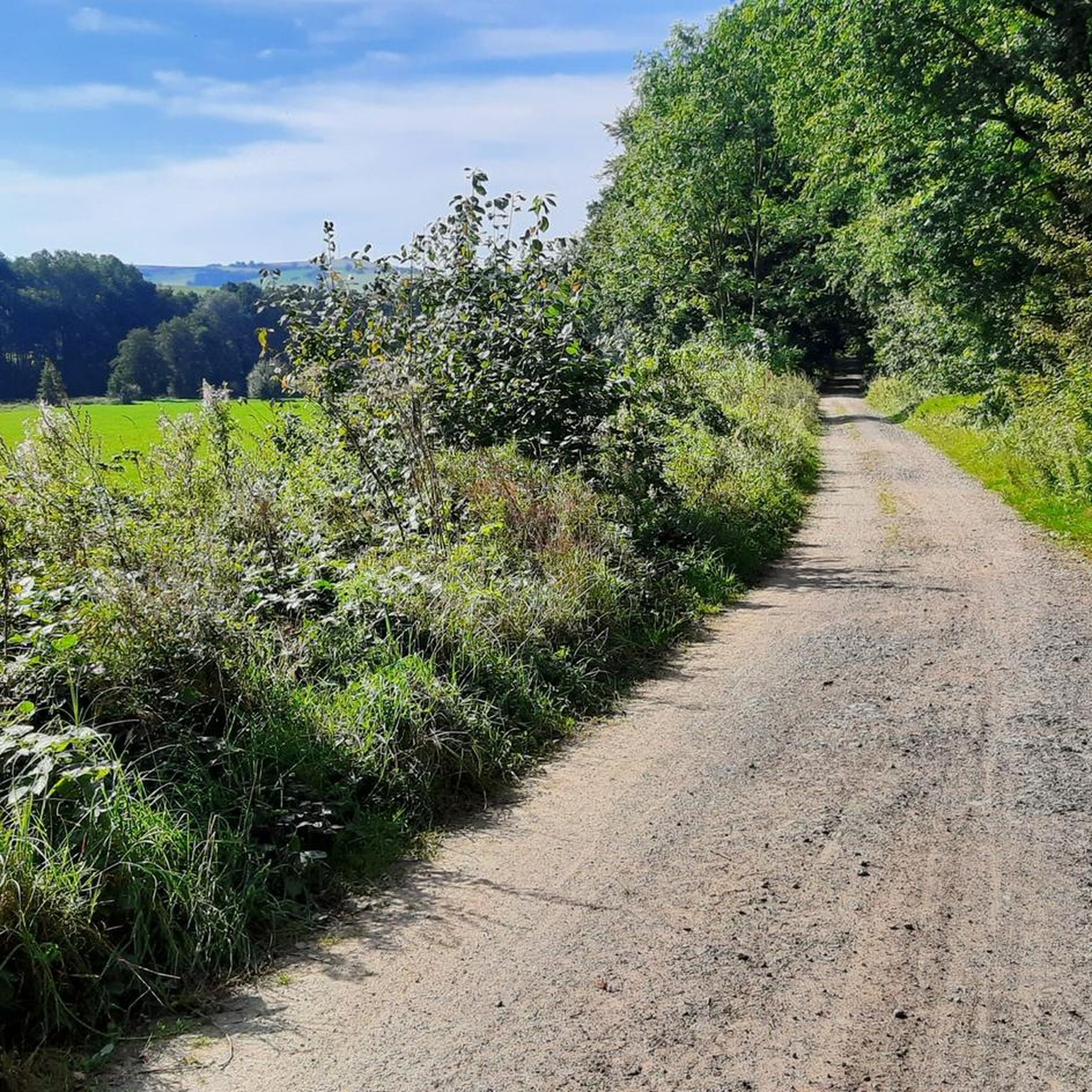
Between rock and stream, a beautiful path.
1
0

Only the name of the former mine building remains, but the sealed mine entrance is a reminder of the former iron ore mining operations. A lovely rest area with a spring.
7
0

Just the right place for a break.
0
0

You have to walk down to the water. It's important to wear waterproof shoes if you want to take a look inside. It's a bit muddy.
2
0

An old mining shaft that can only be reached by crossing a small river. This is definitely worth it as the shaft is a nice photo opportunity. But be sure to pay attention to your own safety! A little further down the mountain you will find the “Wolfgang Spring”. You can safely drink the spring water there and refresh yourself a little.
0
0
The hunter's house is currently only available for rent.
12
1

Above the Innermost 🌊💙 with many rapids. Wonderful noise, wildly romantic roar 🌊💙. Lots of interesting information about information boards on the Geological Trail in Lautenthal.👌🏼 Impressive rock formations, great photo opportunities 📸
1
1

Between the tunnel and the path there is a small stream that has to be crossed. No problem in summer, but when there is a lot of water, you can't get across here with dry feet. This tunnel used to be open and we could still play there as children. Like all the other tunnels here, it is now equipped with a grid to protect the bats. But you can still take a look and on the information board you will find everything you need to know about this tunnel entrance.
3
0
Frequently Asked Questions
What are some of the most notable caves to visit near Hahausen?
While Hahausen itself doesn't have prominent caves, the wider Harz region offers several significant options. These include the Jägerhaus, St. Hubert’s Chapel and St. Hubert’s Grotto, known for its historical grotto, and the Zechenhaus — spring, shelter and sealed mine entrance, a reminder of former iron ore mining. Other major caves in the Harz include the Heimkehle Show Cave, Baumanns Cave, Hermanns Cave, Unicorn Cave, Iberg Dripstone Cave, and Barbarossa Cave.
What kind of geological formations can I expect to see in the Harz region caves?
The caves in the Harz region showcase diverse geological formations. You can find impressive stalactites and stalagmites in Baumanns Cave, underground lakes and a 22-meter-high dome in Heimkehle, and unique anhydrite formations resembling an 'upside-down landscape' in Barbarossa Cave. The Geological Nature Trail 'Spar die Müh' also features great rock formations.
Are there any caves near Hahausen with historical significance?
Yes, several caves and sites near Hahausen have rich histories. The Jägerhaus, St. Hubert’s Chapel and St. Hubert’s Grotto is a historical site with a grotto undergoing restoration. The Zechenhaus marks a sealed mine entrance from former iron ore mining. Heimkehle Show Cave was used as an underground factory during WWII, and Unicorn Cave is famous for bone finds once believed to be from unicorns. Barbarossa Cave is steeped in the legend of Emperor Frederick I Barbarossa.
Are there family-friendly caves in the Harz region accessible from Hahausen?
Many caves in the Harz region are suitable for families. The Zechenhaus offers a pleasant rest area. The Iberg Dripstone Cave and its associated Cave Experience Centre provide interactive exhibitions, making it an engaging visit for all ages. Baumanns Cave and Hermanns Cave also offer guided tours that are generally family-friendly.
What makes the Unicorn Cave (Einhornhöhle) unique?
The Unicorn Cave, located in the western Harz Mountains, is one of the largest karst caves in the region. It's notable for its formation in Permian Zechstein dolomite and its name, which comes from numerous bone finds that were historically believed to be from unicorns. Visitors can explore about 300 meters of its over 700-meter length.
What can I expect when visiting Baumanns Cave and Hermanns Cave?
Near Rübeland, Baumanns Cave is renowned for its abundant stalactites and stalagmites, including the impressive 'Goethe Hall' which hosts cultural events. Hermanns Cave, a river cave, features crystal chambers and large caverns up to 50 meters high. It's also the only place in Germany where rare olms (aquatic salamanders) were settled.
What is special about the Heimkehle Show Cave?
Heimkehle is one of Germany's largest accessible gypsum caves, located at the southern edge of the Harz Mountains. It features impressive underground lakes and a striking 22-meter-high 'dome'. Beyond its natural beauty, it holds significant historical importance as parts were converted into an underground factory during World War II, utilizing forced laborers.
Is there a cave near Hahausen that offers an interactive experience?
Yes, the Iberg Dripstone Cave and its associated Cave Experience Centre provide an interactive experience. Guided tours delve into the underground world and geological history, while the center offers exhibitions explaining cave formation and Harz cave research, including a replica of a 3,000-year-old Bronze Age family tomb.
What is the Barbarossa Cave known for?
The Barbarossa Cave, located in the Kyffhäuser Nature Park, is a geological rarity. It's one of only two show caves worldwide formed in anhydrite rock. Visitors can explore its unique formations, large underground lakes, and halls with ceiling surfaces resembling an 'upside-down landscape'. It's also famous for the legend of Emperor Frederick I Barbarossa, who is said to be sleeping there.
Are there hiking opportunities near the caves around Hahausen?
Yes, the area around Hahausen offers various hiking opportunities that can be combined with cave visits. For example, the Hiking around Hahausen guide features routes like the 'Innerste Reservoir – Neiletal Trailhead Parking loop' or the 'Langenberg Forest – Barenberg loop'. The Geological Nature Trail 'Spar die Müh' also provides a scenic walk with interesting rock formations.
What other outdoor activities can I do around Hahausen?
Beyond exploring caves, Hahausen and the surrounding Harz region offer diverse outdoor activities. You can find gravel biking routes like the 'View of the Innerste Reservoir loop' or the 'Pandelbach Crossing – Iberg Albert Tower loop'. There are also running trails, such as the 'Post Museum Seesen – Hodagswinkel loop'.
What do visitors particularly enjoy about the caves and natural sites around Hahausen?
Visitors appreciate the unique blend of natural beauty and historical intrigue. Many enjoy the detailed carvings and restoration efforts at St. Hubert’s Grotto. The Geological Nature Trail is praised for its interesting rock formations and the small, bat-protecting Dwarf Cave (Zwergenloch). The Zechenhaus is valued as a lovely rest area with a spring.
Are there any former mining sites or man-made caves to explore near Hahausen?
Yes, the region has a history of mining. The Zechenhaus features a sealed mine entrance, serving as a reminder of former iron ore mining operations. Additionally, the Stecken Aaron Mine Tunnel, where galena containing silver was extracted until 1775, offers a glimpse into the area's mining past.
Are there any caves near Hahausen that protect local wildlife?
Yes, the Dwarf Cave (Zwergloch), located along the Geological Nature Trail 'Spar die Müh' near Lautenthal, is a small, closed cave specifically designated to provide protection for bats. Similarly, the Zwergenloch (Dwarves' Cave) is also blocked by a grid to protect bats.
Most popular routes around Hahausen
Most popular attractions around Hahausen

Get inspired with the komoot mobile app


Explore more
Extend your search for the best caves by checking out these guides of the top ones around Hahausen:
