Top 5 Castles around Priepert
Castles around Priepert offer insights into the region's historical architecture and past. The area, part of the Mecklenburg Lake District, features a landscape characterized by numerous lakes and forests. Visitors can explore various historic sites that reflect centuries of regional development. These landmarks provide a factual glimpse into the cultural heritage surrounding Priepert.
Best castles around Priepert
- The most popular castle is Wesenberg Castle, a castle that now houses a local history room, a forestry museum, and a tourist…
Last updated: June 27, 2026
Wesenberg Castle
Highlight • Castle
Translated by Google •
Tip by

Wesenberg Old Town
Highlight • Settlement
Translated by Google •
Tip by
Sign up now to discover places like this
Get recommendations on the best single tracks, peaks, & plenty of other exciting outdoor places.
Sign up for free
Seewalde Castle
Highlight • Castle
Translated by Google •
Tip by

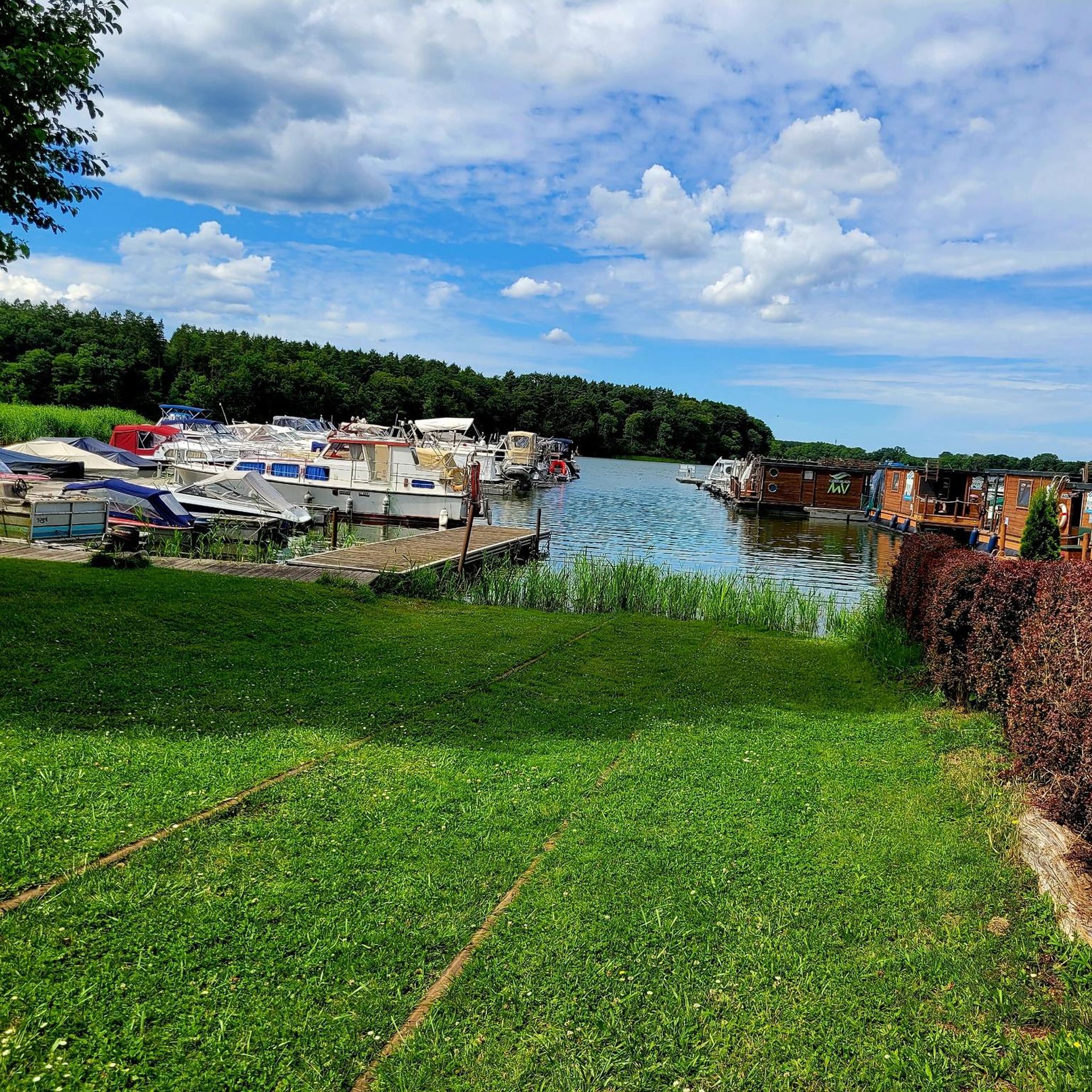
Wesenberg Harbor (Boat Dock and Rest Area)
Highlight • Rest Area
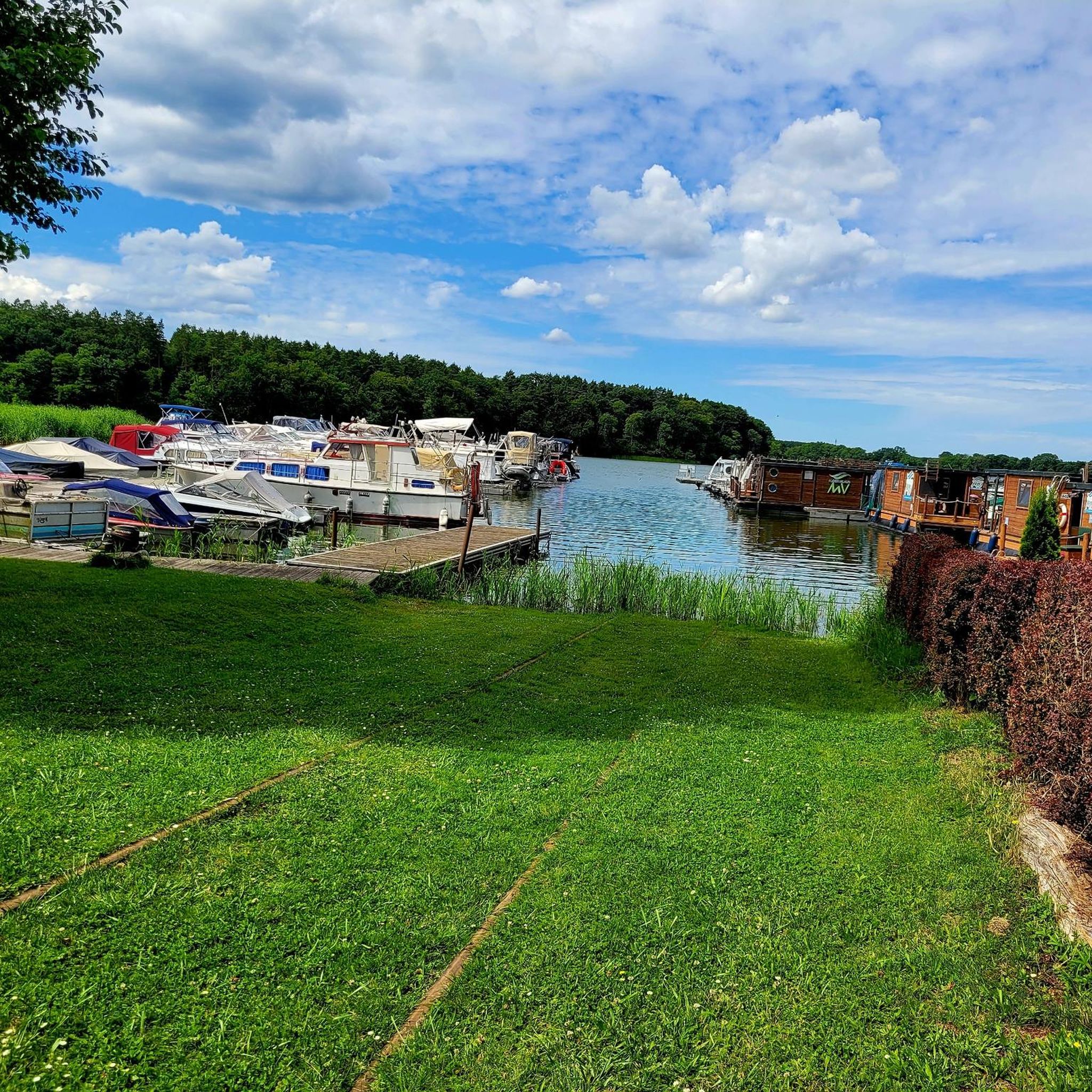
A snack bar offers food and drinks
Translated by Google •
Tip by

Lake Röblin
Highlight • Viewpoint
Translated by Google •
Tip by

Sign up for free to discover even more castles around Priepert.
Sign up for free
Already have an account?
Start today with a free account
Your next adventure awaits.
Login or Signup
Tips from the Community

From here, you can't see Fürstenberg Castle, because someone misplaced the highlight. What you can see here on the opposite bank is the former VEB Fürstenberg feed mixing plant, also known as the Behrn Mill, a lost place that can be seen from afar due to its size, but is not accessible.
0
0

Unfortunately, I only drove through briefly. Next time, I'll bring more time. :-)
0
0

Estate with a single-storey manor house from the 1920s and a park with an ice cellar made of field stones; after 1949 a boarding school and recreation house, from 1998 expanded as a facility for the disabled. Source: https://de.m.wikipedia.org/wiki/Wustrow_(Mecklenburgische_Seenplatte)
2
0

A visit to the castle with a climb to the viewing platform is worthwhile
1
0

Wesenberg Castle, a high medieval motte castle in the northeast of the town of Wesenberg, is a historical highlight in the Mecklenburg Lake District district in Mecklenburg-Western Pomerania. With its impressive history, which dates back to the middle of the 13th century, the castle today offers a fascinating insight into the region's past. The castle was originally built to protect the town of "Wesenberge" and has experienced numerous eventful events over the centuries, including Mecklenburg-Brandenburg disputes and the consequences of the Thirty Years' War, which led to the extensive destruction of the complex. The torso of the keep, known as the Fangelturm, and parts of the south wall have been preserved. Today the castle is owned by the town and houses the Wesenberg Tourist Office and a local history room, which displays a collection on fishing, forestry and regional history. The castle's rooms are also used as a forestry museum. In addition, the traditional castle festival takes place every year on the first weekend in July with a historical parade, knightly plays, dancing and fireworks, attracting visitors from near and far. Visitors to Wesenberg Castle can climb the preserved tower and enjoy a wonderful view of the town and the lake from there. The idyllic location, the well-preserved grounds and the diverse cultural offerings make the castle a worthwhile destination for history buffs, culture enthusiasts and anyone who wants to experience the beauty of the Mecklenburg Lake District. When visiting Wesenberg Castle, visitors should make sure they have appropriate equipment, especially if they want to climb the tower. Information on opening times, admission prices and special events can be obtained in advance from the Wesenberg Tourist Office or on the Wesenberg town website.
2
0

It's worth stopping for a coffee. The charging station is a great idea, not new, but rarely offered. Helpful!
1
0
A very beautiful, tranquil town with a number of sights. A worthwhile destination for a tour. The recognized resort of Wesenberg is located in the Mecklenburg Lake District nature experience region. In addition to untouched nature, there are also architectural monuments to experience. You can linger a while in this town, there is a lot to discover! It's worth it! Documents from the 13th century report that Wesenberg was founded in 1252 by Prince Nikolaus I of Werle, but in 1276, after a battle at Groß Trebbow, it passed into the possession of Margrave Otto IV of Brandenburg. Only two years later, Schwerin's town charter was confirmed, and in 1282 a castle was built. In 1292, the town came into the hands of the Mecklenburgers as part of the Stargard lordship and thus the dowry of the Brandenburg Margrave's daughter Beatrix, when she married Prince Henry II (the Lion) of Mecklenburg. Wesenberg became a rural town in Mecklenburg and as such part of the towns in the Stargard district.
5
0
The castle premises are now used as a local history room with an exhibition on fishing and regional history, as a forestry museum and as a tourist information center. Every year on the 1st weekend of July, the traditional castle festival takes place with a historical parade, knight shows, dancing and fireworks.
6
0
Frequently Asked Questions
What are the most notable castles to visit near Priepert?
Two prominent castles in the vicinity are Wesenberg Castle and Rheinsberg Palace. Wesenberg Castle offers a glimpse into medieval defensive architecture, while Rheinsberg Palace is a significant example of Frederician Rococo style, serving as a model for Sanssouci Palace.
Are there any family-friendly castles or activities near Priepert?
Yes, Wesenberg Castle is family-friendly, featuring a local history room, a forestry museum, and a lookout tower. The traditional castle festival held there annually in July includes knight shows and a historical parade. Seewalde Castle also offers a natural shop with a small café and a Demeter farm with animals to touch, making it suitable for families.
What are the opening hours and admission fees for Wesenberg Castle?
Opening hours for Wesenberg Castle vary seasonally. From June to August, it's open Monday to Friday from 10:00 a.m. to 6:00 p.m., and Saturday/Sunday from 09:00 a.m. to 3:00 p.m. Standard entrance is €2.00 per person, with reduced admission of €1.00 for children aged 6 to 16 and disabled persons. It's advisable to check for specific holiday hours.
Can I find cafes or places to eat near the castles?
Yes, Seewalde Castle has a natural shop with a small café. Near Wesenberg Castle, the Wesenberg Harbor offers a snack bar and a beer garden, which is a good spot for food and drinks after your visit.
What kind of outdoor activities can I do near the castles around Priepert?
The region offers various outdoor activities. You can find numerous running trails, such as the 'Steinhavel (Havel River) – View of Lake Röblin loop', or easy hikes like the 'Primeval Forest Trail Priepert'. For cycling enthusiasts, there are MTB trails, including the 'Fischer Ahrendsberg – View of Großer Priepertsee loop'. You can explore these and more routes in the running, hiking, and MTB guides for Priepert.
Are there any viewpoints or scenic spots near the castles?
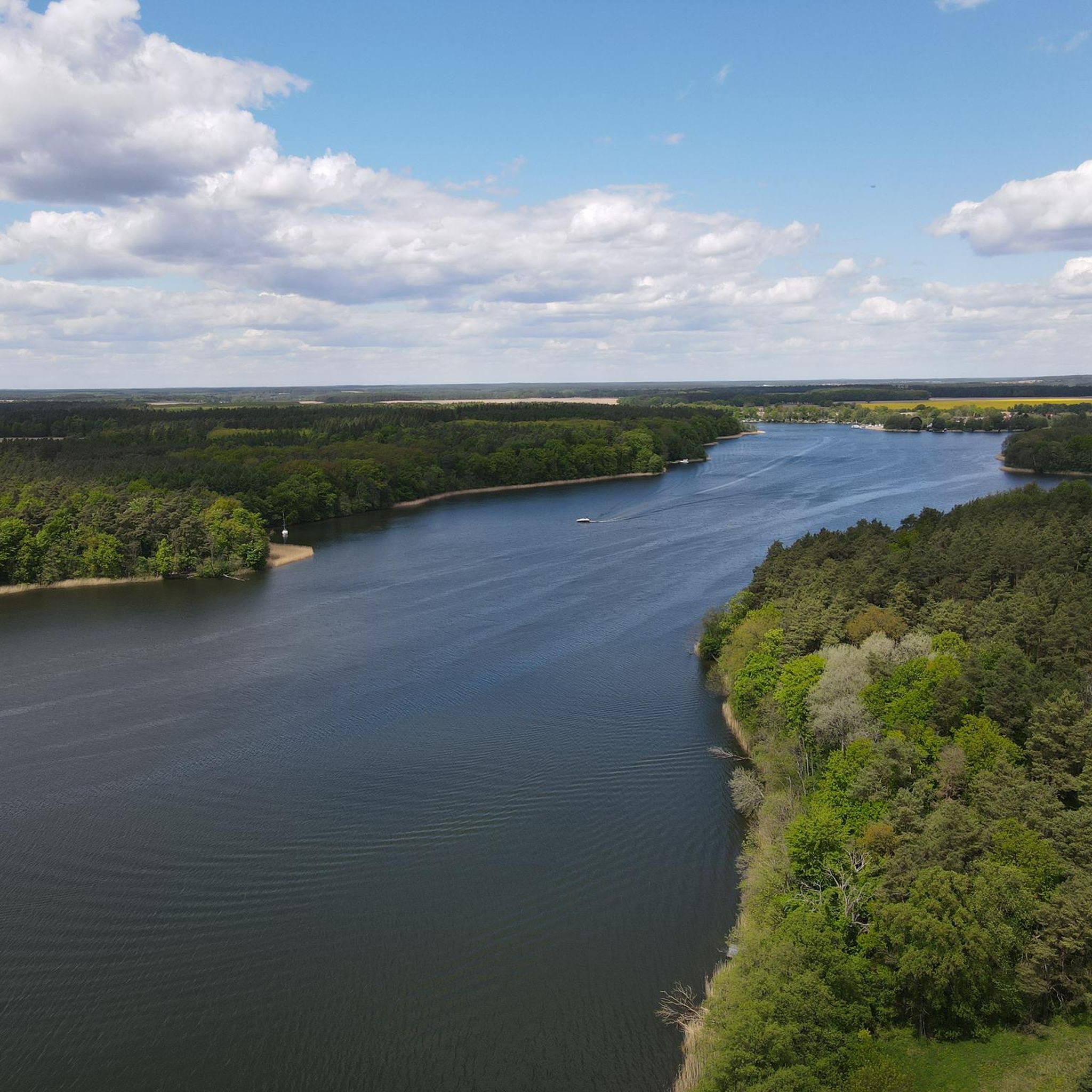
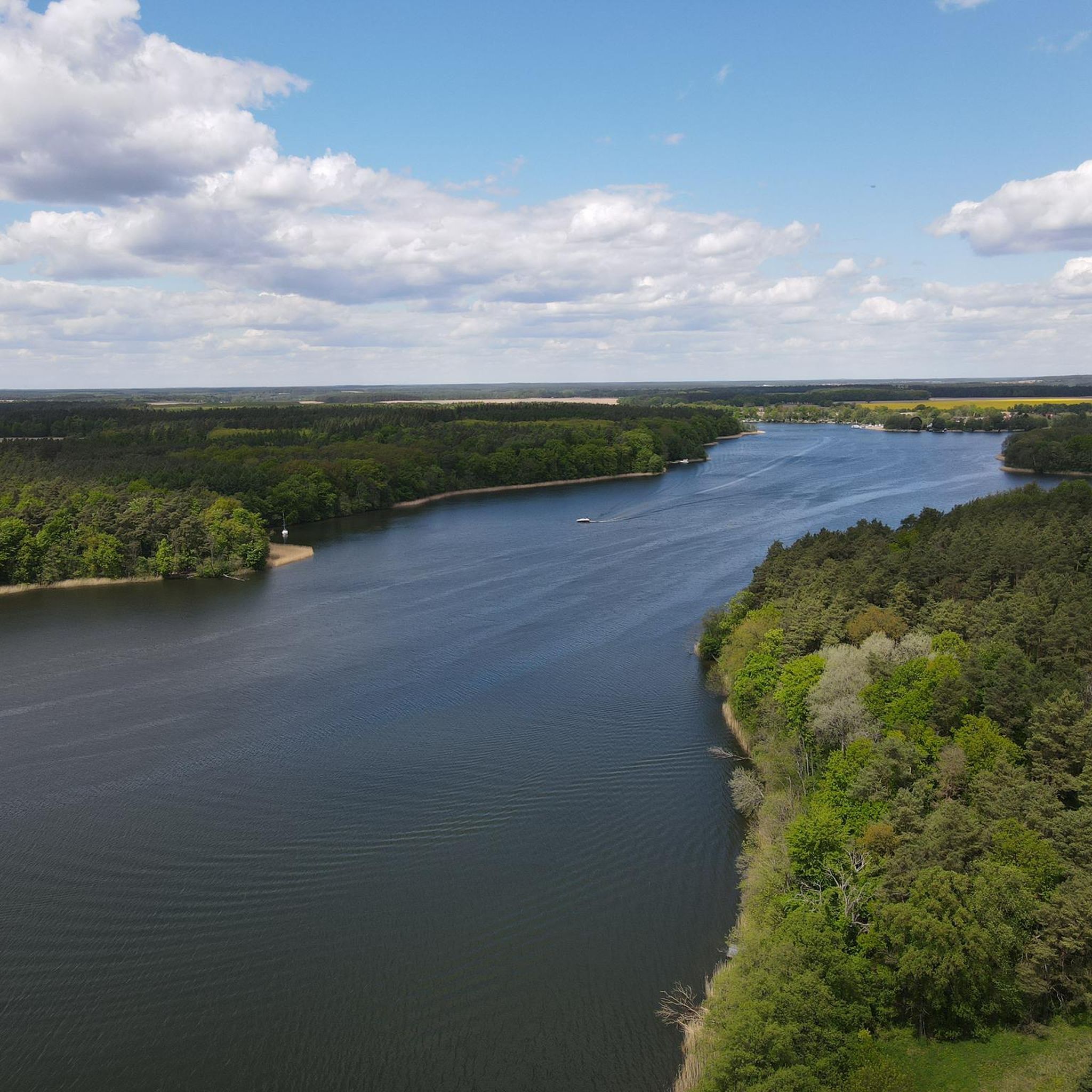
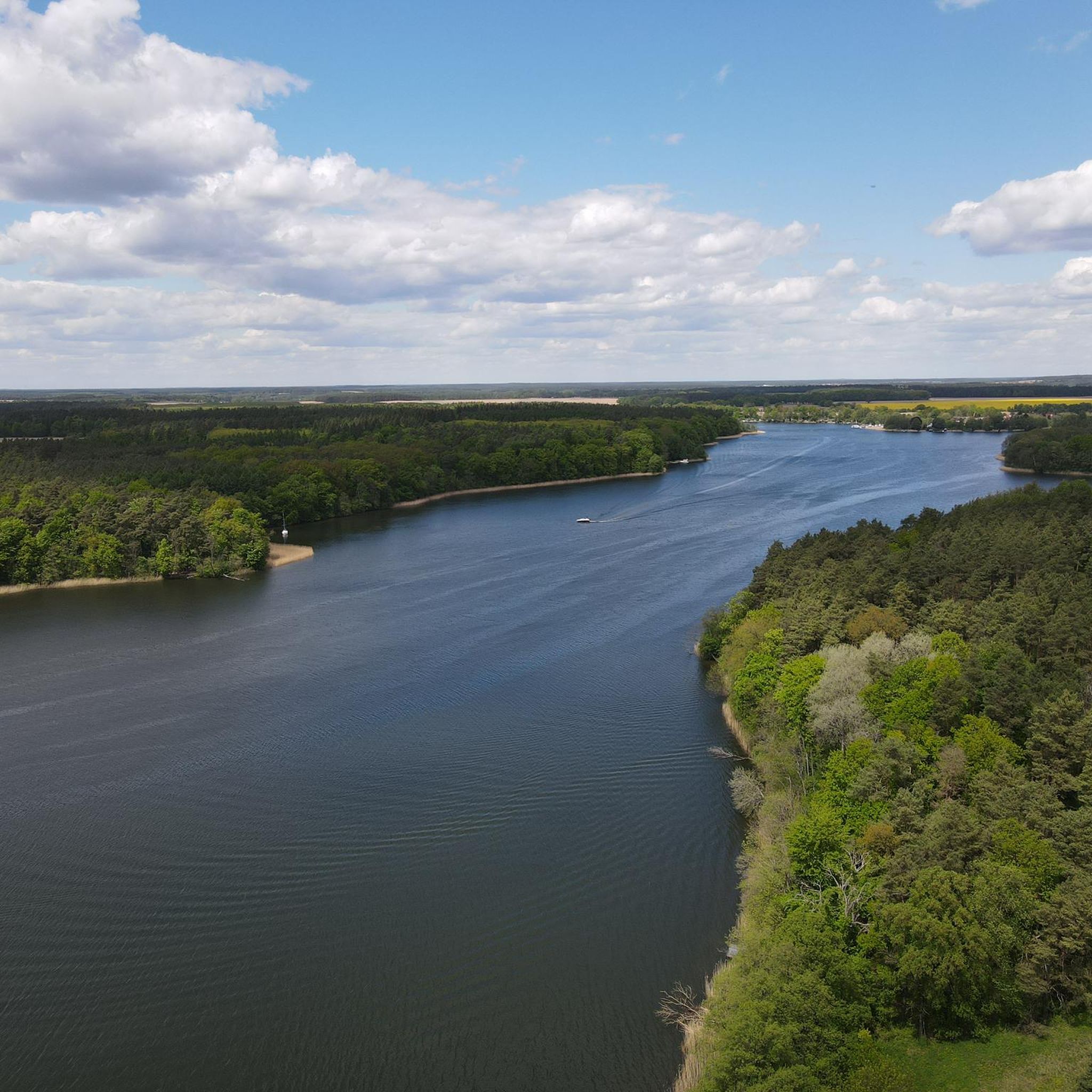
The Fangel Tower at Wesenberg Castle serves as a lookout tower, offering views of the surrounding area. Additionally, Lake Röblin is a beautiful natural feature nearby, ideal for walks and enjoying the scenery.
What is the historical significance of Rheinsberg Palace?
Rheinsberg Palace is historically significant as a classic example of Frederician Rococo architecture. It was acquired by Crown Prince Frederick (later King Frederick the Great) in 1736 and served as a foundational model for the more famous Sanssouci Palace. It features restored interiors, period furnishings, and extensive grounds.
What makes Seewalde Castle unique?
Seewalde Castle is described as a 'Sleeping Beauty' due to its serene atmosphere. While the interior might not be fully accessible, visitors can explore the exterior grounds and enjoy a natural shop with a small café and a Demeter farm, offering a unique blend of history and rural charm.
How far is Rheinsberg Palace from Priepert and how can I get there?
Rheinsberg Palace is approximately 16.7 km from Priepert. The drive between Priepert and Rheinsberg is a recognized route, making a car the most convenient option for travel.
What can I expect to see at Wesenberg Castle today?
Today, Wesenberg Castle houses a local history room with an exhibition on fishing and regional history, a forestry museum, and a tourist information center. You can explore the preserved keep, known as the Fangel Tower, which functions as a lookout tower, and parts of the castle wall.
Are there any accommodations or camping options near the castles?
Near Wesenberg Castle, the Wesenberg Harbor offers a campsite with toilet and shower facilities, providing a convenient option for visitors looking to stay overnight in the area.
Most popular routes around Priepert
Most popular attractions around Priepert

Get inspired with the komoot mobile app


Explore more
Looking for the best castles somewhere else? Discover other guides around Priepert:
