Top 6 Lakes around Klanxbüll
Best lakes around Klanxbüll are found in the surrounding region, offering diverse natural features and recreational opportunities. Klanxbüll is situated in North Frisia, close to the German-Danish border and the North Sea. The area is characterized by its marshlands, historical border regions, and a network of water bodies. These include natural bathing areas and significant rivers that form part of the border landscape.
Best lakes around Klanxbüll
- The most popular lakes is Rosenkranz–Rudbøl Border Crossing, an other man-made feature…
Last updated: June 27, 2026
Rosenkranz–Rudbøl Border Crossing
Highlight • Structure
Translated by Google •
Tip by

Nösse Pond
Highlight • Lake
During the construction of the Hindenburgdamm, this lake was dredged, which has been managed and maintained by the Sylt Fishing Club since 1966.
Translated by Google •
Tip by

Sign up now to discover places like this
Get recommendations on the best single tracks, peaks, & plenty of other exciting outdoor places.
Sign up for free
Hülltofter Tief Lake
Highlight • Lake
also a small KloHaus is present ... 😀
Translated by Google •
Tip by

Gotteskoogsee Nature Reserve
Highlight (Segment) • Lake
Translated by Google •
Tip by

Ruttebüller See
Highlight (Segment) • Lake
Translated by Google •
Tip by

Start today with a free account
Your next adventure awaits.
Login or Signup
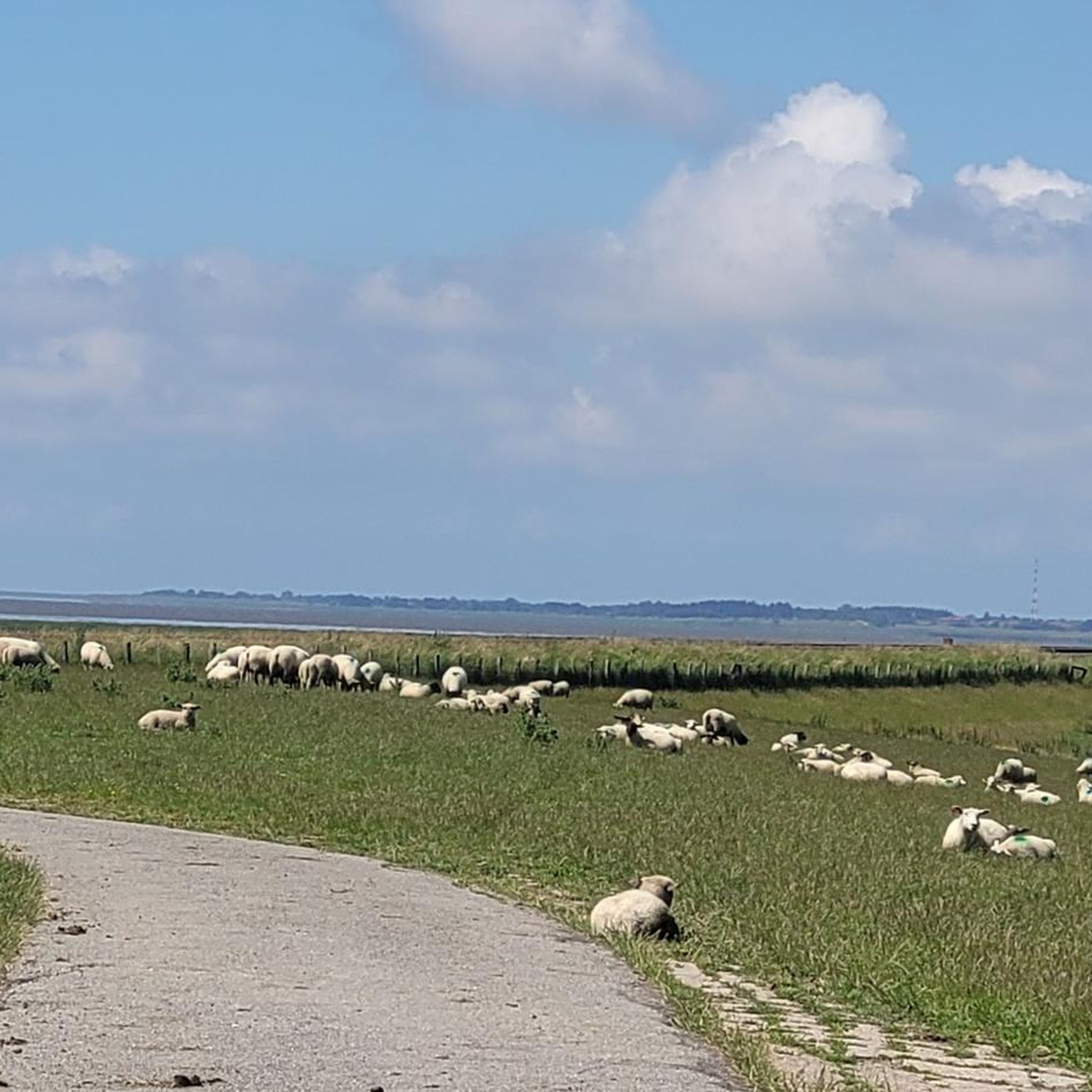
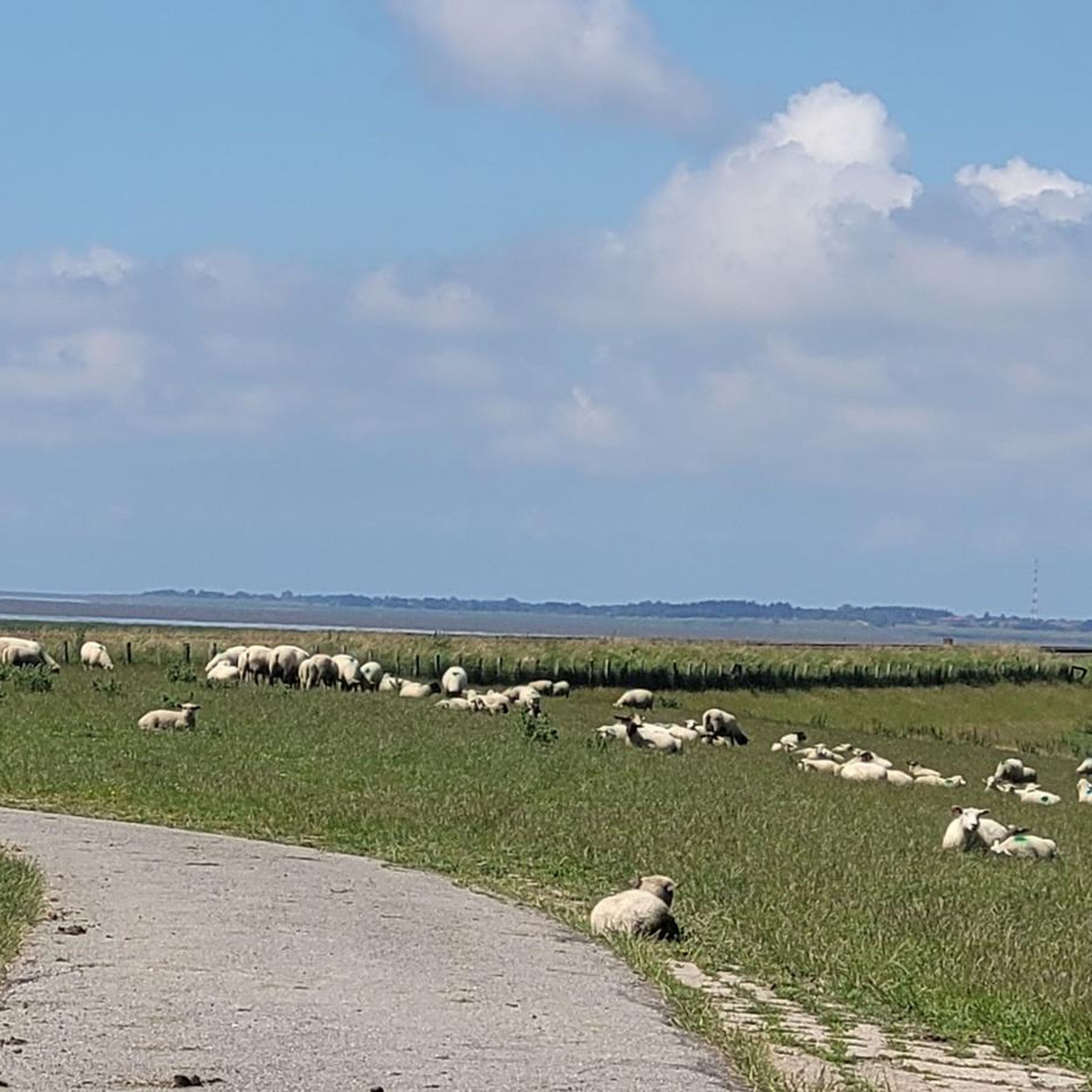
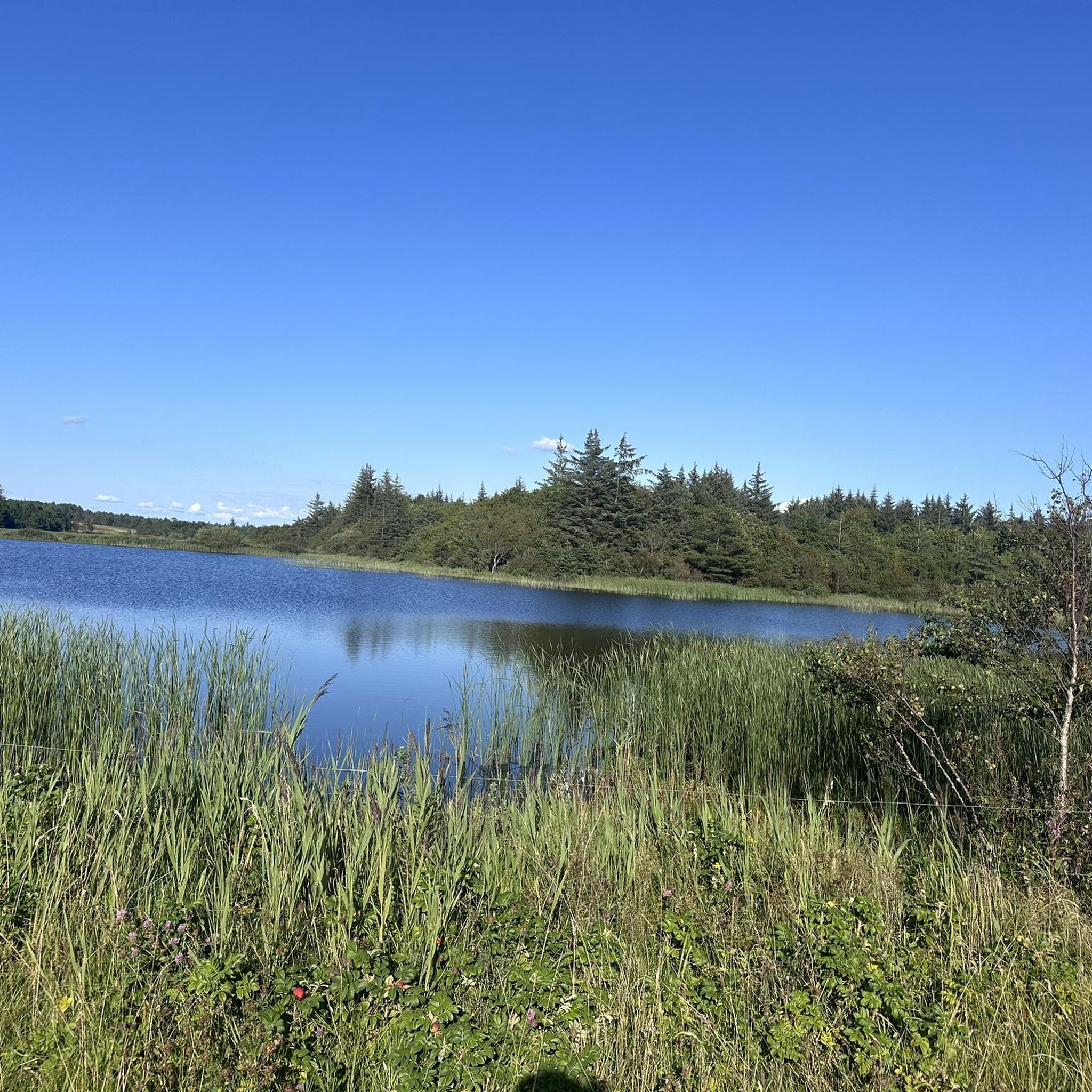


Tips from the Community

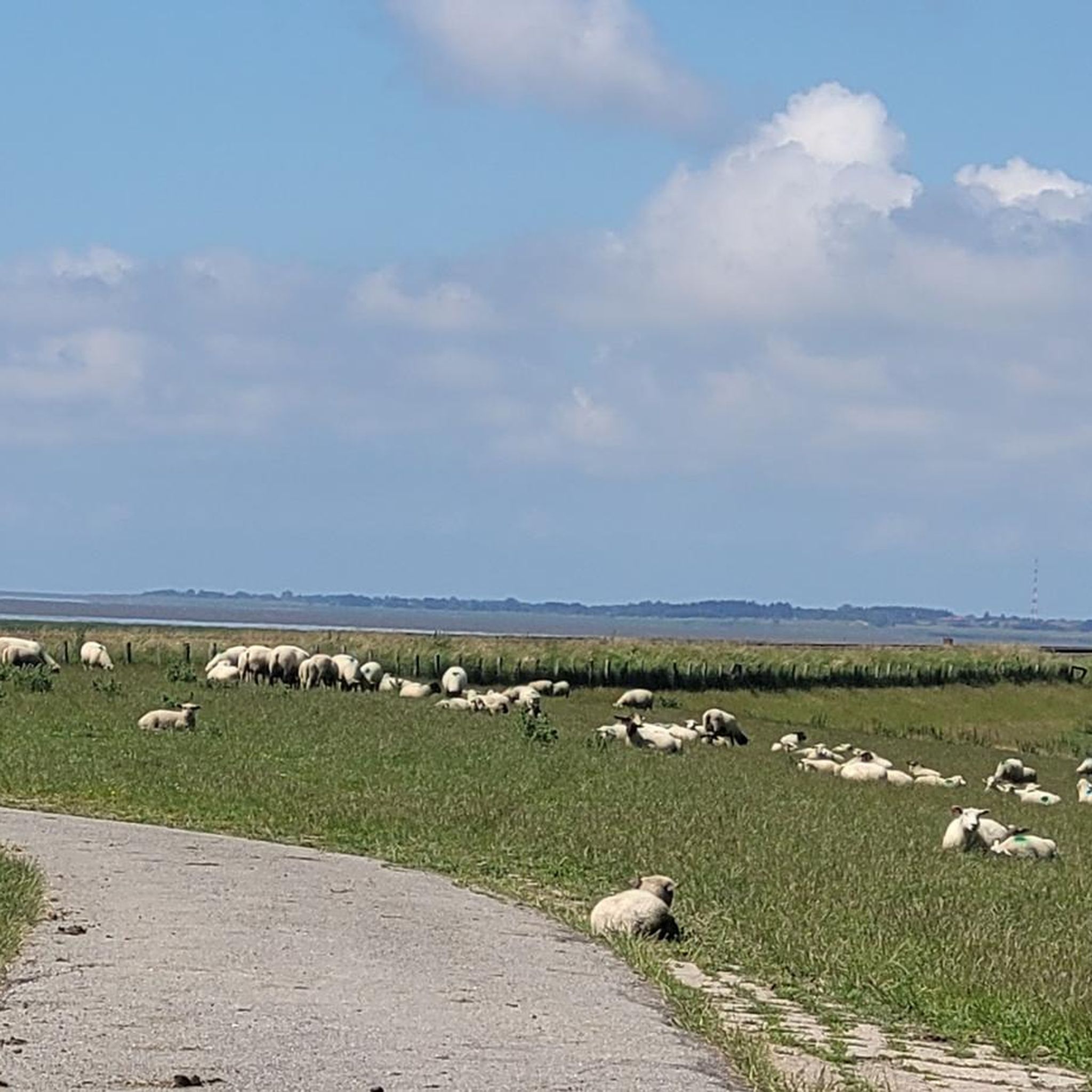
The Gotteskoog was diked more than 400 years ago. It is the largest polder in the district of Nordfriesland. Since 1982, the polder has been undergoing renaturation and is partially being re-watered. More info: https://de.wikipedia.org/wiki/Gotteskoog
0
0


Without a sign, you wouldn't notice that you're walking into another country... It's nice how easy this can be these days.
1
0

the landscape is simply moving
0
0

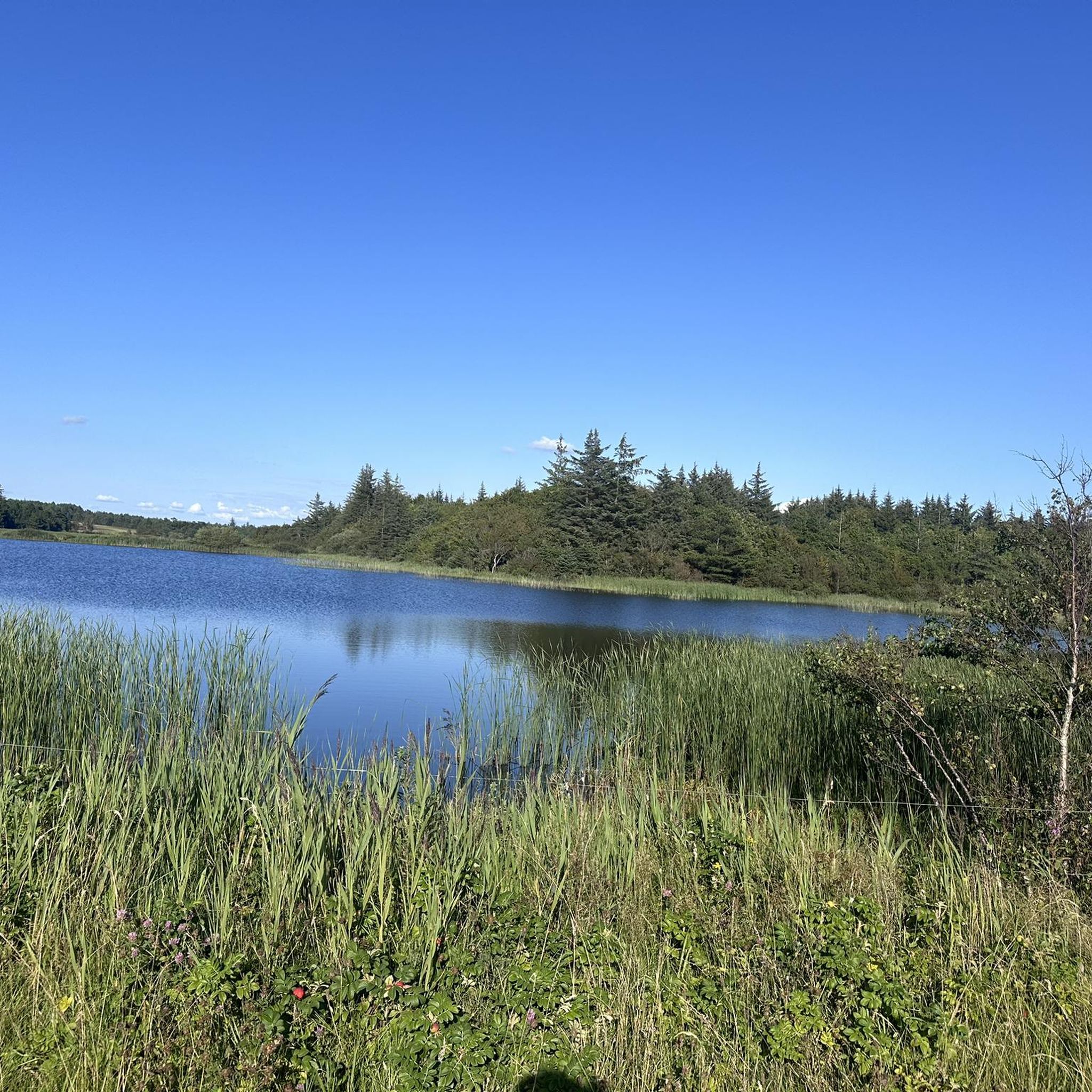
Lake Ruttebüll (Danish: Rudbøl Sø) is a body of still water in the far north of Schleswig-Holstein and the far south of Denmark. The 55-hectare lake straddles the border between Denmark and Germany. On the German side, it is part of the Natura 2000 protected area Ruttebüller See (FFH area Ruttebüll), and on the Danish side, it is part of the Wadden Sea National Park. The Vidå River (German: Wiedau) flows through the lake, and wide, reedy banks line it picturesquely. A particularly beautiful view of the lake can be enjoyed directly from the Vidå's outlet at the border post.
0
0

Beautiful nature, great for cycling and bird watching.
1
0

Pure nature and you can also go fishing, I think.
0
0

The Nösse Kuhle near Morsum on Sylt is an attractive place for nature lovers and especially for anglers. This 4.9 hectare quarry lake was originally created during the construction of the Hindenburg Dam, when sand and clay were dredged out. Today the water is leased and maintained by the Sylt Anglers' Association. The Nösse Kuhle is known for its rich fish population. Anglers can catch eel, perch, pike, carp, tench, zander and other whitefish here. Fishing is permitted for both club members and guest anglers who purchase a day ticket. In addition to fishing, the Nösse Kuhle also offers an idyllic setting for walks and nature observation. The pond is surrounded by trees and bushes that create a picturesque backdrop and at the same time provide shelter for various bird species. The area is easily accessible and is ideal for a relaxing day in nature.
1
0
Frequently Asked Questions
What unique water bodies can I explore near Klanxbüll?
The region around Klanxbüll offers a variety of water bodies. You can visit the Rosenkranz–Rudbøl Border Crossing, where the German-Danish border runs directly through Ruttebüller Lake. For a natural bathing experience, consider the Hülltofter Tief Bathing Area, or the Badewehle near Niebüll, which is a natural bathing area with supervised swimming during summer. The Vidå and Kongeå rivers also offer unique natural and historical experiences.
Are there family-friendly lakes or bathing areas around Klanxbüll?
Yes, several spots are great for families. The Hülltofter Tief Bathing Area provides a small beach, a swimming island, and toilet facilities. The Badewehle near Niebüll is another natural bathing area perfect for swimming, sunbathing, and building sandcastles, with changing rooms and sanitary facilities available. Both are considered family-friendly.
What kind of nature and wildlife can I expect to see around these lakes?
The lakes and rivers around Klanxbüll are rich in diverse habitats. The Gotteskoogsee Nature Reserve is known for its beautiful nature, ideal for bird watching. The Badewehle wetlands serve as habitats for fish, birds, amphibians, and various small animals and plants. Along the Vidå and Kongeå rivers, you can observe rich ecosystems, including fish populations, ducks, and potentially kingfishers and otters.
Are there any lakes with historical significance near Klanxbüll?
Absolutely. The Rosenkranz–Rudbøl Border Crossing is particularly notable, as the German-Danish border runs through Ruttebüller Lake, marked by buoys. This area, including the German-Danish Border at Ruttebüller See, reflects the unique historical demarcation of the region. The Kongeå River also historically served as a border between Denmark and Germany from 1864 to 1920.
What outdoor activities can I do near the lakes around Klanxbüll?
The area offers various outdoor activities. You can enjoy cycling around the lakes, with routes like the Hülltofter Tief Lake – Rickelsbüller Koog loop. Hiking is also popular, with easy trails such as those found in the Easy hikes around Klanxbüll guide. The Kongeå River is excellent for canoeing, and the Vidå River offers exciting fishing opportunities. For more cycling options, check out the Cycling around Klanxbüll guide.
Can I go cycling around the lakes near Klanxbüll?
Yes, cycling is a popular activity in the region. The Gotteskoogsee Nature Reserve is great for cycling in a natural setting. There are also specific cycling routes like the Hülltofter Tief Lake – Rickelsbüller Koog loop. For more detailed routes and options, refer to the Cycling around Klanxbüll guide.
When is the best time to visit the lakes around Klanxbüll?
The summer season, particularly from June 1st to August 31st, is ideal for visiting bathing areas like the Badewehle near Niebüll, where swimming activities are supervised. Generally, warmer months are best for outdoor activities like cycling, hiking, and canoeing to fully enjoy the natural beauty and recreational opportunities of the lakes and rivers.
What makes the Vidå River special for visitors?
The Vidå River, also known as Wiedau, is notable for its exciting fishing opportunities, with salmon, sea trout, and other fish species. It also forms part of the border between Denmark and Germany, flowing through Rudbøl Lake, offering a unique natural experience in the border region and its rich ecosystem.
What activities are available at the Kongeå River?
The Kongeå River is excellent for canoeing, allowing you to experience nature from the water and observe wildlife like fish, ducks, and potentially kingfishers and otters. There are designated resting spots and even camping areas along the canoeing route. Additionally, the Kongeå Path, a 67-kilometer walking trail, offers opportunities to explore the river's historical and natural significance on foot.
Are there opportunities for fishing in the lakes or rivers near Klanxbüll?
Yes, fishing is possible in several locations. The Gotteskoogsee Nature Reserve allows fishing. The Vidå River is known for its excellent fishing, with a variety of species including salmon and sea trout. The Nösse Pond near Morsum on Sylt, though further afield, is also a popular spot for anglers, managed by the Sylt Fishing Club.
What do visitors enjoy most about the lakes around Klanxbüll?
Visitors particularly appreciate the diverse natural features and recreational opportunities. The unique border experience at Ruttebüller Lake, the refreshing bathing areas like Hülltofter Tief, and the serene nature reserves such as Gotteskoogsee are highly rated. The komoot community has shared over 130 photos and given more than 320 upvotes, highlighting the area's appeal for nature observation, cycling, and relaxing by the water.
Is the Nösse Pond near Morsum worth visiting?
The Nösse Pond, located on the eastern tip of Sylt, is an attractive place for nature lovers and anglers. Originally created during the construction of the Hindenburgdamm, it now boasts a rich fish population and offers an idyllic setting for walks and nature observation, surrounded by trees and bushes that provide shelter for various bird species.
Most popular attractions around Klanxbüll

Get inspired with the komoot mobile app


Explore more
Still not found your perfect lake around Klanxbüll? Check out the guides of these regions to see even more beautiful places.
