Top 6 Lakes around Simonsberg
Best lakes around Simonsberg are characterized by diverse natural landscapes, including coastal areas, nature reserves, and forested regions. This area offers a variety of water bodies, from large freshwater habitats to smaller ponds and forest lakes. The region provides opportunities to observe local flora and fauna in protected environments. Its natural features make it suitable for outdoor exploration and appreciating ecological diversity.
Best lakes around Simonsberg
- The most popular lakes is Beltringharder Koog Nature Reserve, a natural monument that…
Last updated: June 27, 2026
Beltringharder Koog Nature Reserve
Highlight • Natural Monument
Translated by Google •
Tip by

Wester-Spätinge Nature Reserve
Highlight • Natural Monument
the current outer dike was built in 1579 to protect against storm surges and land reclamation.
The dike …
Translated by Google •
Tip by

Sign up now to discover places like this
Get recommendations on the best single tracks, peaks, & plenty of other exciting outdoor places.
Sign up for free
Wehlen Ponds of Uelvesbüll
Highlight • Lake
Translated by Google •
Tip by

Mildstedter Tannen
Highlight • Forest
entered. In the north by a small lake, very beautiful
Break point.
Translated by Google •
Tip by

Dorfteich Schwesing
Highlight • Lake
Translated by Google •
Tip by

Start today with a free account
Your next adventure awaits.
Login or Signup
Tips from the Community

There is a rest area at the Schwesing village pond. The area around the pond is currently being redeveloped, creating a gem that invites you to take a break.
0
0

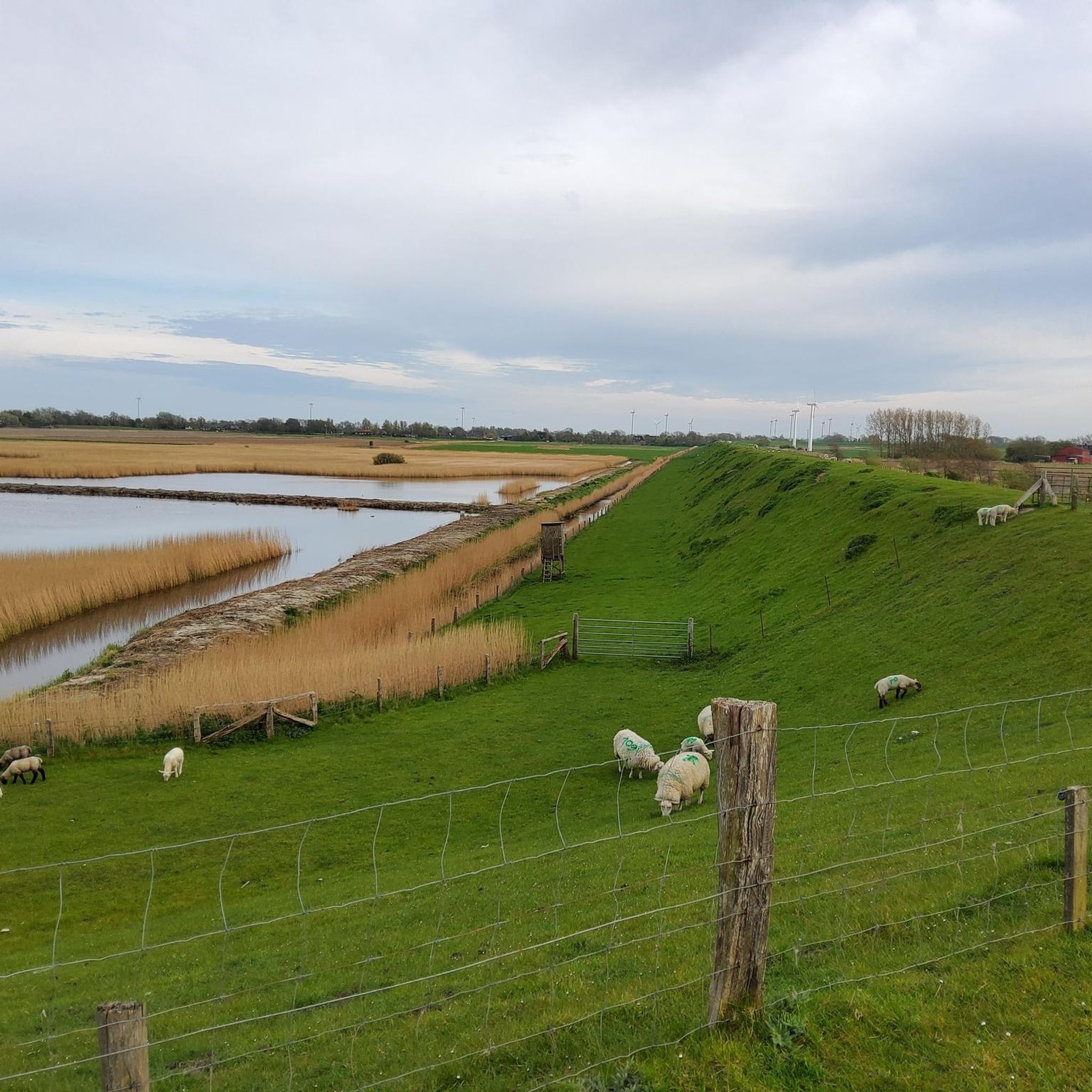
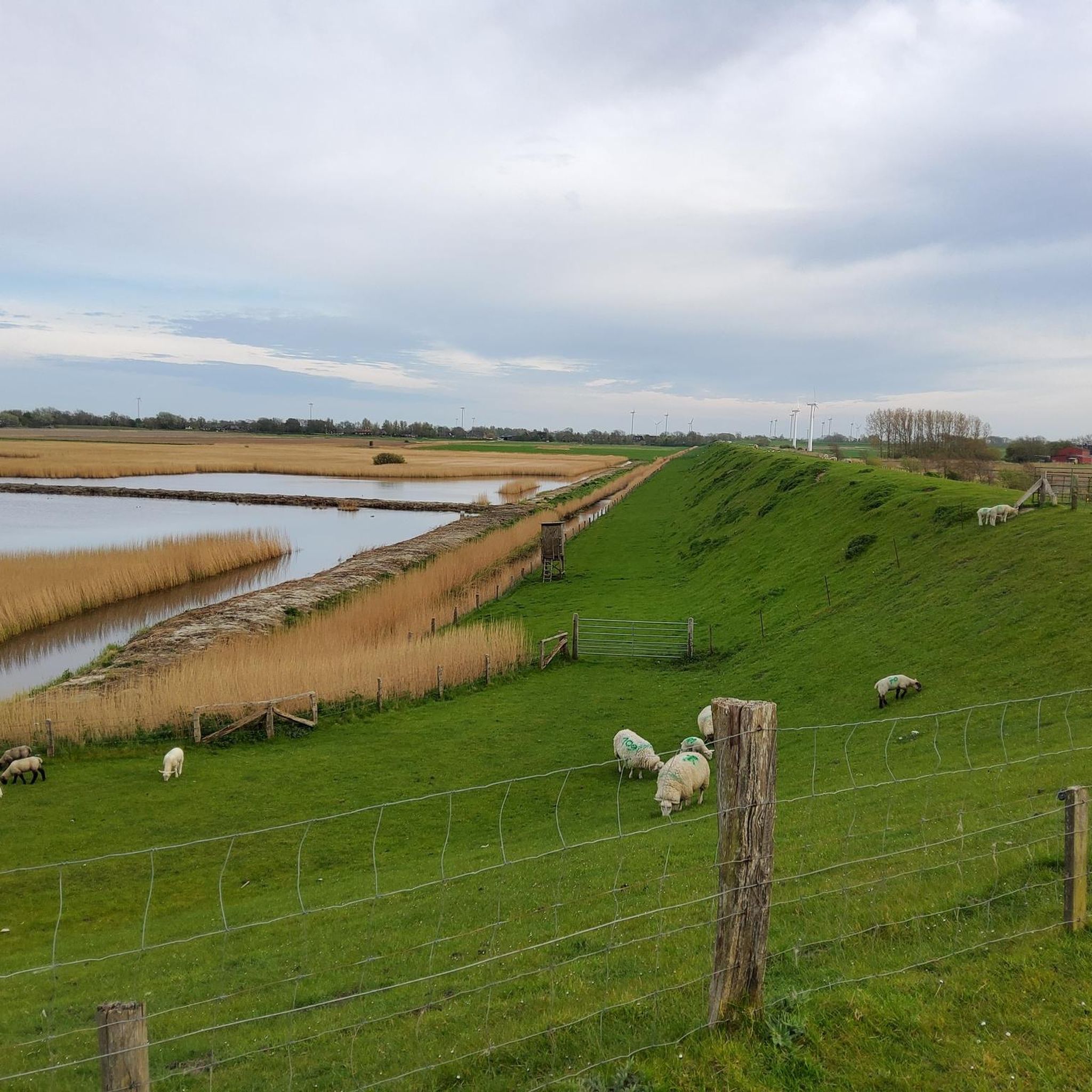
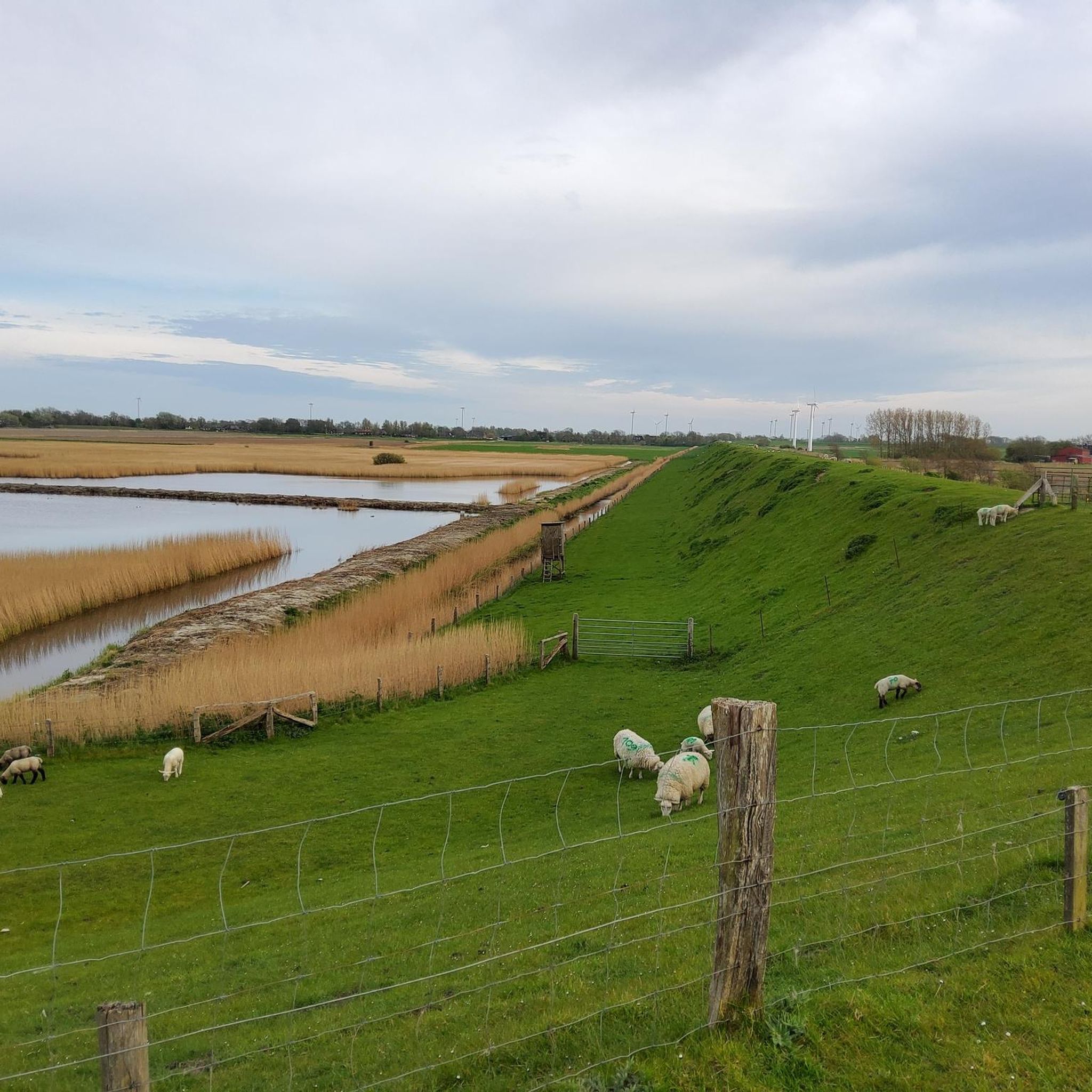
The Beltringharder Koog is the largest nature reserve on the mainland of Schleswig-Holstein and covers around 3,350 hectares. It is located near the Nordstrand Bay and was dammed in 1987 as part of a coastal protection project. Originally designed as a retention area for floods, the Koog has developed into an important habitat for many bird species and is now a true paradise for nature lovers and ornithologists. The diverse landscape of the Beltringharder Koog includes saltwater lagoons, wet meadows and wilderness areas. These different biotopes provide an ideal habitat for numerous plant and animal species. Countless waders and water birds can be observed here, especially during the migration periods in spring and autumn. There are numerous ways for visitors to explore the Beltringharder Koog. Well-developed walking and hiking trails lead through the area and provide impressive views of nature. There are also bird watching huts that offer an undisturbed view of the wildlife. The West Coast Integrated Station also offers informative exhibitions and guided tours that provide deeper insights into nature conservation and the ecology of the region. The Beltringharder Koog is an outstanding example of successful coastal and nature conservation in Germany. It not only offers valuable protection from storm surges, but also an important refuge for endangered animal and plant species. For nature lovers and bird watchers, the Koog is a worthwhile destination that offers unique nature experiences.
0
0

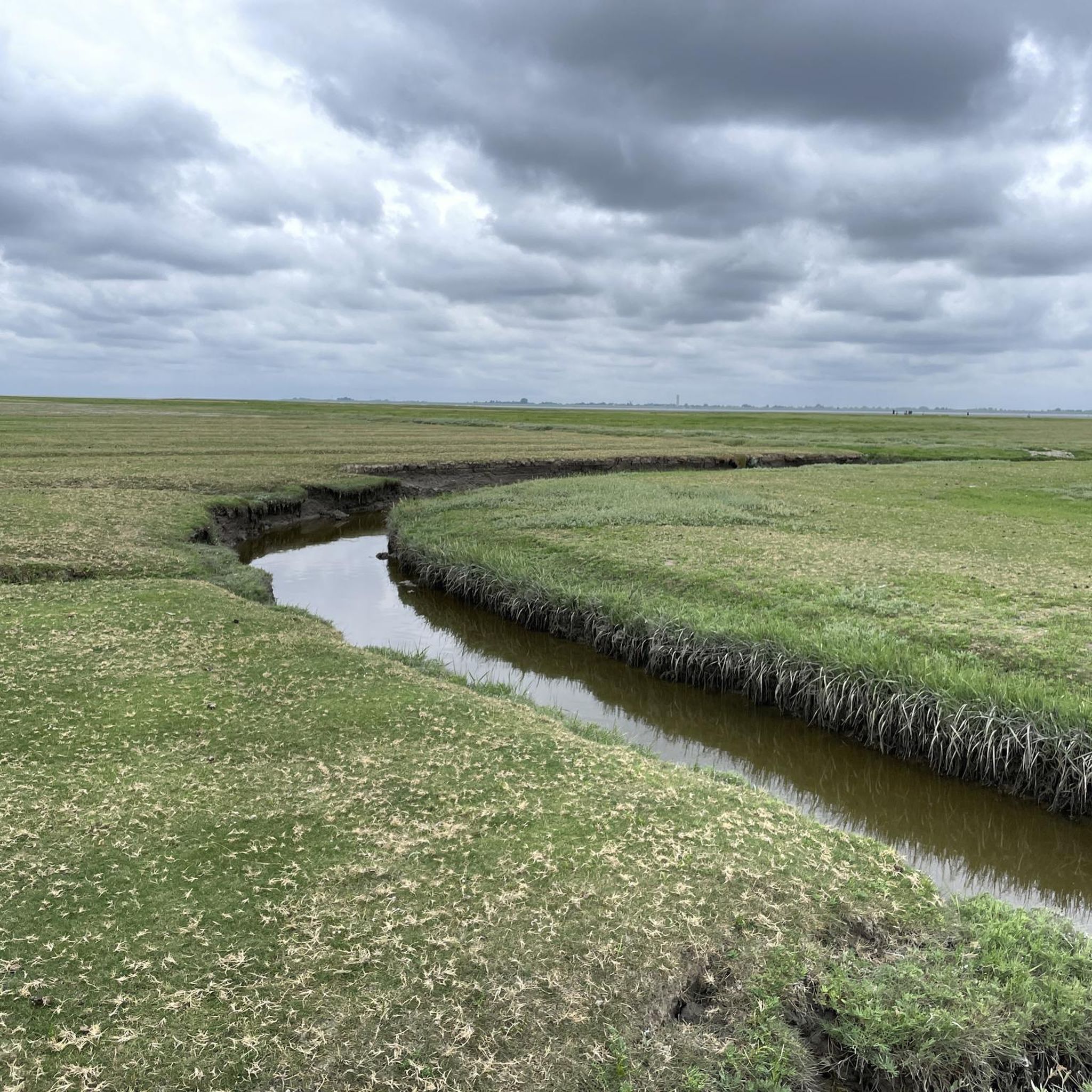
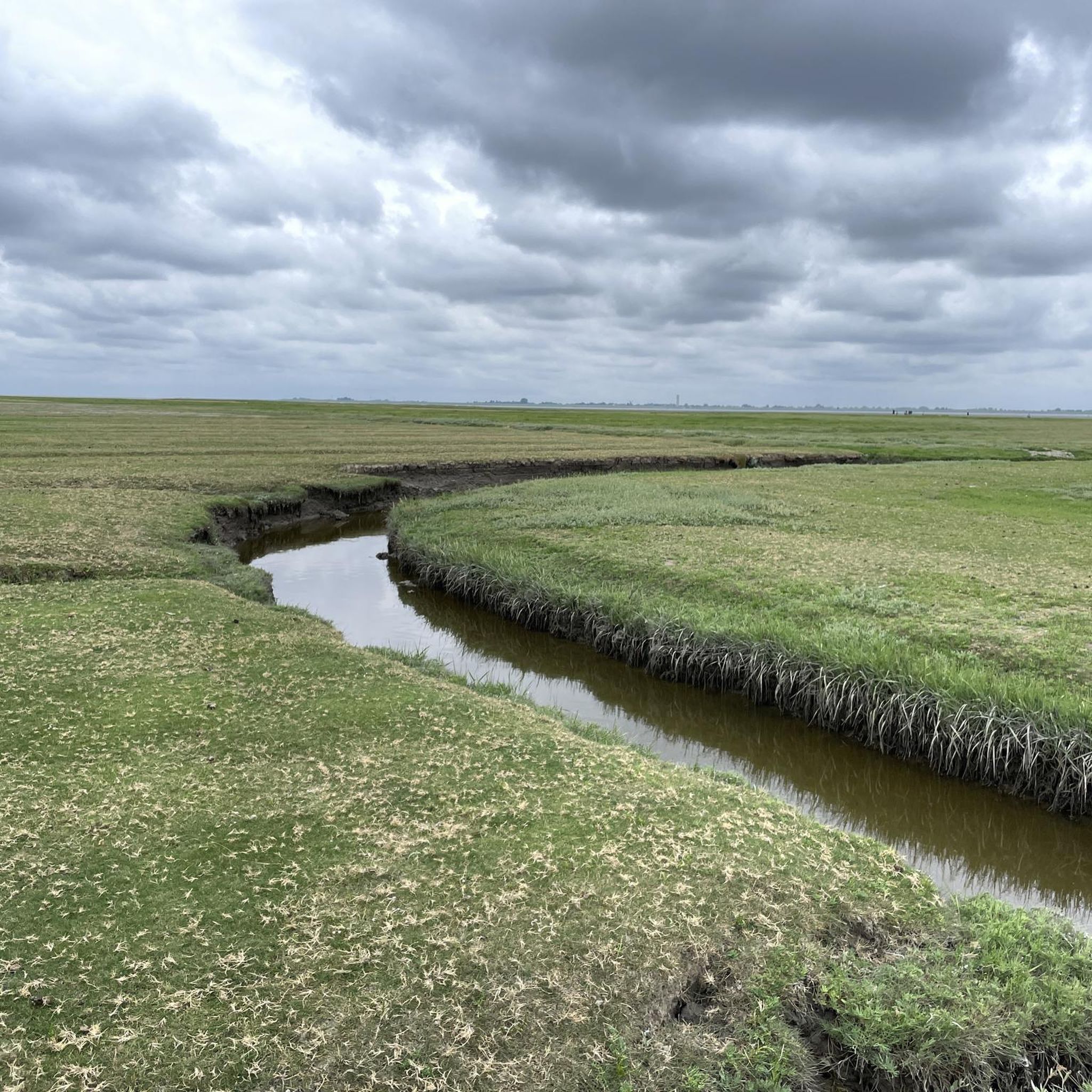
beautiful view of the Wadden Sea
4
2

The wide view is indescribably beautiful!
7
4

Island feeling on the mainland.
3
2

"Beltringharder Koog" "The area serves the permanent preservation and undisturbed development of a former Wadden Sea area with large salt and freshwater habitats, tide-influenced floodplains, swamps and other wetlands as well as a characteristic flora and fauna tied to these habitats, in particular the protection of the wading and water birds that rest and breed here." https://www.amt-nordsee-treene.de/Wirtschaft-Tourismus/Tourismus/Zweckverband-Beltringharder-Koog/
9
0
If you are lucky you can watch the whole herd of sheep being herded together to be washed. Washing once a year prevents the spread of ectoparasites.
6
0
The history of Wester-Spätinge dates back to the 16th century. For protection the current outer dike was built in 1579 to protect against storm surges and land reclamation. The dike builders needed large quantities of clay for this. This loamy soil was taken from the area of the Wester sparrows. This laborious manual work was called "spading". The word gave the area its name. Inland dyke created flat ponds, which today are both natural and cultural monuments. While the surrounding lands were being cleared, the 27-hectare Wester-Spätinge was largely left to its own devices. Only after the storm surge of 1962 were bigger ones needed due to a dyke breach lots of cling. The three meter deep excavator hole in the north of the area is now the deepest pond in the nature reserve. https://schleswig-holstein.nabu.de/imperia/md/content/schleswigholstein/schutzgebieten/nabu_flyer_nsg_westersp__tinge_6-seiter_100x210_2020-11-10.pdf
7
0
Frequently Asked Questions
What types of water bodies can I find around Simonsberg?
While there are no large natural lakes directly on Simonsberg mountain itself, the surrounding Cape Winelands region features several significant dams and reservoirs. These include Theewaterskloof Dam, Wemmershoek Dam, and Berg River Dam, which are primarily water supply sources but also offer scenic beauty and recreational opportunities.
What are the most popular water bodies to visit near Simonsberg?
Visitors often enjoy the scenic beauty of Theewaterskloof Dam, known for its vastness and birdwatching opportunities. Wemmershoek Dam offers stunning views nestled in a mountainous valley, and Berg River Dam is popular for its surrounding outdoor activities. Additionally, the serene lake at Vergelegen Reserve provides a blend of nature and history.
Are there family-friendly activities around the lakes and dams near Simonsberg?
Yes, many areas around the dams and reservoirs offer family-friendly activities. For example, Vergelegen Reserve features a tranquil lake with peaceful walks amidst ancient trees and birdlife, making it ideal for families. Theewaterskloof Dam is also suitable for leisurely picnics and water sports.
What natural features can I expect to see around these water bodies?
The water bodies in the Simonsberg area are set amidst diverse natural landscapes. You can expect to see majestic mountains surrounding Theewaterskloof Dam, mountainous valleys at Wemmershoek Dam, and apple orchards and vineyards near Witklip Dam. These areas are rich in flora and fauna, offering opportunities for birdwatching and appreciating ecological diversity.
What outdoor activities can I do near the lakes and dams around Simonsberg?
The region offers various outdoor activities. Theewaterskloof Dam is popular for water sports like sailing, windsurfing, and kayaking. The areas around Berg River Dam are known for hiking and mountain biking. For more structured activities, you can explore hiking routes around Simonsberg, running trails, or cycling routes that often pass by these scenic water bodies.
Are there opportunities for birdwatching around the water bodies?
Absolutely. Theewaterskloof Dam is a haven for birdwatchers, boasting a diverse range of bird species. The tranquil lake at Vergelegen Reserve also supports diverse birdlife, making these excellent spots for observing local avian populations.
Can I find historical or cultural sites near the lakes and dams?
Yes, particularly at Vergelegen Reserve, which is part of the expansive Vergelegen Wine Estate. This estate features beautifully preserved Cape Dutch architecture and a rich cultural heritage, offering a unique blend of nature and history. Guided tours are available to learn about the estate's past and viticulture.
What is the best time to visit the lakes and dams around Simonsberg?
The Cape Winelands region generally enjoys a Mediterranean climate. Spring (September to November) and Autumn (March to May) offer pleasant temperatures, making them ideal for outdoor activities and enjoying the scenic beauty without extreme heat. Summer can be warm, while winter brings cooler, wetter conditions, which can still be beautiful for scenic drives.
Are there any specific trails or walks around these water bodies?
While specific trails directly around every dam might be limited due to their primary function as water sources, the surrounding areas offer numerous opportunities. For instance, Vergelegen Reserve has meandering trails around its lake. You can also find various hiking routes and cycling paths in the broader Simonsberg region that provide views of these water features.
What makes Witklip Dam worth visiting?
Witklip Dam, located in the Elgin Valley, is known for its vibrant blue waters surrounded by picturesque apple orchards and vineyards. It's a tranquil retreat perfect for birdwatching, photography, or simply relaxing by the shore. Cycling enthusiasts can also enjoy the well-marked trails that wind through the scenic landscape.
What do visitors enjoy most about the water bodies in the Simonsberg area?
Visitors frequently appreciate the peaceful and scenic environments, the opportunities for outdoor activities like water sports and hiking, and the chance to observe diverse birdlife. The blend of natural beauty with the region's rich history and viticulture, especially at places like Vergelegen Reserve, is also highly valued.
Most popular routes around Simonsberg
Most popular attractions around Simonsberg

Get inspired with the komoot mobile app


Explore more
Still not found your perfect lake around Simonsberg? Check out the guides of these regions to see even more beautiful places.
