Top 5 Lakes around Tetenbüll
Lakes near Tetenbüll are primarily linked to the region's coastal proximity rather than traditional inland bodies of water. Tetenbüll, located on the Eiderstedt peninsula, is close to the North Sea and the Wadden Sea, a UNESCO World Natural Heritage site. These Tetenbüll natural features offer unique water-related activities and swimming opportunities. The area's "lakes" often refer to natural reserves, tidal areas, or ponds formed by historical dyke construction.
Best lakes around Tetenbüll
- The most popular lakes is Katinger Watt Nature…
Last updated: September 3, 2026
Katinger Watt Nature Reserve
Highlight • Natural Monument
Translated by Google •
Tip by

Wester-Spätinge Nature Reserve
Highlight • Natural Monument
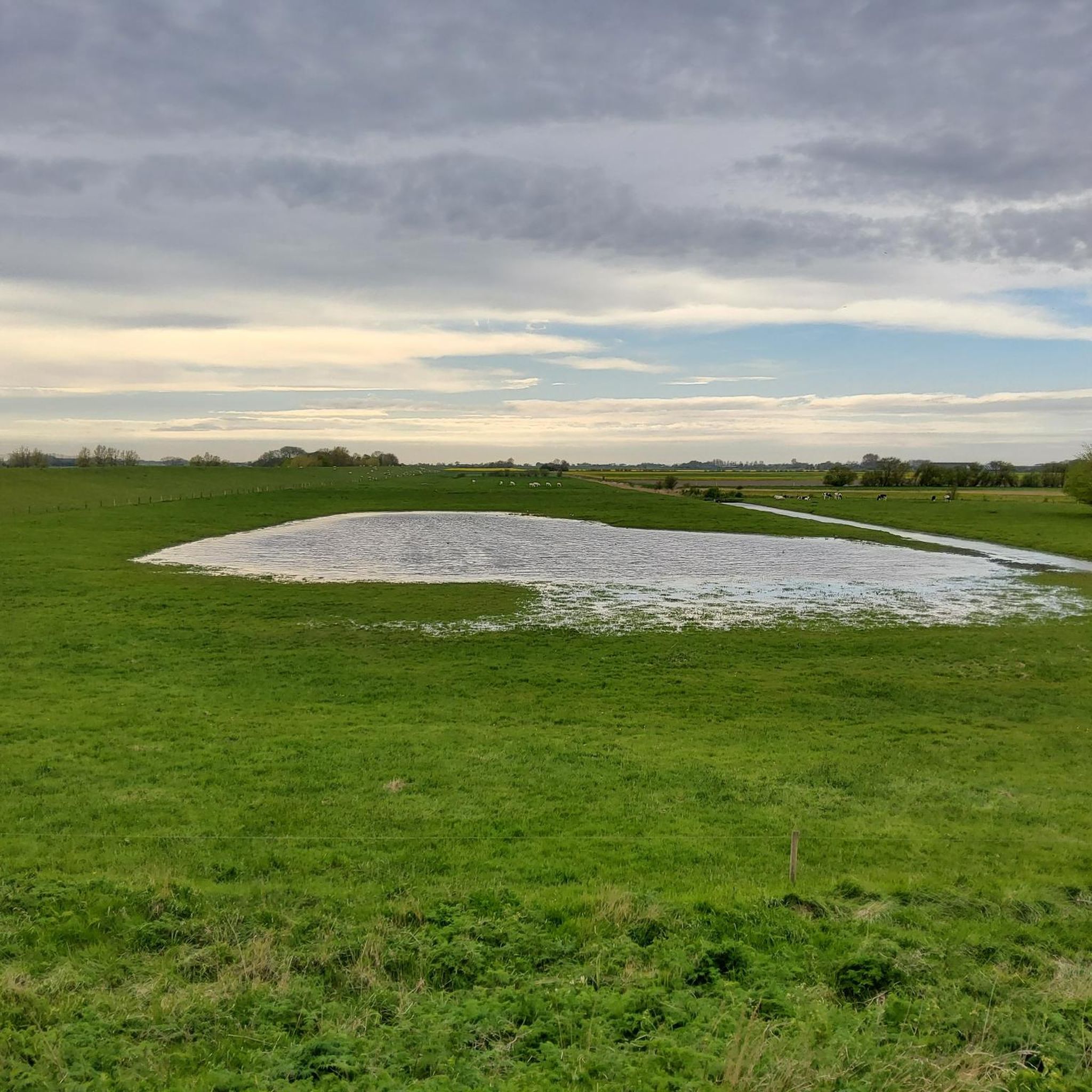
the current outer dike was built in 1579 to protect against storm surges and land reclamation.
The dike …
Translated by Google •
Tip by

Sign up now to discover places like this
Get recommendations on the best single tracks, peaks, & plenty of other exciting outdoor places.
Sign up for free
Wehlen Ponds of Uelvesbüll
Highlight • Lake
Translated by Google •
Tip by

Eider Duck Resting Area at Katinger Priel
Highlight • Lake
Translated by Google •
Tip by

Lily Pond at De Kohstall Restaurant
Highlight • Lake
Translated by Google •
Tip by

Sign up for free to discover even more lakes around Tetenbüll.
Sign up for free
Already have an account?
Start today with a free account
Your next adventure awaits.
Login or Signup
Tips from the Community

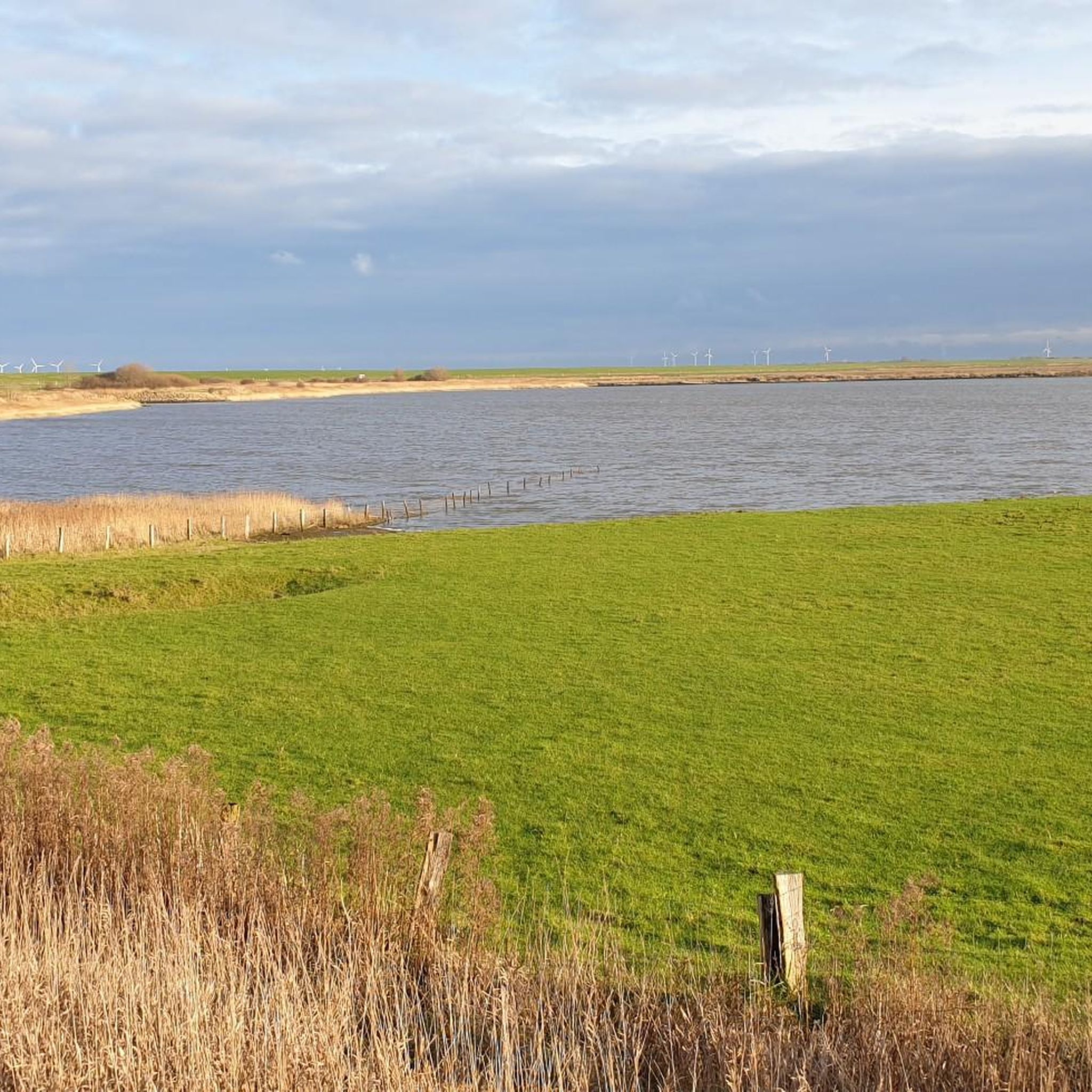
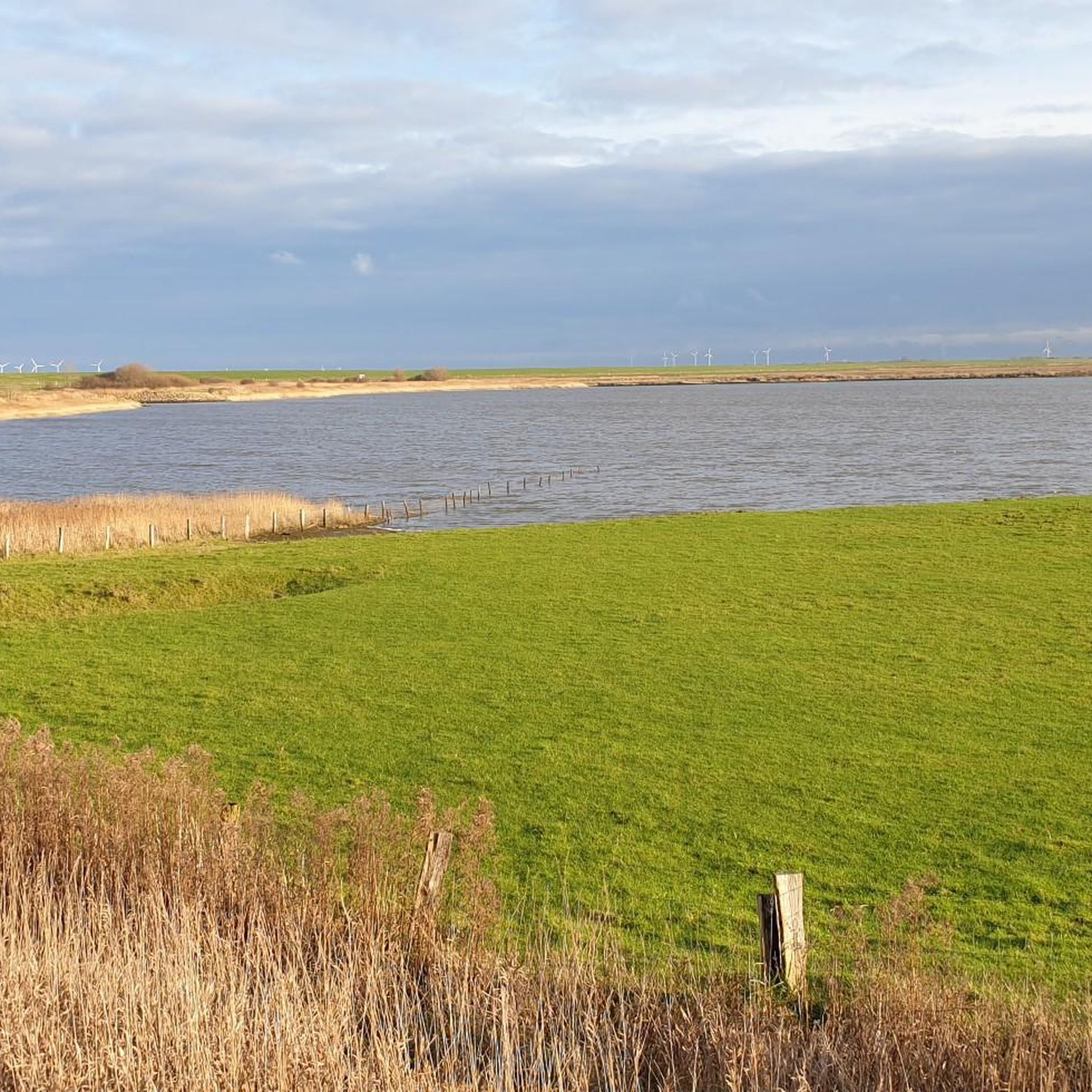
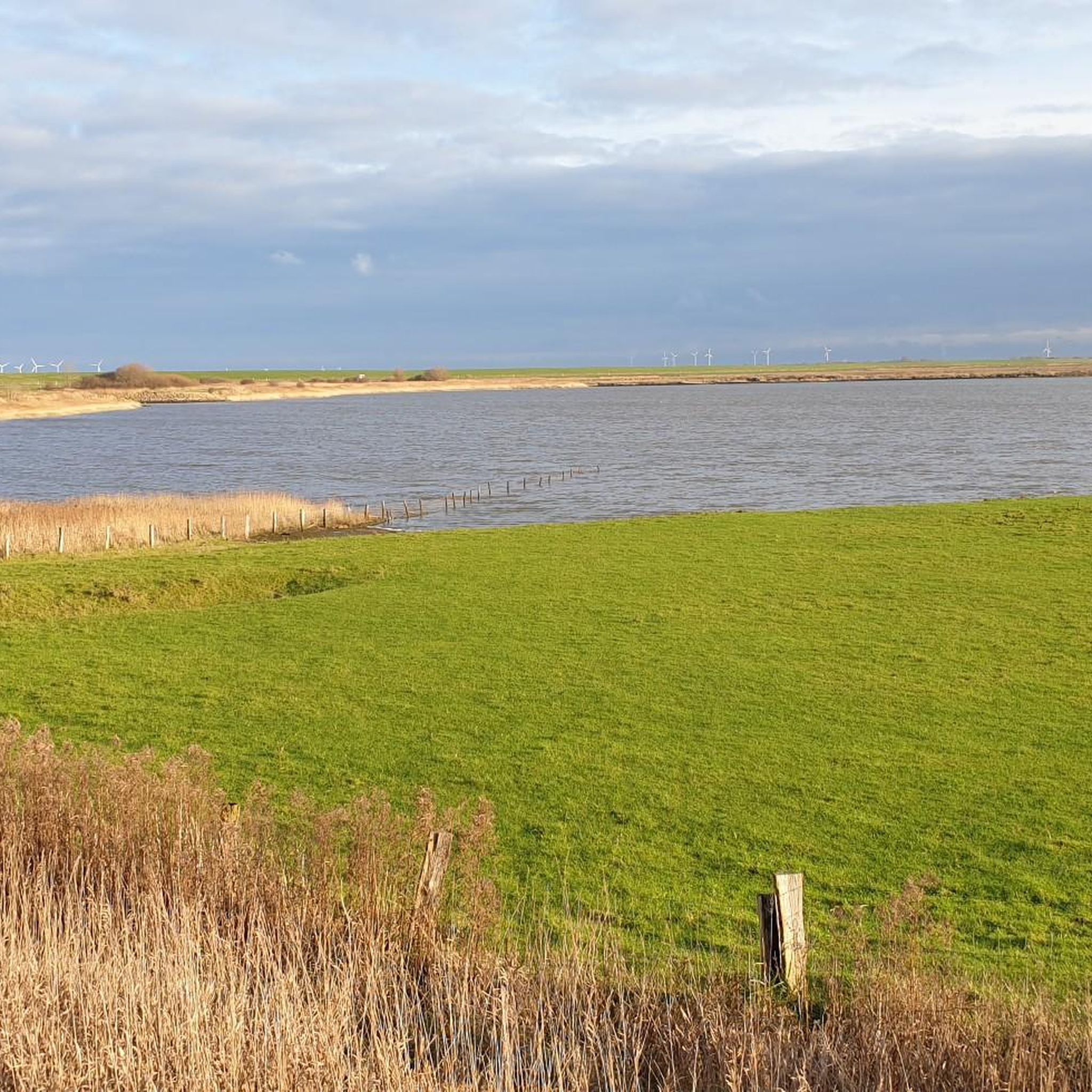
Katinger Watt The Katinger Watt is a bird sanctuary covered with meadows and forests at the mouth of the Eider river. In the early 1970s, the area was dammed and thus protected from storm surges. The Katinger Watt now offers a unique habitat for plants and animals. Walking paths invite you to hike and experience nature.
3
0

https://de-kohstall.de/ https://de-kohstall.de/seerosenhof/ You will receive a very warm welcome in the restaurant and be provided with interesting information about the area.. the water lily pond is beautiful.. 🤩
0
0

A beautiful spot, pure nature
3
0

Top cakes and dinner for little money right on the farm
0
0

If you are lucky you can watch the whole herd of sheep being herded together to be washed. Washing once a year prevents the spread of ectoparasites.
6
0
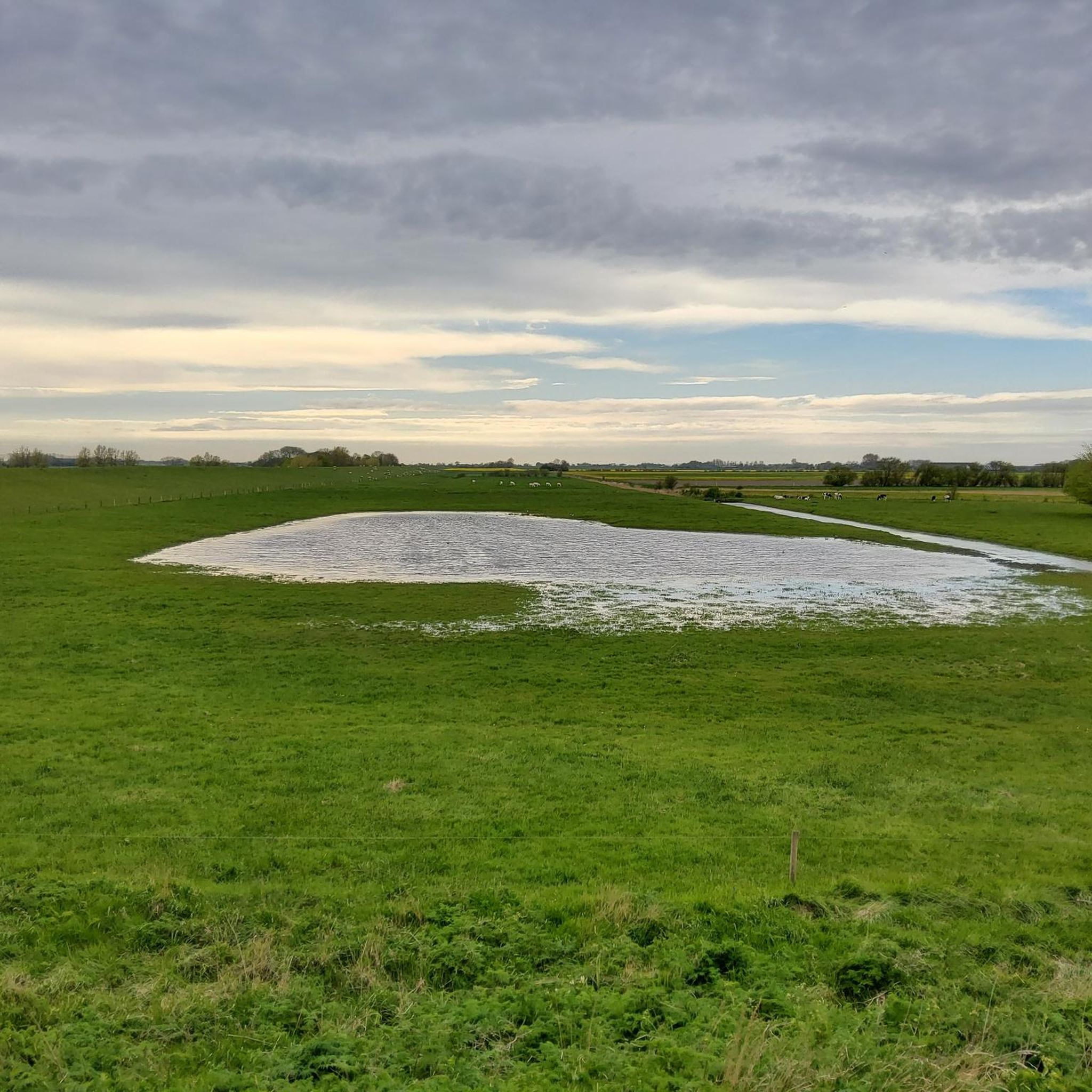
The history of Wester-Spätinge dates back to the 16th century. For protection the current outer dike was built in 1579 to protect against storm surges and land reclamation. The dike builders needed large quantities of clay for this. This loamy soil was taken from the area of the Wester sparrows. This laborious manual work was called "spading". The word gave the area its name. Inland dyke created flat ponds, which today are both natural and cultural monuments. While the surrounding lands were being cleared, the 27-hectare Wester-Spätinge was largely left to its own devices. Only after the storm surge of 1962 were bigger ones needed due to a dyke breach lots of cling. The three meter deep excavator hole in the north of the area is now the deepest pond in the nature reserve. https://schleswig-holstein.nabu.de/imperia/md/content/schleswigholstein/schutzgebieten/nabu_flyer_nsg_westersp__tinge_6-seiter_100x210_2020-11-10.pdf
7
0

Nice bike path (partly a bit narrow with the trailer) and you have to watch out for the sheep
3
1
Just stop and enjoy the peace and nature
2
2
Frequently Asked Questions
What kind of water features can I expect to find around Tetenbüll?
Tetenbüll, located on the Eiderstedt peninsula, is primarily characterized by its proximity to the North Sea and the unique Wadden Sea. The 'lakes' in this region often refer to natural reserves, tidal areas, and ponds formed by historical dyke construction, rather than traditional inland lakes. These unique water bodies offer distinct natural experiences.
What are some notable nature reserves with water features near Tetenbüll?
You can explore several unique nature reserves. The Katinger Watt Nature Reserve features a 13-kilometer path through a rich bird habitat. Another significant spot is the Wester-Spätinge Nature Reserve, known for its inland dyke-created flat ponds that serve as important breeding and resting grounds for birds. Additionally, the Eider Duck Resting Area at Katinger Priel is a popular spot where thousands of eiders regularly gather.
Are there family-friendly water areas to visit around Tetenbüll?
Yes, several water features are suitable for families. The Katinger Watt Nature Reserve, Wester-Spätinge Nature Reserve, Wehlen Ponds of Uelvesbüll, and the Eider Duck Resting Area at Katinger Priel are all considered family-friendly, offering opportunities for nature observation and easy exploration.
Can I go swimming near Tetenbüll?
While Tetenbüll does not have traditional swimming lakes, its coastal location provides access to the North Sea. Nearby areas like Tetenbüll Spieker and Evershop Siel, approximately 5-6 kilometers away, offer swimming opportunities, especially when popular beaches like St. Peter-Ording are crowded. These are typically coastal or tidal swimming spots.
Are there hiking trails near the water features of Tetenbüll?
Yes, there are easy hiking opportunities. For instance, the Katinger Watt Nature Reserve features a relatively easy 13-kilometer path suitable for walking. You can also find various easy hikes in the region, such as the Everschopsiel Sluice and Jetty loop or the Tetenbüllspieker Harbor loop. For more options, explore the Easy hikes around Tetenbüll guide.
What cycling routes are available near Tetenbüll's water areas?
The flat landscape around Tetenbüll is ideal for cycling. You can find routes like the 'Café at the North Sea Dike – Salt Marshes of the Wadden Sea loop' which offers scenic views of the coastal water features. For a comprehensive list of routes, refer to the Cycling around Tetenbüll guide.
What is the Wadden Sea, and how can I experience it near Tetenbüll?
The Wadden Sea (Wattenmeer) is a unique UNESCO World Natural Heritage site located right on Tetenbüll's doorstep. It's a tidal ecosystem offering opportunities for tidal walks and guided events through organizations like the 'Schutzstation Wattenmeer'. You can learn more about this ecosystem at the Multimar Wattforum in nearby Tönning.
Are there any historical or cultural sites related to water near Tetenbüll?
The region's history is closely tied to its water management. The Wester-Spätinge Nature Reserve, for example, features inland dyke-created ponds that are both natural and cultural monuments, with their origins dating back to 16th-century dike construction. The Wehlen Ponds of Uelvesbüll were also formed by historical storm surges and dike breaches.
What do visitors enjoy most about the water features around Tetenbüll?
Visitors particularly appreciate the tranquility and natural beauty of the area. The unique coastal landscape, the abundance of bird species in reserves like Katinger Watt and Wester-Spätinge, and the peaceful atmosphere of places like the Eider Duck Resting Area are frequently highlighted. The region offers pure relaxation amidst quiet, idyllic scenery.
Are there opportunities for birdwatching near Tetenbüll's water areas?
Absolutely. The water features around Tetenbüll are excellent for birdwatching. The Katinger Watt Nature Reserve is home to many bird species, including lapwings, sea eagles, and kingfishers. The Wester-Spätinge Nature Reserve and the Eider Duck Resting Area at Katinger Priel are also vital breeding and resting grounds for numerous birds, including thousands of eiders.
Can I find information about the local wildlife and nature?
Yes, the region offers resources to learn about its unique environment. The Katinger Watt Nature Reserve has an information hut run by NABU, where you can even borrow binoculars for birdwatching. Additionally, the Multimar Wattforum in nearby Tönning provides an exhibition and information center dedicated to the Wadden Sea and its wildlife.
Most popular attractions around Tetenbüll

Get inspired with the komoot mobile app


Explore more
Still not found your perfect lake around Tetenbüll? Check out the guides of these regions to see even more beautiful places.
