Top 5 Castles around Groß Quenstedt
Best castles around Groß Quenstedt are found in the surrounding region, which is known for its historical significance and diverse historical sites. Groß Quenstedt is situated within the Harz foreland, an area rich in historical fortifications and cultural landmarks. Visitors can explore a variety of castles, ruins, and historical buildings that offer insights into the region's past. These sites provide architectural interest, historical context, and scenic views across the landscape.
Best castles around Groß Quenstedt
- The most popular castles is…
Last updated: June 27, 2026
Benedictine monastery Huysburg (HWN)
Highlight • Religious Site
Translated by Google •
Tip by

Spiegelsberge Hunting Lodge
Highlight • Historical Site
Translated by Google •
Tip by

Sign up now to discover places like this
Get recommendations on the best single tracks, peaks, & plenty of other exciting outdoor places.
Sign up for free
Röderhof Manor Ruins
Highlight • Historical Site
Translated by Google •
Tip by

Röderhof Castle
Highlight • Castle
Translated by Google •
Tip by

Burg Krottorf
Highlight • Castle
Translated by Google •
Tip by
Sign up for free to discover even more castles around Groß Quenstedt.
Sign up for free
Already have an account?
Start today with a free account
Your next adventure awaits.
Login or Signup
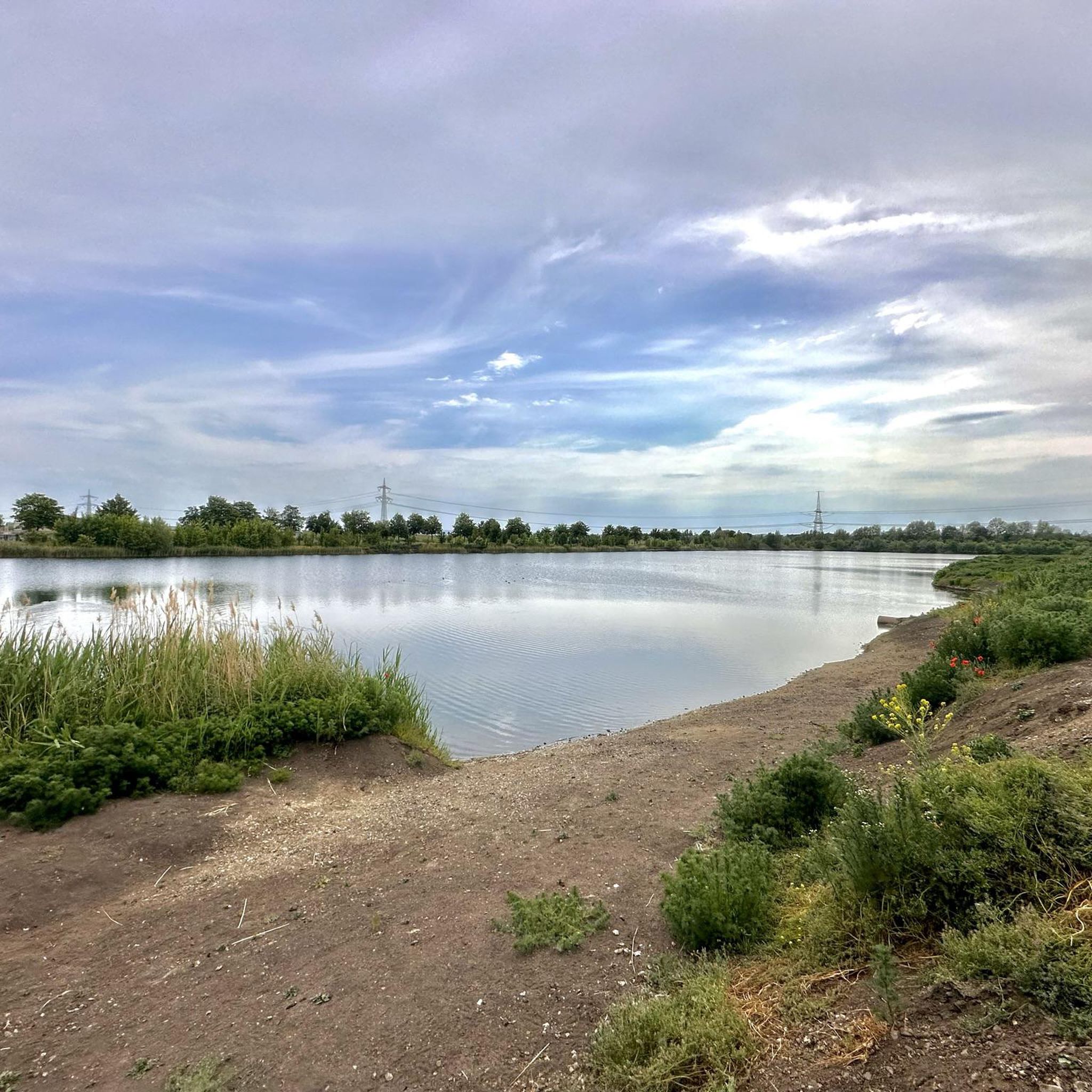
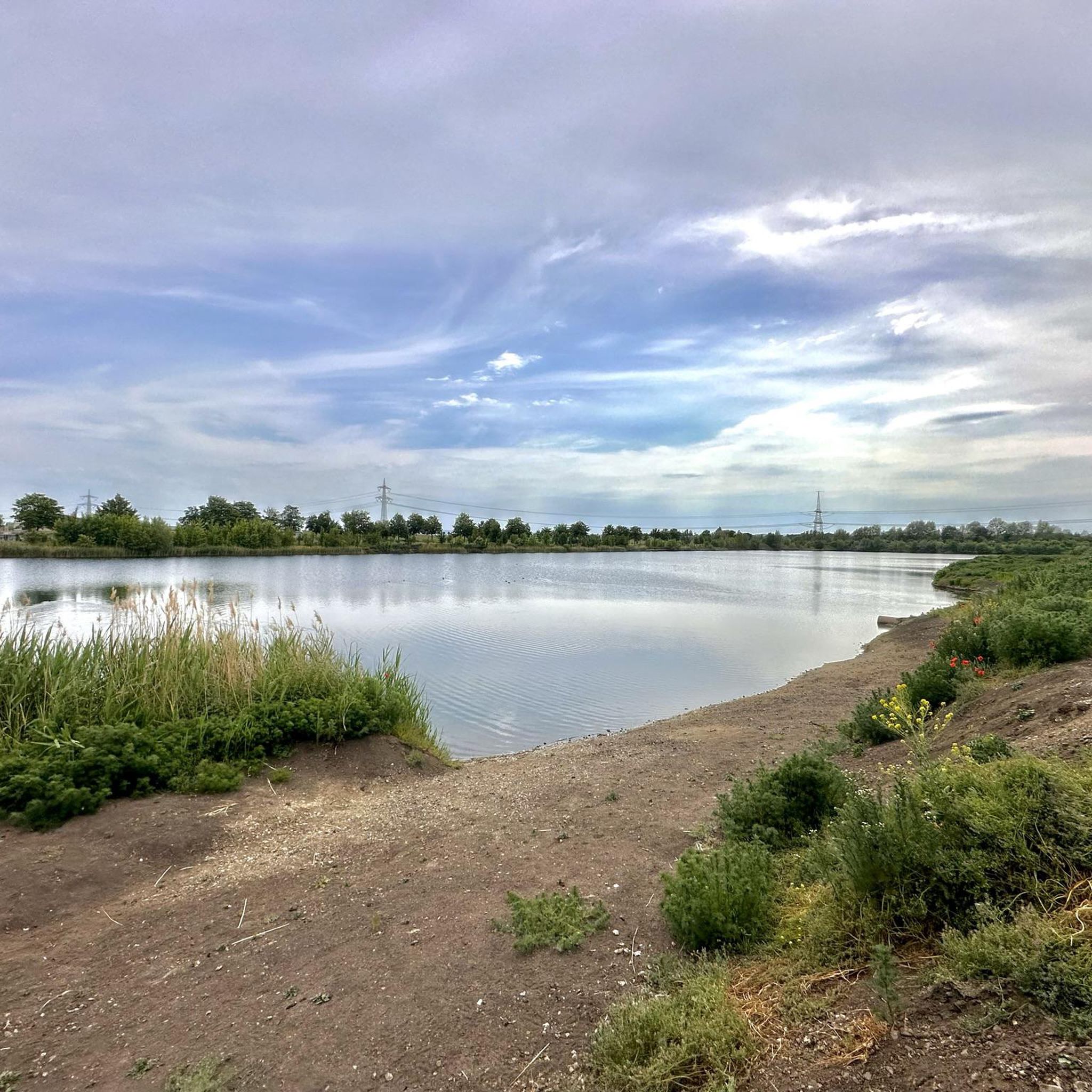
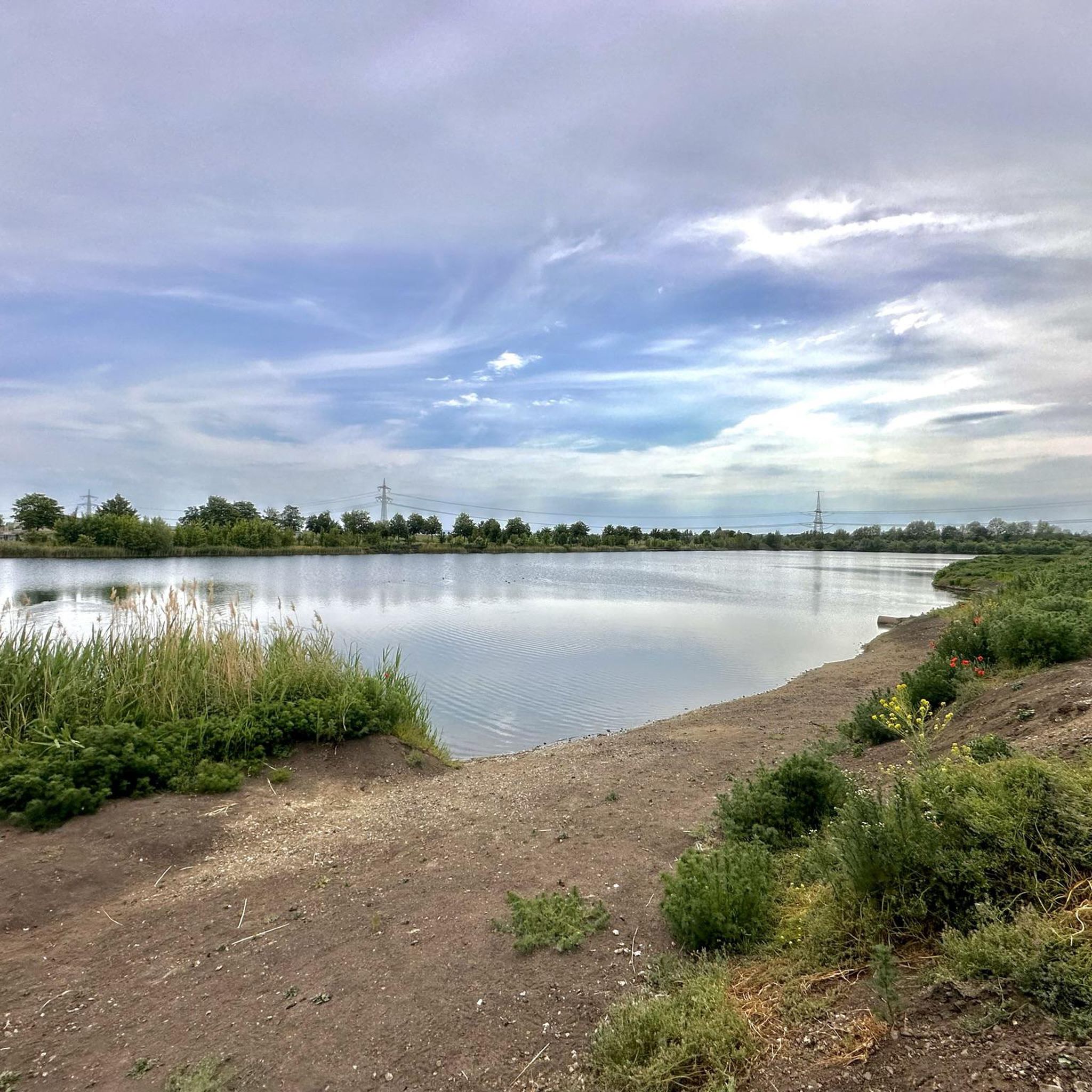
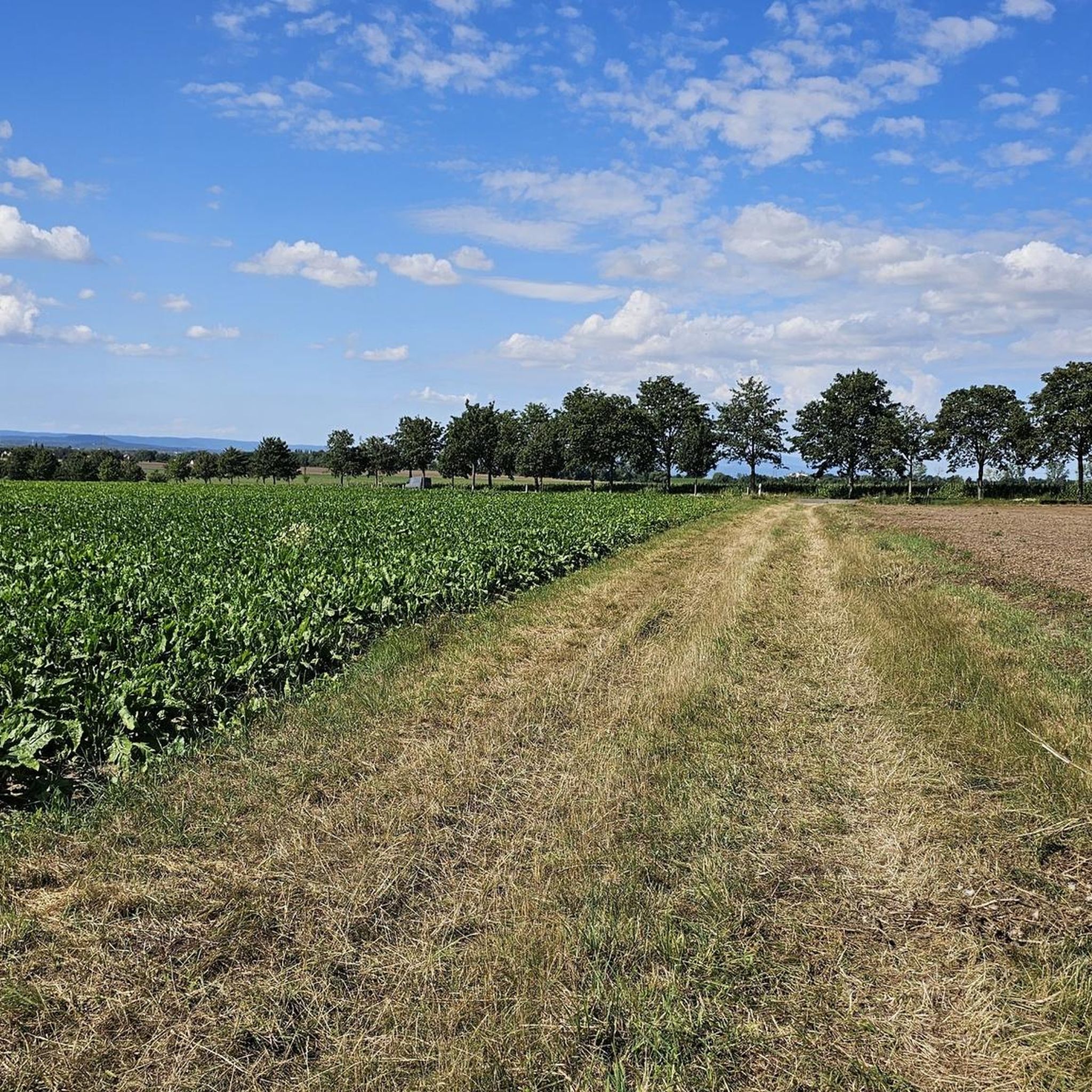
Tips from the Community

Krottorf Castle is a lowland castle that was secured by the Bode and the moats fed by it. After the original castle was destroyed in 1363, a fortified complex with buildings in the Renaissance style was not built until the 16th century and expanded by the then owner around 1890; parts of the rampart and moats are still preserved. The castle's enclosed courtyard is open to visitors. Source: Wikipedia
8
0
The monastery complex, enclosed by a dry-stone wall and covering over six hectares, is situated at the highest point of the Huywald forest. The monastery buildings, including the church and cloister, stand to the west on the hilltop. The farm buildings and the monastery garden are located in the area to the east, which lies almost four meters lower. Source: Wikipedia
13
0
The castle was built between 1780 and 1782 on a rectangular floor plan. The Spiegelsberge were named after the poet Ernst Ludwig Christoph Freiherr von Spiegel zum Desenberg (1711–1785), manor owner and canon of Halberstadt, who made a significant contribution to reforestation. Under his leadership, the English-style Spiegelsberge landscape park was created in 1761, which has been open to the public since 1771 and owned by the city since 1904. The park is now part of the Saxony-Anhalt Garden Dreams network. Source: Wikipedia Unfortunately, the restaurant is now closed.
12
0

If you like archery, this is the place for you
0
0

The Spiegelsberge hunting lodge in Halberstadt towers slightly above the city.
5
0

The Jagdschloss is a nice photo motif, and the view of Halberstadt is particularly worthwhile
6
0
Archery in the ruins of Gut Röderhof.
5
1
The ruins of Gut Röderhof, you can look.
7
0
Frequently Asked Questions
What kind of historical sites can I explore around Groß Quenstedt?
The region around Groß Quenstedt, situated in the Harz foreland, offers a variety of historical sites beyond just castles. You can visit significant religious buildings like the Benedictine monastery Huysburg (HWN), which features an important monument of Lower Saxon architecture. There are also historical sites such as the Spiegelsberge Hunting Lodge, set within an English-style landscape park, offering views of Halberstadt.
Are there any castles or historical sites that are family-friendly?
Yes, several sites are noted as family-friendly. The Benedictine monastery Huysburg (HWN) is suitable for families, and Spiegelsberge Hunting Lodge, located within a landscape park, is also considered family-friendly. Additionally, Burg Krottorf, a lowland castle with an open courtyard, is also a good option for families.
Which castles offer scenic views or are located in natural settings?
The Benedictine monastery Huysburg (HWN) is situated at the highest point of the Huywald forest, offering a commanding position. The Spiegelsberge Hunting Lodge provides worthwhile views of Halberstadt from its location within the Spiegelsberge landscape park. Further afield, the Lauenburg Castle Ruins (HWN 187) above Stecklenberg offer panoramic views of the Harz foreland.
Can I visit castles that are privately owned?
Some castles in the area are privately owned and may not be fully accessible for interior visits. For example, Röderhof Castle is privately owned, and while you can appreciate its exterior and historical context, interior access is not possible. Similarly, Schlanstedt Castle is privately owned and currently closed to visitors, though its exterior can be viewed.
Are there any castles that are wheelchair accessible?
The Benedictine monastery Huysburg (HWN) is listed as wheelchair accessible, making it a suitable option for visitors requiring this feature.
What outdoor activities can I combine with a visit to these castles?
The region around Groß Quenstedt offers various outdoor activities. You can find numerous running trails, such as those detailed in the Running Trails around Groß Quenstedt guide. For cycling enthusiasts, there are gravel biking routes, including those mentioned in the Gravel biking around Groß Quenstedt guide. If you prefer a more leisurely pace, easy hiking trails are available, which you can explore through the Easy hikes around Groß Quenstedt guide.
Are there cafes or restaurants near the castles?
Yes, some locations offer amenities. The Benedictine monastery Huysburg (HWN) includes a cafe. While the restaurant at Spiegelsberge Hunting Lodge is currently closed, the surrounding area of Halberstadt offers dining options.
What is the best time of year to visit the castles around Groß Quenstedt?
The region's castles and historical sites can be enjoyed throughout the year. Spring and autumn offer pleasant weather for exploring the grounds and surrounding nature, while summer allows for longer days and outdoor activities. Winter visits can provide a unique, serene atmosphere, though some facilities or access might be limited.
Where can I find parking when visiting these historical sites?
Parking is available at some locations, such as the Benedictine monastery Huysburg (HWN). For other sites, it's advisable to check local signage or information for designated parking areas nearby.
What makes Burg Krottorf interesting to visit?
Burg Krottorf is a lowland castle that was originally secured by the Bode river and moats. While the original castle was destroyed, a fortified complex with Renaissance-style buildings was constructed in the 16th century. The castle's enclosed courtyard is open to visitors, offering a glimpse into its rich history and architectural evolution.
What historical significance does Schlanstedt Castle hold?
Schlanstedt Castle, first mentioned in 1267, was built in the 11th century to protect a crossing over the Große Bruch. It evolved from a round castle into a Renaissance palace between 1610 and 1620, showcasing centuries of architectural changes and its role in regional history. Although currently closed for interior visits, its exterior reflects a significant past.
Most popular routes around Groß Quenstedt
Most popular attractions around Groß Quenstedt

Get inspired with the komoot mobile app


Explore more
Looking for the best castles somewhere else? Discover other guides around Groß Quenstedt:
