Top 8 Gorges around Angermünde
Canyons around Angermünde are characterized by an Ice Age-modeled landscape, featuring diverse topography with hills, lakes, and "Schluchten" (gorges or ravines) within extensive forest and protected areas. The region's natural formations offer unique experiences for hikers and nature enthusiasts. The UNESCO World Heritage Grumsin Beech Forest, part of the Ancient and Primeval Beech Forests, showcases an undulating landscape with varied terrain. This area provides insights into geological formations left by glaciers, creating gorge-like sections along hiking trails.
Best canyons around…
Last updated: June 27, 2026
Parów Źródlany (Source Valley Gorge)
Highlight • Gorge
Quellschlucht - Parów Źródlany (formerly: Wassergrund)
with huge specimens of field maple, beech and stalk oak. The reason for this is a brook …
Translated by Google •
Tip by

Markociński Gorge
Highlight • Gorge
Markenthun Gorge – Wąwóz Markociński (formerly: Grund von Markenthun)
Translated by Google •
Tip by
Sign up now to discover places like this
Get recommendations on the best single tracks, peaks, & plenty of other exciting outdoor places.
Sign up for free
Paklonowy Gorge (Field Maple Gorge)
Highlight • Gorge
Feldahorn Gorge - Wąwóz Paklonowy (formerly: Gloomy Reason)
with a lookout. The eponymous tree, the field maple, is represented by about 50 handsome specimens. In …
Translated by Google •
Tip by
Orchid Gorge (Wąwóz Storczykowy)
Highlight • Gorge
Orchid Gorge - Wąwóz Storczykowy (formerly: Liehrsgrund)
to an ash-elm forest with mountain, pointed and field maple, field elm and hornbeam; with the cape, the …
Translated by Google •
Tip by
Brekiniowy Gorge (Elsbeerenschlucht)
Highlight • Gorge
The Elsberg canyon - Wąwóz Brekiniowy (formerly: the sarcophagus ground),
there is the largest accumulation of the Elsbeere (Sorbus torminalis). It grows here in large …
Translated by Google •
Tip by
Sign up for free to discover even more gorges around Angermünde.
Sign up for free
Already have an account?
Start today with a free account
Your next adventure awaits.
Login or Signup
Popular around Angermünde
Uckermärker Landrunde — Hiking in the Uckermark over 9 stages: open countryside & quiet nature
The National Natural Landscapes in Brandenburg
Explore the Uckermark in northern Germany – Märkischer Landweg
Rivers, lakes, & endless countryside – cycling through Brandenburg
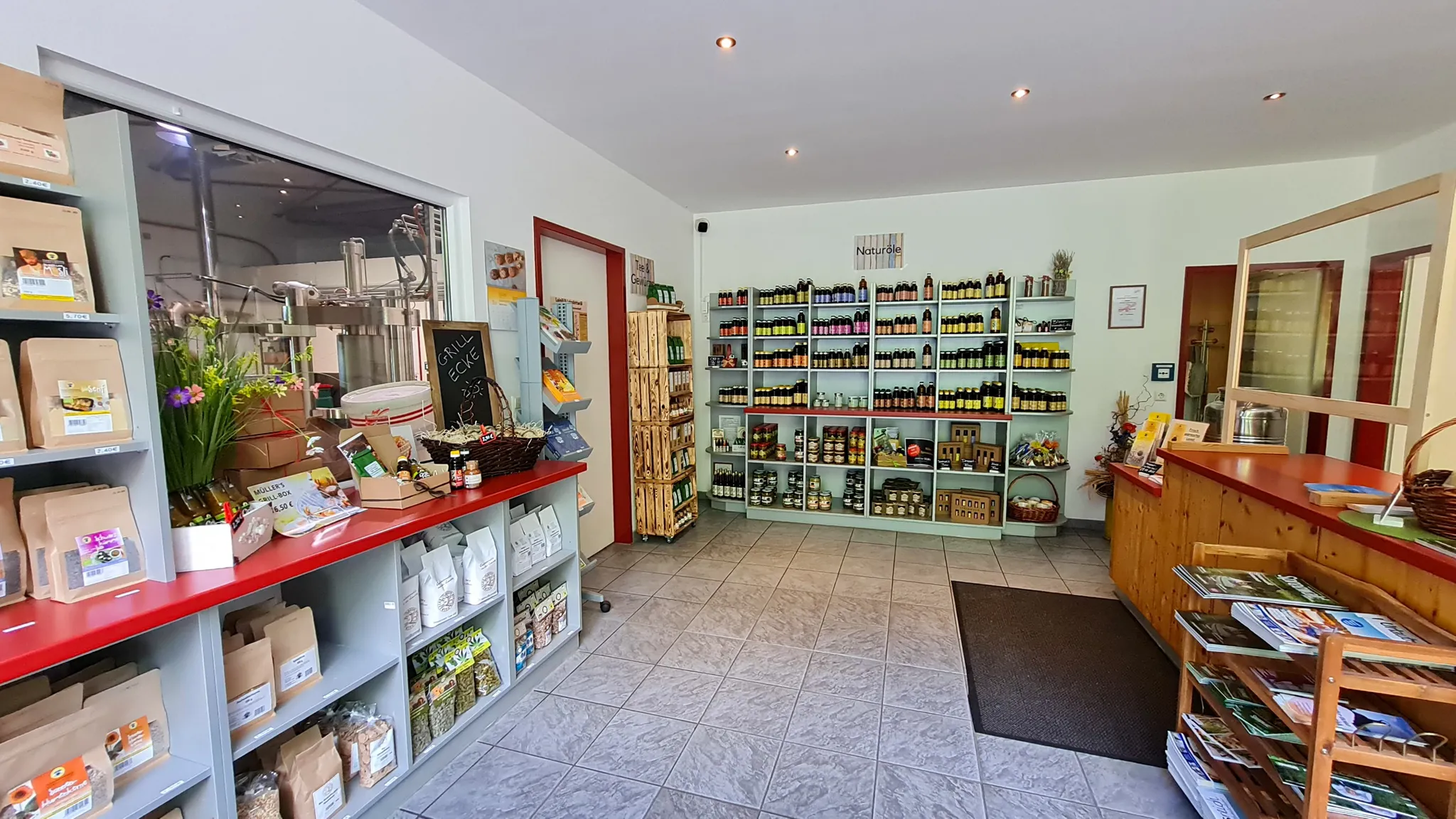
Farm shops in Brandenburg
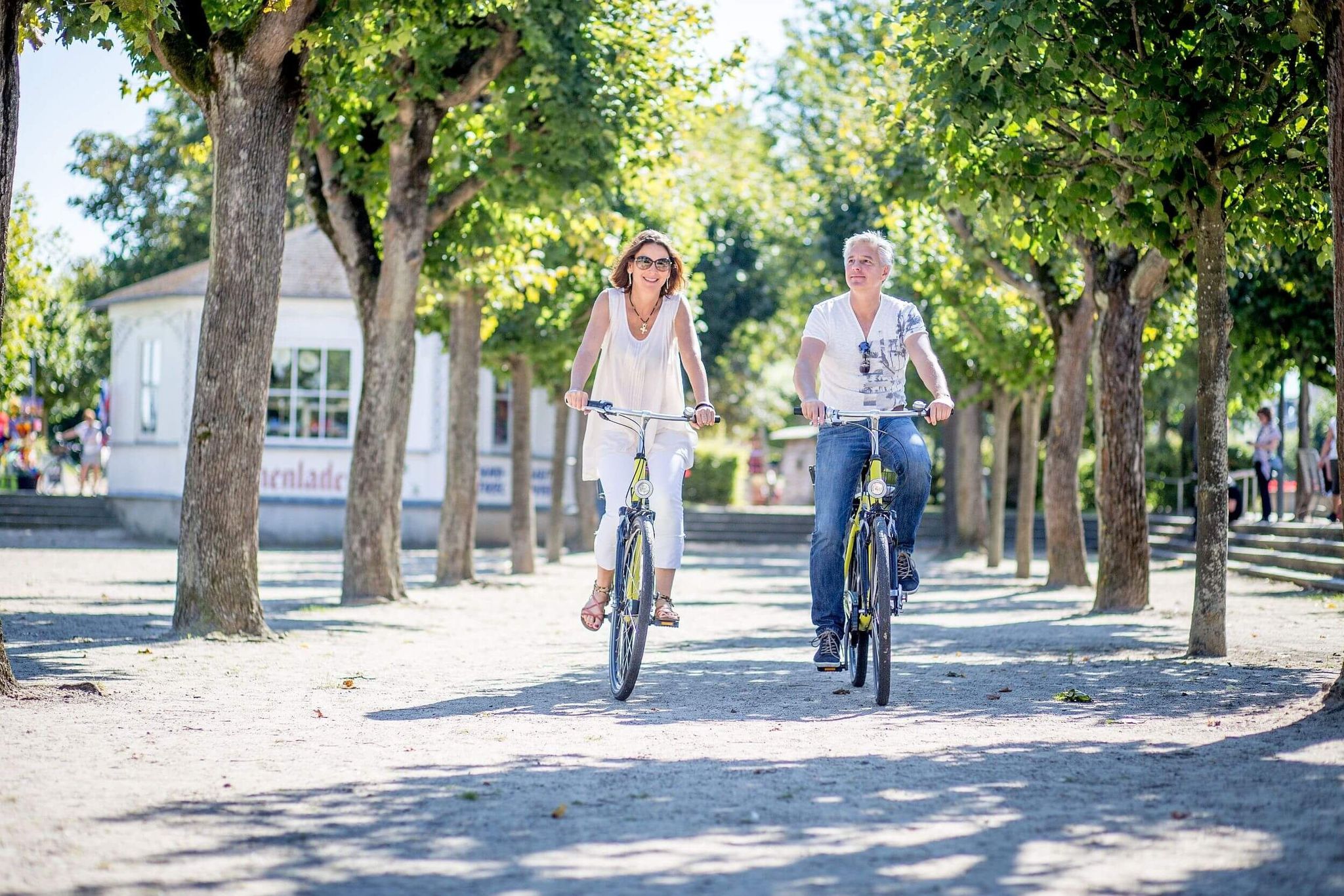
Radfernweg Berlin-Usedom: Vielfalt zwischen Metropole und Meer
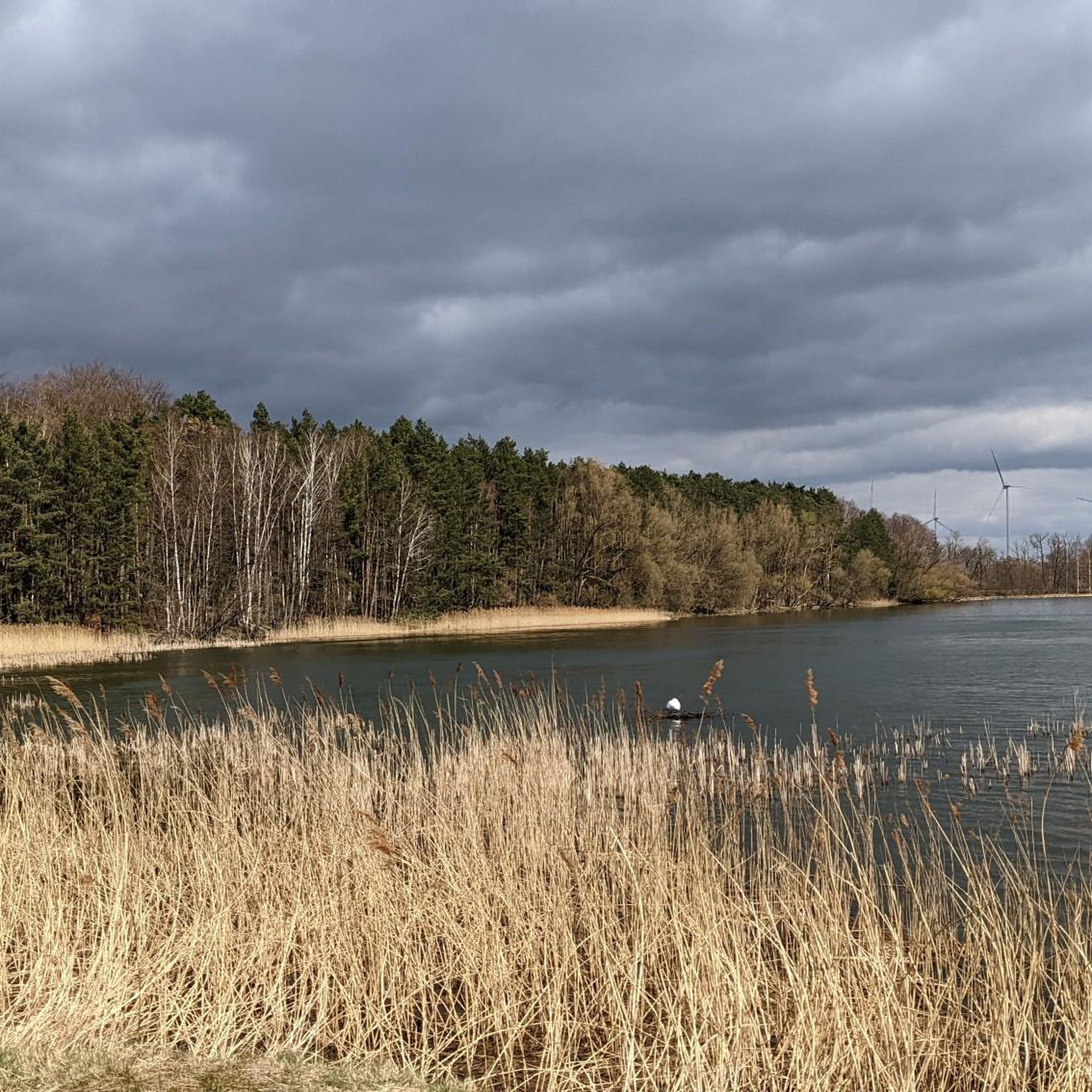
Hiking around Angermünde
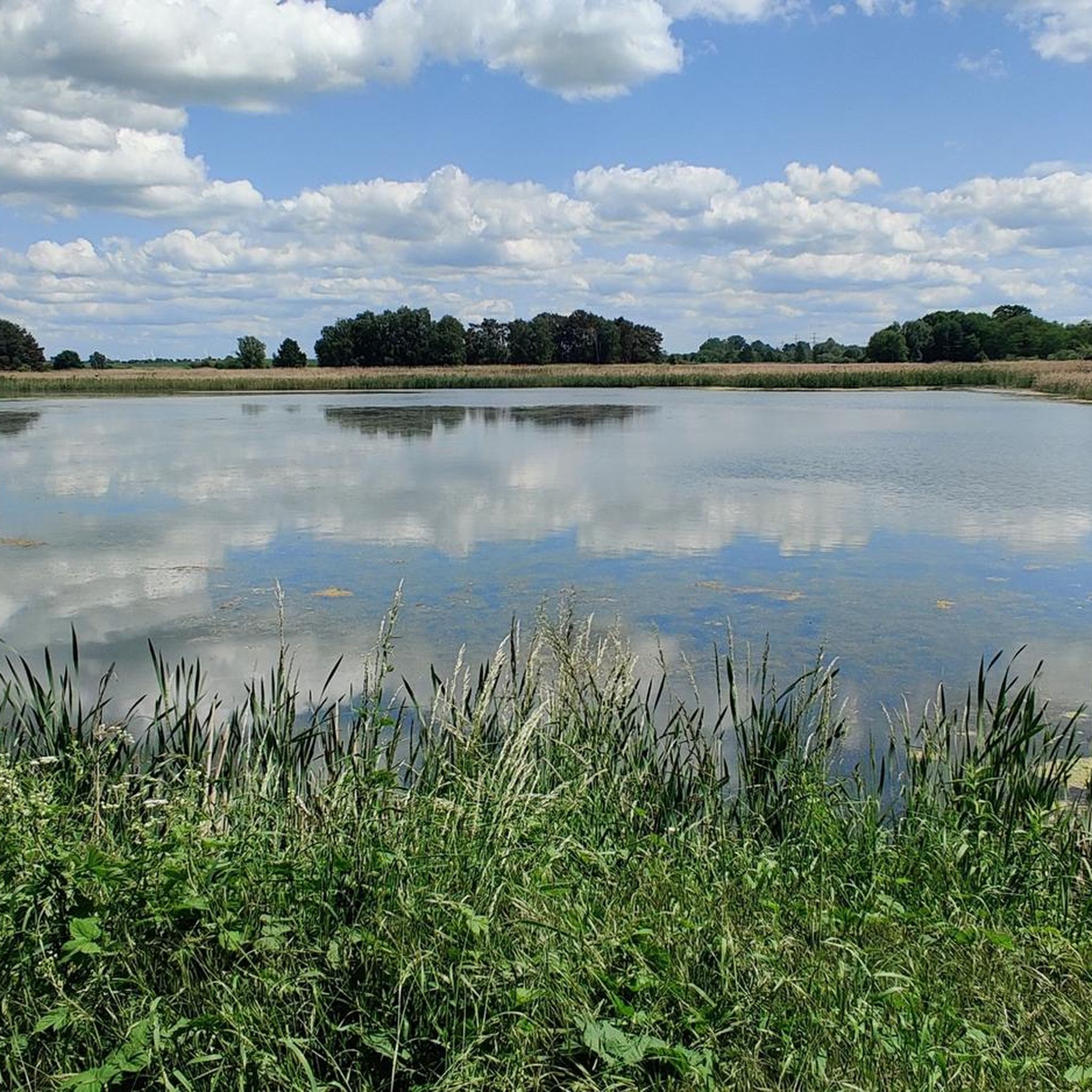
Cycling around Angermünde
Running Trails around Angermünde
Road Cycling Routes around Angermünde
Other adventures around Angermünde


Tips from the Community

These paths cannot be hiked, everything is overgrown and fallen trees block the path. Love from
0
0

Station 1 leads to the Orchid Gorge - Wąwóz Storczykowy (formerly: Liehrsgrund) to an ash-elm forest with mountain, pointed and field maple, field elm and hornbeam; with the cape, the hawthorn, the hazel, the hawthorn and the black elderberry, in the ground vegetation appear more demanding species of forest such as: the great hellebore, the nettle-leaved bellflower, the forest twig, the sanikel, the forest zest and others. a. The orchid gorge is named after the once-abundant occurrence of the white forest bird (Cephalanthera damasonium [C. alba]), a stately orchid that has probably disappeared as a result of excessive overshadowing.
1
0
Station 4 leads into the Feldahorn Gorge - Wąwóz Paklonowy (formerly: Gloomy Reason) with a lookout. The eponymous tree, the field maple, is represented by about 50 handsome specimens. In addition, you will find mighty beech trees, huge grape oaks and 35 downy oaks. Above the Mittelweg there are stains of the stony-seed oak forest with buckthorn, blackthorn, field maple, field elm, downy oak, felt and dog rose, barberry, crown vetch, sickle alfalfa, upright zest and other dry grass species. Lost is the German Alant (Inula germanica).
1
0
Station 5 is on the edge of Quellschlucht - Parów Źródlany (formerly: Wassergrund) with huge specimens of field maple, beech and stalk oak. The reason for this is a brook that infiltrates the lower half of the gorge. On the eastern slope you pass a well-trained Sandfingerkraut Stipa dry grass with feather grass, hair grass, large grass lily, shaggy flagpole, golden hair aster, dwarf sedge, sickle alfalfa, Sommerwurz u. a. Also, there is a large eyrie of the downy oak with 85 specimens and a monumental hornbeam. On the western edge of the ravine and in the bottom, in the neighborhood of a mighty beech, stands an ash-elm forest with field elm, maple and field, beech, ash, hawthorn and viburnum; in the ground vegetation you can find giant fescue, dove droppings, whitefly, forest zest, forest twigs, muskweed, meadowcandle u.v.a. As you proceed, pay attention to the markings: here the path can branch out. A path is temporarily closed because of the protection zone for a black stork nest.
2
0
At station 8, in the The Elsberg canyon - Wąwóz Brekiniowy (formerly: the sarcophagus ground), there is the largest accumulation of the Elsbeere (Sorbus torminalis). It grows here in large complexes unlike old specimens of a few meters in height. Many of them are flowering and fruiting, yet the population is spreading mainly through root spawn. In the gorge itself, there is a typically trained ash-elm forest with field elm, field maple, beech, hazel, hawthorn and honeysuckle. In the ground vegetation can be found next to forest Ziest, large witch herb u. a. the thorny shield fern (Polystichum aculeatum [P. lobatum]).
1
0
Station 9 again features an information board. The trail begins at the bus stop (PKS), at the upper end of the Markenthun Gorge – Wąwóz Markociński (formerly: Grund von Markenthun) and follows the edge of this longest and largest gorge, at whose wide opening are the buildings of the Markenthun (Markocin) farm, through the center of the valley on an asphalt road to the village. A stream once flowed alongside, parallel to the path. Monumental beech trees and a sturdy sessile oak stand along the edge. Both slopes of the gorge are covered by Baltic beech forest, and a managed mixed forest also remains.
1
0
Frequently Asked Questions
What kind of "canyons" can I expect to find around Angermünde?
The Angermünde region features "Schluchten" (gorges or ravines) rather than traditional deep canyons. These are natural formations within an Ice Age-modeled landscape, particularly prominent in the UNESCO World Heritage Grumsin Beech Forest. You'll find varied terrain with hills, depressions, and sometimes steeper inclines that create gorge-like sections along hiking trails, showcasing ancient forests and unique geological features.
Which gorges are most popular for hiking in Angermünde?
Among the most appreciated gorges are Markociński Gorge, known for its monumental beech trees and Baltic beech forest, and Parów Źródlany (Source Valley Gorge), which boasts huge specimens of field maple, beech, and stalk oak. Visitors also enjoy Orchid Gorge (Wąwóz Storczykowy), leading to an ash-elm forest with diverse tree species and demanding forest ground vegetation.
What unique natural features can I discover in Angermünde's gorges?
The gorges are rich in biodiversity and geological interest. For instance, Parów Źródlany (Source Valley Gorge) features rare dry grass species and an ash-elm forest. Brekiniowy Gorge (Elsbeerenschlucht) is notable for the largest accumulation of Elsbeere (Sorbus torminalis) trees. The entire area is shaped by Ice Age glaciers, offering insights into geological formations.
Are there any viewpoints within the gorges around Angermünde?
Yes, Paklonowy Gorge (Field Maple Gorge) offers a designated lookout point. This gorge is also home to numerous field maple trees, mighty beeches, and grape oaks, providing scenic views of the surrounding forest landscape.
Are the gorges around Angermünde suitable for families?
Many of the trails through the gorges are suitable for families, though some paths can be rustic. The region's Ice Age-modeled landscape and ancient forests offer an engaging natural experience. It's advisable to check specific trail descriptions for difficulty and terrain before heading out with children.
Can I bring my dog to the gorges in Angermünde?
Generally, dogs are welcome on trails in the Angermünde region, including those through the gorges. However, it's always best to keep them on a leash, especially in protected natural areas like the Grumsin Beech Forest, to protect wildlife and ensure a pleasant experience for all visitors. Check local signage for any specific restrictions.
What is the best time of year to visit the gorges around Angermünde?
The gorges around Angermünde are beautiful year-round. Spring brings lush greenery and blooming flora, while autumn offers stunning fall foliage, especially in the beech forests. Summer is ideal for longer hikes, and even winter can be magical with snow-covered landscapes, though some paths might be more challenging due to ice or fallen trees.
Are there challenging hiking routes in the gorges near Angermünde?
Yes, some gorges offer more challenging routes. For example, Paklonowy Gorge (Field Maple Gorge) is categorized as challenging due to its terrain. The UNESCO World Heritage Grumsin Beech Forest also features rustic paths with varied terrain, including navigating fallen trees, which can provide a more demanding hiking experience. For a difficult full-day hike, consider the 22 km Red Beech Leaf Circular Trail.
What other outdoor activities can I do near the gorges in Angermünde?
Beyond exploring the gorges, the Angermünde region offers a variety of outdoor activities. You can find extensive hiking trails, including those around Wolletzsee and through the Grumsin Beech Forest. There are also numerous MTB trails and gravel biking routes that allow you to explore the diverse Ice Age landscape and scenic lakes.
Where can I find parking or public transport access for the gorges?
Access points vary by gorge. For instance, Markociński Gorge begins directly at a bus stop (PKS), making it accessible by public transport. For other gorges, parking might be available at nearby trailheads or villages. It's recommended to check specific route details for the most convenient access options.
Are there any cafes or accommodation options near the gorges?
Angermünde and its surrounding villages offer various cafes, pubs, and accommodation options. While not directly within the gorges, you'll find places to eat and stay in towns like Angermünde itself or near popular areas like Wolletzsee. These establishments cater to visitors exploring the region's natural beauty.
What kind of wildlife might I encounter in the Angermünde gorges?
The protected natural areas, especially the Grumsin Beech Forest, are home to diverse wildlife. You might spot various bird species, including those that nest in the ancient trees. The untouched nature and rich biodiversity mean you could encounter deer, wild boar, and smaller forest creatures. Keep an eye out for unique flora as well, such as the demanding forest species found in Orchid Gorge.
Most popular routes around Angermünde
Most popular attractions around Angermünde

Get inspired with the komoot mobile app


Explore more
Already discovered everything in this region? See additional gorges around Angermünde for your next adventure:
