Top 6 Castles around Uckerland
Best castles around Uckerland are found in a region known for its natural beauty and historical significance, nestled within the Uckermark district of Brandenburg, Germany. This area features a landscape of rolling hills, forests, and lakes. It is home to several historical castles and manor houses that offer insights into the area's rich past. These sites provide a glimpse into centuries of regional history and architecture.
Best castles around Uckerland
- The most popular castles is Blankenburg Castle Ruins, a…
Last updated: June 27, 2026
Blankenburg Castle Ruins
Highlight • Castle
Translated by Google •
Tip by

Schloss Bröllin
Highlight • Castle
Translated by Google •
Tip by

Sign up now to discover places like this
Get recommendations on the best single tracks, peaks, & plenty of other exciting outdoor places.
Sign up for free
Kraatz Castle
Highlight • Castle
Translated by Google •
Tip by

Woldegk Town Wall and Castle Gate
Highlight • Historical Site
de.m.wikipedia.org/wiki/Stadtmauer_Woldegk
Translated by Google •
Tip by

Ruins of Göhren Manor House
Highlight • Castle
Showing Translation
Tip by

Sign up for free to discover even more castles around Uckerland.
Sign up for free
Already have an account?
Start today with a free account
Your next adventure awaits.
Login or Signup
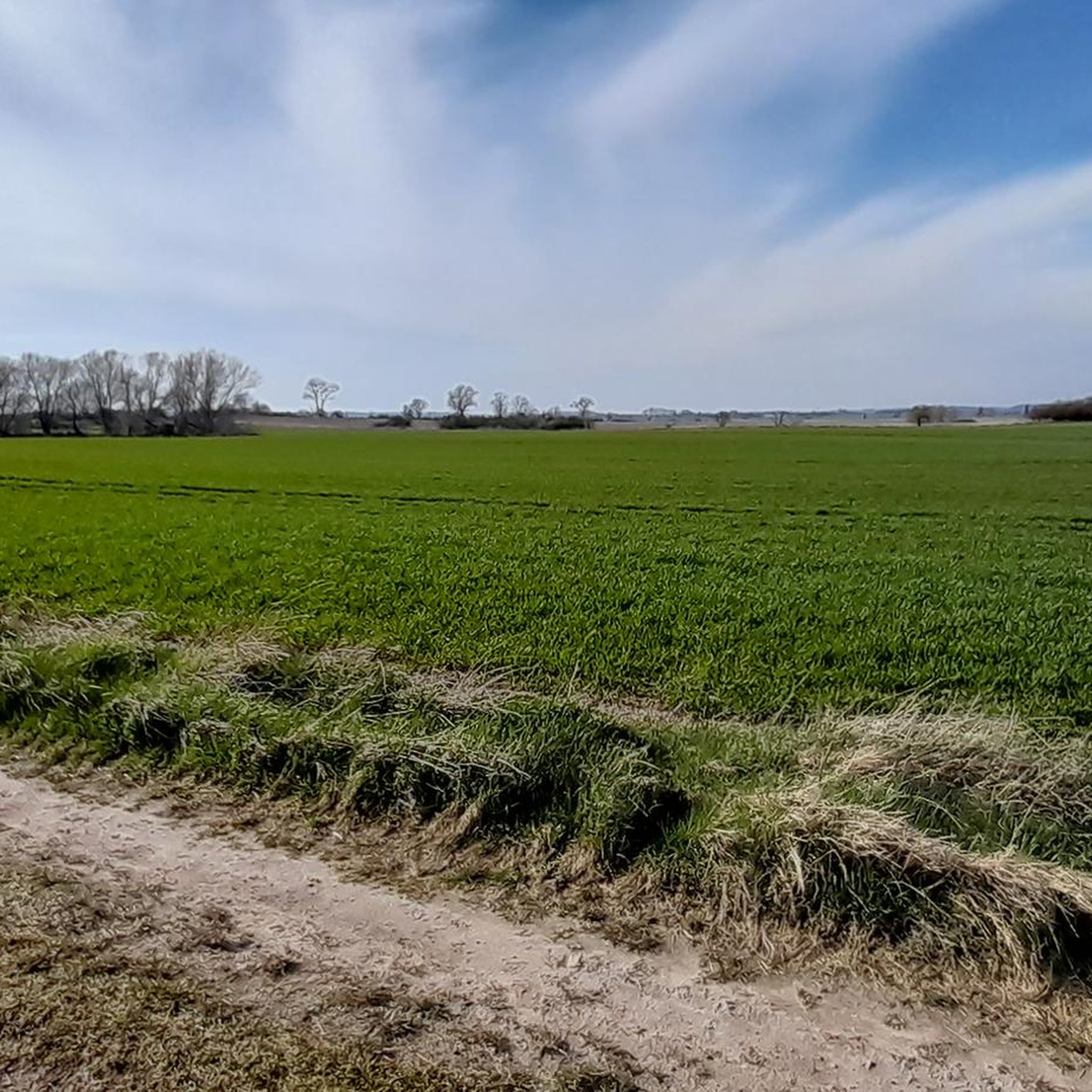
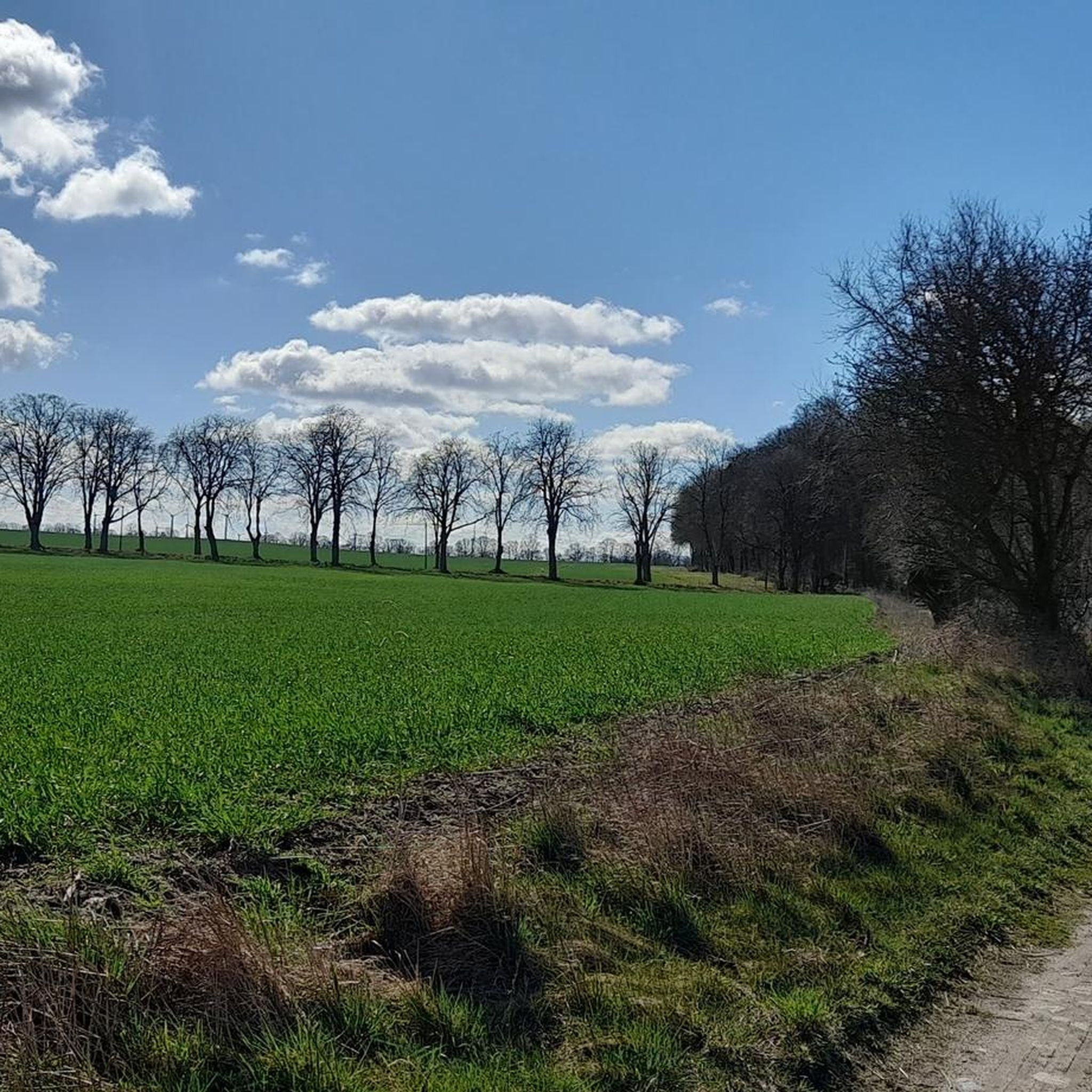
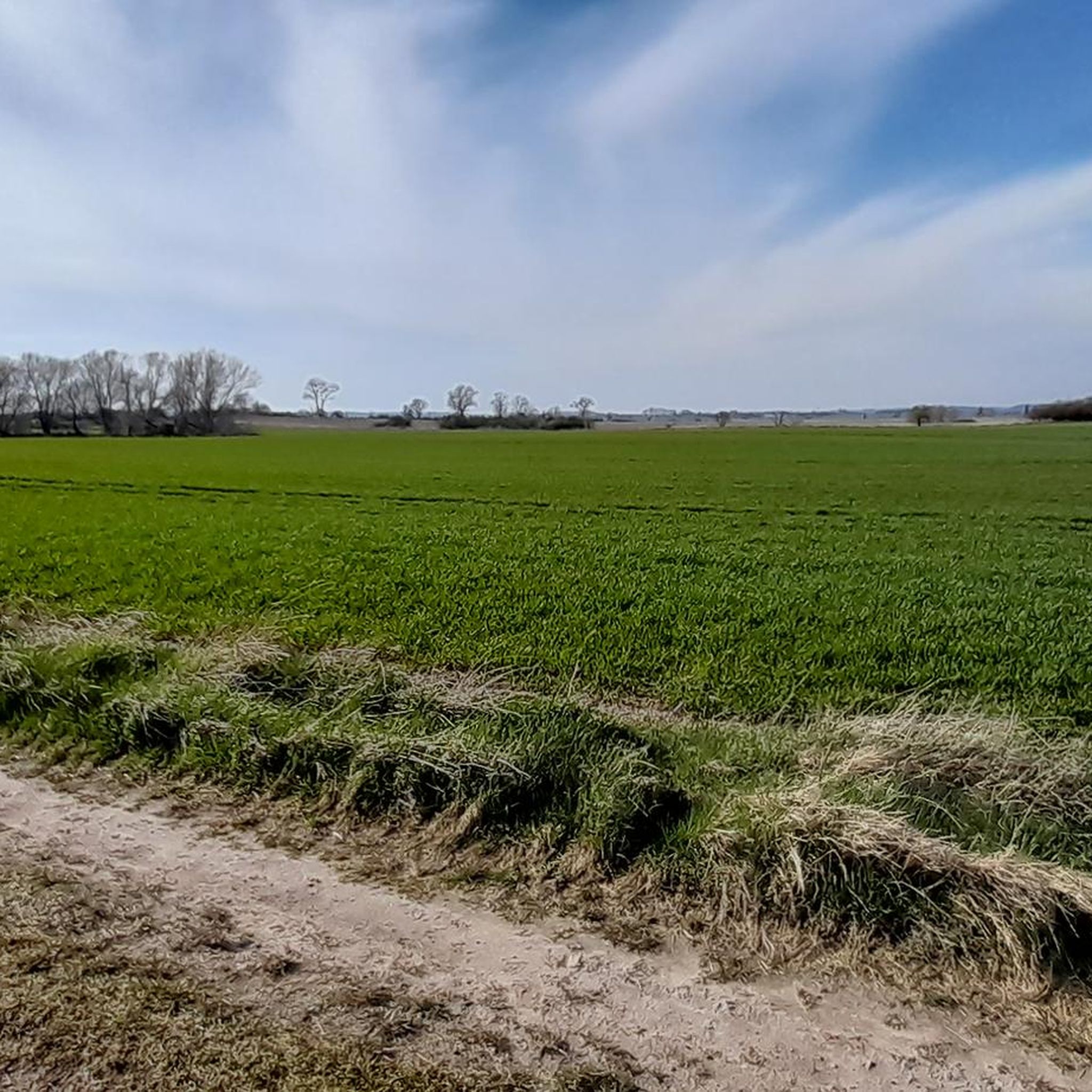
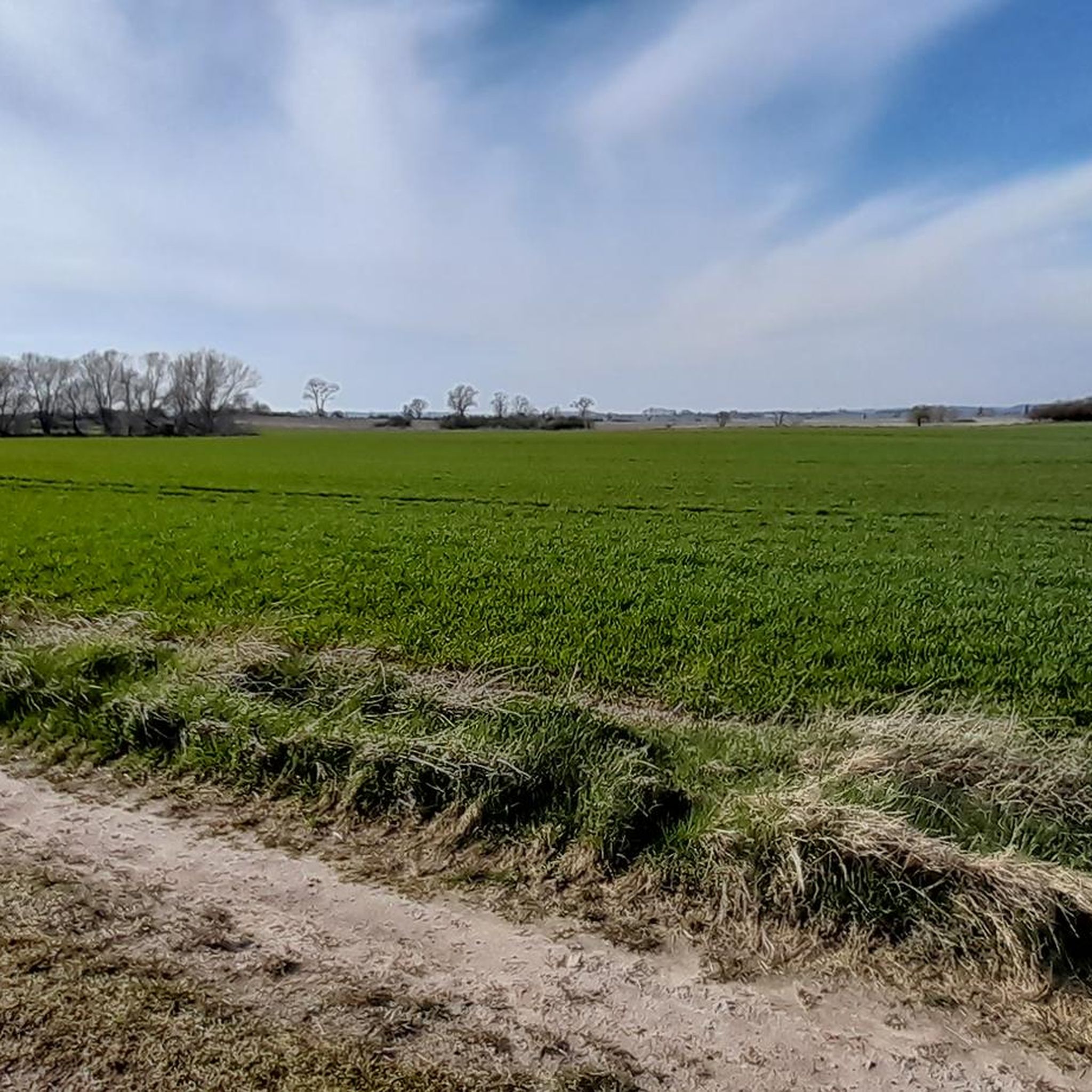
Tips from the Community

Not accessible, but relatively well visible.
0
0

The Göhren Castle ruin is the remnant of a 19th-century Neo-Gothic manor house on an older estate complex with Slavic and medieval roots. Today, only remains of the walls are preserved. In the Middle Ages, it belonged to, among others, the Knights of Osterwald. In 1519, it passed to the von Blankenburg family. After the Thirty Years' War, the property was heavily devastated; the impoverished Georg von Blankenburg had to give up in 1650. Several changes of ownership followed (including von Neuenkirchen, von Rieben, von Brockhusen, von der Lancken). The last owner, Ulrich-Wilhelm Graf von Schwerin von Schwanenfeld (1902–1944), was an active resistance fighter against National Socialism (including contact with Stauffenberg and the Kreisau Circle). He was convicted after July 20, 1944, and executed in Berlin-Plötzensee; the family was subjected to kinship imprisonment, and the estate was expropriated. The manor house burned out completely in June 1945 (after an initial fire in May) – the cause remained unclear. The ruin was subsequently dismantled to obtain stones for settlement houses. Today, only remains of the walls exist.
0
0

Manor house/castle from 1847. Currently under private restoration
0
0
In the border region fought over by Brandenburg, Mecklenburg and Pomerania, the von Raven family built this castle in 1250, which fell to the Lords of Blankenburg 30 years later! The keep still stands 24 meters high. I would have loved to climb the tower! But I was still able to take a look at the surroundings with my drone!
0
0

The Woldegk city wall with the ramparts in Woldegk was built in the 14th century and has been preserved for a length of around 700 metres. https://de.m.wikipedia.org/wiki/Stadtmauer_Woldegk
0
0

The castle, a typical border castle, is named after a Uckermark noble family who owned it from the 14th to the 17th century. had in possession, referred to as “Blankenburg”. The castle ruins lie on an artificially created castle hill about 4 m high. The castle hill is approximately rectangular and surrounded by an 8 m wide moat. The partially preserved curtain wall enclosed an area of approx. 36 x 28 m. Remains of a building (gate tower?) protruding from the western curtain wall can still be seen. The high corner tower with a round superstructure is located on the SW corner of the Bering. The keep is also called the Fangelturm.
0
0

Although interesting, unfortunately there are no information boards
2
0

The castle ruins can not only be viewed from the outside. The key is in the fisherman's house. Just ask nicely
1
0
Frequently Asked Questions
Which castles in the Uckerland region offer a deep dive into medieval history and architecture?
For a strong sense of medieval history and architecture, visit Burg Stolpe, also known as 'Grützpott'. Its massive 12th-century Romanesque brick tower is one of Germany's strongest keeps. Löcknitz Castle, dating back to 1212, showcases a blend of Romanesque and Gothic styles with its octagonal keep ruins and 15th-century casemates. Blankenburg Castle Ruins, built around 1250, was a significant Brandenburg fortification during border conflicts and offers insights into the region's turbulent past.
Are there castles in Uckerland that have been repurposed or have a modern cultural use?
Yes, Schloss Bröllin now serves as an International Center for Artistic Research, hosting workshops, performances, and exhibitions. Similarly, Wartin Castle, originally a 17th-century manor house, has been revitalized as a meeting place for artists and scientists, fostering a vibrant cultural atmosphere.
What kind of culinary experiences can I find at castles in the Uckerland area?
You can enjoy fine regional cuisine, coffee, and homemade cakes at Kraatz Castle. They also offer apple wines from their own production, making it a delightful stop for refreshments.
Are there any castles or historical sites that are more about ruins and historical remnants?
Absolutely. The Blankenburg Castle Ruins are a prime example, offering a glimpse into a once-important fortification. The Hinrichshagen Castle Site and Moat has little left of the original castle, but a sign provides explanations of its past. Additionally, the Ruins of the Fieldstone Church in Damerow Castle Park present picturesque 14th-century church ruins within manor grounds.
What outdoor activities can I combine with a visit to the castles around Uckerland?
The Uckerland region is excellent for outdoor activities. You can find numerous running trails, such as the 'Blankenburg Castle Ruins – Old Fisherman's House loop from Wolfshagen', which is a moderate 5.7 km route. For cycling enthusiasts, there are routes like the 'Berlin Gate, Fürstenwerder – King’s Column Wolfshagen loop from Wolfshagen', an easy 29 km ride. Mountain biking is also popular, with trails like the 'Fürstenwerder Local History Museum – Dream Landscape loop from Fürstenwerder', an easy 13 km route. You can explore more options on the Running Trails around Uckerland, Cycling around Uckerland, and MTB Trails around Uckerland guide pages.
Which castles in Uckerland are particularly known for their strategic location or defensive features?
Burg Stolpe, with its massive 'Grützpott' tower, was strategically located on a hilltop offering commanding views. Blankenburg Castle Ruins, built on an island, was one of the most important Brandenburg fortifications due to its border location. Löcknitz Castle evolved from a wooden fortification to a robust brick castle with an octagonal keep and casemates, highlighting its defensive evolution.
What do visitors appreciate most about the castles around Uckerland?
Visitors frequently highlight the appeal of these historical sites, with over 60 upvotes and 88 photos shared by the komoot community. They enjoy the tangible connection to medieval history, the unique architectural features, and the opportunity to explore ruins that tell stories of centuries past. The blend of historical significance with natural beauty is also a strong draw.
Are there any castles in the Uckerland region that are suitable for families?
While specific 'family-friendly' activities vary, sites like Hinrichshagen Castle Site and Moat, with its explanatory sign, can be an interesting quick stop for families. Exploring the grounds of Burg Stolpe or Löcknitz Castle can also be an engaging historical adventure for older children, especially if combined with a picnic or a short walk.
Can I find guided tours at any of the castles in the Uckerland area?
Yes, guided tours are available at Löcknitz Castle. These tours offer a deeper understanding of its past, architectural features, and preservation efforts, making for a more insightful visit.
What is the best time of year to visit the castles in Uckerland?
The Uckerland region, with its natural beauty, is generally pleasant to visit during spring, summer, and early autumn. These seasons offer comfortable weather for exploring castle ruins, walking through grounds, and enjoying nearby outdoor activities. Some establishments, like Kraatz Castle, are open from April to December, suggesting a good window for visits.
Are there any castles that are more like manor houses or estates rather than traditional fortifications?
Yes, Wartin Castle, built in 1695, is a manor house surrounded by a park and garden. Similarly, Schloss Bröllin is a historic manor farm with multiple buildings, now serving as an artistic research center, rather than a traditional defensive castle.
Most popular routes around Uckerland
Most popular attractions around Uckerland

Get inspired with the komoot mobile app


Explore more
Looking for the best castles somewhere else? Discover other guides around Uckerland:
