Top 5 Caves around Zeulenroda-Triebes
Best caves around Zeulenroda-Triebes are found within the broader Thuringia region, known for its diverse natural landscapes. The area features a mix of natural karst caves and historical mining tunnels, offering various geological formations. Zeulenroda-Triebes itself is characterized by its natural beauty, including the Zeulenroda Reservoir and the Triebtal Valley. These underground sites provide insights into both natural geological processes and historical human activity.
Best caves around Zeulenroda-Triebes
- The most popular caves is Syrau Dragon Cave, a natural monument…
Last updated: June 27, 2026
Syrau Cave Park
Highlight • Natural
Translated by Google •
Tip by

Syrau Dragon Cave
Highlight • Cave
Translated by Google •
Tip by

Sign up now to discover places like this
Get recommendations on the best single tracks, peaks, & plenty of other exciting outdoor places.
Sign up for free
Greiz Rock Cellar Complex
Highlight • Cave
Translated by Google •
Tip by

Cave Entrance Near the Elster River
Highlight • Cave
Translated by Google •
Tip by

Grotto in Hades
Highlight • Cave
Translated by Google •
Tip by
Sign up for free to discover even more caves around Zeulenroda-Triebes.
Sign up for free
Already have an account?
Start today with a free account
Your next adventure awaits.
Login or Signup
Popular around Zeulenroda-Triebes

Around Thuringia — 7 stages through Germany's green heart

Gravel and road cycling in the Vogtland region
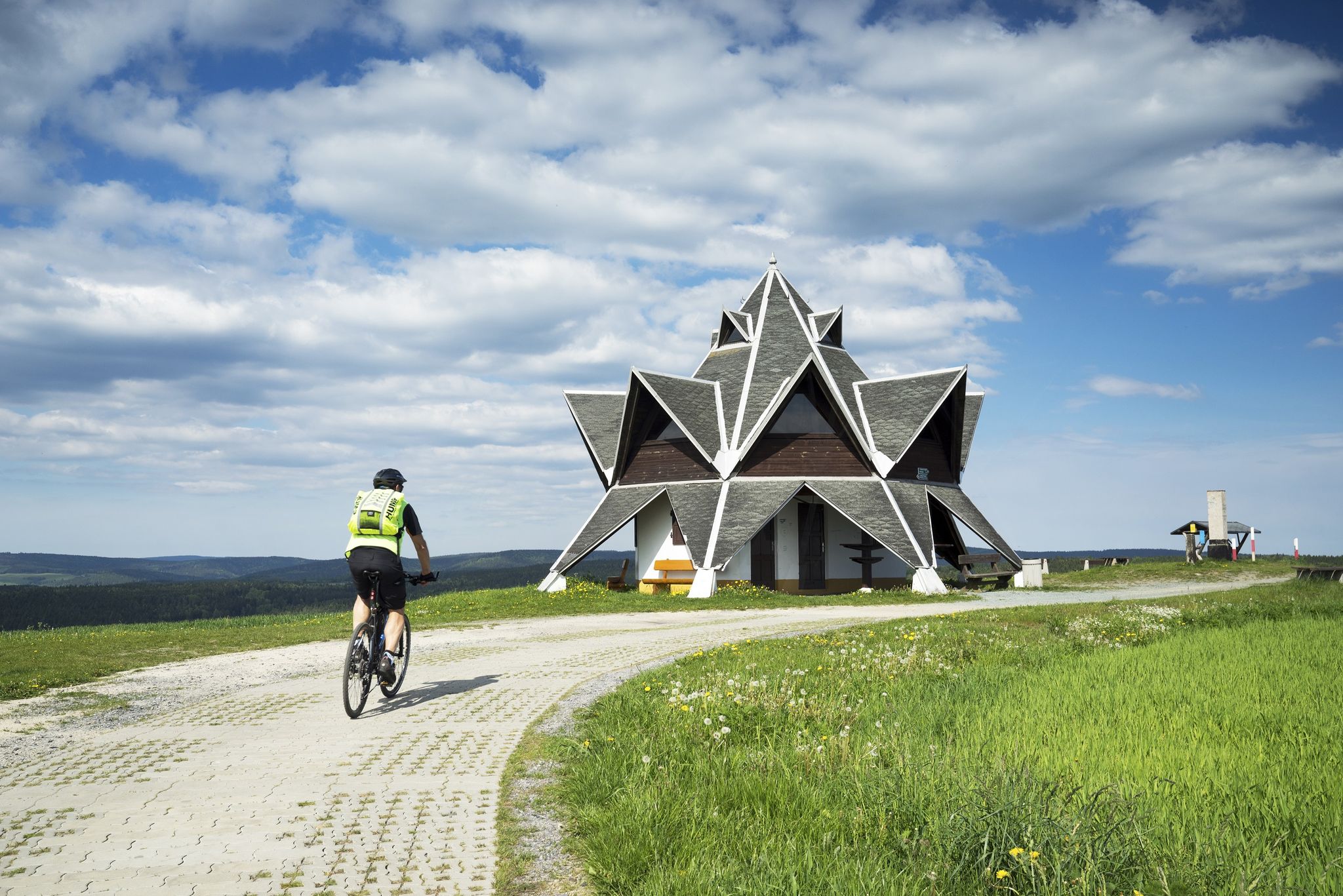
Explore Germany’s Vogtland — loop Tours for keen cyclists
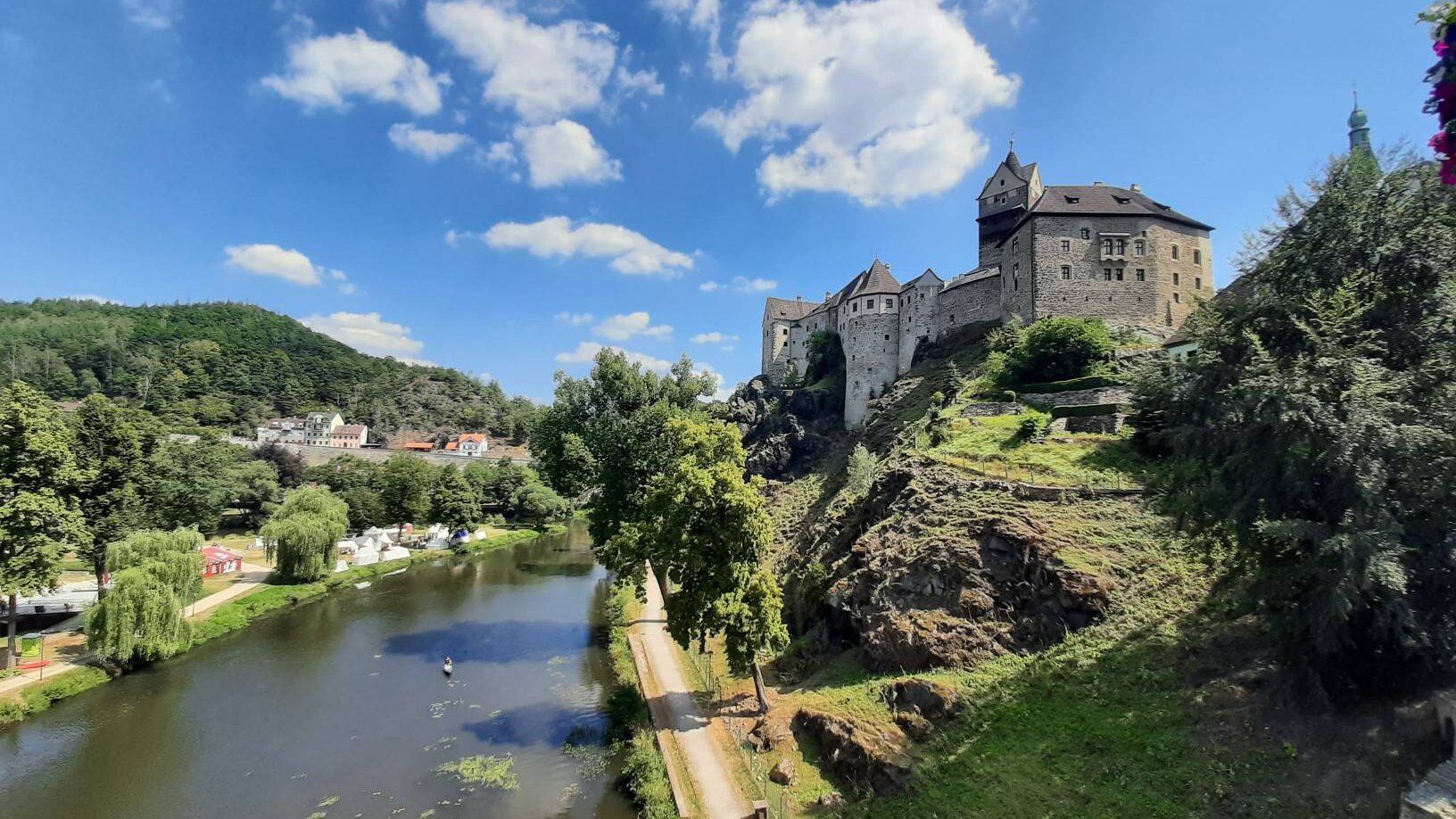
Through the heart of Europe – riding the Euregio Egrensis
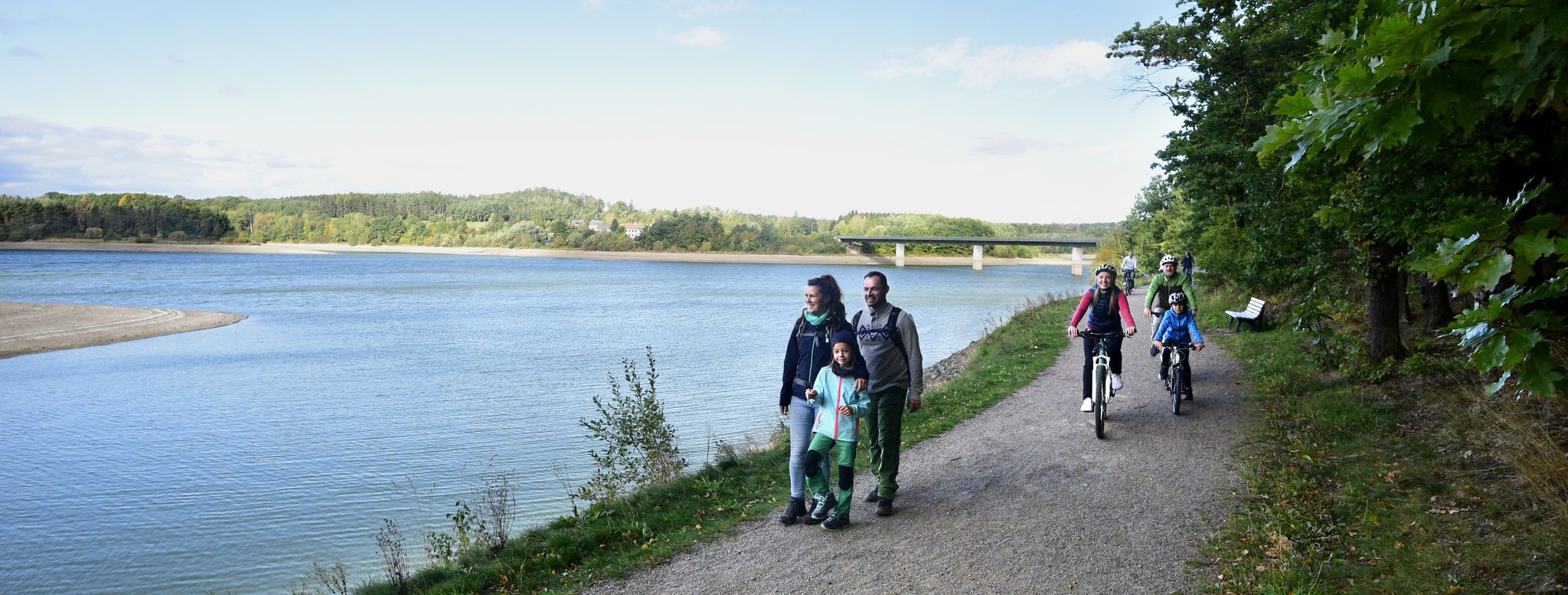
Family fun on foot and bike — explore Germany’s Vogtland
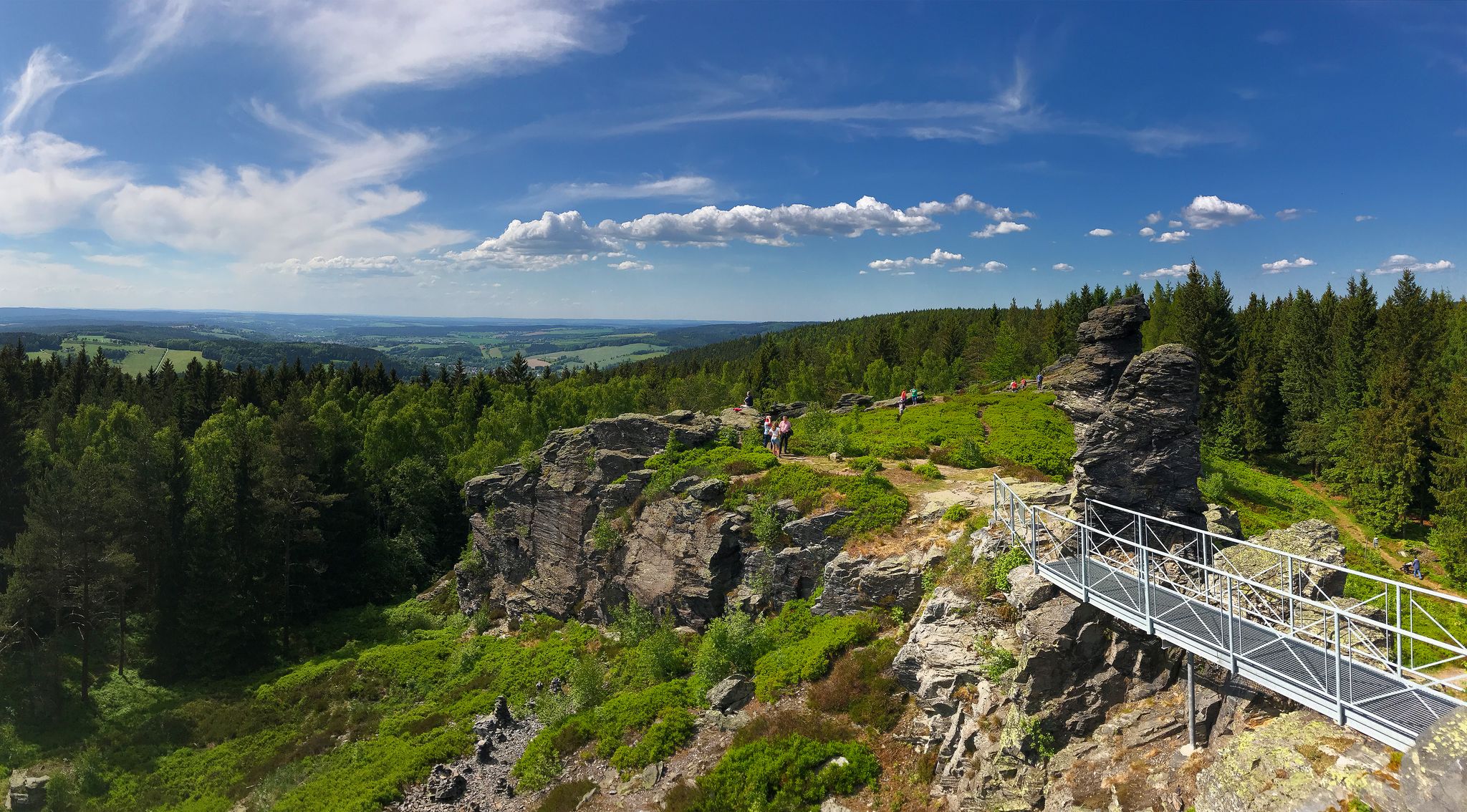
Experience the sounds of nature — hikes in the Vogtland Region
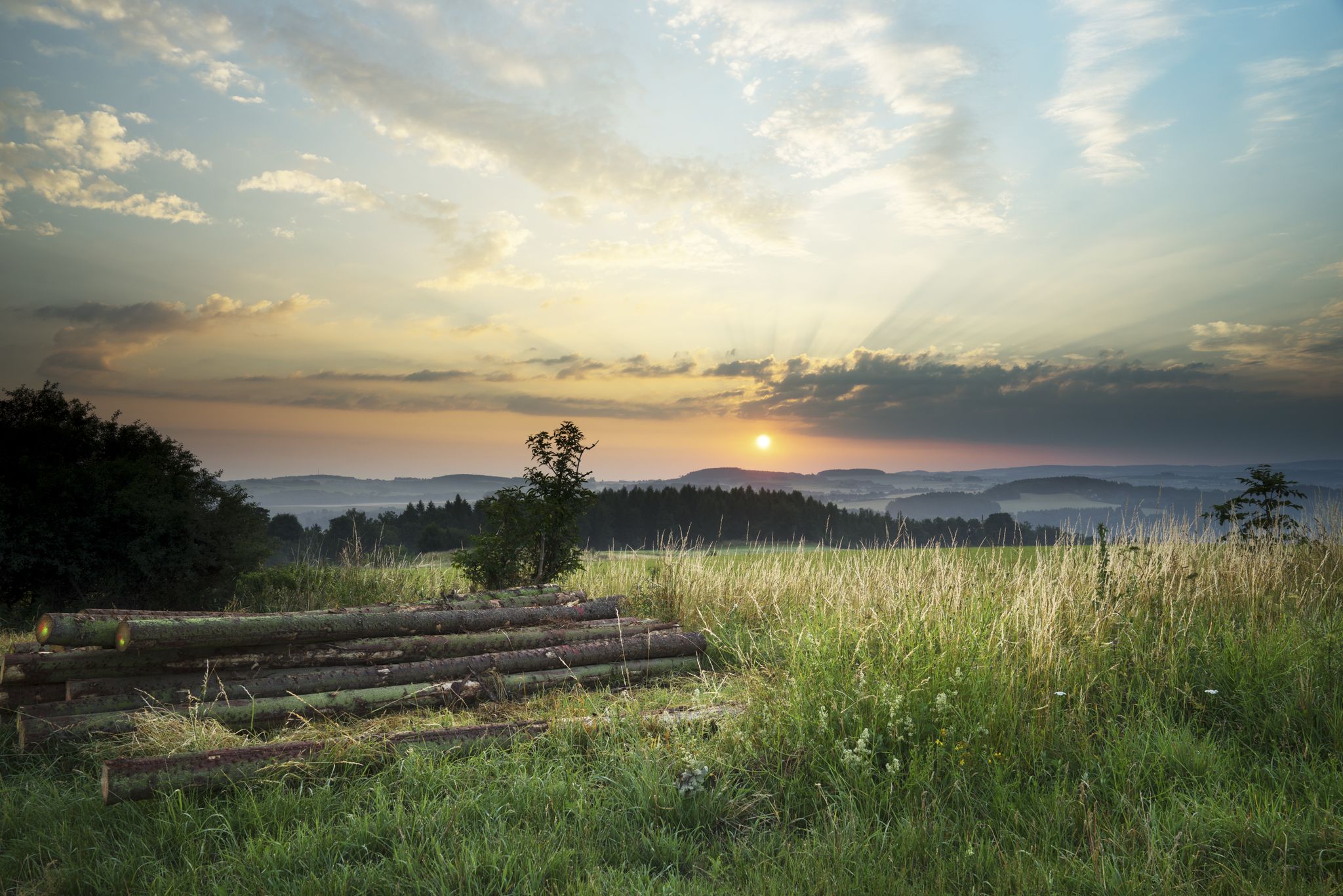
The Klingenthal Trail & Zeulenroda Dam – Hiking in Vogtland in Germany
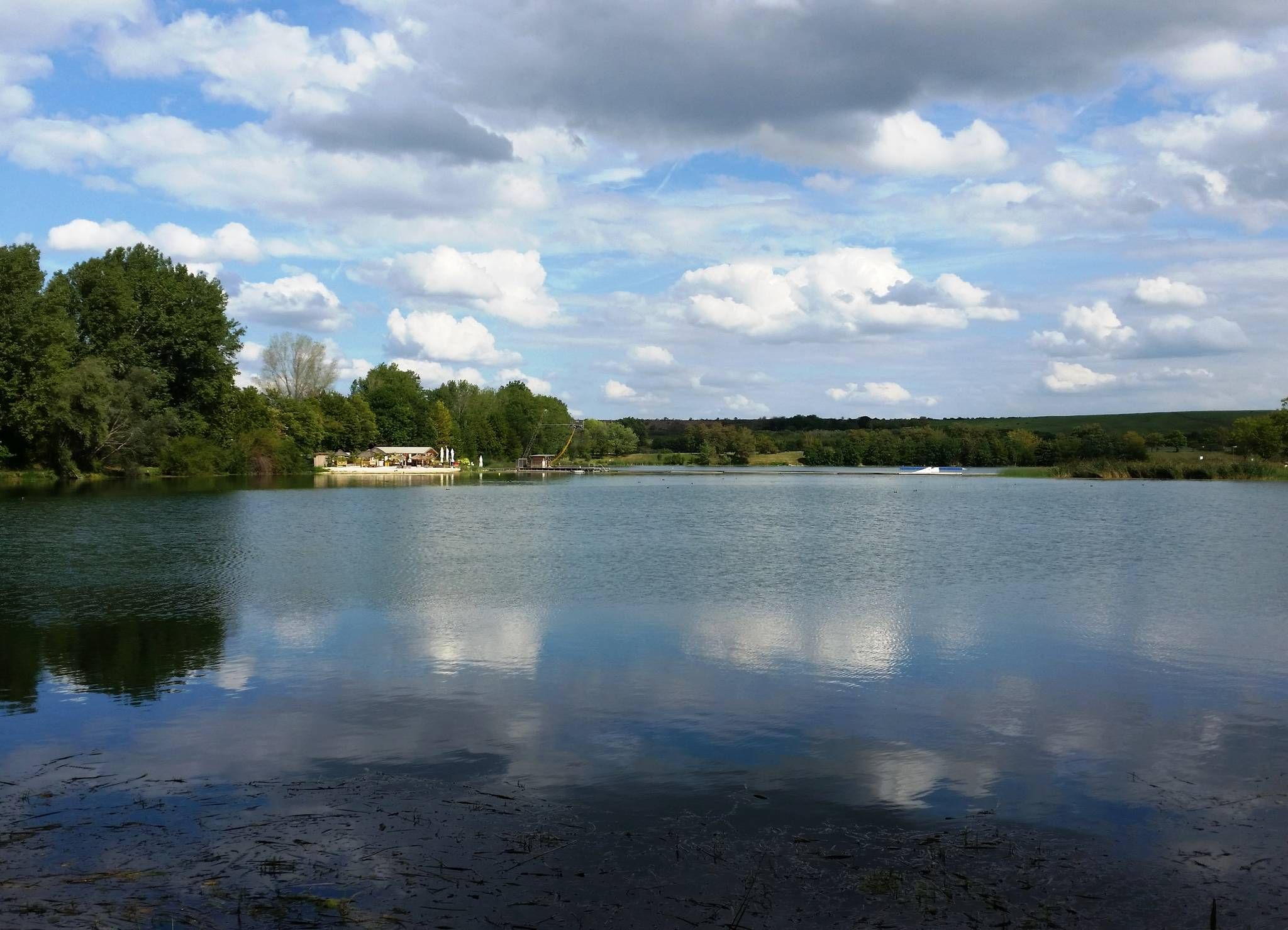
The most popular swimming spots in Thuringia
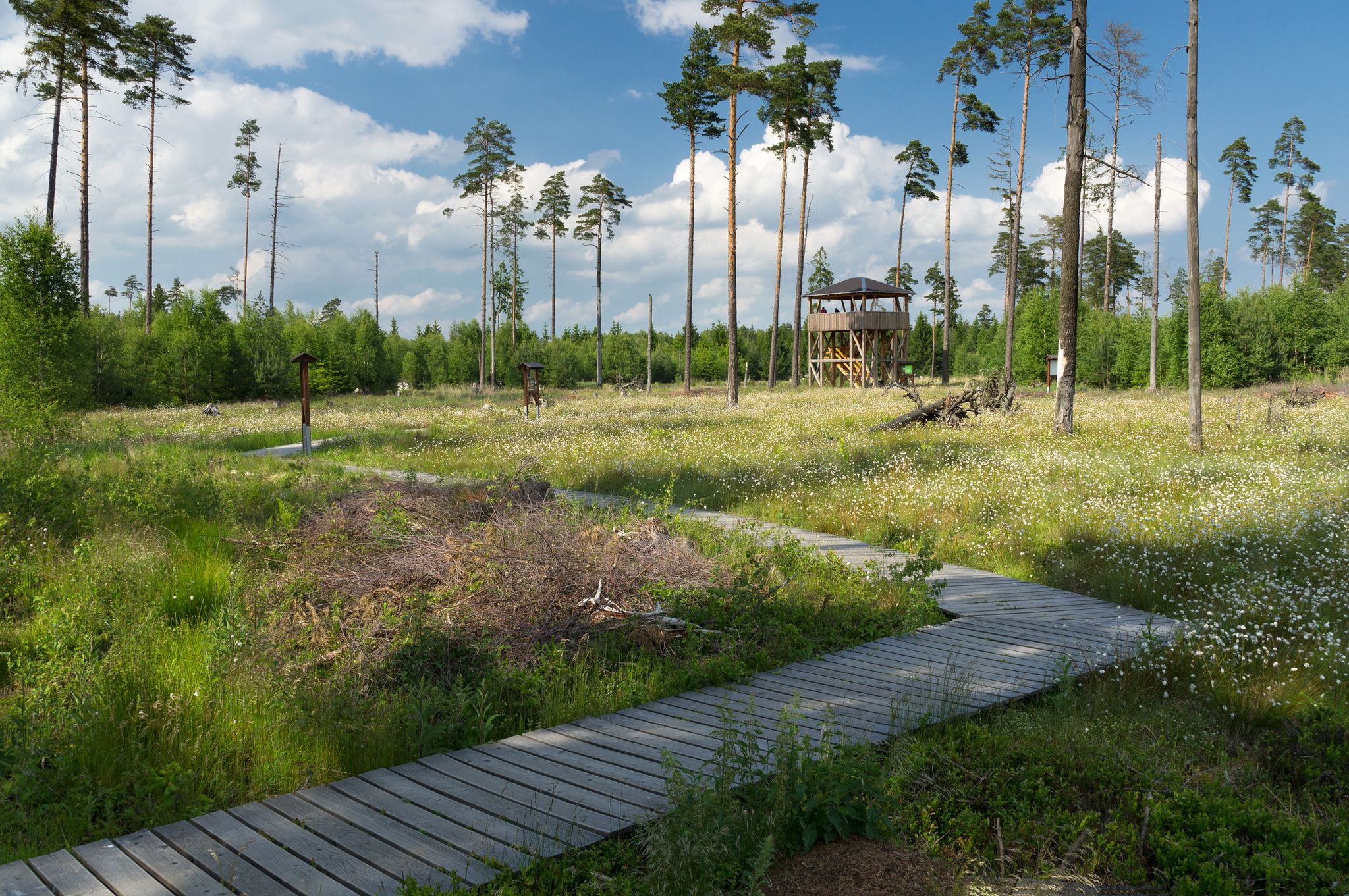
Wanderungen durch das DBU-Naturerbe Pöllwitzer Wald
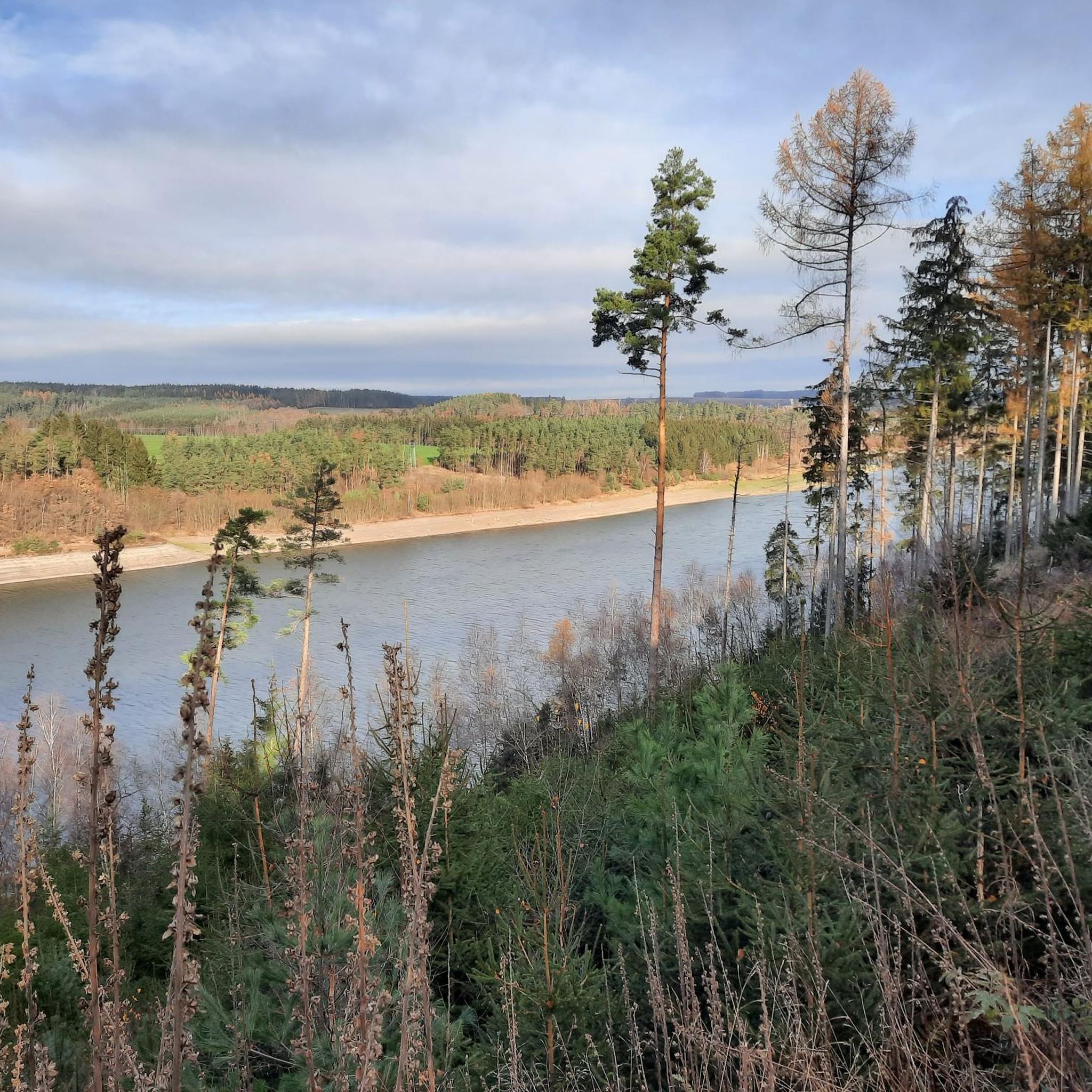
Hiking around Zeulenroda-Triebes
Other adventures around Zeulenroda-Triebes


Tips from the Community

Show cave discovered in 1928 with stalactites, lakes, laser shows, concerts, treasure hunts, weddings and park.
3
0
A wonderful park with winding paths. There's something to discover everywhere. Ever climbed a volcano? There are various snack options nearby. Very clean and well-maintained.
4
0

The Greiz rock cellar complex, built by private individuals or small businesses between the 17th and 18th centuries, is located in the lower part of the Greiz Castle Hill. Letters of request were submitted to the prince for the construction of the cellars, who, through lease agreements, permitted the undermining of the Castle Hill. The cellars were carved into the rock individually, each in different sizes and lengths. The individual chisel marks are still clearly visible in them, testifying to the painstaking work of the builders. A total of 19 cellars were created in the entrance area of the Castle Hill. These were used for storing food, beer, and chemicals. The usable area of the cellars is approximately 900 m² with a usable volume of approximately 2000 m³. Source: https://www.greiz.de/tourismus-kultur/tourismus/sehenswertes/stadtrundgang
2
0

It is the largest rock cellar complex in East Thuringia.
17
0
A shoe factory stood on this site in the 20th century. It was founded by Adolph Zimmer. In 1923, he expanded the factory grounds with a building along Aumaer Straße. Chemicals were stored in this cellar. After shoe production ceased in 1990, the factory building stood empty. It was demolished in 2009 as part of the city center redevelopment. During the demolition, this grotto was discovered beneath Aumaer Straße.
15
0

The artists Wolfgang R. Funk and Frank Lohse created the cave installation "Im Hades" in a cave of unknown origin. Filigree bats made of glass float through "Hades", as the two artists call their installation.
0
0

old cellars below the castle slope
1
0

Deep enough to shelter
5
0
Frequently Asked Questions
What types of caves can I explore around Zeulenroda-Triebes?
The region around Zeulenroda-Triebes offers a diverse range of underground experiences. You can find natural karst formations, historical rock cellars, and former mining tunnels. These include show caves with guided tours, smaller natural shelters, and historical sites like the Greiz Rock Cellar Complex.
Are there any family-friendly caves near Zeulenroda-Triebes?
Yes, several caves and related attractions are suitable for families. The Syrau Dragon Cave offers guided tours and laser shows that captivate children. Directly above it, the Syrau Cave Park provides a playground, adventure garden, and green spaces for relaxation. Further afield, the Saalfeld Fairy Grottoes also feature a 'Fairy World' play area.
What is unique about the Syrau Dragon Cave?
The Syrau Dragon Cave is the only show cave in Saxony. It features impressive stalactites, sintered curtains, and crystal-clear underground lakes. Guided tours take you 16 meters underground, often concluding with a captivating laser show that highlights the cave's unique formations.
Are there any historical cave sites in the area?
Absolutely. The Greiz Rock Cellar Complex is the largest rock cellar complex in East Thuringia, consisting of tunnels dug into the Schlossberg rock by private individuals in the 18th century. While the entrances are currently closed, it remains a significant historical landmark. Another site, the Grotto in Hades, is a former shoe factory cellar that now houses an art installation.
What are the Saalfeld Fairy Grottoes known for?
The Saalfeld Fairy Grottoes, located about an hour's drive from Zeulenroda-Triebes, are famous for their incredibly vibrant and colorful stalactites and mineral formations. They hold a Guinness World Record as 'the most colorful show grottoes in the world' due to the over 100 shades of brown displayed by the iron and mineral-rich environment. They also offer speleotherapy and a 'Fairy World' play area.
Can I find any caves with unique geological features?
Yes, the region boasts several caves with distinct geological characteristics. The Saalfeld Fairy Grottoes are renowned for their colorful mineral formations. The Marienglashöhle Friedrichroda, an artificial cave from mining efforts, features one of Europe's largest crystal druses with impressive gypsum crystals. For a more adventurous experience, Das Backofenloch showcases the effects of acidic water carving deep into rock, leaving unique forms and active lime sinter.
Are there any caves that are wheelchair accessible?
The Altenstein Cave, located below the Altenstein park, is largely accessible, including for wheelchairs. It is the oldest show cave in Thuringia and features an underground world with a cave dome, a cave lake, and a flowing stream, enhanced by light and sound installations.
What outdoor activities can I combine with a cave visit?
The area around Zeulenroda-Triebes offers numerous outdoor activities. You can find various MTB trails, running trails, and gravel biking routes. Many of these routes pass by natural landmarks or offer scenic views, allowing you to combine underground exploration with active outdoor pursuits.
What is the best time of year to visit the caves?
Caves generally maintain a consistent cool temperature year-round, making them a good destination in any season. However, visiting during spring or autumn can be particularly pleasant for combining cave exploration with outdoor activities in the surrounding natural landscapes of Thuringia, as the weather is often mild.
Are there any caves that were formed by mining activities?
Yes, some caves in the broader Thuringia region have origins in mining. The Saalfeld Fairy Grottoes were originally slate mines, and the Marienglashöhle Friedrichroda is largely an artificial cave system created from gypsum and copper mining efforts. Das Backofenloch also has historical significance, with parts used for ore mining in the Middle Ages.
What should I wear when visiting caves?
Caves typically have a cool, constant temperature, often around 8-10°C (46-50°F), regardless of the outside weather. It's advisable to wear warm layers, even in summer, and comfortable, sturdy shoes with good grip, as surfaces can be damp and uneven.
How can I reach the caves using public transport?
While specific public transport options vary for each cave, many popular show caves like the Saalfeld Fairy Grottoes or Marienglashöhle Friedrichroda are generally accessible by regional buses or trains from larger towns. For the Syrau Dragon Cave, check local bus schedules from nearby towns like Plauen or Zeulenroda-Triebes. It's always best to check the individual cave's website for the most current public transport information.
Are there any caves that are less known or offer a more adventurous experience?
For those seeking a more adventurous and less commercial experience, Das Backofenloch in the Thuringian Forest offers a unique insight into a fossil river ponor. It's a former river cave showcasing the effects of acidic water on rock and has historical ties to ore mining. This cave provides a different kind of exploration compared to the larger show caves.
Most popular routes around Zeulenroda-Triebes
Most popular attractions around Zeulenroda-Triebes

Get inspired with the komoot mobile app


Explore more
Extend your search for the best caves by checking out these guides of the top ones around Zeulenroda-Triebes:
