Top 20 Castles around Hohendubrau
Castles around Hohendubrau offer insights into the region's rich history and architectural heritage. The area, situated in Upper Lusatia, features a mix of historical estates and fortified structures. These sites often include picturesque landscape parks, providing opportunities for exploration amidst natural surroundings. Visitors can discover a variety of castles, from neoclassical buildings to ancient moated castles.
Best castles around Hohendubrau
- The most popular castles is Milkel Castle, a castle that is still surrounded by water on four sides and…
Last updated: June 27, 2026
Gröditz Castle and the Pilgrims' Hostel Refugio Santa Martha
Highlight • Castle
Translated by Google •
Tip by

Milkel Castle
Highlight • Castle
Translated by Google •
Tip by

Sign up now to discover places like this
Get recommendations on the best single tracks, peaks, & plenty of other exciting outdoor places.
Sign up for free
Krobnitz Castle
Highlight • Castle
Translated by Google •
Tip by

Döbschütz Moated Castle
Highlight • Castle
Translated by Google •
Tip by

Kittlitz Castle
Highlight • Castle
Translated by Google •
Tip by

Sign up for free to discover even more castles around Hohendubrau.
Sign up for free
Already have an account?
Start today with a free account
Your next adventure awaits.
Login or Signup
Tips from the Community

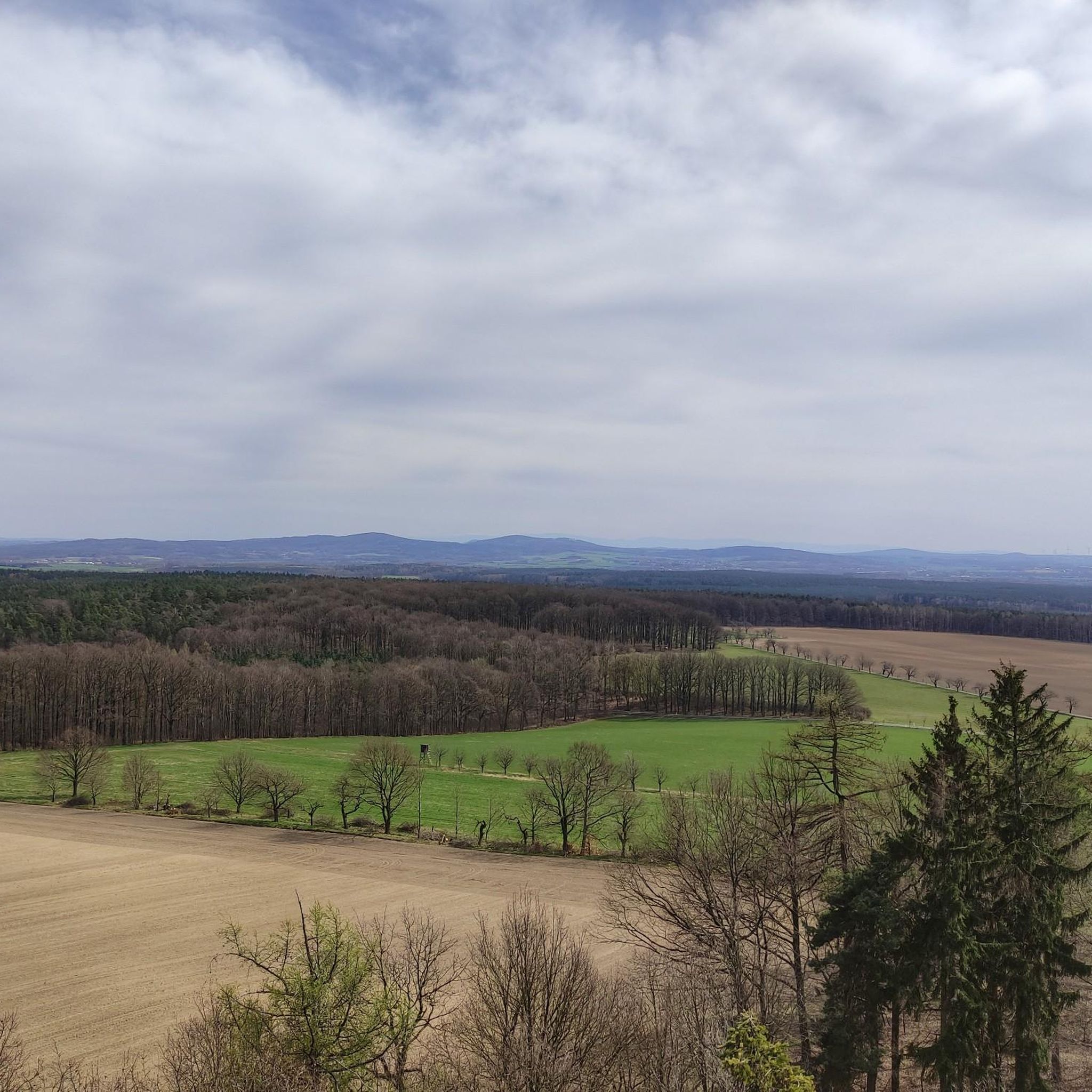
Hidden away and somewhat secluded lies the moated castle, surrounded by Virginia creeper, which is said to be around 1,000 years old. The building looks like something out of a fairytale. At over 800 years old, Döbschütz Moated Castle is the oldest privately owned castle in Germany and is the ancestral home of the Debschitz noble family. Therefore, the grounds are fenced off. But that doesn't detract from the beauty of this seemingly enchanted place. Sylke Rößler and her partner Christian Niclas live together in one of the oldest buildings in Upper Lusatia. It has 650 square meters of living space and 24 rooms.
0
0
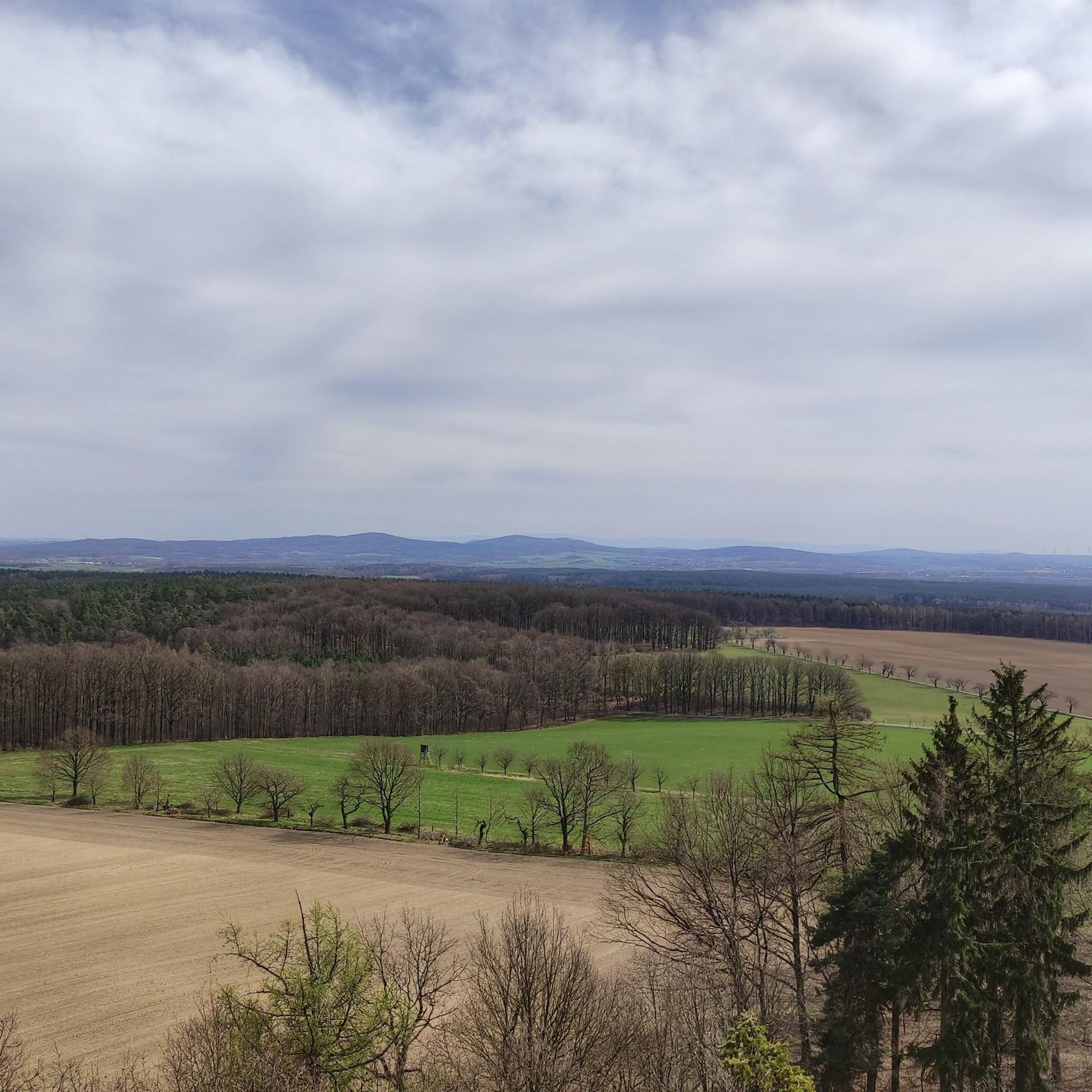
Surrounded by a landscaped park, the imposing Krobnitz Palace rises above the castle. Built around the mid-18th century by the von Üchtritz family, the baroque manor house was acquired in 1873 by the Prussian Minister of War and Field Marshal Albrecht Theodor Emil Graf von Roon. He had it converted into a neoclassical building by adding a mansard floor, with a flat roof and balustrade. He also expanded the park and created a family crypt in the rear section, which was consecrated in 1876. His son Waldemar added a neo-Gothic chapel to this crypt, which was demolished in 1980. After the von Roon family's property was expropriated after 1945, the palace served as accommodation for refugees and displaced persons. This elaborately reconstructed country estate is recommended for those seeking something unique. A wedding room in the Wilhelminian style and the ballroom in the Old Forge for about 100 people offer a tasteful setting for weddings.
0
0

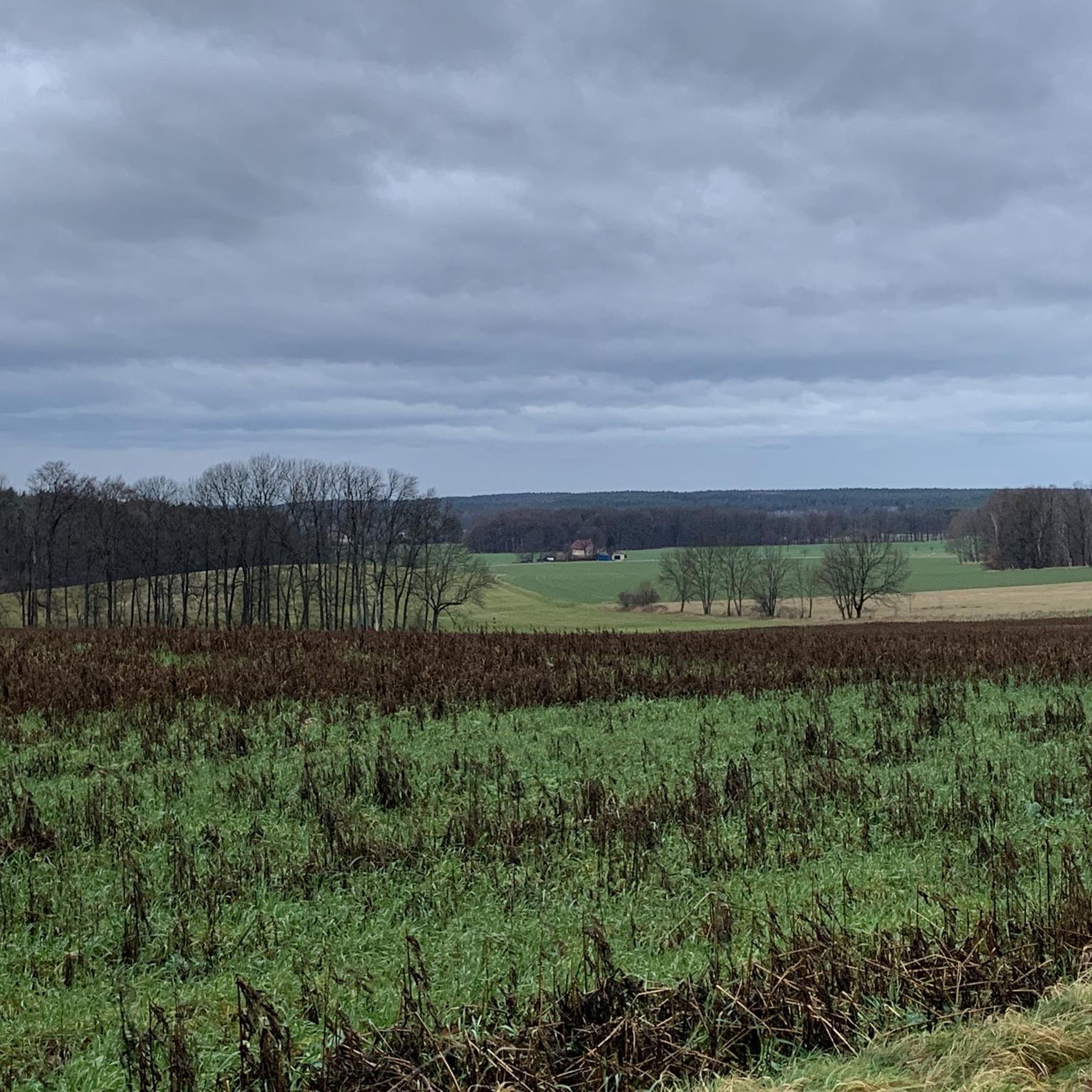
Well-preserved castle surrounded by nature and a great starting point for a short hike through the forest.
1
0

More information is available here http://www.schloss-milkel.de/geschichte.htm
1
0

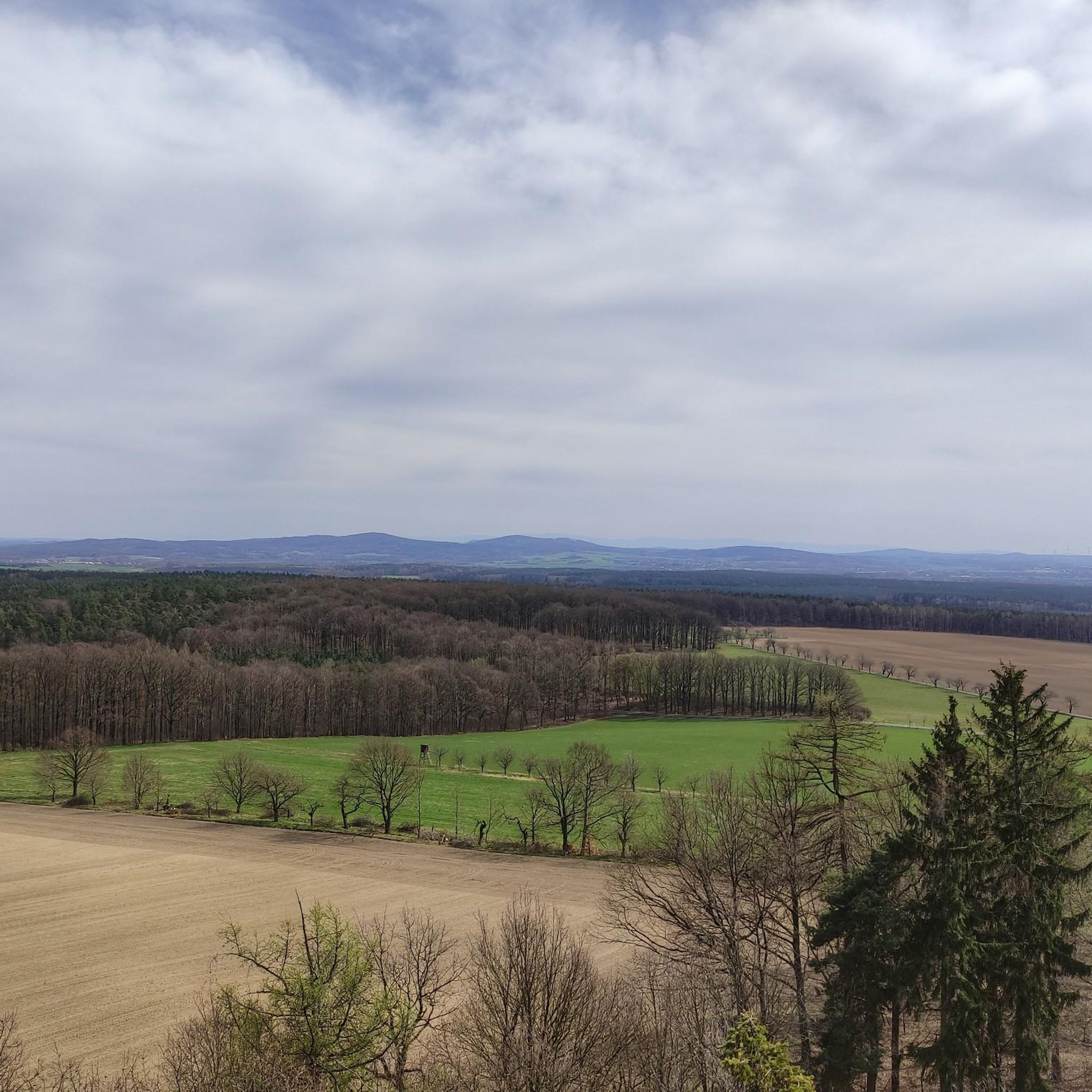
Döbschütz Castle is a moated castle in Döbschütz, a district of the municipality of Vierkirchen in the Görlitz district in eastern Saxony. The castle, probably built in the 12th century, is considered the oldest castle in Upper Lusatia and is the ancestral home of the noble Debschitz family. It is a listed building of architectural and local historical importance.
0
0

Georg Rudolf von Gersdorf was Royal Saxon High Court Marshal. He rebuilt the castle in its current baroque style in 1872.
1
0

A gem in the Upper Lusatia Biosphere Reserve, we were pleasantly surprised.
3
0
A manor house already existed in 1551, when Hans v. Döbschütz was mentioned as living in Krobnitz. In 1589, the creditors of Hans v. Döbschütz junior sold the estate to Christoph Balthasar v. Brettin, who sold it on to Christoph v. Nostitz and Rengersdorf two years later. It remained in the possession of the von Nostitz family until 1688 (in the order Christoph, Christoph the Younger, Hans, Carl Christoph, Johann Caspar). From 1688 to 1721 the estate was owned by the von Warnsdorf family, and from 1721 to 1732 it belonged to the von Loeben family. In 1732 Carl Heinrich Wilhelm von Uechtritz bought Krobnitz for 18,000 thalers. He had a baroque manor house built around 1750. The entrance hall and staircase from the time of construction are still there, as is the room layout. His son Friedrich Wilhelm v. Uechtritz laid out an early romantic park ("Friedrichtal"), parts of which are still preserved. After the Uechtritz heirs sold the estate in 1804, it became an object of speculation for 20 years. With the purchase by Friedrich Georg Henning von Oertzen in 1824, the economic situation stabilized. On September 6, 1873, the heirs of the von Oertzen family sold the castle and estate for 134,600 thalers. The buyer was Count Albrecht von Roon, who as Prussian Minister of War and Navy played a major role in the victories in the German Unification Wars. From 1873 to 1875, he had Krobnitz converted into his retirement home, probably according to plans by the Berlin building inspector Wilhelm Neumann.[1] He replaced the mansard floor of the baroque building with a full floor, crowned by a flat balustrade based on the model of the Prussian War Ministry on Leipziger Strasse in Berlin. The building received a late classicist façade and a two-storey side wing with an octagonal observation tower. Since this representative reconstruction, one can speak of a castle. Count Roon also had the landscape park laid out and a family crypt built in the rear part in 1876. A valley strewn with rocks is included in the English landscape garden. Since 1893, a neo-Gothic chapel built by his son Waldemar according to the design of the Berlin architect Wilhelm Walter (1850–1914) has risen above the crypt.[2] The construction was carried out by the Görlitz master builder Friedrich Bruno Neumann, and the bell was a gift from Kaiser Wilhelm II. According to the Gotha Genealogical Pocket Book, the next grandson Hans Albrecht Count Roon (1907–1938) inherited the 302 ha[3] estate of Majorat Krobnitz with the Oberwald farm as entail lord, then owner of the allod Krobnitz, married to the general's daughter Ilse von Dewitz. The Genealogical Handbook of the Nobility names Manfred Graf Roon as the heir from 1938. In 1941, Krobnitz became part of a protective forest foundation.[4] The Roon family's property was expropriated without compensation in 1945 as part of the land reform in the Soviet occupation zone. The castle briefly served as a command post for the Red Army. It was then used by refugees and displaced persons from the German eastern territories. In the early 1950s, eleven apartments were built, but the spatial structure and other architectural details were lost. The deterioration of the complex continued despite its use as a daycare center, among other things. Wikipedia
0
0
Frequently Asked Questions
What kind of historical castles can I explore around Hohendubrau?
The region offers a diverse range of historical castles. You can find ancient moated castles like Milkel Castle, which is still surrounded by water and founded on oak pillars dating back to 1302. There are also neoclassical manor houses such as Krobnitz Castle, known for its Prussian roots and 19th-century architectural alterations.
Are there castles with significant historical narratives in the Hohendubrau area?
Yes, Gröditz Castle and the Pilgrims' Hostel Refugio Santa Martha is a prime example. This historical site within a manor complex boasts a long chronicle of owners and includes a 1,200-year-old Sorbian rampart, offering deep insights into the region's past.
Which castles are particularly interesting for their architecture?
Krobnitz Castle is architecturally significant, showcasing a blend of its original Baroque origins and the prominent Neoclassical alterations by Albrecht Graf von Roon. Its redesign famously mirrored the appearance of the Berlin Ministry of War, offering a unique glimpse into 19th-century Prussian architectural ideals.
Are there family-friendly castles to visit near Hohendubrau?
Several castles in the area are considered family-friendly. Milkel Castle and Krobnitz Castle are both noted for being family-friendly, often featuring spacious parks that are great for strolls. Kittlitz Castle also falls into this category.
Can I visit the parks and grounds of these castles?
Yes, many castles in the Hohendubrau region feature accessible parks. For instance, the park at Milkel Castle is freely accessible, and Krobnitz Castle is surrounded by a picturesque landscape park, inviting visitors for strolls amidst old trees.
What kind of cultural events or exhibitions can I find at these castles?
Krobnitz Castle, following extensive restoration, now serves as a museum and a vibrant event venue. It hosts exhibitions, lectures, and concerts, and provides a stylish setting for weddings and other celebrations in its Gründerzeit-style wedding room.
Are there any hidden gem castles around Hohendubrau that are less known?
Döbschütz Moated Castle is considered a gem in Lusatia. While privately owned and inhabited, it features an interesting park and a museum inside, with guided tours and visits possible by appointment, offering a more intimate historical experience.
What outdoor activities can I combine with a castle visit in the Hohendubrau region?
The Hohendubrau area is excellent for outdoor activities. You can find various hiking routes, such as the easy 'Monumentberg Observation Tower – Nostitz Monument Groß Radisch loop' or the 'Devil's Stone, Hohe Dubrau – Max Pond loop'. For more options, explore the Hiking around Hohendubrau guide. There are also MTB and road cycling routes available in the region.
What do visitors particularly enjoy about the castles around Hohendubrau?
Visitors appreciate the well-maintained properties and spacious parks, ideal for romantic picnics or leisurely walks. The historical depth, from ancient moated castles to neoclassical manor houses, and the blend of architectural styles are also highly valued. Many find the castles to be 'gems' offering a tranquil and historically rich experience.
Where can I find more information about Schloss Krobnitz's history?
For a deeper dive into the history of Schloss Krobnitz, including its transformation under Albrecht Graf von Roon and its significance as 'a piece of Prussia in Saxony,' you can visit its Wikipedia page: Schloss Krobnitz on Wikipedia.
Are there any castles that were centers of historical movements or notable figures?
Kittlitz Castle was once a significant center for Freemasonry. Karl Gotthelf von Hund and Altengrottkau, a leading German Freemason, made Kittlitz Castle a hub for the movement in the 18th century, adding a unique layer to its history.
Most popular routes around Hohendubrau
Most popular attractions around Hohendubrau

Get inspired with the komoot mobile app


Explore more
Looking for the best castles somewhere else? Discover other guides around Hohendubrau:
