Top 13 Caves around Hilscheid
Best caves around Hilscheid offer diverse underground experiences within the Saar-Hunsrück region. This area provides opportunities to explore natural features and historical sites. The landscape is characterized by its natural formations and cultural heritage, making it suitable for various outdoor activities. These caves provide insights into local geology, history, and wildlife.
Best caves around Hilscheid
- The most popular caves is Schinderhannes Cave, a cave and historical site known for its large dimensions. This cavity is said to have been…
Last updated: June 27, 2026
Schinderhannes Cave
Highlight • Cave
The formation of the Wacken goes back to the Permian Age (250 …
Translated by Google •
Tip by

Slate Mine Tunnel (Bat Cave) in Saar-Hunsrück Nature Park
Highlight • Cave
Translated by Google •
Tip by

Sign up now to discover places like this
Get recommendations on the best single tracks, peaks, & plenty of other exciting outdoor places.
Sign up for free
Bat Mine in Saar-Hunsrück Nature Park
Highlight • Cave
Underground cavities are of great importance to our native bats. Of the 20 bat species recorded in Rhineland-Palatinate, 14 regularly use old tunnels, caves, or cellars.
Hibernation - 5 Months on Low Energy
Translated by Google •
Tip by

Bärloch Cave
Highlight • Cave
Translated by Google •
Tip by

Geopark Krahloch and Angel Pond
Highlight • Natural Monument
Translated by Google •
Tip by

Sign up for free to discover even more caves around Hilscheid.
Sign up for free
Already have an account?
Start today with a free account
Your next adventure awaits.
Login or Signup
Popular around Hilscheid
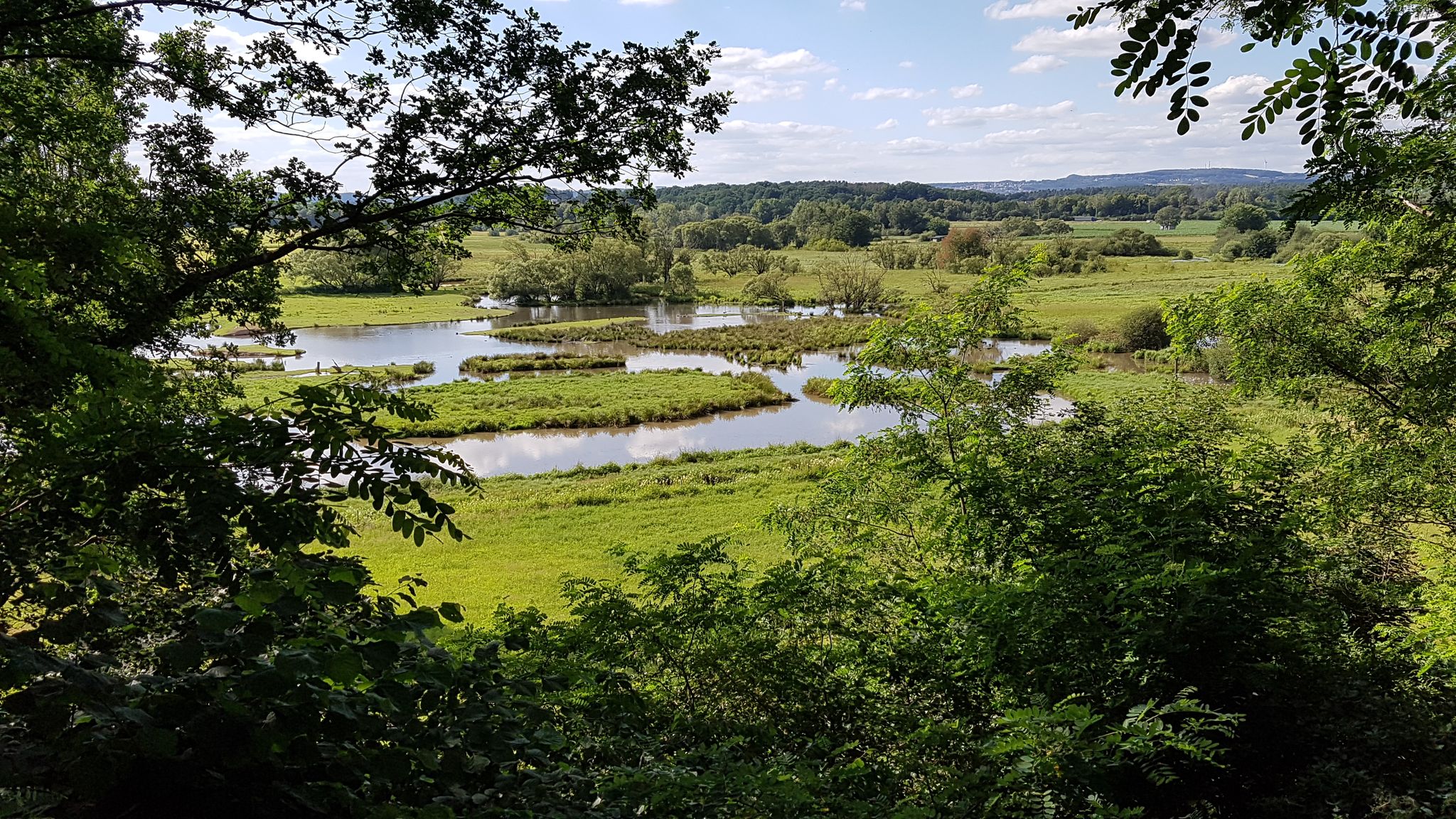
The National Natural Landscapes in Saarland
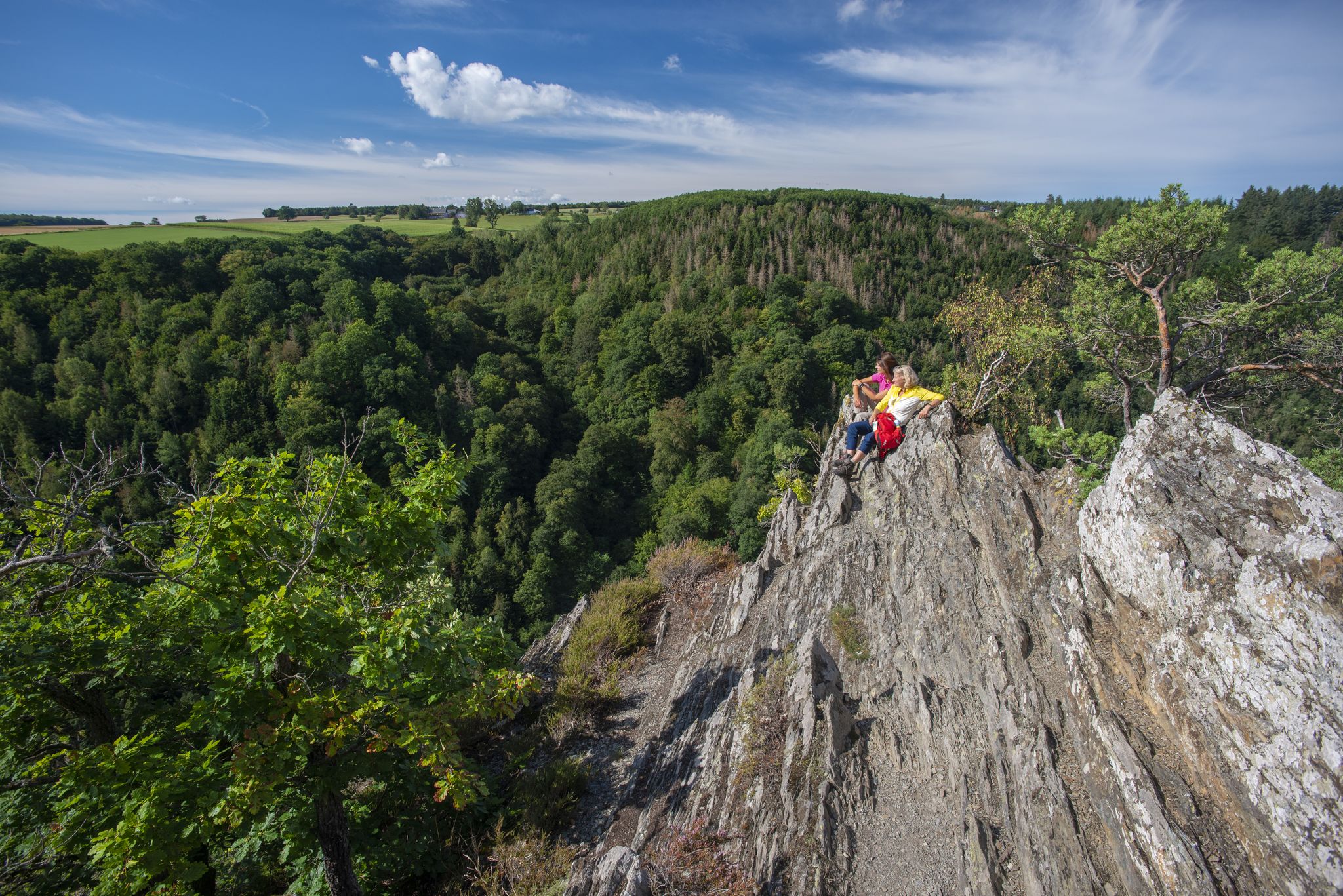
Dream Loops with great views in the Hunsrück
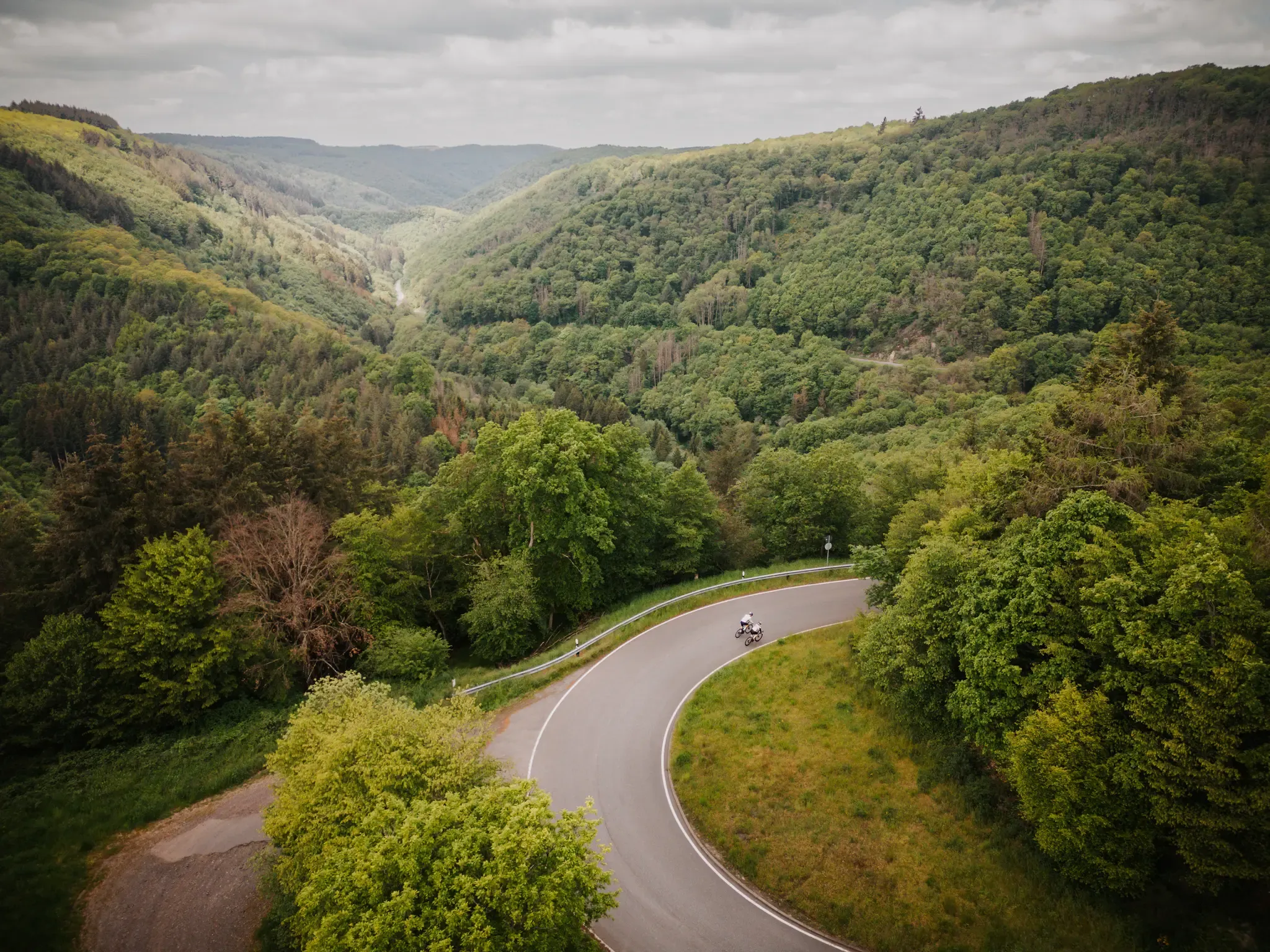
Make your road cycling dreams come true in the Hunsrück-Nahe region
Lowest to Highest (L2H) in Germany
Bike parks in Western Germany
Hiking around Hilscheid

Gravel biking around Hilscheid
Road Cycling Routes around Hilscheid
MTB Trails around Hilscheid
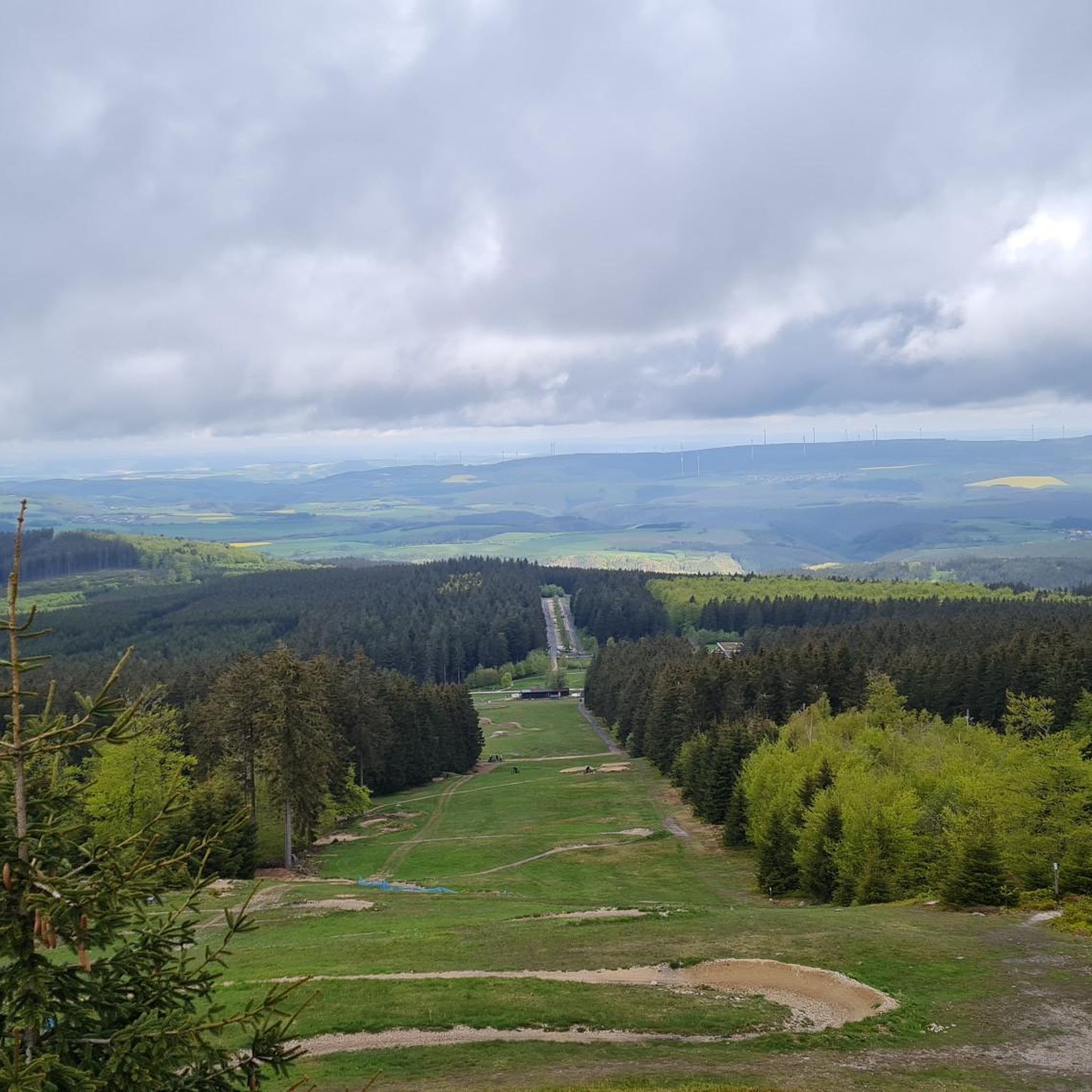
Cycling around Hilscheid
Other adventures around Hilscheid


Tips from the Community

Just a short detour from the Traumschleife, is the Bärenloch. There is also a bench to rest on.
0
0

The old tunnels in the Hunsrück make the region an important habitat for various species of bats. Here you'll find one of these tunnels, which can be lit outside of hibernation times so you can take a look inside.
0
0

Nice rock formation, looks real, like a bear hole, but small.
4
0

Hopefully the lucky stone will always be there. He who seeks finds
1
1

A small detour of 20m is always worthwhile for a photo.
0
1

The highlight is twofold.
0
1
The lighting is disconnected from mid-October to mid-April so that the bats can hibernate in peace.
1
0

Roof slate The roofing slate deposits of the Hunsrück date back to the Lower Devonian period around 400 million years ago. They were formed from clayey marine deposits, which later solidified into layered claystones and were "slated" during the folding of the Rhenish Slate Mountains. Foliation is a consequence of the directed pressure in the earth's crust during mountain formation, during which the mineral components of the claystones align in parallel and partially reform. Roof slate is the name given to clay slate in which the layering of the claystone and the foliation run parallel. This makes it possible to split large and thin plates. The Hunsrück slate, which is characterized by its uniform gray-black color, weather resistance and easy splitting, is one of the best varieties of German roofing slate deposits.
4
1
Frequently Asked Questions
What types of caves can I explore around Hilscheid?
The region around Hilscheid offers a diverse range of underground experiences. You can explore natural rock formations like Bärloch Cave, historical sites such as Schinderhannes Cave, and old mine tunnels that now serve as important bat habitats, like the Slate Mine Tunnel (Bat Cave). Further afield in the Eifel and Sauerland regions, you can find impressive stalactite caves, historical millstone caves, and even prehistoric shelters.
Are there family-friendly caves to visit near Hilscheid?
Yes, several caves are suitable for families. Schinderhannes Cave is noted as family-friendly and offers an adventurous experience. The nearby Sauerland region also features caves like Bilsteinhöhle, which is part of a natural area with a wildlife park and forest playground, making it ideal for families.
What historical insights do the caves around Hilscheid offer?
The caves provide a glimpse into the region's past. Schinderhannes Cave is known as a former camp of a robber captain. The Slate Mine Tunnel (Bat Cave) and the Bat Mine are remnants of the region's long tradition of slate mining, with some mines dating back to Roman times. In the Eifel, caves like Buchenlochhöhle were even used by Neanderthals, and the Mühlsteinhöhlen show evidence of millstone mining from the 13th century.
What unique natural features can I expect to see in the caves?
The caves around Hilscheid showcase fascinating geological formations. Schinderhannes Cave is part of an impressive rock cliff formed during the Permian Age. Bärloch Cave is a natural rock formation offering interesting structures. In the broader region, you can find stalactite formations in caves like Dechenhöhle in Sauerland, and the Eifel's 'ice caves' are known for forming impressive icicles in cold winters.
When is the best time to visit the caves around Hilscheid?
Many of the old mine tunnels and caves in the Hunsrück region serve as important habitats for bats. To protect these animals during their hibernation, access to some caves, like the Bat Mine, is restricted from mid-October to mid-April. The best time to visit for exploration is generally outside of this bat protection period, typically from spring to early autumn, when lighting might be available in some tunnels.
What should I wear when exploring caves in the Hilscheid area?
Even in warmer months, caves maintain a consistently cool temperature. For caves like the Mühlsteinhöhlen in the Eifel, it's advised to wear warm clothing and sturdy footwear. A flashlight is also recommended for exploring darker sections, especially in less developed caves.
Are there opportunities for hiking or other outdoor activities near the caves?
Absolutely. The Hilscheid region is excellent for combining caving with other outdoor pursuits. You can find numerous trails for gravel biking, running, and road cycling. For example, explore the gravel biking routes, running trails, or road cycling routes around Hilscheid, many of which pass by natural landmarks and viewpoints.
What is the significance of bats in the caves around Hilscheid?
The old tunnels and caves in the Hunsrück are crucial for native bat species. They serve as vital hibernation quarters in winter and as courtship and rendezvous sites in late summer and autumn. Disturbing bats during hibernation can be fatal for them, which is why some areas are closed during these periods. The region is home to many species, including the Greater Whiskered Bat and Barbastelle Bat.
How long does it typically take to explore the caves?
The duration of your visit depends on the specific cave and your interest. For example, the Langer Wacken section of Schinderhannes Cave is around 200 meters long. Some historical mine tunnels might be shorter explorations, while larger show caves in the Sauerland or Eifel regions could involve guided tours lasting an hour or more. Many caves are integrated into hiking trails, allowing for longer excursions.
Are there any cafes or accommodation options near the caves?
While specific amenities directly at each cave entrance are not always available, Hilscheid itself serves as a good base with local amenities. The broader region, especially around popular cave systems in Sauerland and Eifel, offers various cafes, pubs, and accommodation options to support visitors exploring the area's natural attractions.
What are the difficulty levels for exploring caves in this region?
The difficulty varies. Many of the listed caves, such as Schinderhannes Cave and Bärloch Cave, are rated as 'intermediate' for exploration, often involving walking on trails to reach them. Some historical mine tunnels might be more straightforward to view. For more adventurous caving, particularly in the Eifel's dark millstone caves, sturdy footwear and a flashlight are essential.
Can I find viewpoints or panoramic views near the caves?
Yes, several cave locations offer scenic views. Bärloch Cave provides a panoramic view over Kirschweiler. The Schinderhannes Cave is part of an impressive rock cliff, offering a natural viewpoint within the landscape.
Most popular routes around Hilscheid
Most popular attractions around Hilscheid

Get inspired with the komoot mobile app


Explore more
Extend your search for the best caves by checking out these guides of the top ones around Hilscheid:
