Top 14 Caves around Büdlich
Caves around Büdlich are primarily found within the broader Bernkastel-Wittlich region and the nearby Hunsrück, offering insights into the area's geological and historical landscape. The region features natural caves formed in various rock types, alongside former mining tunnels. These sites provide opportunities to explore natural formations and historical human activity. The terrain often includes impressive rock cliffs and valleys.
Best caves around Büdlich
- The most popular caves is Schinderhannes Cave, a cave and natural monument. This cave is known…
Last updated: September 30, 2026
Schinderhannes Cave
Highlight • Cave
The formation of the Wacken goes back to the Permian Age (250 …
Translated by Google •
Tip by

Mertesnaf Mine
Highlight • Structure
Translated by Google •
Tip by

Sign up now to discover places like this
Get recommendations on the best single tracks, peaks, & plenty of other exciting outdoor places.
Schieferstein Cave
Highlight • Cave
Translated by Google •
Tip by

Rock Trail – Slate Cave, Moselle Valley
Highlight • Trail
Translated by Google •
Tip by

Friedrichstollen Thomm
Highlight • Cave
Translated by Google •
Tip by
Sign up for free to discover even more caves around Büdlich.
Already have an account?
Start today with a free account
Your next adventure awaits.
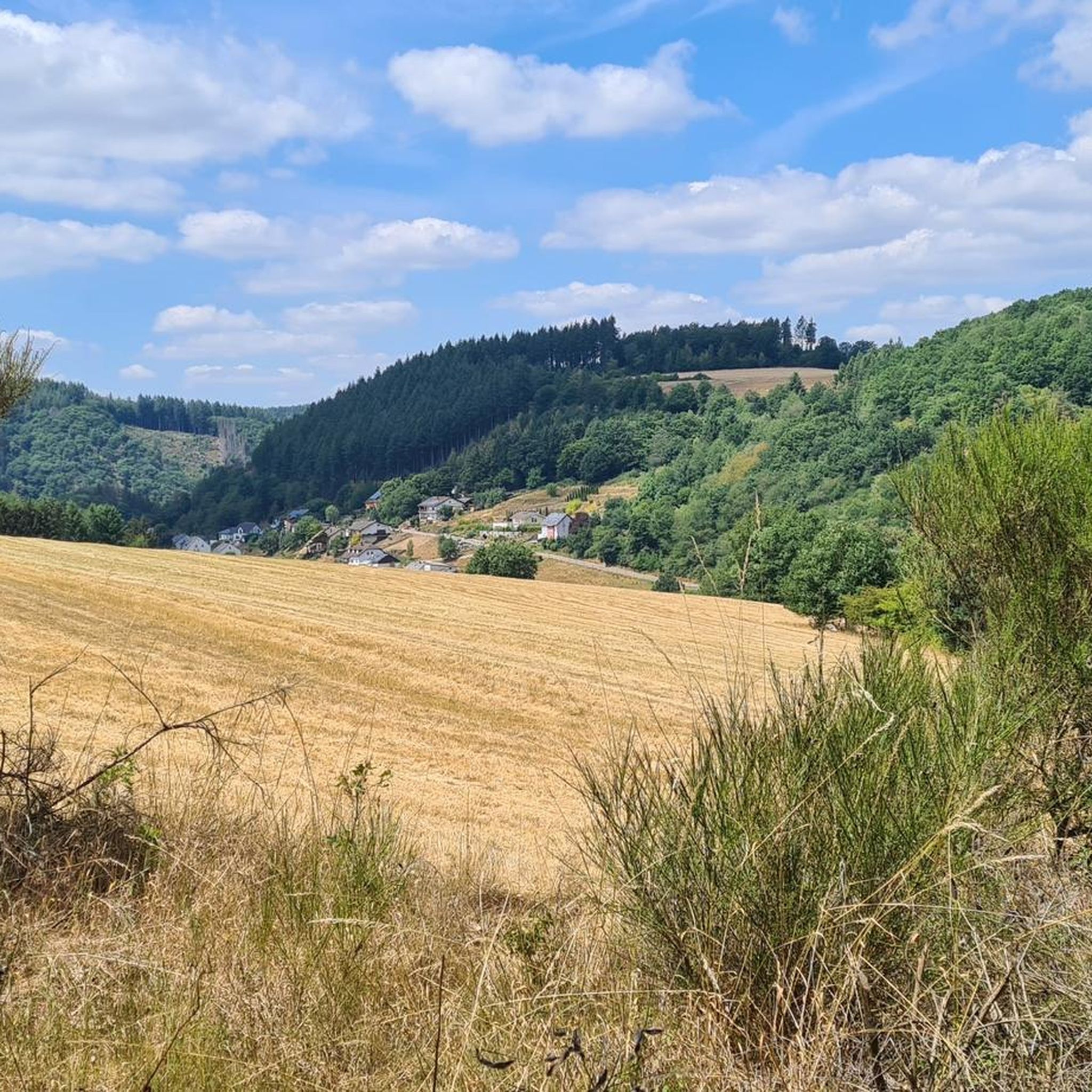
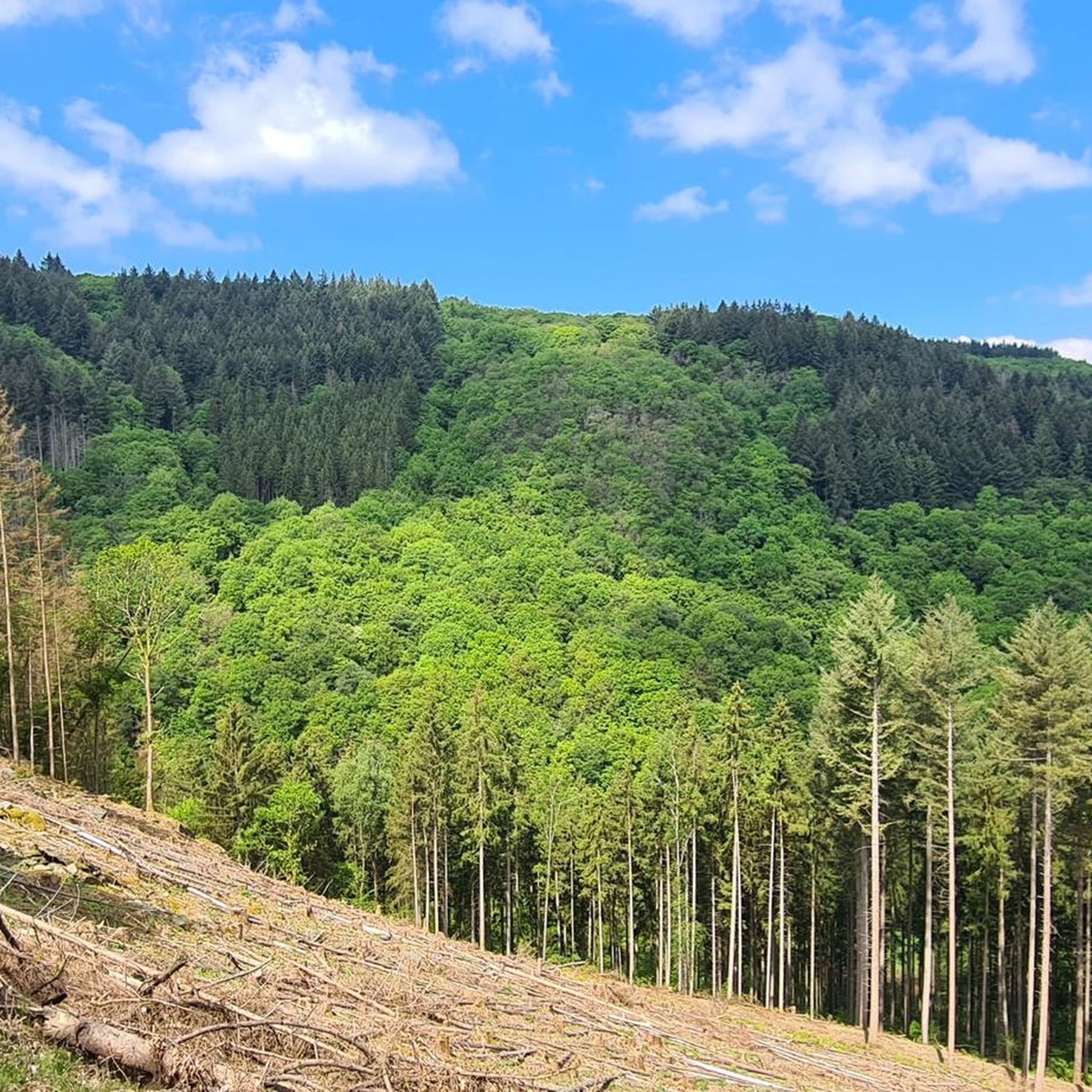
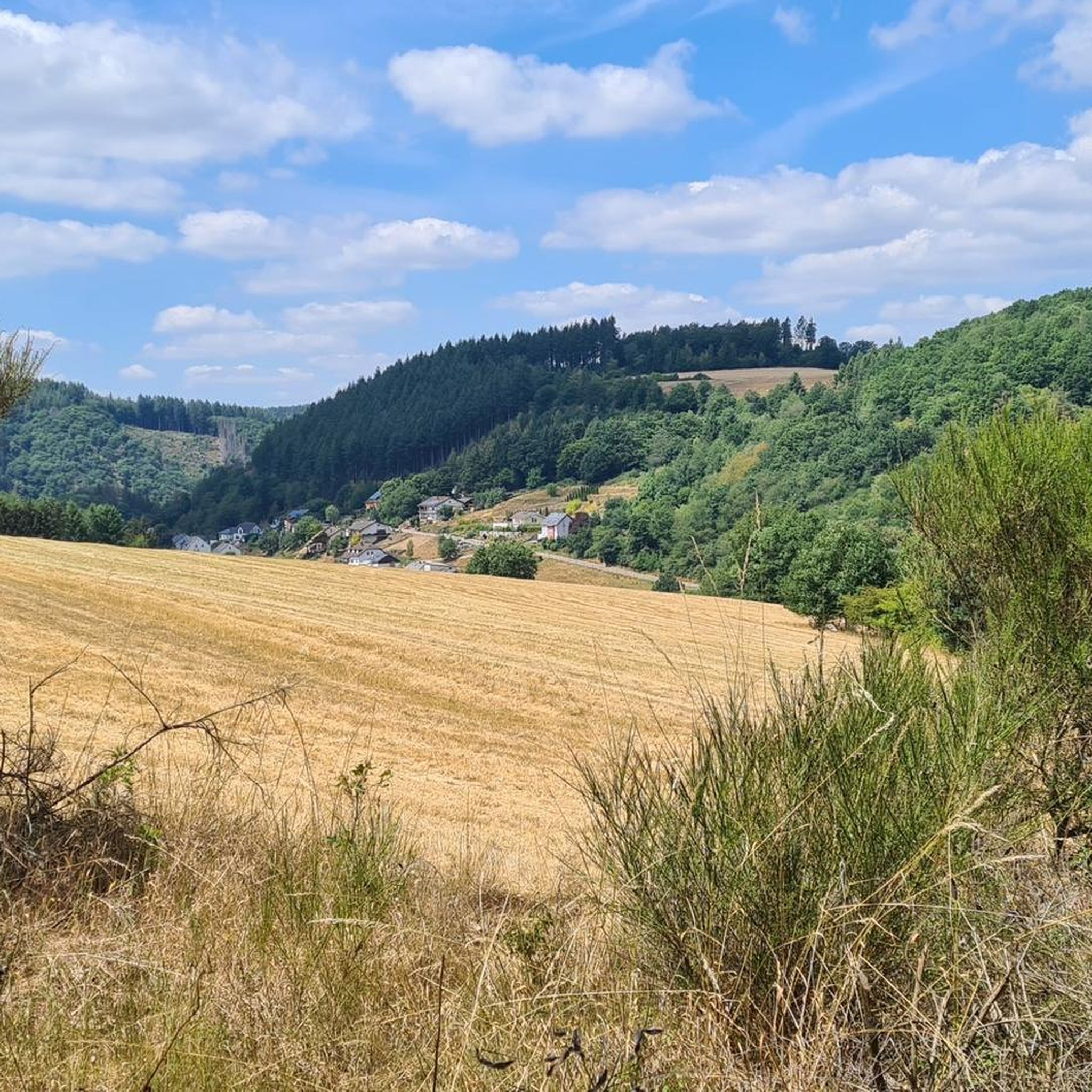
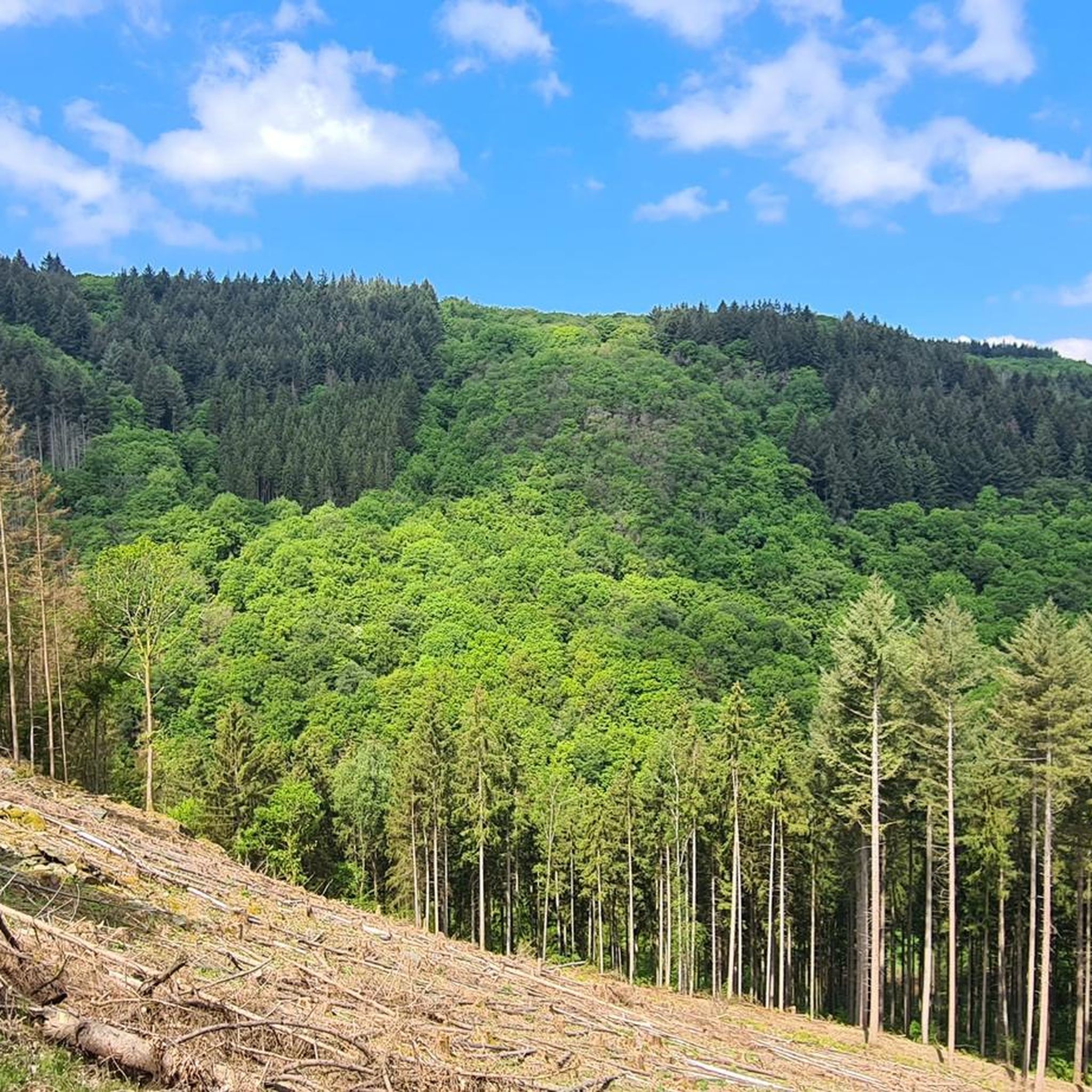
Tips from the Community

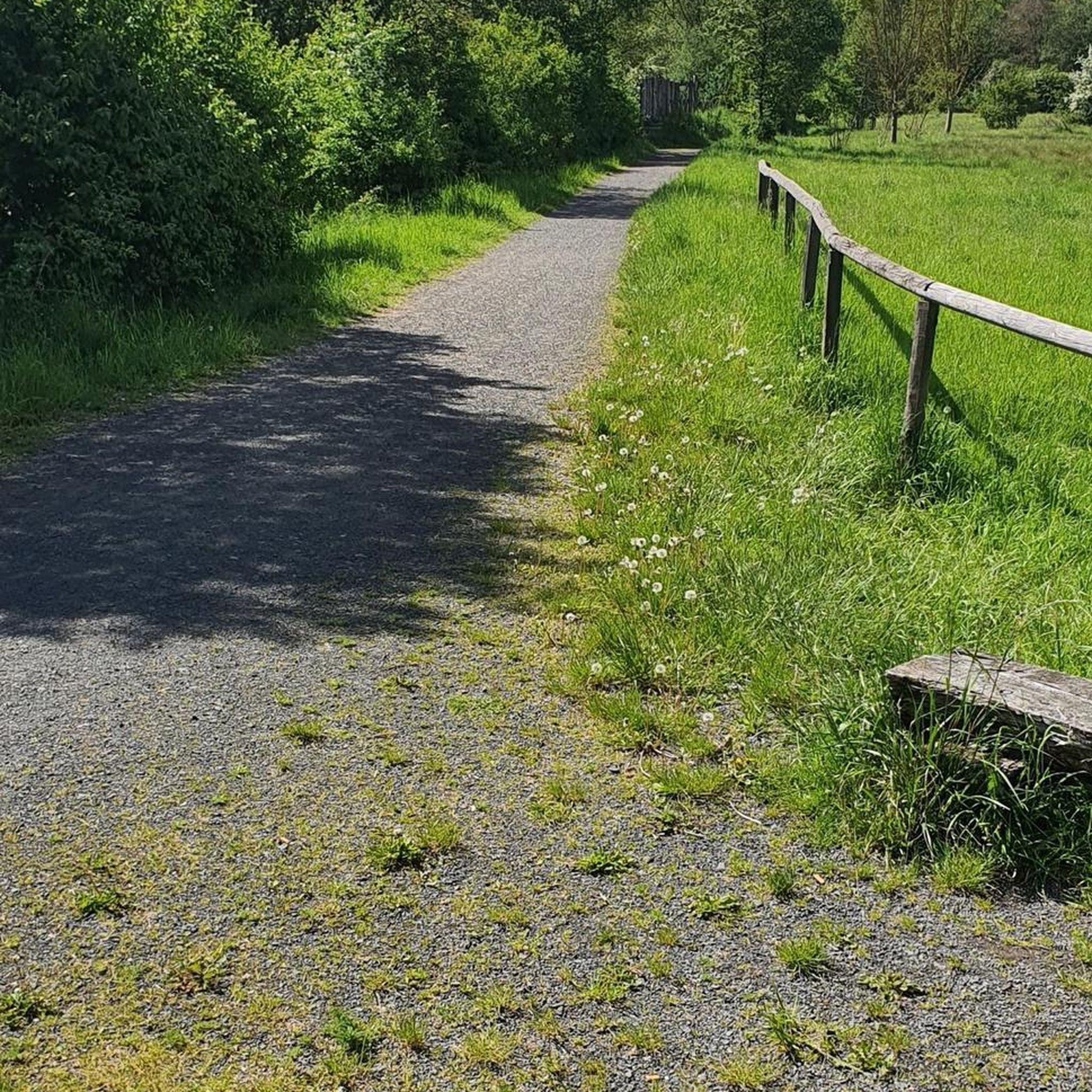
A beautiful path, but you should be sure-footed.
2
0
Small but nice. Seating in front of the cave
0
0


Hard to believe, but at this point a slate cave.. RESPECT
2
1

From a topological point of view, the Thommen mining area is very homogeneous, since the mining areas did not develop depending on the epoch, but the mining centers remained topologically the same over the entire funding period. The origins of Thommen slate mining can be found in the area of the Sattelberg. At least since the end of the 17th century, two main mining areas were important for Thommen slate mining. On the one hand the districts "Heckenberg" and "Hesselnbüsch" bordering on the district "Sattelberg" and the adjacent district "An der Köpp", on the other hand the actual "Thomerberg" with the adjacent district "Brasilienberg". Until the commercial restructuring of mining in 1863, these areas remained the main extraction areas. After 1863, Thommen slate mining concentrated almost exclusively on the "Thomerberg" and the adjoining "Brasilienberg" with the various large mines. Little changed in this constellation until shortly before the First World War. The most productive pits by far, such as the pits "Mertesnaf I", "Mertesnaf II", "Neue Mertesnaf", "Mertesnafergraben" and "Alte Graebenkaul" were located on the natural border between Thommerberg and Brazil Mountain, the so-called "Mertesnafgraben". .
4
0
Frequently Asked Questions
What types of caves can I explore around Büdlich?
The region around Büdlich, including the broader Bernkastel-Wittlich area and the Hunsrück, offers a mix of natural caves and historical mining tunnels. You can find natural formations in various rock types, such as the unique shale formation of the Schinderhannes Cave, alongside sites like the Mertesnaf Mine, which highlight the area's mining history.
What is the best time of year to visit the caves around Büdlich?
The best time to visit natural caves like the Schinderhannes Cave is typically between April and September. Access to some caves is legally prohibited from October 1st to March 31st to protect hibernating bats, making spring and summer ideal for exploration.
Are there any historical caves or mining tunnels to visit in the area?
Yes, the region has a rich history of mining. You can explore sites like the Mertesnaf Mine and Friedrichstollen Thomm, which are former slate mining tunnels. The Schinderhannes Cave also holds historical significance, famously associated with the outlaw Johannes Bückler.
What natural features can I expect to see near the caves?
The caves are often nestled within impressive natural landscapes. For instance, the Schinderhannes Cave is located within the Langer Wacken, a rock cliff formed around 250 million years ago. You'll encounter valleys, rock formations, and diverse geological features characteristic of the Hunsrück and Bernkastel-Wittlich regions.
Are there family-friendly caves around Büdlich?
Yes, the Schinderhannes Cave is considered family-friendly and offers an adventure for all ages. It's accessible on foot or by bicycle, making it a popular destination for families exploring the Hunsrück region.
What should I wear or bring when visiting caves in the area?
When visiting caves, it's advisable to wear sturdy footwear due to potentially uneven or rocky terrain. Bringing a flashlight is also recommended, especially for exploring deeper or darker sections of natural caves or tunnels.
Are there any challenging cave experiences for experienced hikers?
For those seeking a more challenging experience, the Rock Trail – Slate Cave, Moselle Valley offers a demanding path that includes a slate cave. This trail requires sure-footedness due to its rocky nature.
What outdoor activities can I combine with a visit to the caves?
The region around Büdlich is excellent for various outdoor activities. You can find numerous running trails, gravel biking routes, and road cycling routes. Explore options like those found in the Running Trails around Büdlich or Gravel biking around Büdlich guides to extend your adventure.
Are there hiking trails that include cave exploration?
Absolutely. Trails like the Rock Trail – Slate Cave, Moselle Valley specifically incorporate cave features into the hiking experience. The small Schieferstein Cave also offers a pleasant diversion during longer hikes.
What makes the Schinderhannes Cave particularly notable?
The Schinderhannes Cave is notable for its historical connection to the legendary outlaw Johannes Bückler, who is said to have used it as a hiding place. Geologically, it's unique for being formed in shale rather than limestone, within the impressive Langer Wacken rock cliff.
What do visitors enjoy about the Schieferstein Cave?
Visitors appreciate the Schieferstein Cave as a 'nice change' during hikes and a 'sweet little cave.' It's often highlighted as a cool spot to rest in warm weather, offering a refreshing break on a trail.
Is it possible to reach the caves around Büdlich using public transport?
While specific public transport routes directly to every cave entrance may vary, the Hunsrück region, where many of these caves are located, is generally accessible. It's recommended to check local bus schedules or regional transport options that connect to nearby villages, from which you can often hike or cycle to the cave sites.
Most popular routes around Büdlich
Most popular attractions around Büdlich

Get inspired with the komoot mobile app


Explore more
Extend your search for the best caves by checking out these guides of the top ones around Büdlich:
