Top 7 Castles around Sommerau
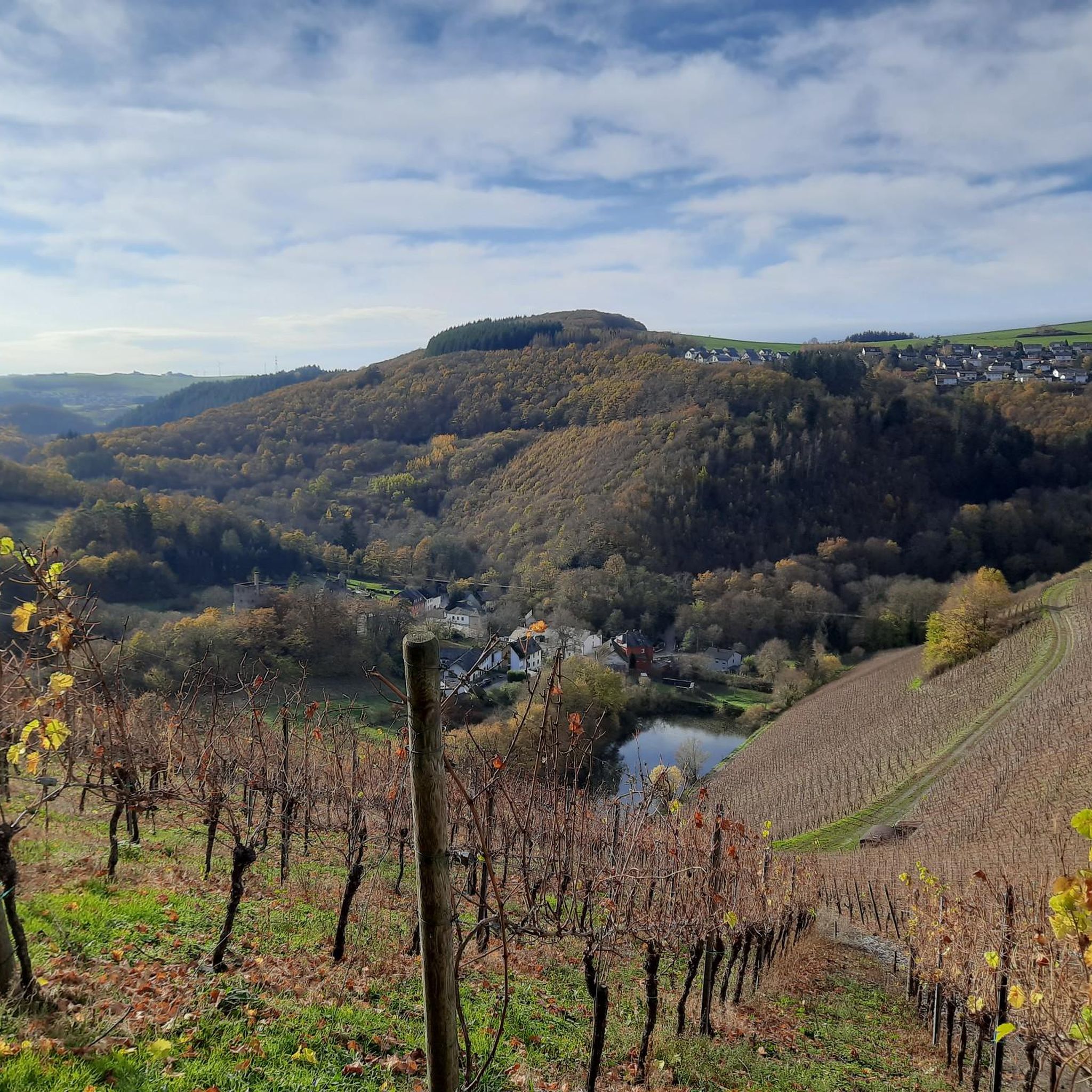
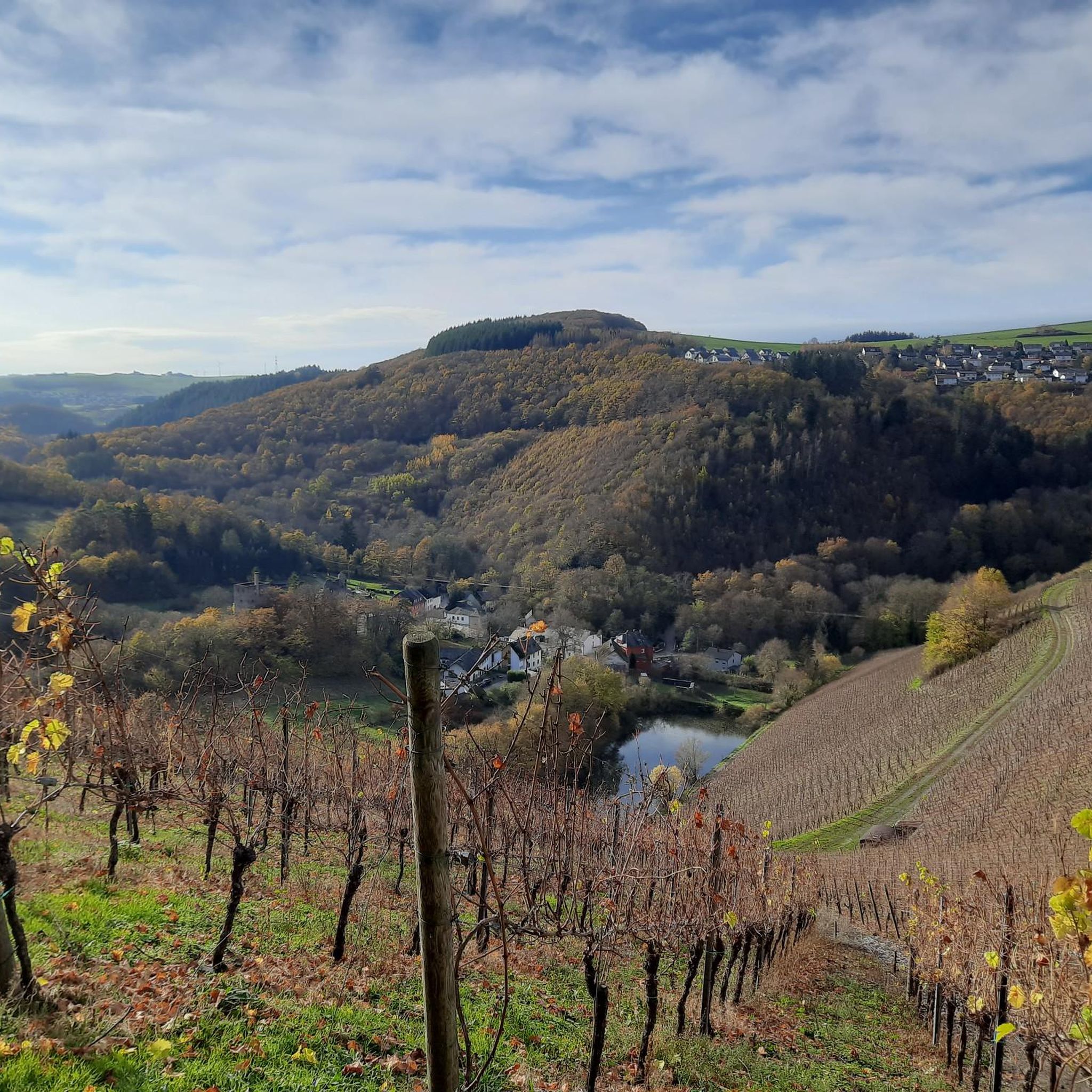
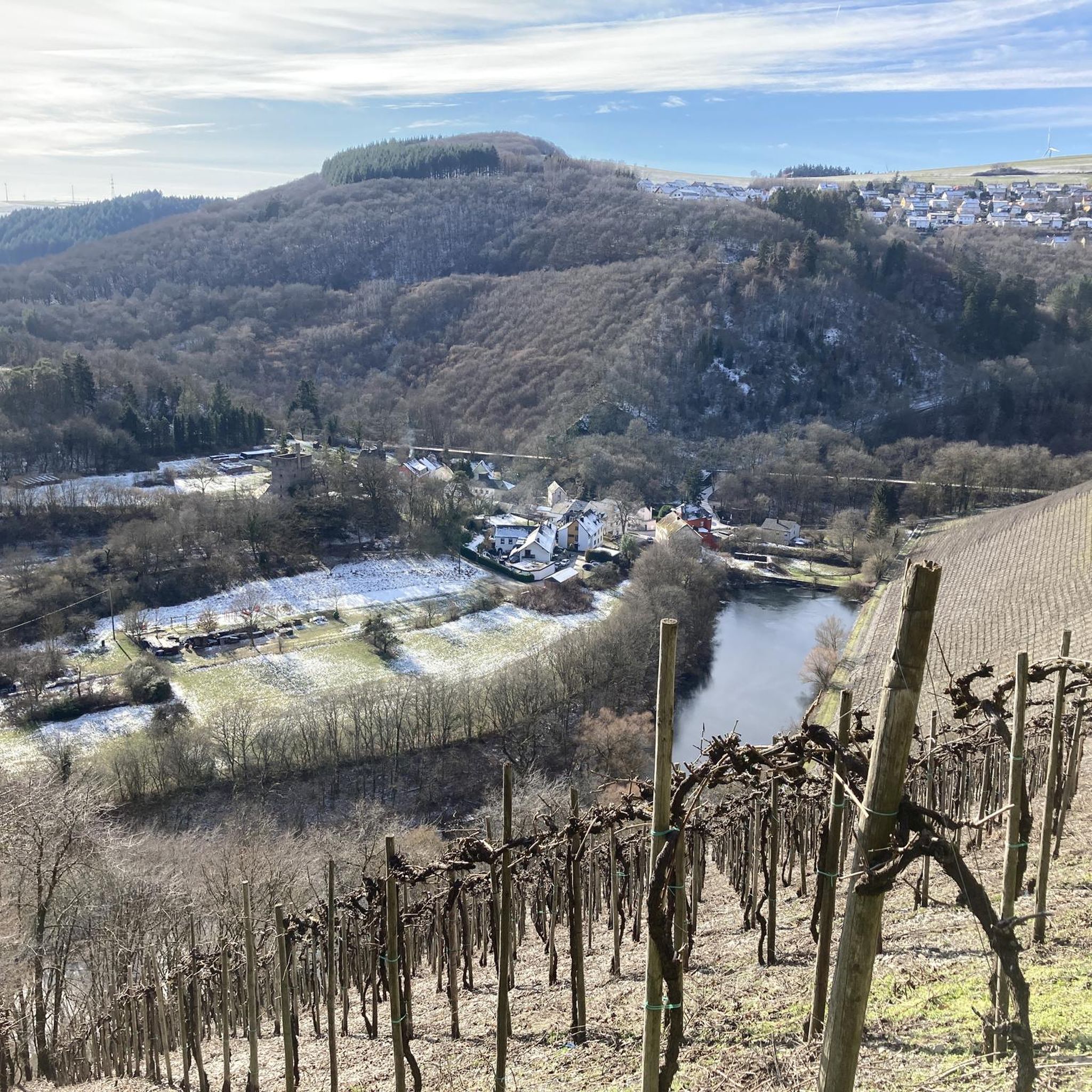
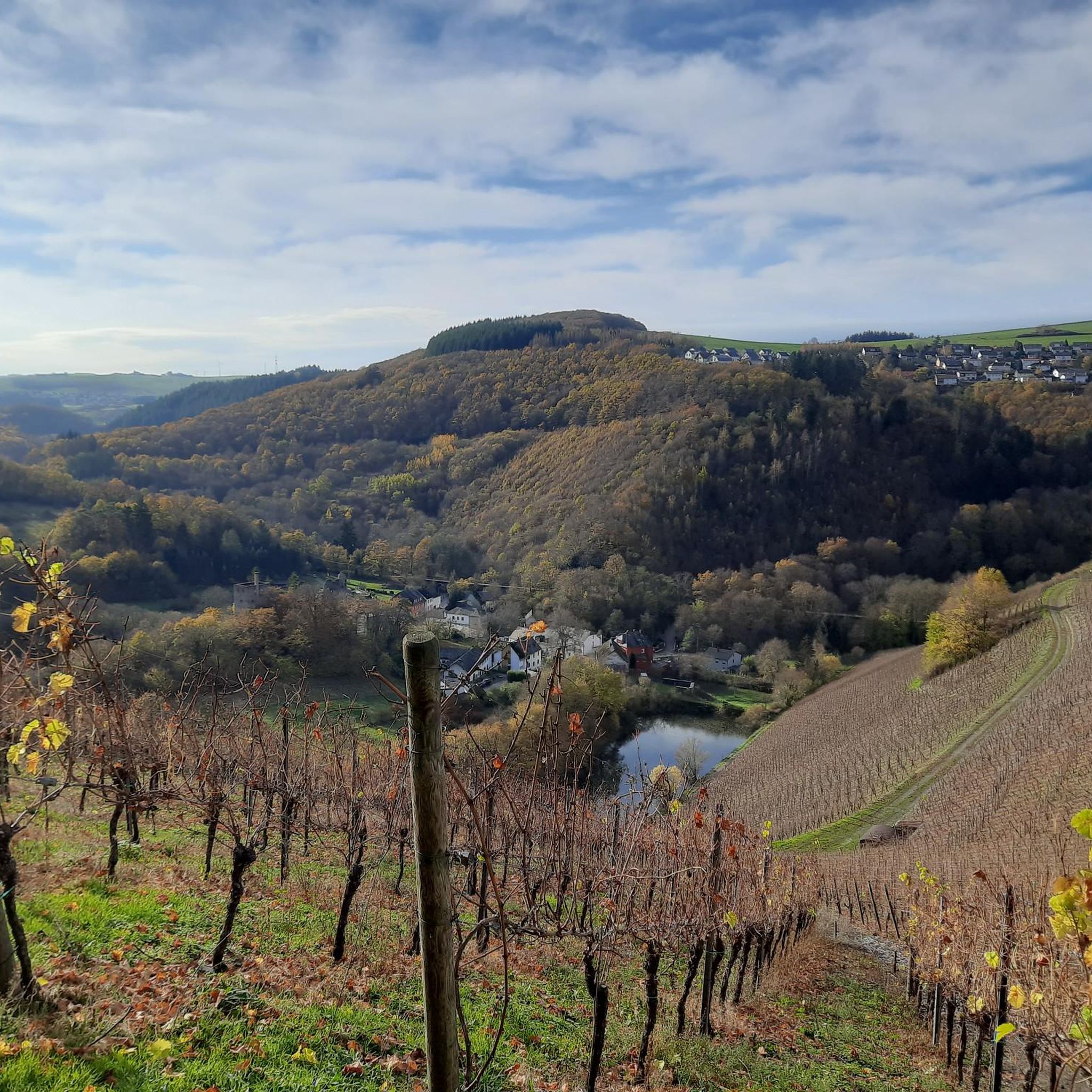
Best castles around Sommerau are found in the tranquil Ruwertal, a region characterized by its deep valley basins, vineyards, and historical significance. The area offers a blend of natural beauty and ancient architecture, with sites like the 13th-century Burgruine Sommerau. Visitors can explore picturesque castle ruins nestled on rock spurs, often accompanied by natural features such as waterfalls and scenic river paths. This setting provides a unique opportunity to combine historical exploration with outdoor activities.
Best castles around Sommerau
- The…
Last updated: June 27, 2026
Electoral Palace and Palace Garden, Trier
Highlight • Historical Site
Translated by Google •
Tip by

Sommerau Castle Ruins
Highlight • Castle
Translated by Google •
Tip by

Sign up now to discover places like this
Get recommendations on the best single tracks, peaks, & plenty of other exciting outdoor places.
Sign up for free
Electoral Palace Trier
Highlight • Historical Site
Translated by Google •
Tip by

Thiels Burg Observation Tower
Highlight • Viewpoint
Translated by Google •
Tip by

Heid Castle
Highlight • Castle
Translated by Google •
Tip by

Sign up for free to discover even more castles around Sommerau.
Sign up for free
Already have an account?
Start today with a free account
Your next adventure awaits.
Login or Signup
Tips from the Community

In the mill shop in Sommerau you can find everything a baker's heart desires and delicious muesli!
0
0

The Trier bishops had been using this as a castle since the turn of the millennium. At the end of the 16th century, the ancient palace auditorium was narrowed and supplemented with three castle wings in the Renaissance style.
1
0

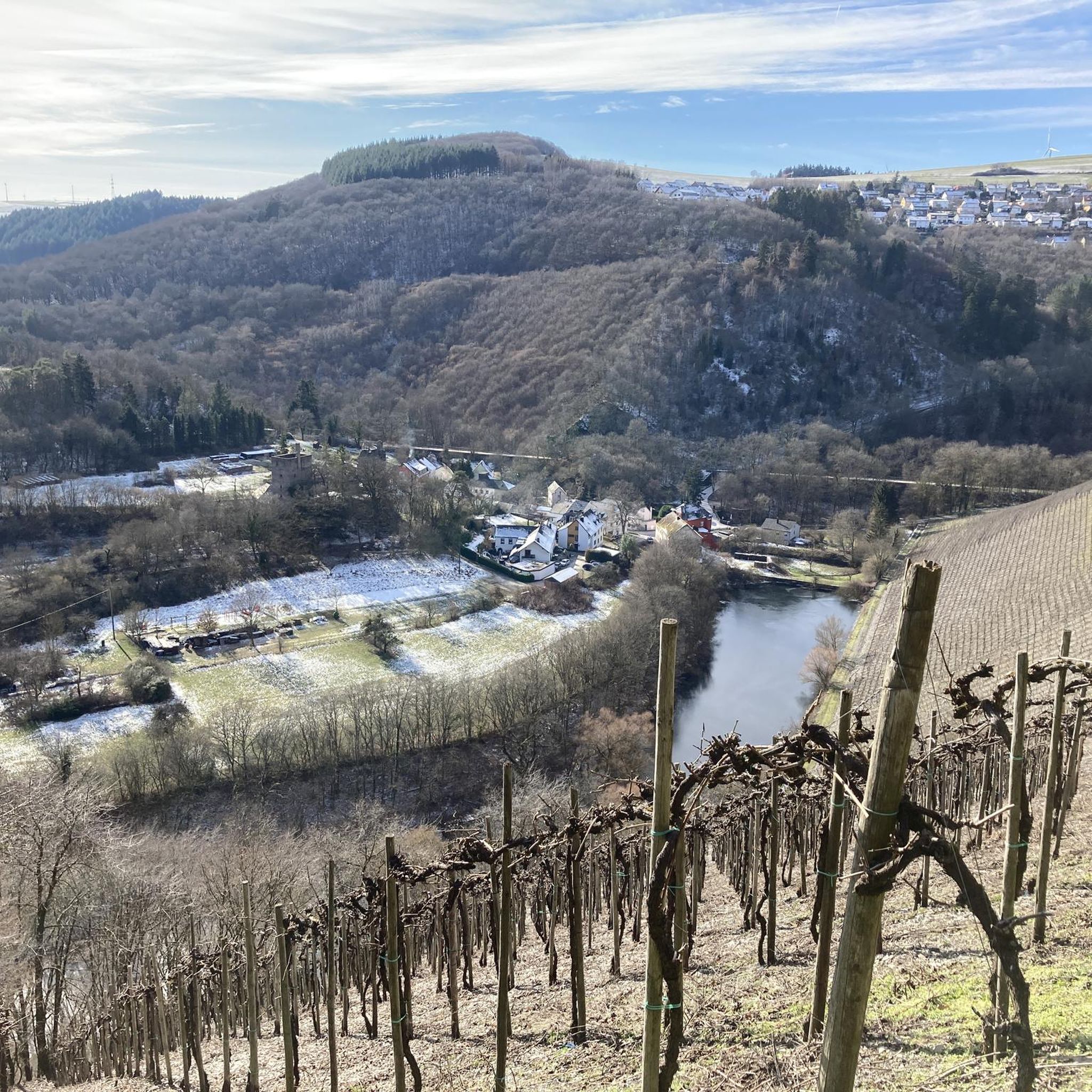
From Thiels Castle you have a very nice view over the vineyards
0
0

A stay in the pizzeria is always worthwhile. Delicious food and cool blondes
1
0

The Electoral Palace in Trier right next to the Constantine Basilica is considered one of the most beautiful rococo palaces in the world.
9
1

The "Thiels Burg" is a memorial for the Prussian commitment to promote viticulture on the Moselle and after the proponent in the then Ministry of Agriculture in Berlin, Prof. Dr. Hugo Thiel (1839-1918), named.
1
0


The Electoral Palace of the city of Trier was the residence of the Prince-Bishops of Trier in the 17th and 18th centuries (until 1794). They ruled the Electoral State of Trier as electors and headed the Archbishopric of Trier in personal union (until 1797) as archbishops. The Renaissance and Rococo building was partly built on the site of the Roman Basilica of Constantine. In the 19th century, the west wing of the palace was demolished in order to rebuild the basilica on its site. After the expropriation of the electors under Napoleon, the Electoral Palace was used as barracks by French and Prussian troops in the 19th and early 20th centuries. The building was badly damaged during the Second World War. The farm buildings, the so-called Niederschloss, were then completely demolished, with the exception of the Red Tower and a portal. Today the building houses various authorities. Parts of the north wing are used by the Protestant community, parts of the south wing are used for representative purposes. The palace garden in the south of the palace has been available to the public as a park since the beginning of the 20th century.
16
1
Frequently Asked Questions
What historical significance do the castles around Sommerau hold?
The castles in the Sommerau region, such as the Sommerau Castle Ruins, date back to the 13th century. These sites were often strategically built on rock spurs, like Sommerau Castle, which was constructed by the Trier knight family "von der Brücke" and later became a fiefdom of the Archbishop of Trier. They offer a glimpse into medieval architecture and the region's past as a significant historical area.
Are there any castles near Sommerau that are not open to the public but still worth seeing?
Yes, Heid Castle is a historical site that originated as an estate in the 14th century. While it is not open to visitors as it is inhabited, it is known for its annual Christmas market, which offers a unique opportunity to experience the castle's surroundings.
What natural features can I explore around the Sommerau Castle Ruins?
The Sommerau Castle Ruins are nestled in a picturesque setting that includes the Sommerauer Wasserfall (Sommerau Waterfall), where the Ruwer river plunges two meters. You can also find the historic Sommerau Mill nearby and a protected water lily pond, home to various wildlife like wild ducks, herons, and kingfishers.
What kind of outdoor activities can I do near the castles in Sommerau?
The region around Sommerau offers excellent opportunities for outdoor activities. You can enjoy hiking and cycling along the Ruwer river. For specific routes, consider exploring the hiking trails around Sommerau or the cycling routes. The Kyll Valley Castle Ruins, for example, are located along the 120 km Kylltal bike path.
Are there family-friendly options for visiting castles or nearby attractions?
Yes, the Kyll Valley Castle Ruins are considered family-friendly, offering a nice, narrow valley to explore. Additionally, the Kylltal bike path has a nearly flat, 20 km long section between Gerolstein-Bewingen and Densborn, which is ideal for children.
Where can I find impressive viewpoints near the castles in the Sommerau region?
Many castles, including the Sommerau Castle Ruins, are situated on elevated positions, offering fantastic views over the Hunsrück, and the Ruwer and Mosel valleys. The Thiels Burg Observation Tower also provides a great vantage point over the valley.
What is the best time of year to visit the castles around Sommerau?
The region's picturesque setting, with vineyards and natural features, makes it appealing throughout the warmer months. Spring and autumn offer pleasant temperatures for hiking and cycling. The deep valley basin of Sommerau provides tranquility free from through traffic noise, making it a peaceful visit almost any time.
Can I bring my dog on trails near the castles?
While specific dog-friendly policies for each castle ruin may vary, the surrounding hiking and walking routes in the Ruwertal are generally suitable for dogs. Many outdoor trails in the region welcome well-behaved dogs on a leash, allowing you to explore the natural beauty alongside your pet.
Are there any castles or historical sites in the region that are easily accessible or located within a town?
The Electoral Palace and Palace Garden in Trier is a significant historical site located within the city of Trier. This Renaissance and Rococo building, once the residence of Prince-Bishops, is considered one of the most beautiful Rococo palaces in the world and is easily accessible within the city.
What are the typical terrains and elevations like on hiking trails near Sommerau's castles?
The castles are often situated on rock spurs or elevated positions, meaning hiking trails in the area can involve varied terrain and some elevation changes. For example, the Sommerau Castle Ruins are on a rocky ridge above the Ruwer, offering trails with scenic views that can range from easy to moderate difficulty.
How long should I plan for a visit to the castles and surrounding areas?
The duration of your visit depends on your interests. For a quick exploration of a single castle ruin like Sommerau Castle Ruins and its immediate natural surroundings (waterfall, mill), a few hours might suffice. If you plan to combine it with hiking or cycling on nearby trails, you could easily spend a full day or more exploring the region's history and nature.
Most popular routes around Sommerau
Most popular attractions around Sommerau

Get inspired with the komoot mobile app


Explore more
Looking for the best castles somewhere else? Discover other guides around Sommerau:
