Top 11 Caves around Thörnich
Best caves around Thörnich are found within the Mosel region, an area characterized by its river valleys and geological formations. This landscape offers a variety of natural and man-made underground sites, including historical mines and natural rock formations. The region's geology provides opportunities for exploring unique subterranean environments. Thörnich serves as a starting point for discovering these geological features in the surrounding area.
Best caves around Thörnich
- The most popular caves is Schinderhannes Cave, a cave and historical site…
Last updated: June 27, 2026
Schinderhannes Cave
Highlight • Cave
The formation of the Wacken goes back to the Permian Age (250 …
Translated by Google •
Tip by

Mertesnaf Mine
Highlight • Structure
Translated by Google •
Tip by

Sign up now to discover places like this
Get recommendations on the best single tracks, peaks, & plenty of other exciting outdoor places.
Sign up for free
Schieferstein Cave
Highlight • Cave
Translated by Google •
Tip by

Rock Trail – Slate Cave, Moselle Valley
Highlight • Trail
Translated by Google •
Tip by

Friedrichstollen Thomm
Highlight • Cave
Translated by Google •
Tip by
Sign up for free to discover even more caves around Thörnich.
Sign up for free
Already have an account?
Start today with a free account
Your next adventure awaits.
Login or Signup
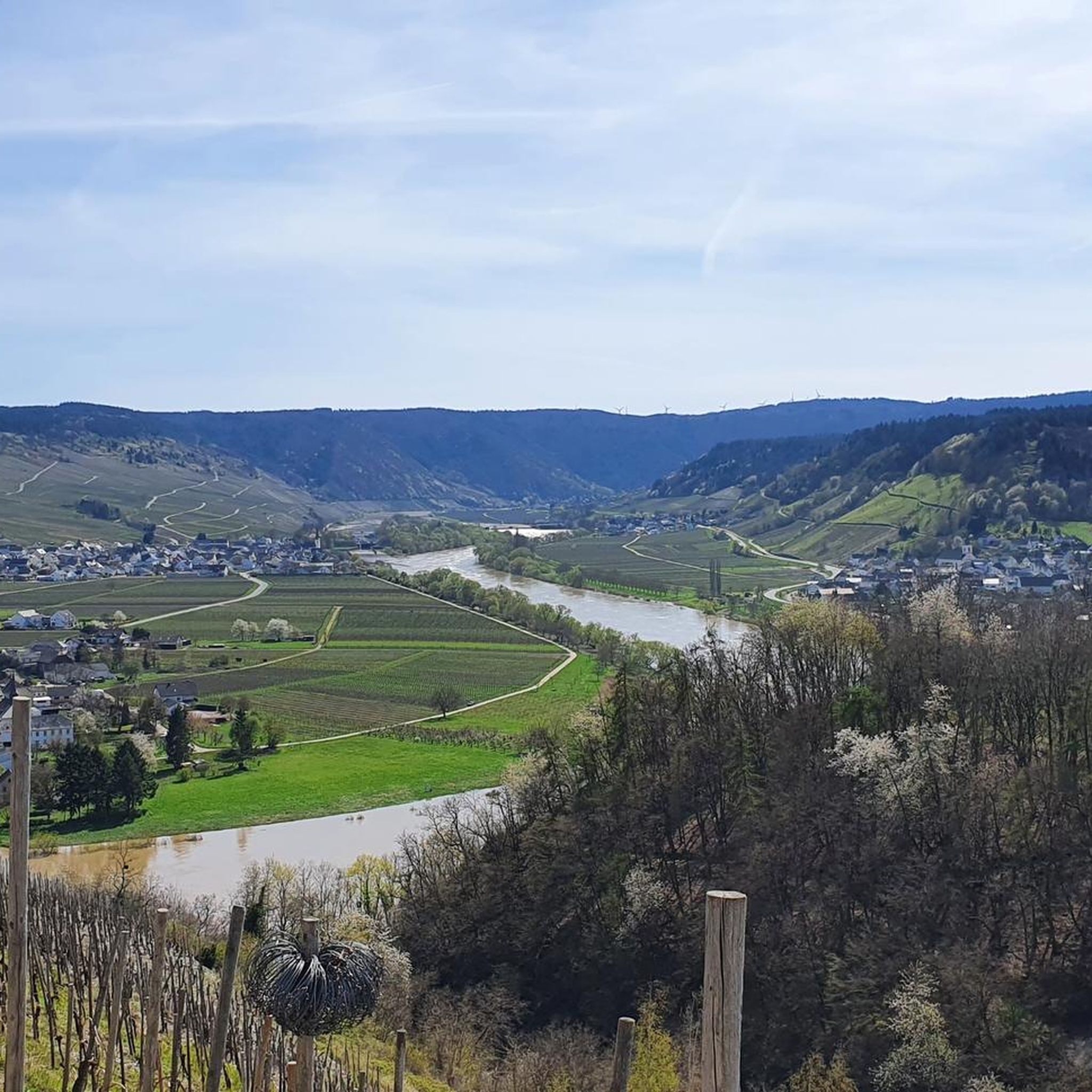
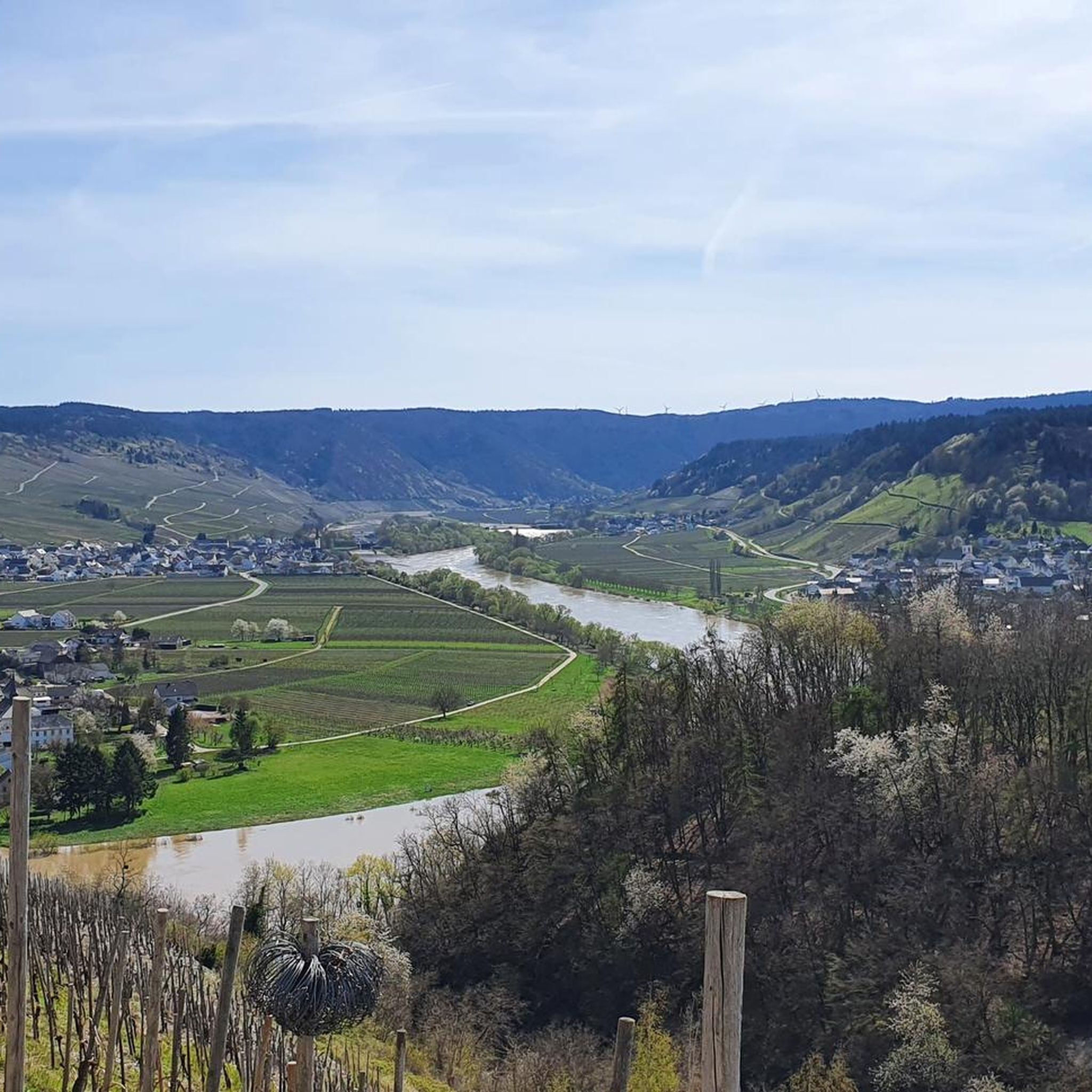
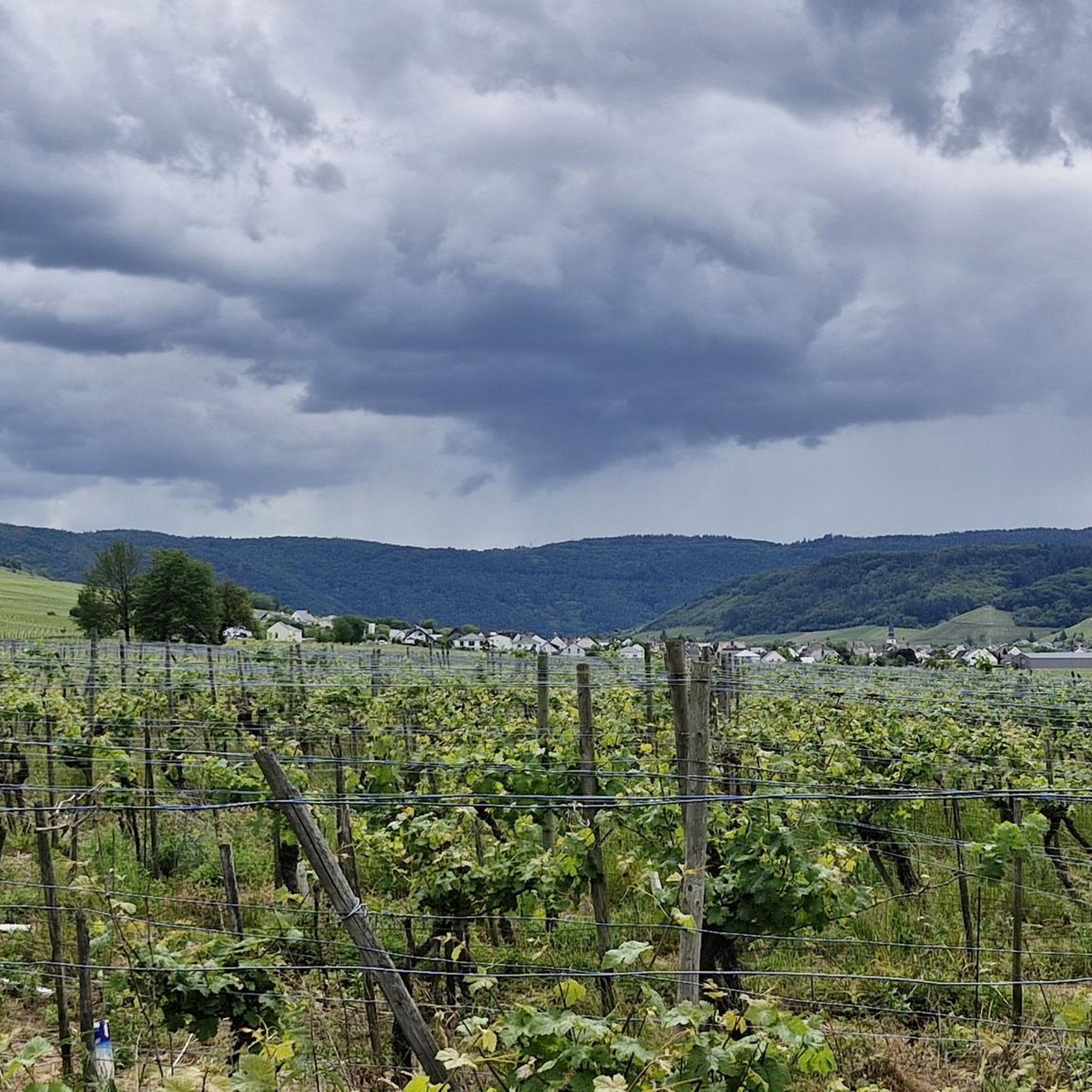
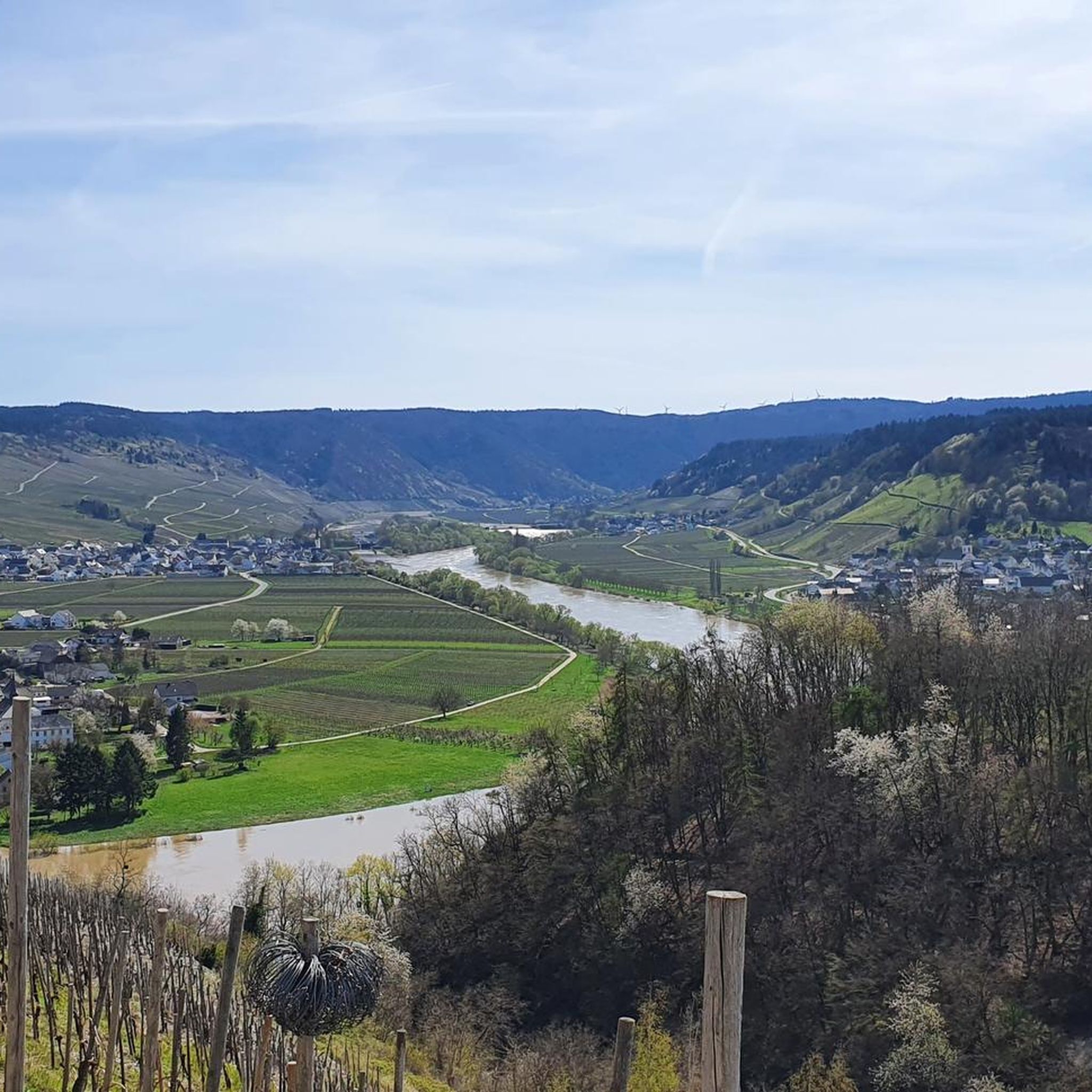
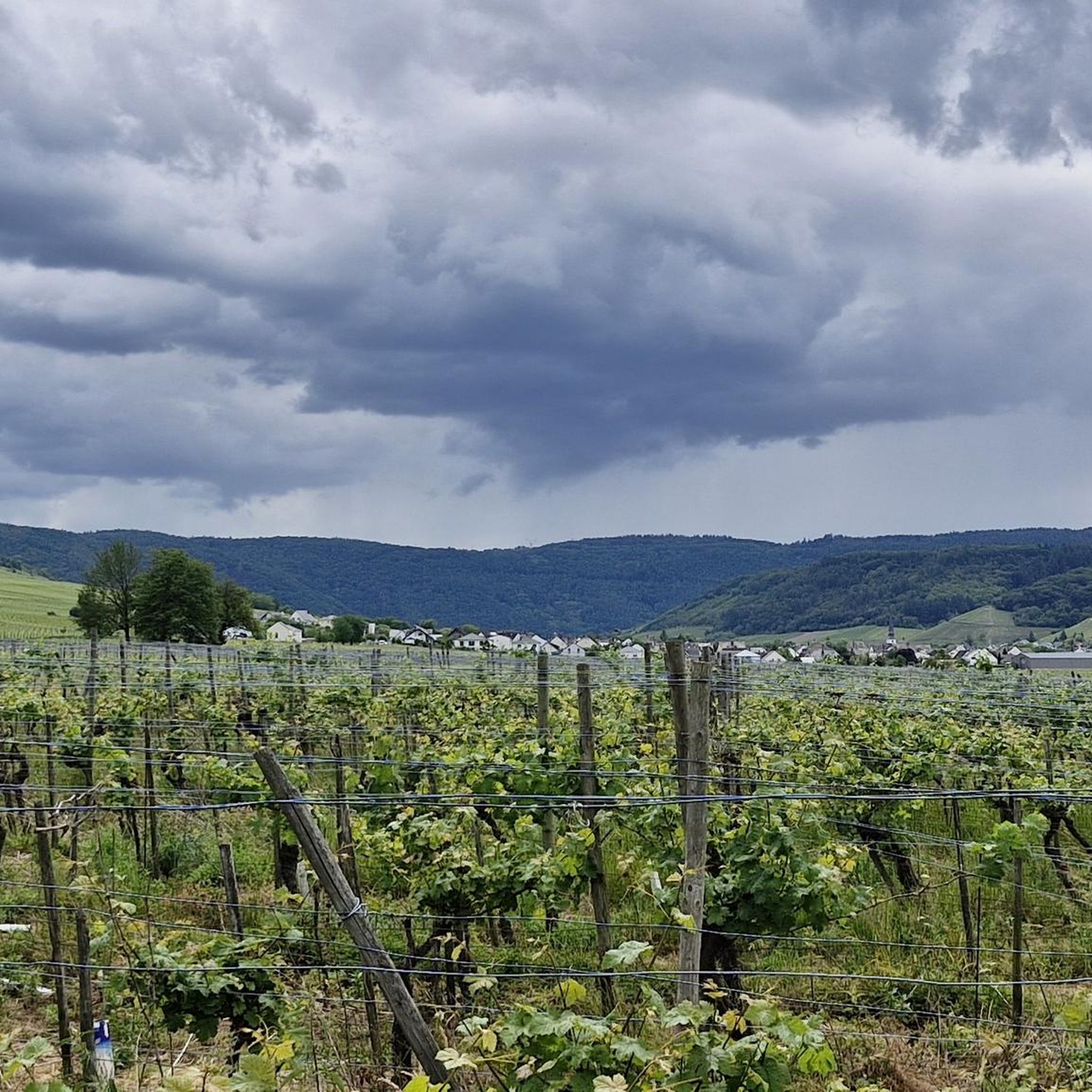
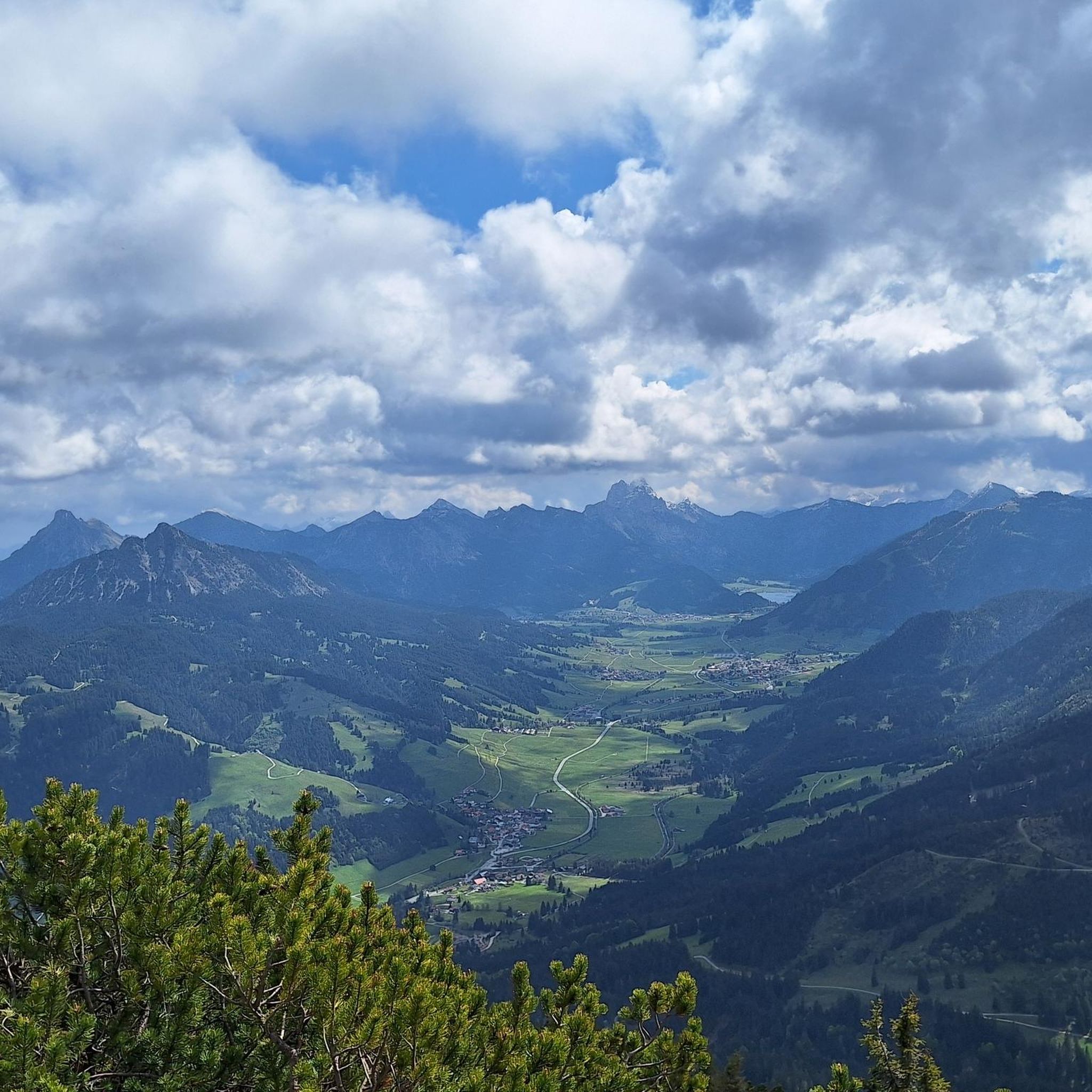
Tips from the Community

A beautiful path, but you should be sure-footed.
2
0
Small but nice. Seating in front of the cave
0
0


Hard to believe, but at this point a slate cave.. RESPECT
2
1

From a topological point of view, the Thommen mining area is very homogeneous, since the mining areas did not develop depending on the epoch, but the mining centers remained topologically the same over the entire funding period. The origins of Thommen slate mining can be found in the area of the Sattelberg. At least since the end of the 17th century, two main mining areas were important for Thommen slate mining. On the one hand the districts "Heckenberg" and "Hesselnbüsch" bordering on the district "Sattelberg" and the adjacent district "An der Köpp", on the other hand the actual "Thomerberg" with the adjacent district "Brasilienberg". Until the commercial restructuring of mining in 1863, these areas remained the main extraction areas. After 1863, Thommen slate mining concentrated almost exclusively on the "Thomerberg" and the adjoining "Brasilienberg" with the various large mines. Little changed in this constellation until shortly before the First World War. The most productive pits by far, such as the pits "Mertesnaf I", "Mertesnaf II", "Neue Mertesnaf", "Mertesnafergraben" and "Alte Graebenkaul" were located on the natural border between Thommerberg and Brazil Mountain, the so-called "Mertesnafgraben". .
4
0
Frequently Asked Questions
What are the most popular caves around Thörnich?
The most popular caves in the Thörnich area include Schinderhannes Cave, known for its historical significance and impressive rock cliff. Another highly regarded spot is the Rock Trail – Slate Cave, Moselle Valley, which offers a challenging path through a slate cave. Visitors also appreciate Schieferstein Cave, a natural monument providing a cool respite during hikes.
What types of underground sites can I explore near Thörnich?
The region around Thörnich offers a diverse range of underground sites. You can explore natural caves, historical mines, and slate caves. These include ancient rock formations and old mining tunnels, reflecting the area's rich geological and industrial past.
Are there family-friendly caves in the Thörnich area?
Yes, Schinderhannes Cave is considered family-friendly and offers an adventurous experience for all ages. It's a great spot for hiking or biking with some adventure air for the whole family.
Are there historical caves or mining sites to visit near Thörnich?
Absolutely. The region has several historical sites. The Mertesnaf Mine and Friedrichstollen Thomm are examples of historical slate mining areas. Further afield in the Eifel region, you can find the Roman copper mine and quarry Pützlöcher, an impressive site that highlights ancient mining techniques.
What is the difficulty level for exploring caves near Thörnich?
The difficulty varies. Some caves like Schinderhannes Cave are intermediate, while the Rock Trail – Slate Cave, Moselle Valley is considered challenging and requires sure-footedness due to its rocky path.
What should I wear when exploring caves in the Thörnich region?
For general cave exploration, good shoes are recommended. If you plan to visit more extensive or less developed caves, a flashlight and a helmet are advisable. For underground sites like the Caves St Martin in nearby Luxembourg, which maintain a constant, damp 12°C temperature, warm clothing is recommended.
When is the best time to visit caves near Thörnich?
While many caves are accessible year-round, it's important to note that some natural caves, particularly those used by hibernating bats, may be temporarily closed during the bat protection period, which typically runs from October 1st to March 31st. Always check local regulations before planning your visit.
Are there guided tours available for caves in the Thörnich area or nearby?
Yes, guided tours are available for some caves in the wider region. For instance, the Birresborner Eishöhlen in the Eifel offer guided tours. Additionally, the Caves St Martin in Remich, Luxembourg, a short distance from the German border, provide guided tours that include wine tasting. You can find more information about the Caves St Martin at visitluxembourg.com.
What other notable caves are in the wider Rhineland-Palatinate region beyond Thörnich?
Beyond the immediate Thörnich area, the broader Rhineland-Palatinate offers several interesting cave systems. In the Eifel region, you can find the Klausen Cave (Hermit's Cave) and Silvester Cave. The Gerolsteiner Land is home to impressive Ice Caves and Millstone Caves, formed by basalt extraction, which create unique labyrinths. The Trass Caves, formed by volcanic activity, are also accessible along certain trails.
What outdoor activities can I combine with a visit to the caves near Thörnich?
The Thörnich region is excellent for combining cave exploration with other outdoor activities. You can find numerous hiking routes, such as the 'Ritsch Via Ferrata Viewpoint loop from Thörnich' or the 'Detzem Lock – Triolago Lake loop from Thörnich'. For cycling enthusiasts, there are options like the 'View of the Moselle River Bend – Moselle promenade Trittenheim loop'. You can explore more routes in the Hiking around Thörnich or Cycling around Thörnich guides.
What do visitors enjoy most about the caves in the Thörnich region?
Visitors particularly enjoy the unique natural features and the sense of adventure. Many appreciate the Schieferstein Cave for providing a nice change during a hike and offering cooling on hot days. The challenging rocky paths and historical aspects of sites like Schinderhannes Cave also receive positive feedback for their impressive formations and historical context.
Most popular routes around Thörnich
Most popular attractions around Thörnich

Get inspired with the komoot mobile app


Explore more
Extend your search for the best caves by checking out these guides of the top ones around Thörnich:
