Top 16 Caves around Sankt Alban
Best caves around Sankt Alban are primarily historical mining sites and rock-hewn hermitages located in the Palatinate region of Germany, near the Donnersberg massif. This area is characterized by its rich mining history, with evidence of ore extraction dating back centuries. The landscape features hills and rock formations where these historical sites, often referred to as caves, are found. These locations offer insights into past human activity and geological features of the region.
Best caves around Sankt Alban
- The most…
Last updated: June 27, 2026
Börrstadt Hermitage
Highlight • Cave
Translated by Google •
Tip by

Iron Gate
Highlight • Historical Site
Translated by Google •
Tip by

Sign up now to discover places like this
Get recommendations on the best single tracks, peaks, & plenty of other exciting outdoor places.
Sign up for free
White Mine — Visitor Mine
Highlight • Historical Site
Translated by Google •
Tip by
Katharina I Mine
Highlight • Historical Site
Translated by Google •
Tip by

Maria Iron Ore Mine
Highlight • Historical Site
Translated by Google •
Tip by

Sign up for free to discover even more caves around Sankt Alban.
Sign up for free
Already have an account?
Start today with a free account
Your next adventure awaits.
Login or Signup
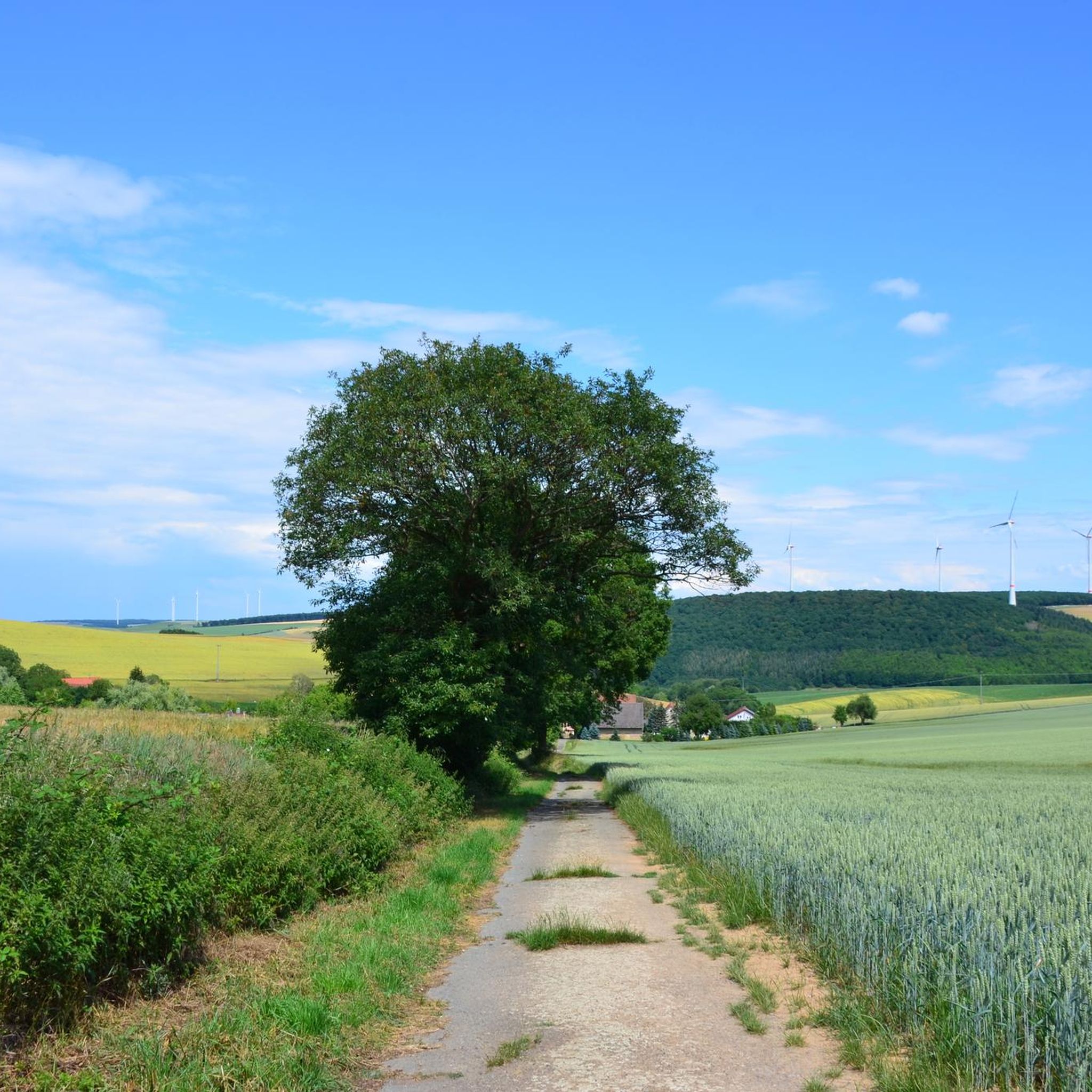
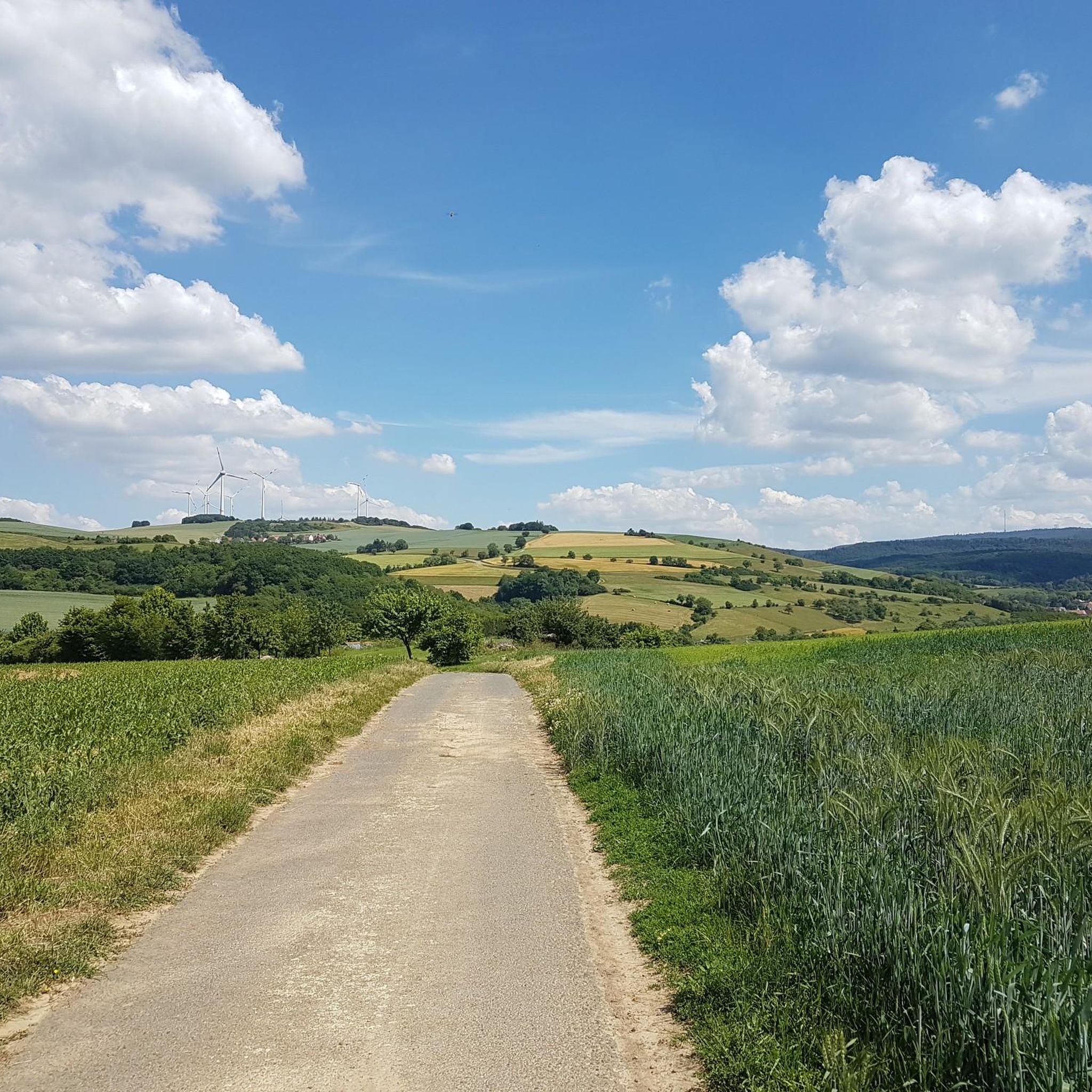

Tips from the Community

Always worth a visit, great landscape
0
0

Everything has an end, only a sausage has two… and every fence has a hole somewhere.
8
1

Unfortunately, it only opens 1-2 days a month during the summer months. Check in advance!
1
0

oldest copper mines in the Imsbach mining area
2
0

Part of the mining history around Imsbach. An information board provides information about iron ore mining.
6
1
Mining was already taking place here in Roman times. From 1941 onwards it was no longer profitable to operate such small mines!
3
0
Frequently Asked Questions
What types of caves can I explore around Sankt Alban?
The caves around Sankt Alban are primarily historical mining sites and rock-hewn hermitages. You'll find former copper and iron ore mines, as well as ancient dwellings carved into rock, offering insights into the region's rich history and geology.
Are there any family-friendly caves to visit near Sankt Alban?
Yes, for families, the Iron Gate is a historical site that is considered family-friendly. Additionally, the White Mine — Visitor Mine also offers a family-friendly experience, providing insight into the former miner's world.
Which caves offer a glimpse into the region's mining history?
Several sites showcase the mining history. The Katharina I Mine is a historical copper mine with impressive open-cast walls and older tunnels. The Maria Iron Ore Mine has a long history of ore exploration dating back to the 1770s. The White Mine — Visitor Mine is one of the oldest pits, where copper, cobalt, and possibly silver were extracted, potentially even in Roman times.
What is the Börrstadt Hermitage and what can I expect to see there?
The Börrstadt Hermitage is a significant historical cave that was once a dwelling carved into the rock. It dates back to the 15th century and features niches and evidence of wooden constructions, allowing visitors to imagine how a hermit lived there. Remember to bring a lamp for better exploration.
What are the difficulty levels for exploring these caves?
Most of the historical mining sites and hermitages, such as Börrstadt Hermitage, Katharina I Mine, Maria Iron Ore Mine, and the White Mine — Visitor Mine, are categorized as 'intermediate' for exploration. The Iron Gate is suitable for families.
What outdoor activities can I do near the caves around Sankt Alban?
Near the caves, you can enjoy various outdoor activities. There are numerous road cycling routes, mountain biking trails, and general cycling routes available. For example, the Iron Gate is part of the 5.5km long circular hiking trail 'Eisenweg' in the woods around Imsbach.
What is the 'Iron Gate' and its historical significance?
The Iron Gate marks the beginning of the 'Eisenweg' iron path, near the southern end of iron ore veins. A tunnel was struck here in 1773, serving to drain pit water and supply fresh air to the mines. A plaque nearby provides information about the history of iron mining in the Imsbach area.
What do visitors appreciate most about the caves around Sankt Alban?
Visitors appreciate the historical significance and the unique insights into past human activity. The sites, like the Börrstadt Hermitage, allow one to imagine how people lived centuries ago. The impressive open-cast mine walls at places like Katharina I Mine also offer a fascinating glimpse into the region's mining heritage.
Are there any visitor mines in the Sankt Alban area?
Yes, the White Mine — Visitor Mine is one of the visitor mines in Imsbach. It offers a chance to explore one of the oldest pits in the area, where copper and cobalt were extracted, and provides a little insight into the former miner's world around the Donnersberg.
What kind of geological features can be observed in these caves?
The caves, being former mining sites, showcase geological features related to ore extraction. You can observe impressive open-cast mine walls, tunnels, and the remnants of veins where copper and iron ores were found. The White Mine — Visitor Mine, for instance, is known for its historical extraction of copper, cobalt, and even silver.
How can I find more information about the history of mining in the region?
Many of the sites, such as the Iron Gate, have informational plaques detailing the history of iron mining. The White Mine — Visitor Mine is also well-researched, with ongoing mining-historical investigations, offering deep insights into the area's past.
Most popular routes around Sankt Alban
Most popular attractions around Sankt Alban

Get inspired with the komoot mobile app


Explore more
Extend your search for the best caves by checking out these guides of the top ones around Sankt Alban:
