Top 11 Caves around Gundersweiler
Best caves around Gundersweiler are primarily historical mining sites and man-made hermitage caves, rather than natural geological formations. The region, situated near the Donnersberg mountain, has a rich history of mining, with operations dating back to Roman times. These sites offer insights into past industrial practices and early human habitation. Visitors can explore underground structures that once served as mines or dwellings.
Best caves around Gundersweiler
- The most popular caves is Börrstadt Hermitage, a hermitage carved into rock that…
Last updated: May 15, 2026
Börrstadt Hermitage
Highlight • Cave
Translated by Google •
Tip by

Iron Gate
Highlight • Historical Site
Translated by Google •
Tip by

Sign up now to discover places like this
Get recommendations on the best single tracks, peaks, & plenty of other exciting outdoor places.
Sign up for free
White Mine — Visitor Mine
Highlight • Historical Site
Translated by Google •
Tip by
Katharina I Mine
Highlight • Historical Site
Translated by Google •
Tip by

Maria Iron Ore Mine
Highlight • Historical Site
Translated by Google •
Tip by

Sign up for free to discover even more caves around Gundersweiler.
Sign up for free
Already have an account?
Start today with a free account
Your next adventure awaits.
Login or Signup

Tips from the Community

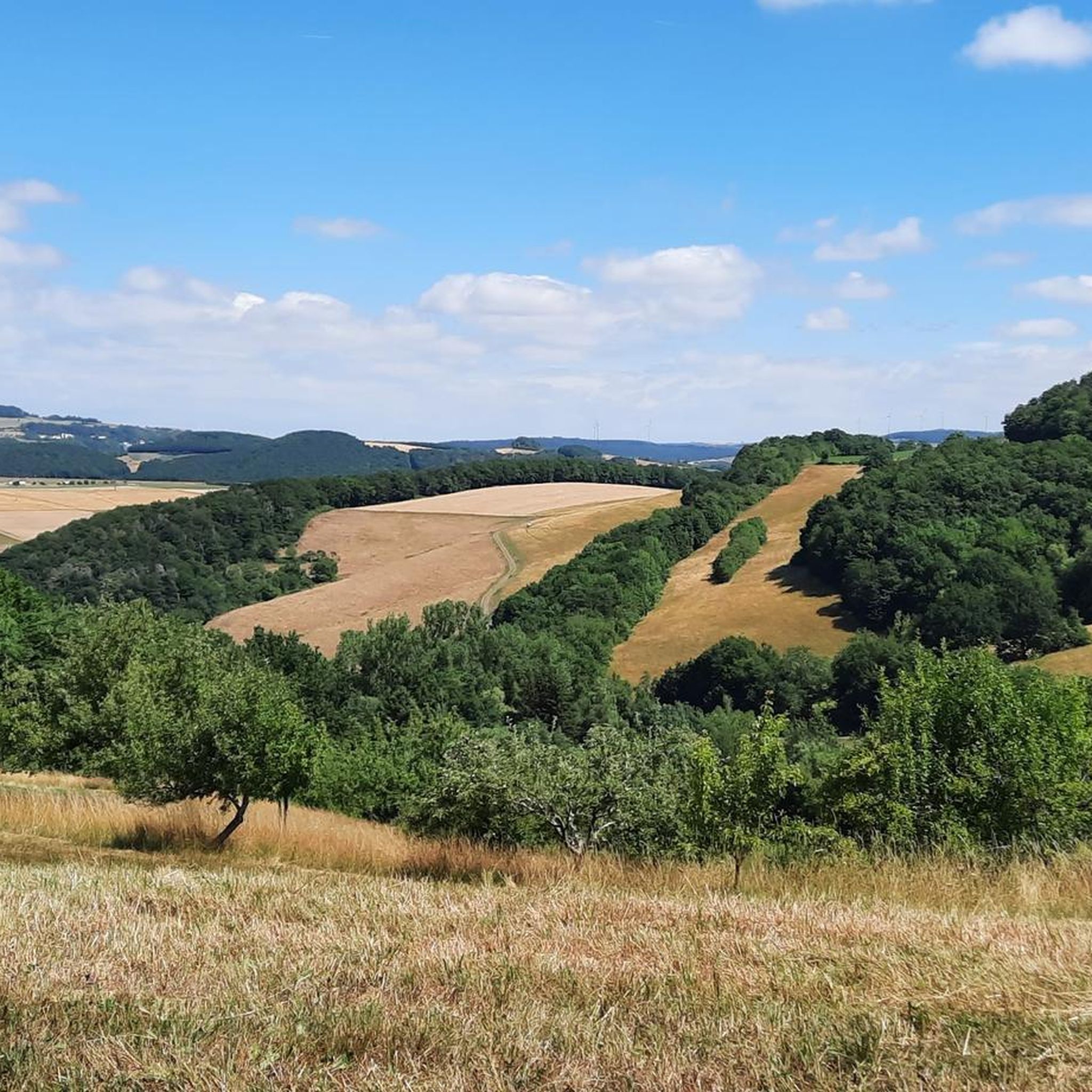
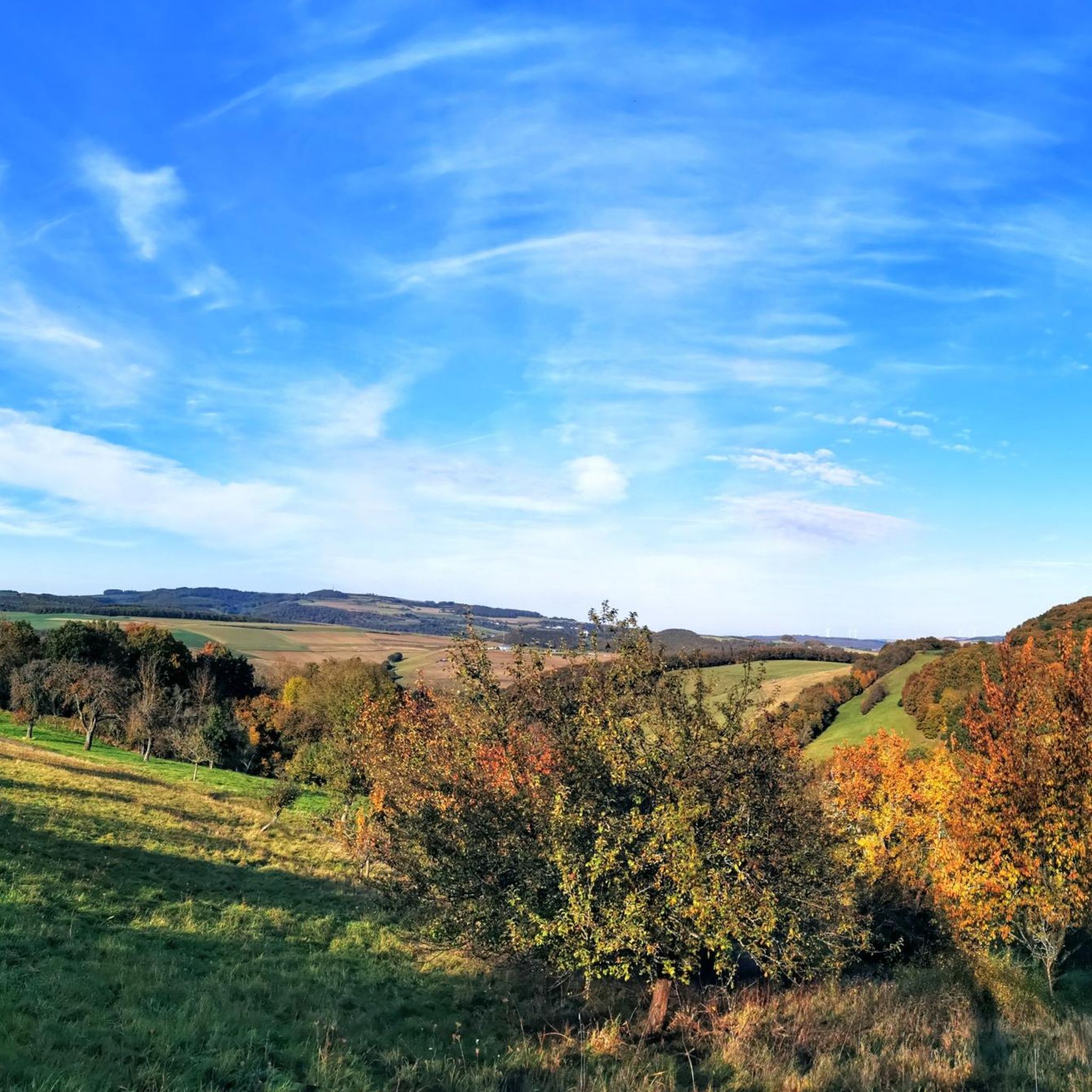
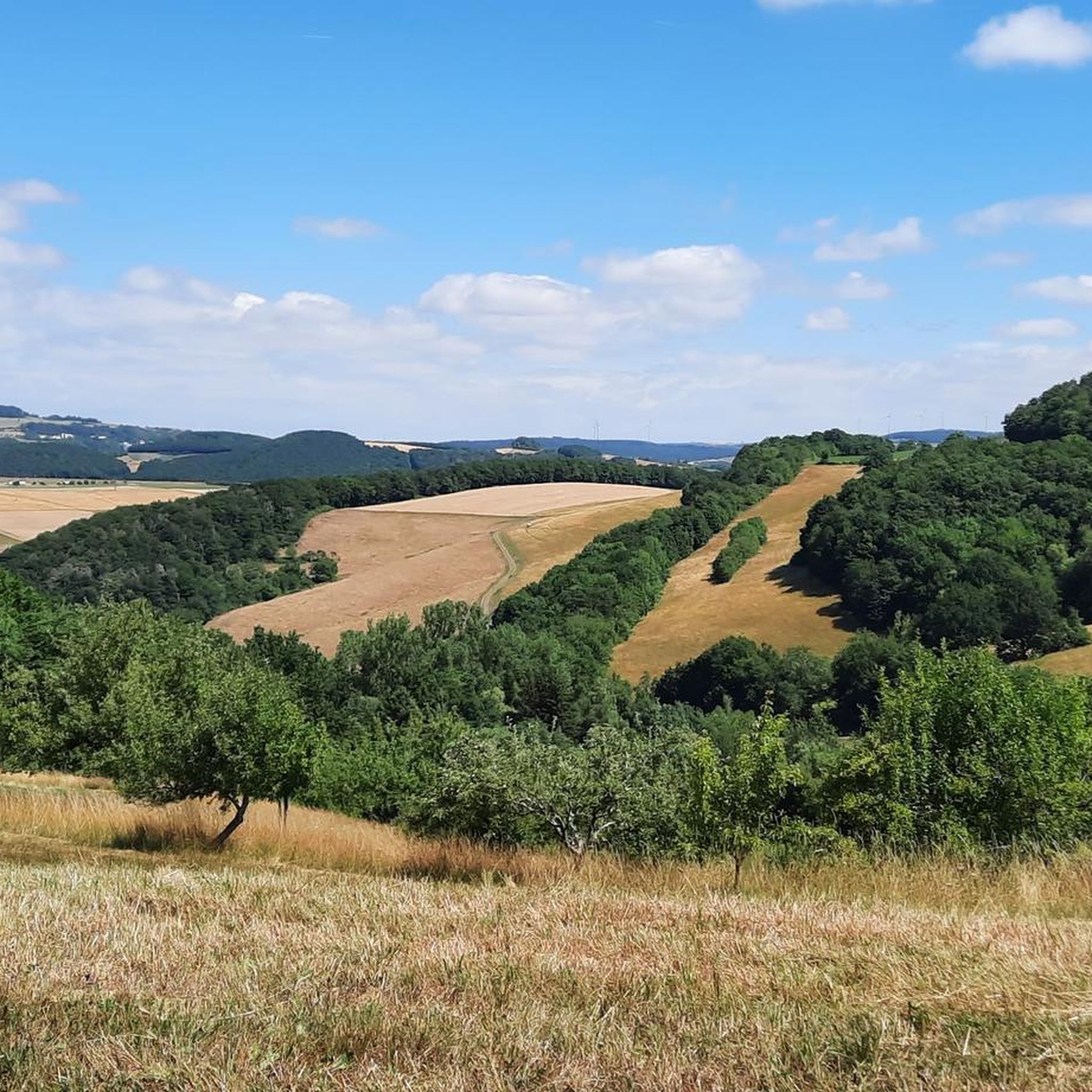
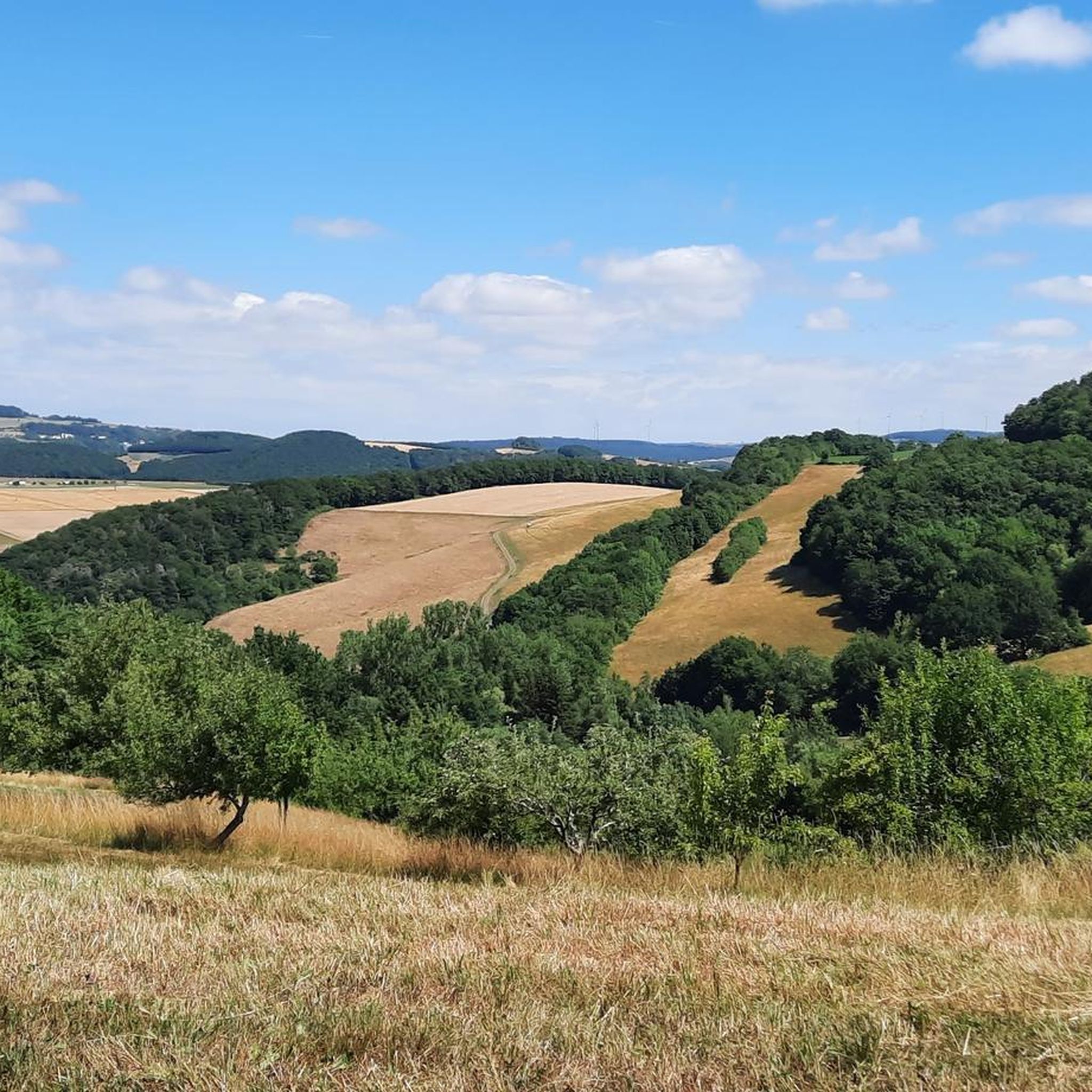
Always worth a visit, great landscape
0
0

Everything has an end, only a sausage has two… and every fence has a hole somewhere.
8
1

Unfortunately, it only opens 1-2 days a month during the summer months. Check in advance!
1
0

oldest copper mines in the Imsbach mining area
2
0

Part of the mining history around Imsbach. An information board provides information about iron ore mining.
6
1
Mining was already taking place here in Roman times. From 1941 onwards it was no longer profitable to operate such small mines!
3
0
Frequently Asked Questions
What kind of 'caves' can I expect to find around Gundersweiler?
The 'caves' around Gundersweiler are primarily historical mining sites and man-made hermitage caves, rather than natural geological formations with stalactites or extensive natural cave systems. They offer a unique glimpse into the region's industrial heritage and early human habitation.
Which historical mining sites can I visit near Gundersweiler?
You can explore several historical mining sites. The White Mine — Visitor Mine is one of the oldest pits, where copper and cobalt were extracted. Another significant site is the Katharina I Mine, a historical copper mine with visible older tunnels. The Iron Gate is a historical mining tunnel used for water drainage and air supply, with an informative plaque nearby. You can also find the Maria Iron Ore Mine, which has a long history of iron ore extraction.
What is the Börrstadt Hermitage?
The Börrstadt Hermitage is a unique man-made cave carved into rock, featuring niches and stops for wooden constructions. It is believed to have been a devotional site where a hermit, possibly a healer, resided. Visitors are advised to bring a lamp for exploration to fully appreciate its interior.
Are there family-friendly 'caves' or sites to visit in the Gundersweiler area?
Yes, some sites are considered family-friendly. The White Mine — Visitor Mine offers insights into the former miner's world, and the Iron Gate, a historical mining tunnel, is also suitable for families, with an information plaque explaining its history.
What should I wear or bring when visiting these sites?
Given that many of these are historical mining sites or hermitage caves, it's advisable to wear sturdy shoes suitable for uneven terrain. For sites like the Börrstadt Hermitage, bringing a lamp is recommended as it can be dark inside. Layers of clothing might also be useful as temperatures underground can be cooler.
What kind of historical information can I learn at these sites?
These sites offer a rich historical perspective. You can learn about the region's mining history, which dates back to Roman times, and understand how ores like copper, cobalt, and iron were extracted. Information boards, such as the one near the Iron Gate, explain the processes of pit water derivation and air supply in mines. The Börrstadt Hermitage provides insight into early human habitation and devotional practices.
What do visitors enjoy most about the 'caves' around Gundersweiler?
Visitors appreciate the unique historical insights these sites offer, providing a glimpse into the past world of miners and hermits. The opportunity to explore underground structures and learn about the industrial heritage of the Donnersberg mountain region is a major draw. The komoot community has shared over 200 photos and given more than 330 upvotes, highlighting the appeal of these historical locations.
Are there hiking opportunities near these historical sites?
Yes, the Gundersweiler region offers numerous hiking opportunities. You can find various trails, including easy loops like the Pfalz-Thron Viewpoint loop from Höringen or the Honeybee Educational Trail. For more moderate options, consider the Pfalz-Thron Viewpoint – Waterfall on the Alsenz loop from Imsweiler. For detailed routes and information, refer to the Hiking around Gundersweiler guide.
Can I go cycling near the 'caves' around Gundersweiler?
Absolutely! The area around Gundersweiler is suitable for both road cycling and gravel biking. Road cyclists can explore routes like the Church in Palatinate – View of the Glan River loop from Imsweiler. For gravel biking, options include the Eistal Viaduct – Lake Eiswoog and Viaduct loop from Münchweiler (Alsenz). More routes can be found in the Road Cycling Routes around Gundersweiler and Gravel biking around Gundersweiler guides.
Is there public transport or parking available for these sites?
While specific public transport details for each individual site are not provided, the sites are generally located in the broader region around Winnweiler and Imsbach. Parking is typically available near trailheads or visitor centers for historical sites and mines. It is recommended to check local information for the most current parking and access details for specific locations.
What is the best time of year to visit the historical sites and 'caves' near Gundersweiler?
The historical mining sites and hermitage caves can generally be visited year-round. However, spring and autumn offer pleasant weather for exploring the surrounding hiking trails and enjoying the scenic landscape. During winter, some areas might be less accessible due to weather conditions, and the Iron Gate, for example, is noted to be currently flooded, which can happen at various times of the year.
Most popular routes around Gundersweiler
Most popular attractions around Gundersweiler

Get inspired with the komoot mobile app


Explore more
Extend your search for the best caves by checking out these guides of the top ones around Gundersweiler:
