Top 5 Caves around Weilerbach
Best caves around Weilerbach include a range of natural rock formations and historical subterranean structures. The region features an extensive sandstone cave system, a dripstone cave, and significant rock formations. These sites offer insights into both natural geology and human history, providing diverse exploration opportunities. The area's landscape is characterized by imposing sandstone cliffs and forested trails.
Best caves around Weilerbach
- The most popular caves is Krämerstein Rock Formation, a natural monument that is a 120-meter-long rocky reef with…
Last updated: August 20, 2026
Krämerstein Rock Formation
Highlight • Natural Monument
Translated by Google •
Tip by

Erzenhausen Dripstone Cave
Highlight • Cave
It should also be mentioned that it is always closed from October to April as bats hibernate here.
Translated by Google •
Tip by

Sign up now to discover places like this
Get recommendations on the best single tracks, peaks, & plenty of other exciting outdoor places.
Sign up for free
Pfälzer Mut Mine Tunnel
Highlight • Historical Site
Translated by Google •
Tip by

Bärenloch Natural Monument
Highlight • Natural Monument
Translated by Google •
Tip by

Stein-Peter's Cave
Highlight • Cave
Translated by Google •
Tip by

Start today with a free account
Your next adventure awaits.
Login or Signup
Other adventures around Weilerbach

Tips from the Community

Did bears really once live here, as they say?
2
0

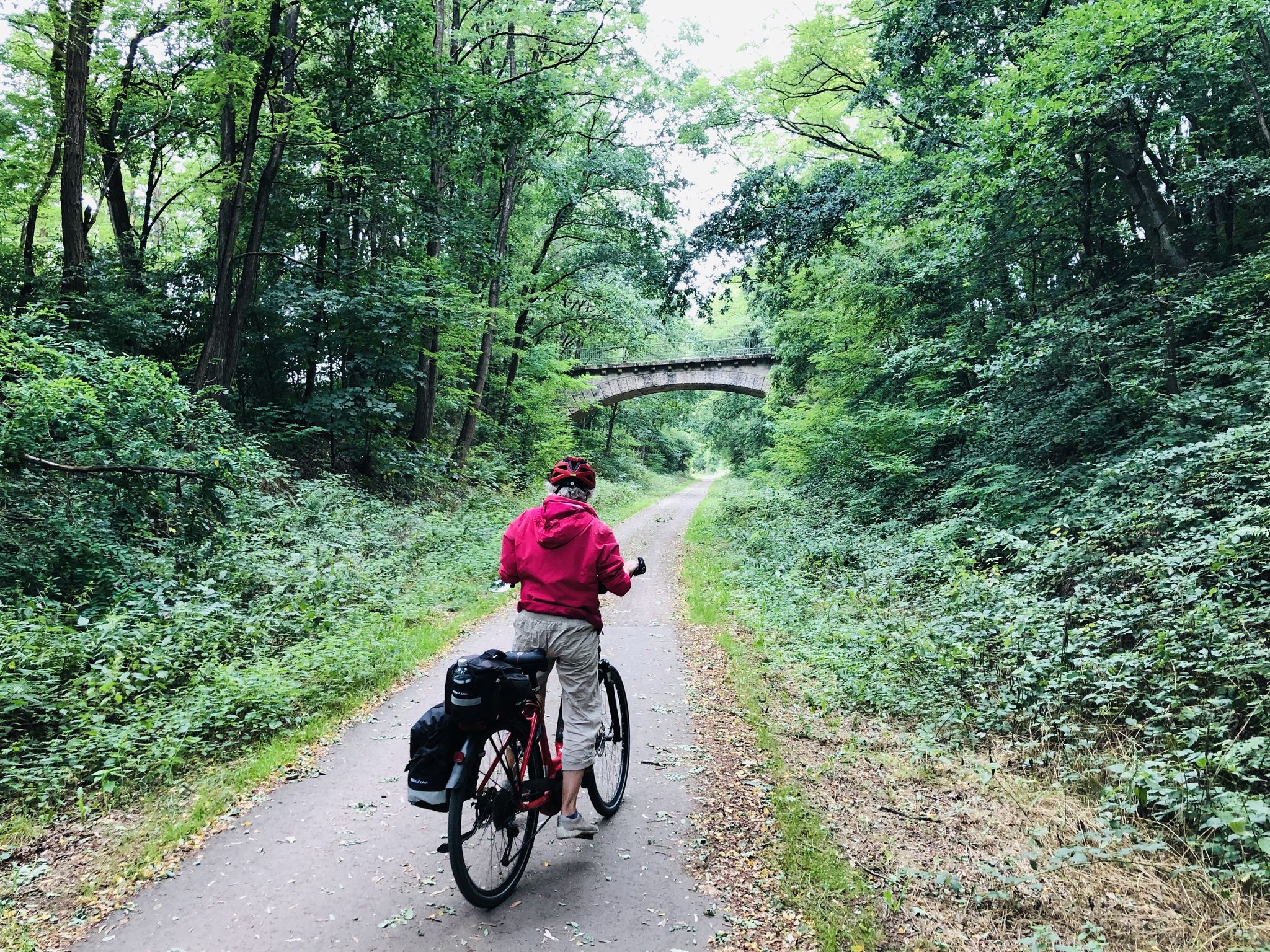
This hut and the tunnel can be found when you cycle down the hiking trail from PVH Hütte Eulenbis towards Erzenhausen. Be careful, there are some steep slopes where you have to brake a lot. And lots of tracks from forestry and tractors. So be careful when cycling down
1
0

The stalactite cave was rediscovered in 1911 after being forgotten. It is a 76 m long tunnel system that was created in the 18th century by mining work. You should definitely take a good flashlight with you when exploring the caves. Waterproof shoes are also recommended as the floor is one huge puddle.
3
0


This is where the escaped and dangerous burglar Peter Stein hid in February 1849. And this is where he was caught...
3
1

Palatinate courage tunnel, one is accessible. Don't forget your flashlight. 😊
1
0

Frequently Asked Questions
What are the most notable caves and cave-like attractions near Weilerbach?
The region around Weilerbach offers a diverse range of subterranean and rock formations. Key attractions include the extensive Schlossberghöhlen in Homburg, Europe's largest red sandstone cave system, and the natural Erzenhausen Dripstone Cave, known for its stalactites. Additionally, the impressive Krämerstein Rock Formation near Landstuhl offers towering sandstone cliffs.
Are there any historical cave sites in the Weilerbach area?
Yes, the area features several sites with rich history. The Schlossberghöhlen in Homburg are man-made tunnels used for sand mining since the Middle Ages and served as air-raid shelters during WWII. The Pfälzer Mut Mine Tunnel is a former mercury and baryte mine, offering a glimpse into the region's industrial past. You can also find Stein-Peter's Cave, which has a local historical anecdote about a burglar.
What kind of natural geological formations can I expect to see?
Near Weilerbach, you can observe distinct geological features. The Erzenhausen Dripstone Cave showcases natural stalactites formed over centuries. The Krämerstein Rock Formation is a striking 120-meter-long rocky reef with 12-meter-high sandstone cliffs, belonging to the Middle Buntsandstein period (244-248 million years ago). The Schlossberghöhlen also feature unique yellow, red, and yellow-red sand colorations and fossilized ripple marks, indicating ancient desert and sea deposits.
What is the best time to visit the caves around Weilerbach?
For the Erzenhausen Dripstone Cave, it's important to note that it closes annually from October to April to protect hibernating bats. Other sites like the Schlossberghöhlen and outdoor rock formations like Krämerstein Rock Formation are generally accessible year-round, though guided tours for Schlossberghöhlen have specific schedules. The temperature inside Schlossberghöhlen remains a constant 10°C, making it a cool escape in summer and a mild option in winter.
Are the caves around Weilerbach suitable for families with children?
The Schlossberghöhlen in Homburg are a great family-friendly option, offering guided tours through an extensive labyrinth of tunnels. Children often enjoy the adventurous feel of exploring with helmets. For natural rock formations, the Krämerstein Rock Formation can be part of a scenic hike suitable for families, depending on the trail chosen. The Erzenhausen Dripstone Cave requires a flashlight and sturdy shoes, which might be more suitable for slightly older children.
What should I bring when visiting the caves?
For the Erzenhausen Dripstone Cave and the Pfälzer Mut Mine Tunnel, a flashlight is essential as it can be very dark inside. Sturdy, waterproof shoes or rubber boots are also highly recommended for the natural dripstone cave due to potentially wet and uneven terrain. For the Schlossberghöhlen, a helmet is provided for guided tours, and a light jacket is advisable due to the constant 10°C temperature.
What outdoor activities can I do near these caves?
The region around Weilerbach offers numerous outdoor activities. You can find excellent hiking opportunities, with routes like the 'Schwedelbach Brick Arch Bridge – Stork Meadow loop' or 'View of Erzenhausen – View of Pörrbach loop' available. For more details, explore the Hiking around Weilerbach guide. There are also running trails and cycling routes, such as the 'Pond near sheep herd – Katzweiler Playground and Pond loop' for cyclists. Check out the Running Trails around Weilerbach and Cycling around Weilerbach guides for more options.
Are there any viewpoints or scenic trails associated with the cave attractions?
Yes, the Krämerstein Rock Formation is a natural monument that is part of scenic trails, offering impressive views of its 12-meter-high sandstone cliffs. The Bärenloch Natural Monument also features beautiful trails and is described as perfect for a break with an ingenious single trail downhill. Additionally, combining a visit to the Schlossberghöhlen with the Hohenburg castle ruins directly above offers spectacular views of Homburg.
What do visitors enjoy most about the caves and rock formations in the Weilerbach area?
Visitors frequently highlight the unique blend of natural beauty and historical significance. For the Erzenhausen Dripstone Cave, the 'mega cool' experience of exploring a natural cave and seeing stalactites is a big draw. The Krämerstein Rock Formation is appreciated for its 'great rock massif' and the beautiful paths surrounding it. The Schlossberghöhlen are valued for their vastness, historical context, and the unique colored sandstone formations.
Is the Pfälzer Mut Mine Tunnel accessible to the public?
The Pfälzer Mut Mine Tunnel is a historical site that was once a mercury and baryte mine. While the main tunnel is reportedly flooded and not fully accessible, there is a small side tunnel that can be explored. Visitors are advised to bring a flashlight for this section.
Are there any specific safety considerations for exploring these caves?
When visiting natural caves like the Erzenhausen Dripstone Cave, it's crucial to wear sturdy, waterproof shoes due to potentially slippery and uneven surfaces. A flashlight is also essential for visibility. For the Schlossberghöhlen, guided tours ensure safety, and helmets are provided. Always be aware of your surroundings, especially in less developed natural sites, and respect any posted warnings or closures.
Can I bring my dog to the caves and rock formations?
While specific rules for each site may vary, outdoor rock formations like the Krämerstein Rock Formation and the Bärenloch Natural Monument are generally accessible for dogs on trails, provided they are kept on a leash. For indoor cave systems like the Schlossberghöhlen or the Erzenhausen Dripstone Cave, it's best to check their specific visitor policies, as pets are often not permitted inside for safety or ecological reasons.
Most popular routes around Weilerbach
Most popular attractions around Weilerbach

Get inspired with the komoot mobile app


Explore more
Extend your search for the best caves by checking out these guides of the top ones around Weilerbach:
