Top 12 Caves around Klingenmünster
Best caves around Klingenmünster are found within the broader Palatinate region, known for its diverse geological formations. The area features natural rock caves carved from red sandstone, as well as unique formations resulting from ancient volcanic activity. Additionally, man-made underground structures, including historical mining tunnels, contribute to the region's subterranean landscape. These sites offer insights into both natural processes and historical human activity.
Best caves around Klingenmünster
- The most popular caves is Prelate's Chamber, a cave that features a…
Last updated: June 27, 2026
Bench in cave
Highlight • Cave
Translated by Google •
Tip by

Prelate's Chamber
Highlight • Cave
Translated by Google •
Tip by

Sign up now to discover places like this
Get recommendations on the best single tracks, peaks, & plenty of other exciting outdoor places.
Sign up for free
Former Lead Mine at Seehofweiher (Ritterstein No. 29)
Highlight • Historical Site
Translated by Google •
Tip by

Rauhberg Tunnel
Highlight • Structure
His statement: The Rauhberg Tunnel is a rather …
Translated by Google •
Tip by
View of Waldhambach and the Palatinate Forest from Treutelskopf
Highlight • Viewpoint
There is a small cave (dungeon) under the rock
Translated by Google •
Tip by

Sign up for free to discover even more caves around Klingenmünster.
Sign up for free
Already have an account?
Start today with a free account
Your next adventure awaits.
Login or Signup
Popular around Klingenmünster
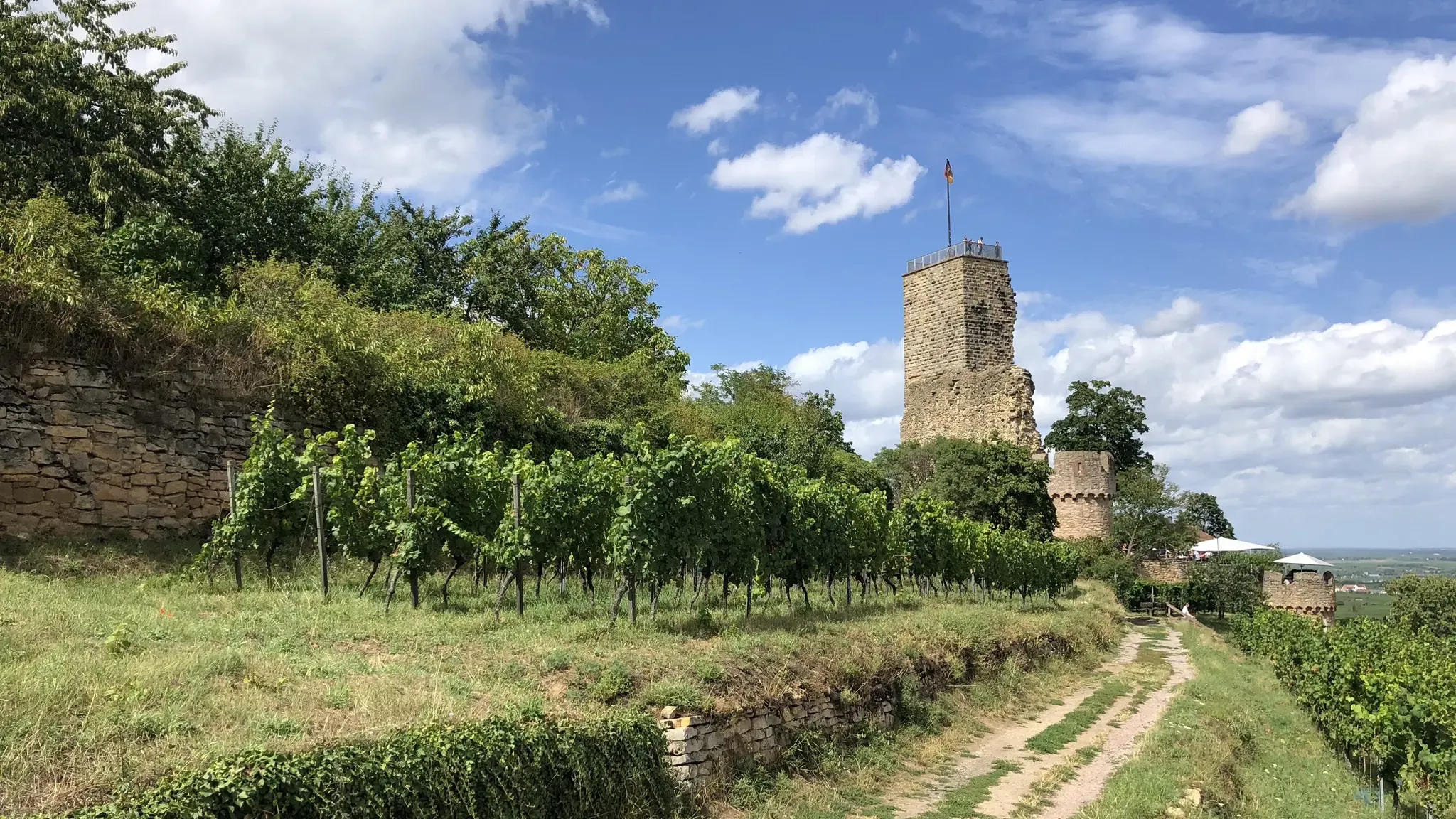
Pfälzer Weinsteig trail – 11 stages along forests and vinyards
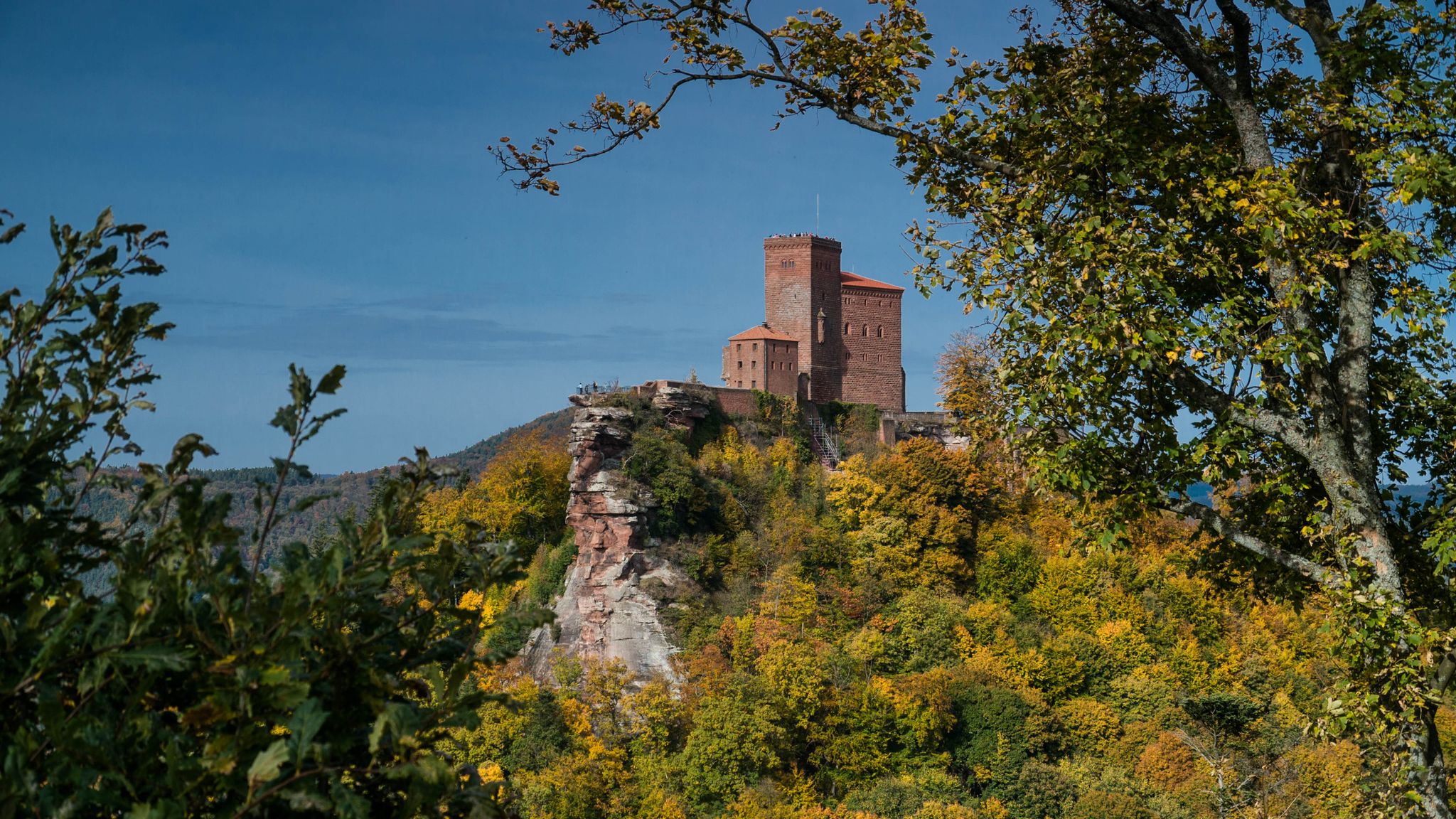
Castles in the Wasgau
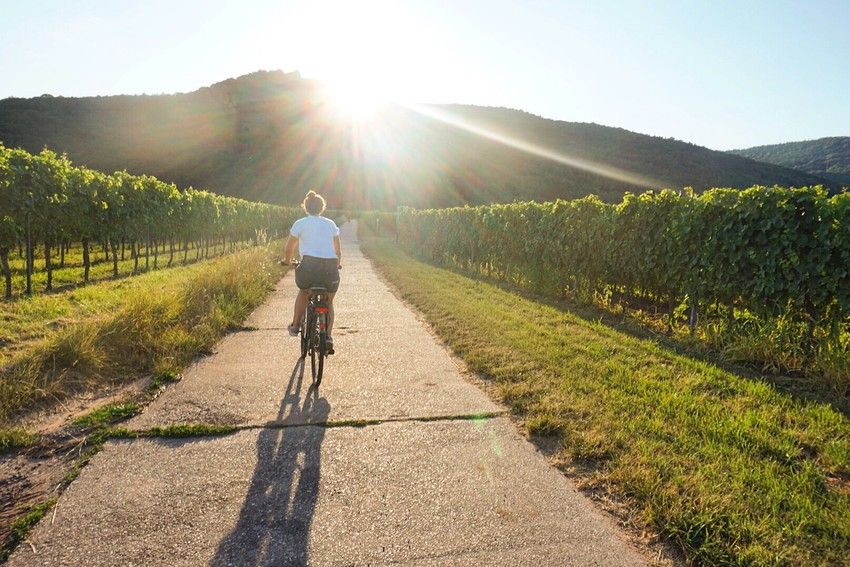
Rundtouren an der Südlichen Weinstraße
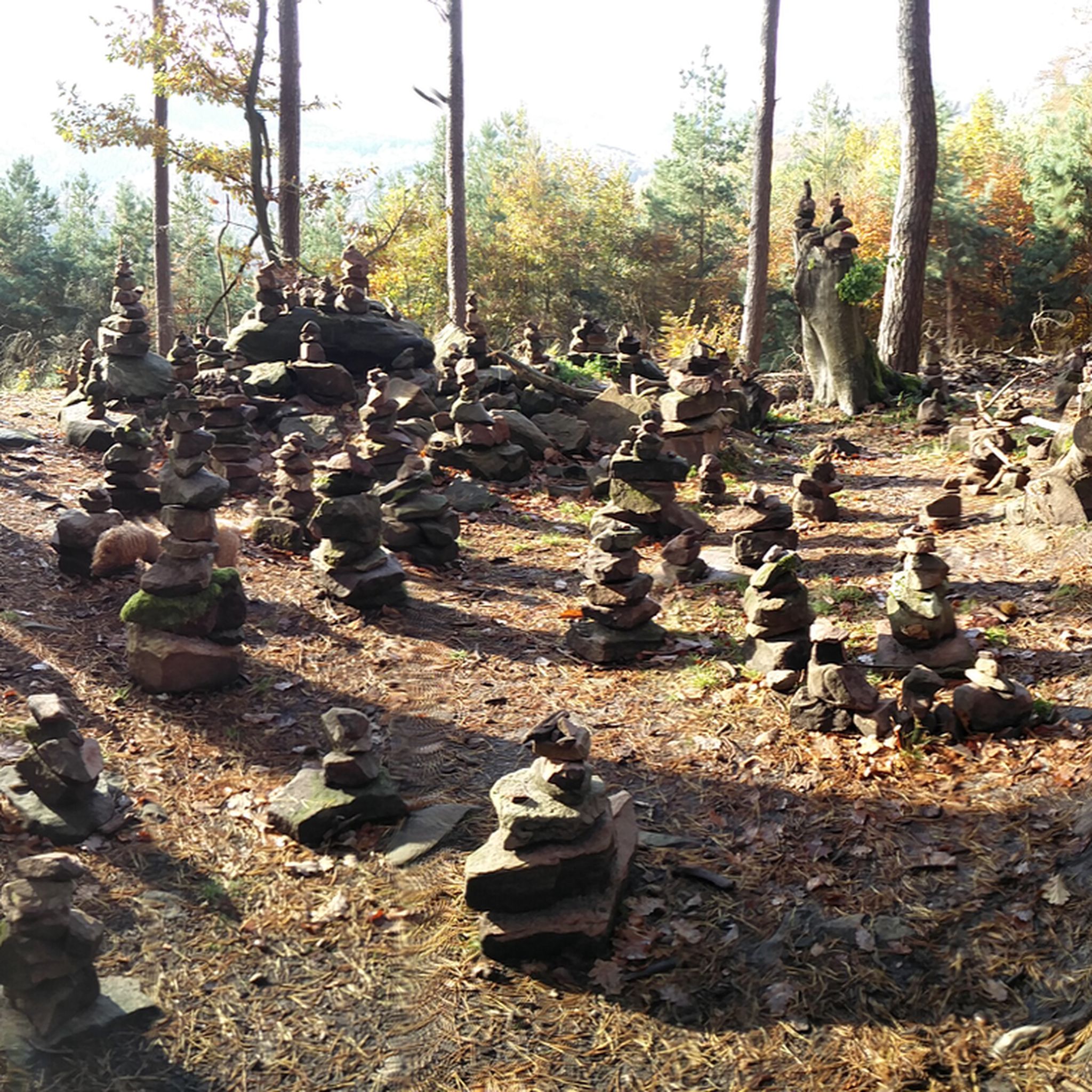
Hiking around Klingenmünster
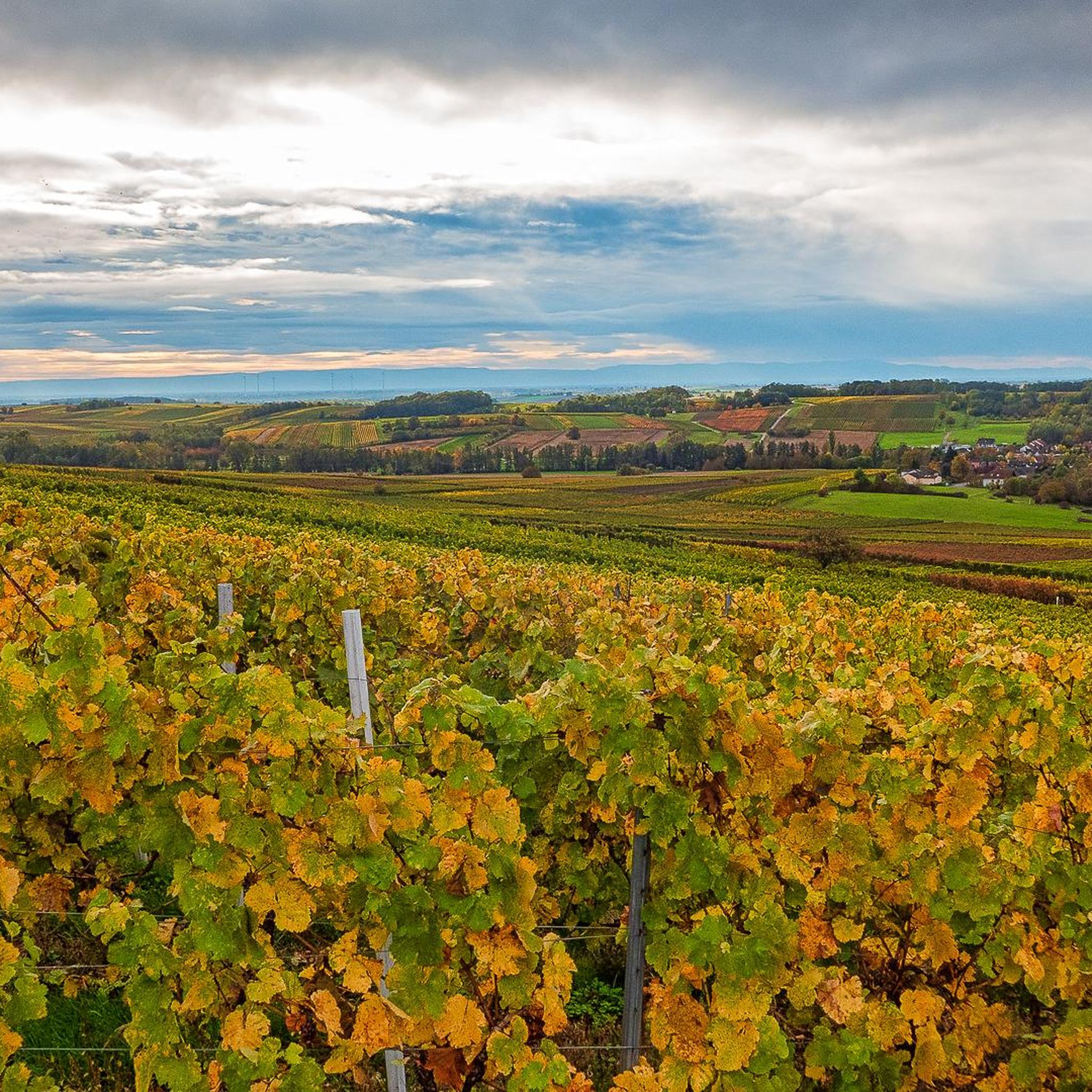
Cycling around Klingenmünster
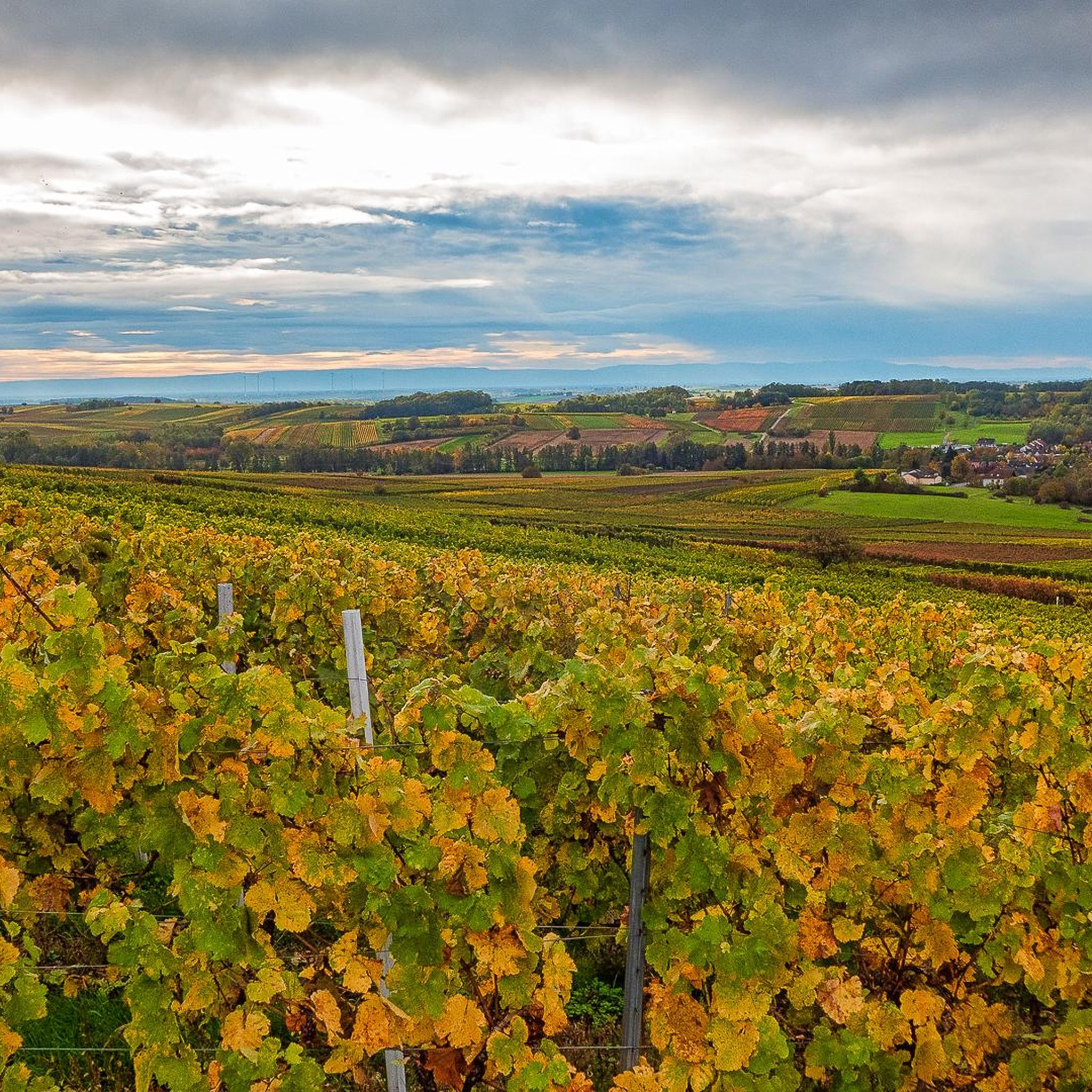
MTB Trails around Klingenmünster
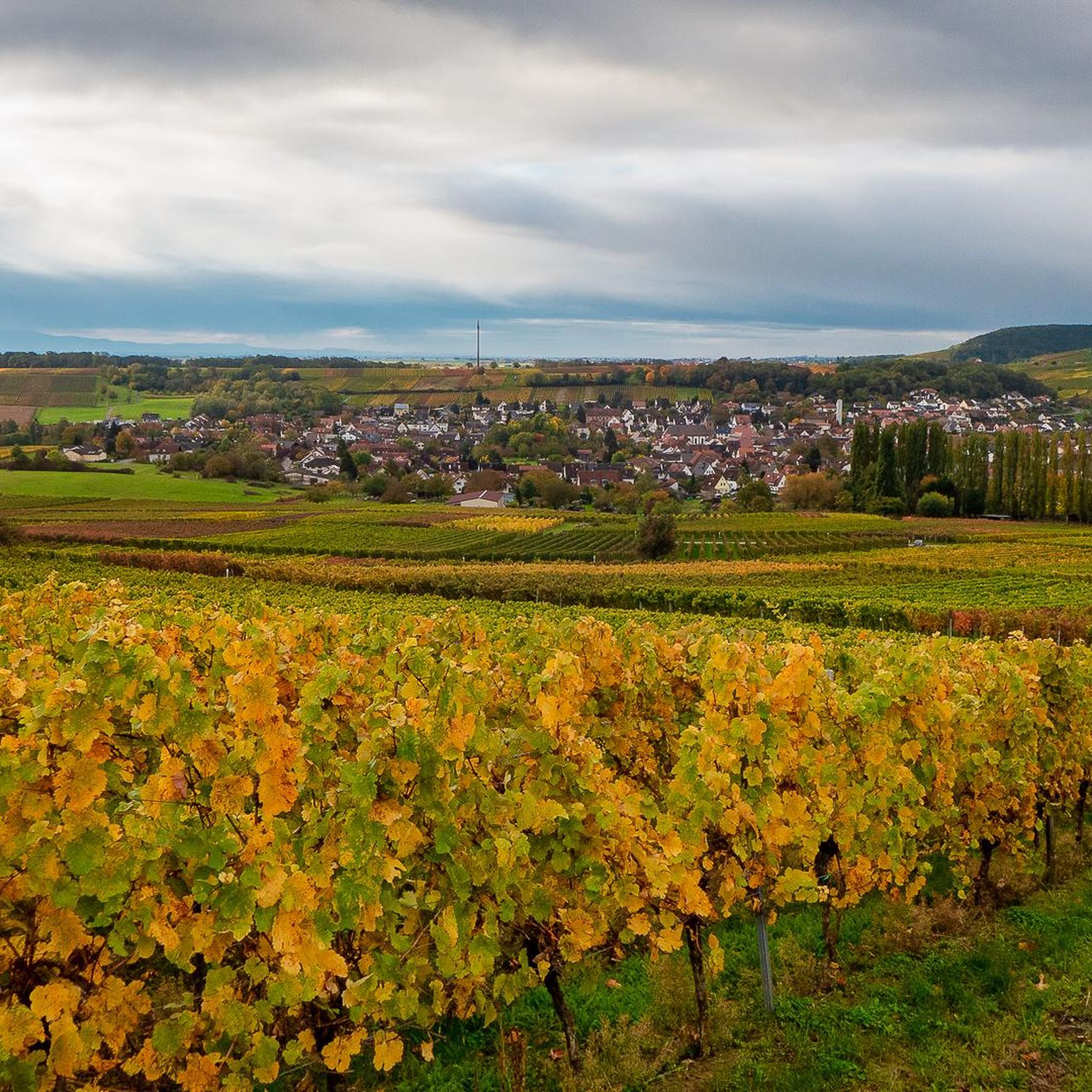
Running Trails around Klingenmünster
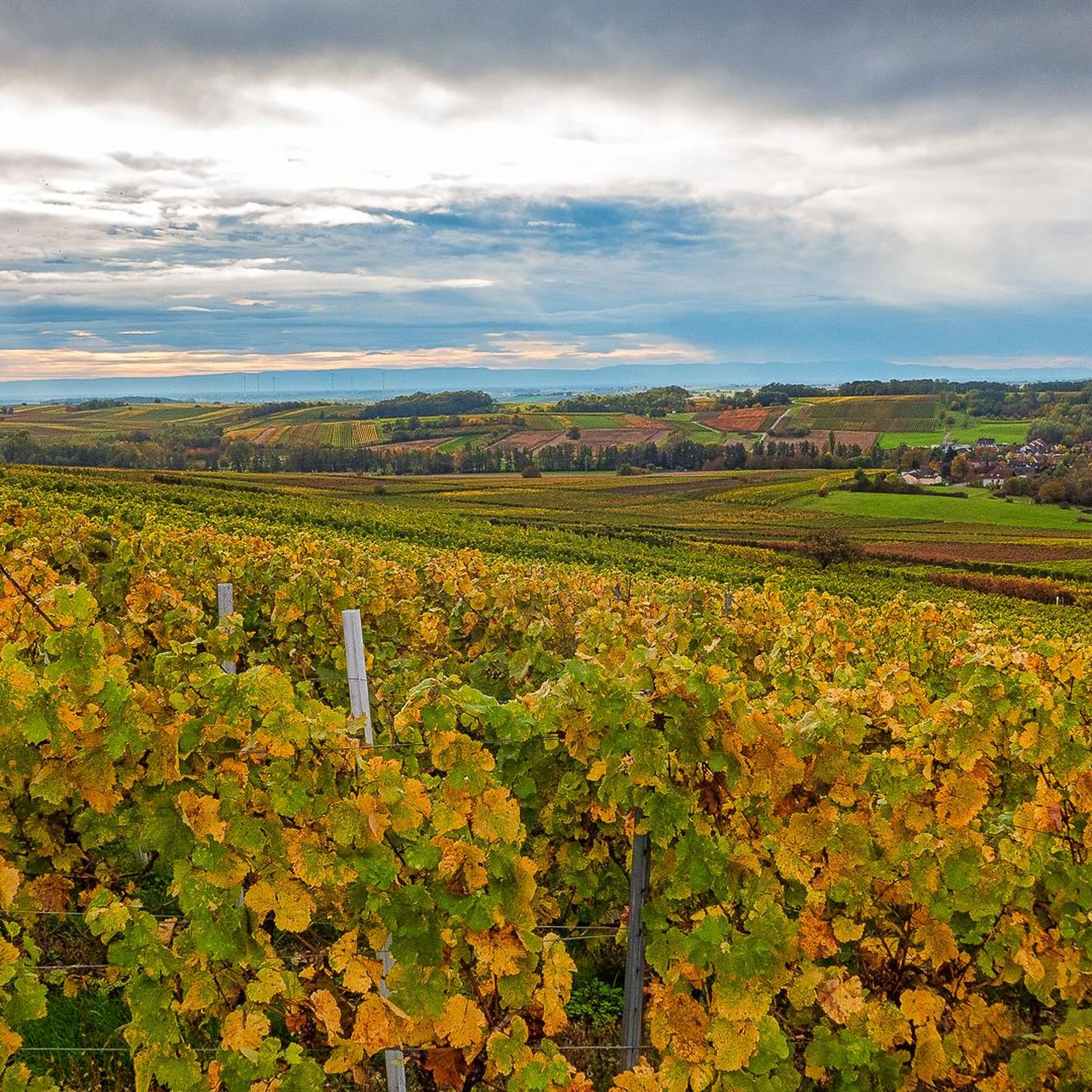
Road Cycling Routes around Klingenmünster
Gravel biking around Klingenmünster

Mountain Hikes around Klingenmünster


Tips from the Community

A brick shelter integrated into a rock face. Function? Hunting blind, bunker, or shelter?
0
0

The Rauhberg Tunnel is a somewhat unique tunnel on the Rauhberg, located between Hauenstein and Spirkelbach. The tunnel portals are very close together, perhaps only 40 meters apart. Despite this relatively short distance, two bends extend the effective tunnel length to perhaps 100 meters. The cross-section of the tunnel, including the portals' lining, is reminiscent of a railway tunnel, but is considerably narrower and lacks a slope at the base of the lining. The tunnel is only partially lined, with the aforementioned lining on one side, which quickly transitions on both sides into a roughly finished cavern without any further construction. Sections of the tunnel, particularly where it is lined, have a poured concrete slab, which is provided with a drainage ditch on the Spirkelbach side. The lining towards the Hauenstein portal is shorter and designed without a drainage ditch, as the tunnel floor drops by approximately two meters relatively shortly after the Hauenstein portal towards the beginning of the cavern. However, this depression is rugged.
0
0

Viewing rock and a small cave below.
0
0

You can find a list of knight stones here: https://de.m.wikipedia.org/wiki/Liste_der_Rittersteine
1
0

Further interesting information: https://www.kuladig.de/ Objektansicht/KLD-279015
1
1

The knight stone "Ehem. Bleierzgrube” (Ritterstein No. 29) is located south-east of Erlenbach in the Portzbach valley. The Ritterstein is located at the southern end of the Seehofweiher, near the former lead mine at Breitenberg and not far from Berwartstein Castle. Source: https://www.kuladig.de/Object-View/KLD-279015
1
0

You can go up the narrow crevice to a small cave
1
1
Nice rest area and shelter from rain and wind
0
0
Frequently Asked Questions
What types of caves can I explore around Klingenmünster?
The region around Klingenmünster offers a diverse range of subterranean experiences. You can find natural rock caves carved from red sandstone, unique formations resulting from ancient volcanic activity, and even man-made historical mining tunnels and military structures.
Which caves are particularly popular with visitors?
Visitors frequently enjoy the Prelate's Chamber, known for its narrow entrance leading to a dark chamber within a rock massif. Another popular spot is the rock chamber beneath the View of Waldhambach and the Palatinate Forest from Treutelskopf, which once served as a shelter. The Bench in cave, a natural rock overhang, is also appreciated for providing a dry resting place.
Are there any caves with historical significance in the area?
Yes, the region features several sites with historical importance. The Rauhberg Tunnel is a historical structure, possibly an anti-aircraft emplacement from the West Wall. Further afield, the Schlossberghöhlen in Homburg are Europe's largest red sandstone cave system, actually man-made medieval mining tunnels that also served as air-raid shelters and a Cold War bunker.
Can I visit caves that showcase unique geological formations?
Absolutely. The Bears' Cave near Rodalben is an impressive natural monument carved from red sandstone, featuring two caves, a spring, and a waterfall. The Elfengrotte near Bad Bertrich, also known as 'Cheese Grotto,' was formed by ancient basalt lava flows, creating distinctive shapes resembling stacked cheese wheels.
Are there family-friendly caves or grottoes to visit?
The Elfengrotte near Bad Bertrich is particularly family-friendly, offering a magical atmosphere and unique geological formations. It's situated along the 'HeimatSpur Spazierweg Elfengrotte,' a 2.4 km walking trail suitable for children. The Bears' Cave near Rodalben also offers an engaging experience for families with its two-tiered system, waterfall, and natural water treading facility.
What outdoor activities can I combine with a cave visit?
The area around Klingenmünster is excellent for outdoor activities. You can find numerous running trails, cycling routes, and mountain hikes. Many caves, like the Bears' Cave, are integrated into local hiking trails, offering panoramic views and opportunities for picnics.
Are there specific considerations for visiting caves in winter?
Yes, some caves, like the Rauhberg Tunnel, serve as important bat roosts for hibernation. It is crucial not to enter such tunnels from November to March to avoid disturbing the bats. Always check for local signage and respect wildlife protection guidelines.
What should I wear when exploring caves in the region?
Caves generally maintain a constant, cooler temperature, often around 10 degrees Celsius, regardless of the outside weather. It's advisable to wear layers of clothing, sturdy shoes with good grip, and bring a headlamp or flashlight, especially for darker or less developed cave systems. Helmets may be required for guided tours in some historical cave systems like the Schlossberghöhlen.
How long should I plan for a cave visit?
The duration of a visit varies depending on the cave. Smaller natural grottoes might only take 30 minutes to an hour to explore. Larger systems, especially those offering guided tours like the Schlossberghöhlen, can take 1 to 2 hours. If combining with hiking or other activities, plan for a half-day or full-day excursion.
Are there any caves that are easily accessible?
The Elfengrotte near Bad Bertrich is highly accessible, located directly along a 2.4 km walking trail suitable for children and families. While specific accessibility details for all caves are not available, many natural rock formations and viewpoints are often reached via well-maintained hiking paths.
What do visitors enjoy most about the caves around Klingenmünster?
Visitors particularly appreciate the blend of natural beauty and historical intrigue. The unique geological structures, like the red sandstone formations and volcanic basalt columns, are a highlight. The opportunity to explore historical sites, such as old mining tunnels, and the peaceful, sheltered spots like the Bench in cave, are also highly valued.
Where can I find parking when visiting these caves?
While specific parking details for every cave are not provided, most popular natural attractions and trailheads in the region, including those leading to caves, typically have designated parking areas nearby. It's recommended to check local signage or online resources for specific parking information for your chosen destination.
Most popular routes around Klingenmünster
Most popular attractions around Klingenmünster

Get inspired with the komoot mobile app


Explore more
Extend your search for the best caves by checking out these guides of the top ones around Klingenmünster:
