Top 5 Caves around Hohen-Sülzen
Best caves around Hohen-Sülzen are found within a region characterized by gentle hills and vineyards, typical of the Rheinhessen landscape. While Hohen-Sülzen itself is known for historical buildings and hiking trails, the broader area offers a few notable natural and man-made underground formations. These sites provide insight into local geology and historical uses of natural features. Visitors exploring natural attractions around Hohen-Sülzen can discover unique grottoes and prehistoric dwelling sites.
Best caves around Hohen-Sülzen
- The most popular caves is Ritterstein…
Last updated: June 27, 2026
Ritterstein No. 293: Hohfels Prehistoric Dwelling Cave
Highlight • Cave
Translated by Google •
Tip by

Amor Grotto
Highlight • Cave
Translated by Google •
Tip by

Sign up now to discover places like this
Get recommendations on the best single tracks, peaks, & plenty of other exciting outdoor places.
Sign up for free
Prehistoric cave in the Hohfels (CLOSED)
Highlight • Cave
Translated by Google •
Tip by

Karst Cave Natural Monument
Highlight • Cave
Translated by Google •
Tip by

Grotto in the City Park
Highlight • Structure
Translated by Google •
Tip by

Sign up for free to discover even more caves around Hohen-Sülzen.
Sign up for free
Already have an account?
Start today with a free account
Your next adventure awaits.
Login or Signup
Tips from the Community

There are several warning signs Danger to life... Danger of collapse
0
0

Very impressive And well described by @Herbert Picker!
1
0

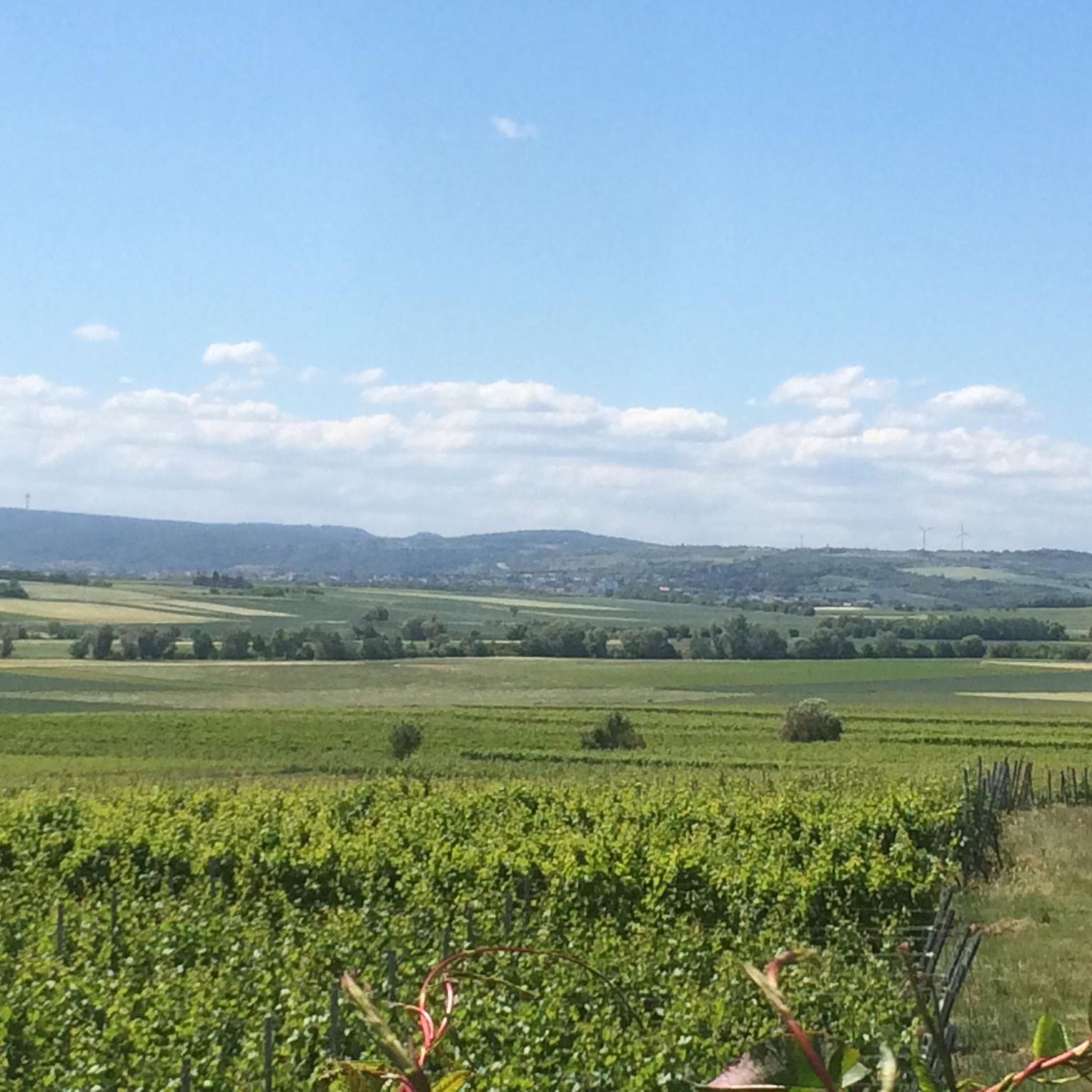
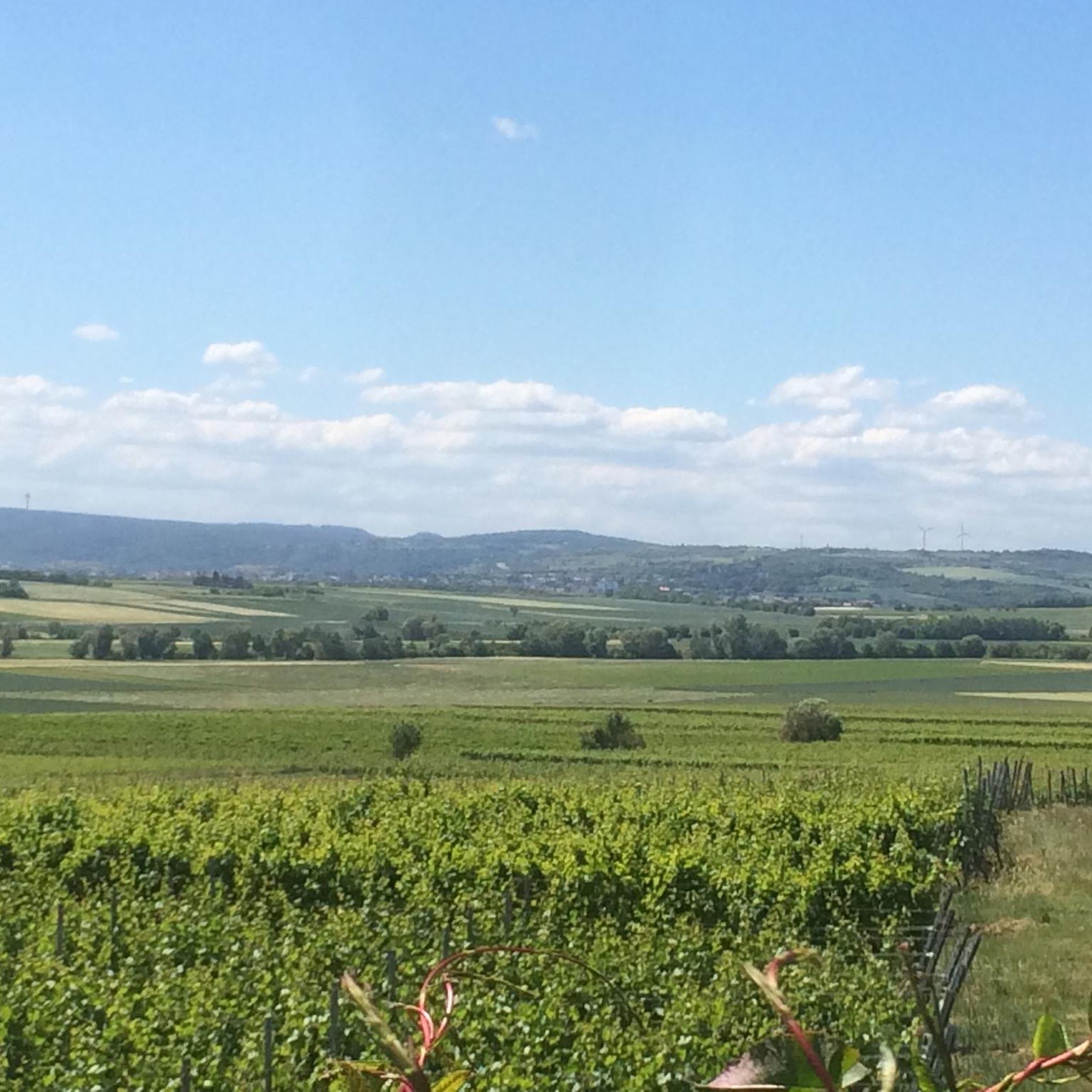
I liked the view of Asselheim from the Ritterstein
0
0

You can find a list of knight stones here: https://de.m.wikipedia.org/wiki/Liste_der_Rittersteine
1
0

A special structural feature in the city park is the artificially created two-arched grotto made of shell limestone. It was built in 1893 from stalactite formations from Greußen in Thuringia. If the weather is bad you can also sit here in the dry
5
0

At first you only see the figure of Cupid. If you walk around it, the hidden grotto opens up.
1
0

The water smells very ferrous and the color of the border also indicates a high iron content. Otherwise, a beautifully designed spring grotto with a few seats and pleasantly cool on hot days.
2
0

Interesting little cave, building instructions from nature for building the vault
0
0
Frequently Asked Questions
What types of caves can I explore around Hohen-Sülzen?
The region around Hohen-Sülzen offers a mix of natural karst caves, prehistoric dwelling sites, and man-made grottoes. These include natural rock shelters and constructed spring grottoes, providing insight into local geology and historical uses of natural features.
Are there any historical or archaeological cave sites near Hohen-Sülzen?
Yes, the Ritterstein No. 293: Hohfels Prehistoric Dwelling Cave is a significant historical site. It's a tertiary limestone reef with an open cave where wild animal bones and artifacts suggest human dwelling in the high Middle Ages.
Are there family-friendly caves or grottoes to visit around Hohen-Sülzen?
Absolutely. The Amor Grotto is a family-friendly natural and man-made monument. It captures a spring and features a Cupid figure, with local legends surrounding its connection to the desire for children. The Grotto in the City Park and Fox Cave are also considered family-friendly.
What is the Karst Cave Natural Monument known for?
The Karst Cave Natural Monument is an interesting natural cave located within a nature reserve between Bockenheim and Asselheim. It is appreciated for its natural beauty and unique geological formations.
What outdoor activities can I do near the caves around Hohen-Sülzen?
Beyond exploring caves, the region offers various outdoor activities. You can find numerous running trails, cycling routes, and gravel biking paths that showcase the gentle hills and vineyards of the Rheinhessen landscape.
Are there any challenging cave explorations in the area?
The Ritterstein No. 293: Hohfels Prehistoric Dwelling Cave is categorized as challenging. Getting to the karstified cave can be difficult due to strong shrub growth, and visiting the altitude is not easy due to a risk of collapse. It's recommended for experienced explorers.
What are the geological features of the caves around Hohen-Sülzen?
The caves in this region often feature tertiary limestone reefs, indicative of the area's geological history. The Karst Cave Natural Monument, for instance, is a natural karst cave known for its geological formations.
What do visitors say about the caves around Hohen-Sülzen?
The komoot community appreciates the variety of underground formations. Highlights like the Amor Grotto are praised for their unique charm and historical context, while the Grotto in the City Park is noted for its impressive artificial structure and being a good spot even in bad weather.
Is there a grotto in a city park nearby?
Yes, the Grotto in the City Park is a special structural feature. It's an artificially created two-arched grotto made of shell limestone, built in 1893 from stalactite formations.
Are there any caves with local legends or unique stories?
The Amor Grotto is associated with legends relating to the desire for children, stemming from its Cupid figure and spring. The Fox Cave also sparks imagination, with visitors enjoying the story of foxes residing there.
What is the best way to find these caves and grottoes?
Many of these sites, such as the Ritterstein No. 293: Hohfels Prehistoric Dwelling Cave, are marked by local trails or Rittersteine (knight stones) on wine trails. Following these paths and using detailed maps can help you locate them.
Most popular routes around Hohen-Sülzen
Most popular attractions around Hohen-Sülzen

Get inspired with the komoot mobile app


Explore more
Extend your search for the best caves by checking out these guides of the top ones around Hohen-Sülzen:
