Top 4 Castles around Vendersheim
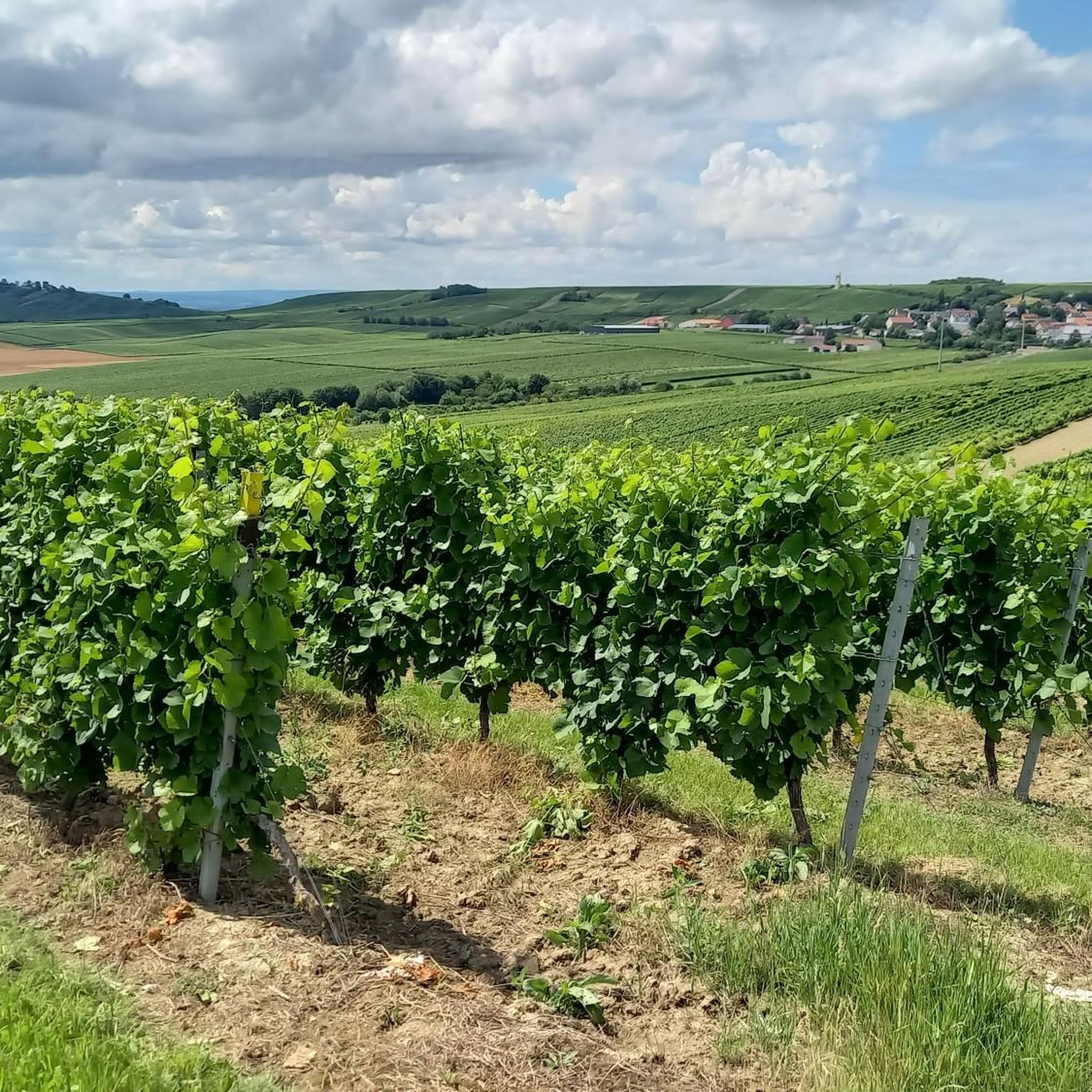
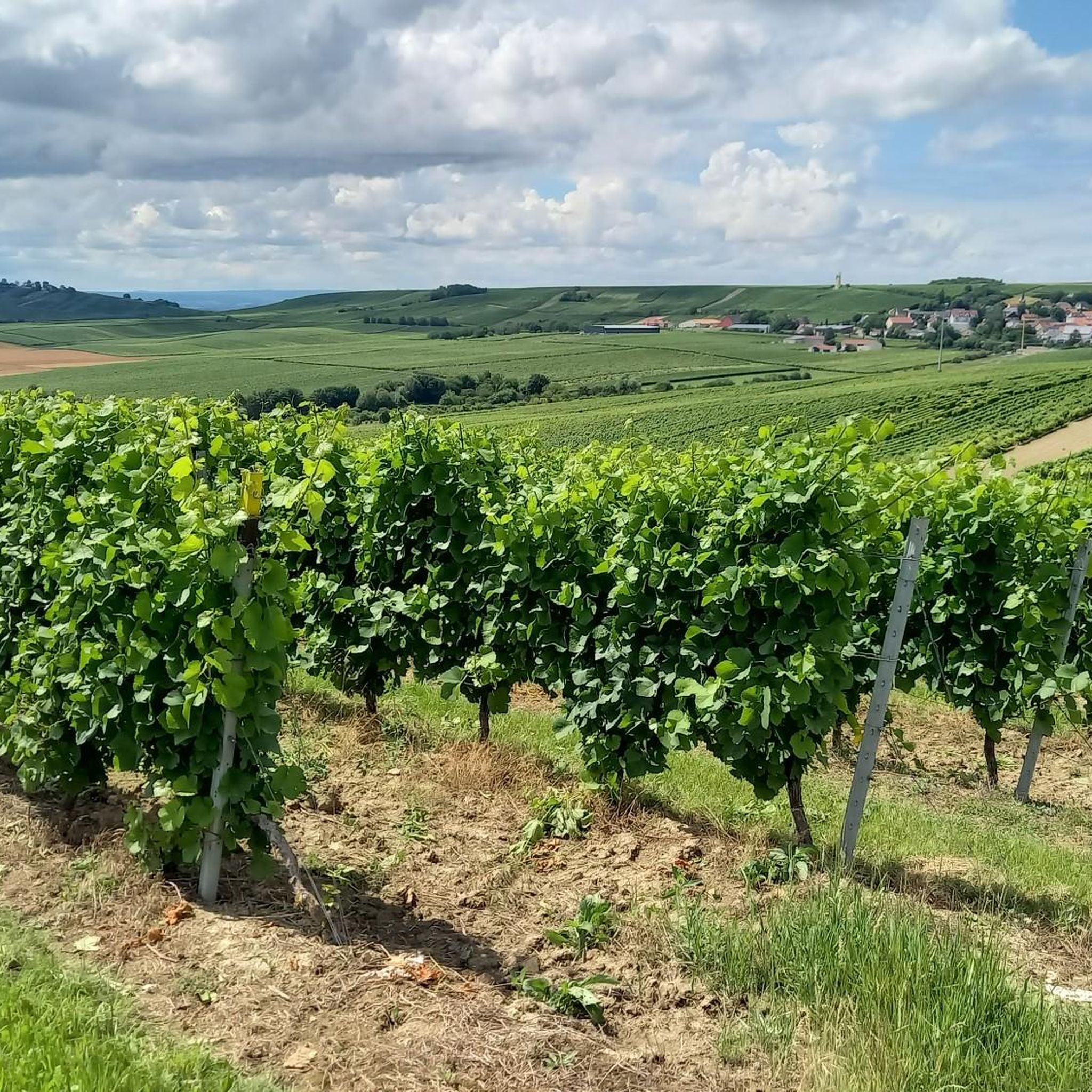
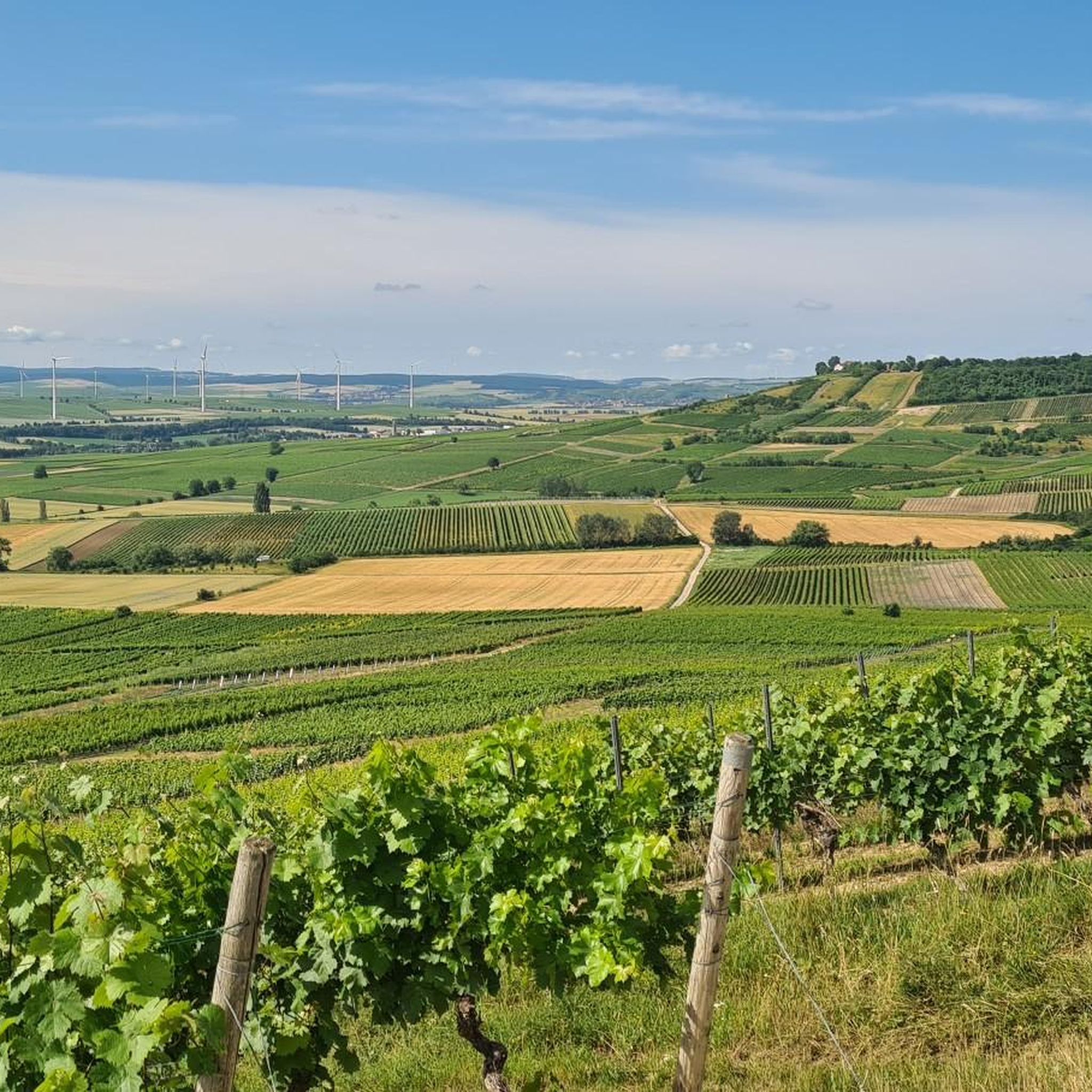
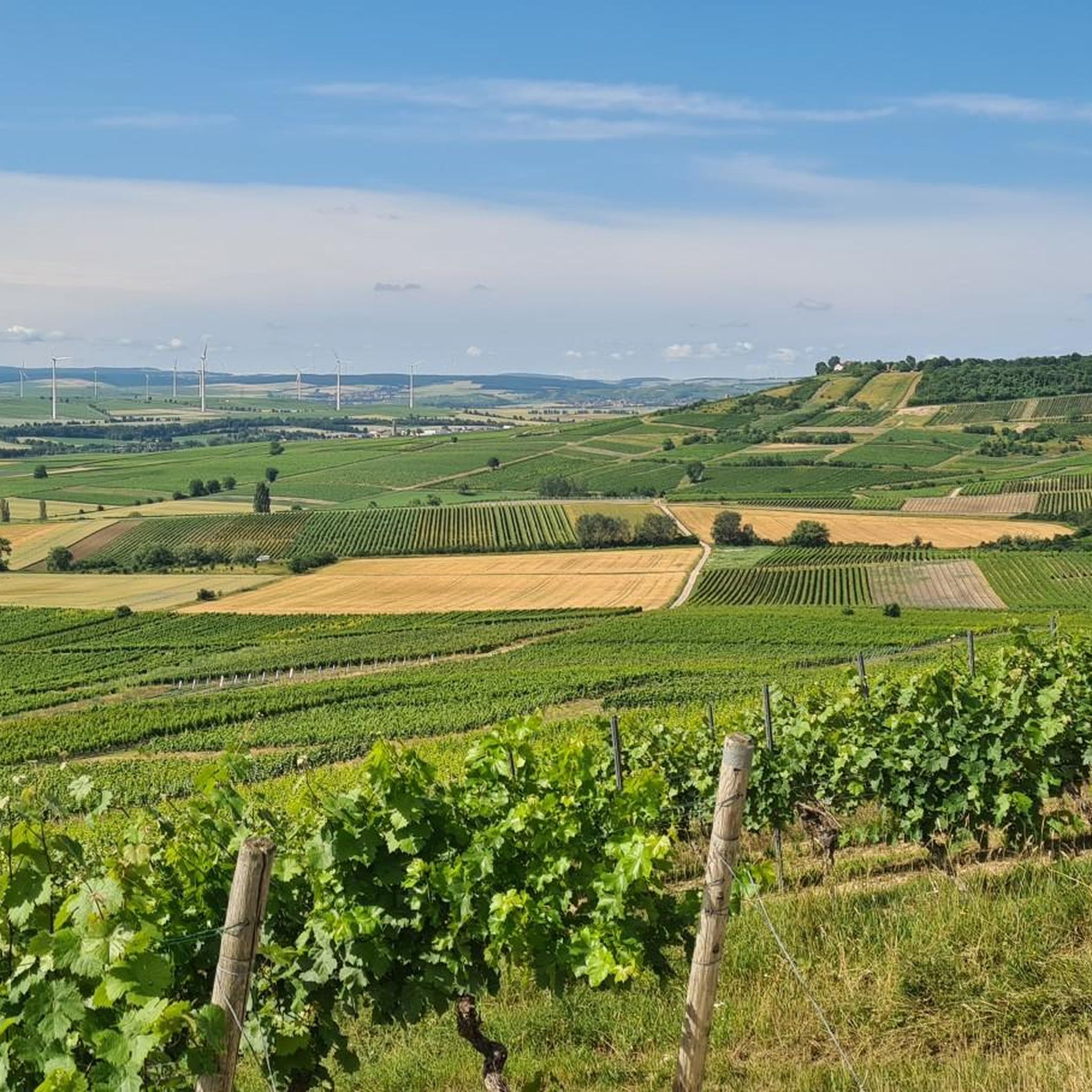
Castles around Vendersheim are located within the Rheinhessen region, an area known for its historical settlement, Roman-era wine cultivation, and picturesque village atmosphere. Vendersheim itself is characterized by its setting on the slopes of the Sonnenberg, providing views over the Palatinate uplands. The region offers a blend of historical structures and natural features for exploration. This area is popular for hiking and cycling, with trails offering expansive vistas.
Best castles around Vendersheim
- The most popular castles is Ruins of the…
Last updated: June 27, 2026
Ruins of the Eleven-Thousand Maidens Tower
Highlight • Historical Site
Showing Translation
Tip by

Westerhaus Castle
Highlight • Castle
Translated by Google •
Tip by

Sign up now to discover places like this
Get recommendations on the best single tracks, peaks, & plenty of other exciting outdoor places.
Sign up for free
Sörgenlocher Schlösschen
Highlight • Monument
Translated by Google •
Tip by

Wallbrunn Castle
Highlight • Castle
Translated by Google •
Tip by
Bingen Highlights: Mäuseturm, Burg Klopp, and Rochusberg
Highlight (Segment) • Historical Site
The attractive landscape continues from Bingen. Bingen has many sights such as the Mouse Tower, Klopp …
Translated by Google •
Tip by

Sign up for free to discover even more castles around Vendersheim.
Sign up for free
Already have an account?
Start today with a free account
Your next adventure awaits.
Login or Signup
Tips from the Community

The owners were the Barons von Wallbrunn and von Wambold, who were able to continue their originally rich, knightly rule together until the end of the 18th century, when the French occupied the left bank of the Rhine. The seat of power of the von Wallbrunns was Wallbrunn Castle, which was located below the fortified church. It was built in 1459 AD and is said to have been connected to the church by underground passages. The church was built in 1190 AD and burned down in 1435 AD. After its reconstruction, it became a place of pilgrimage for many believers, because the fire had spared the monstrance with the hosts - after such great destruction, this was nothing short of a miracle! The original, old stained glass windows and the altar of the church can be viewed in the museum in Darmstadt. From 1467 to 1790 AD, the von Wallbrunns were uninterrupted rulers of Partenheim. However, during the French Revolution, the German nobility was expelled from the left bank of the Rhine, and Partenheim also fell victim to the French occupation. The widow of the last Baron von Wallbrunn, however, put up with the French rule and was able to save the property and the castle. She died in 1832 at the age of 82, and her son also died a few years later. With his death in 1838, the family died out, and the property passed to three Partenheim citizens. Source: Schlossgut Deutschmann
1
0

Wallbrunn was probably built in the 14th century and has been rebuilt and expanded several times since then. Kuno von Wallbrunn zu Partenheim is said to have taken over major ownership rights in the village as early as 1493. In the 16th century, Hans Reinhard I von Wallbrunn lived permanently in Partenheim and is said to have played a major role in the reconstruction of the castle. This gave the building a Renaissance and Baroque influence. In 1834, the merchant Georg Dael took over the castle and sold it on just one year later to three families who still own the property today. (Source: https://www.partenheim.de/index.php/tourismus/ortsrundgang/ehemaliges-schloss-der-herren-von-wallbrunn ) The castle is not open to the public.
1
0
The former country hotel has become a retirement home
3
0

On the archway of Sörgenloch Castle is the coat of arms of Barons Köth von Wanscheid from the 18th century. The history of Sörgenloch Castle goes back to the 12th century. At that time, the place was owned by the St. Alban Monastery in Mainz and was more of an estate with a few residential buildings than a real town as we know it today. The estate's task was to supply the monastery with food and money through the so-called "tithe". However, it is unknown who managed the estate on behalf of the monastery. The place attracted attention around the same time that Sörgenloch Castle was built. At that time, coins and vessels from the Iron Age and antiquity were found. The Celts and the Romans had also already settled here. The place around Sörgenloch Castle gained economic importance as an important place of pilgrimage in the 17th century. The money of the pilgrims who came to visit was also responsible for the fact that a simple manor house could be turned into the castle we see today a good 100 years later. The small Renaissance-style castle was built by the Köth-Wanscheid family, who ruled the town in the 18th century. Sörgenloch Castle is no longer owned by the local lords, but is run privately as a restaurant. Also part of the castle, but now independent, are the Catholic rectory and a second, former castle.
1
0

The owners were the Barons von Wallbrunn and von Wambold, who were able to jointly continue their originally knightly rule until the end of the 18th century, when the French occupied the left bank of the Rhine. The seat of power for the von Wallbrunns was Wallbrunn Castle, which was located below the fortified church. It was built in 1459 AD and is said to have once been connected to the church by underground passages. The church was built in 1190 AD and burned down in 1435 AD. After its reconstruction, it became a place of pilgrimage for many believers, because the fire had spared the monstrance with the hosts - after such great destruction, this was nothing short of a miracle! The original, old stained glass windows and the altar of the church can be viewed in the museum in Darmstadt. From 1467 to 1790 AD, the von Wallbrunns were rulers of Partenheim without interruption. During the French Revolution, however, the German nobility was expelled from the left bank of the Rhine, and Partenheim also fell victim to the French occupation. However, the widow of the last Baron von Wallbrunn put up with the rule of the French and was able to save the property and the castle. She died in 1832 at the age of 82, and her son also died a few years later. With his death in 1838, the family died out and the property passed to three Partenheim citizens. Source: Schlossgut Deutschmann
1
0
Partenheim, a municipality with a rich historical tradition, has a remarkable and magnificent castle in the municipality of Wörrstadt next to Armsheim. Already under the Merovingians the place came to the Metz and Trier church and already in the year 863 Partenheim is attested as a bishopric of Metz. In 1158, Archbishop Hillin von Trier gave parts of the Partenheim estate to the Worms cathedral chapter in order to acquire Nassau Castle (Lahn). https://www.partenheim.de/index.php/tourismus/gebaeude/schloss-wallbrunn
2
0

The customs tower was built around the year 1000 as a pass barrier on the road between Mainz and Bad Kreuznach! The name goes back to a legend of Saint Ursula of Cologne! On her way back from a pilgrimage to Rome, she crossed the Selz here with her entourage of 11,000 virgins. In the hope that another 11,000 virgins would follow the same path, the Schnorressänger from Elsheim took over the sponsorship in 2006.
3
1
From here, you have a magnificent view in both directions, into the Selz Valley and to the north as far as the Rhine and the Rheingau. The current building complex dates from the late 18th to the 20th century. Henn suggests that a Roman estate, a villa rustica, may well have stood on this site, even though no archaeological traces of it have yet been found. Source: http://www.ingelheimer-geschichte.de/index.php?id=404
1
0
Frequently Asked Questions
What types of castles can I explore around Vendersheim?
The area around Vendersheim offers a variety of historical structures, from medieval roadblocks and fortified gatehouses to romantic castles and Renaissance-style estates. You can visit sites like the Ruins of the Eleven-Thousand Maidens Tower, a late medieval roadblock, or the picturesque Westerhaus Castle with its vineyards.
Are there any castles near Vendersheim that are family-friendly?
Yes, both the Ruins of the Eleven-Thousand Maidens Tower and Westerhaus Castle are considered family-friendly. The Ruins offer an interesting historical legend, while Westerhaus Castle provides a scenic viewpoint and vineyards that can be enjoyed by families.
Can I visit castles that offer panoramic views?
Absolutely. Westerhaus Castle is known for its romantic setting and offers great views. Additionally, the broader Rheinhessen region, including areas around Vendersheim, is characterized by its picturesque landscapes and vineyard towers like the Vendersheimer Weinbergsturm, which provide expansive vistas over the Palatinate uplands.
What historical significance do the castles around Vendersheim hold?
The castles and historical sites in the region reflect a rich past. For instance, the Ruins of the Eleven-Thousand Maidens Tower served as a late medieval roadblock, steeped in the legend of Saint Ursula. Sörgenlocher Schlösschen has a history dating back to the 12th century, evolving from an estate to a Renaissance-style castle.
Are there any castles near Vendersheim that are open to the public for tours or dining?
While some castles are privately owned, Sörgenlocher Schlösschen operates as a private restaurant, offering a unique dining experience in a historical setting. Westerhaus Castle, known for its vineyards, offers wine tastings by prior arrangement, and on Saturdays from October to December.
What outdoor activities can I do near the castles around Vendersheim?
The area around Vendersheim is popular for various outdoor activities. You can find numerous routes for gravel biking, running, and road cycling. For example, explore gravel biking trails like the 'View of Donnersberg – Cuckoo Tower' or road cycling routes such as 'Flonheim – Tiefenthaler Höfchen loop'. You can find more details on these activities in the Gravel biking around Vendersheim, Running Trails around Vendersheim, and Road Cycling Routes around Vendersheim guides.
Are there hiking opportunities near the castles?
Yes, the region offers excellent hiking opportunities. The Vendersheimer Weinbergsturm, for instance, is located along the Rheinhessischer Jakobs-Pilgerweg (Rhine-Hessian St. James Pilgrimage Route), providing scenic walks with panoramic views. Many trails offer vistas over the Palatinate uplands and beyond. You can find running trails, which are also suitable for hiking, in the Running Trails around Vendersheim guide.
What other historical sites are there in the Vendersheim area besides castles?
Beyond castles, Vendersheim and its surroundings boast other significant historical sites. These include the 18th-century Martinskirche (St. Martin's Church) with its valuable carvings, and the Evangelical Church, which was transformed into a multi-functional church. The area also has archaeological finds from the Stone Age, Bronze Age, and Iron Age, and was home to a Roman rural settlement.
What is the best time of year to visit the castles and explore the region?
The Rheinhessen region, known for its vineyards, is particularly beautiful during the warmer months, from spring through autumn, when the landscape is lush and ideal for hiking and cycling. This period also allows for comfortable exploration of the outdoor castle ruins and viewpoints. Wine tasting opportunities at places like Westerhaus Castle are available from October to December.
Are there any castles that are not open to the public?
Yes, Wallbrunn Castle in Partenheim, while historically significant, is not open to the public as it is privately owned.
What can I expect from the terrain and views when visiting the Vendersheim area?
Vendersheim is situated on the slopes of the Sonnenberg, offering a picturesque setting. The terrain includes rolling hills and vineyards, providing expansive views over the Palatinate uplands, the Taunus, and even as far as Frankfurt on clear days. Many trails and castle viewpoints capitalize on these scenic landscapes.
Most popular routes around Vendersheim
Most popular attractions around Vendersheim

Get inspired with the komoot mobile app


Explore more
Looking for the best castles somewhere else? Discover other guides around Vendersheim:
