Top 5 Gorges around Appenheim
Best canyons around Appenheim are primarily characterized by unique geological formations known as hollow ways and ravines, rather than traditional deep canyons. This region, part of the scenic Rheinhessen landscape, is well-known for its extensive hiking trails and vineyards. The "canyons" here are often ancient paths carved deep into the loess soil by centuries of water erosion and human activity. Visitors can explore diverse natural landscapes and historical routes within these distinctive formations.
Best canyons around Appenheim
- The most popular…
Last updated: June 27, 2026
Hollow path in the Hangflächen nature reserve
Highlight (Segment) • Gorge
Translated by Google •
Tip by

Devil's Gorge (Gau-Algesheim)
Highlight (Segment) • Gorge
Translated by Google •
Tip by

Sign up now to discover places like this
Get recommendations on the best single tracks, peaks, & plenty of other exciting outdoor places.
Sign up for free
Legendary Hollow Way (Sagenhafter Grabenweg)
Highlight • Trail
Translated by Google •
Tip by

Descent through Trollbachtal
Highlight (Segment) • Gorge
Translated by Google •
Tip by

Müheweg – Old Roman Road Between Bingen and Weiler
Highlight (Segment) • Trail
Showing Translation
Tip by

Start today with a free account
Your next adventure awaits.
Login or Signup

Tips from the Community

The exact route of the former Roman road Ausoniusweg cannot be reconstructed, as the Roman road network has been almost completely built over in the course of the centuries. Nevertheless, one can imagine the approximate course by taking relics of Roman buildings, old road routes and old map material as reference and orientation points. The Ausoniusweg, also called Via Ausonia, began in Bingen on the Rhine, led over the high plateau of the Hunsrück and ended in the Roman city of Trier on the Moselle. This connection served the inhabitants of the region as a trade and war route until modern times. Today, the route has been developed as a hiking trail, which is maintained by the Hunsrückverein.
1
0

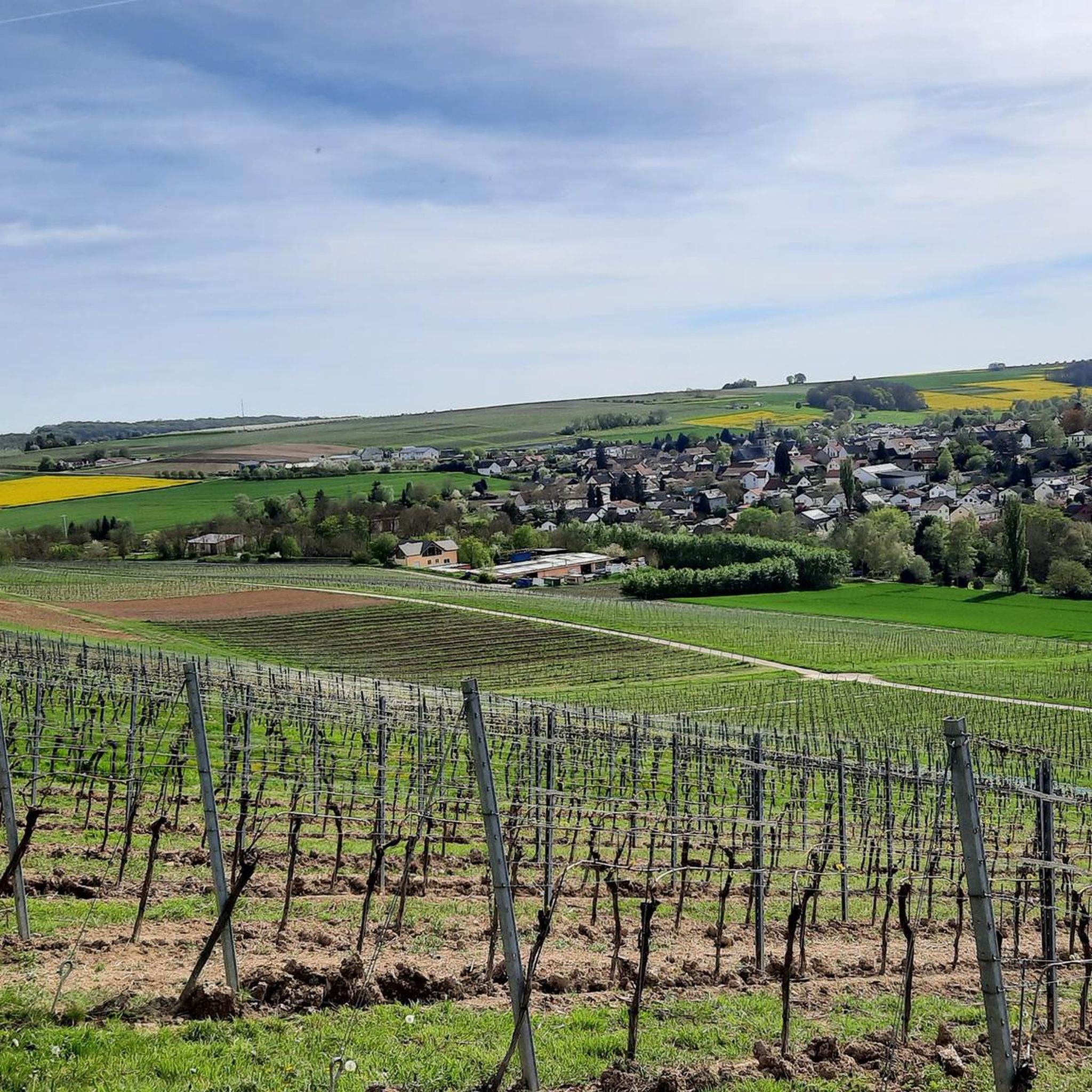
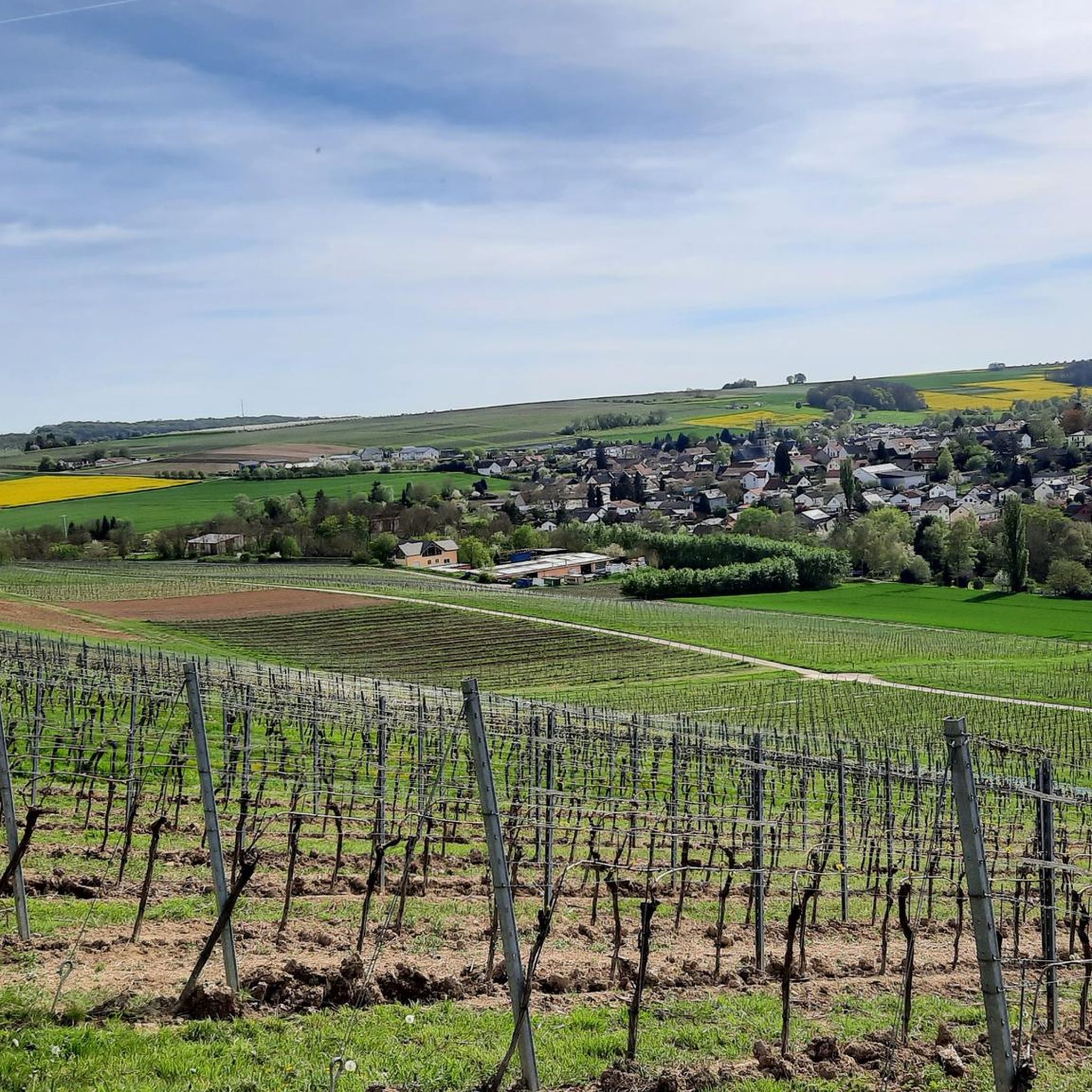
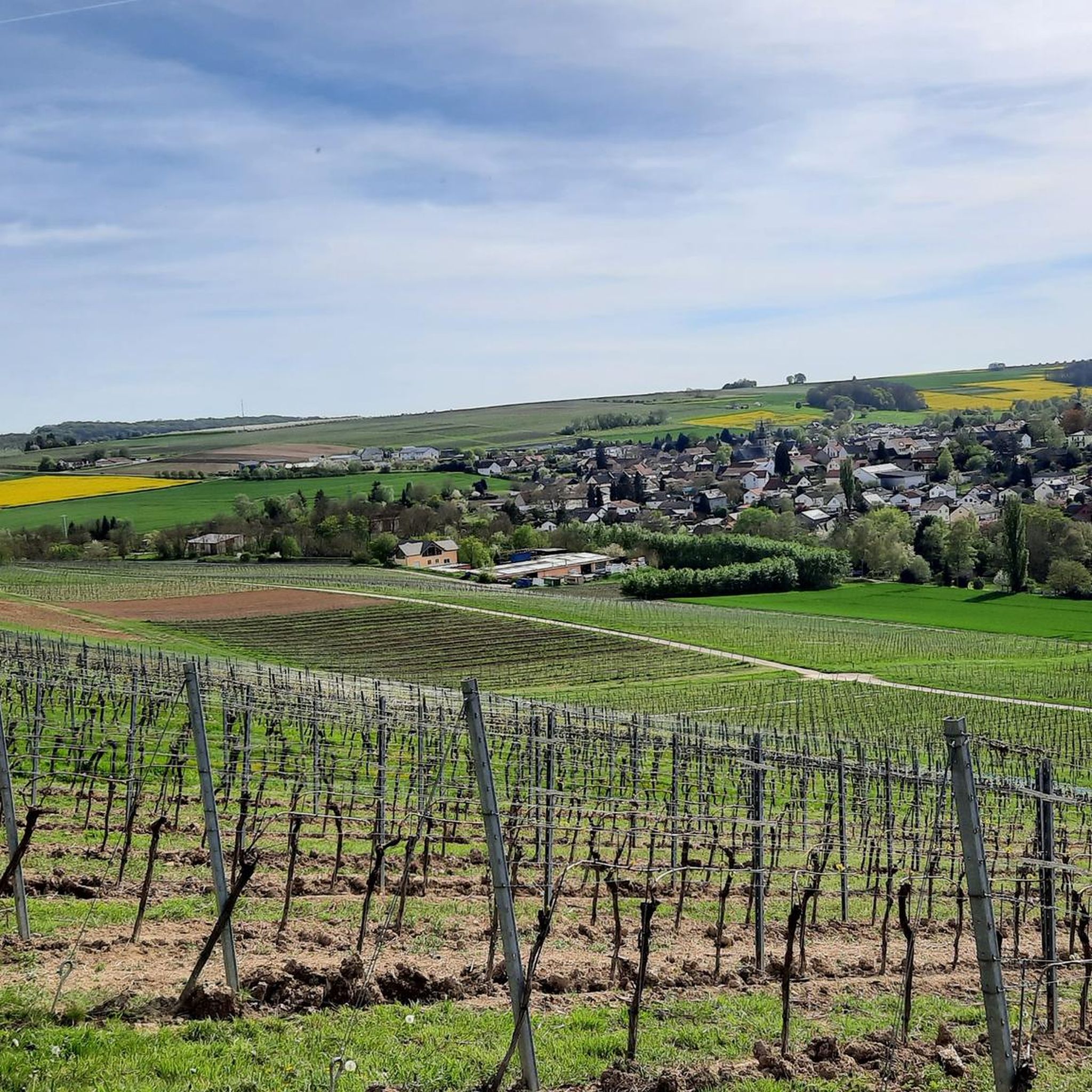
The Hangflächen nature reserve features impressive hollow ways that have been carved deep into the soft soil over many years by rain and cart traffic. Today, these shady paths, some several meters deep, lead through a diverse landscape of dry grasslands, sandy soils, and orchards amidst the hilly landscape of Rhenish Hesse.
0
0

There is not much left of the old Roman road, but the drive along the gorge is very beautiful. 'Müheweg' - the name says it all! In places it is quite steep.
0
0

These ravines have a loess soil, up to 15 meters of sand has been deposited here.
0
0
A ravine is a path that has cut up to 10 meters deep into the surrounding terrain through centuries of use by carts and cattle as well as rainwater runoff. Wikipedia
1
0
A ravine is a path that has cut up to 10 meters deep into the surrounding terrain through centuries of use by carts and cattle as well as rainwater runoff. Wikipedia
1
0

Old waterworks as an event location
0
0
Old Waterworks is now an event location
0
0
Frequently Asked Questions
What kind of 'canyons' can I expect to find around Appenheim?
The 'canyons' around Appenheim are unique geological formations known as hollow ways and ravines, rather than traditional deep canyons. These are often ancient paths carved deep into the loess soil by centuries of water erosion and human activity, offering distinctive natural and historical routes.
What are some of the most notable hollow ways and ravines in the Appenheim area?
You can explore several distinctive formations. The Devil's Gorge (Gau-Algesheim) is known for its narrow, green-tunneled gully with loose stones, offering a challenging experience. The Hollow path in the Hangflächen nature reserve features impressive, shady paths carved deep into soft loess soil, leading through diverse landscapes of dry grasslands and orchards. Another scenic option is the Descent through Trollbachtal, which provides a pleasant route from Waldalgesheim.
Are there any historical features within these hollow ways?
Yes, some of these formations have historical significance. For instance, the Müheweg – Old Roman Road Between Bingen and Weiler is a challenging route that follows the approximate course of a former Roman road, offering a glimpse into ancient trade and war routes, though little of the original road remains.
What are the typical natural features found along these hollow ways?
The hollow ways and ravines around Appenheim are characterized by their deep cuts into loess soil, some several meters deep. They often create shady paths and lead through diverse landscapes including dry grasslands, sandy soils, and orchards. The Hollow path in the Hangflächen nature reserve is a prime example, showcasing these varied natural settings.
What is the best time of year to visit the hollow ways and ravines around Appenheim?
The region's hiking trails and natural landscapes are generally enjoyable throughout the warmer months. Spring and autumn offer pleasant temperatures and beautiful scenery, with vineyards in bloom or displaying vibrant fall colors. The shady paths within the hollow ways can provide relief during hotter summer days.
Are there family-friendly options for exploring the hollow ways?
While specific 'family-friendly' designations aren't provided for individual hollow ways, many of the region's hiking paths are suitable for various skill levels. The Descent through Trollbachtal is described as a pleasant route, which might be suitable for families. Always check the difficulty and terrain before heading out with children.
What other outdoor activities can I do near the Appenheim canyons?
Beyond exploring the hollow ways, Appenheim offers a variety of outdoor activities. You can find numerous road cycling routes, such as the 'Bacharach Old Town – Bacharach on the Rhine loop from Gau-Algesheim'. For mountain biking, explore MTB trails like the 'Luckyranch Alpaca Farm – View of Appenheim Church loop from Aspisheim'. There are also many running trails, including the 'Westerhaus Castle – Westerberg Trail loop from Appenheim'.
What do visitors enjoy most about the hollow ways and ravines in this region?
Visitors appreciate the unique character of these formations, which offer a blend of natural beauty and historical intrigue. The shady paths, diverse landscapes, and the sense of exploring ancient routes are frequently highlighted. The Devil's Gorge is particularly enjoyed for its challenging and unique 'green tunnel' experience.
Are there any challenging routes among the hollow ways?
Yes, for those seeking a challenge, the Devil's Gorge (Gau-Algesheim) is described as a challenging experience, especially when heading uphill through its gully of loose stones. The Müheweg – Old Roman Road Between Bingen and Weiler is also noted for being quite steep in places.
Are there any unique historical attractions nearby that are not natural canyons?
Yes, for a unique historical experience, the nearby town of Oppenheim boasts the 'Oppenheimer Underground'. This extensive system of cellars and corridors, built between the 12th and 17th centuries, offers a distinctive historical and cultural exploration, though it is not a natural canyon.
What is the geological composition of these hollow ways?
The hollow ways are primarily carved into loess soil, which is a fine, silty sediment. This soft soil, often deposited up to 15 meters deep, has allowed centuries of water erosion and human activity to create the deep, distinctive paths seen today, such as those in the Hangflächen nature reserve.
Are there any specific tips for hiking the Legendary Hollow Way?
The Legendary Hollow Way (Sagenhafter Grabenweg) is known for being super nice and shady, which can be a welcome feature on sunny days. However, visitors should be aware that there can be many insects along this route.
Most popular routes around Appenheim
Most popular attractions around Appenheim

Get inspired with the komoot mobile app


Explore more
Already discovered everything in this region? See additional gorges around Appenheim for your next adventure:
