Top 6 Castles around Laufersweiler
Best castles around Laufersweiler are found within the Hunsrück region, an area characterized by its forested hills and river valleys. This landscape provides a historical backdrop for various fortifications and settlements. The region offers opportunities to explore historical sites and natural surroundings. Laufersweiler serves as a starting point for discovering these structures in the wider Hunsrück area.
Best castles around Laufersweiler
- The most popular castles is Schmidtburg Castle Ruins, a castle that offers an official trekking campsite within its…
Last updated: October 13, 2026
Schmidtburg Castle Ruins
Highlight • Castle
Translated by Google •
Tip by

Hellkirch Ruins
Highlight • Historical Site
Translated by Google •
Tip by

Sign up now to discover places like this
Get recommendations on the best single tracks, peaks, & plenty of other exciting outdoor places.
View of Schmidtburg Castle ruins
Highlight • Viewpoint
Translated by Google •
Tip by
Celtic Settlement Altburg
Highlight • Historical Site
Opening hours:
Easter until 31st of October, daily from 11.00 - 16.00, without break
Guided tours several times a day.
Further information is available from the local community Bundenbach, Tel .: 06544 - 92 72
sgoerner.de/bundenbach/keltensiedlung.html
Translated by Google •
Tip by

View of the Schmidtburg
Highlight • Viewpoint
Translated by Google •
Tip by

Sign up for free to discover even more castles around Laufersweiler.
Already have an account?
Start today with a free account
Your next adventure awaits.
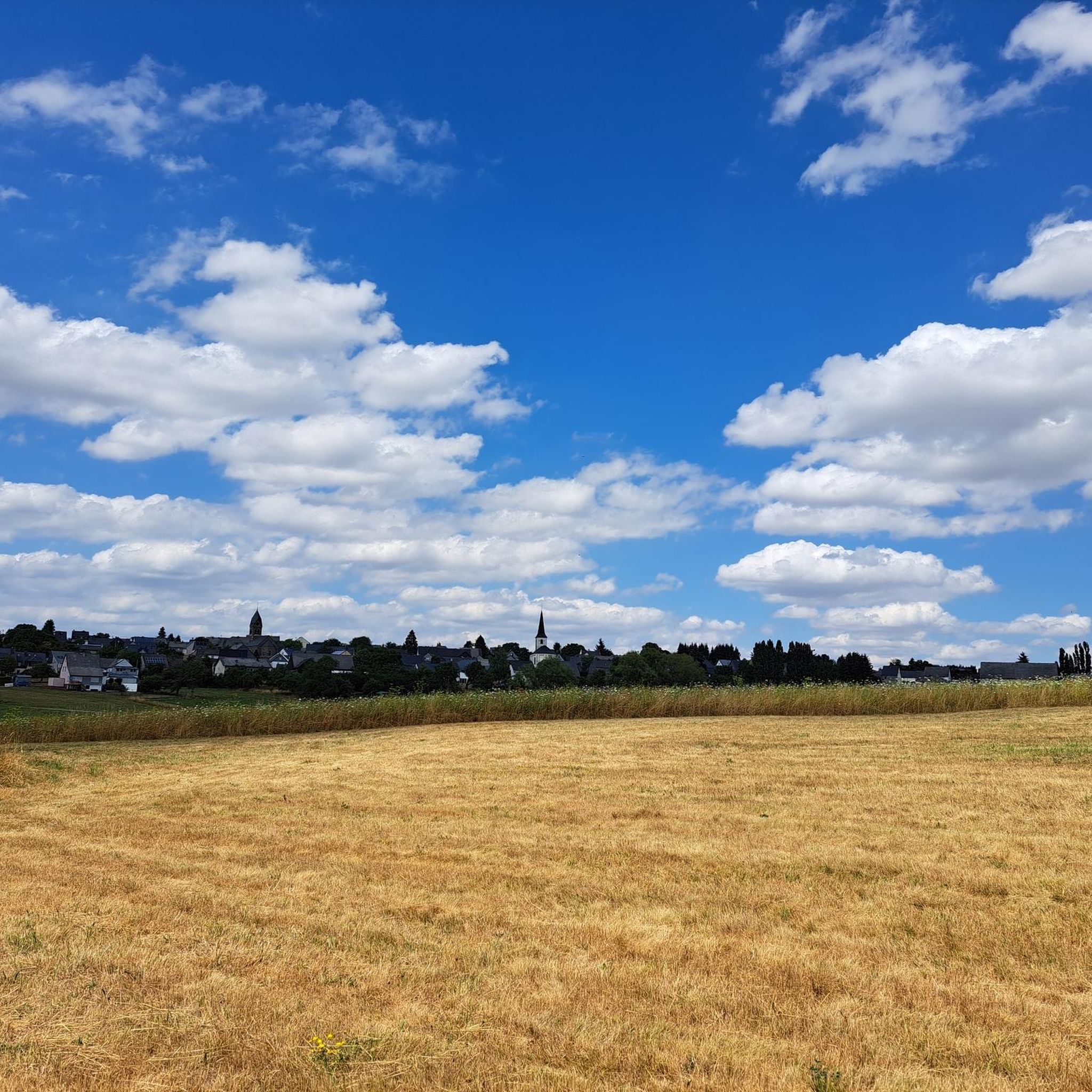
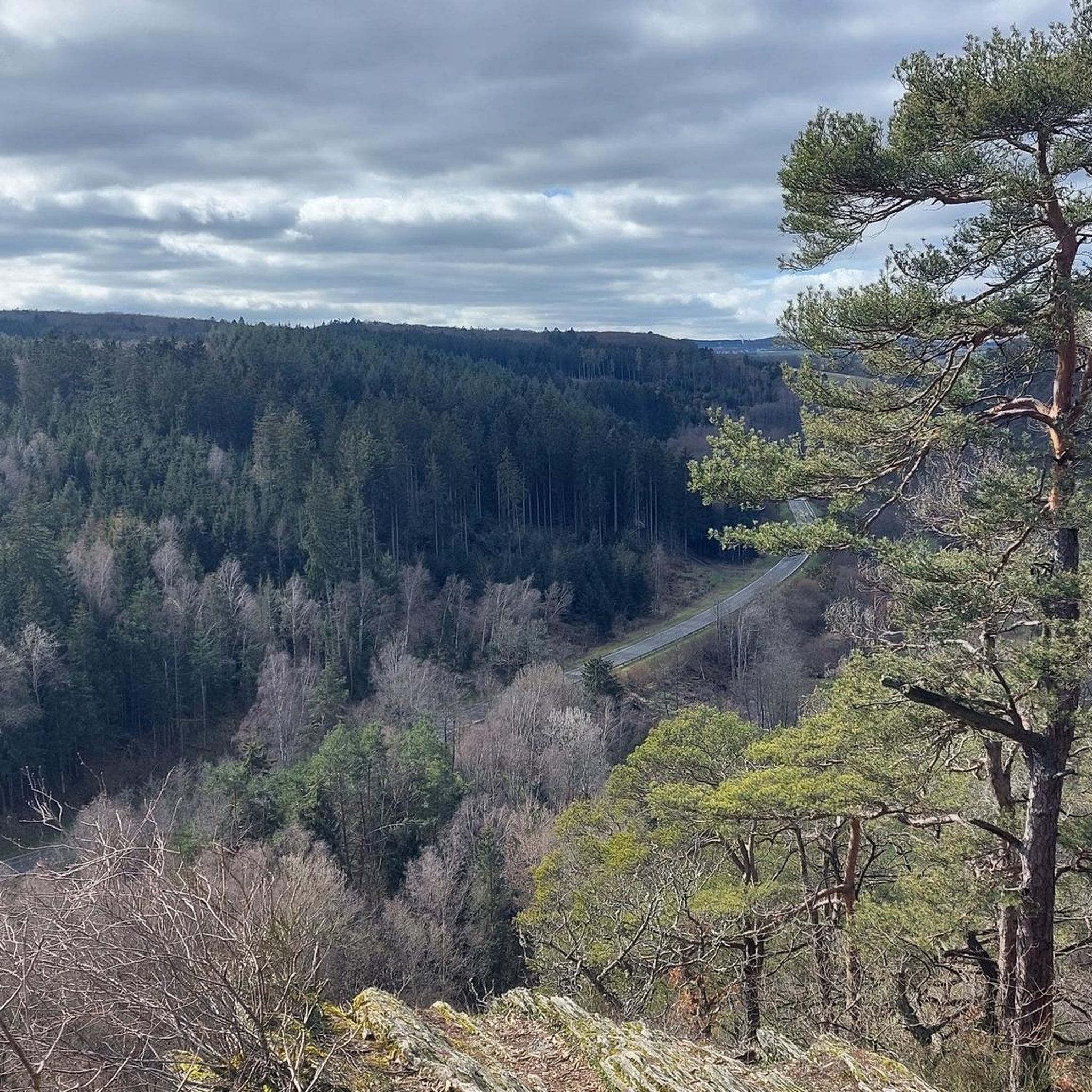
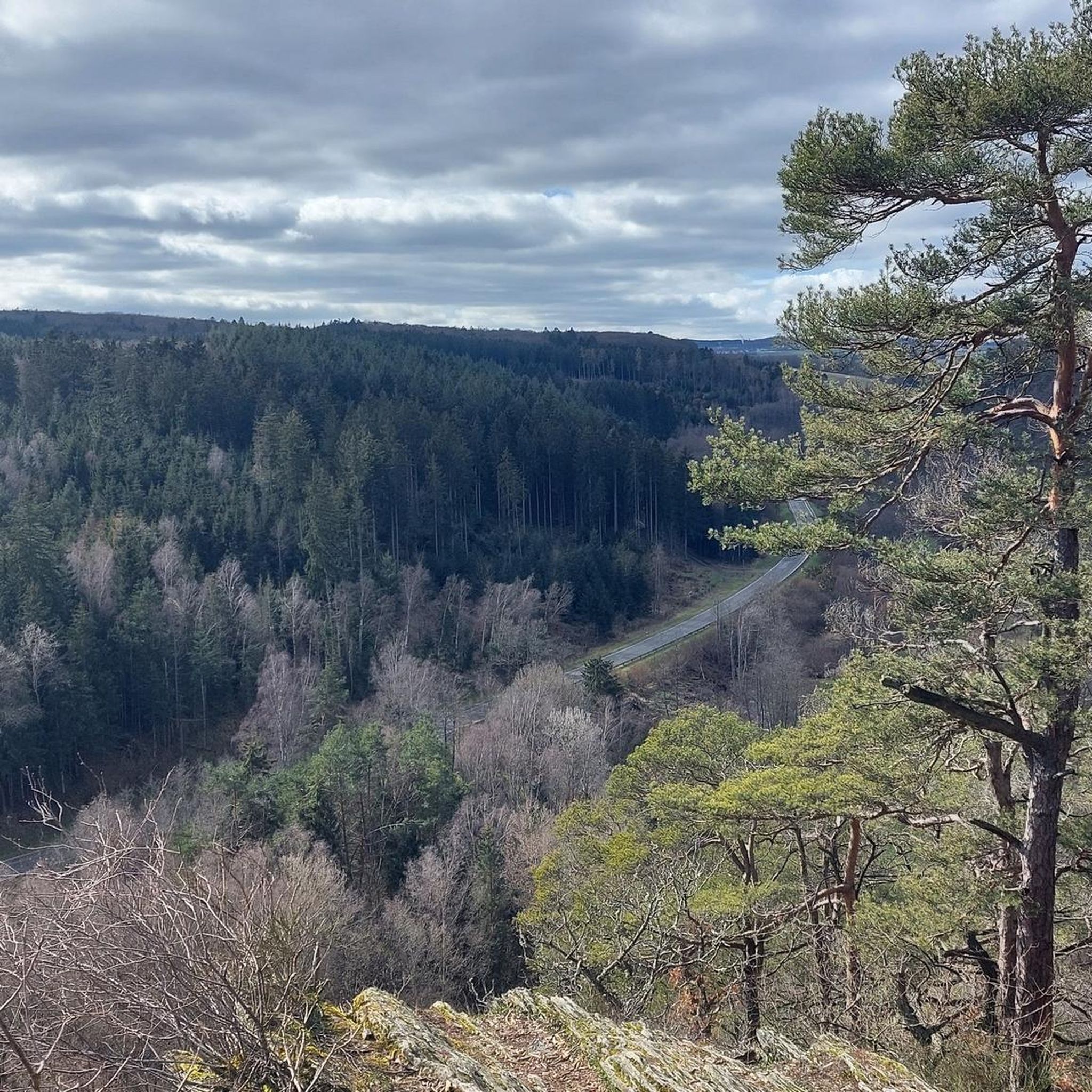
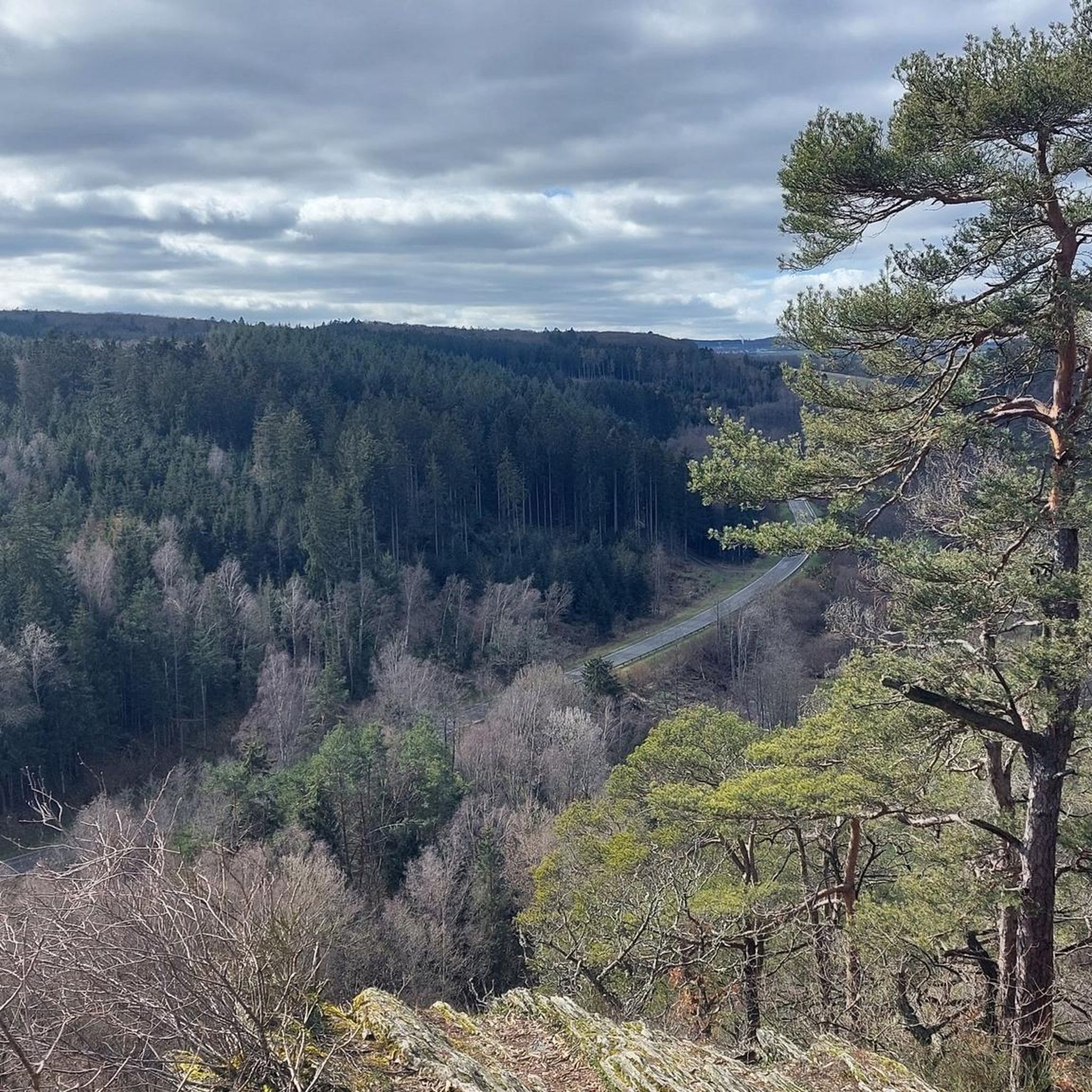

Tips from the Community

Impressive and somewhat mystical ruins along the way
3
0
A really beautiful and impressive facility with informative explanatory panels
3
0

This exciting castle ruin is begging to be explored. A destination for numerous visitors.
28
1
The steep climb to the platform prevented us from visiting it. It's a shame, but age... 😉
32
3
An impressive castle ruin that can be admired from all sides.
32
2
Small ruins on the hill with a great view. Benches invite you to take a break.
31
2

The vault made of slate is particularly great. On two benches you can enjoy the wonderful quiet place.
2
0

A little foretaste of the Schmidtburg.
5
0
Frequently Asked Questions
What kind of castles can I expect to find around Laufersweiler?
The Hunsrück region around Laufersweiler is home to various historical fortifications, primarily castle ruins and ancient settlements. These sites often blend into the forested hills and river valleys, offering a glimpse into medieval history and Celtic heritage. You'll find impressive structures like Schmidtburg Castle Ruins and historical sites such as Celtic Settlement Altburg.
Are there any castles with unique features or activities?
Yes, Schmidtburg Castle Ruins offers a unique experience with an official trekking campsite located within its foundations, allowing visitors to camp overnight. Dill Castle Ruins, freely accessible since May 2021, is surrounded by a historically grown town center with lovingly restored half-timbered houses.
Are there family-friendly castles to visit near Laufersweiler?
The Celtic Settlement Altburg is noted as family-friendly, offering a chance to experience history firsthand. While the settlement might be closed at certain times, you can still get a good insight into Celtic life from the outside. Dill Castle Ruins also offers a pleasant visit for families with seating available.
What outdoor activities can I do near these castles?
The region around Laufersweiler offers diverse outdoor activities. You can explore numerous hiking trails, including sections of the Soonwaldsteig trail near Schmidtburg Castle Ruins. There are also dedicated routes for mountain biking and touring bicycles. For more details on routes, check out the hiking guide, MTB trails guide, and cycling guide for Laufersweiler.
Are there hiking trails directly to or around the castles?
Yes, several castles are integrated into hiking networks. Schmidtburg Castle Ruins is located directly on the Soonwaldsteig trail. A premium hiking trail is also planned around Dill Castle Ruins. Many of these sites offer scenic walks with historical context. You can find various routes in the hiking guide for Laufersweiler.
What is the best time of year to visit the castles around Laufersweiler?
While specific seasonal information for each castle isn't available, the Hunsrück region's forested landscape suggests that spring and autumn offer pleasant conditions for exploring, with milder temperatures and beautiful foliage. Some tips mention that Ruin of the Heckenmühle (Baldenau Castle ruins) is 'always worth a visit, even in autumn!'
Are there viewpoints near the castles for scenic views?
Many of the castle ruins and historical sites in the Hunsrück region are situated on hills or elevated positions, offering excellent views. For example, Hellkirch Ruins is a small ruin on a hill with a great view and benches for resting. Celtic Settlement Altburg and Dill Castle Ruins are also noted for their viewpoints.
What historical context can I find at these sites?
The castles and ruins around Laufersweiler offer rich historical context. Dill Castle Ruins has a documented history dating back to the 11th century, with insights into its strategic importance, conversion to a residence, and eventual destruction. The Celtic Settlement Altburg provides a tangible connection to ancient Celtic life. Even lesser-known sites like Hellkirch Ruins have intriguing, albeit less documented, histories suggesting religious or defensive purposes.
Are there places to eat or stay near the castles?
While specific cafes or restaurants directly adjacent to each ruin are not detailed, the historically grown town center around Dill Castle Ruins suggests local amenities. For accommodation and dining, it's advisable to look in Laufersweiler itself or the larger towns within the Hunsrück region.
How accessible are the castle ruins, and is there parking?
Accessibility varies by site. Many ruins are reached via hiking trails, which can range from intermediate to challenging. For example, Dill Castle Ruins has been freely accessible since May 2021, implying easier access. Parking information for individual sites is not explicitly provided, but visitors typically find parking in nearby villages or designated trailheads. Public transport options to these more remote sites are generally limited, making personal vehicles or cycling the most common way to reach them.
Can I visit the castles with my dog?
The Hunsrück region is generally dog-friendly, especially on hiking trails. While specific rules for each castle ruin are not listed, most outdoor historical sites in Germany allow well-behaved dogs on a leash. It's always a good idea to check local signage upon arrival.
What do visitors enjoy most about the castles around Laufersweiler?
Visitors frequently appreciate the blend of historical exploration and natural beauty. The opportunity to camp within the foundations of Schmidtburg Castle Ruins is a highlight for many. The scenic views from sites like Hellkirch Ruins and the chance to step back in time at the Celtic Settlement Altburg are also highly valued. The komoot community has shared over 1700 photos and given more than 1000 upvotes, indicating a strong appreciation for these unique sites.
Most popular routes around Laufersweiler
Most popular attractions around Laufersweiler

Get inspired with the komoot mobile app


Explore more
Looking for the best castles somewhere else? Discover other guides around Laufersweiler:
