Top 5 Caves around Mittelreidenbach
Best caves around Mittelreidenbach are found within the Saar-Hunsrück Nature Park, an area characterized by its natural landscapes and historical mining heritage. The region, including nearby Idar-Oberstein, features various subterranean attractions. These include historical mines and natural rock formations, offering insights into geology and local history. The diverse underground sites provide opportunities for exploration and understanding the area's past.
Best caves around Mittelreidenbach
- The most popular caves is Descent to Fischbach Cave, a cave and trail that offers a…
Last updated: August 20, 2026
Schlossberg Spring
Highlight • Natural Monument
It took 20 years to work on the search tunnel. After about 28 meters the …
Translated by Google •
Tip by

Bierfincksgraben Mine
Highlight • Historical Site
Translated by Google •
Tip by

Sign up now to discover places like this
Get recommendations on the best single tracks, peaks, & plenty of other exciting outdoor places.
Sign up for free
Descent to Fischbach Cave
Highlight (Segment) • Cave
Translated by Google •
Tip by

Yellow gallery
Highlight • Cave
Translated by Google •
Tip by
Schielenberg Slate Mine
Highlight • Cave
mineralienatlas.de/?l=57751
Translated by Google •
Tip by
Start today with a free account
Your next adventure awaits.
Login or Signup

Tips from the Community

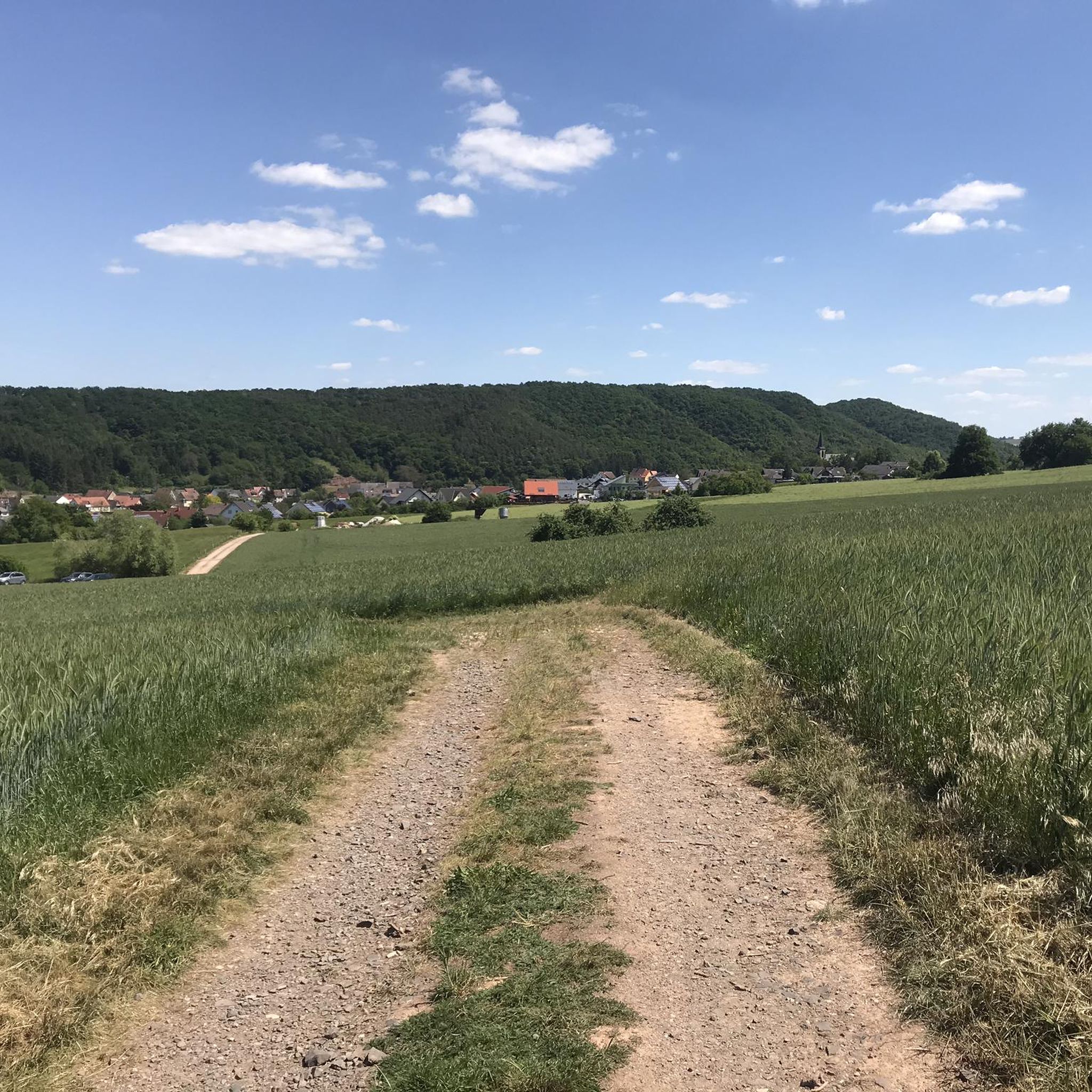
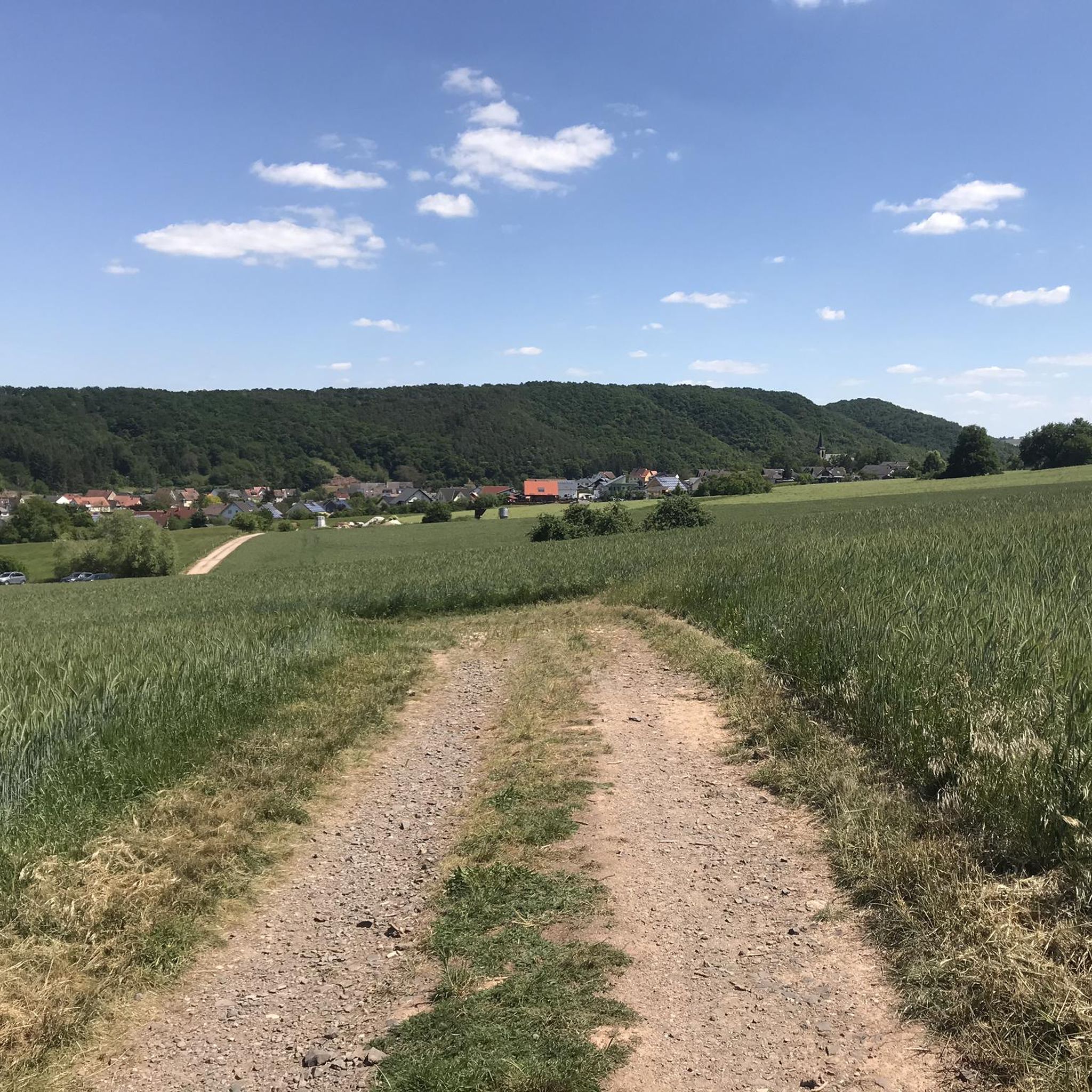
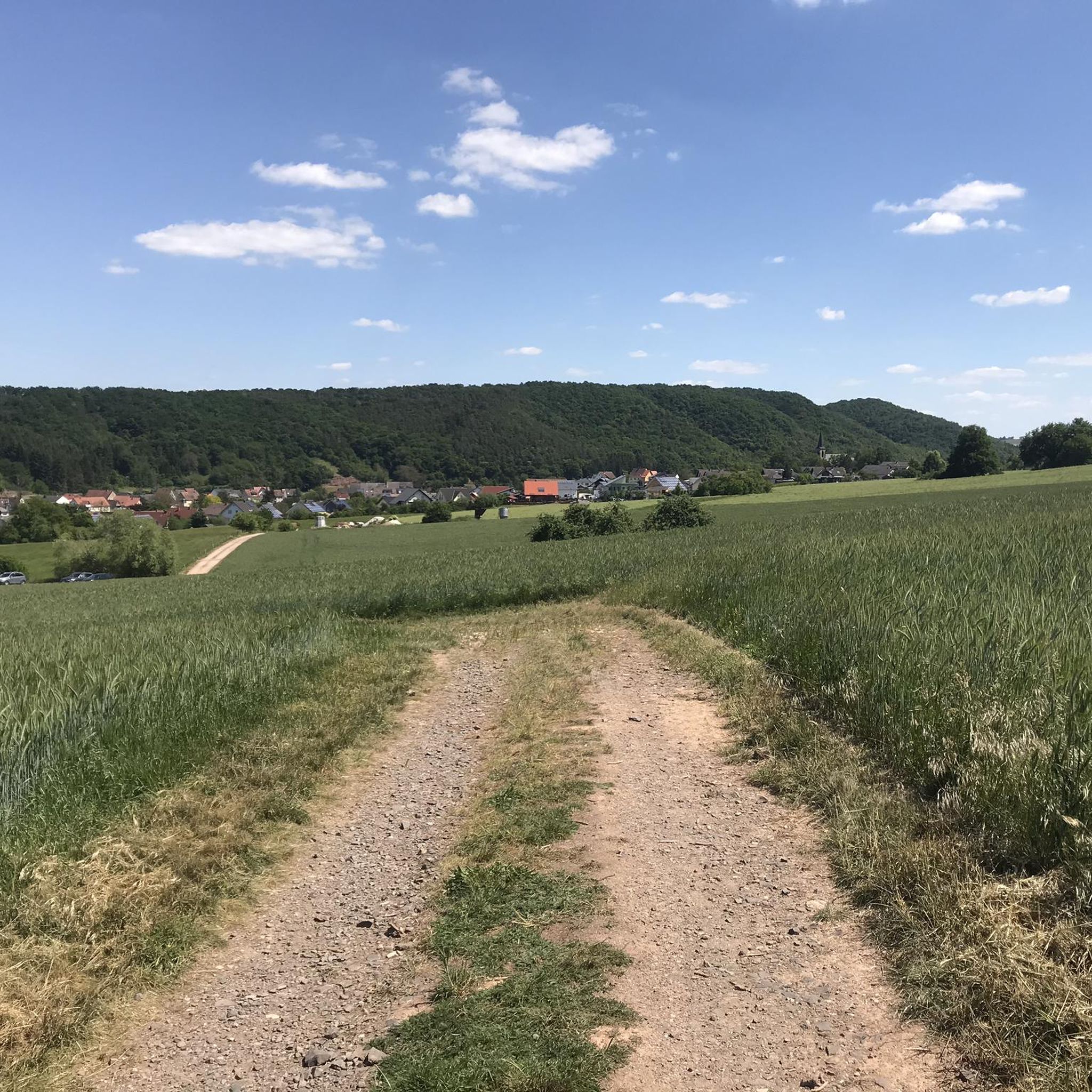
Beautiful route over the height
0
0

The tunnel is about 100 meters away from the vitality tour, but is signposted
0
0

The Schielenberg roof slate pit in the Breitenthal district near Herrstein is the site of several dozen different fossils. https://www.mineralienatlas.de/?l=57751 The slope is criss-crossed by several farm roads that lead to the tunnels above the huge slate rubble heaps. Most are fenced off as bat roosts, but some are also accessible. The rubble heap must not and should not be entered, as the loose layering tends to quickly fall off and everything ends up directly on the street! So stay on the economic routes.
0
0
But there is “No drinking water” coming from the source
0
0

The copper ore mine on Schloßberg dates back to the middle of the 16th century. It took 20 years to work on the search tunnel. After about 28 meters the copper core was exhausted. Behind the gated entrance stands a statue of St. Barbara, the patron saint of miners.
3
0
The Schloßberg spring rises approx. 12 m inside the Schloßberg. It was set in a stone basin and ensured the Naumburg's drinking water supply, including the stately wine house, until the 18th century. From then on, for unknown reasons, the yield of the spring decreased so much that the residents of Naumburg had to rely on the water from the Bärenbach flowing in the valley. The spring still runs as a constant trickle all year round. Source: http://www.baerenbach.de/Freizeit/Baerenroute/Schlossbergquelle/
2
0

I could have explored the right aisle with rubber boots 😕
1
0
It is actually surprising that the topic of "dry wall" is the subject of an information board, while a little off the hiking trail at the end of a path a tunnel opens up that leads to a widely branched mine. In addition to protecting the bats, this may also be the reason why a grid prevents further access after about 10 meters. From here, however, you can already see numerous tunnels leading downwards, upwards and to the side, which are only poorly secured or not secured at all, so that one can quickly sink into the bottomless holes filled with water. Exploration would be exciting but potentially very dangerous. The wood found in the Bierfinckgraben mine allows the mining activity to be dated to three periods around 1500, around 1700 and 1750. Literature: Tree ring chronological key data on the mining history of the Hunsrück By Mechthild Neyses-Eiden https://journals.ub.uni-heidelberg.de/index.php/fuabt/article/view/54645/55623
1
0
Frequently Asked Questions
What types of caves and underground sites can I explore near Mittelreidenbach?
The region around Mittelreidenbach, particularly within the Saar-Hunsrück Nature Park and near Idar-Oberstein, offers a variety of subterranean experiences. You can find historical mining tunnels, natural rock formations, and even a unique gemstone mine. These sites provide insights into geology, local history, and serve as important habitats for wildlife.
Are there any historical mines open to visitors near Mittelreidenbach?
Yes, the Bierfincksgraben Mine is a historical site with widely branched tunnels dating back to periods around 1500, 1700, and 1750. While access is restricted to protect bat habitats, you can still observe the entrance and learn about its past. Another significant historical site is the Schlossberg Spring, which includes a 16th-century copper ore mine.
Where can I find a unique gemstone mine experience?
The Steinkaulenberg Gemstone Mine in Idar-Oberstein, about 9.9 km from Mittelreidenbach, is Europe's only gemstone mine open to visitors. You can take an hour-long underground tour through 400 meters of tunnels, seeing crystals like agates and amethysts still embedded in the rock. The mine is well-lit, and guides explain gemstone formation and mining history. You can also participate in a 'gem camp' to search for your own gemstones. Reservations are strongly recommended or mandatory. More information can be found at museumsportal-rlp.de.
Are there any caves with local legends or historical significance?
Yes, the Wildfrauenloch (Wild Women's Cave) is a rock cave steeped in local stories and legends. Tales speak of a wild woman who lived there, and it's also associated with ancient Celtic goddesses as a sacred site. Its appeal lies in its mythical and historical significance, offering a unique cultural experience for those interested in folklore. You can find more details at rlp-tourismus.com.
What is the 'Descent to Fischbach Cave' like?
The Descent to Fischbach Cave is a popular cave and trail offering a flowing descent. It features small rocks, roots, and a stream crossing, providing a wonderful view of nature. It's appreciated by the komoot community for its enjoyable route.
Can I see bats in any of the caves or mines?
Yes, the Slate Mine Tunnels within the Saar-Hunsrück Nature Park are crucial habitats for various bat species, serving as winter quarters and rendezvous sites. While usually barred to protect the bats, some tunnels can be lit for visitors outside of hibernation periods, offering a glimpse into this important ecological site. The Bierfincksgraben Mine also serves as a bat habitat.
Are there any less-known or 'hidden' mine tunnels to explore?
The Altlayenkaul Mine Tunnel at Steinbach is an unslated tunnel a few meters from the Soonwaldsteig. It leads into the mountain for about 40 meters, opening into a mining dome. Another interesting site is the Yellow gallery, a copper ore mine where you need to look for the entrance, marked by a gold mine symbol on a tree. These offer a more adventurous exploration for those seeking less crowded spots.
What outdoor activities can I combine with a visit to the caves?
The region around Mittelreidenbach offers various outdoor activities. You can find numerous MTB Trails, Gravel Biking routes, and Running Trails. Many of these routes pass by natural features and historical sites, allowing you to combine your cave exploration with hiking, cycling, or running through the scenic Saar-Hunsrück Nature Park.
Are there family-friendly options for exploring caves?
The Steinkaulenberg Gemstone Mine is particularly family-friendly, offering guided tours and a 'gem camp' where children and adults can search for their own gemstones. The well-lit tunnels and educational aspect make it an engaging experience for all ages. While other sites might be more rugged, the gemstone mine provides a safe and interactive underground adventure.
What is the best time of year to visit the caves near Mittelreidenbach?
The best time to visit depends on the specific cave. For mines that serve as bat habitats, like the Slate Mine Tunnels, visits are typically outside of bat hibernation periods (usually spring to early autumn). The Steinkaulenberg Gemstone Mine is generally open during warmer months, but it's always best to check their specific operating hours and make reservations. The consistent temperature inside mines (around 9-10 degrees Celsius) makes them a cool escape in summer and a sheltered option in cooler weather, though access might be limited in winter for some sites.
What should I know about accessibility for the caves?
The Steinkaulenberg Gemstone Mine is noted for being barrier-free within its tunnels, making it accessible for many visitors. However, the walk from the parking lot to the entrance involves some inclines. For other historical mines and natural caves, access can be more challenging, often involving uneven terrain, narrow passages, or steps. It's advisable to check specific accessibility details for each site if you have mobility concerns.
Most popular routes around Mittelreidenbach
Most popular attractions around Mittelreidenbach

Get inspired with the komoot mobile app


Explore more
Extend your search for the best caves by checking out these guides of the top ones around Mittelreidenbach:
