The 4 Most Amazing Peaks around Eckersweiler
Best mountain peaks around Eckersweiler are characterized by rolling hills rather than towering alpine challenges, offering a picturesque landscape for outdoor enthusiasts. The municipality itself sits at an average elevation of 519 meters, with its highest point reaching approximately 605 meters. This Eckersweiler location provides several elevated points popular for hiking and offering scenic views. The area's varied woodlands and green spaces contribute to a pleasant hiking experience.
Best mountain peaks around Eckersweiler
- The most popular mountain peaks is View…
Last updated: October 13, 2026
Weiselberg Summit and Steinerne Meer
Highlight • Summit
From a geological point of view, the »Steinernes Meer« is a heap of scree made from weathered material from the Weiselberg. From a geological point of view, this …
Translated by Google •
Tip by

Weiselberg Summit Cross and Viewpoint
Highlight • Summit
The Weiselberg is one of the most legendary sites in the home area. There are eleven legends, three or four of …
Translated by Google •
Tip by
Sign up now to discover places like this
Get recommendations on the best single tracks, peaks, & plenty of other exciting outdoor places.
View of the Potzberg
Highlight • Viewpoint
Translated by Google •
Tip by

Summit plateau on Weiselberg
Highlight • Summit
Translated by Google •
Tip by

Start and finish of the Weiselberg Summit Tour
Highlight • Trail
The approximately 16 km long Weiselberg summit tour in Oberkirchen leads through a varied hilly landscape around the Weiselberg (569m). Light-flooded beech forests allow spectacular views over and over …
Translated by Google •
Tip by
Sign up for free to discover even more peaks around Eckersweiler.
Already have an account?
Start today with a free account
Your next adventure awaits.

Tips from the Community

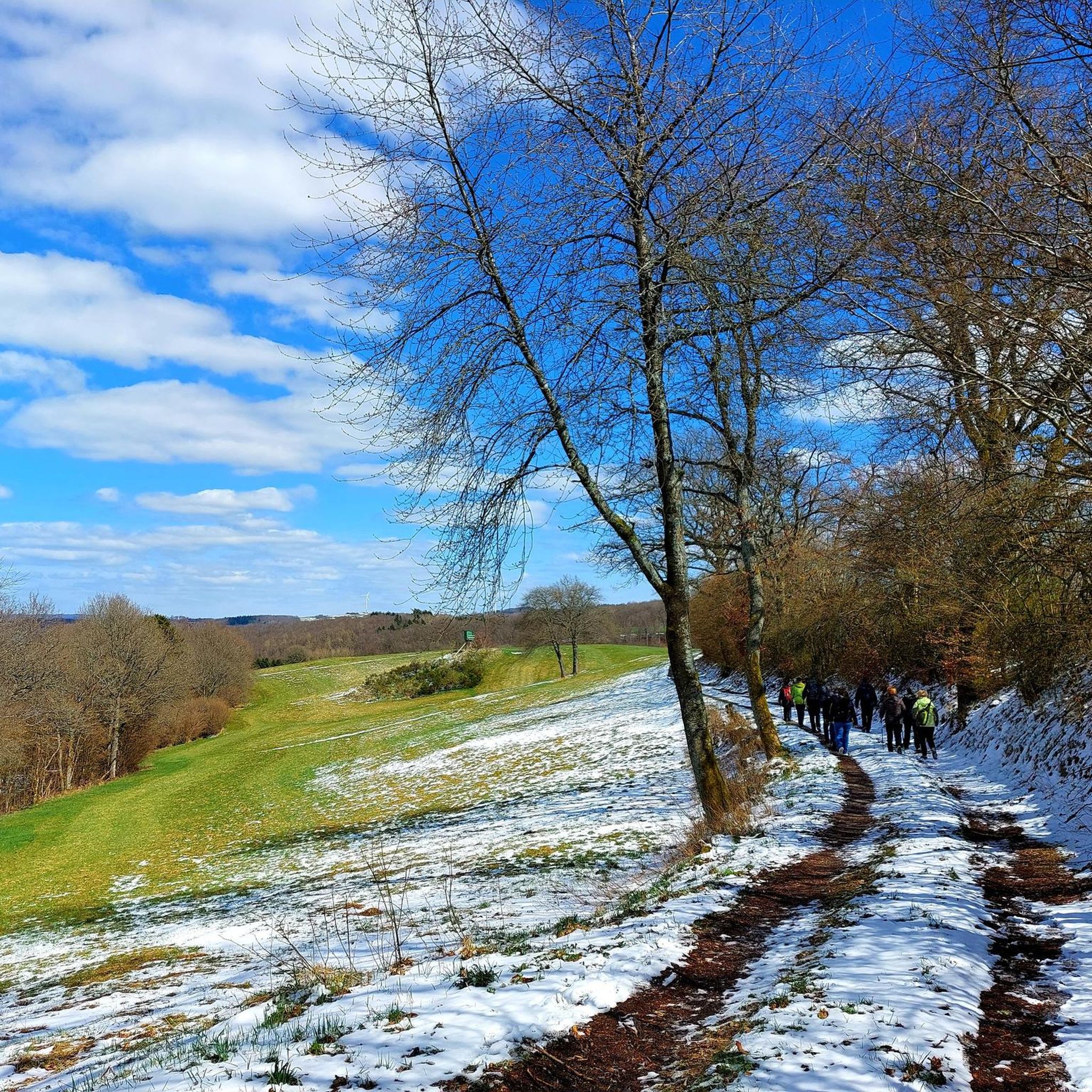
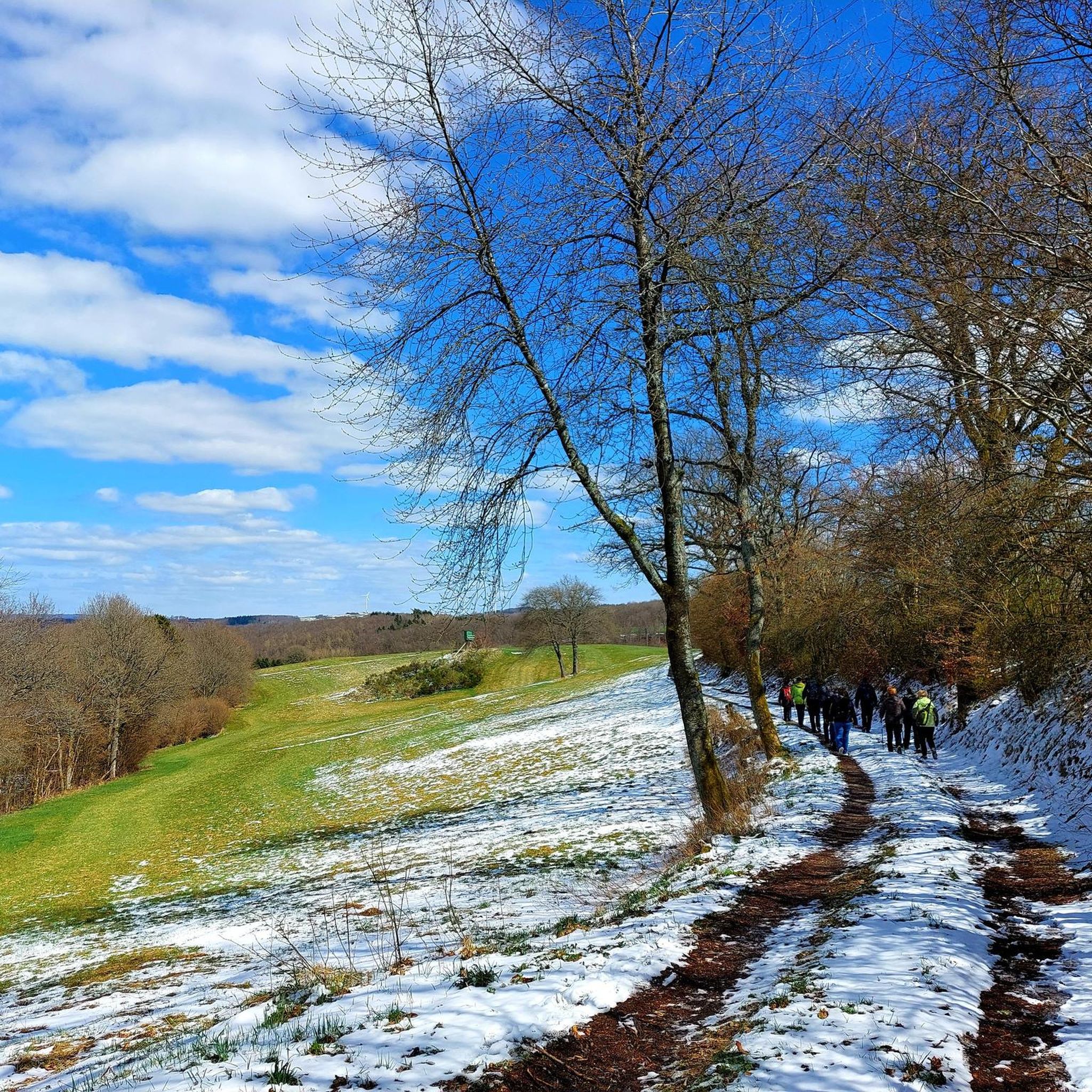
On the exposed rocks of the summit plateau stand a small stone pillar and the summit cross – along with a curved bench for a break with a view. Up here, you understand why the route is called a "summit tour": short rock steps, rough terrain, and a sweeping view over the hills surrounding Oberkirchen. On a clear day, the view extends as far as the heights of the Northern Palatinate. Tip: Sturdy shoes are essential – the rocky ridges can be slippery. Take your time to rest on the bench and then carefully follow the trail markers: several well-trodden paths lead away from the summit, which can be quite tempting.
0
0

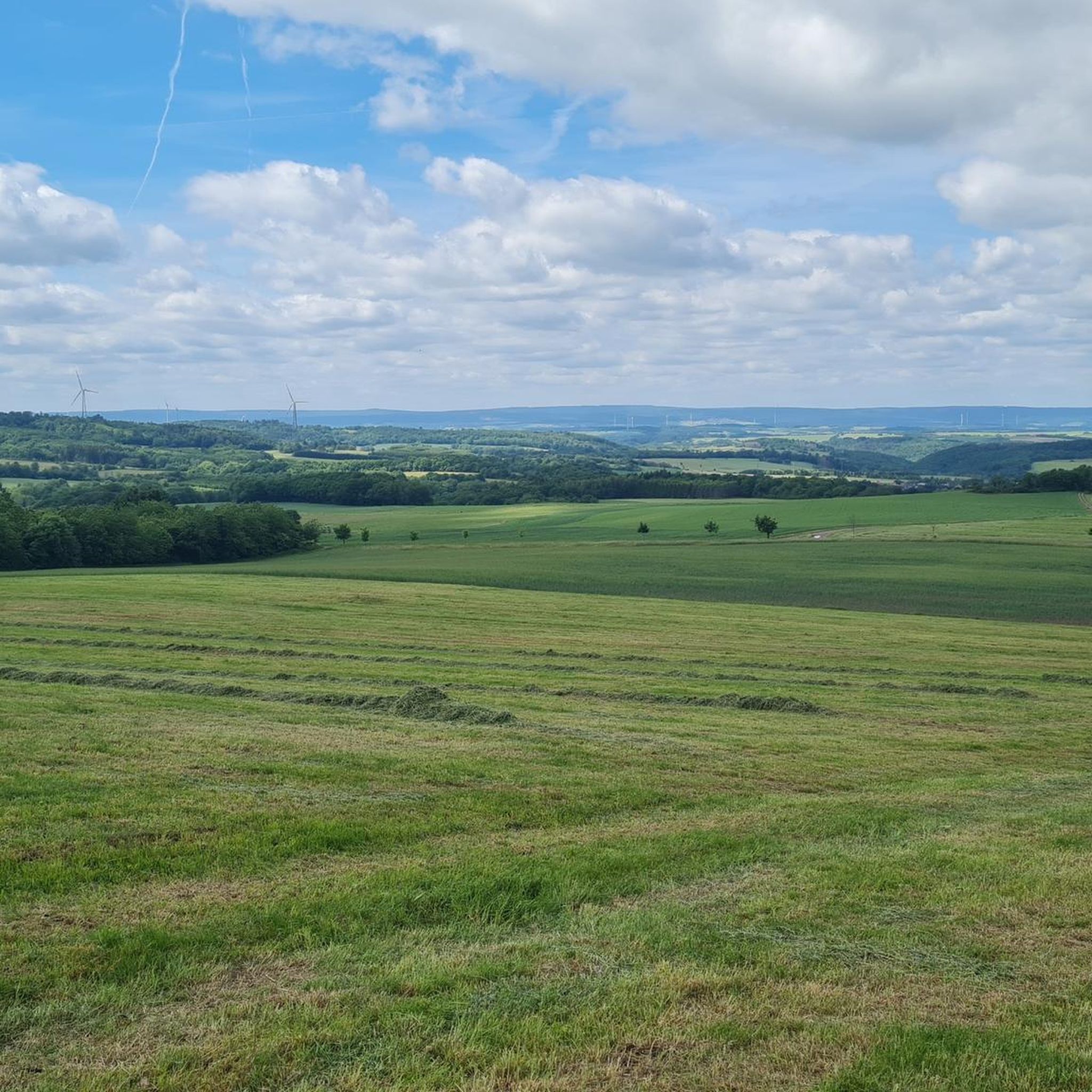
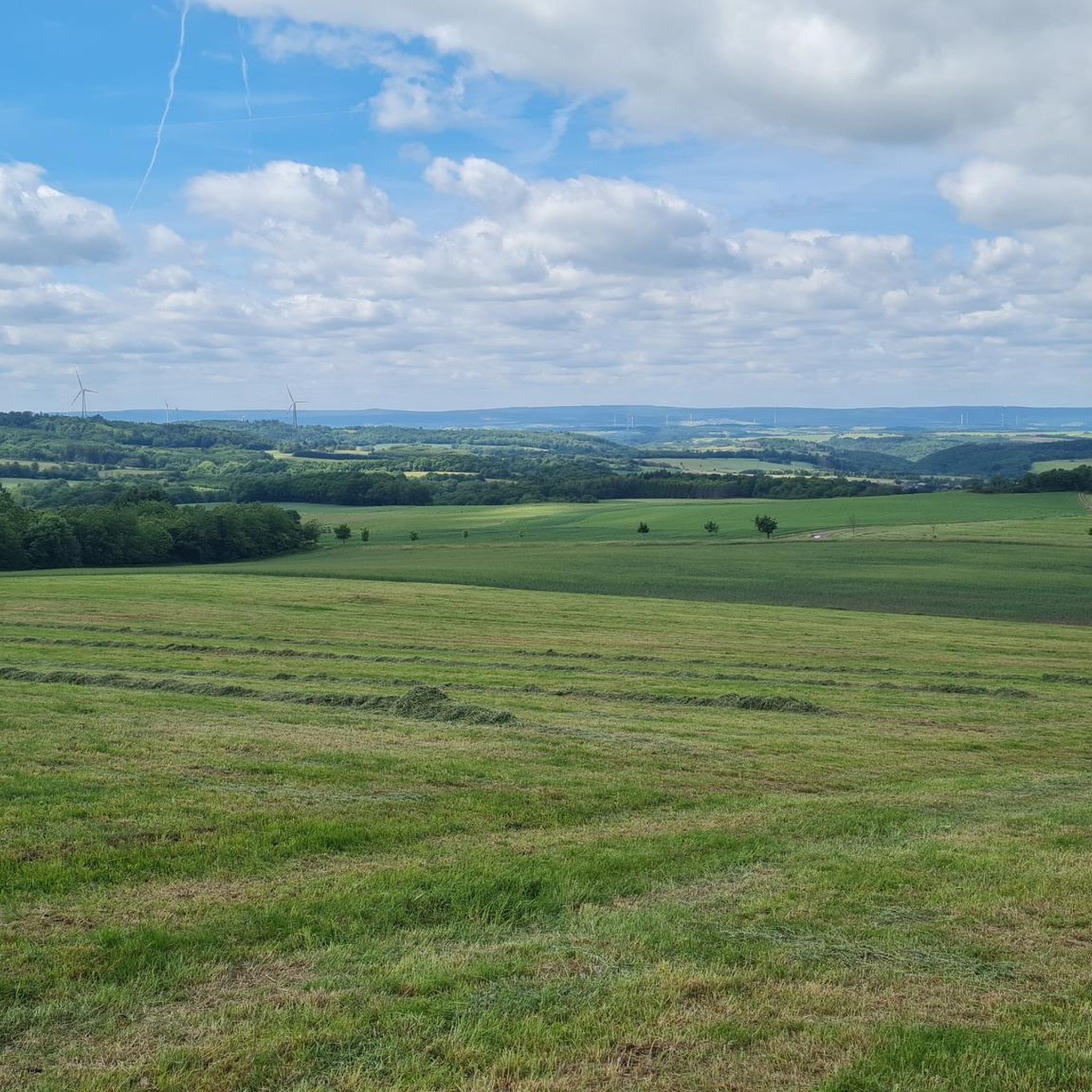
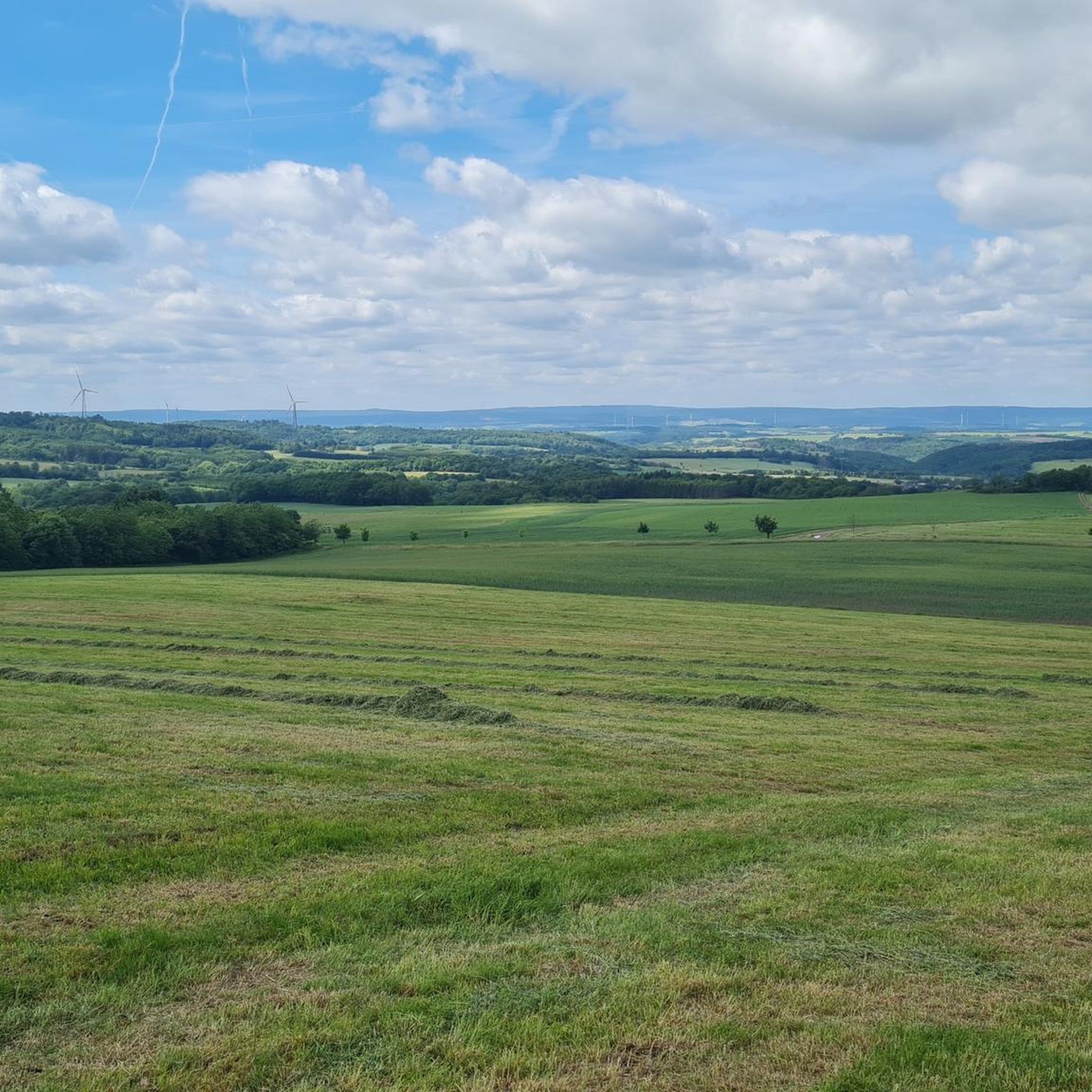
The Potzberg, known as the "King of Westrich", is a wooded hill, 562 m above sea level, in the North Palatinate Uplands in Rhineland-Palatinate. (Source: Wikipedia)
0
0

𝗔𝘂𝘀𝘀𝗶𝗰𝗵𝘁 𝗮𝘂𝗳 𝗱𝗲𝗻 𝗣𝗼𝘁𝘇𝗯𝗲𝗿𝗴 The Potzberg is a 562m high wooded mountain in the North Palatinate Uplands and is nicknamed "King of Westrich". Today the Potzberg wildlife park, the Potzberg tower, a military tower and a hotel are located on the summit. The Potzbergturm is a 53.5m high viewing and transmission tower. Originally, a 18.5m high radio antenna on the platform completed the structure. The radio programs of what was then Südwestfunk were broadcast from here until the 1990s. The approx. 30ha large area of the wildlife park offers, favored by its altitude, an indescribable panorama of the North Palatinate mountains, with a visibility of more than 30km. Source: text information board
1
0
𝑴𝒊𝒏𝒆𝒓𝒂𝒍𝒐𝒈𝒊𝒆 𝒅𝒆𝒔 𝑾𝒆𝒊𝒔𝒆𝒍𝒃𝒆𝒓𝒈𝒆𝒔 The mineralogical peculiarities of the Weiselberg, which are also addressed in the saga, are the rock and the gemstones that occur in it. The rock of the 571 meter high Weiselberg was named in 1887 by the famous mineralogist Rosenbusch with the local name Weiselbergit. The deep black, shiny rock (pitchstone consists of over 60% glass mass (non-crystallized silica) to impose a comparison with a starry night sky Source: Text information board 𝐴𝑐ℎ𝑎𝑡𝑣𝑜𝑟𝑘𝑜𝑚𝑚𝑒𝑛 In the middle of the last century, a mining activity that had been going on since the 15th century for grindable quartz varieties ended on Weiselberg, the most colorful of which is agate, which is still highly valued today. In addition to the banded agate, the Weiselberg also supplied the translucent chalcedony and the transparent jasper. To this day there is no generally accepted theory about the origin of agate. The published theories are just as diverse and varied as the agates themselves. The main evidence of the agate digging, which lasted more than four centuries, are four buried tunnels and the agate penguins that look like bomb craters, which can still be seen on the surface today, especially on the poor northern slope of the Weiselberg. The most famous gemstone "the setting sun" can be viewed along with 1500 other exhibits in the mineralogical museum in the old school in Oberkirchen. Source: Text information board
7
1
𝐆𝐞𝐨𝐥𝐨𝐠𝐢𝐞 𝐝𝐞𝐬 𝐖𝐞𝐢𝐬𝐞𝐥𝐛𝐞𝐫𝐠 Weiselbergite is an igneous hardling. 𝑀𝑎𝑔𝑚𝑎: Greek: dough; glowing material of the earth's interior 𝐿𝑎𝑣𝑎: Magma reached the surface of the earth in the course of volcanism Magmatites are the result of the solidification of magma or lava. In terms of geological history, Weiselbergite was formed by volcanism in the Permian period about 260 million years ago. The time of the Carboniferous 340 million years ago, in which, as is well known, the Saarland coal was formed, lies before the Permian period. The first reptiles, from which the mammals and thus also humans descended, dated matt only about a hundred million years after the Permian period. The Weiselberg consists of a single type of rock and is divided into columns of different sizes and directions of incidence. These "columnar rock formations" often occur in volcanic rocks. So-called contraction fissures were responsible for the creation of the mostly pentagonal rock pillars that make up the entire mountain. These are shrinkage fissures that have arisen during the cooling process by reducing the volume of the solidifying lava. The Weiselberg is the remnant of what was once a much larger igneous “plug”. For about 70 million years (beginning of the erosion, after the uplift of the south-west German area out of the chalk sea) it has been constantly exposed to the ravages of time, which freed it bit by bit from the covering and enveloping softer sedimentary rocks. Source: Text information board
7
1
𝗗𝗲𝗿 𝗪𝗲𝗶𝘀𝗲𝗹𝗯𝗲𝗴 𝗲𝗶𝗻𝗲 𝗮𝘂ß𝗲𝗿𝗴𝗲𝘄ö𝗵𝗻𝗹𝗶𝗰𝗵𝗲 𝗴𝗲𝗵𝗲𝗶𝗺𝗻𝗶𝘀𝘂𝗺𝘄𝗶𝘁𝘁𝗲𝗿𝘁𝗲 𝗦𝘁ä𝘁𝘁𝗲 - Part 2 𝔇𝔦𝔢 𝔢𝔦𝔫𝔤𝔯𝔞𝔳𝔦𝔢𝔯𝔱𝔢𝔫 ℜ𝔲𝔫𝔢𝔫 Ghost hands have engraved mysterious runes in the hexagonal stone pillars. What is meant here are the mostly line-like groove patterns that appear on the surface of the stone pillars. They emerged in the course of weathering in weak areas of the rock, which were caused by shrinkage cracks. 𝔇𝔢𝔯 "𝔣ü𝔯𝔦𝔤𝔢" 𝔍ä𝔤𝔢𝔯 Women looking for wood in the gnarled beech forest have repeatedly met a "fiery" hunter. The area of the rocky sea with its unspoilt trees is apparently regarded as the place of residence of ghost figures because of its seclusion and inaccessibility. 𝔇𝔞𝔰 "𝔦𝔯𝔯𝔢" 𝔏𝔦𝔠𝔥𝔱 A pale glowing light sometimes rises from the mountain top to the swampy meadows and makes night hikers shiver. A haunted story that developed around the mysterious Weiselberg. 𝔇𝔦𝔢 𝔅𝔲𝔯𝔤 𝔞𝔪 𝔖ü𝔡𝔥𝔞𝔫𝔤 𝔡𝔢𝔰 𝔅𝔢𝔯𝔤𝔢𝔰 Dark fellows once built a castle on the southern slope of the mountain. She collapsed when they murdered the righteous king who resided on the mountaintop. The sea of rocks on the southern slope can give the impression of a collapsed fortress. The legend of a golden carriage in the Weiselberg or golden apples that were seen on a fountain are legends that occur more often in the home area and that were transferred to the Weiselberg. Source: Text information board
7
1
𝗗𝗲𝗿 𝗪𝗲𝗶𝘀𝗲𝗹𝗯𝗲𝗴 𝗲𝗶𝗻𝗲 𝗮𝘂ß𝗲𝗿𝗴𝗲𝘄ö𝗵𝗻𝗹𝗶𝗰𝗵𝗲 𝗴𝗲𝗵𝗲𝗶𝗺𝗻𝗶𝘀𝘂𝗺𝘄𝗶𝘁𝘁𝗲𝗿𝘁𝗲 𝗦𝘁ä𝘁𝘁𝗲 - Part 1 The Weiselberg is one of the most legendary sites in the home area. There are eleven legends, three or four of which are not regarded as independent Weiselberg legends, as they were probably transferred to the mysterious Weiselberg from other folk tales. 𝑫𝒊𝒆 𝑺𝒂𝒈𝒆𝒏 𝒊𝒏 𝒅𝒆𝒓 𝑲𝒖𝒓𝒛𝒇𝒂𝒔𝒔𝒖𝒏𝒈 𝔇𝔞𝔰 𝔥𝔢𝔯𝔯𝔩𝔦𝔠𝔥𝔢 𝔖𝔠𝔥𝔩𝔬𝔰𝔰 𝔞𝔲𝔣 𝔡𝔢𝔪 𝔚𝔢𝔦𝔰𝔢𝔩𝔟𝔢𝔯𝔤 A magnificent castle, in which a kind and just king lived, once adorned the mountain top. You can still find hewn sandstones from probably formerly sacred buildings from Roman times in the summit region. The round terrace and the stone wall with dry stone wall in the summit area are of unknown time and function. 𝔇𝔞𝔰 𝔎ö𝔫𝔦𝔤𝔰𝔟𝔢𝔱𝔱 The bed of the benevolent and righteous king, murdered by a nefarious hand, turned to stone at the moment of the heinous act. The round terrace surrounding the mountain peak gives it the appearance of a burial mound. The field name of the summit region of the Weiselberg has been called "Auf Königsbett" since time immemorial. 𝔇𝔢𝔯 𝔎ö𝔫𝔦𝔤𝔰𝔨𝔢𝔩𝔩𝔢𝔯 There is a precious castle inside the mountain. Only now and then does the king, who lives in it, come to light through the access to this underground castle, the royal cellar, which is filled with gold and precious stones. One of the former agate tunnels on Weisetberg is called "Königskeller". ℌ𝔲𝔪𝔪𝔢𝔩𝔴𝔢𝔦𝔰𝔢𝔩 In the interior of the mountain, a queen, enchanted as a bumblebee, is waiting for her redemption. A possible explanation for the origin of the mountain name, the origin of which is still not clearly established. Source: Text information board
7
1
𝐒𝐭𝐞𝐢𝐧𝐞𝐫𝐧𝐞 𝐌𝐞𝐞𝐫 From a geological point of view, the »Steinernes Meer« is a heap of scree made from weathered material from the Weiselberg. From a geological point of view, this sea of rocks at the foot of the mountain is a work of the Ice Age. The last ice age only ended around 10,000 years ago. Magma rising underground got stuck under the earth's surface and solidified into mostly pentagonal column formations, quite typical of slowly cooling basalt rock. Over the course of millions of years, the surrounding softer sedimentary rock was removed by erosion. In geology, the very hard rock, which shines deep black when cut and is reminiscent of a starry sky with its bright feldspar particles, has been given the name »Weiselbergite«. The frost change climate during this geological epoch caused extreme weathering and erosion processes that were able to separate the blocks and columns weighing several tons from the rock structure. Not least because of the extreme daily temperature fluctuations, the steep southern slope of the Weiselberg with the typical vertical basalt columns offered the best conditions for the formation of the Felsenmeer. The boulders collected on the mountainside and have since been exposed to weathering. Covered with mosses, the »Steinernes Meer« repeatedly gave rise to eerie legends: Whether wild cyclopes played with it or the remains of an enchanted castle are left to the imagination of the observer. The Romans were already digging for agates on the surface of the Weiselberg. From the 15th century, when only little was to be found above ground and a veritable agate boom began, the agate seekers went deep. Some tunnels buried today bear witness to this. After the war there were concrete considerations to dismantle the Weiselberg as a quarry. This was prevented by the designation as a nature reserve in October 1950. In earlier times, the minerals of this region such as agate, chalcedony, jasper and petrified wood were processed in the gemstone metropolis of Idar-Oberstein. 3000 of these precious stones can be viewed in the Mineralogical Museum in the old school in Oberkirchen (0 68 55/332) and in the Mineral Museum (2000 exhibits) in Freisen (0 68 55/13 25). In the Gemstone Dorado in Freisen, treasure hunters can search for gemstones themselves. (0 68 55/1849 31) Source: Text information board
7
0
Frequently Asked Questions
What are the most popular elevated points around Eckersweiler for outdoor activities?
The region around Eckersweiler, while not featuring towering alpine peaks, offers several popular elevated points. Among the most appreciated are the View of the Potzberg, known as the 'King of Westrich' for its expansive panorama, and the Weiselberg Summit and Steinerne Meer, which combines a summit with a unique geological natural monument.
What unique natural features can I discover on the elevated trails near Eckersweiler?
Near Eckersweiler, you can explore distinct natural features such as the 'Steinernes Meer' (Sea of Rocks) at the Weiselberg Summit. This fascinating geological formation consists of scree from weathered material, a remnant of the Ice Age. The area also boasts wild, romantic forests and unique rock formations like the 'Steinern Cabinet' and a waterfall along the Weiselberg Summit Tour.
Are there challenging hiking trails for experienced hikers around Eckersweiler?
Yes, for those seeking a challenge, the Weiselberg Summit Tour is a notable option. This approximately 16 km long trail features a varied hilly landscape with significant elevation gain (565 m), light-flooded beech forests, and mighty rock formations, offering an eventful and demanding hiking experience.
What kind of views can I expect from the elevated points in the Eckersweiler region?
The elevated points around Eckersweiler offer rewarding panoramic views of the surrounding Hunsrück landscape. From the View of the Potzberg, for instance, you can enjoy an indescribable panorama of the North Palatinate mountains with visibility often exceeding 30 km. Other trails, like those around Hellerberg, also provide scenic vistas through varied woodlands and green spaces.
Are there easy hiking options for beginners or families near Eckersweiler?
Absolutely. For easier hikes, the Great Keufelskopf offers an accessible 2.6-mile (4.2 km) loop trail from Eckersweiler, which is generally considered light and takes about 1 hour and 10 minutes to complete. Additionally, the 'Viewpoint Hellerberg – Hellerberg Shelter loop from Eckersweiler' is a 3.2-mile (5.1 km) path winding through pleasant woodlands, suitable for a more relaxed outing.
What other outdoor activities can I do near the mountain peaks around Eckersweiler?
Beyond hiking, the region offers diverse outdoor activities. You can explore various MTB Trails around Eckersweiler, with options ranging from moderate to challenging. There are also excellent opportunities for Gravel biking around Eckersweiler, featuring routes through varied landscapes.
What is the best time of year to visit Eckersweiler for hiking and exploring its elevated points?
The region around Eckersweiler is ideal for hiking and exploring its elevated points during the warmer months, typically from spring through autumn. During these seasons, the varied woodlands and green spaces are vibrant, and the weather is generally pleasant for outdoor activities, allowing for comfortable enjoyment of the scenic views and trails.
Can I find loop trails around the elevated points near Eckersweiler?
Yes, several loop trails are available. For example, the Great Keufelskopf features an easy 2.6-mile loop trail. Around Hellerberg, you can find the 'Andesite Rose Trail Sign – Hellerberg Shelter loop' (moderate, 6.3 miles) and the 'Viewpoint Hellerberg – Hellerberg Shelter loop' (easy, 3.2 miles), providing convenient options for circular hikes.
What is the geological significance of the 'Steinernes Meer' near Weiselberg Summit?
The 'Steinernes Meer' (Sea of Rocks) at the foot of the Weiselberg Summit is a significant geological feature. It's a heap of scree formed from weathered material of the Weiselberg, a result of extreme weathering and erosion processes during the Ice Age. The rock here, known as 'Weiselbergite', is very hard and was historically a source for agates and other precious stones processed in Idar-Oberstein.
How long do typical hikes around Eckersweiler's elevated points take?
Hiking durations vary depending on the trail and your pace. An easy loop trail around the Great Keufelskopf typically takes about 1 hour and 10 minutes. Moderate trails, such as the 'Andesite Rose Trail Sign – Hellerberg Shelter loop', can take approximately 3 hours. More challenging routes like the Weiselberg Summit Tour may require 4 to 5 hours to complete.
What makes the Potzberg a notable elevated point near Eckersweiler?
The Potzberg, a 562-meter high wooded mountain, is affectionately known as the 'King of Westrich'. It's highly regarded for its exceptional panoramic views of the North Palatinate mountains, offering visibility of over 30 km. The summit also hosts a wildlife park and a viewing tower, making it a popular destination for both nature lovers and those seeking expansive vistas.
Are there any specific trails that offer a mix of natural beauty and historical context?
The Weiselberg Summit Tour offers a rich blend of natural beauty and historical context. While primarily showcasing light-flooded beech forests, mighty rock formations, and a waterfall, the area around Weiselberg also has a history of agate mining, with Romans and later miners digging for precious stones. The 'Steinernes Meer' itself is a natural monument with a geological history dating back to the Ice Age.
Most popular routes around Eckersweiler
Most popular attractions around Eckersweiler

Get inspired with the komoot mobile app


Explore more
See even more amazing summits around Eckersweiler with these guides:
