Top 9 Caves around Külz (Hunsrück)
Best caves around Külz (Hunsrück) are found within the Hunsrück region, characterized by its forested hills and historical mining landscape. This area features a variety of underground sites, including historical slate mines and former ore tunnels. The natural features and man-made excavations offer insights into the region's geology and industrial past. Külz (Hunsrück) serves as a central point for exploring these unique subterranean landmarks.
Best caves around Külz (Hunsrück)
- The most popular caves is Katzenloch Slate Mine, a cave…
Last updated: July 10, 2026
Katzenloch Slate Mine
Highlight • Cave
Translated by Google •
Tip by

Schnäirersch Leyebruch Slate Mine
Highlight • Cave
Translated by Google •
Tip by
Sign up now to discover places like this
Get recommendations on the best single tracks, peaks, & plenty of other exciting outdoor places.
Sign up for free
Ore mine (barred)
Highlight • Cave
The tunnel entrance is very low and secured with a padlock.
Translated by Google •
Tip by
Schinderhannes Cave
Highlight • Cave
Neither the beginning nor the end of the slate quarrying has survived, but …
Translated by Google •
Tip by
Love Cave
Highlight • Cave
Translated by Google •
Tip by

Sign up for free to discover even more caves around Külz (Hunsrück).
Sign up for free
Already have an account?
Start today with a free account
Your next adventure awaits.
Login or Signup
Tips from the Community

There's always something new to discover here
0
0

A beautiful spot... nature 🌳🍄🟫
0
0

I didn't know about it until today, but it exists. Near the youth camp site on the other side of the Kauerbach. There is already a love canyon!
0
0

Not very deep, but certainly an adventure for smaller children.
0
0

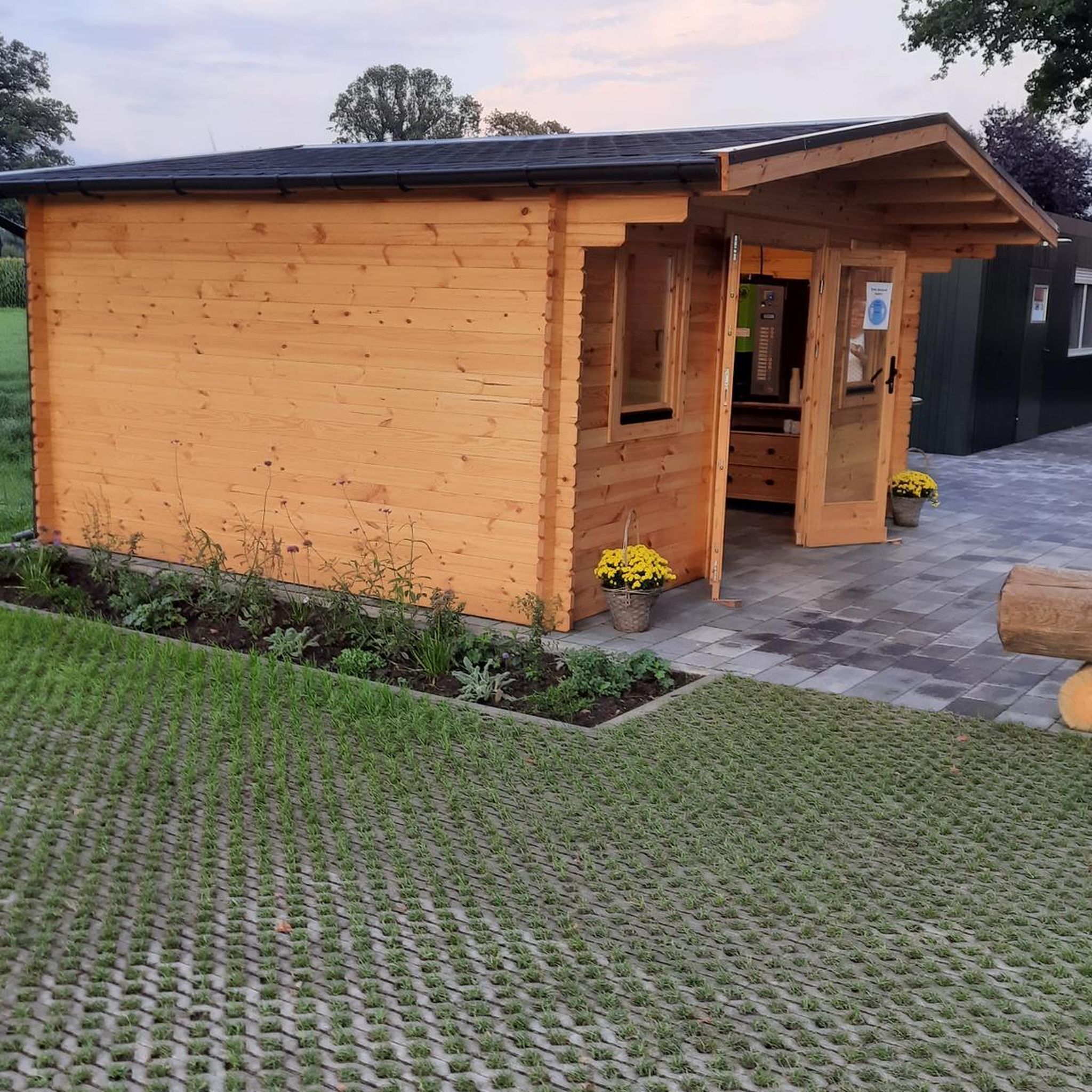
There is also a rest stop directly at the slate quarry
2
3

In 1880, Friedrich Wilhelm Franz from Wohnroth began digging a tunnel in the Katzenloch forest. He wanted to mine the coveted roofing slate here. However, the work was not crowned with success, the slate was of little use. He wasn't blue enough, as the technical term goes. Not hard enough we would say, it weathered too easily on the roof. So the work was soon abandoned. Today, the short, angled tunnel, also known as the Schnäirersch Leyebruch, is often used by children as a playground. Source: https://wohnroth-hunsrueck.de/geschichte-und-geschichten/schiefergruber.html
0
0

Is there a cat coming out?
0
2
Frequently Asked Questions
What kind of caves can I explore around Külz (Hunsrück)?
The Hunsrück region, including areas near Külz, is known for its historical slate mines and former ore tunnels. These sites offer a glimpse into the region's mining heritage and geological formations, ranging from accessible historical sites to more adventurous, unlit tunnels.
Are there any family-friendly caves in the area?
Yes, the Schnäirersch Leyebruch Slate Mine is considered family-friendly. This short, angled tunnel was an unsuccessful attempt to mine roofing slate in the 1880s and is often used by children as a playground today.
Which caves offer a historical perspective?
Several caves provide historical insights. The Katzenloch Slate Mine operated briefly in the 1920s, with tunnels extending over 100 meters. The Schinderhannes Cave is an approximately 15-meter deep slate gallery, known for its association with the legendary outlaw Schinderhannes. Additionally, the broader Hunsrück region has historical slate caves like Layekaul, which served as wartime refuges.
Are there any caves for more adventurous explorers?
For those seeking a more adventurous experience, the Ore mine (barred), part of the Wellmich-Werlau vein train, features a very low entrance and a vertical shaft. The Stollenmund near Simmern also offers a challenging exploration with slippery passages and excavation rooms, potentially involving knee-deep water. These are generally unlit and require appropriate gear and caution.
What kind of natural features can I expect to see in these caves?
The caves primarily showcase geological formations related to slate and ore mining. You'll see the results of historical excavation, natural rock formations, and in some cases, evidence of water flow. Many mine tunnels in the Hunsrück region also serve as crucial protected habitats for various bat species.
What outdoor activities can I do near these caves?
The region around Külz (Hunsrück) offers various outdoor activities. You can find numerous cycling routes, including those for touring bikes and road bikes, as well as gravel biking trails. For example, explore routes from the Cycling around Külz (Hunsrück) guide or the Gravel biking around Külz (Hunsrück) guide.
What is the best time of year to visit the caves?
Many historical mine tunnels in the Hunsrück region are important bat habitats. To avoid disturbing bats, it's generally best to visit during warmer months outside of their hibernation period, typically from spring to early autumn. Always check local regulations or access information for specific sites.
What should I wear or bring when exploring these caves?
For unlit or adventurous caves, sturdy footwear with good grip is essential due to potentially slippery and uneven surfaces. A headlamp or strong flashlight is crucial, and wearing layers is advisable as cave temperatures can be cool. For more challenging sites, consider protective gear like helmets and gloves.
Are there any lesser-known or 'hidden gem' caves?
The Love Cave, located near a youth campsite on the other side of the Kauerbach, is a less prominent but interesting site for those looking for something off the main path.
What do visitors enjoy most about the caves around Külz (Hunsrück)?
Visitors appreciate the unique blend of natural geology and human history found in these sites. The historical context of slate and ore mining, the adventurous exploration opportunities, and the chance to see protected bat habitats are frequently highlighted. The Schnäirersch Leyebruch Slate Mine is particularly enjoyed by families for its child-friendly nature.
Are there any specific safety considerations for visiting these caves?
Yes, safety is paramount. Many of the caves and mine tunnels in the Hunsrück region are not official show caves and may have unstable ground, low ceilings, or vertical shafts. Always prioritize safety, adhere to any local regulations or warnings, and consider exploring with experienced individuals or guides for more challenging sites. Some mines, like the Ore mine (barred), are secured and not intended for general access.
Most popular routes around Külz (Hunsrück)
Most popular attractions around Külz (Hunsrück)

Get inspired with the komoot mobile app


Explore more
Extend your search for the best caves by checking out these guides of the top ones around Külz (Hunsrück):
