Top 6 Caves around Neuerkirch
Caves around Neuerkirch, located in the Rhein-Hunsrück-Kreis region, offer insights into the area's geological and mining history. The landscape is characterized by valleys and forests, where former slate mines and natural formations are found. These sites often feature unique geological characteristics, such as quartz veins, and provide natural habitats for wildlife. The region's history is reflected in these man-made and natural underground structures.
Best caves around Neuerkirch
- The most popular caves is Katzenloch Slate Mine, a historical site where…
Last updated: June 27, 2026
Katzenloch Slate Mine
Highlight • Cave
Translated by Google •
Tip by

Schnäirersch Leyebruch Slate Mine
Highlight • Cave
Translated by Google •
Tip by
Sign up now to discover places like this
Get recommendations on the best single tracks, peaks, & plenty of other exciting outdoor places.
Sign up for free
Ore mine (barred)
Highlight • Cave
The tunnel entrance is very low and secured with a padlock.
Translated by Google •
Tip by
Schinderhannes Cave
Highlight • Cave
Neither the beginning nor the end of the slate quarrying has survived, but …
Translated by Google •
Tip by
Love Cave
Highlight • Cave
Translated by Google •
Tip by

Sign up for free to discover even more caves around Neuerkirch.
Sign up for free
Already have an account?
Start today with a free account
Your next adventure awaits.
Login or Signup
Tips from the Community

There's always something new to discover here
0
0

A beautiful spot... nature 🌳🍄🟫
0
0

I didn't know about it until today, but it exists. Near the youth camp site on the other side of the Kauerbach. There is already a love canyon!
0
0

Not very deep, but certainly an adventure for smaller children.
0
0

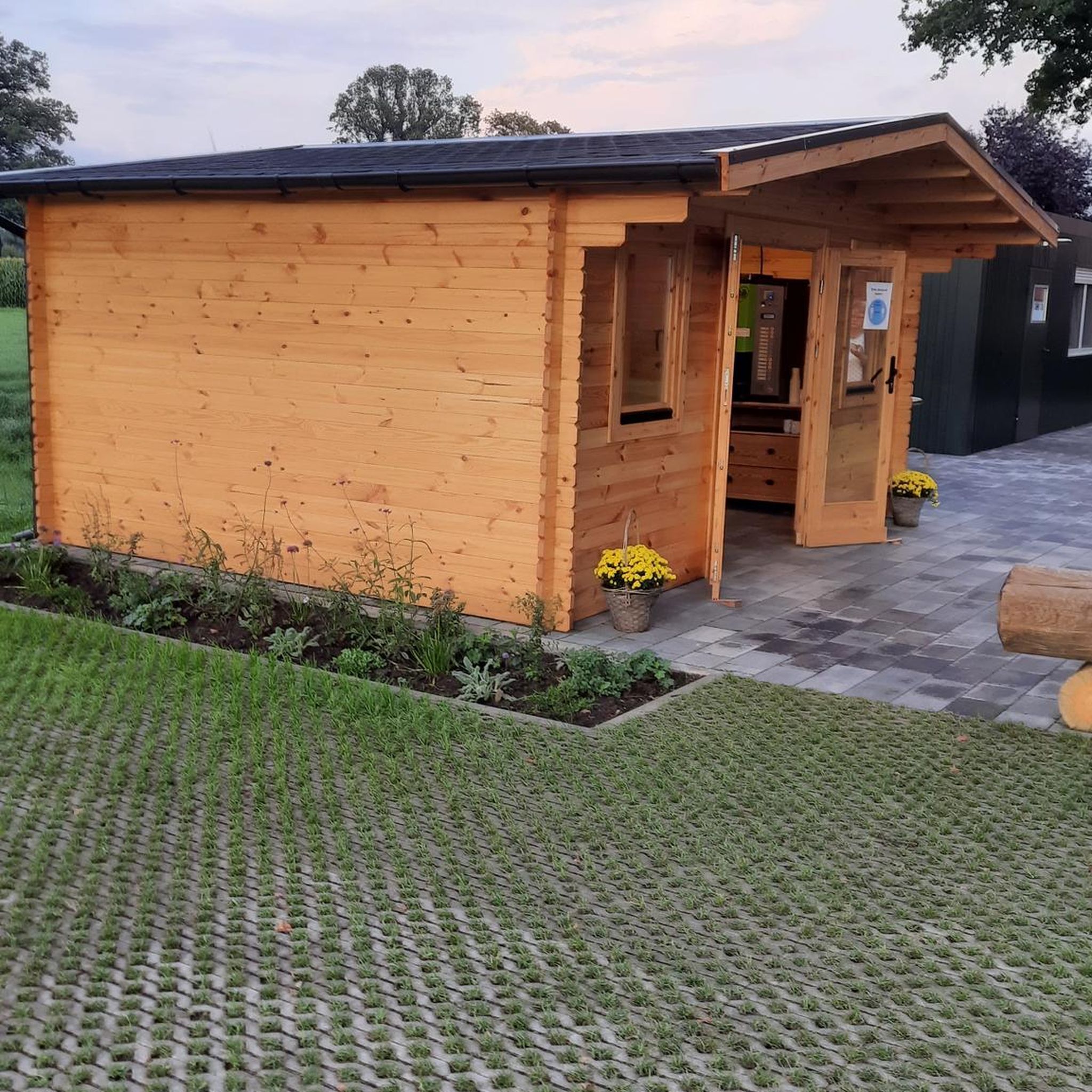
There is also a rest stop directly at the slate quarry
2
3

In 1880, Friedrich Wilhelm Franz from Wohnroth began digging a tunnel in the Katzenloch forest. He wanted to mine the coveted roofing slate here. However, the work was not crowned with success, the slate was of little use. He wasn't blue enough, as the technical term goes. Not hard enough we would say, it weathered too easily on the roof. So the work was soon abandoned. Today, the short, angled tunnel, also known as the Schnäirersch Leyebruch, is often used by children as a playground. Source: https://wohnroth-hunsrueck.de/geschichte-und-geschichten/schiefergruber.html
0
0

Is there a cat coming out?
0
2
Frequently Asked Questions
What kind of caves can I expect to find around Neuerkirch?
The caves in the Rhein-Hunsrück-Kreis region around Neuerkirch are primarily former slate mines and mine tunnels. These sites offer a glimpse into the area's mining history and unique geological features, such as quartz veins. Some also serve as natural habitats for wildlife, particularly bats.
Are there any family-friendly caves to visit near Neuerkirch?
Yes, the Schnäirersch Leyebruch Slate Mine is considered family-friendly. It's a short, angled tunnel that was an early attempt at slate mining in 1880 and is often used by children as a playground. While the interior of some other historical mines might be restricted, the surrounding areas often offer pleasant walks.
What is the historical significance of the caves in this region?
Many caves around Neuerkirch are former slate mines, reflecting the region's rich mining past. For example, the Katzenloch Slate Mine operated between 1921 and 1924, extracting roofing slate. The Upper and Lower Laykaul Slate Caves even served as a refuge during World War II, earning the area the nickname "Zittertal" (Trembling Valley).
Can I explore the interiors of all the caves?
No, access to the interiors of some caves is restricted. For instance, the Upper and Lower Laykaul Slate Caves are generally not accessible due to safety concerns. The Baybachtal Bat Cave is a significant wintering place for bats, and visitors are advised not to disturb them, especially during hibernation. The Prinzenstein Mine Tunnel also has a sealed main entrance.
Are there any caves that are important for wildlife?
Yes, the Baybachtal Bat Cave (a former slate tunnel) is a significant wintering place for bats. It's crucial not to disturb these animals, especially during their hibernation period, to protect their natural habitat.
What are the Upper and Lower Laykaul Slate Caves known for?
The Upper and Lower Laykaul Slate Caves, located in the Patelsbach valley near Karbach, are known for their historical role as a refuge during World War II. They feature impressive geological formations, including quartz veins, and offer a mystical, damp atmosphere. While the interiors are mostly inaccessible, their historical context and natural beauty make them compelling sites.
Are there hiking opportunities near these caves?
Yes, the region offers various hiking opportunities. For example, the Prinzenstein Mine Tunnel is situated directly on the RheinBurgenWeg hiking trail. You can find numerous routes in the area, including those listed in the Hiking around Neuerkirch guide, which features easy to moderate trails like the "Small pond – Former Klingelfloß shelter loop".
What other outdoor activities can I do around Neuerkirch besides visiting caves?
Beyond cave exploration, the area around Neuerkirch is excellent for various outdoor activities. You can find extensive hiking trails, MTB trails like the "Diellaysteig Trail," and road cycling routes such as the "Hunsrück Railway Cycle Path." These guides offer diverse options for exploring the landscape.
Is there a cave known for its unique name or local lore?
Yes, the Love Cave is an intermediate cave located near a youth camp site on the other side of the Kauerbach. Its name suggests a local charm or story associated with it, making it a unique spot to visit.
What is the best time of year to visit the caves and surrounding area?
The best time to visit depends on your interests. For general exploration and hiking, spring and autumn offer pleasant temperatures and vibrant scenery. If you plan to visit sites like the Baybachtal Bat Cave, be mindful of bat hibernation periods, typically in winter, when disturbance is strongly discouraged.
Are there any caves associated with local legends or figures?
The Schinderhannes Cave, a 15-meter deep slate gallery near Leideneck, is sometimes associated with the legendary outlaw Schinderhannes. However, historical evidence suggests his use of this specific location as a hiding place around 1800 is unlikely.
Where can I find parking when visiting these cave sites?
Specific parking information varies by site. For popular locations like the Baybachtal Bat Cave or the Laykaul Slate Caves, you will typically find designated parking areas nearby, often at trailheads or scenic viewpoints. It's advisable to check local signage upon arrival.
Most popular routes around Neuerkirch
Most popular attractions around Neuerkirch

Get inspired with the komoot mobile app


Explore more
Extend your search for the best caves by checking out these guides of the top ones around Neuerkirch:
