Top 11 Caves around Frankenstein
Best caves around Frankenstein are found in a region characterized by its historical significance and diverse natural landscapes. This area, often associated with the historic Frankenstein Castle, offers a variety of natural rock formations and man-made grottoes. Visitors can explore these subterranean features amidst hiking trails and scenic views. The caves provide insights into local geology and history.
Best caves around Frankenstein
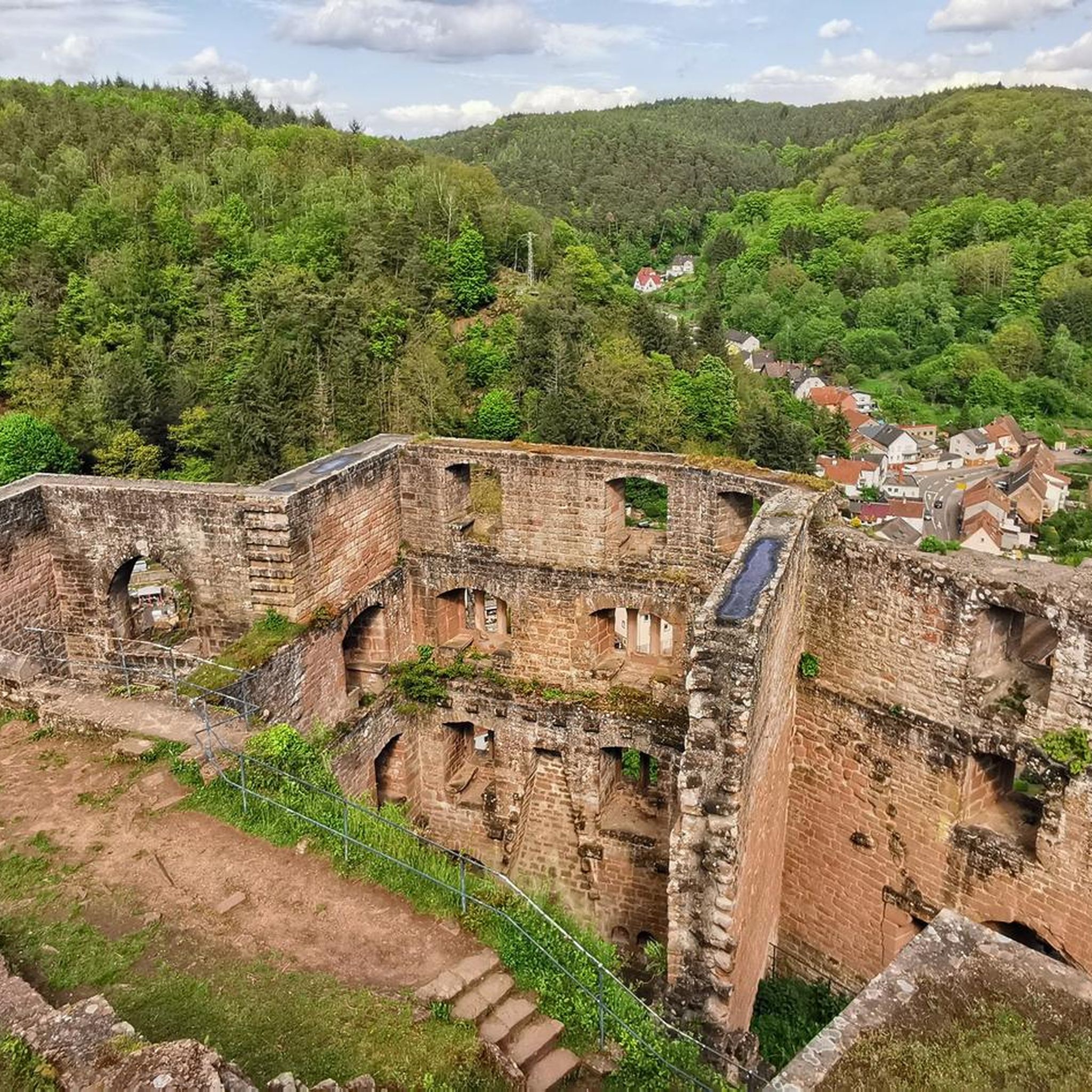
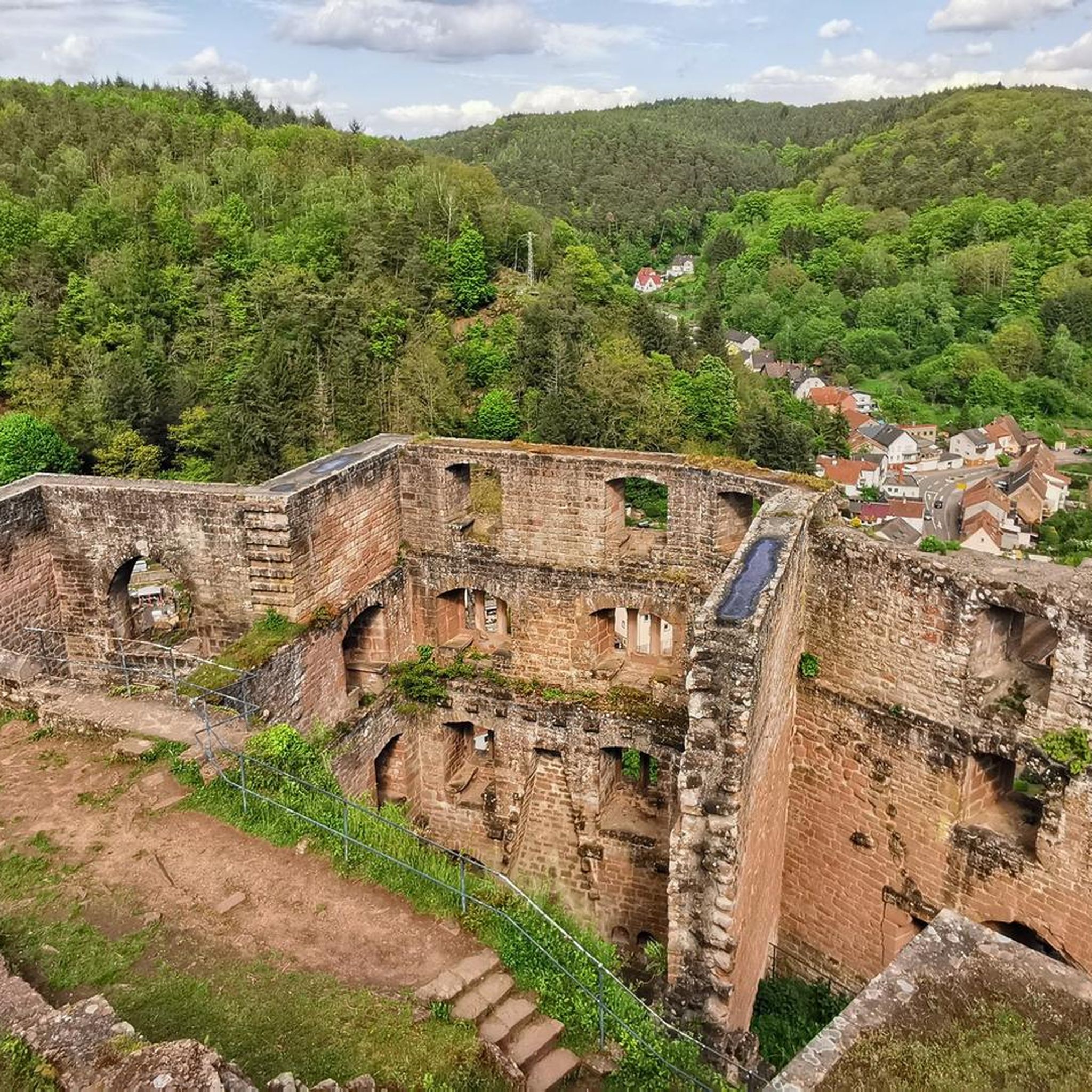
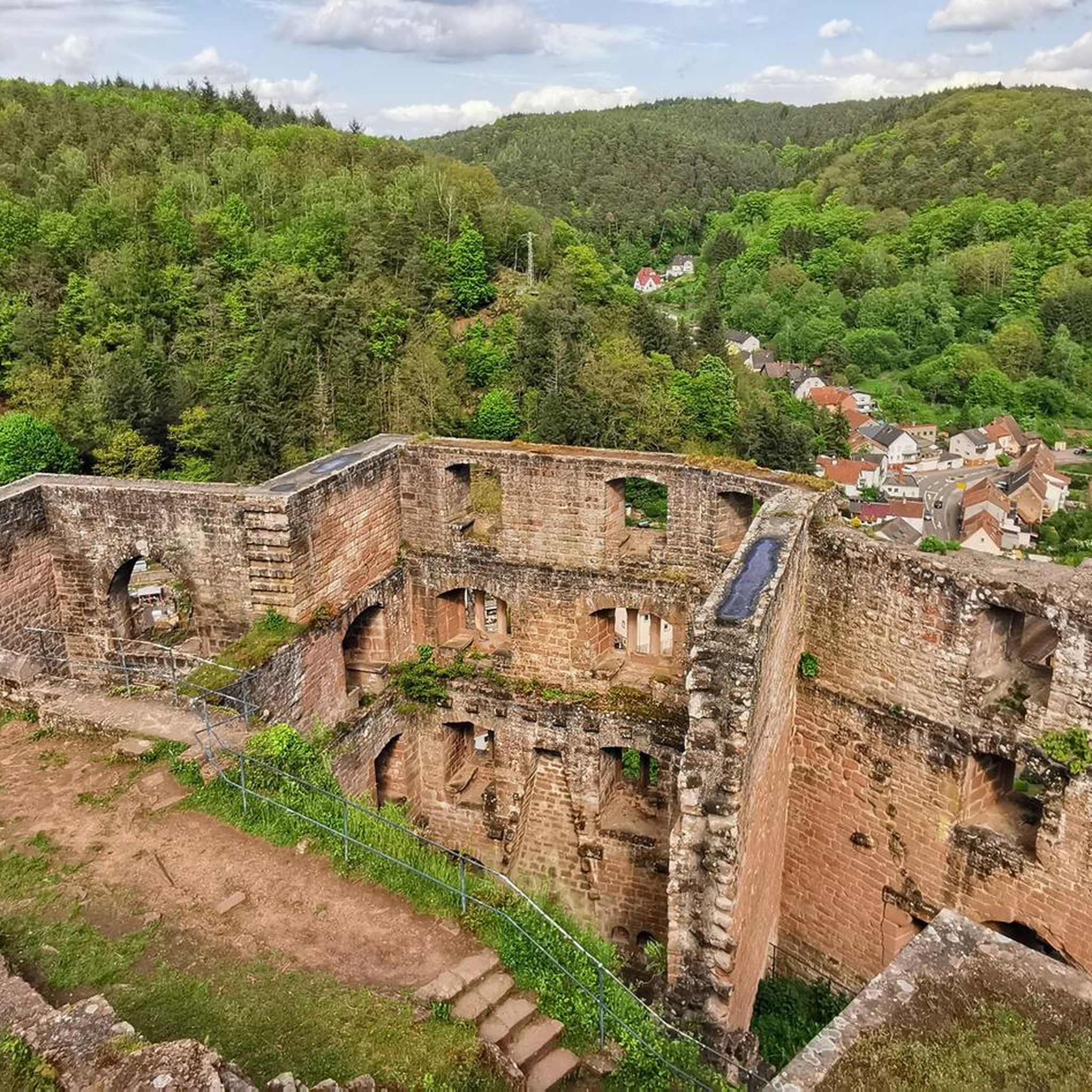
- The most popular caves is Dragon’s Cave at Drachenfels, a cave that is about 20 meters wide…
Last updated: June 27, 2026
Dragon’s Cave at Drachenfels
Highlight • Cave
Translated by Google •
Tip by

Stairway to the Drachenhöhle (Dragon's Cave)
Highlight • Cave
Translated by Google •
Tip by

Sign up now to discover places like this
Get recommendations on the best single tracks, peaks, & plenty of other exciting outdoor places.
Sign up for free
Diebskeller Cave
Highlight • Cave
Translated by Google •
Tip by
"Gerbersdell" ("vergessener" Ritterstein)
Highlight • Monument
A little further down …
Translated by Google •
Tip by
Lourdes Grotto in Erfenstein
Highlight • Religious Site
Translated by Google •
Tip by

Sign up for free to discover even more caves around Frankenstein.
Sign up for free
Already have an account?
Start today with a free account
Your next adventure awaits.
Login or Signup

Tips from the Community


The little detour is definitely worth it
1
0

The cave is difficult to reach (below the path) and unfortunately not worth it in my opinion. Apart from the inscription in the sandstone, there is nothing to see and there is a hole at the top of the cave through which rain can get in.
0
0

Small Staircase, Big Cave
0
0

Definitely worth it. Great big cave. If you're lucky you'll see the dragon. 🙂
0
0

After the stairs, you follow a narrow path secured with a railing to the rock shelter. Interesting to look at.
1
0
The Lourdes Grotto in Erfenstein is very well maintained and depicts the apparition of the Mother of God in February 1858 in Lourdes.
2
0

The bike ends here 🚲
0
1
Frequently Asked Questions
What types of caves can I explore around Frankenstein?
The region around Frankenstein offers a variety of subterranean features, including natural rock shelters, sandstone caves, and man-made grottoes. These range from historical hideouts to natural formations, providing insights into local geology and history.
Are there any caves with historical legends or stories?
Yes, the Dragon’s Cave at Drachenfels is steeped in legend. According to local lore, the lindworm that Siegfried killed in the Nibelungen saga once lived here. Another historically significant site is the Diebskeller Cave, a small sandstone cave that was historically used as a hiding place by highwaymen.
What is the most popular cave attraction in the Frankenstein area?
One of the most popular cave attractions is the Dragon’s Cave at Drachenfels. It's a cave about 20 meters wide and 15 meters deep, known for its legendary connection to the Nibelungen saga. Visitors also enjoy the path leading to the Stairway to the Drachenhöhle (Dragon's Cave), which offers an interesting rock shelter experience.
Are there any man-made grottoes or religious sites among the caves?
Yes, the Lourdes Grotto in Erfenstein is a notable man-made grotto. Built in the 1920s, its scenery depicts the apparition of the Holy Mother of God in Lourdes, offering a serene and reflective experience.
What is the difficulty level for exploring these caves?
The difficulty varies. For instance, reaching the Dragon’s Cave at Drachenfels can be a bit challenging and requires sure-footedness, especially with its narrow access. The path to the Stairway to the Drachenhöhle is secured with a railing but still involves a narrow path. Some caves, like the Diebskeller Cave, are accessible via a steep, mossy stone staircase. Always check specific highlight details for difficulty ratings.
Are there guided tours available for the caves around Frankenstein?
The provided information does not explicitly mention organized guided tours for the specific caves listed around Frankenstein. Many of these are natural formations or rock shelters that can be explored independently. It's advisable to check local tourist information for any available guided experiences.
What outdoor activities can I do near the caves around Frankenstein?
The area around Frankenstein is excellent for various outdoor activities. You can find numerous routes for mountain hikes, such as the Drachenfels Nature Reserve loop, or explore running trails like the challenging ascent to Frankenstein Castle. For cyclists, there are gravel biking routes, including loops around Beilstein Castle Ruins.
What should I bring when visiting the caves?
Given that some caves involve narrow or steep paths, sturdy footwear is recommended. For caves like the Diebskeller Cave, which offers a cool retreat in summer, a light jacket might be comfortable. If exploring less visible or 'hidden' caves, a flashlight could be useful.
Is there anything I should be aware of regarding wildlife in the caves?
Yes, some caves, particularly the Diebskeller Cave, are important habitats for bats. During the bat protection period, typically from October 1 to March 31, entry to such caves may be undesirable or not permitted to avoid disturbing the animals. Always respect local regulations and signage.
Are the caves around Frankenstein suitable for families with children?
While the guide does not explicitly label caves as 'family-friendly,' many of the natural rock shelters and grottoes can be interesting for children, especially those with a sense of adventure. However, some paths can be narrow or steep, so parental supervision and assessment of a child's agility are crucial. The legendary aspect of the Dragon’s Cave might particularly appeal to younger visitors.
What do visitors enjoy most about the caves around Frankenstein?
Visitors appreciate the unique blend of natural beauty and historical intrigue. The opportunity to explore hidden rock shelters, discover caves linked to ancient legends, and find cool retreats in summer are frequently mentioned highlights. The scenic views and hiking opportunities in the surrounding Palatinate Forest also add to the overall experience.
Most popular routes around Frankenstein
Most popular attractions around Frankenstein

Get inspired with the komoot mobile app


Explore more
Extend your search for the best caves by checking out these guides of the top ones around Frankenstein:
