Top 6 Caves around Wadgassen
Caves around Wadgassen are primarily found in the broader Landkreis Saarlouis region, as the municipality itself does not feature prominent natural cave systems. Wadgassen is situated in a landscape characterized by the Saar river and surrounding hills, offering various hiking and cycling trails. While local lore mentions an alleged escape tunnel from the old Wadgassen Abbey, this is not a publicly accessible natural cave. The area is known for its historical sites and natural monuments, with cave-like structures often having…
Last updated: June 27, 2026
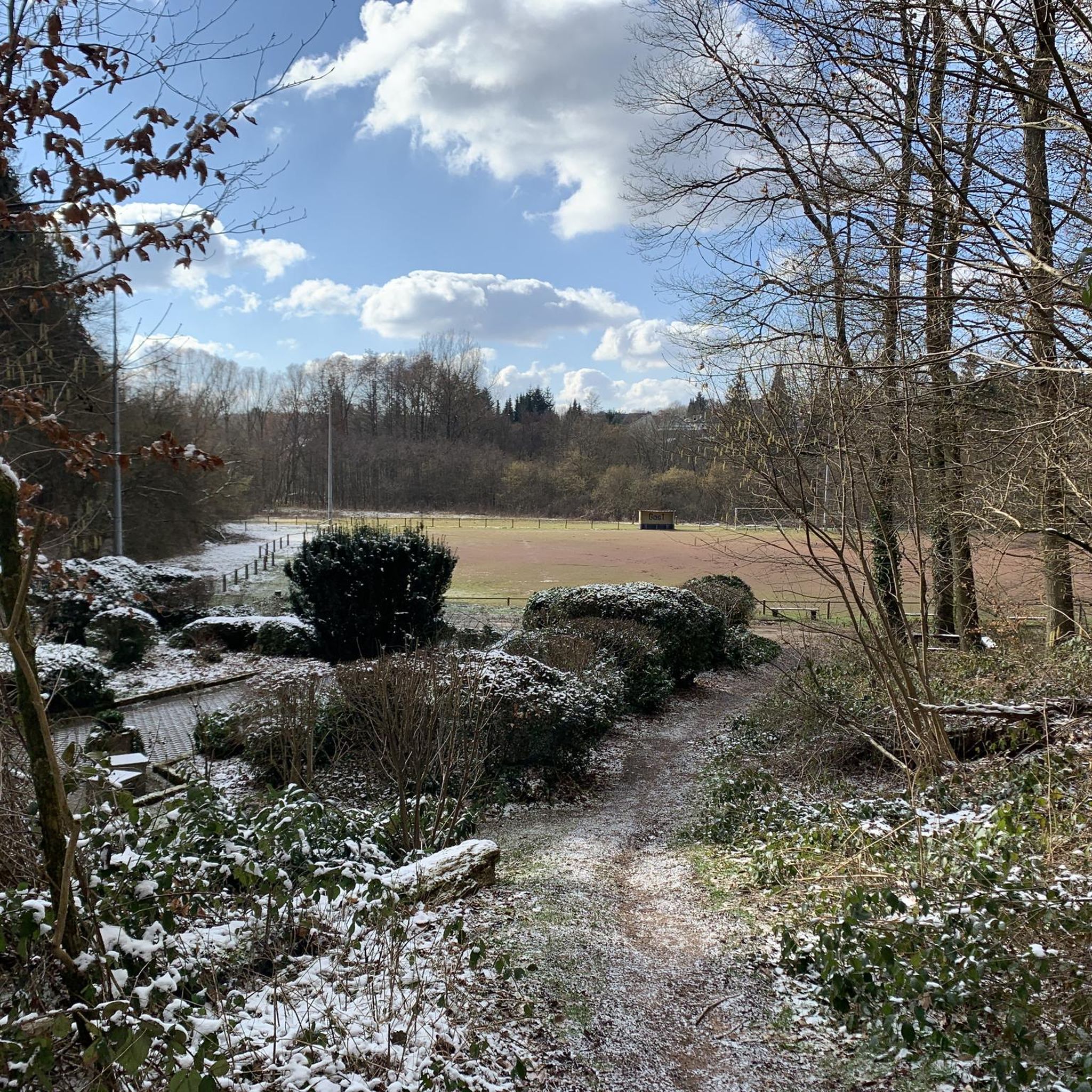
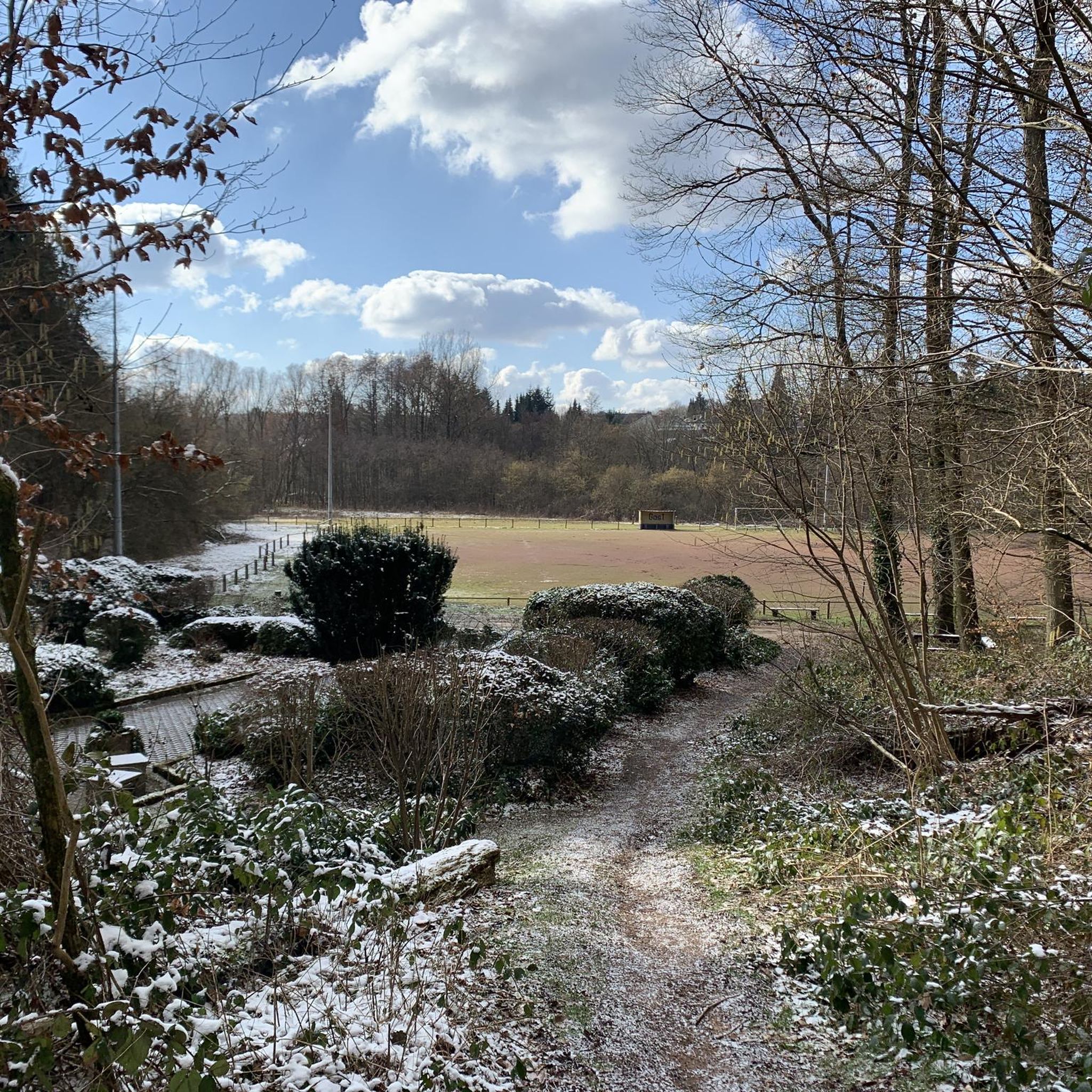
Former Beer Cellar at Grube Von der Heydt
Highlight • Historical Site
Translated by Google •
Tip by

Marian Grotto, Schwarzenholz
Highlight • Religious Site
Translated by Google •
Tip by
Sign up now to discover places like this
Get recommendations on the best single tracks, peaks, & plenty of other exciting outdoor places.
Sign up for free
Niederlimberg Rock Caves
Highlight • Cave
Translated by Google •
Tip by

Rock Cave
Highlight • Cave
Translated by Google •
Tip by

Marian Grotto
Highlight • Religious Site
Translated by Google •
Tip by

Sign up for free to discover even more caves around Wadgassen.
Sign up for free
Already have an account?
Start today with a free account
Your next adventure awaits.
Login or Signup
Tips from the Community

As long as the L170 is closed, the caves can be viewed in peace.
0
0


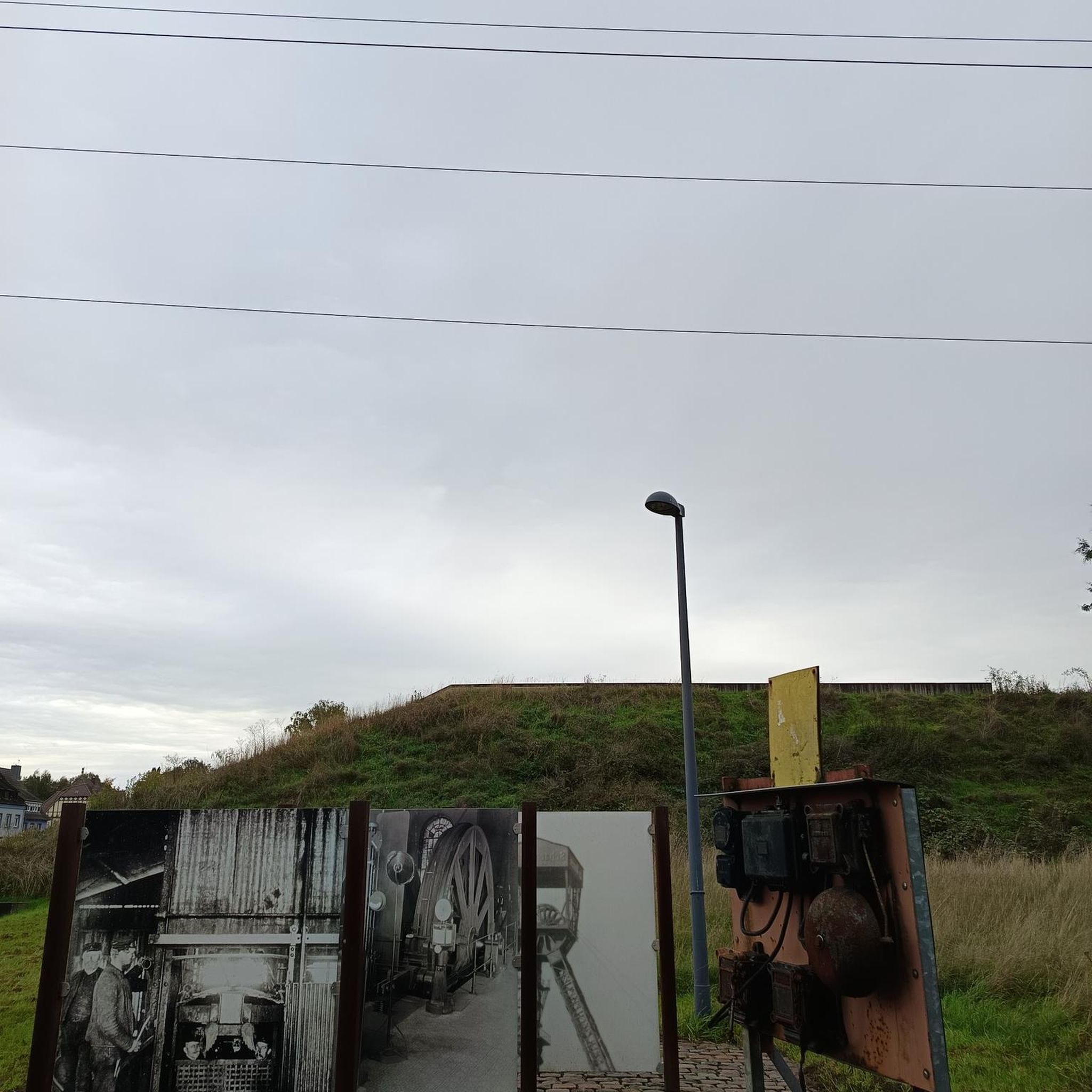
With the closure of the Amelung and Steinbach shafts in 1932 during the global economic crisis, Von der Heydt's time as an independent mine ended. In 1951 the Amelung shafts were swamped and used as extending weather shafts for the Viktoria mine in Püttlingen until 1963. During the construction of the Ludwigsstollen, the composite tunnel between the Luisenthal and Jägerfreude mines, the Amelung shafts were used in 1963 for ventilation, cable transport and material transport.[1] After the mine was finally closed in 1965, the daytime facilities were largely demolished. The mining machine house at the Amelung I shaft, a magazine building from 1885/1886 and the colliery house at the Amelung II shaft, which was built as an administration building and building in the early 1950s when the mine was reactivated, have been preserved.[2] The station building, which was built around 1870, has also been preserved. The station was used for passenger traffic until October 1959; until the end of the 1990s the one in Von der
1
0
it established the connection to the Steinbachtal in the east. The Kirchheckschächte and the Steinbachschächte were built at the Burbach tunnel.[1] Between 1865 and 1869, rope conveying was also used in the Burbach tunnel; between 1873 and 1917 the coal was transported using a chain railway.[2] In 1885 the mine employed 2,777 miners; Over 700,000 tons of coal were mined.[3] Between 1884 and 1886, the Amelung I shaft (named after the mining captain Karl Gustav Amelung, 1818–1866) was sunk; This means that the Von der Heydt mine transitioned from tunnel construction to civil engineering very late.[4] A second production shaft followed in 1899, the Amelung II shaft. In the east of the mine field, the Neuhaus I weather shaft was built in 1901. From 1920, as a result of the Treaty of Versailles, the mine was under French administration. In the district of Rastpfuhl, another weather shaft, the Pasteur or South Shaft, was sunk in 1922.
1
0
The pit - named after the banker and Prussian trade and finance minister August Freiherr von der Heydt (1801-1874) - was built in 1850 and is classified as one of the so-called railway pits that the Prussian mining treasury built when the Saar region was opened up by the Saarbrücken Railway. In 1852 the mine received a railway connection to St. Johann-Saarbrücken. In the upper Burbachtal, the location of the mine, coal mining had been carried out since at least 1770. In 1850, the approximately 1.3 kilometer long Von Heydt tunnel leading to the northwest was struck. In this tunnel, horizontal cable conveyance was used for the first time in Europe in 1862; previously it had been supported with horses. The Lampennest tunnel, which was started in 1853, served to promote the Lampennest mine, located north of the Burbachtal near Güchenbach (today Riegelsberg). Between 1855 and 1862, the approximately 2.3 kilometer long Burbach tunnel was excavated in the opposite direction.
1
0


When the weather is bad, you walk down the mountain in a small creek. Danger! Very muddy and wet, sturdy shoes necessary otherwise you can only get backwards if your feet are dry.
0
0

Very nice section if you drive past it and only have the route in view
0
0
Frequently Asked Questions
Are there natural caves directly within Wadgassen municipality?
No, prominent natural cave systems are not found directly within the municipality of Wadgassen. The area is known more for its historical sites and varied landscapes. Cave-like structures in the immediate vicinity often have historical or man-made origins, or are located in the broader Landkreis Saarlouis region.
What types of cave-like structures can I explore in the Wadgassen area?
The region offers a mix of natural rock formations, historical man-made tunnels, and grottoes. Examples include the religious Marian Grotto, Schwarzenholz, the industrial heritage site of the Former Beer Cellar at Grube Von der Heydt, and the historically significant Niederlimberg Rock Caves.
What is the historical significance of the cave-like sites around Wadgassen?
Many sites hold historical importance. For instance, the Former Beer Cellar at Grube Von der Heydt is a remnant of a historic coal mine, once used for beer storage. The Niederlimberg Rock Caves historically housed some of the region's poorest residents and are now a natural monument.
Is the Marian Grotto, Schwarzenholz suitable for families?
Yes, the Marian Grotto, Schwarzenholz is considered family-friendly. It offers a quiet place for reflection and is noted for its peaceful atmosphere, making it a suitable stop for visitors of all ages.
What can I expect when visiting the Niederlimberg Rock Caves?
The Niederlimberg Rock Caves are natural rock formations with a rich history, located at the entrance to Wallerfangen. While some areas might be overgrown, parts are accessible, offering a glimpse into a unique historical dwelling site. Visitors have noted that sturdy shoes are advisable due to potentially muddy conditions.
Are there any true natural rock caves to explore in the wider area?
Yes, beyond the historical sites, you can find natural rock caves like the Rock Cave and the Bat Cave (Vauban Trail). These offer more rugged exploration, often requiring a bit of searching or navigating through natural terrain.
What outdoor activities can I combine with a visit to the cave-like attractions?
The area around Wadgassen is excellent for various outdoor activities. You can find numerous running trails, road cycling routes, and gravel biking routes. Many of these trails pass through scenic landscapes, offering opportunities to explore the region's natural beauty.
Are there hiking trails near these cave-like sites?
Yes, the region offers a variety of hiking opportunities. For example, the Bat Cave is located a short distance from the Vauban Trail, and other cave-like structures are often integrated into local walking paths. You can find more options for running and hiking trails throughout the Wadgassen area.
What do visitors enjoy most about the cave-like attractions in the Wadgassen area?
Visitors appreciate the unique blend of natural beauty and historical significance. The peaceful atmosphere of sites like the Marian Grotto, the intriguing history of the Former Beer Cellar, and the rugged exploration offered by natural rock caves are frequently highlighted.
Are there any specific considerations for visiting the Bat Cave?
The Bat Cave is a small cave located slightly off the main Vauban Trail. Reaching it might involve some light 'scrub climbing,' so be prepared for a bit of off-path navigation. It's advisable to wear appropriate footwear for potentially uneven terrain.
What should I wear when exploring the cave-like sites?
For sites like the Niederlimberg Rock Caves or the Rock Cave, sturdy, waterproof shoes are highly recommended, as paths can be muddy and wet, especially after rain. Comfortable clothing suitable for walking and light exploration is generally advised.
Are there any local legends associated with caves in Wadgassen?
Local lore mentions an alleged 'Fluchttunnel der alten Abtei von Wadgassen' (escape tunnel of the old Wadgassen Abbey) rumored to run under the Saar river. However, this appears to be a historical curiosity or legend rather than a publicly accessible natural cave system.
Most popular routes around Wadgassen
Most popular attractions around Wadgassen

Get inspired with the komoot mobile app


Explore more
Extend your search for the best caves by checking out these guides of the top ones around Wadgassen:
